Ukraine Strike in Donetsk Adds Geopolitical Risk for Russia-Exposed Markets
The reported deaths of at least 20 Russian officers in Donetsk underscore escalation risk that investors continue to price across equities, bonds and currencies.
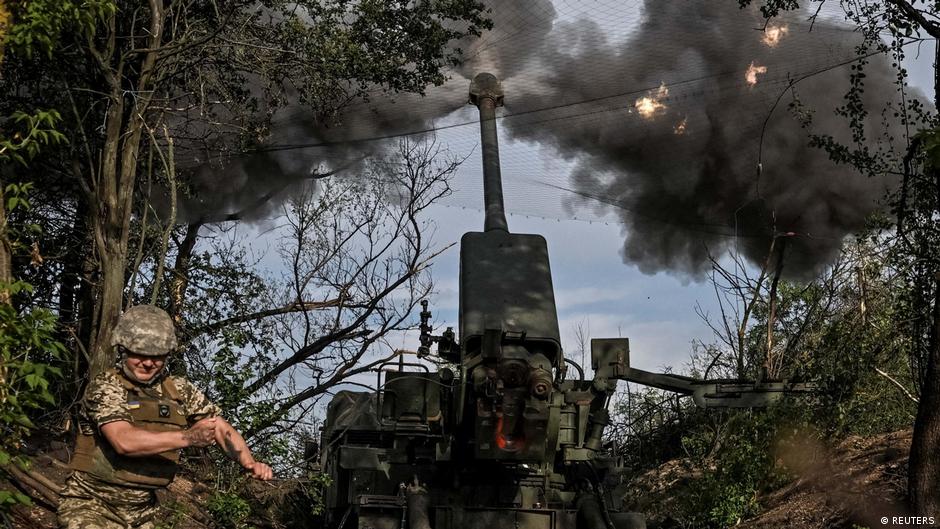
Ukraine’s reported missile strike on Russian-occupied Donetsk on August 26 has taken on new significance for investors assessing geopolitical risk around Russia, Ukraine and the wider European security environment. According to the Russian investigative outlet Mediazona, journalists identified at least 20 Russian officers who died as a result of the attack, making it the largest known single loss of Russian officer personnel since the start of Moscow’s full-scale invasion of Ukraine.
For capital markets, the immediate issue is not only the military detail, but what it signals about command vulnerability, escalation dynamics and the durability of war-related risk premia. Investors have spent more than two years weighing sanctions, energy security, defense spending, sovereign risk and currency volatility linked to the conflict. A strike that reportedly hit personnel connected with Russian command structures reinforces the view that the war remains capable of producing sharp, headline-driven reassessments of risk.
Mediazona reported on Friday, October 9, that at least 20 Russian officers were killed in the mass missile strike on Donetsk. Eighteen of them died on the day of the attack, while two others later died from their wounds. The dead served in headquarters linked to Russia’s “Center” grouping of forces, including the headquarters of the Central Military District and the headquarters of the 41st Combined Arms Army, according to the outlet’s findings.
Mediazona described the losses as the largest known single-day loss of Russian officer personnel since the beginning of the full-scale invasion of Ukraine.
Market Relevance of a Command-Level Loss
From an investor perspective, the reported loss of senior military personnel matters because it points to the continuing reach of Ukrainian strike capabilities inside Russian-occupied territory. Mediazona said the dead included, among others, seven colonels and four lieutenant colonels. Such details are likely to be read by market participants as evidence that the conflict remains operationally fluid, even when front-line changes are not the main driver of daily trading.
The strike was carried out on the evening of August 26, according to the source account. Denis Pushilin, head of the Russian-installed occupation administration, said on his Telegram channel that the target was the Donetsk City shopping center. He also said Storm Shadow/SCALP-EG missiles were used in the attack.
Those missile systems have been closely watched by security analysts and investors because long-range strike capacity can affect calculations around escalation, infrastructure vulnerability and defense procurement. For equities, the clearest transmission channel remains the defense sector, where investors monitor signs of sustained demand for air defense, missiles, electronic warfare and command-protection systems. For bonds, geopolitical shocks can influence sovereign spreads, safe-haven demand and the pricing of fiscal pressure in countries exposed to defense spending or energy volatility.
Mediazona said its journalists established the names of the dead by comparing personnel lists from the two headquarters with the inheritance case registry, other state registries and military obituaries. The methodology is important for markets because credible open-source verification can shape how quickly geopolitical claims move from battlefield rumor to investable risk assessment. Investors often discount unverified wartime claims, but documented personnel losses can feed into a broader judgment about the conflict’s trajectory.
OSINT Claims and Investor Caution
The source account also cited claims from Ukrainian Telegram channels and open-source intelligence projects about the facilities that may have been hit. The Ukrainian Telegram channel Exile+ claimed that one strike hit a building that had housed research and industrial institutions before the war. The channel KiberBoroshno added that one of the targets was an underground parking facility with 600 spaces beneath an unfinished residential complex. OSINT projects suggested that both sites were being used as Russian military command posts.
For investors, such claims require caution. The source article does not provide an official independent confirmation of the alleged command-post use, and wartime information often emerges through fragmentary channels. Still, the combination of reported officer deaths, named units and OSINT assessments will likely be assessed as part of the broader geopolitical picture that influences risk appetite.
In equity markets, the event is most relevant for companies and sectors with exposure to defense budgets, European energy security, logistics routes and sanctions-sensitive trade. In fixed income, the conflict continues to matter through inflation expectations, government borrowing needs and central bank reaction functions, particularly in Europe. Currency markets also remain sensitive to any development that shifts expectations around energy flows, regional security or fiscal commitments.
The reported Donetsk strike does not, by itself, provide enough information to quantify a direct market move. The Russian-language source does not cite stock, bond or currency reactions, and no market pricing data is included in the report. The appropriate capital markets reading is therefore one of risk interpretation rather than immediate price attribution: the episode adds to evidence that the conflict retains the capacity to surprise, disrupt assumptions and sustain elevated geopolitical risk premia.
For investors today, the practical takeaway is that Russia-Ukraine headlines remain material even when they do not directly concern energy infrastructure or sanctions packages. Command-level losses, if verified and absorbed into strategic assessments, can affect expectations about retaliation risk, conflict duration and future military support decisions by Ukraine’s partners. Those expectations, in turn, can influence how investors position across European equities, government bonds, defense names, energy-linked assets and currencies exposed to regional risk.
The reported deaths of at least 20 Russian officers in Donetsk underline a market reality that has persisted since the full-scale invasion began: the war is not a static geopolitical backdrop. It remains an active source of event risk, and investors with exposure to Europe, Russia-linked assets or global defense themes will continue to treat such developments as part of the daily risk calculus.