US Extends Suspension of Sanctions on Russian Oil Sales Until May 16 Amid Market Pressures
Washington prolongs license for Russian oil shipments already loaded, impacting global energy markets and investor outlook.
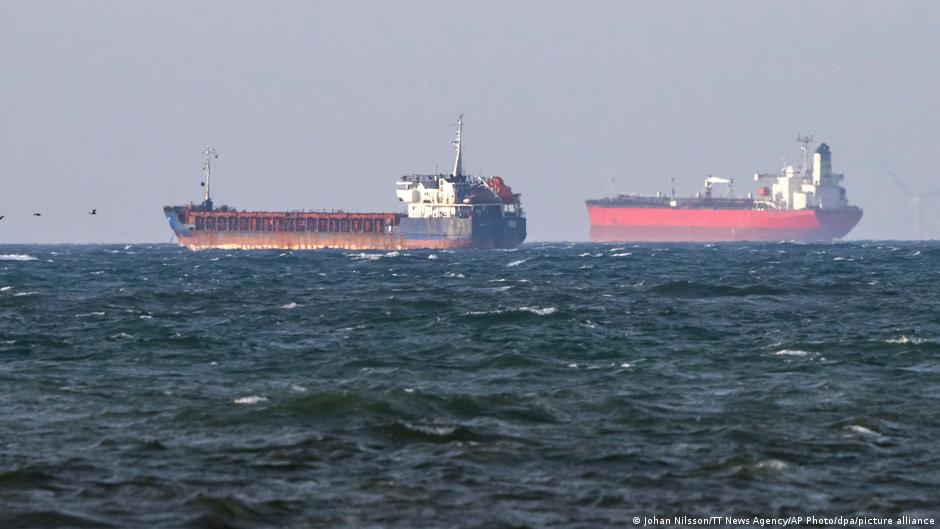
The United States has extended its suspension of sanctions on the sale of Russian oil and petroleum products already loaded onto tankers until May 16, a move that has significant implications for capital markets and investors monitoring energy sector volatility.
Initially introduced on March 13 for a 30-day period amid rising energy prices triggered by conflict in the Middle East, the sanction relief was described by U.S. Treasury Secretary Scott Bessent as a "narrowly targeted and short-term" measure. However, despite earlier statements suggesting no further extensions, the extension through mid-May signals continued U.S. efforts to balance geopolitical objectives with global market stability.
Market Impact and Revenue Implications
This extension has influenced both equity and bond markets, particularly for energy companies and sectors tied to oil prices. According to data from the International Energy Agency (IEA), Russia's oil revenues in March nearly doubled compared to February, reaching $19 billion, primarily driven by increased sales due to the eased restrictions.
Reports indicate that Russia gained over $100 million daily in additional revenue from oil sales after the partial lifting of sanctions. Despite these increased revenues, the relaxation of sanctions has had limited effect on global oil prices, which remain elevated due to broader geopolitical tensions.
"A significant portion of Russian oil continues to be transported via so-called 'shadow fleets,' circumventing international restrictions, thereby limiting the intended impact of sanctions on market prices."
For investors, these dynamics underscore the complexity of energy markets influenced by geopolitical risk and sanctions policy. The decision to extend sanctions relief can ease supply concerns, potentially stabilizing oil prices and reducing volatility in related equities and fixed income instruments. However, it also raises questions about the long-term effectiveness of sanctions as a tool for economic pressure.
Energy sector equities may experience short-term relief from supply constraints, while bond markets could adjust to changing risk assessments tied to geopolitical developments. Portfolio managers and investors should closely monitor these policy developments alongside global conflict hotspots that continue to affect commodity flows.
In summary, the U.S. extension of the sanctions waiver on Russian oil shipments reflects an ongoing balancing act between geopolitical strategy and market stability, with significant implications for capital markets participants navigating the uncertain energy landscape.