US Supreme Court Allows Trump to Proceed with White House Ballroom Construction
The Supreme Court temporarily blocks lower court rulings halting Trump’s White House reconstruction, impacting government and real estate sectors.
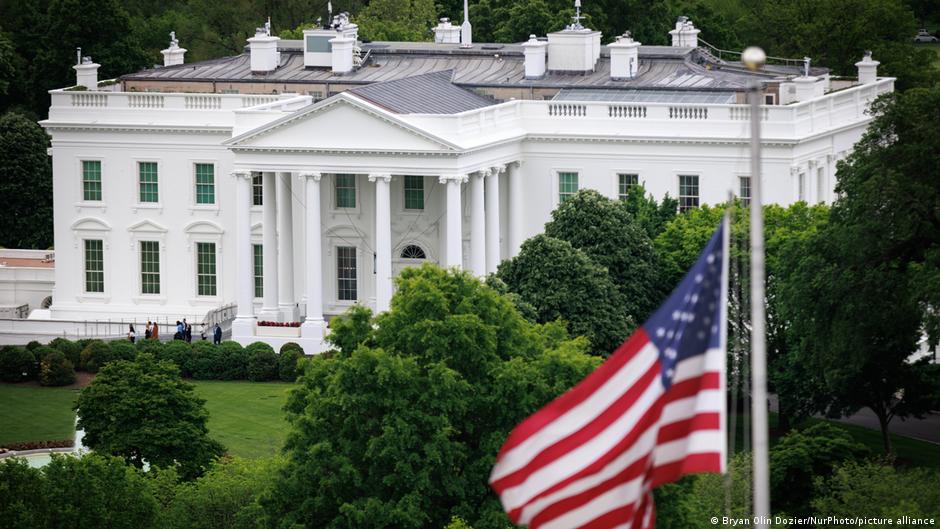
The US Supreme Court has granted President Donald Trump permission to continue the reconstruction project at the White House, which includes the construction of a ballroom and a military bunker. This ruling temporarily blocks lower court orders that had demanded a halt to the construction.
Market Implications of White House Reconstruction
On Friday, August 21, Chief Justice John Roberts issued a ruling that suspends decisions from lower courts, including the Federal Appeals Court in Washington. That court had previously prohibited the Trump administration from proceeding with the extensive renovations, citing limitations on executive power to redesign and rebuild the White House based on personal presidential preferences.
"The current administration does not possess unlimited authority to redesign and reconstruct the White House according to a president’s personal wishes," the appeals court argued.
The Trump administration challenged this restriction, emphasizing the national security importance of the project. President Trump described the complex, including the ballroom and the bunker, as "the greatest structure of its kind," underscoring its strategic value.
Last year, without congressional approval, President Trump ordered the demolition of the historic East Wing of the White House to make way for the ballroom and bunker.
From a capital markets perspective, this ruling could signal increased government spending and construction activity linked to federal projects, potentially benefiting construction, security, and materials suppliers. However, the legal uncertainties and political controversies surrounding the project might weigh on investor sentiment regarding government contracts tied to presidential administration priorities.
Moreover, Trump’s broader vision to reshape Washington, including plans to reconstruct the Reflecting Pool and erect a 76-meter triumphal arch nearly three times the height of Berlin’s Brandenburg Gate, could have longer-term implications for real estate development and infrastructure investment in the capital.
Investors in equities and bonds related to construction, defense, and infrastructure sectors should monitor further legal developments and budgetary allocations linked to these initiatives. The Supreme Court’s intervention temporarily removes a key legal risk, but continued debate in Congress and public scrutiny may affect funding and timelines.
Overall, the decision reflects the complexities at the intersection of executive authority, national security concerns, and regulatory oversight—factors that can influence market perceptions of government project viability and associated investment opportunities.