Western Embassy Contingency Plans Signal Rising Ukraine Risk for Markets
Western contingency planning for embassies in Kyiv points to rising Ukraine risk for investors watching energy, defense, bonds and regional markets.
Western contingency planning for embassies in Kyiv points to rising Ukraine risk for investors watching energy, defense, bonds and regional markets.

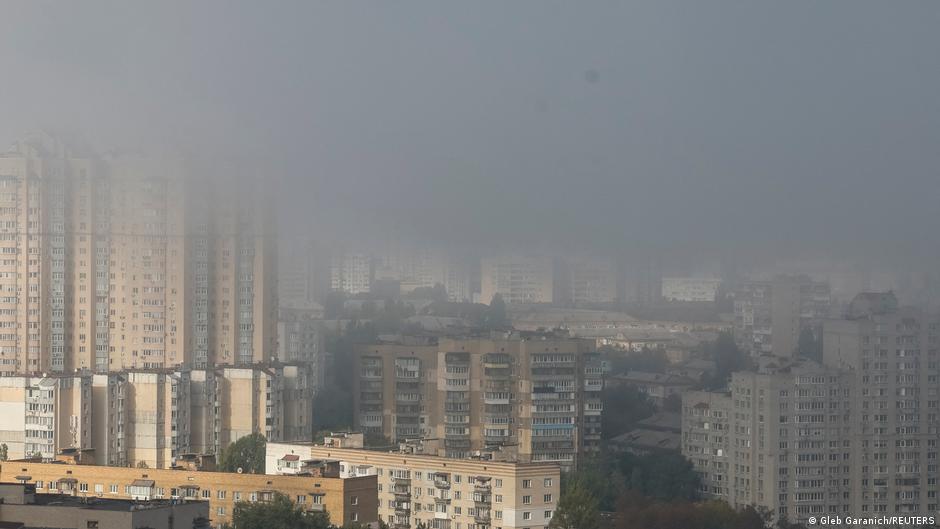
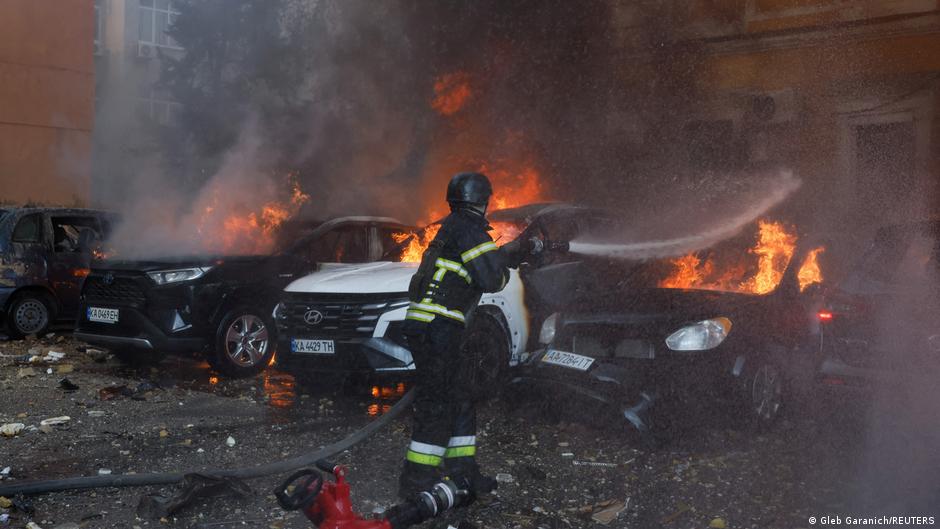
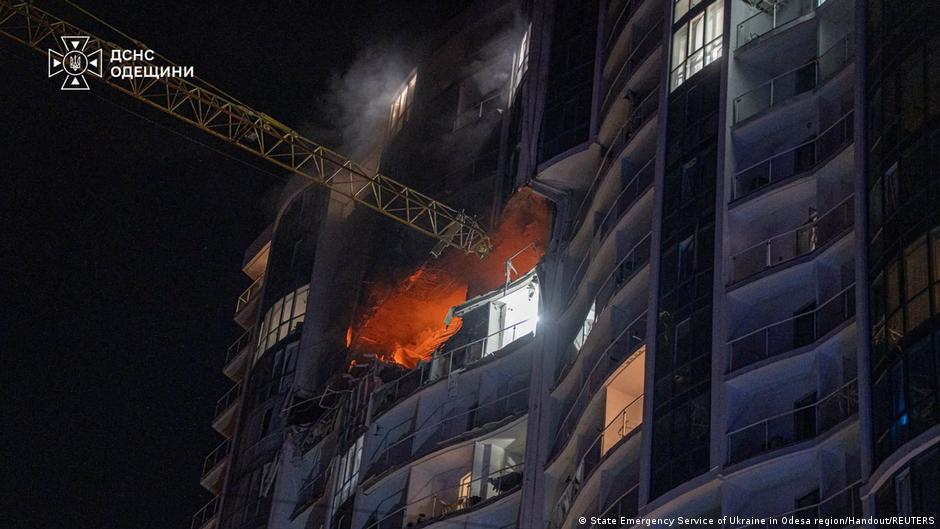
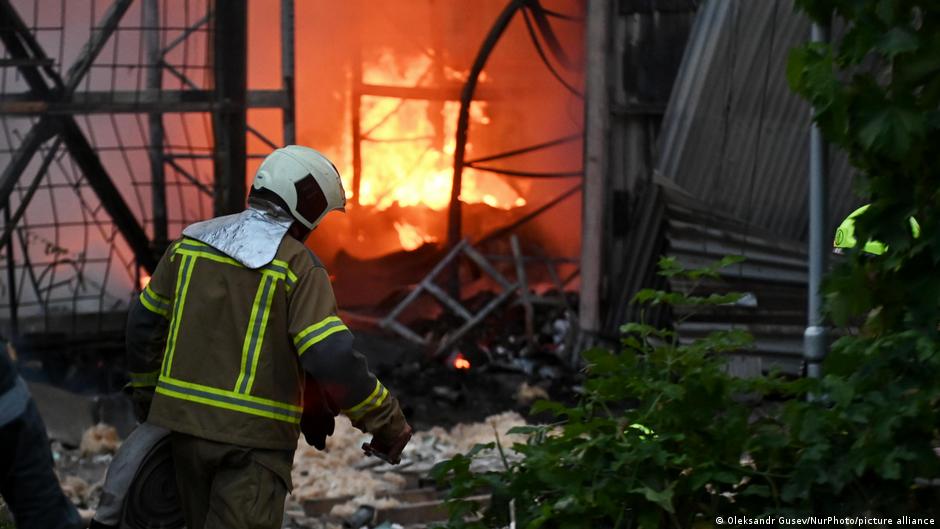
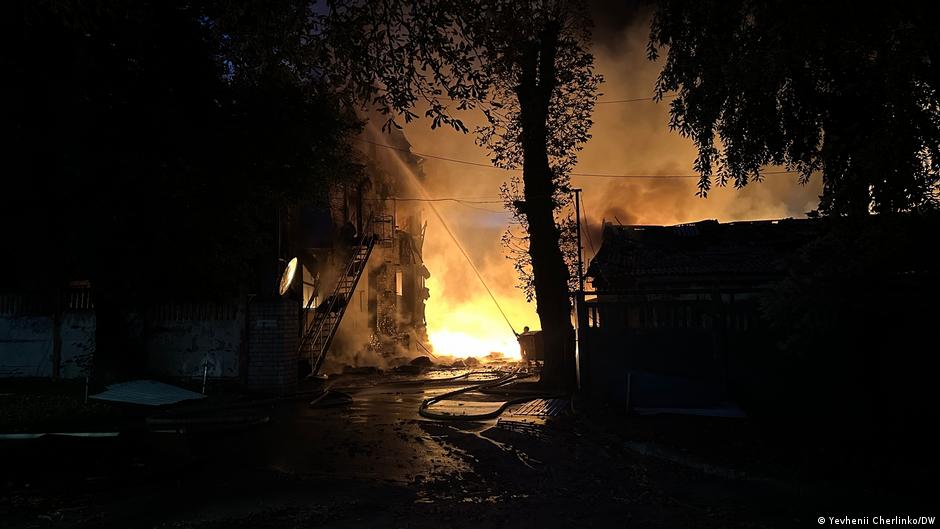
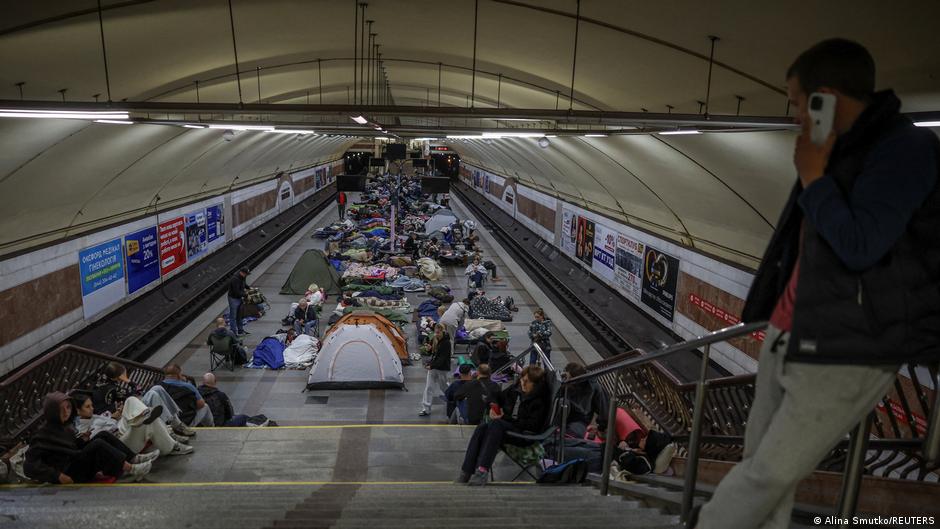
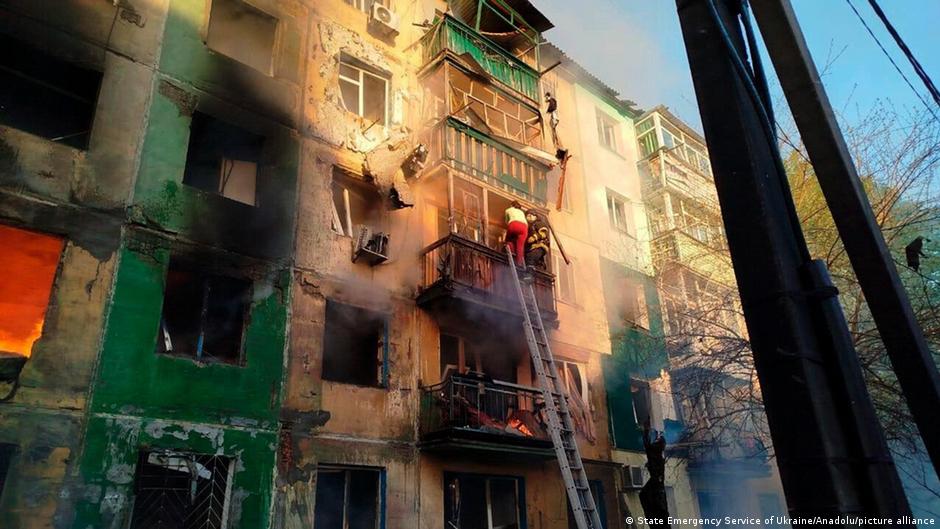
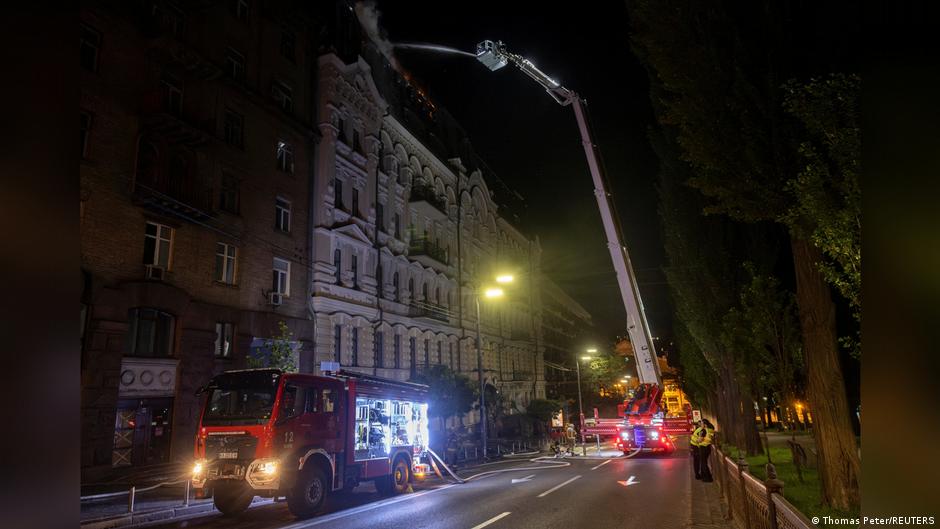
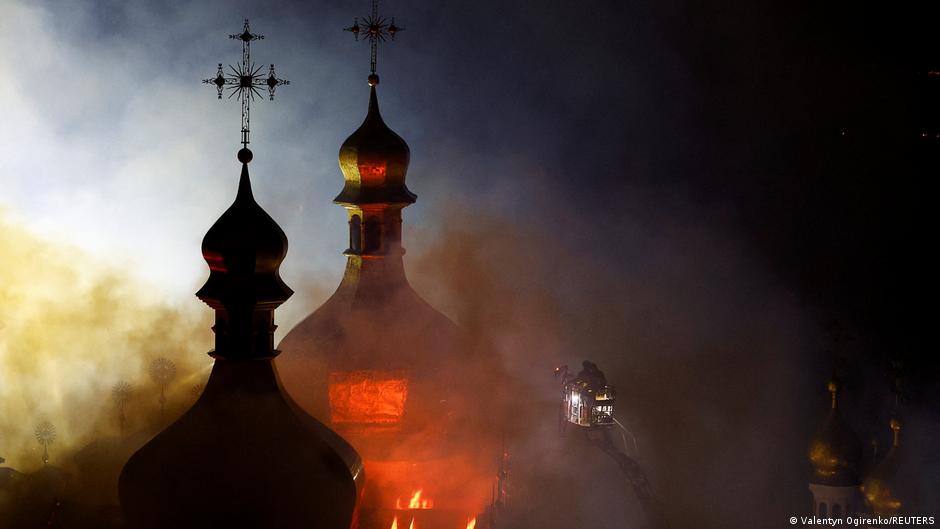
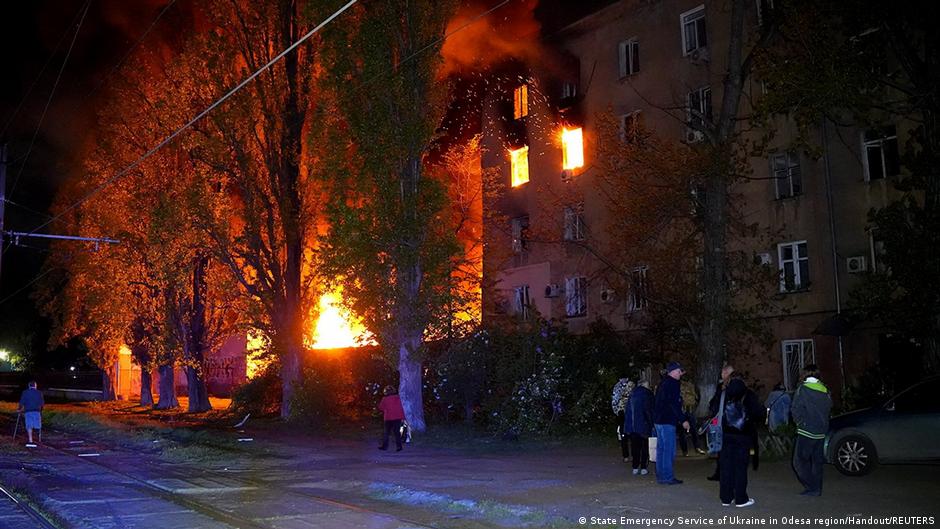
Russian strikes damaged sites in Kyiv, Odesa and Sumy as Ukraine prepared power curbs, adding pressure for investors tracking infrastructure risk.

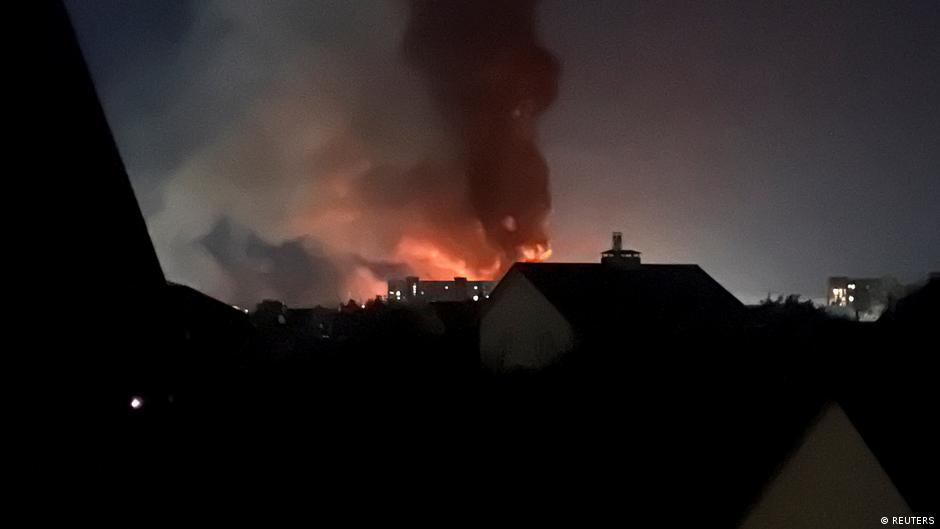
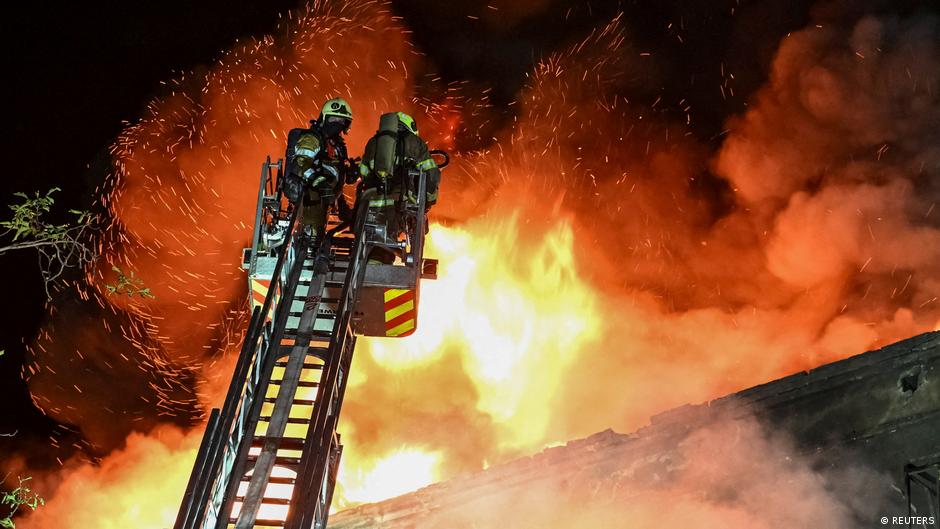
Russia struck Kyiv again overnight after deadly daytime attacks, keeping geopolitical risk in focus for investors.

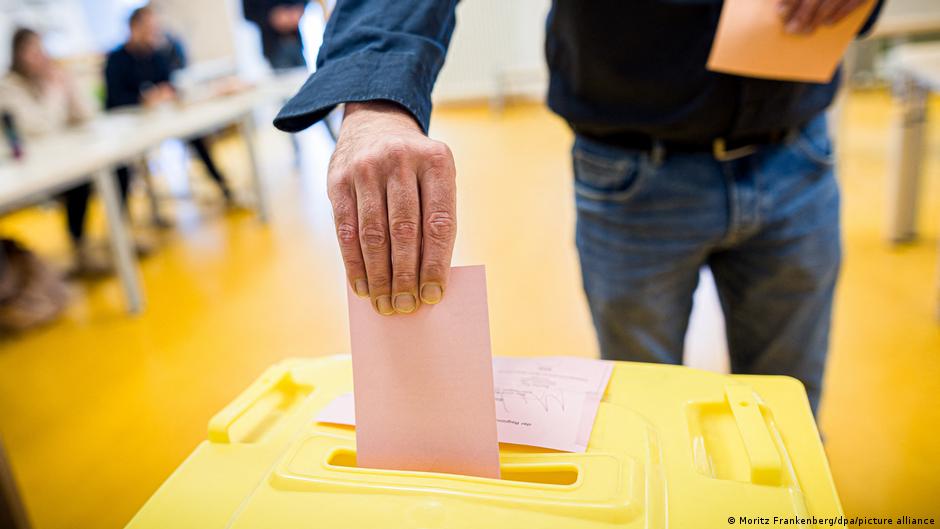
AfD failed to win three mayoral runoffs in Lower Saxony, while Greens held Hanover and gained other urban posts, offering investors a signal of local continuity.

The EU will add €710 million in humanitarian aid, with investors watching how crisis spending fits into Europe’s wider fiscal outlook.

Russian drone attacks killed at least three civilians in southern Ukraine and hit port and civilian infrastructure in Odesa region.

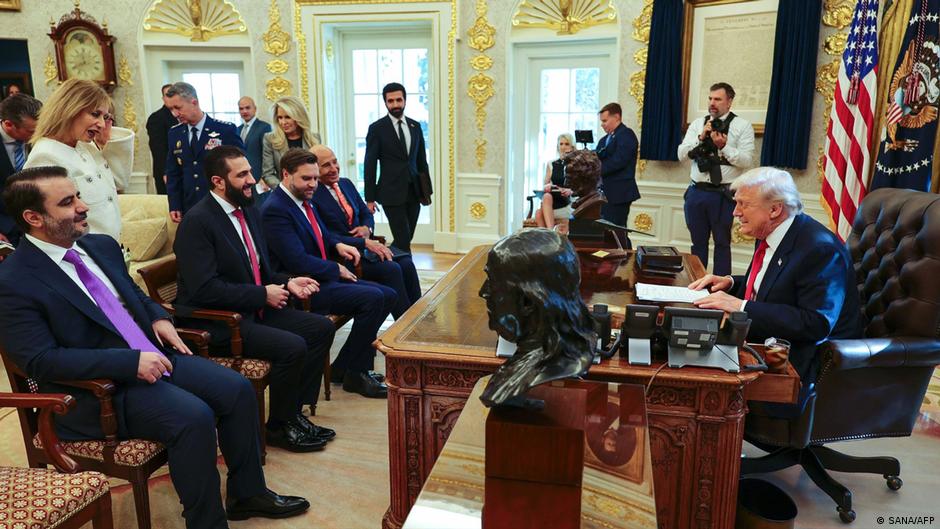
Kyiv denied a report that Trump urged Zelenskyy to meet Putin in Moscow as investors monitor diplomacy, diesel prices and energy risks.

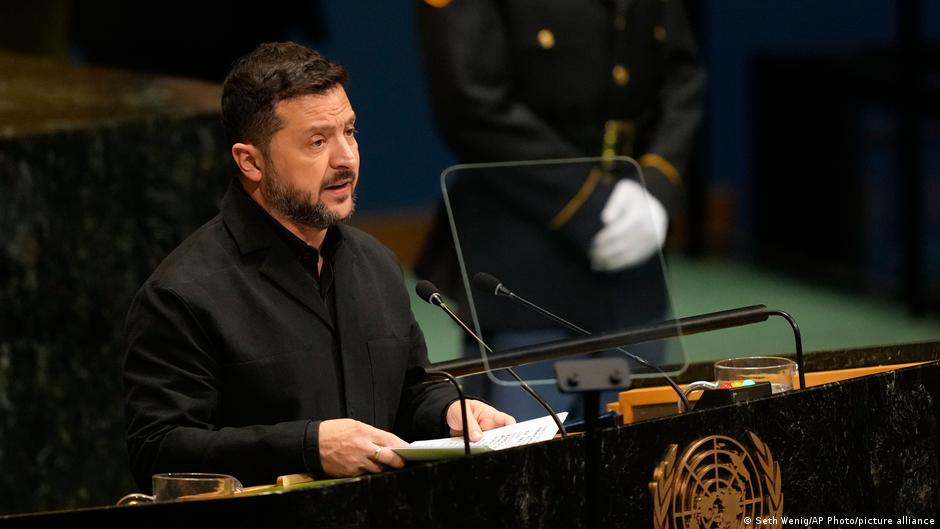
Zelenskyy’s UN remarks put Russia’s oil revenues, energy infrastructure and war financing back at the center of investor risk assessments.

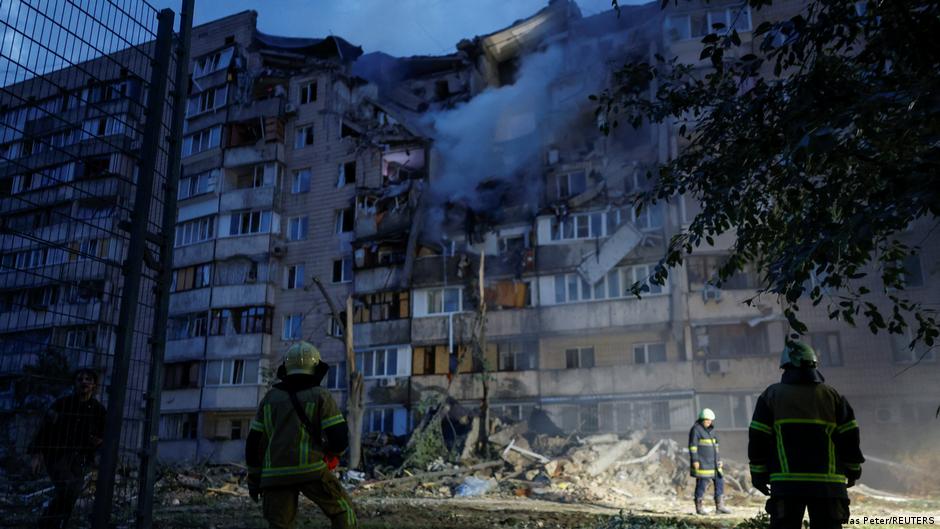
Kyiv’s mayor said two people were killed and six injured after a Russian strike, with debris damaging areas near a maternity hospital and energy targets in focus.

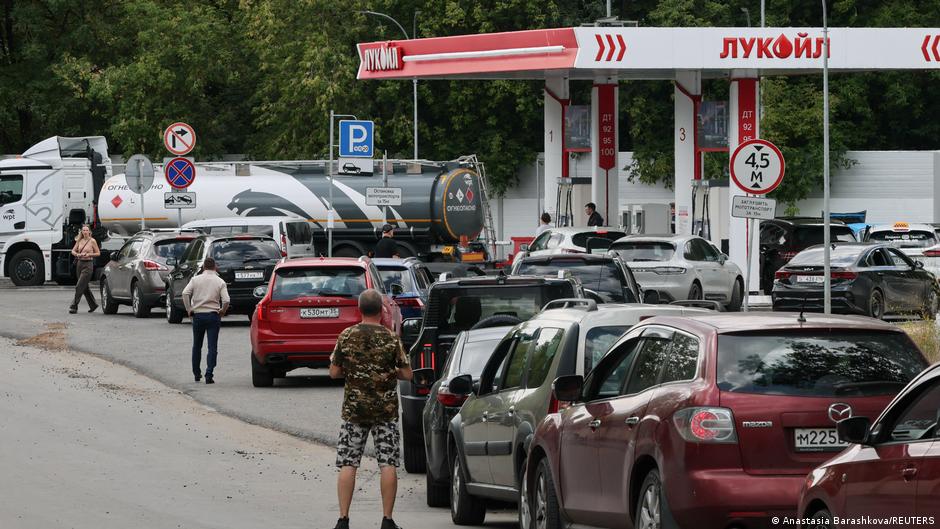
Kaluga and Zabaikalsky are restoring gasoline limits as refinery strikes renew supply stress, raising inflation and market risks.

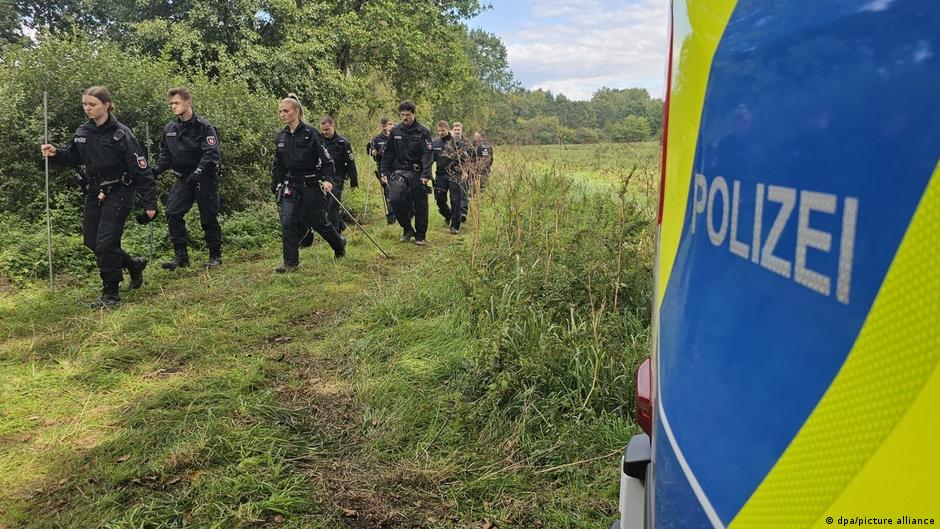
German investigators are examining whether a drone near the Wunstorf air base was linked to explosives, adding security risk for investors.

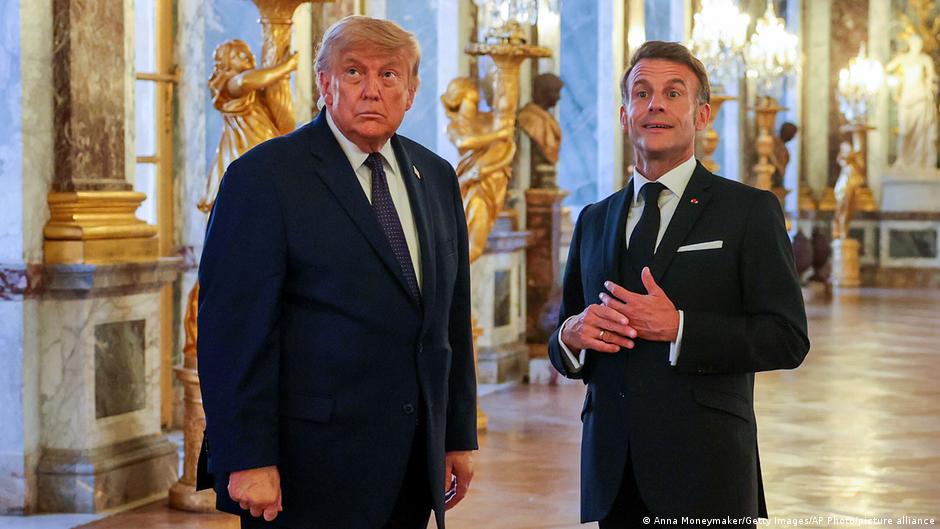
Macron and Trump discussed protecting Ukraine’s energy and civilian infrastructure as investors watch war risk, sanctions and defense demand.

Russian attacks killed four people in Ukraine and injured others, keeping war risk in focus for investors watching European assets and credit.

Russian attacks on Kyiv, Odesa and Sumy injured civilians including children, adding to the war risks facing investors in Ukraine.

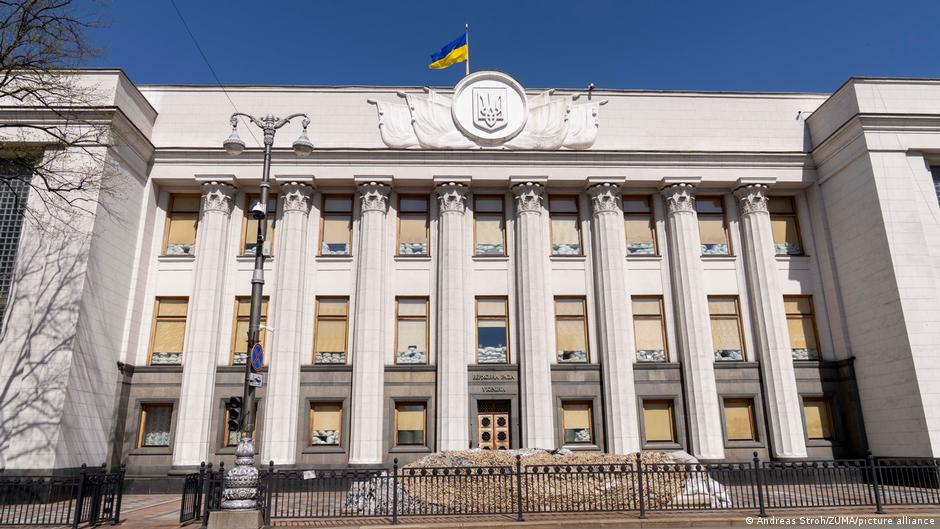
Ukraine’s parliament will review seven difficult bills tied to Western aid, as Kyiv seeks to close a defense-driven budget gap.

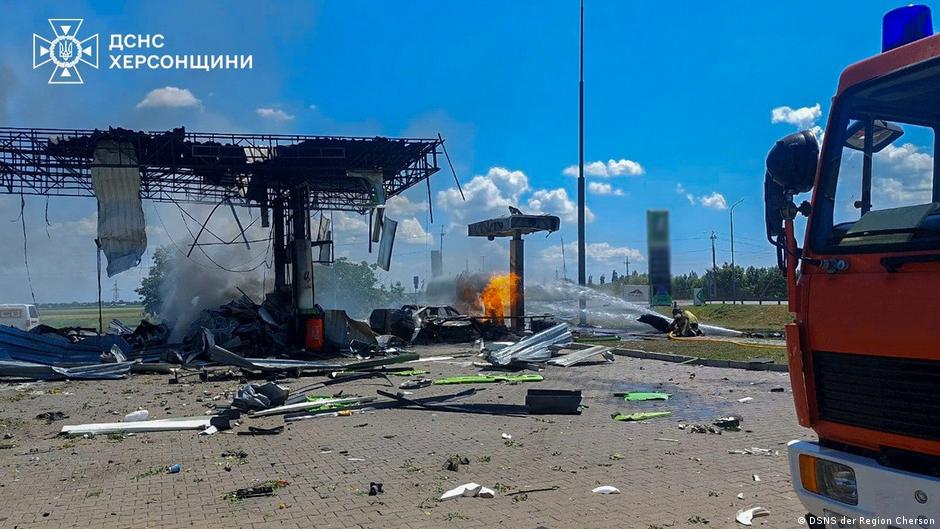
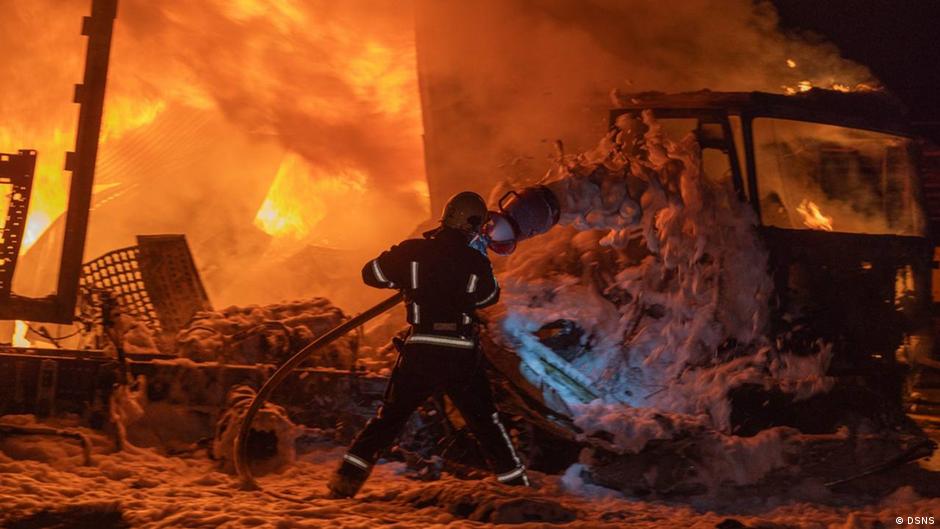
Russian drone strikes hit Kyiv fuel stations, warehouses and Odesa port infrastructure, raising fresh concerns for investors watching regional risk.

Russian strikes damaged logistics, warehouse, residential and energy infrastructure in Ukraine, adding to operational risks for investors.

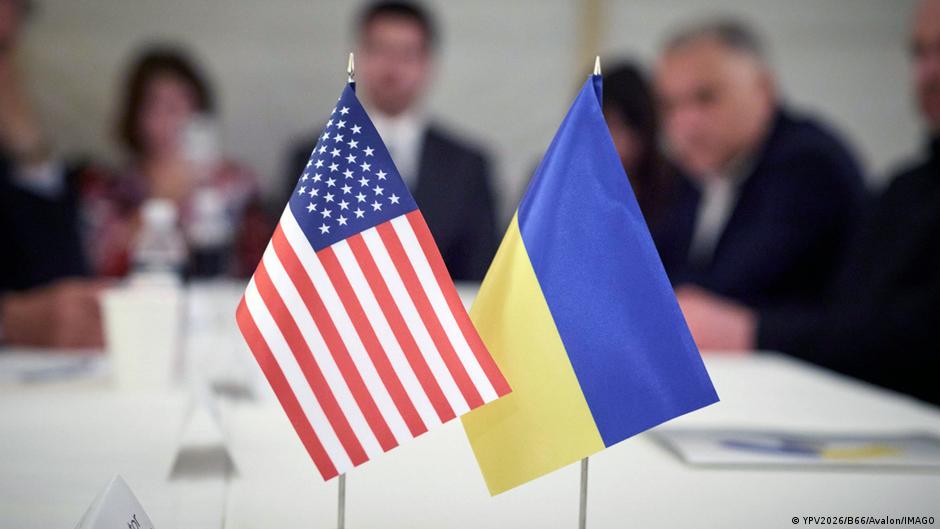
Zelensky expects late-September talks with U.S. officials on food and energy security as Black Sea exports and infrastructure risks remain in focus.

Russian strikes killed civilians in Sumy and Mykolaiv and damaged port infrastructure, reinforcing risks for Ukraine-linked markets.

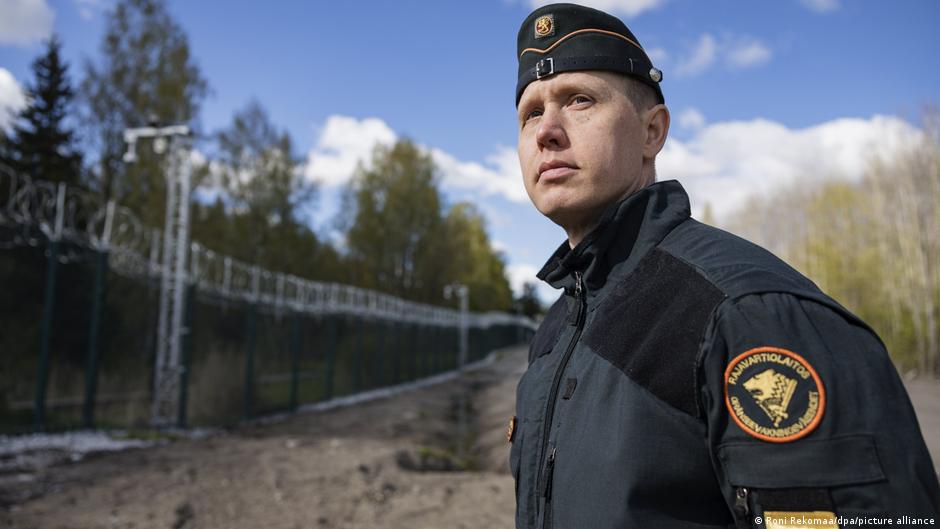
Finland’s completed Russia border fence signals how security spending and geopolitical risk remain central to European market calculations.

Russia struck Kyiv with drones and ballistic missiles, damaging homes, industrial sites and logistics assets as investors monitor war risk.

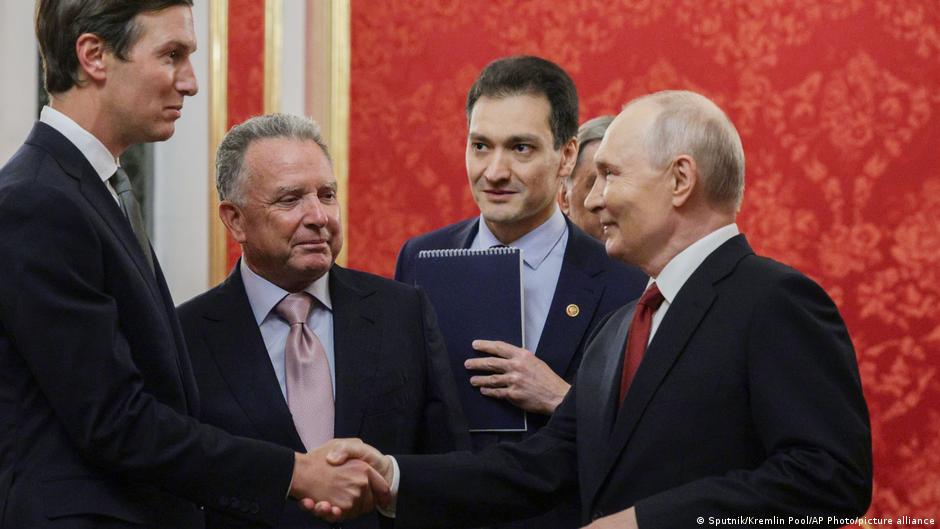
US envoys discussed concrete Ukraine peace plans with Putin and are heading to Kyiv, creating a new geopolitical risk event for markets.

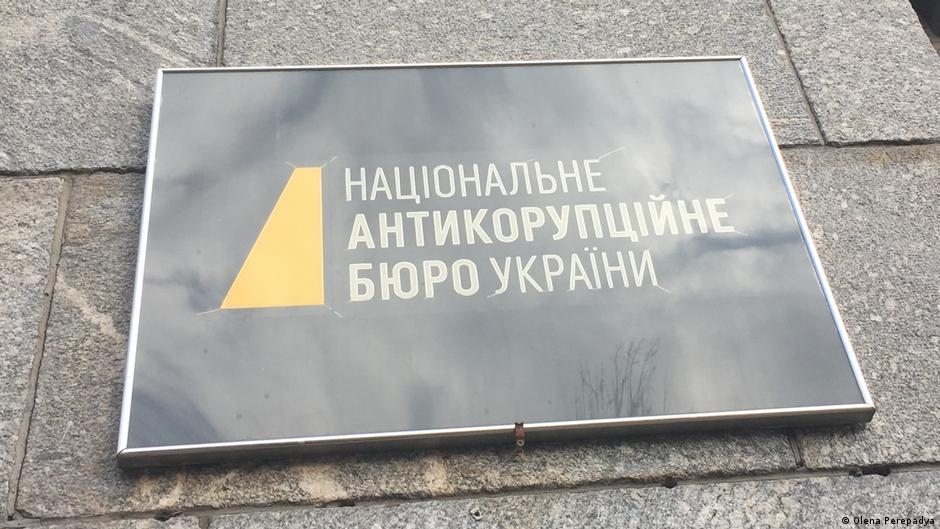
Ukraine’s anti-corruption raids at the prosecutor general’s office highlight governance risks watched by investors in Ukrainian assets.

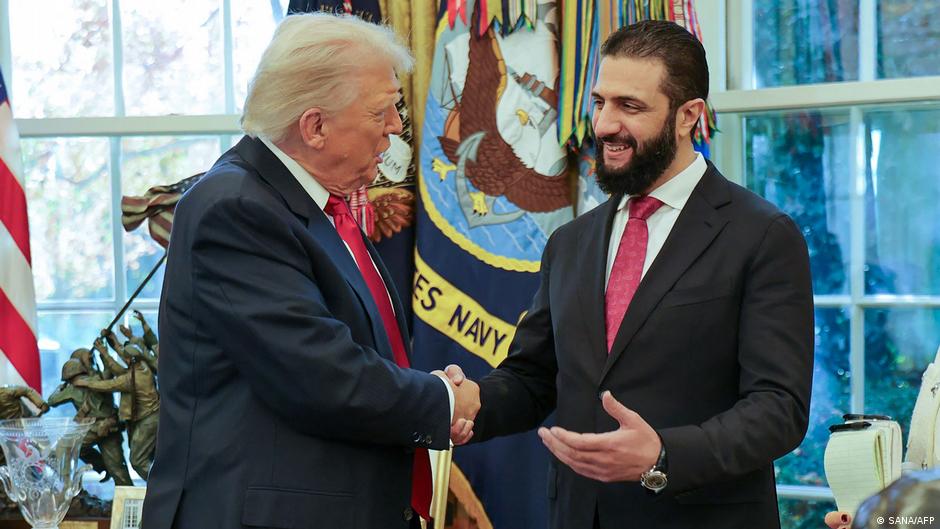
The US has removed Syria from its terrorism sponsor list, easing sanctions and opening potential investment avenues amid ongoing regional tensions and market uncertainties.

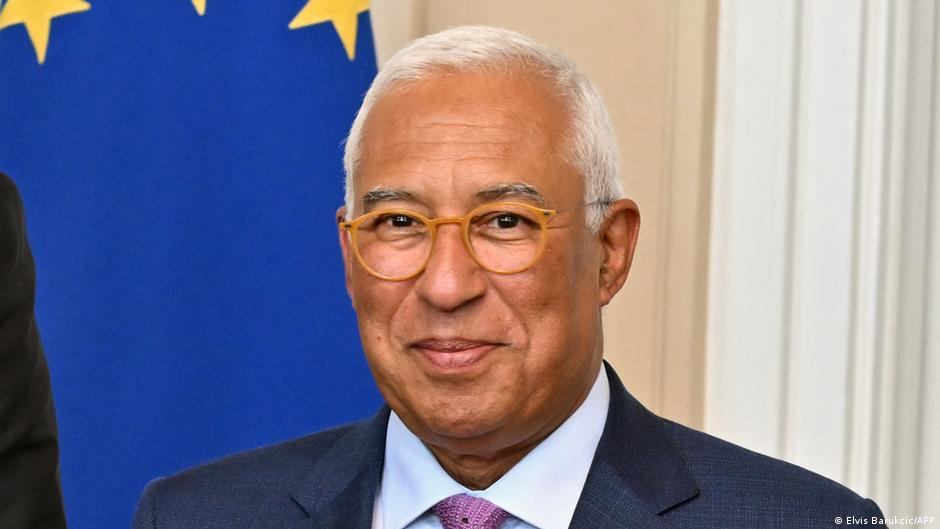
The EU pledges ongoing support for Ukraine and continued sanctions on Russia, affecting market dynamics and investor confidence amid geopolitical tensions.

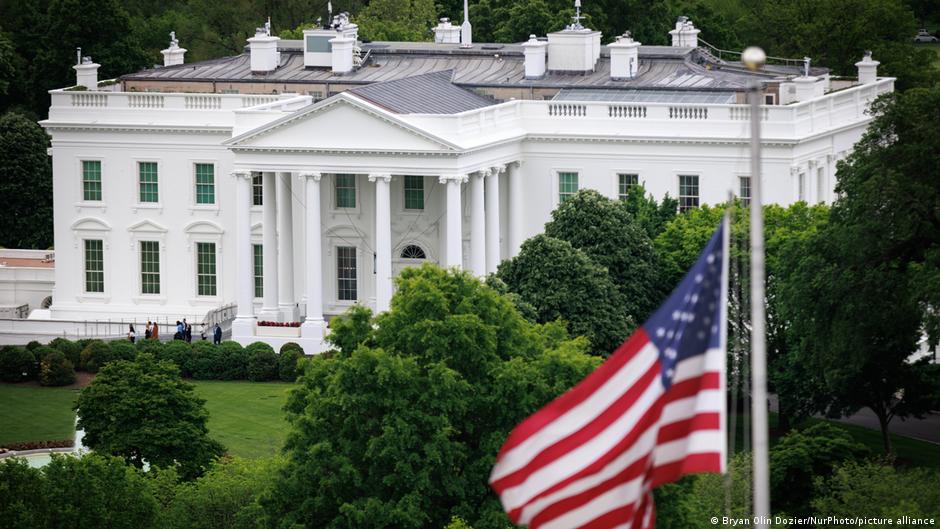
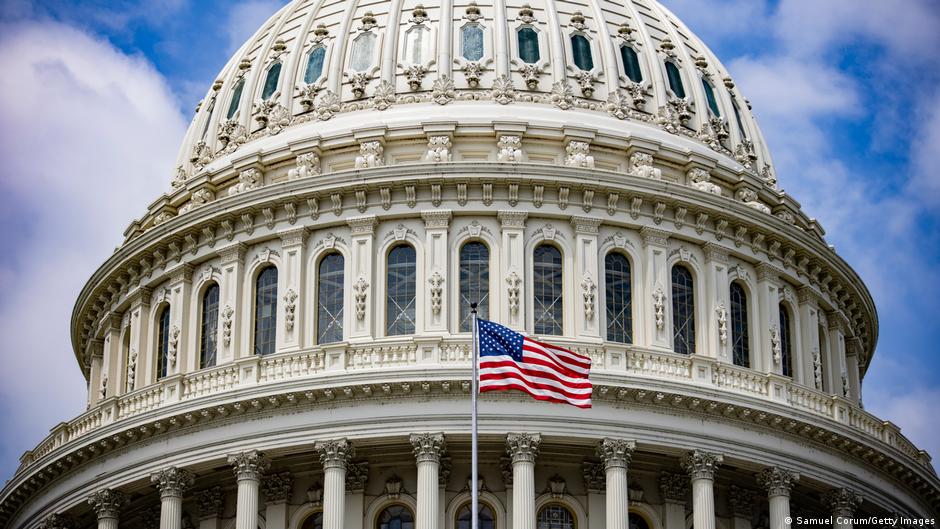
The US Supreme Court allows Trump to continue White House renovations, including a ballroom and bunker, impacting government construction and infrastructure sectors.

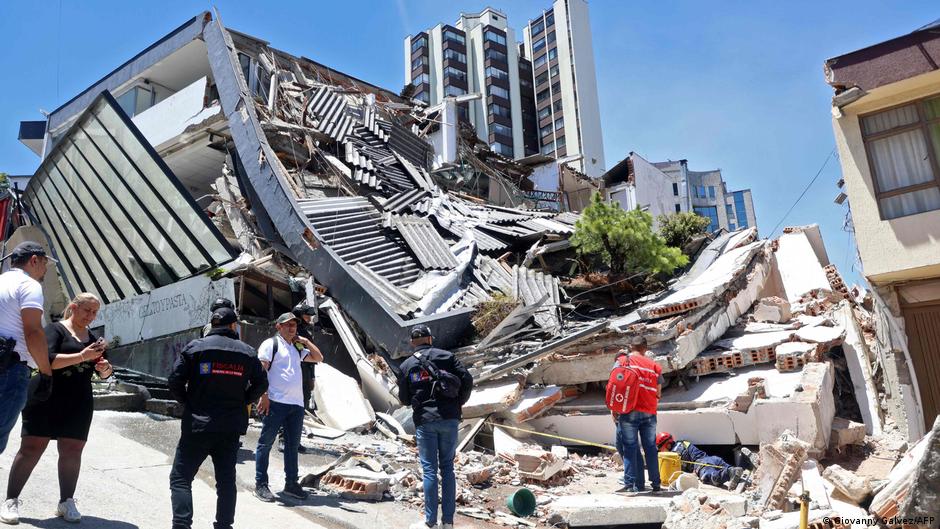
A magnitude 7.4 earthquake in Colombia has prompted a national emergency declaration, raising concerns over economic damage and market volatility.

Russian strikes in Ukraine’s Dnipropetrovsk, Kharkiv, and Sumy regions cause civilian casualties and damage critical infrastructure, raising concerns over market stability and investor risk.

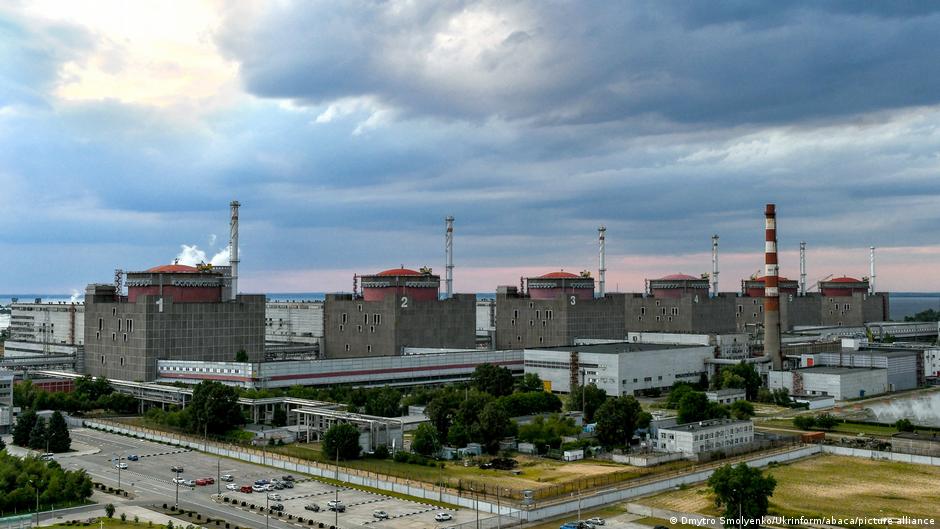
Zaporizhzhia Nuclear Power Plant has lost external power for the 23rd time since the conflict began, raising concerns about energy supply stability and investor risk amid ongoing military tensions.

Uzbekistan offers up to 50% subsidies for modern swimming pool projects to boost regional tourism and sports, creating market opportunities for investors by 2028.

Russian-linked disinformation targets German regional elections, raising political uncertainty and potential risks for investors in equities and bonds amid increased market volatility.

The IMF has approved a €604 million tranche for Ukraine under its EFF program, supporting economic stability amid war and reform delays, impacting capital markets and investor confidence.

Russian airstrikes on Zaporizhzhia and Sumy caused civilian casualties and damaged infrastructure, rattling Ukrainian markets and heightening investor concerns.

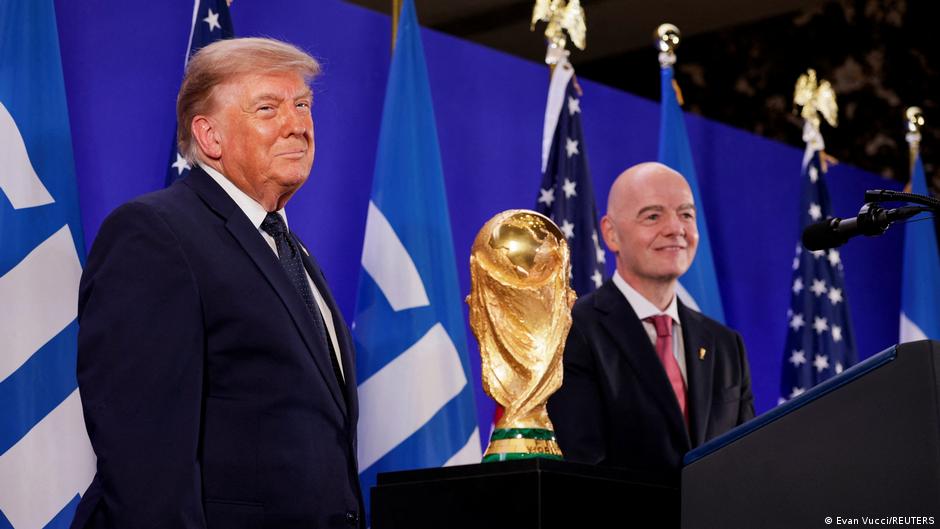
President Trump urges the US to host the next World Cup without Canada and Mexico, proposing China as co-host, signaling significant market implications for sports infrastructure and media sectors.

Trump's pledge to delist Syria as a terror sponsor may unlock new investment opportunities, impacting equities, bonds, and investor risk assessments in Middle Eastern markets.

AKFA Aluminium plans its debut international bond issuance, aiming to attract global investors and enhance market presence amid ongoing corporate reforms.

Russian missile and drone strikes on Kyiv and surrounding regions cause casualties and infrastructure damage, raising investor concerns amid rising geopolitical tensions.

A new German study finds 40% of workers doubt they can work until retirement age due to high job strain, raising concerns over labor market risks for investors.

Recent Russian missile and drone attacks on Kyiv have escalated regional tensions, causing fatalities and infrastructure damage, leading to increased market volatility and investor caution.

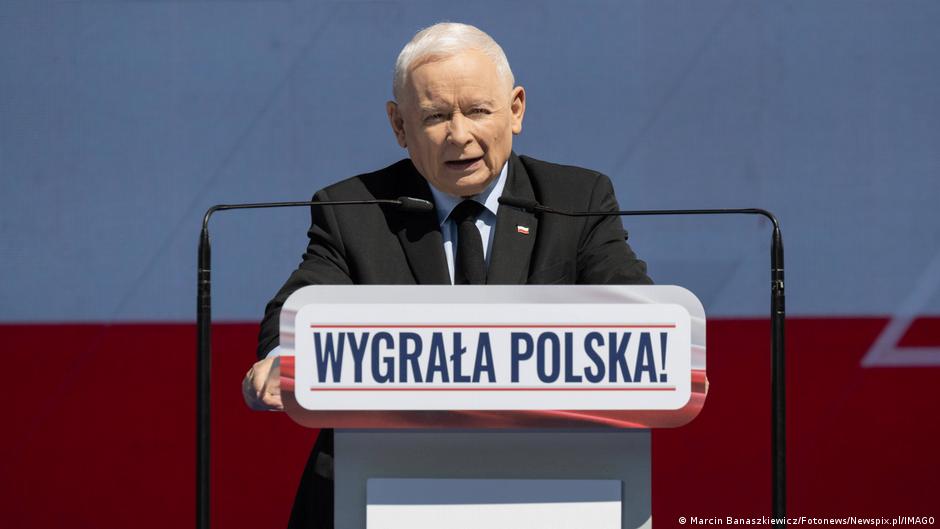
Polish opposition leader Jarosław Kaczyński urges blocking Ukraine’s EU accession talks, highlighting increased political tensions and potential impacts on regional markets and investors.

Colombian far-right candidate Abelardo de la Espriella wins presidency, prompting market reassessment on deregulation, security policies, and U.S. relations with implications for investors.

US envoy Whitcraft’s arrival in Switzerland for nuclear talks with Iran introduces fresh geopolitical risks that could impact equities, bonds, and investor sentiment.

The US has lifted its blockade of the Strait of Hormuz, reopening vital oil transit routes and initiating negotiations with Iran, impacting global energy markets and investor confidence.

Russian missile strikes on Kyiv and Kharkiv cause casualties and infrastructure damage, intensifying geopolitical risks that affect Ukrainian capital markets and investor sentiment.

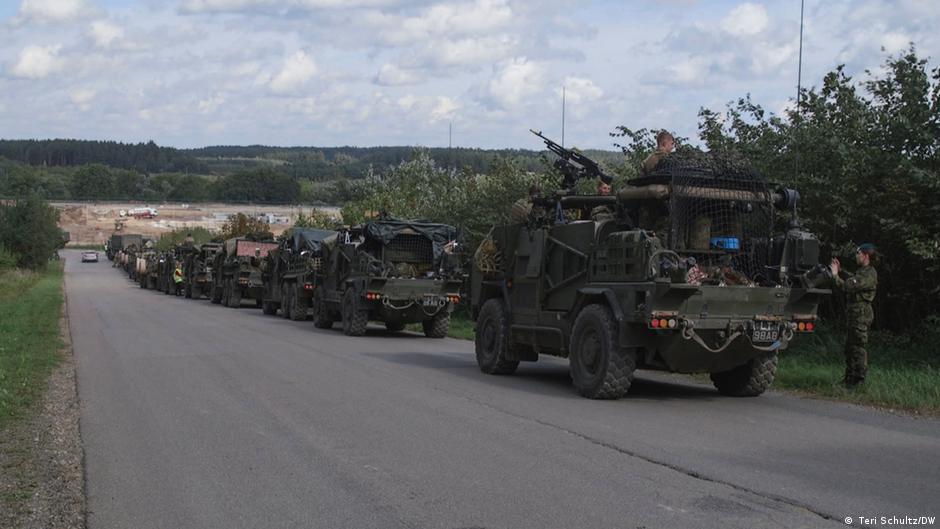
Poland, Lithuania, and France conduct joint military exercises near the Suwalki Corridor, reinforcing NATO’s strategic posture amid rising tensions with Russia and impacting market dynamics.

The US House approves expanded sanctions on Russia and aid to Ukraine, with Senate approval pending, prompting market volatility and investor caution.

EU plans to restrict Microsoft and Google from government cloud tenders in strategic sectors, potentially impacting their market dominance and investor outlook.

Drone attacks in Kharkiv and Odessa caused casualties and property damage, raising investor concerns and impacting Ukrainian capital markets.

Russia's military cooperation agreement with the Taliban raises geopolitical risks, potentially impacting Russian defense equities, sovereign bonds, and investor confidence amid sanctions.

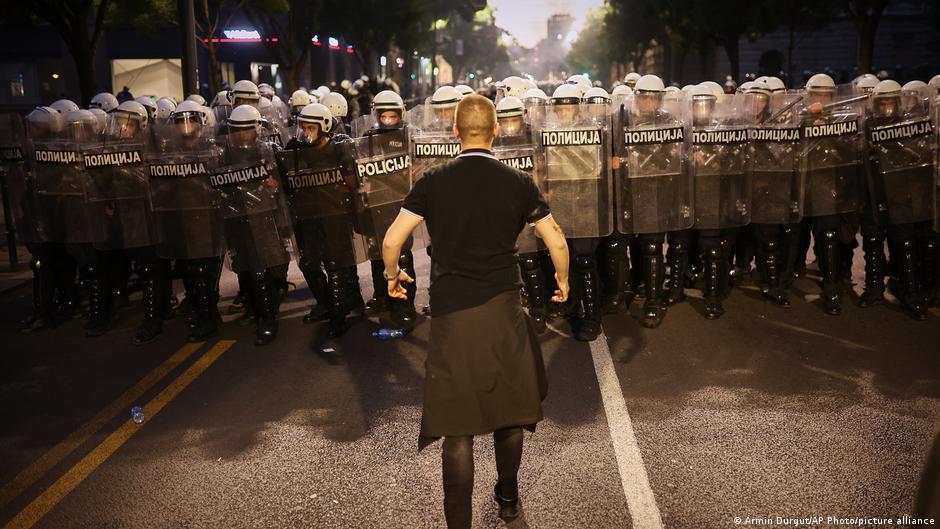
Violent protests in Serbia have raised political risks, causing volatility in equities and bonds as investors assess the impact on capital markets.