Uzbek-Afghan Business Deals Worth $300 Million Signed Amid Growing Trade Ties
Uzbek and Afghan entrepreneurs finalize contracts valued at $300 million, signaling expanding regional trade and investment opportunities.
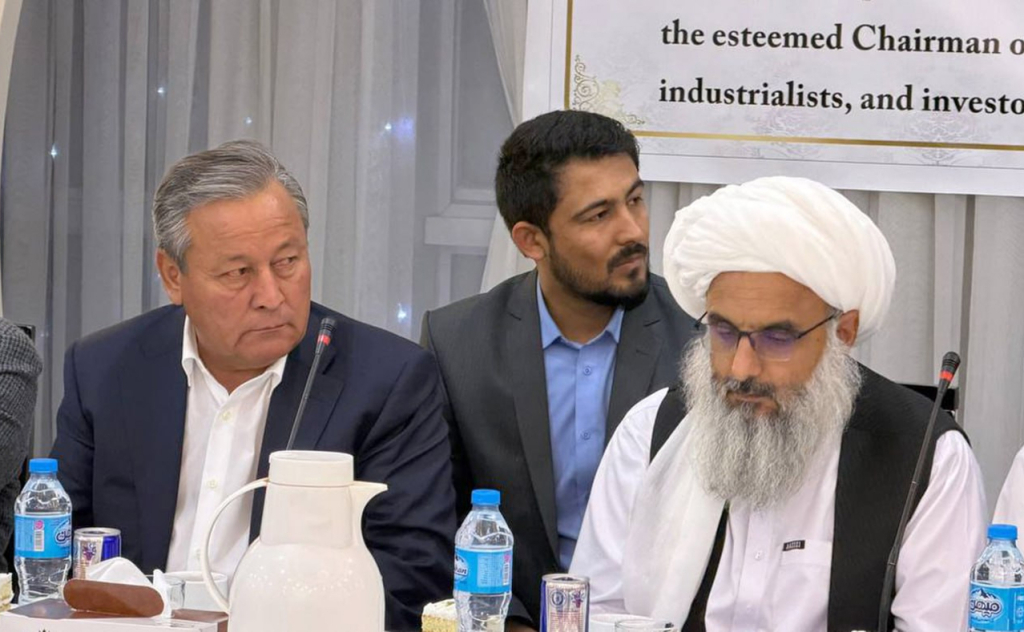
In a significant development for Central Asian capital markets, Uzbek and Afghan business communities have signed contracts worth a combined $300 million, underscoring growing economic cooperation between the two countries. The deals were finalized during a business forum held in Herat, Afghanistan, coinciding with the opening of the Andijan Trade House, a new commercial hub aimed at facilitating cross-border trade.
Market Implications of Strengthened Uzbekistan-Afghanistan Trade Relations
The visit was led by Shuhrat Abdurahmonov, the governor of Andijan region, alongside Davron Vahobov, chairman of the Uzbekistan Chamber of Commerce and Industry, who headed a delegation of 110 Uzbek entrepreneurs. This delegation engaged with local Afghan business leaders, discussing key topics such as visa facilitation, streamlined payment mechanisms, pharmaceutical exchange processes, and expanded logistics in agricultural and cement sectors.
"Such cooperation platforms open up wide opportunities for entrepreneurs," stated Nur Ahmad Islomjar, governor of Herat province, at the opening ceremony of the Andijan Trade House.
The Andijan Trade House features over 200 product categories across ten different sectors. It is expected to serve not only as a showcase for goods but also as a catalyst for new partnerships and investment projects between Uzbek and Afghan markets. This development is particularly relevant for investors monitoring emerging market opportunities in Central Asia, as it may signal increased trade volumes and improved supply chain connectivity.
Earlier diplomatic engagements reinforce this momentum. In April 2026, Uzbekistan’s delegation led by Abdulla Azizov, director of the Pharmaceutical Development Agency, held discussions in Kabul with Afghan officials. Shortly after, the first Afghanistan-Central Asia consultative meeting since 2021 took place in Kabul, highlighting renewed regional dialogue following prior meetings in Astana and Tashkent.
For investors, the contracts and trade platform expansion suggest potential growth in equities related to logistics, agriculture, and pharmaceuticals tied to these markets. Bond markets may also witness increased activity as governments and private entities seek financing to capitalize on these trade initiatives. Moreover, streamlined payment and visa protocols could reduce operational risks and costs for companies engaged in cross-border commerce.
Overall, this bilateral cooperation marks a strategic step towards enhanced economic integration in a region long challenged by political and logistical barriers. Market participants should watch for further announcements on trade volumes, investment projects, and regulatory reforms that could impact asset valuations and capital flows in Central Asia.