Uzbek Government Accelerates Privatization of Asakabank, Impacting Capital Markets
Asakabank's privatization plans move forward with state capital injections and asset transfers, affecting investors in Uzbek banking equities and bonds.
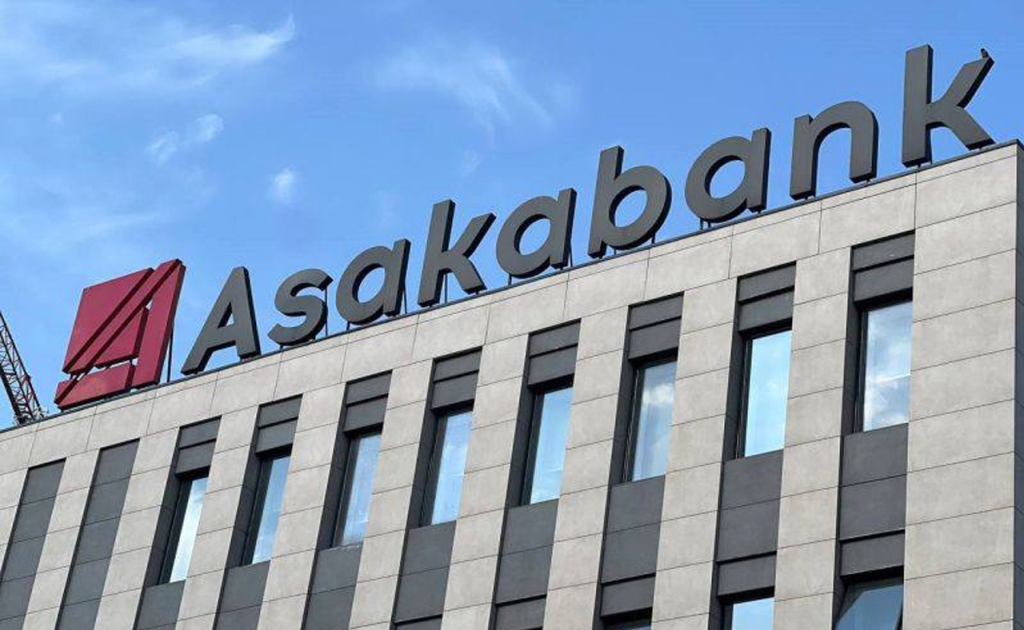
The Uzbek government has approved new measures to expedite the privatization of Asakabank, the country's second-largest bank, signaling significant changes for investors in both equity and debt markets related to the Uzbek banking sector.
Privatization Drive and Financial Restructuring
According to a presidential decree issued on April 20, 2026, Asakabank will cease all non-core and additional activities irrelevant to its primary banking functions. This streamlining aligns with modern banking practices and risk management systems, with all banking operations now subject to market principles and internal policies.
Key state assets previously held by Asakabank, including the former "Tashkent Agricultural Equipment Plant" complex, will be transferred to the State Assets Management Agency. The bank will receive compensation from proceeds generated through subsequent privatization efforts of these assets.
Additionally, investment projects and equity stakes valued at approximately 382.6 billion Uzbek soms—including enterprises such as "Green Energy," "Uz CLAAS Agro," and "Khorezm Invest Project"—will also be handed over to the agency under conditions tied to future privatization.
Startups in the pharmaceutical sector worth 780 billion soms, namely "Asaka Farm Ventures" and "Asaka Farm Invest," are being moved under the National Venture Fund, receiving state budget support, which reflects a strategic pivot towards fostering innovation within the sector.
"All bank operations will be conducted based on market principles, modern banking practices, and internal policies, ensuring enhanced risk management and operational focus," the decree emphasized.
To strengthen Asakabank financially, the government plans to inject $95 million in capital during 2026. Potential losses from troubled loans will also be covered through state resources, providing a safety net for investors concerned about credit risks.
The decree stipulates that dividends will not be paid out for 2024–2025; instead, net profits will be reinvested, signaling a reinvestment strategy to stabilize and grow the bank ahead of privatization.
Furthermore, the bank's share capital will be adjusted to market value, with the state agencies’ debt of approximately 1.98 trillion soms being converted into authorized capital. This move aims to realign the bank's balance sheet and enhance its capital adequacy, which can improve investor confidence.
Market Implications and Timeline Adjustments
Privatization deadlines have been extended, with Asakabank's privatization postponed from the initial end-2023 target to the end of 2025. The government has also extended privatization timelines for other state banks, including O‘zsanoatqurilishbank and Aloqabank, to 2025 and beyond.
In May 2024, the President signed an agreement with the European Bank for Reconstruction and Development (EBRD) to prepare for Asakabank's privatization. As part of this collaboration, the EBRD has acquired a 15% stake in Asakabank, with plans to join the bank's shareholders in 2026, adding an international institutional investor to the shareholder base and potentially raising governance standards.
However, the government's recent fiscal strategy indicates a cautious approach, deciding not to privatize certain state-owned banks between 2026 and 2028, including National Bank, Agrobank, People's Bank, Microcredit Bank, and Business Development Bank. One of these banks is expected to be divested by 2030, though specifics remain undisclosed.
Investor Perspective
For capital markets participants, these developments signal a mixed outlook. The government's capital injection and asset clean-up measures reduce immediate credit and operational risks, potentially stabilizing the bank's financial position before privatization. The involvement of EBRD as a minority shareholder adds credibility and may attract further foreign investment.
However, the postponement of privatization deadlines and deferred dividends mean that equity investors face a waiting period before realizing returns. Bondholders might benefit from the state’s backing to cover potential loan losses, which mitigates downside credit risk. Investors should monitor further reforms and market signals related to the privatization timetable and asset quality improvements.
Overall, the government's strategy aims to enhance the value of Asakabank ahead of privatization, which could unlock significant value in the medium term for equity holders while providing greater security for debt holders.