Belarus Orders Underperforming Agricultural Workers to Military Service Amid Harvest Challenges
President Lukashenko mandates military deployment for unproductive farm workers, signaling stricter labor discipline with potential market implications.
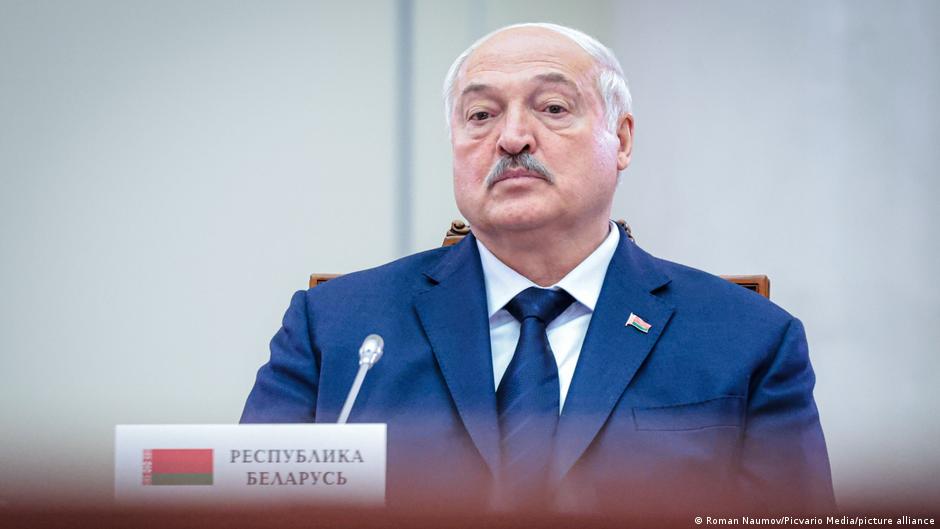
Belarusian President Alexander Lukashenko has taken a stringent approach to labor discipline by ordering underperforming agricultural workers to be sent for military service during the critical harvest season. This directive aims to address productivity concerns in the agricultural sector but also signals a broader push for discipline in state-run industries, which could have ripple effects on Belarus' capital markets.
Labor Discipline and Market Implications
The decision, announced in late July, targets so-called "negligent" workers who fail to meet the demands of the harvest. These workers will undergo "military-educational activities" lasting two to three months, as clarified by Dmitry Krutoy, head of Lukashenko's administration. The stated goal is to reorient these workers towards "normal, masculine and feminine work" within the army, under harsh, spartan conditions meant to restore discipline and physical fitness.
"If you don’t want to work in this job, we will test you in another – normal men’s and women’s work – in the army," Lukashenko said during a working visit to Brest region.
Far from being a punitive measure aimed at expanding military ranks, Lukashenko asserts that the order is intended to provide workers the opportunity to "manifest themselves in other labor-intensive, disciplined roles." The president emphasized that this is not about "mocking people," but rather about achieving greater technological and labor discipline across all levels.
According to Krutoy, the government has implemented the "most severe, mobilization regime" for the harvest. Workers classified as negligent—including those who are intoxicated, lazy, or absentee—will be redirected to the Ministry of Defense. This policy introduces a new layer of labor control that could impact agricultural output and investor sentiment toward Belarusian equities and bonds.
Capital Markets and Investor Concerns
Belarus’ agricultural sector is a significant contributor to the country’s GDP and export revenues. Any disruption caused by forced labor reassignments and heightened control measures could raise concerns among investors and bondholders about the stability of supply chains and economic growth.
Market participants monitoring Belarusian equities related to agriculture and state-run enterprises might interpret this tough labor stance as a risk factor that could depress productivity and profitability in the short term. Conversely, proponents might argue that increased discipline could ultimately enhance output efficiency, positively affecting long-term returns.
Moreover, the intertwining of military and economic policies exemplifies the government’s readiness to enforce strict control, which may unsettle foreign investors wary of unpredictable regulatory environments and labor market interventions.
Overall, the directive reflects a broader state strategy prioritizing control and discipline over market liberalization, signaling a challenging environment for capital markets in Belarus in the near future.