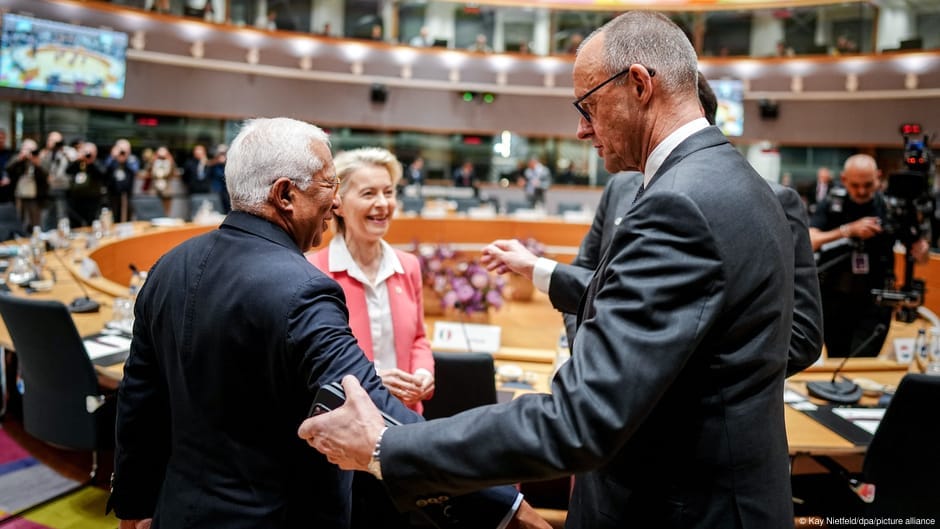
EU Budget Summit Ends Without Deal, Clouding Fiscal Outlook for Investors
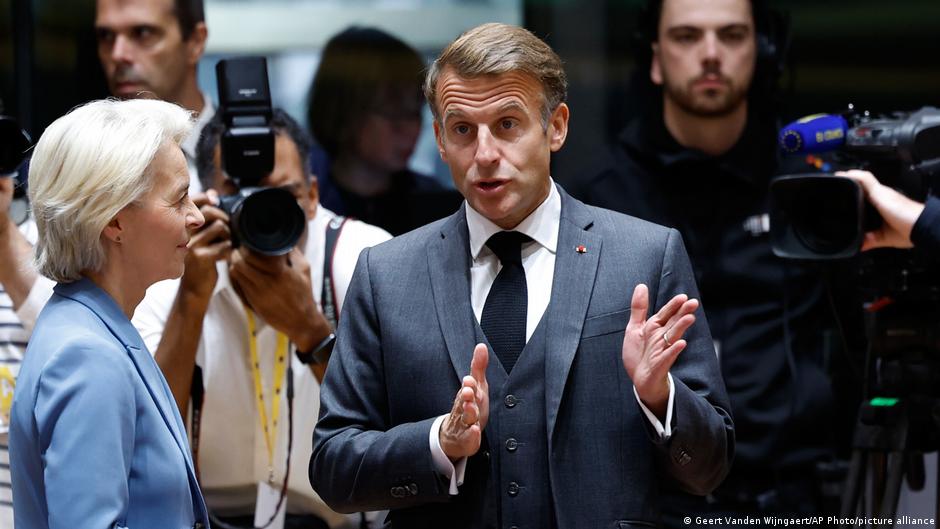
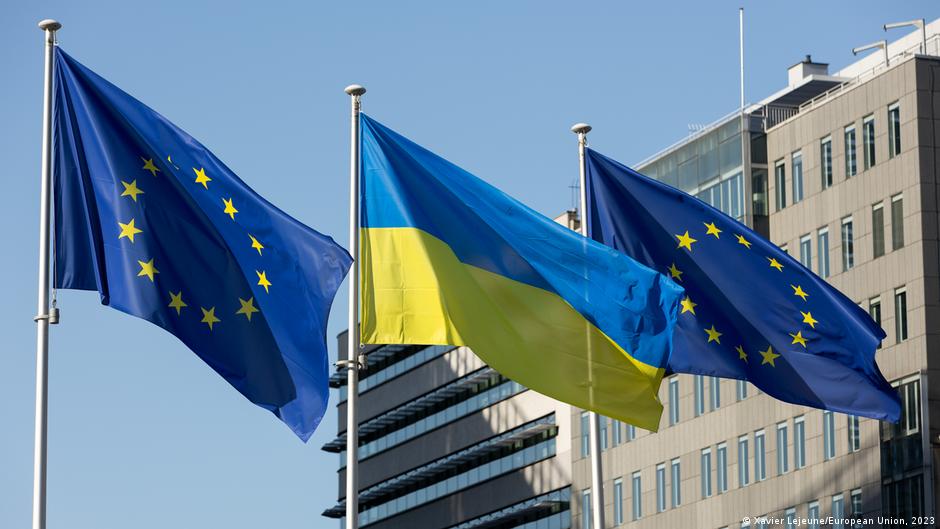
EU leaders ended budget talks early, leaving disputes over spending, common debt and national contributions unresolved until a December summit.

EU leaders ended budget talks early, leaving disputes over spending, common debt and national contributions unresolved until a December summit.

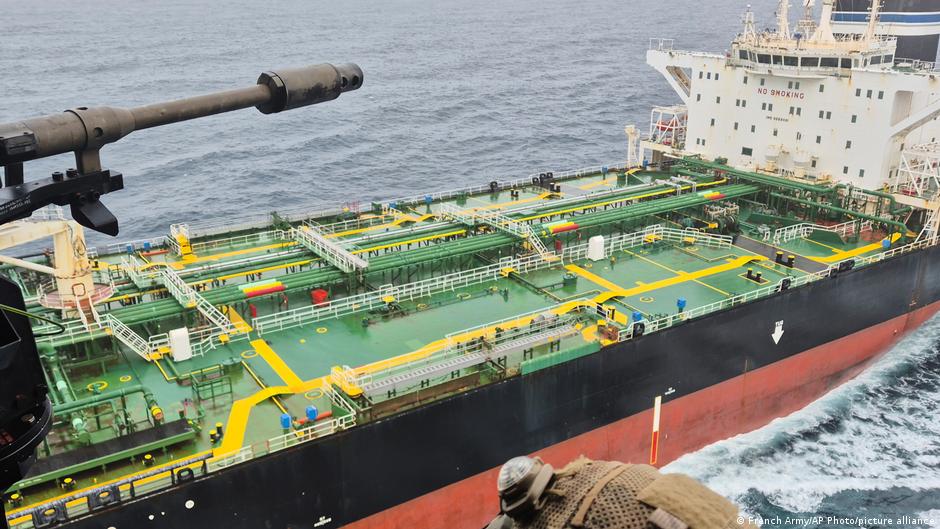
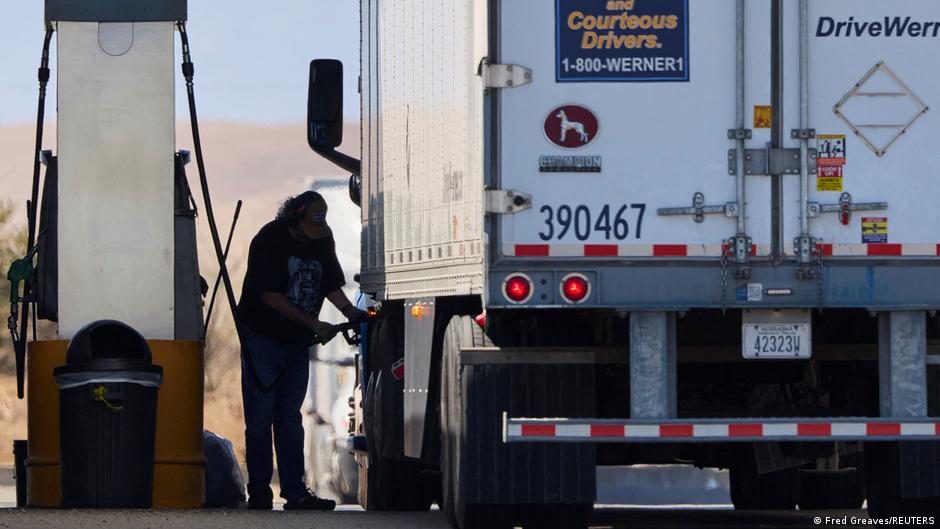
Two Russian-fuel tankers have changed course, threatening planned US diesel imports as sanctions risks and high fuel prices unsettle investors.

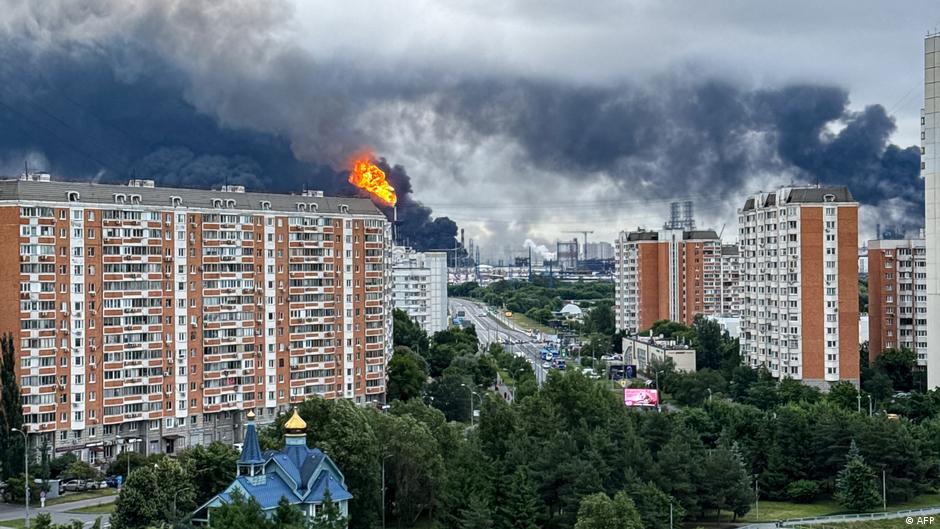
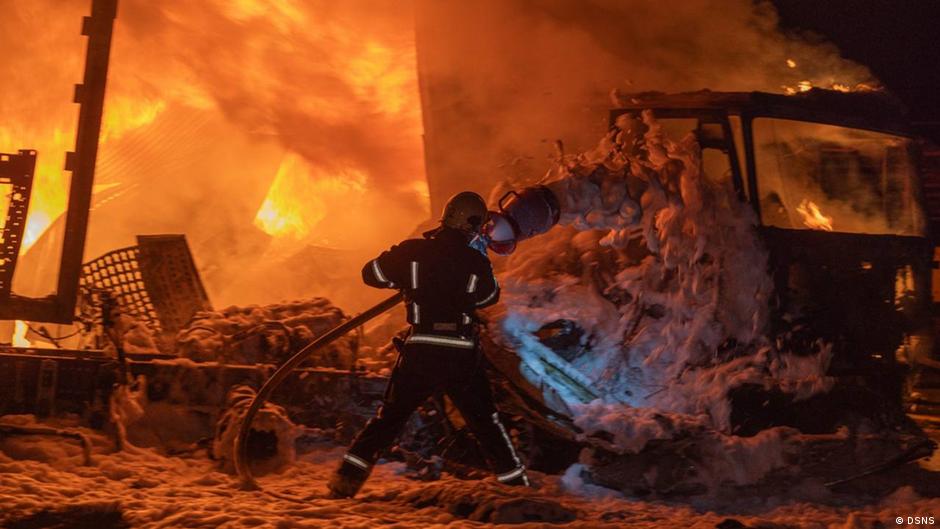
A reported Ukrainian pause in attacks on Russian refineries may ease near-term fuel supply risks, but its informal and reversible nature leaves investors exposed to renewed volatility.

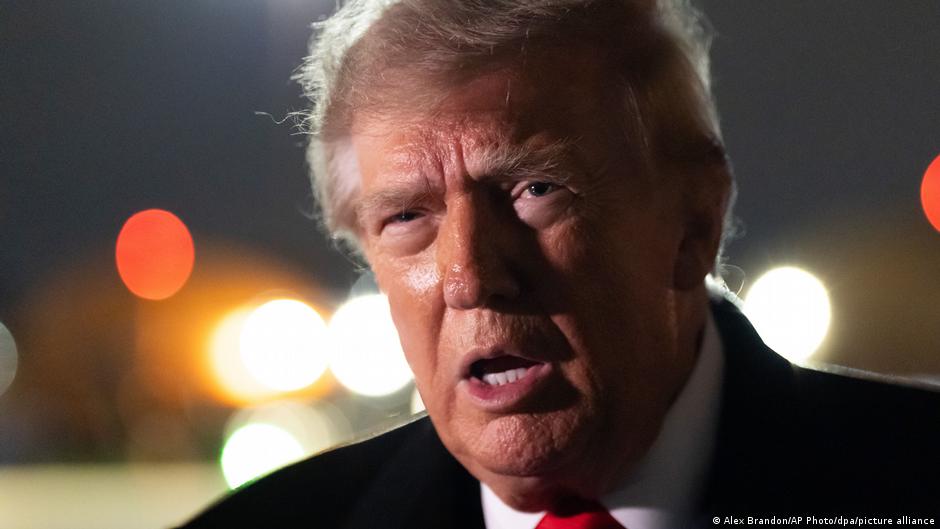
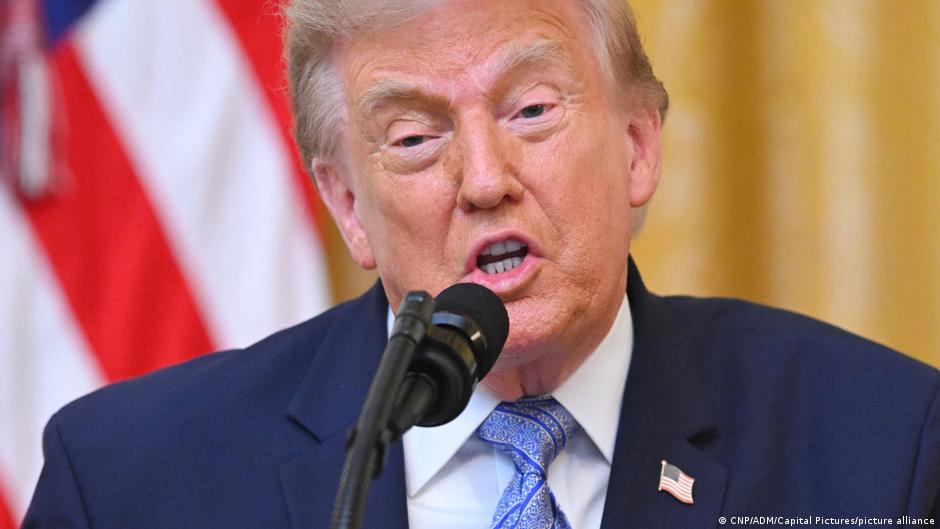
Trump postponed sweeping Russia tariffs, citing Ukraine negotiations, Iran and diesel supplies, while retaining the option to impose them later.

EU leaders postponed seven-year budget talks until December as divisions over spending cuts and new levies left investors facing prolonged policy uncertainty.

A bipartisan Senate group warns Trump’s Russian diesel deal may offer little fuel-price relief while weakening sanctions pressure on Moscow.

EU states agreed to open new accession clusters for Ukraine and Moldova, adding a reform signal for investors tracking regional risk.

A bipartisan House push to ban Russian oil purchases could complicate energy-market assumptions after Trump cited diesel supply talks with Putin.

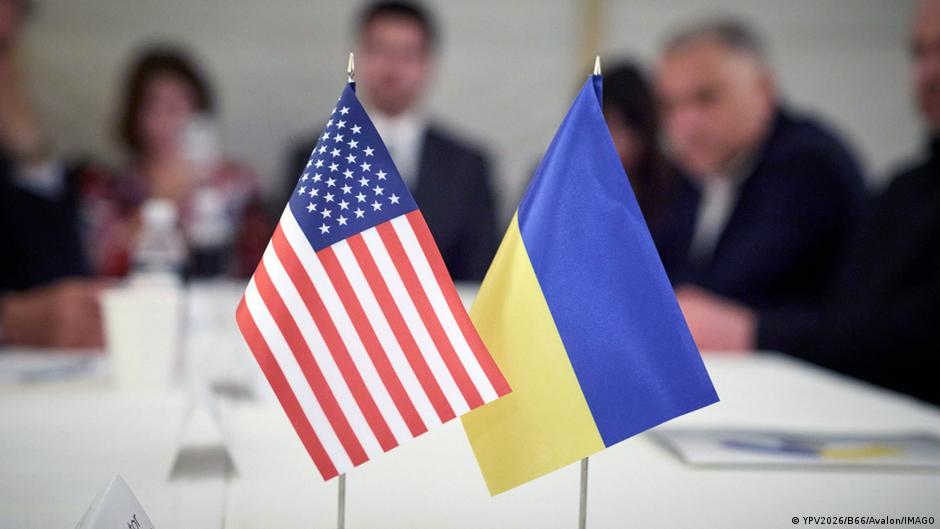
Zelensky warned that a US license for Russian diesel exports could weaken sanctions pressure and extend the war as markets assess fuel supply risks.

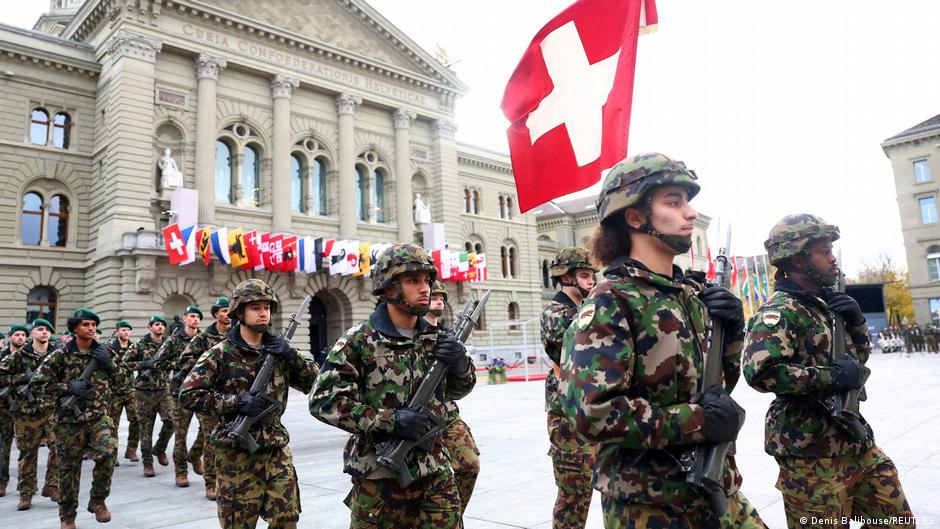
Swiss voters rejected a stricter neutrality proposal, preserving Bern’s ability to join sanctions and easing policy uncertainty for investors.

Kyiv denied a report that Trump urged Zelenskyy to meet Putin in Moscow as investors monitor diplomacy, diesel prices and energy risks.

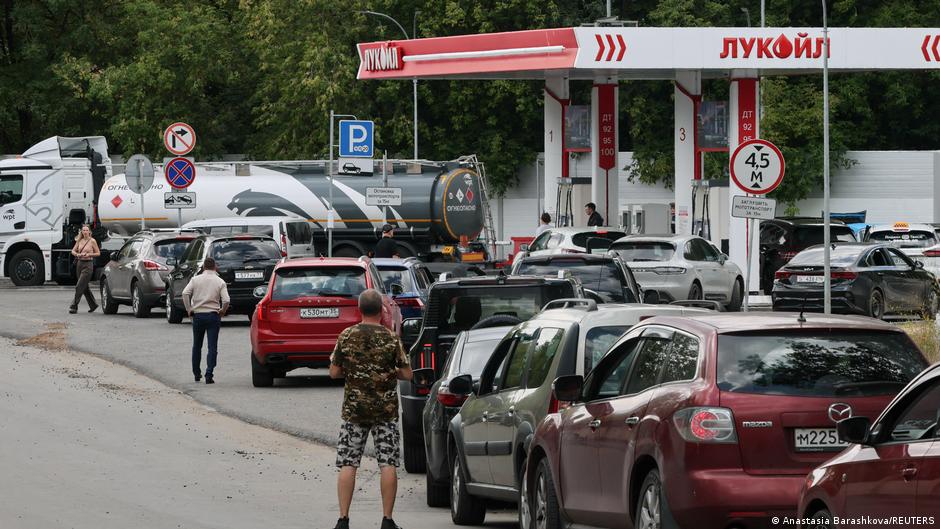
Kaluga and Zabaikalsky are restoring gasoline limits as refinery strikes renew supply stress, raising inflation and market risks.

Russian strikes killed civilians in Sumy and Mykolaiv and damaged port infrastructure, reinforcing risks for Ukraine-linked markets.

Ukraine sanctions 13 ships and 28 companies over illegal grain exports from Russian-occupied territories, signaling increased risks for related markets and investors.

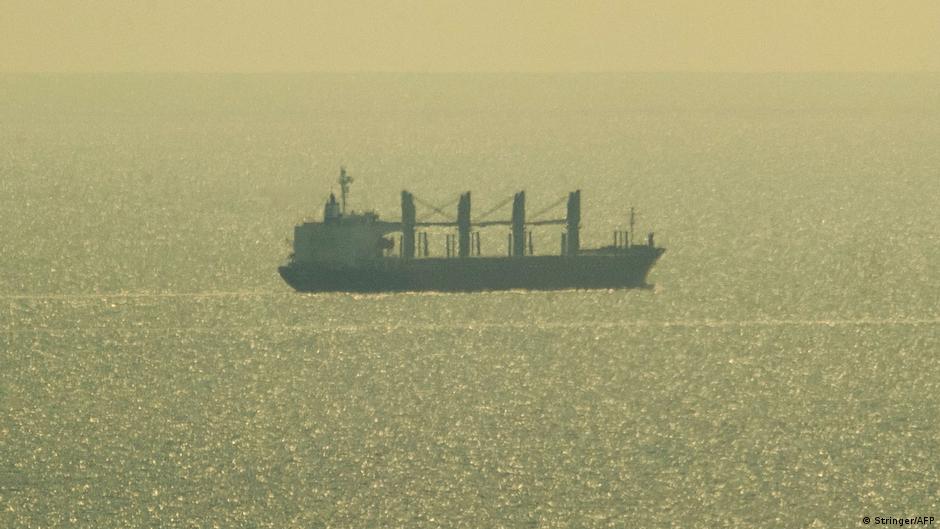
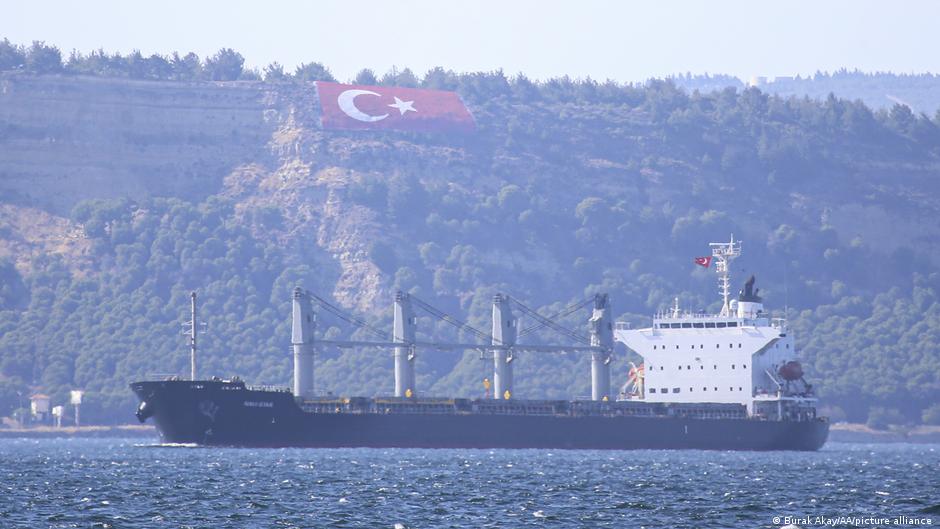
Turkey has reopened its straits to commercial shipping, easing recent restrictions that impacted Black Sea trade routes amid regional security threats.

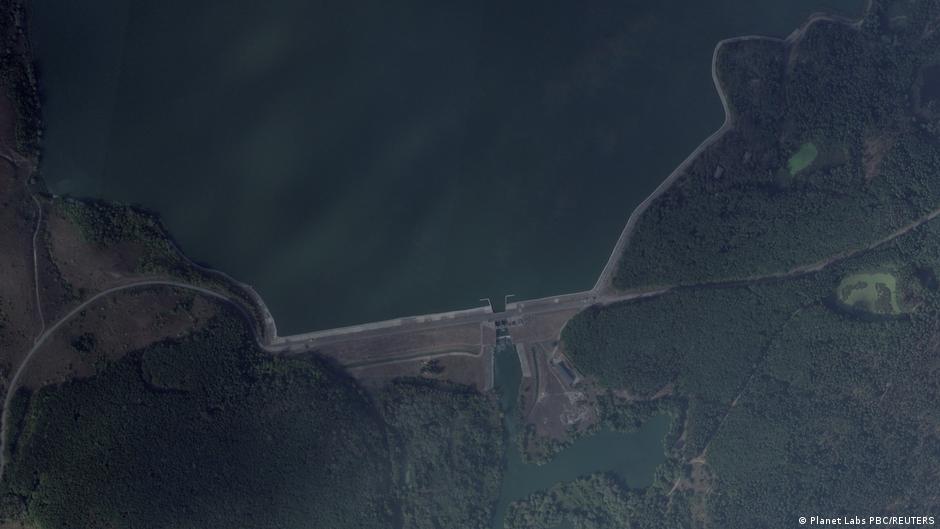
The Belgorod Reservoir has significantly dried up following Ukrainian strikes on its dam in July 2026, causing uncontrolled water release and raising concerns for regional markets and infrastructure.

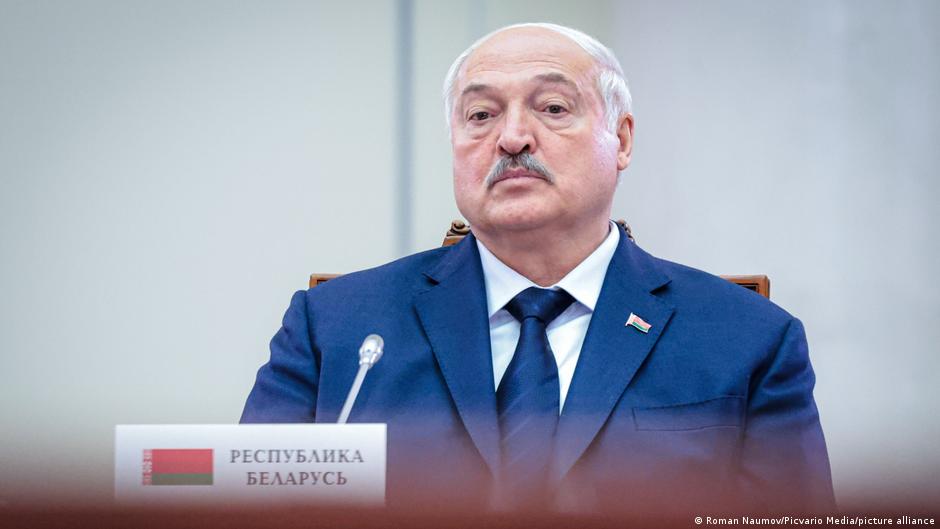
Belarus orders underperforming farm workers to military service, enforcing labor discipline amid harvest, with potential implications for investors and capital markets.

The US has imposed 50% tariffs on $20 billion of Canadian goods, escalating trade tensions and impacting equities and bonds across sectors including automotive and agriculture.

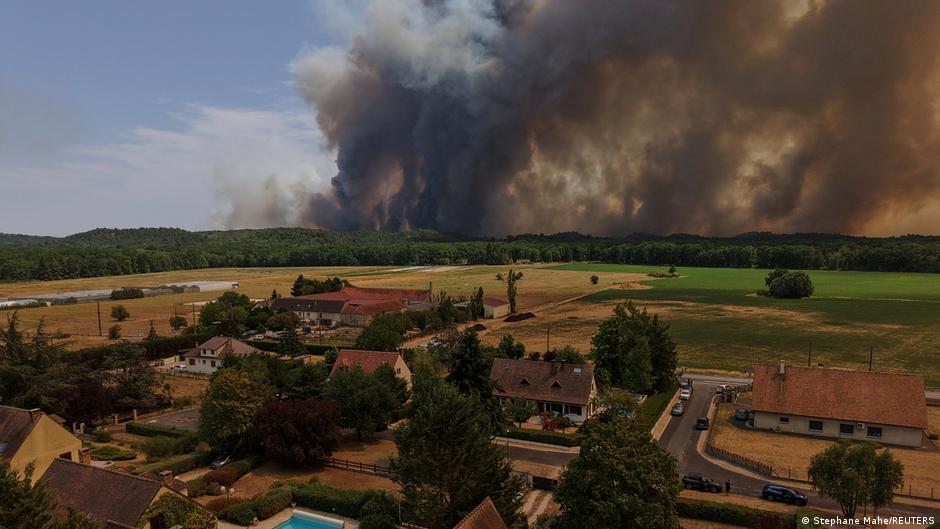
A major wildfire near Paris has led to evacuations and firefighting efforts, raising investor concerns about climate risks affecting European capital markets.

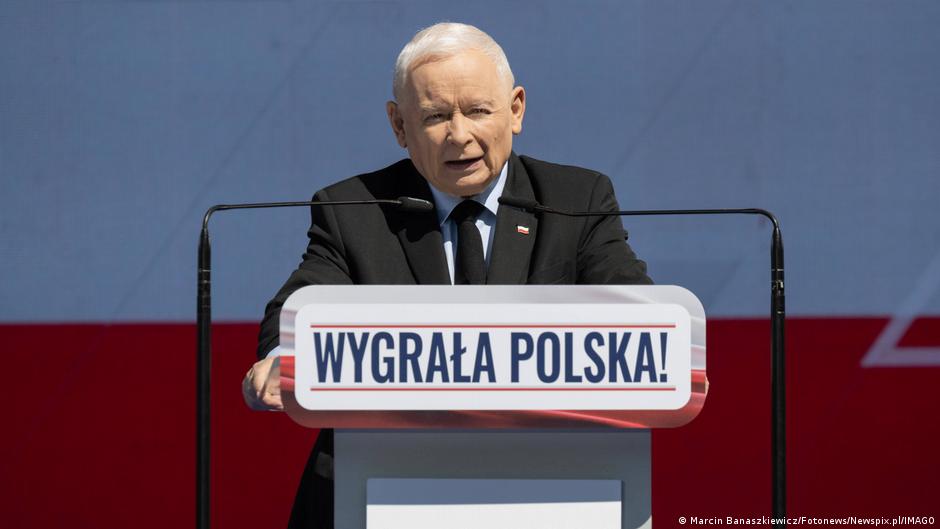
Polish opposition leader Jarosław Kaczyński urges blocking Ukraine’s EU accession talks, highlighting increased political tensions and potential impacts on regional markets and investors.

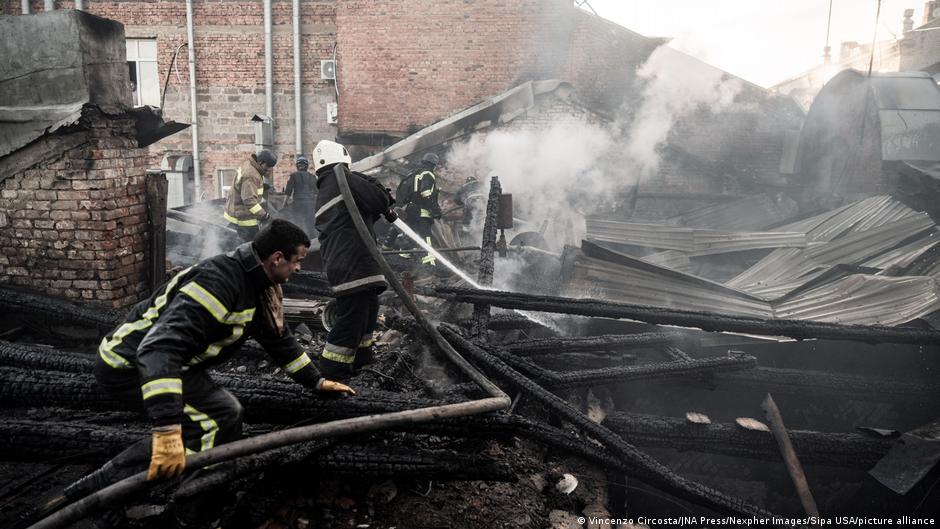
Russian missile and drone strikes in Ukraine's Kharkiv and Odessa regions increase market volatility, affecting equities and bonds amid rising geopolitical risks.

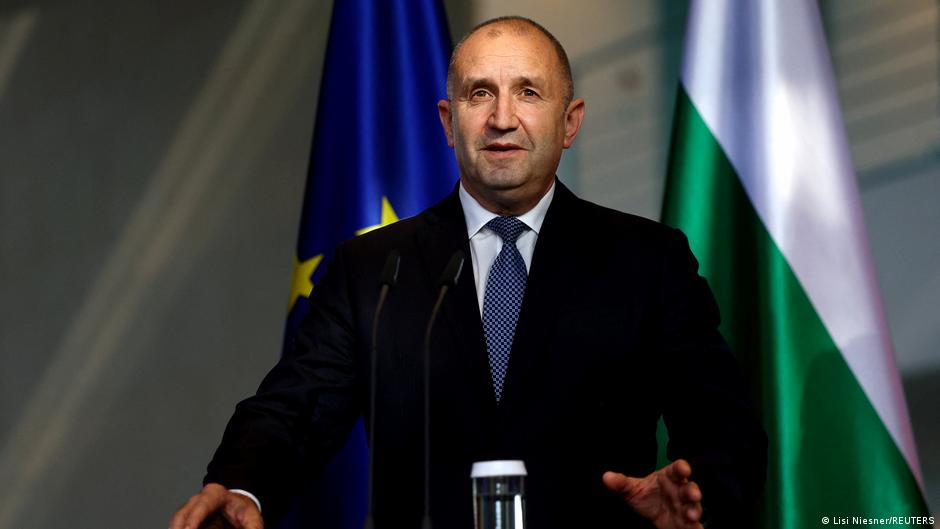
Bulgaria plans to veto the EU's latest sanctions on Russia, citing economic risks to its energy sector, notably Lukoil, raising concerns for investors in regional markets.

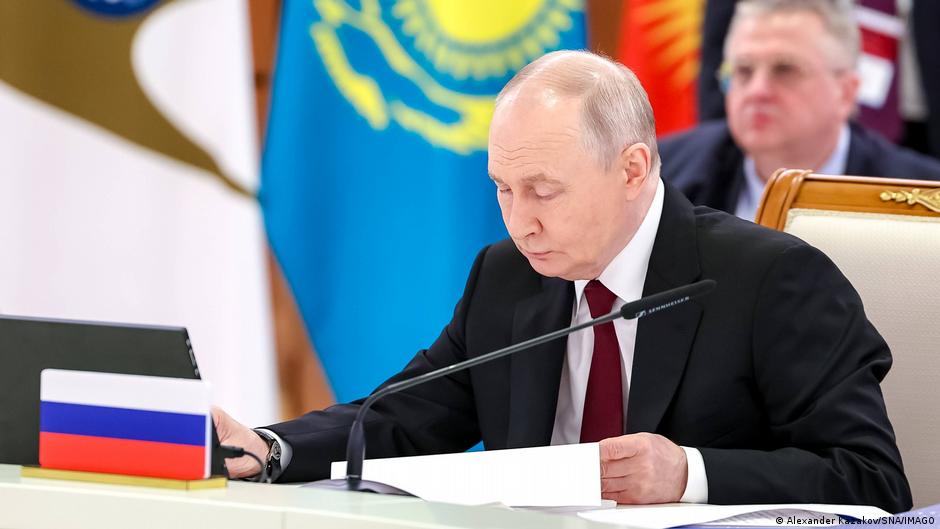
Putin threatens higher tariffs on Armenia amid its EU rapprochement, raising concerns about trade disruptions and market risks in Armenian equities and bonds.

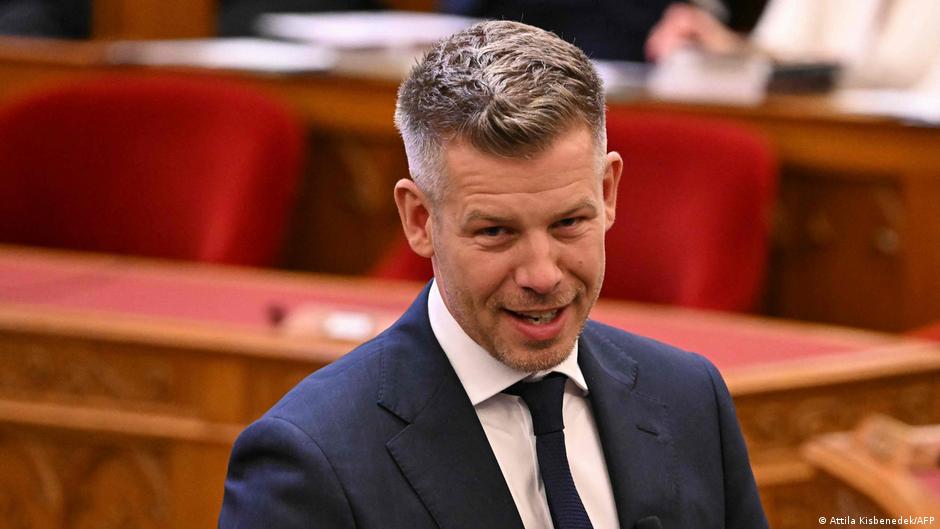
Hungary reinstates a ban on Ukrainian agricultural imports, affecting regional trade and agricultural markets, while reversing its exit from the International Criminal Court.

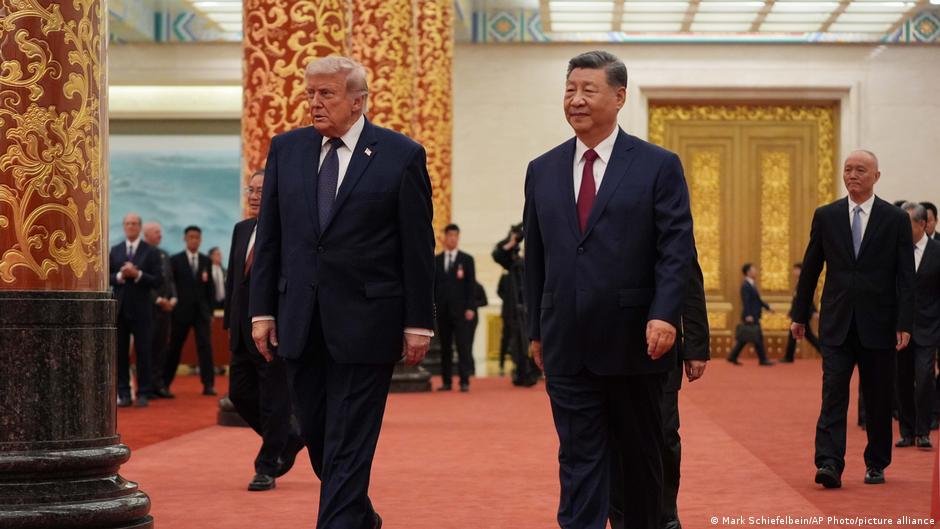
China's renewed interest in U.S. oil and soybeans after talks with Trump may shift commodity markets and impact investor strategies amid evolving trade and geopolitical dynamics.

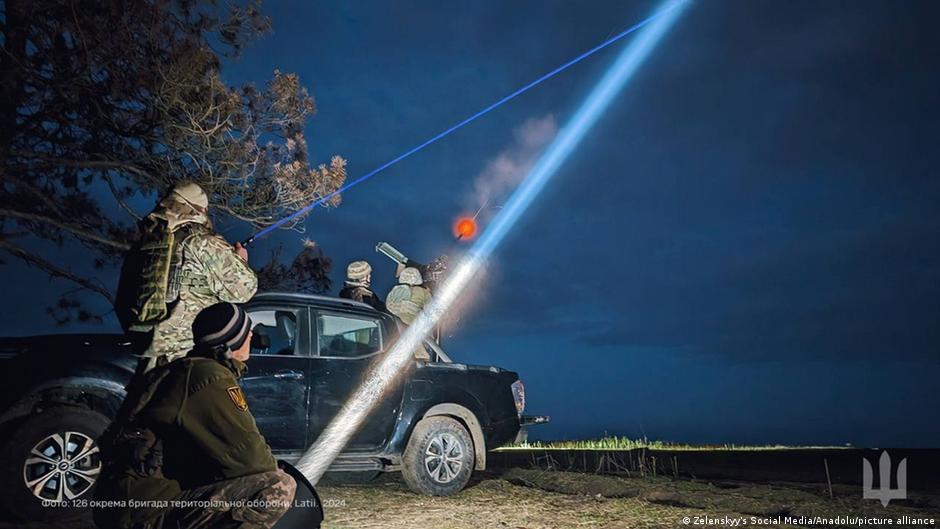
Renewed Russian drone and missile attacks on Ukrainian regions have spurred volatility in equities and bonds, affecting investor risk assessments.

Uzbek and Afghan entrepreneurs have signed $300 million in contracts, strengthening trade ties and creating new investment opportunities in Central Asia.