Trump Announces Historic Hamas Disarmament Agreement, Impacting Middle East Stability and Markets
US President Donald Trump declares a landmark truce with Hamas, signaling potential shifts in Middle East geopolitics and capital market reactions.
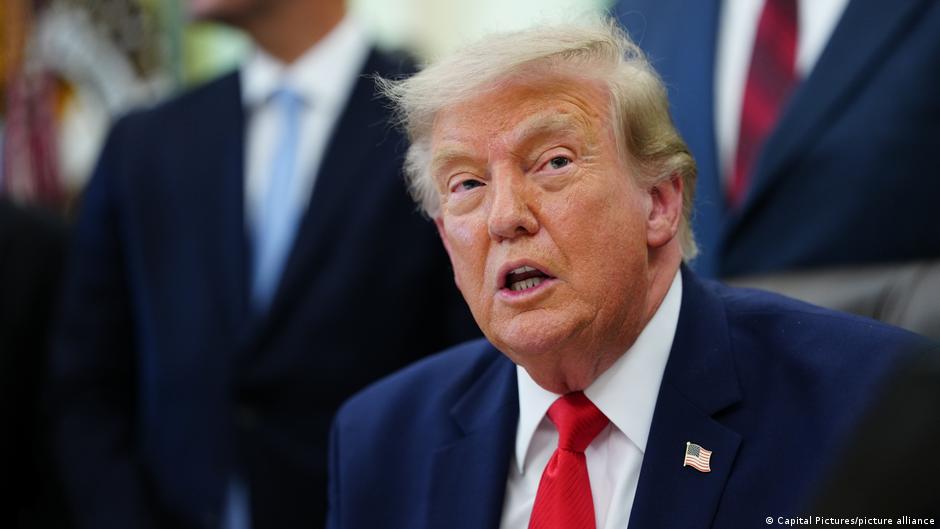
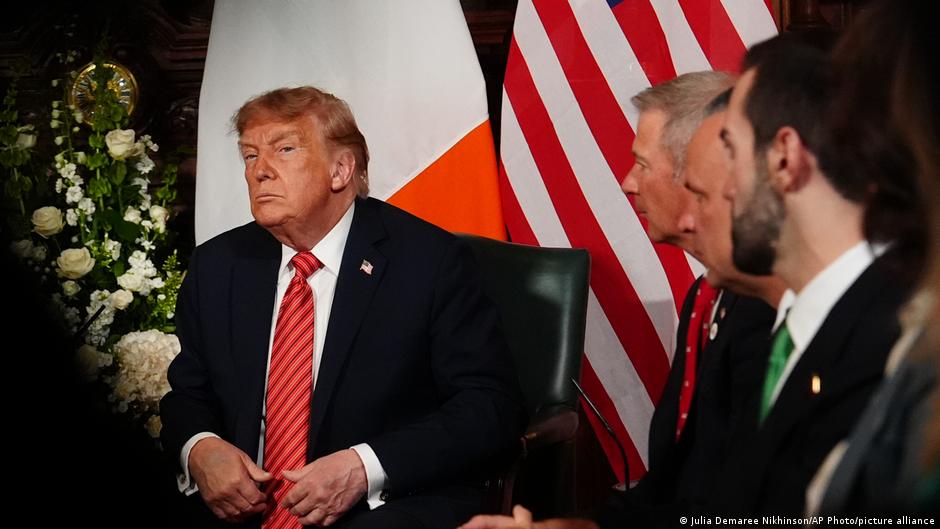
On July 20, 2023, US President Donald Trump announced what he called a "historic agreement" for the full disarmament of Hamas, the Palestinian Islamist movement designated as a terrorist group by the US and EU. This development marks a significant moment in Middle Eastern diplomacy and has piqued investor interest across global capital markets.
Market Implications of the Hamas Disarmament Deal
President Trump posted on his social media platform, Truth Social, that the Peace Council had reached a comprehensive deal to disarm Hamas and all other armed factions in the Gaza Strip. He hailed the accord as a major step toward lasting peace and security in the region. The agreement’s facilitation involved key intermediaries from Egypt, Qatar, and Turkey, with the disarmament process set to be phased.
“This is a grand step toward durable peace and security,” Trump stated, underscoring the potential for reduced regional volatility.
The announcement comes months after the brutal October 7, 2023 Hamas attack on Israel, which triggered a severe military response. Since then, the region has experienced intense conflict, contributing to volatility perceptions among investors, especially those with exposure to Middle Eastern equities and bonds.
Financial markets had been closely monitoring developments due to the high geopolitical risks. The news of a disarmament agreement has led to tentative optimism. Regional stock indices, including Israeli equities, showed signs of a modest rally as investors anticipated a reduction in conflict-related uncertainty. Bonds issued by regional governments also experienced slightly improved spreads, reflecting eased risk premiums.
However, the absence of an immediate Israeli response to the deal introduces uncertainty. Israel’s strategic position and its demand for Hamas disarmament as a precondition for de-escalation remain critical. Market participants are awaiting further confirmation and details to reassess risk exposure accurately.
Further negotiations concerning the second phase of the US plan are ongoing in Egypt. This stage involves a gradual Israeli military withdrawal from Gaza and the establishment of a technocratic Palestinian committee, overseen by the American Peace Council, to govern the territory. These political reforms, if successful, could stabilize the region further, encouraging foreign investment and reducing risk premiums on Middle Eastern assets.
From a capital markets perspective, sustained peace initiatives may lead to the normalization of market access and financing for Palestinian territories and neighboring states. Investors are advised to monitor developments closely, as progress or setbacks could swiftly influence equity valuations and sovereign bond yields.
In conclusion, the Trump-announced Hamas disarmament agreement is a potentially transformative event for regional geopolitics and market dynamics. While immediate impacts are cautiously positive, the ultimate outcome hinges on the full implementation of the deal and Israeli cooperation. Market vigilance remains essential as investors navigate these evolving geopolitical risks.