U.S. Disables Panama-Flagged Cargo Ship as Hormuz Risks Hit Markets
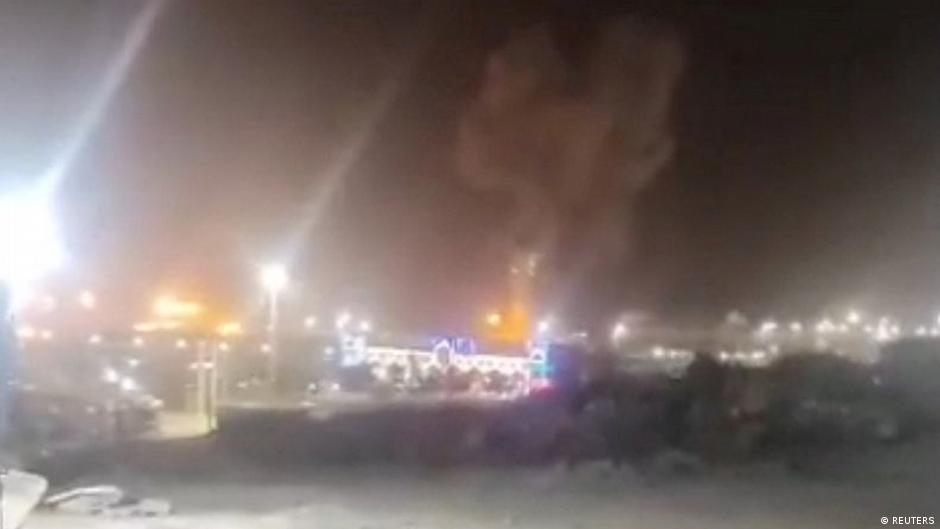
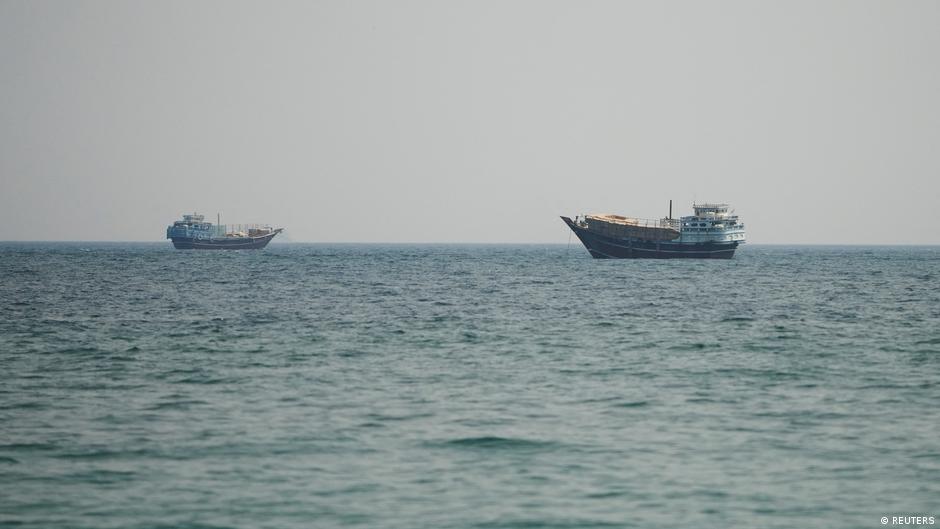
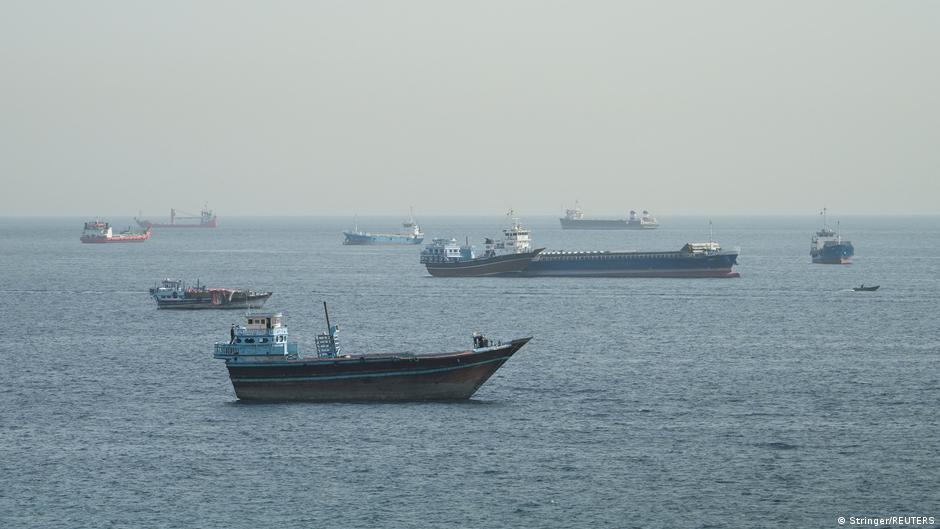
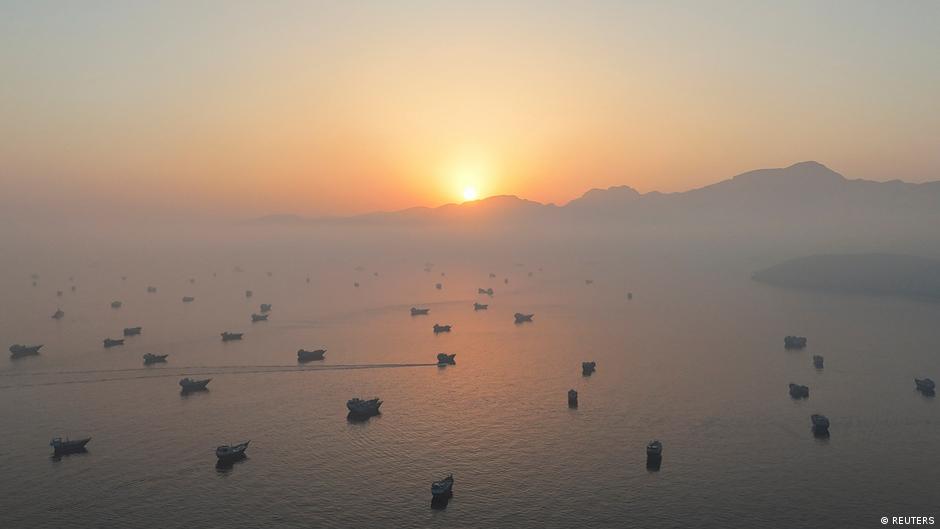
A U.S. strike disabled a cargo ship in the Gulf of Oman as a tanker was hit in Hormuz, adding pressure to energy prices and investor risk models.

A U.S. strike disabled a cargo ship in the Gulf of Oman as a tanker was hit in Hormuz, adding pressure to energy prices and investor risk models.

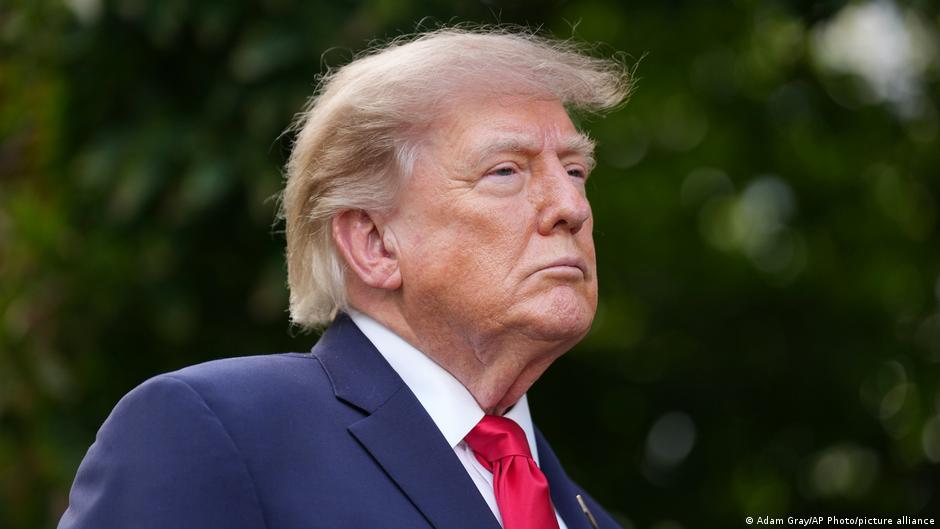
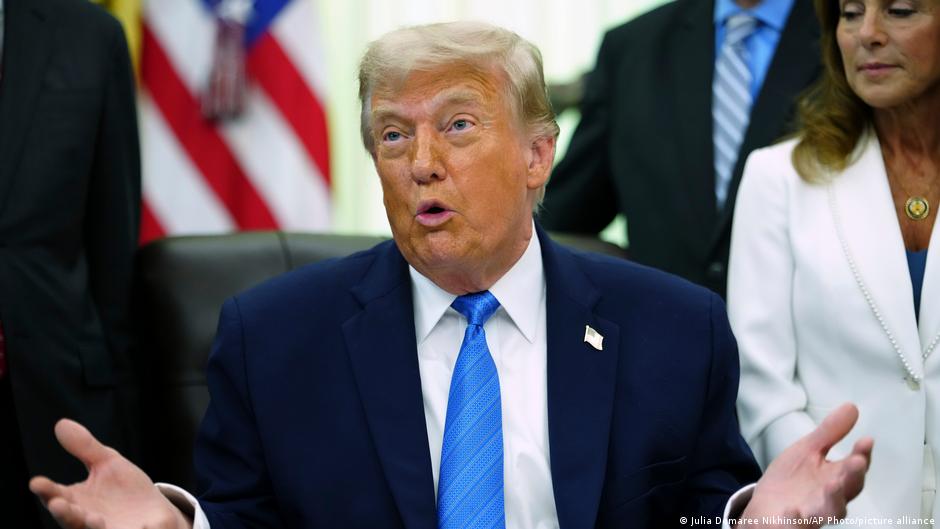
Trump expects new Iran talks, but disputes over Hormuz, sanctions and the nuclear program keep oil, equities and bonds exposed to headline risk.

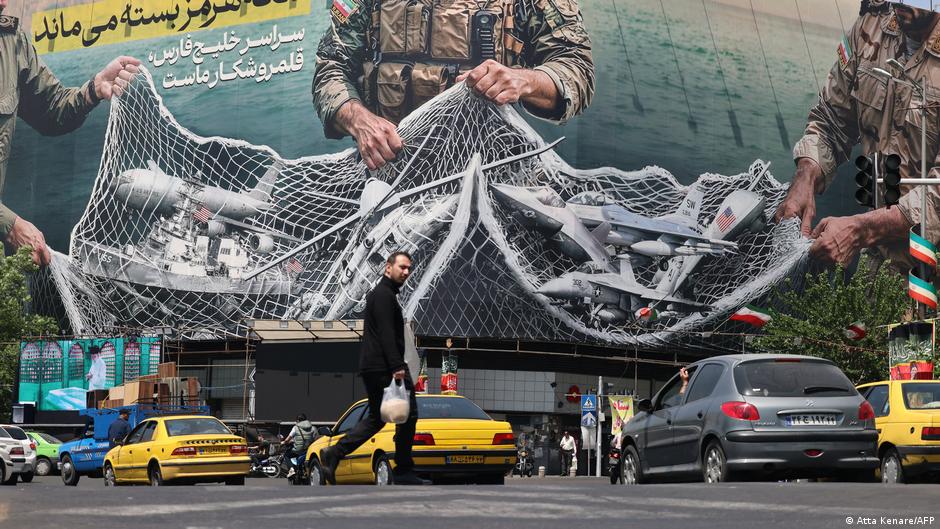
US airstrikes on Iranian targets and Tehran’s retaliatory attacks escalate Middle East tensions, driving volatility in oil markets, equities, and bonds.

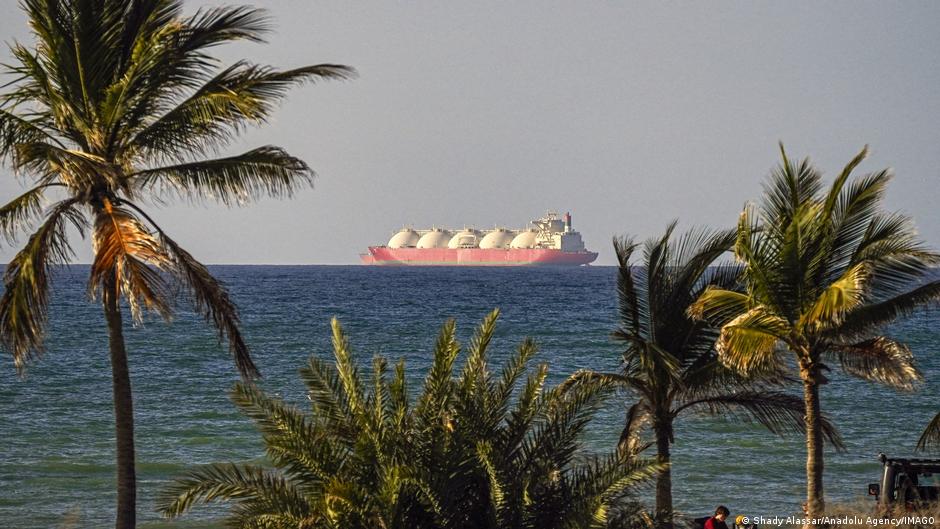
The US is advancing plans to revive an Iraq-Syria oil pipeline to bypass the Strait of Hormuz, aiming to reduce Iran’s influence and alter energy market dynamics.

US President Trump cancels planned strikes on Iran amid diplomatic progress, easing geopolitical risks and stabilizing oil and equity markets.

The US has quietly aided around 70 commercial ships through the Iran-blocked Strait of Hormuz, signaling ongoing regional tensions that affect energy and shipping markets.

Western condemnation of Israel's treatment of detained activists has sparked diplomatic tensions, raising concerns about market volatility and investor risk in the region.

Iran has submitted a 14-point peace plan to the US demanding troop withdrawals and sanctions relief amid ongoing Middle East conflict, sparking cautious market reactions.

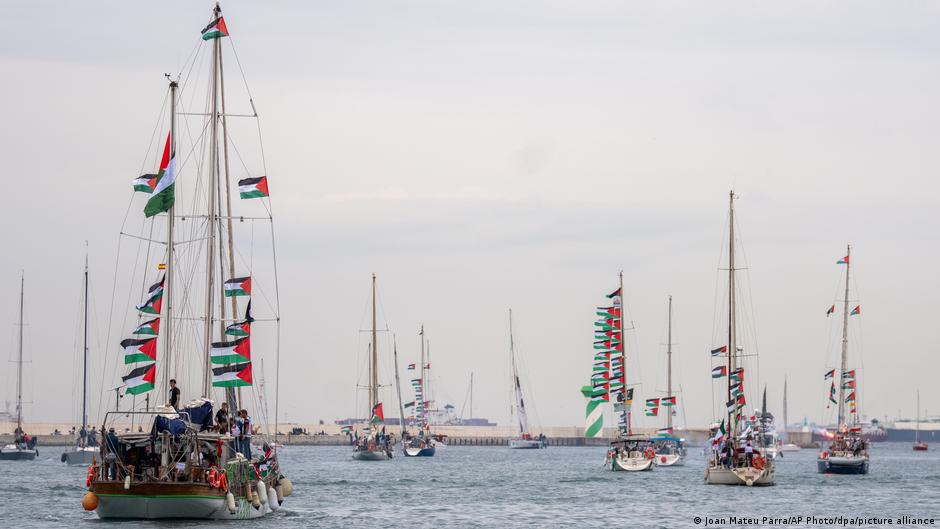
Israeli forces detained Global Sumud Flotilla vessels carrying aid to Gaza, intensifying the naval blockade and impacting regional capital markets amid ongoing geopolitical tensions.

US forces seized an Iranian cargo ship in the Gulf of Oman, prompting Tehran to accuse Washington of ceasefire violations, heightening geopolitical risks impacting energy markets and investor sentiment.