German Welfare Data Puts Labor Market Slack Back in Focus for Investors
Germany’s long-term Bürgergeld figures sharpen investor focus on labor supply, fiscal pressure and political risk in Europe’s largest economy.

Germany’s long-term Bürgergeld figures sharpen investor focus on labor supply, fiscal pressure and political risk in Europe’s largest economy.

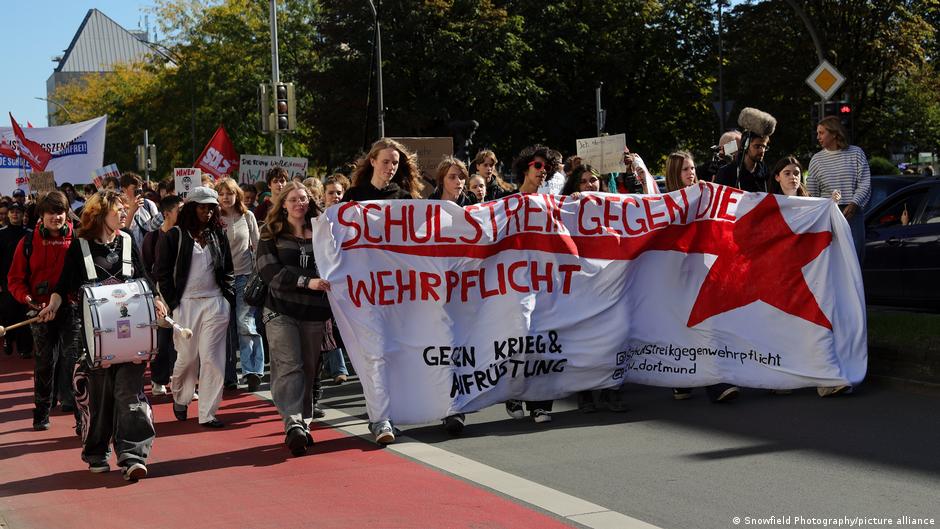
Germany’s surge in military-service refusal filings adds a new labor and political risk marker for investors tracking defense spending.

BSW lawmaker Sven Hornauf plans delegations to Belarus and Russia, underscoring political risks investors are tracking in Germany.

AfD failed to win three mayoral runoffs in Lower Saxony, while Greens held Hanover and gained other urban posts, offering investors a signal of local continuity.

German investigators are examining whether a drone near the Wunstorf air base was linked to explosives, adding security risk for investors.

The CDU’s failure to enter a German state parliament adds political risk to the investor agenda as coalition talks begin without the AfD.

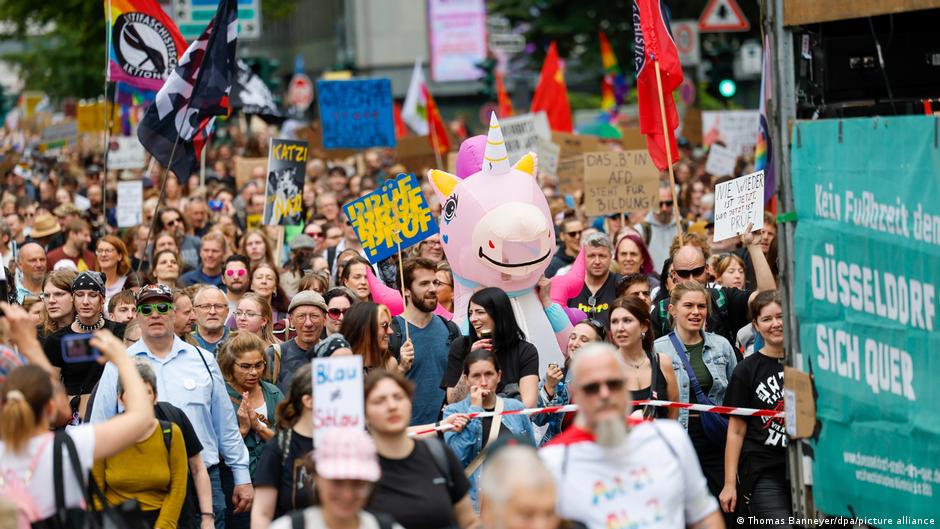
Mass anti-extremism protests in Germany highlight political uncertainty as investors assess AfD momentum, legal risks and market confidence.

AfD’s projected Saxony-Anhalt victory adds a fresh political-risk signal for investors watching German equities, Bunds and Europe’s risk premium.

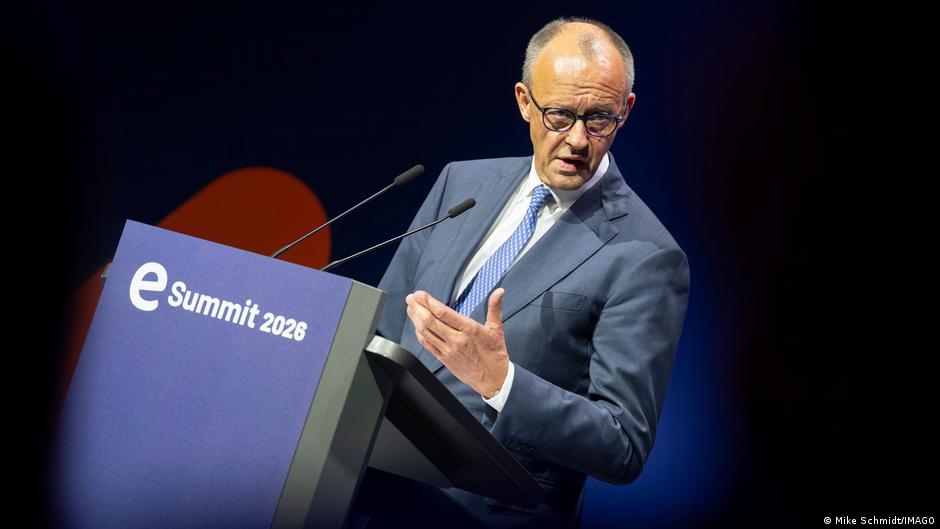
Rumors of an early replacement of German Chancellor Friedrich Merz have been denied, stabilizing political sentiment and calming capital markets amid low approval ratings.

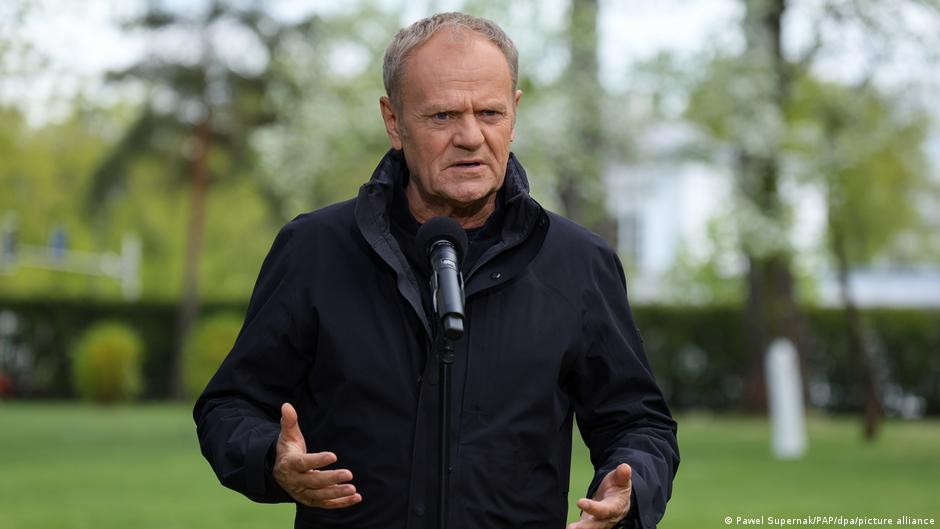
US plans to relocate 5,000 troops from Germany to Poland may affect European equities, bonds, and investor sentiment amid shifting geopolitical dynamics.

US tariff hikes on EU autos raise fears of a German recession in 2026, unsettling capital markets and prompting investor caution amid escalating trade tensions.