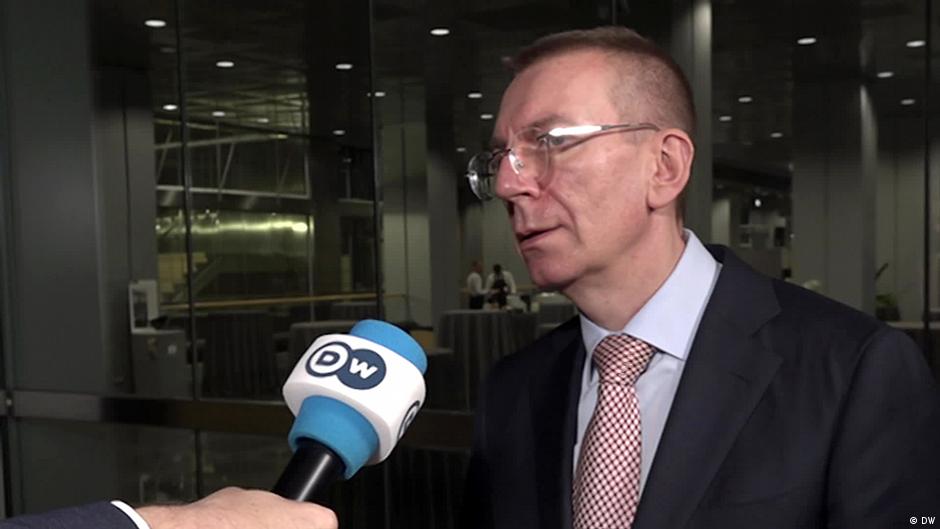
Hungarian Parliamentary Elections Yield Major Shift as Opposition Claims Electoral Fraud
Peter Magyar's Tisa party wins Hungary's parliamentary majority amid fraud claims, signaling potential shifts in policy and market volatility for investors.

Peter Magyar's Tisa party wins Hungary's parliamentary majority amid fraud claims, signaling potential shifts in policy and market volatility for investors.

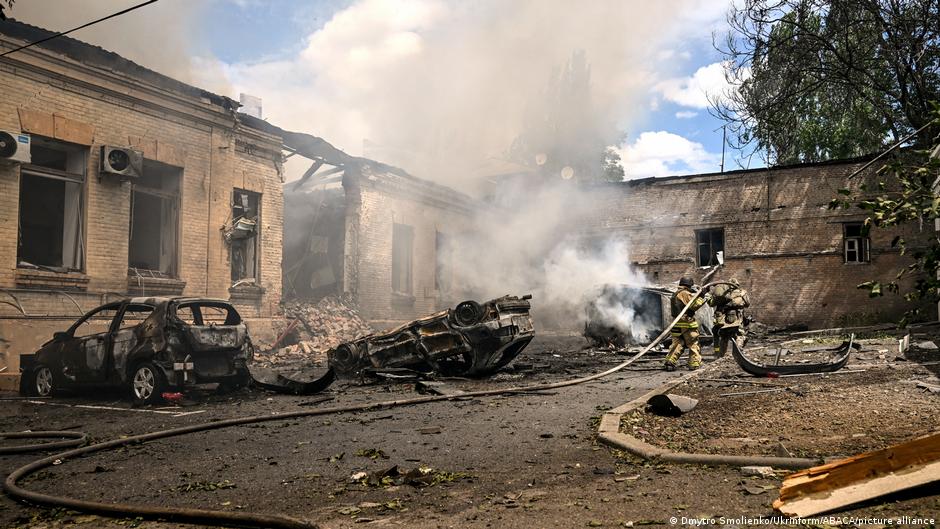
Drone strikes on April 18 triggered fires at oil storage sites in Russia's Krasnodar region and Sevastopol, raising concerns over energy infrastructure security and market volatility.

The US extends sanctions relief on Russian oil exports until May 16, influencing energy revenues and market stability amid ongoing geopolitical tensions.

President Trump rejects NATO's offer to secure the Strait of Hormuz, calling the alliance ineffective, while Europe plans a multinational mission, raising energy market uncertainties.

Dilshod Ahmedov, former head of Uzbekistan’s O‘zmetkombinat, is internationally wanted on embezzlement charges, raising concerns about governance in state enterprises and market confidence.

Pope Leo XIV’s critique of war profiteers during his African tour highlights rising geopolitical tensions that could impact global markets and investor sentiment.

Slovakia will continue blocking the EU's 20th sanctions package against Russia until Russian oil supply through the Druzhba pipeline via Ukraine is restored, impacting regional markets.

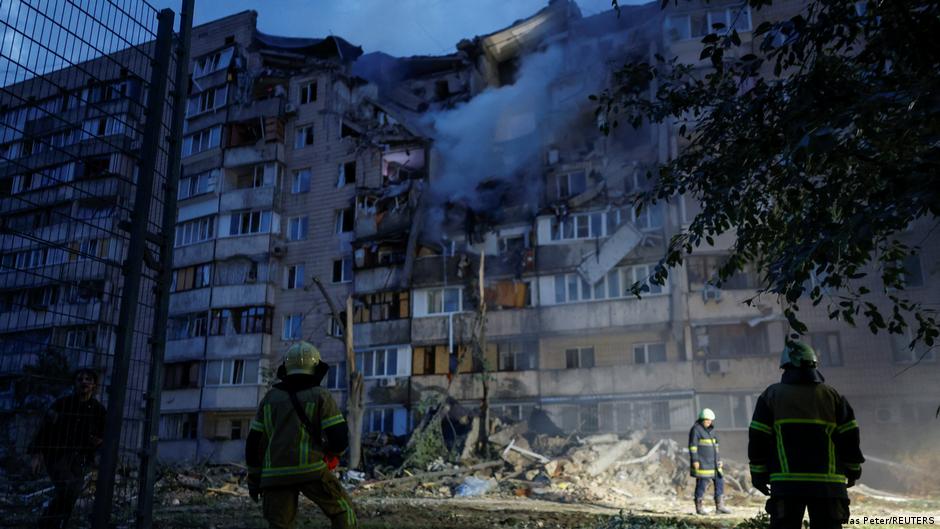
Russian drone attacks on Chernihiv’s energy infrastructure caused power outages affecting thousands, raising concerns about regional market stability and investor risk.

Germany's Koblenz Bundeswehr Military Museum has restricted access for Uzbek and other Central Asian nationals, citing security regulations affecting cultural tourism and market perceptions.

Uzbek banks report strong Q1 2026 earnings growth with asset expansion and income diversification, but rising credit risks signal caution for investors.

Uzbek and Afghan entrepreneurs have signed $300 million in contracts, strengthening trade ties and creating new investment opportunities in Central Asia.

BBC plans to cut about 10% of staff over two years amid declining license fee revenues and rising competition from global streaming platforms.