US Senators Urge Trump to Scrap Russian Diesel Deal as Sanctions Debate Grows
A bipartisan Senate group warns Trump’s Russian diesel deal may offer little fuel-price relief while weakening sanctions pressure on Moscow.

A bipartisan Senate group warns Trump’s Russian diesel deal may offer little fuel-price relief while weakening sanctions pressure on Moscow.

Reported U.S. pressure on Kyiv over refinery strikes adds uncertainty for oil, defense stocks and European bond markets.

A bipartisan House push to ban Russian oil purchases could complicate energy-market assumptions after Trump cited diesel supply talks with Putin.

Zelensky warned that a US license for Russian diesel exports could weaken sanctions pressure and extend the war as markets assess fuel supply risks.

Trump expects new Iran talks, but disputes over Hormuz, sanctions and the nuclear program keep oil, equities and bonds exposed to headline risk.

Kyiv denied a report that Trump urged Zelenskyy to meet Putin in Moscow as investors monitor diplomacy, diesel prices and energy risks.

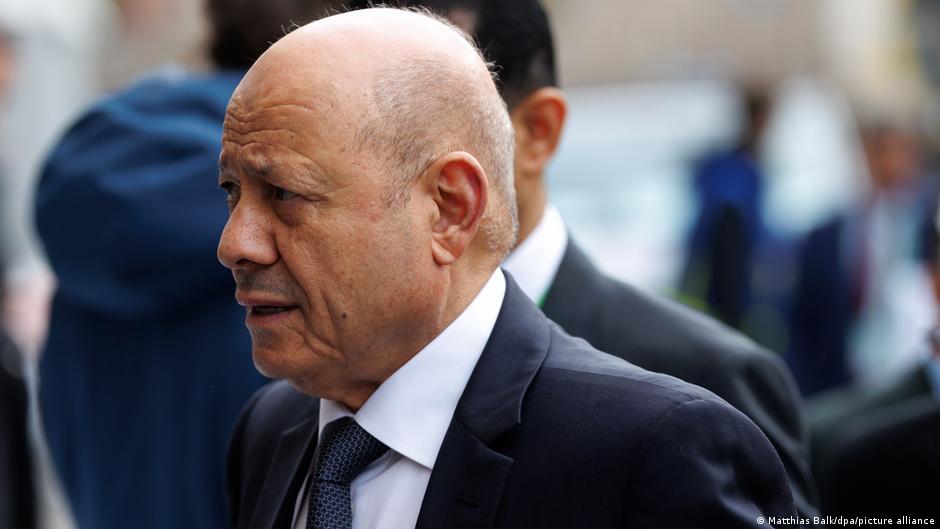
Yemen’s mobilization call adds to investor concerns over Red Sea shipping, Gulf oil exports, energy prices and regional market risk.

The House advanced a sanctions bill that could allow 100% tariffs on major buyers of Russian energy, adding tariff and inflation risk for investors.

Houthi forces captured Mocha, strengthening their position near Bab el-Mandeb and raising investor concerns over oil supply and market volatility.

CENTCOM said it destroyed five Iranian oil tankers after missile attacks on a U.S. Navy ship, sharpening market focus on Hormuz risk.

The UK granted an indefinite license for importing refined fuels derived from Russian oil, easing supply constraints amid geopolitical tensions and impacting energy market dynamics.

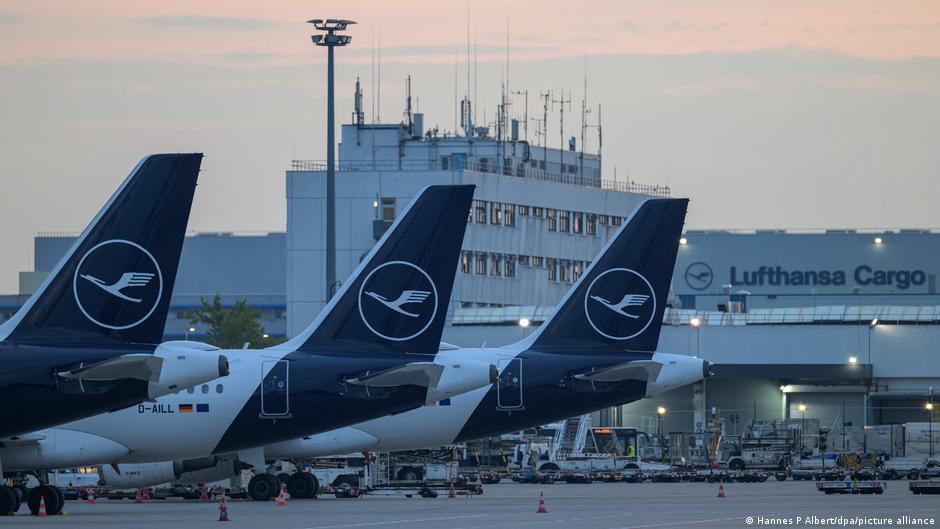
Lufthansa will cancel 20,000 flights by October 2026 to save fuel amid an energy crisis, impacting operational capacity and investor outlook in the aviation sector.

Rising jet fuel prices amid Middle East conflict force airlines to cut global flight capacity by 3% in May, pressuring aviation equities and bond markets.