Slovenia Narrows Russian Visa Access, Raising Business Mobility Risks
Slovenia has halted Russian applications for study and most work visas, adding mobility and staffing risks while preserving selected business and transport routes.

Slovenia has halted Russian applications for study and most work visas, adding mobility and staffing risks while preserving selected business and transport routes.

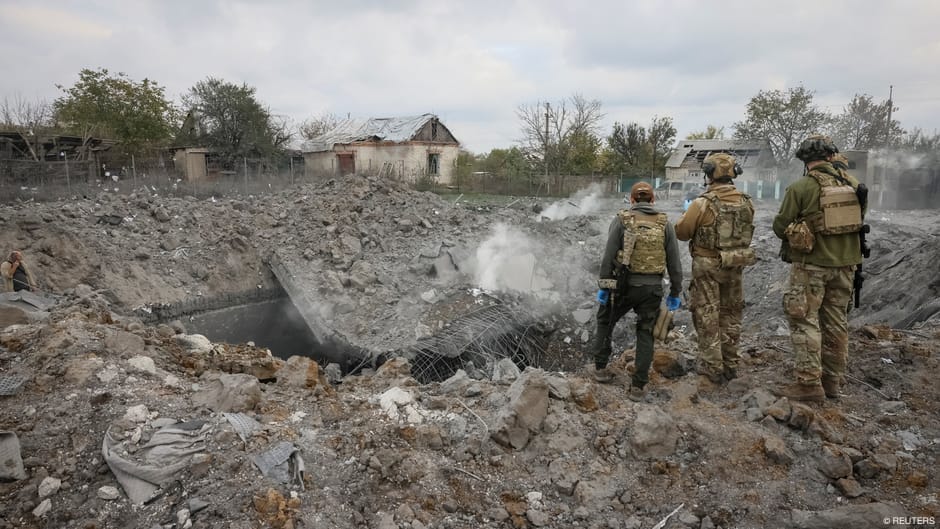
The confirmed toll from the Kamysevakha humanitarian-center strike reached 72, highlighting persistent security and financing risks for Ukraine-focused investors.

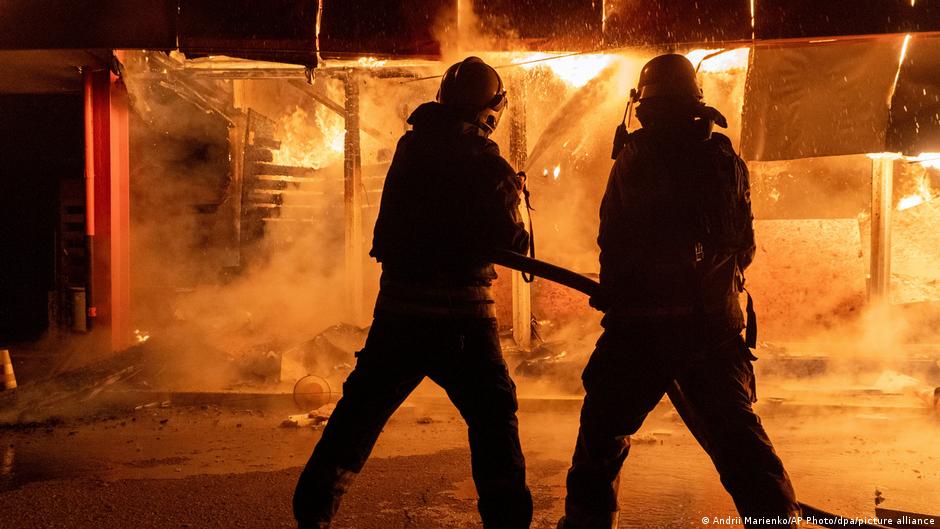
A Russian drone strike injured four people and damaged residential and industrial property in Kharkiv, reinforcing the security risks surrounding Ukrainian assets.

A Russian missile strike killed one woman, injured three people and damaged Kyiv infrastructure, adding to the geopolitical risks monitored by investors.

Kyiv’s mayor urged residents with options outside the capital to leave temporarily as intensified Russian strikes raise infrastructure risks.

Volkswagen approved a sweeping 2030 restructuring plan with 50,000 job cuts, heavy investment and a drive to lift profit and capital efficiency.

Uzbekistan auctions 100% stake in Gold Moon Tashkent for UZS 316.7 billion, despite significant debt and mixed financial results affecting market sentiment.

Germany’s wage gap between native and foreign full-time workers remains 23.6% in 2025, highlighting ongoing labor market disparities with potential implications for investors.

Russia has eased medical restrictions, allowing individuals with limb amputations to operate buses and trucks, signaling shifts in labor inclusion and sector workforce dynamics.

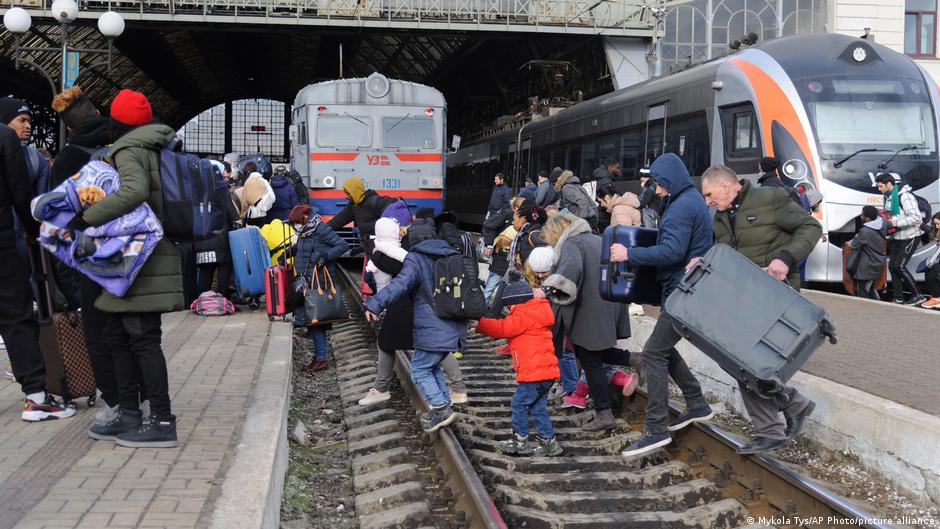
Over 8.4 million Ukrainians live abroad amid ongoing conflict, affecting demographic trends and investor confidence in Ukraine’s capital markets.

The US enacts a permanent visa bond for citizens of 50 countries to curb overstays, potentially impacting travel, investment flows, and market dynamics in affected regions.

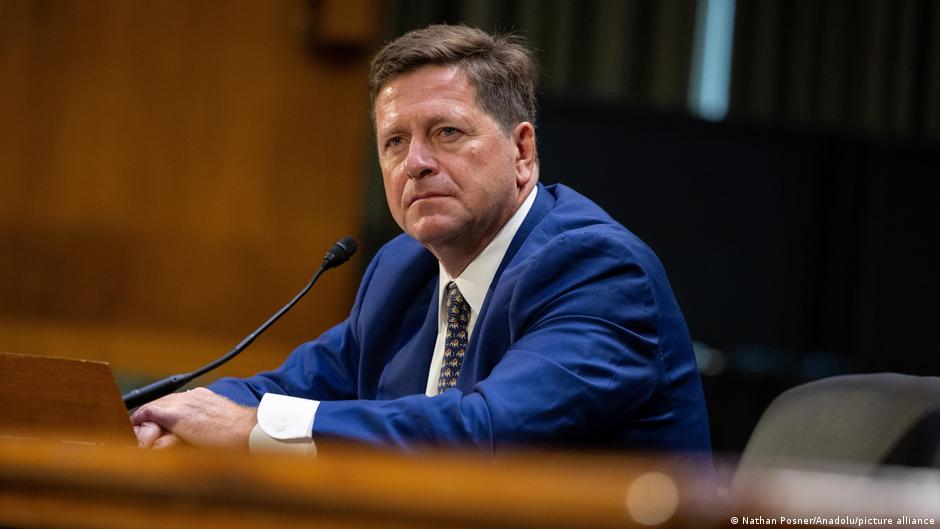
Jay Clayton's confirmation as U.S. Director of National Intelligence introduces new uncertainties for capital markets, with potential impacts on equities and bonds amid geopolitical risks.

Russian airstrikes on Zaporizhzhia and Sumy caused civilian casualties and damaged infrastructure, rattling Ukrainian markets and heightening investor concerns.

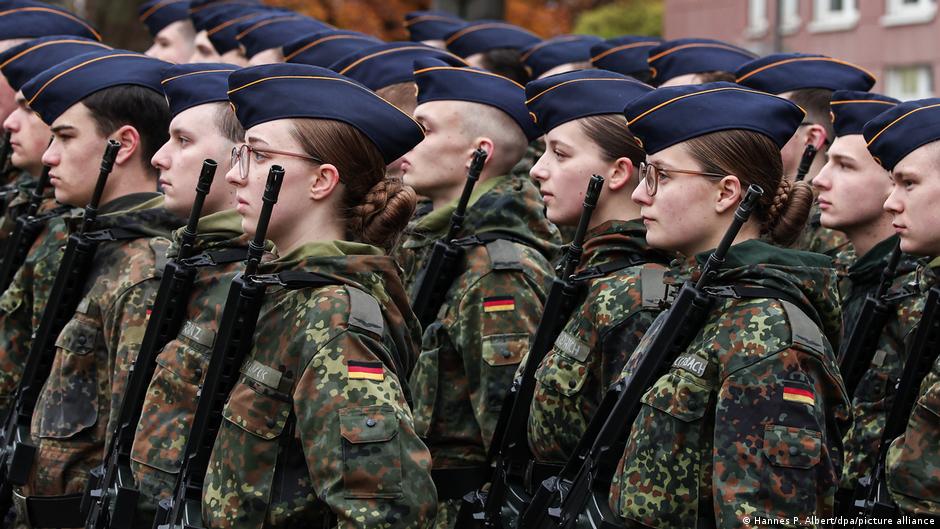
Germany's surge in military service refusals amid conscription reforms and security tensions is influencing investor sentiment and may affect defense spending and capital markets.

Germany faces a sharper labor shortage of 4.3 million by 2036 due to retiring baby boomers and declining immigration, affecting workforce-dependent sectors and investor strategies.

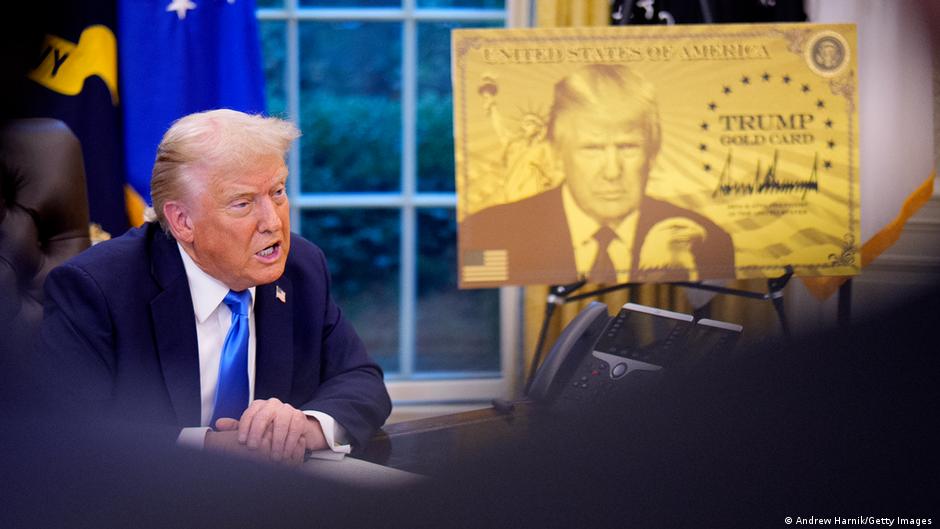
A US court invalidated Trump-era $100,000 H-1B visa fee, lowering costs for companies hiring skilled foreign workers and easing investor concerns in tech sectors.

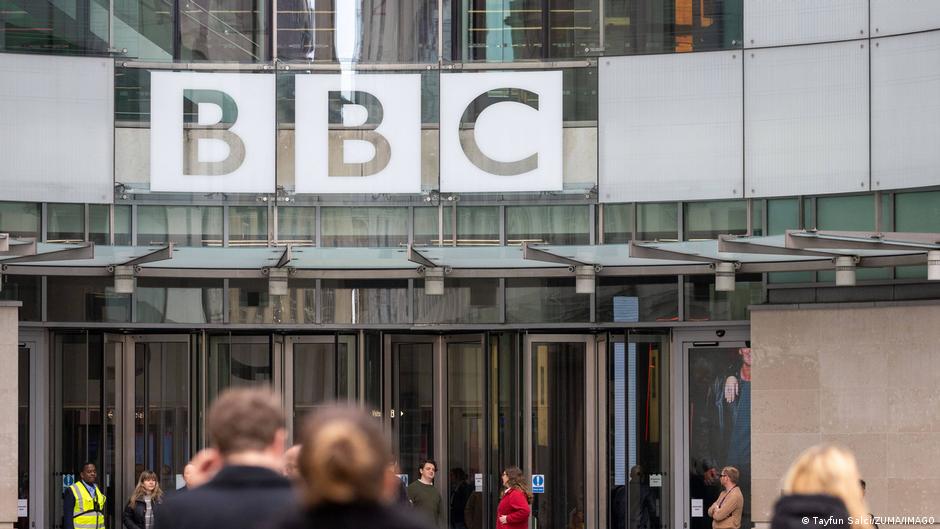
BBC plans to cut about 10% of staff over two years amid declining license fee revenues and rising competition from global streaming platforms.

The Trump administration wants GM, Ford and other manufacturers to help produce weapons, echoing WWII-era industrial mobilization.