Berlin Election Upset Puts Housing Policy and Coalition Risk in Market Focus
The Left Party’s Berlin win puts housing policy, coalition risk and property-market regulation back at the center of investor attention.

The Left Party’s Berlin win puts housing policy, coalition risk and property-market regulation back at the center of investor attention.

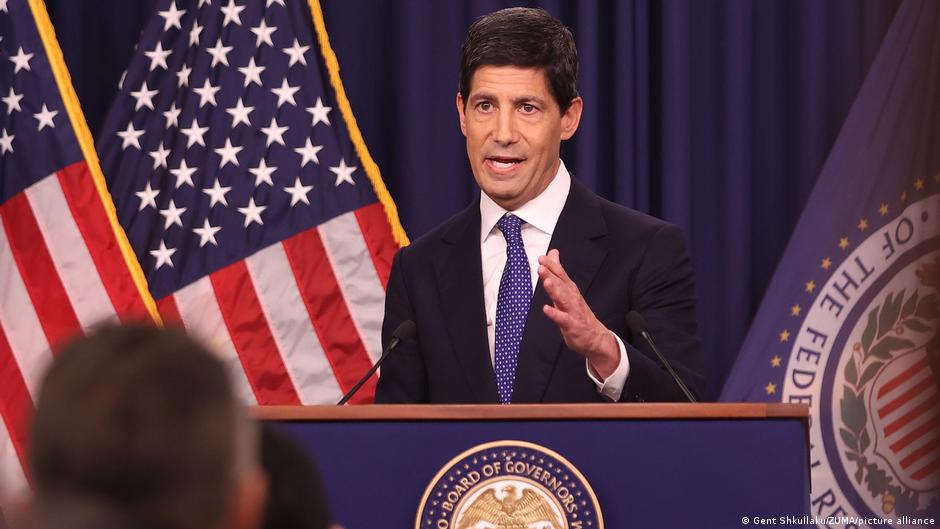
The Fed raised rates to 3.75%-4.00% for the first time in three years, shifting investor focus back to inflation, yields and equity valuations.

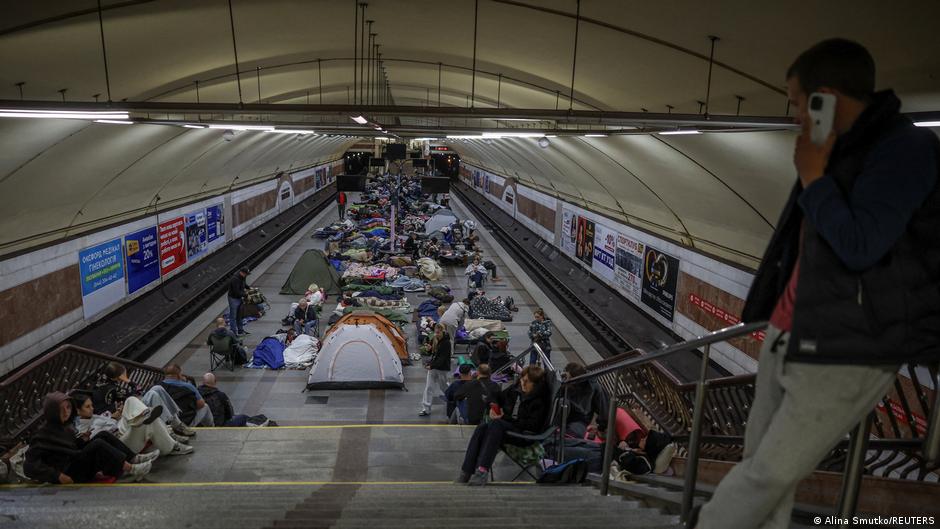
Russian attacks on Kyiv, Odesa and Sumy injured civilians including children, adding to the war risks facing investors in Ukraine.

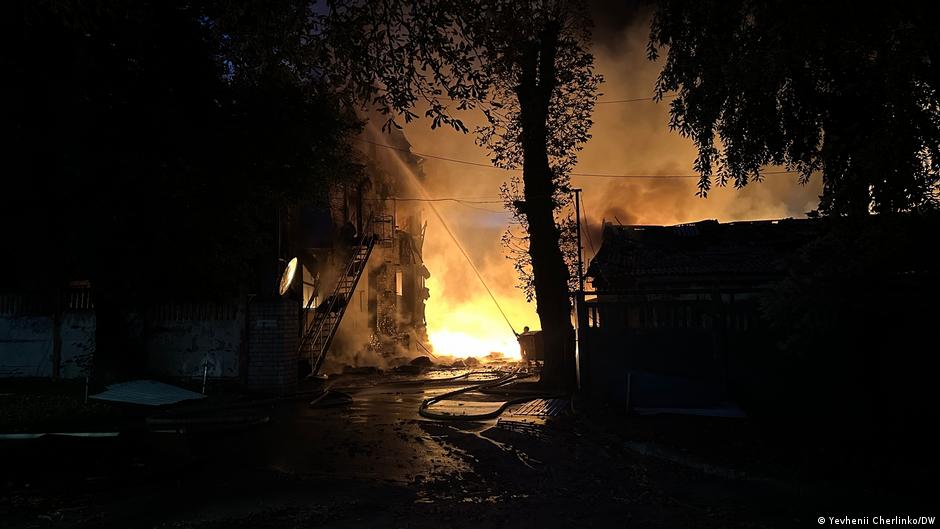
Russian strikes damaged logistics, warehouse, residential and energy infrastructure in Ukraine, adding to operational risks for investors.

Russia struck Kyiv with drones and ballistic missiles, damaging homes, industrial sites and logistics assets as investors monitor war risk.

Ukraine's strike on Russian naval ships and infrastructure in Novorossiysk disrupts key grain exports and energy terminals, triggering volatility in Russian equities and bond markets.

Wildberries’ major logistics warehouse in Voronezh was severely damaged by fire amid ongoing drone attacks, leading to significant operational and financial setbacks.

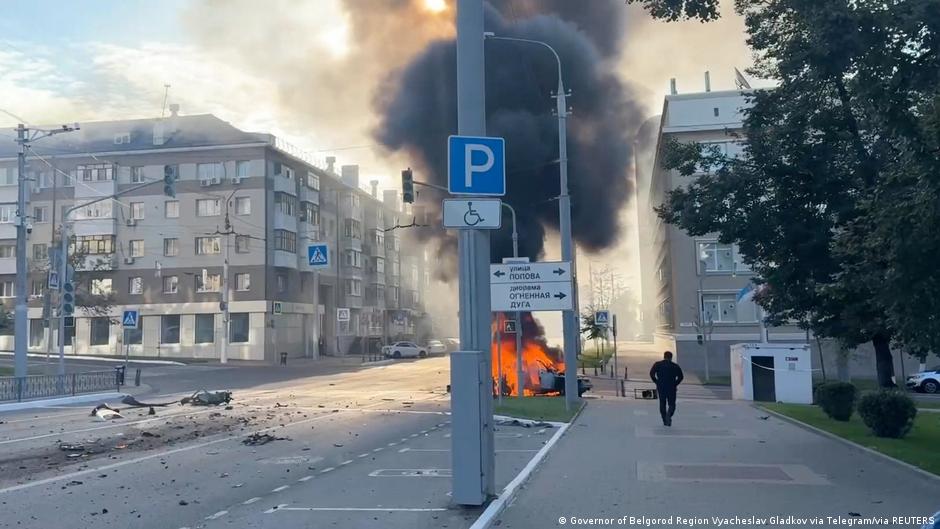
Drone strikes in Russia's Belgorod and Rostov regions cause civilian casualties and infrastructure damage, raising concerns over regional market stability and investor confidence.

Drone attacks on Russian cities and a military airfield intensify geopolitical tensions, leading to increased volatility in Russian equities and bonds.

The Austrian Communist Party won municipal elections in Graz with 35.63% of votes, focusing on housing policies and moderate governance, affecting local investment and market outlook.

A drone strike on a residential building in western Moscow caused property damage but no casualties, potentially impacting Moscow's real estate market and investor confidence amid increased security concerns.

Germany's Koblenz Bundeswehr Military Museum has restricted access for Uzbek and other Central Asian nationals, citing security regulations affecting cultural tourism and market perceptions.