EU Adds €710 Million in Humanitarian Aid as Investors Track Fiscal Pressures
The EU will add €710 million in humanitarian aid, with investors watching how crisis spending fits into Europe’s wider fiscal outlook.

The EU will add €710 million in humanitarian aid, with investors watching how crisis spending fits into Europe’s wider fiscal outlook.

The Left Party’s Berlin win puts housing policy, coalition risk and property-market regulation back at the center of investor attention.

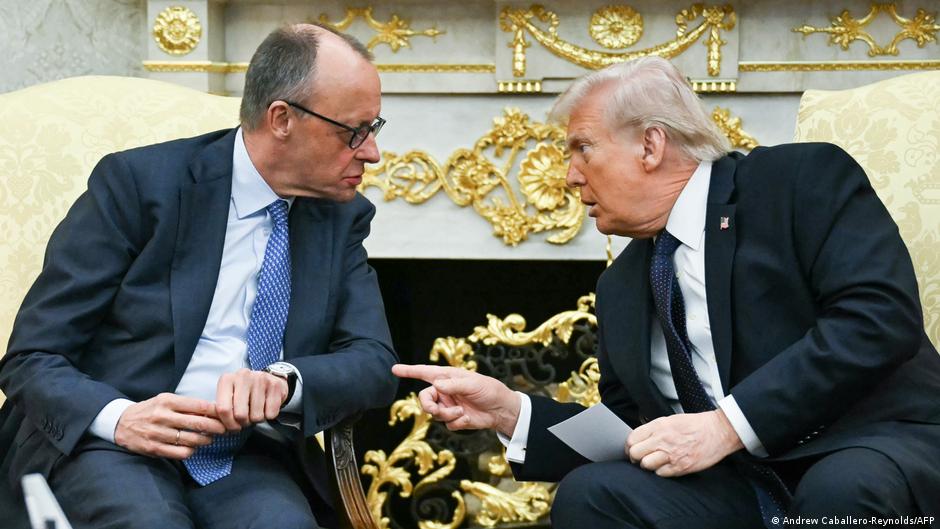
Merz said unconditional U.S.-German friendship may be over, pointing to defense spending, trade tensions and growth risks for investors.

Finland’s completed Russia border fence signals how security spending and geopolitical risk remain central to European market calculations.

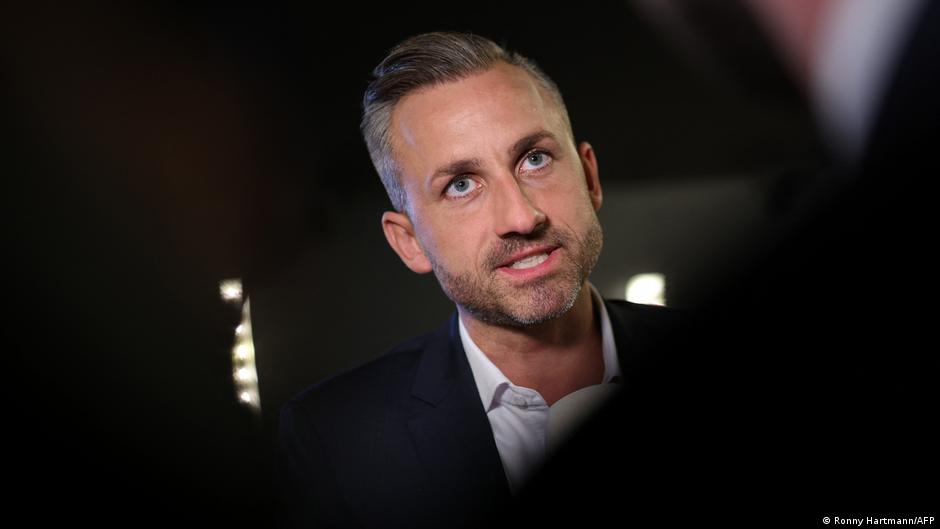
AfD’s decisive Saxony-Anhalt win leaves no clear governing majority, adding political risk for investors watching Germany’s markets.

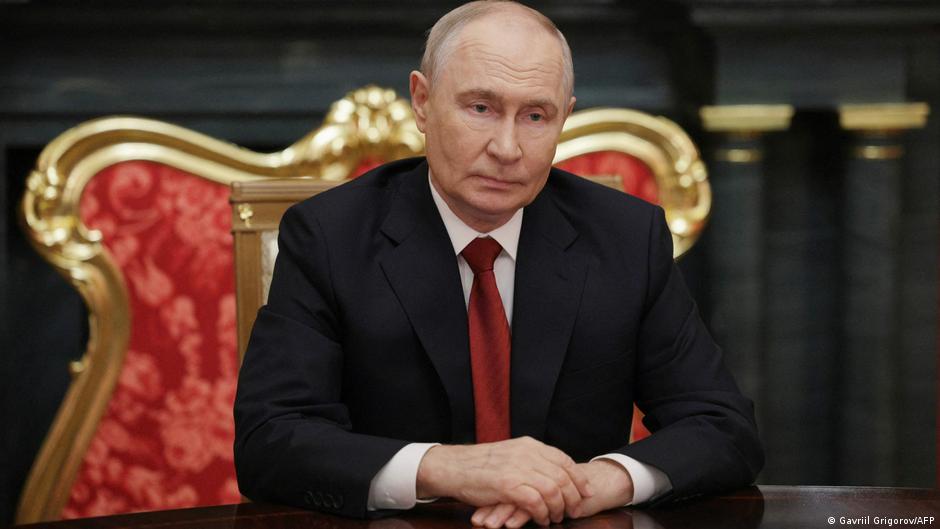
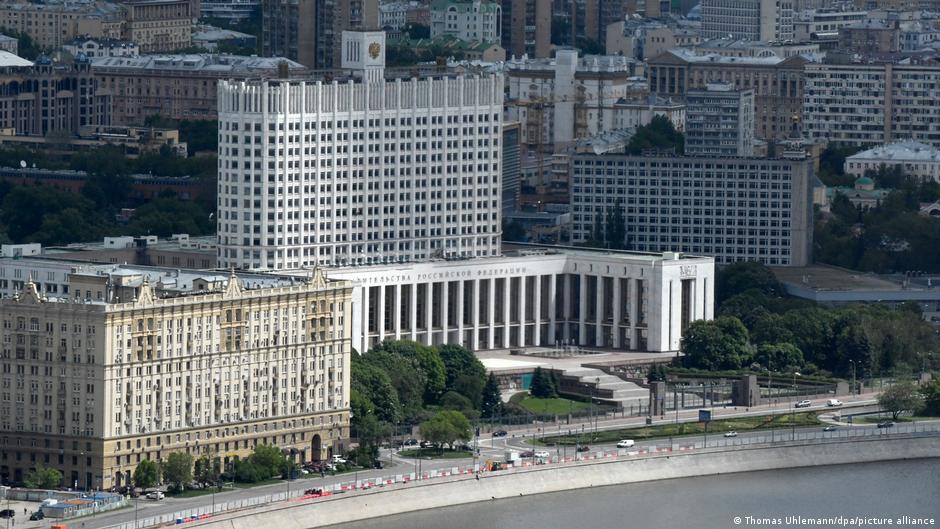
Putin backed using medically unfit volunteers for rear-area drone defense, adding another manpower signal for markets tracking Russia risk.

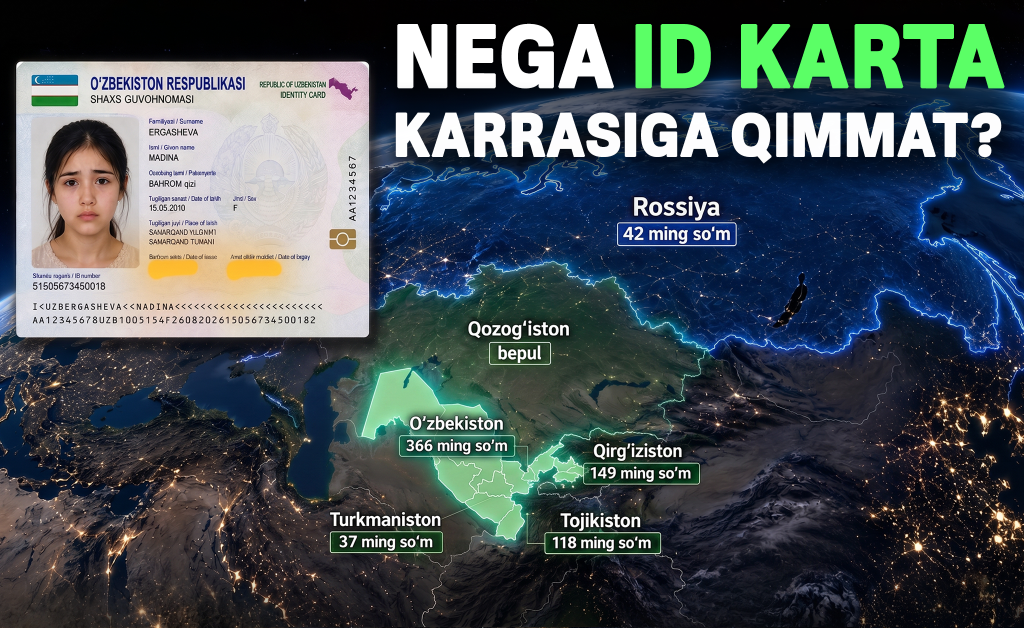
A social media uproar over first ID-card fees in Uzbekistan is drawing attention to rising indexed charges and how the country compares with regional peers.

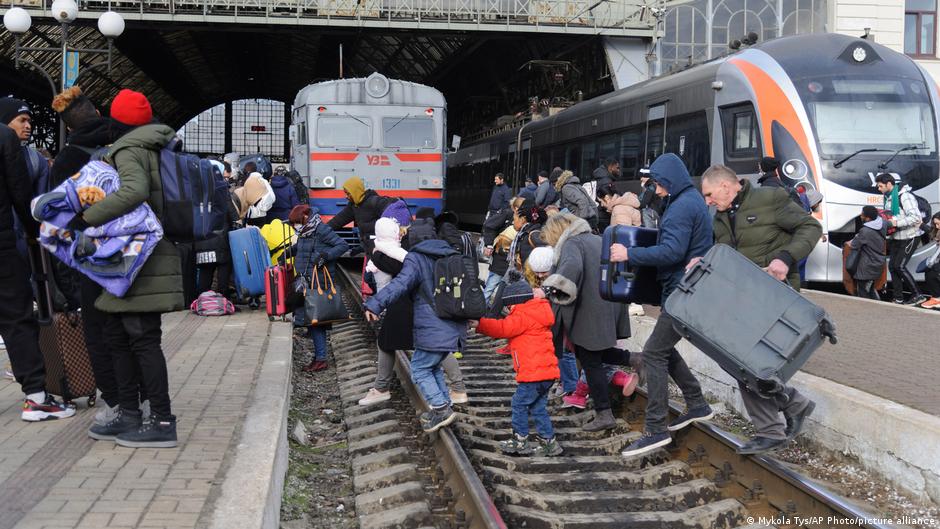
Over 8.4 million Ukrainians live abroad amid ongoing conflict, affecting demographic trends and investor confidence in Ukraine’s capital markets.

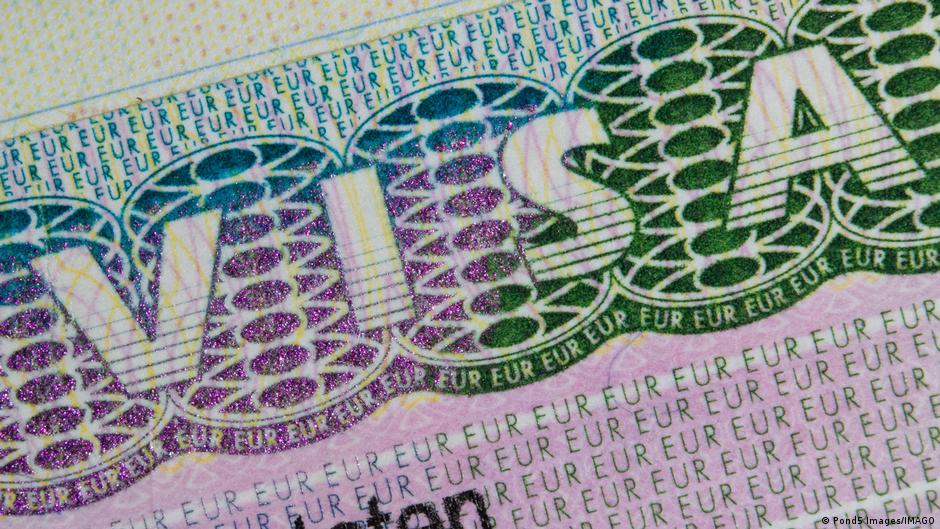
The US enacts a permanent visa bond for citizens of 50 countries to curb overstays, potentially impacting travel, investment flows, and market dynamics in affected regions.

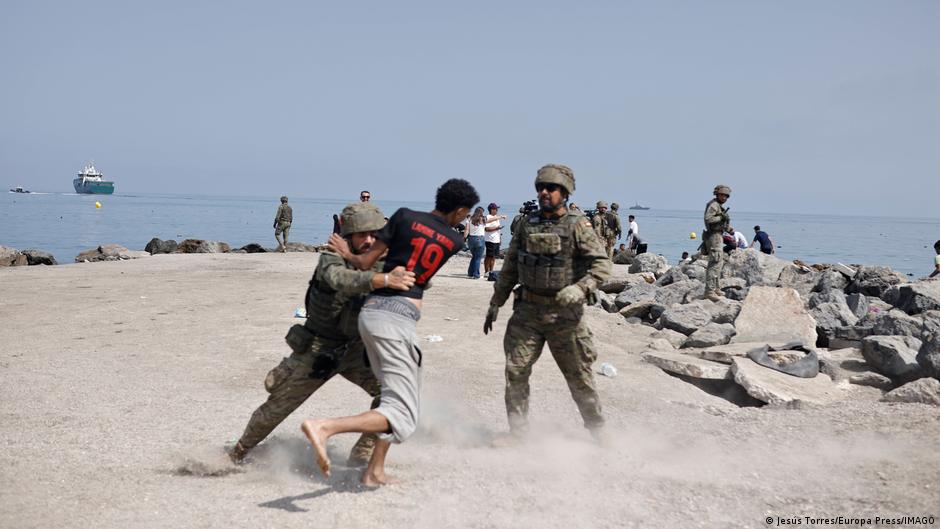
Spain's migrant surge into Ceuta raises political tensions and market concerns, impacting equities, bonds, and EU border policies affecting investor confidence.
Montenegro will require visas for Russian and Belarusian citizens from November 2026, affecting travel and investment flows amid the country's EU accession process.

Russia proposes expanding military contract eligibility to include individuals convicted of serious crimes, aiming to boost recruitment amid ongoing conflict and mobilization.
Former Spanish PM Mariano Rajoy's controversial remarks about the French football team spark political backlash, raising concerns about potential impacts on European markets and investor confidence.

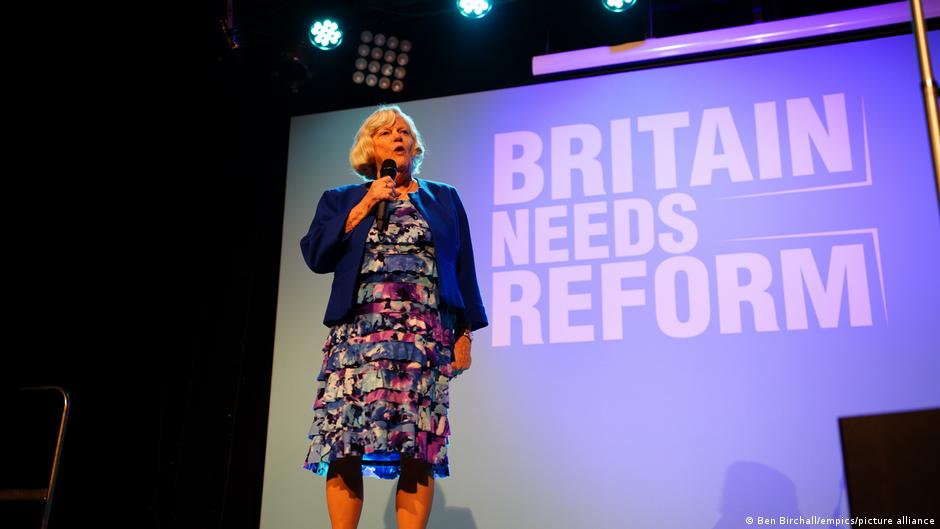
The murder of UK politician Anne Widdecombe unsettles markets as concerns rise over political stability and its impact on investor confidence.

Germany's grant of asylum to Russian activist Ilya Shkolny reflects growing geopolitical risks from Russia's war, impacting European market sentiment and investor risk assessment.

Belgium issued one-day visas to five Taliban representatives for an EU meeting on Afghan deportations, a move impacting European migration policy and investor sentiment.

Colombian far-right candidate Abelardo de la Espriella wins presidency, prompting market reassessment on deregulation, security policies, and U.S. relations with implications for investors.

Germany faces a sharper labor shortage of 4.3 million by 2036 due to retiring baby boomers and declining immigration, affecting workforce-dependent sectors and investor strategies.

US Congress approved $70 billion in funding for immigration enforcement agencies, reducing uncertainty for investors in border security-related markets.

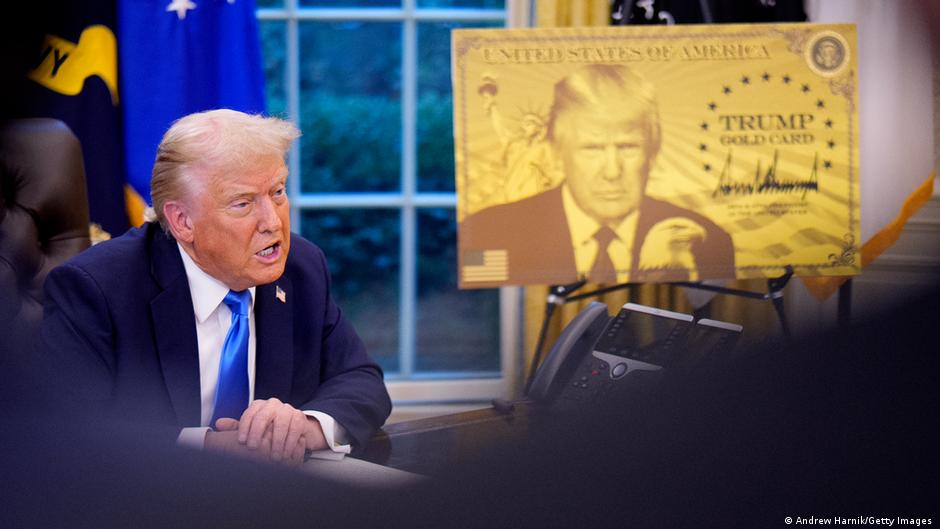
A US court invalidated Trump-era $100,000 H-1B visa fee, lowering costs for companies hiring skilled foreign workers and easing investor concerns in tech sectors.

Former RT France head Ksenia Fedorova joins French conservative TV channel CNews, maintaining pro-Kremlin views despite Russia Today’s European broadcast ban.

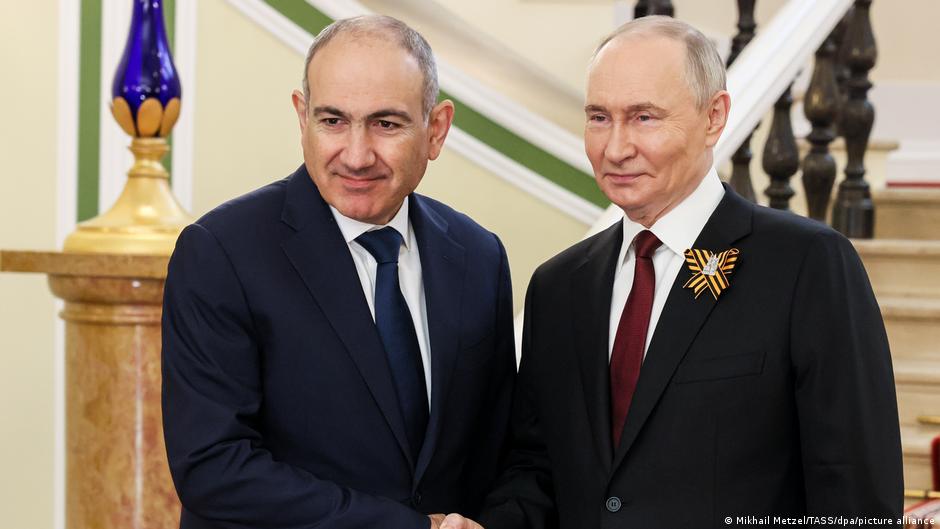
Russia warns Armenia it may halt duty-free gas and oil supplies amid Armenia’s EU rapprochement, raising risks for Armenian market stability and investor confidence.

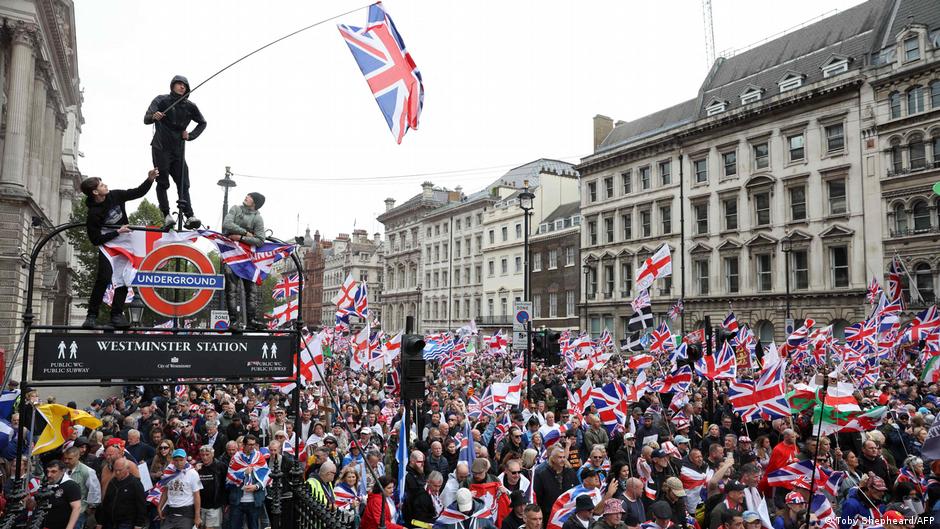
London’s simultaneous ultraright and pro-Palestinian rallies highlight political tensions, prompting cautious investor response in UK equities and bonds amid concerns over stability.