Pentagon Strategist’s NATO Exit Adds Risk for European Markets
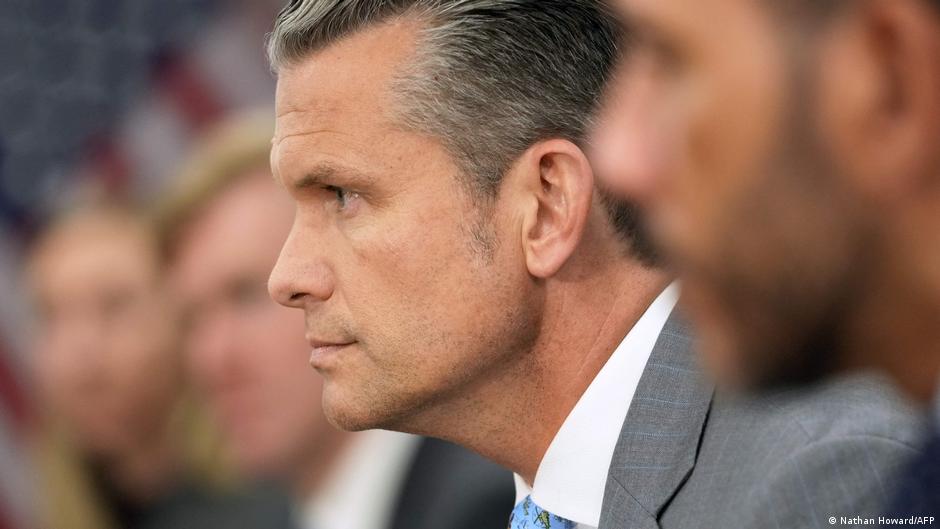
Elbridge Colby’s early exit from NATO talks exposes policy divisions that may affect European defense stocks, sovereign bonds and geopolitical risk premiums.

Elbridge Colby’s early exit from NATO talks exposes policy divisions that may affect European defense stocks, sovereign bonds and geopolitical risk premiums.

The Pentagon plans to withdraw about 5,000 US troops from Europe rather than 25,000, reducing security uncertainty while sustaining NATO defense spending.

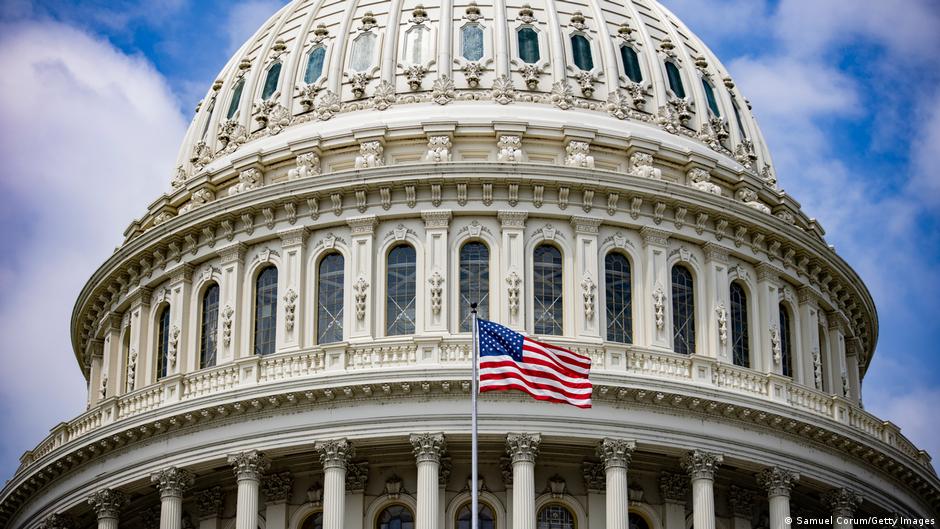
House Republicans sent the Hegseth impeachment resolution to committee, delaying the challenge until Democrats take control of Congress in January.

A Republican bid to impeach Defense Secretary Pete Hegseth adds political uncertainty for investors monitoring the Iran war, energy, defense stocks and bonds.

The Pentagon watchdog redirected a bipartisan request to probe Starlink disruptions, raising governance and contracting questions for defense investors.

Trump said SpaceX restored full Starlink access in Ukraine, renewing investor scrutiny of private satellite infrastructure and government dependence.

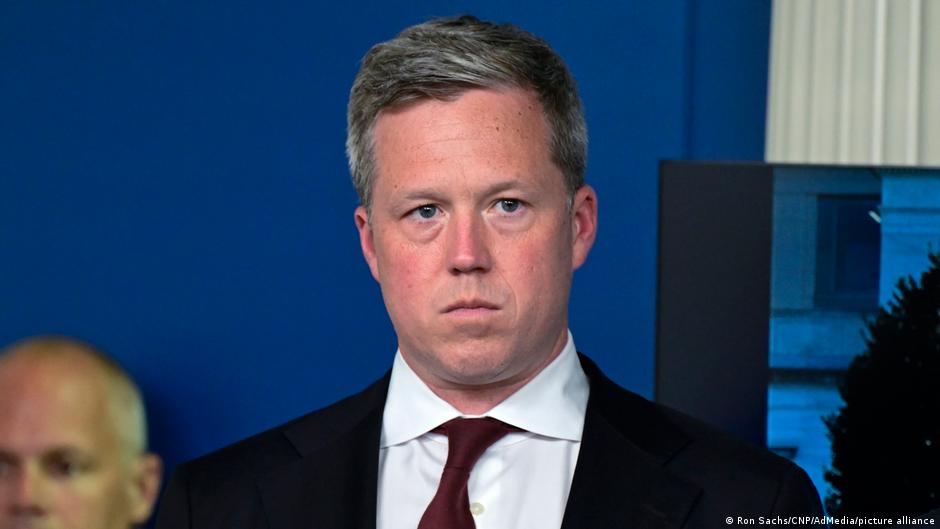
Daniel Driscoll’s resignation after a clash with Pete Hegseth adds uncertainty for defense investors watching Pentagon leadership and procurement policy.

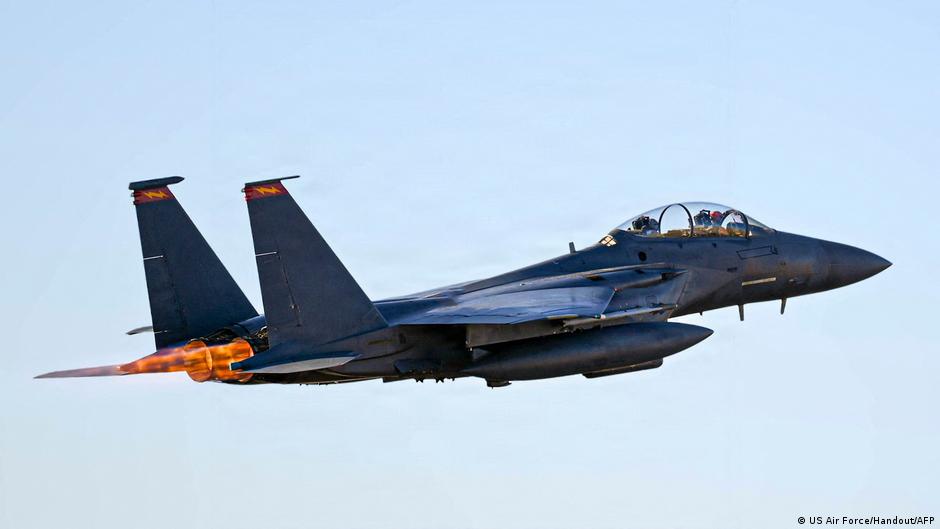
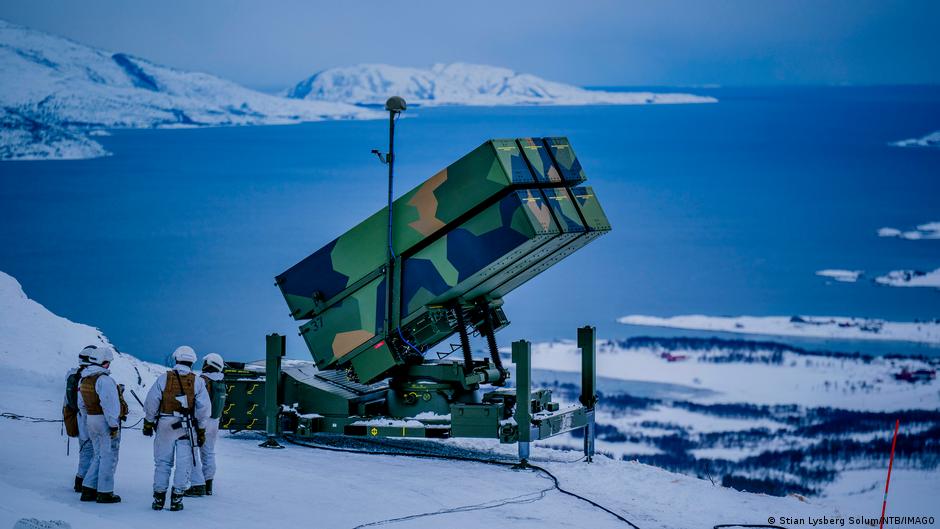
The US will reduce its NATO fighter jets and naval assets in Europe, affecting defense supply chains and prompting shifts in European military spending that investors should watch closely.

The US House approves expanded sanctions on Russia and aid to Ukraine, with Senate approval pending, prompting market volatility and investor caution.

The US reversal to deploy 5,000 additional troops to Poland alters previous Pentagon plans, influencing defense markets and investor outlooks on transatlantic military commitments.

US President Trump delays planned Iran strike after Gulf leaders intervene, triggering cautious market reactions amid ongoing high-stakes negotiations.

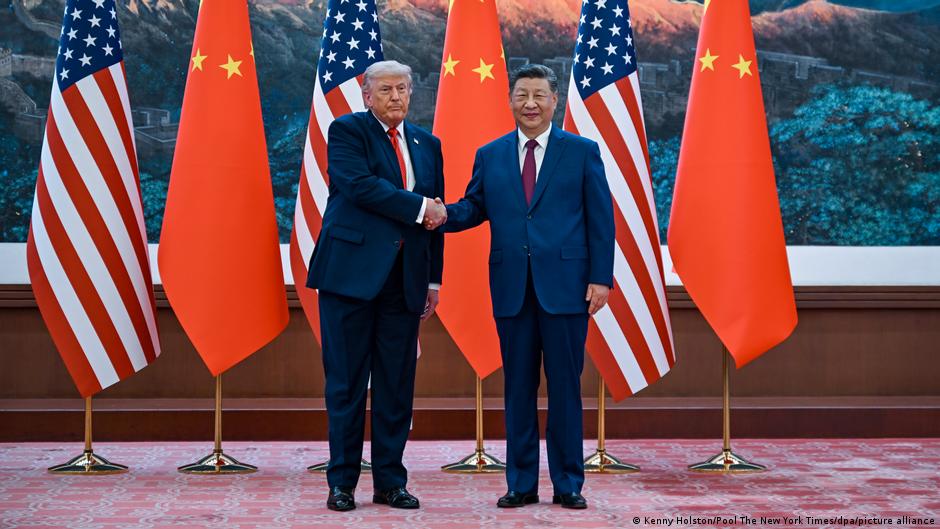
Trump and Xi Jinping meet in Beijing to discuss Iran, trade, and Taiwan, with investors closely watching for impacts on global markets and trade relations.

US intelligence reports reveal Iran retains 70% of its missile arsenal, contradicting official claims and raising concerns over defense supply chains and geopolitical risks.

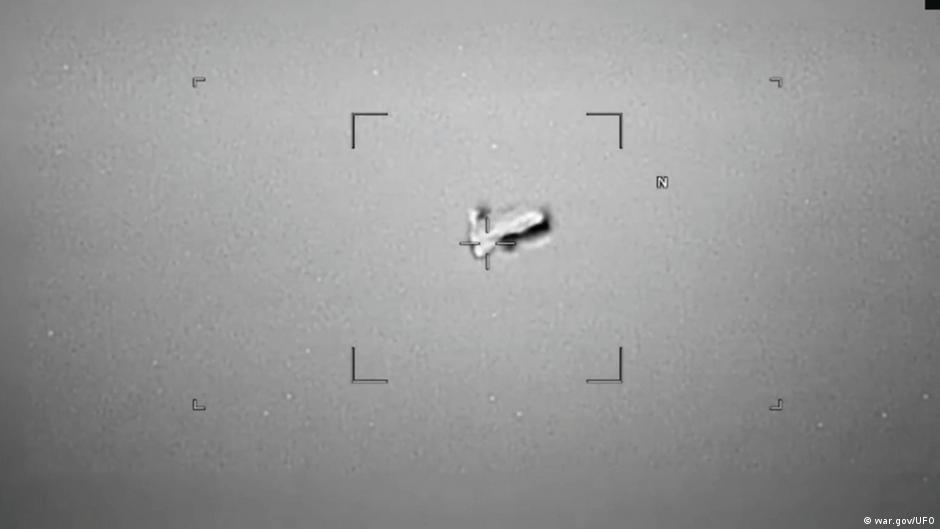
The Pentagon's release of 161 declassified UFO files raises questions about their potential impact on defense equities and investor sentiment in capital markets.

The US plans to reduce its military footprint in Germany by more than 5,000 troops, affecting defense stocks and European bond markets amid rising geopolitical tensions.

The US plans to withdraw 5,000 troops from Germany within a year, affecting defense equities and bonds as investors weigh geopolitical and budgetary impacts.

US delays arms shipments to European allies amid Iran conflict strain defense supply chains, impacting equities and bonds in the defense sector.

The Trump administration wants GM, Ford and other manufacturers to help produce weapons, echoing WWII-era industrial mobilization.