Russia’s Crude Oil Exports Reach Peak in 2026 Despite Falling Global Prices
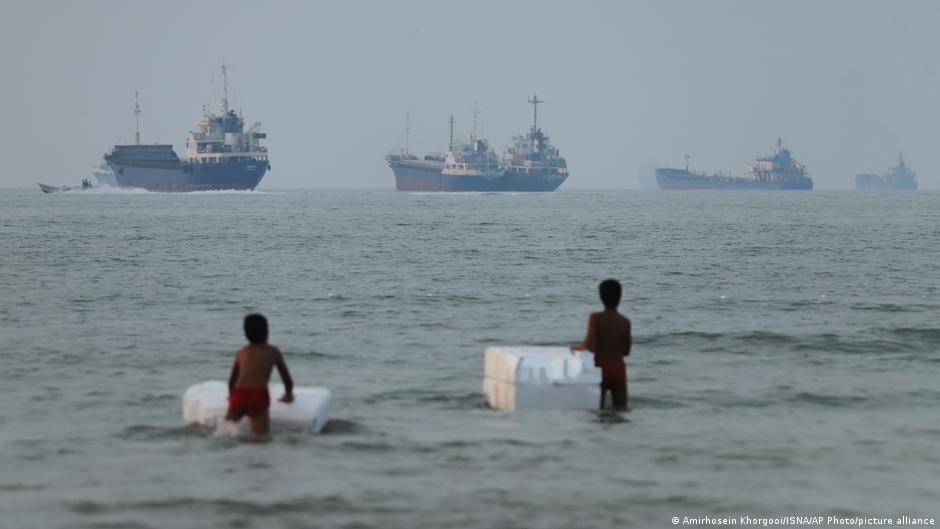
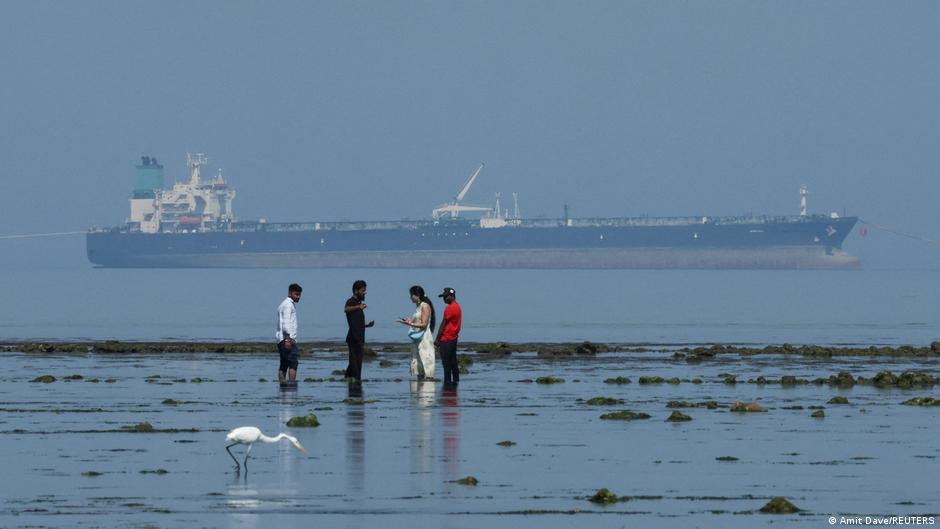
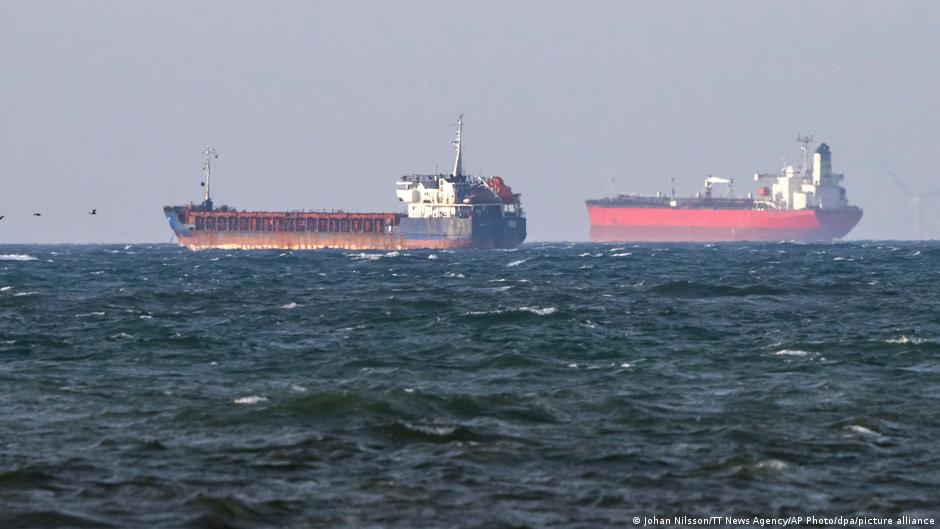
Russia’s maritime oil exports hit a 2026 peak despite falling prices amid US-Iran diplomacy, posing complex challenges for energy investors and capital markets.

Russia’s maritime oil exports hit a 2026 peak despite falling prices amid US-Iran diplomacy, posing complex challenges for energy investors and capital markets.

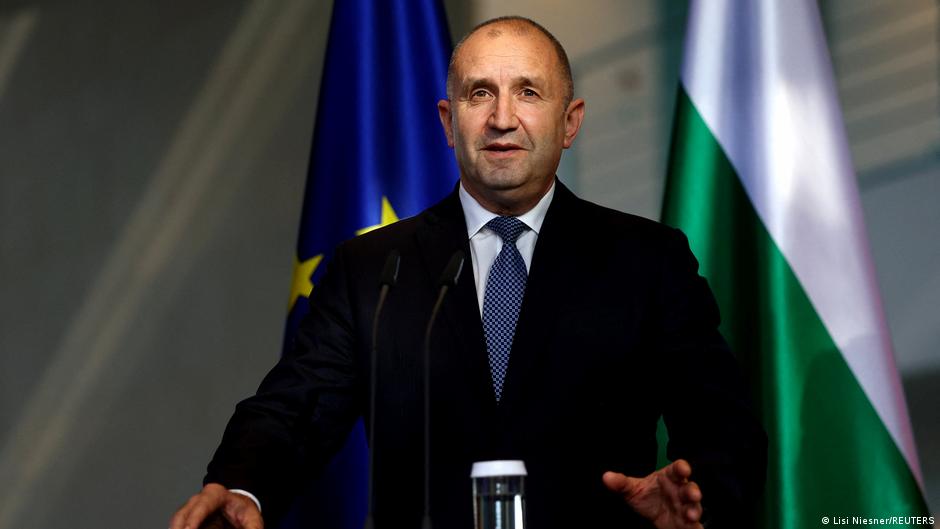
Bulgaria plans to veto the EU's latest sanctions on Russia, citing economic risks to its energy sector, notably Lukoil, raising concerns for investors in regional markets.

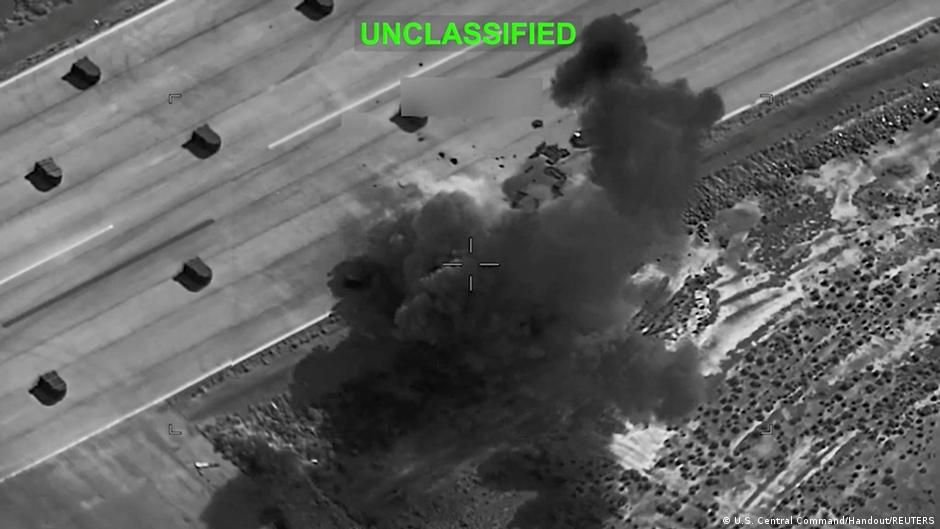
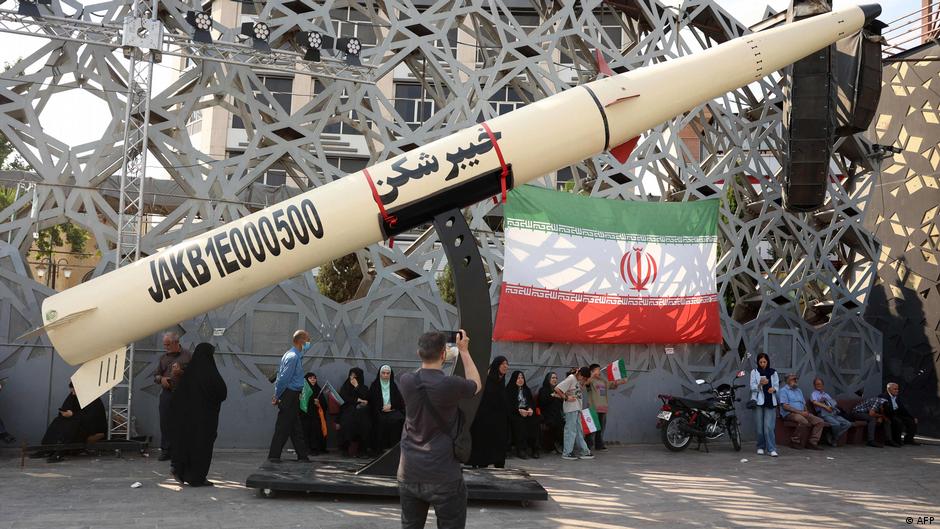
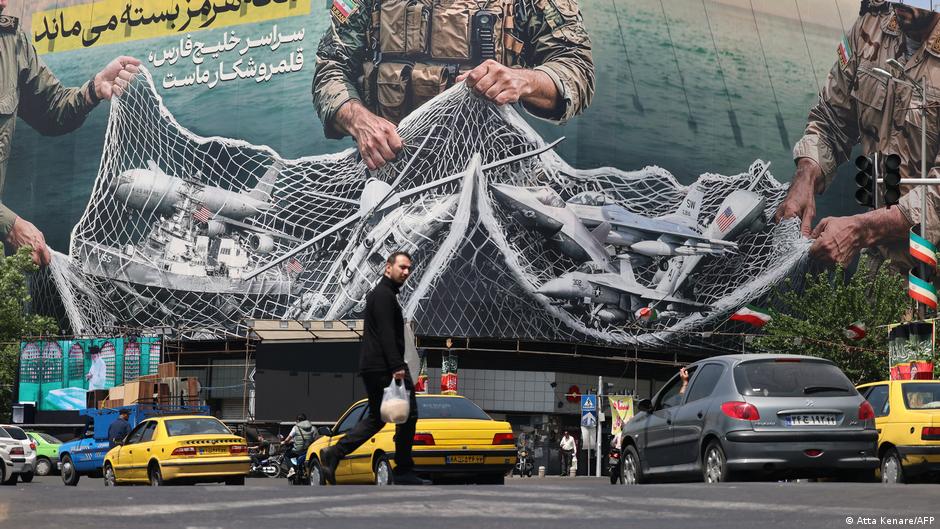
Iran has replenished about 75% of its missile arsenal, likely aided by new Russian missile deliveries, fueling geopolitical risks that affect defense equities and energy markets.

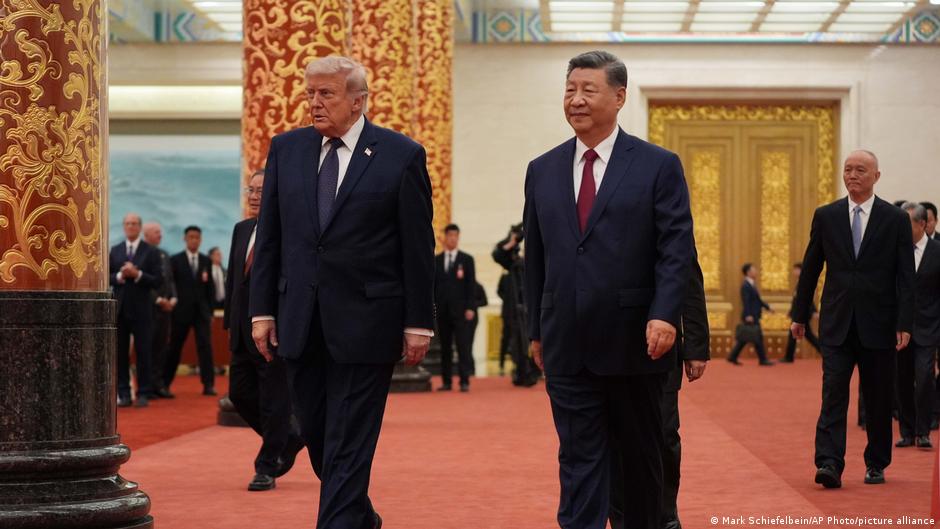
China's renewed interest in U.S. oil and soybeans after talks with Trump may shift commodity markets and impact investor strategies amid evolving trade and geopolitical dynamics.

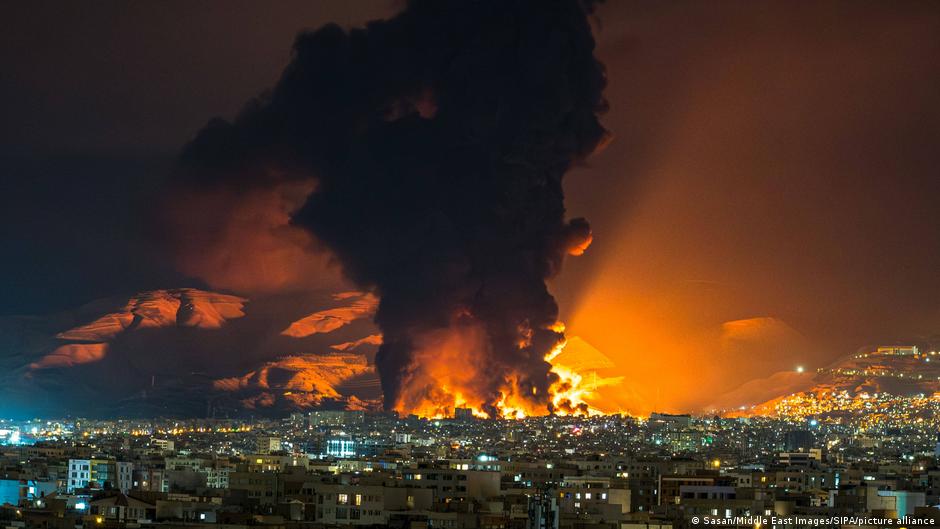
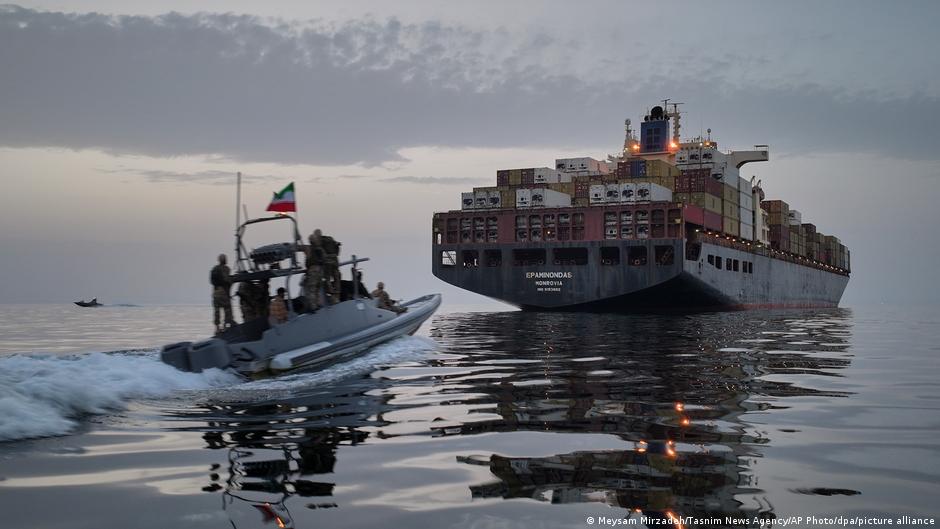
Iran's new shipping declaration for the Strait of Hormuz could disrupt oil transit and impact energy markets amid rising geopolitical tensions.

Iran has submitted a 14-point peace plan to the US demanding troop withdrawals and sanctions relief amid ongoing Middle East conflict, sparking cautious market reactions.

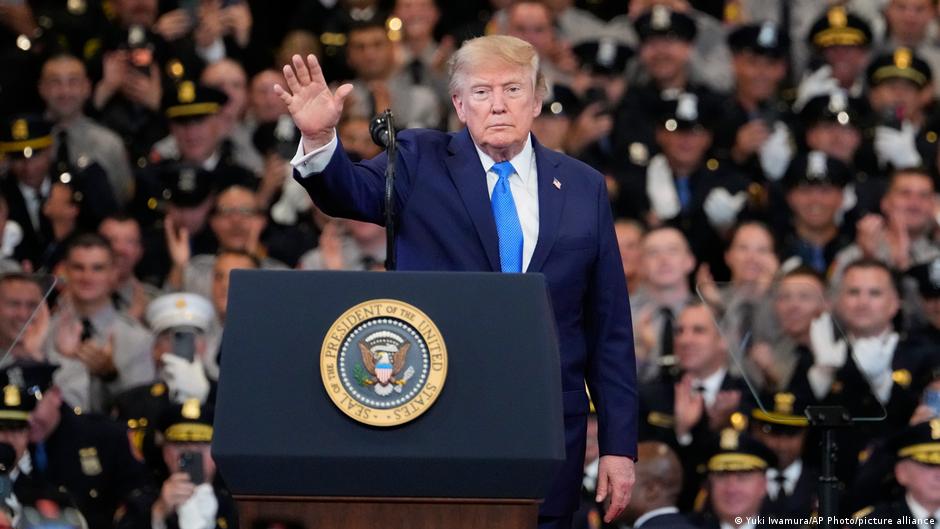
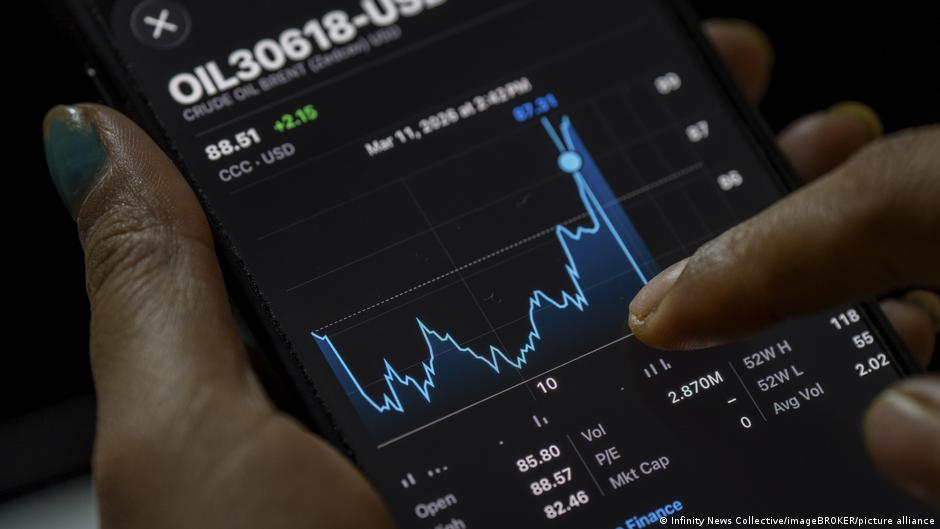
Oil prices surged over 7% after U.S. President Trump's threats against Iran, intensifying geopolitical risks and impacting capital markets.

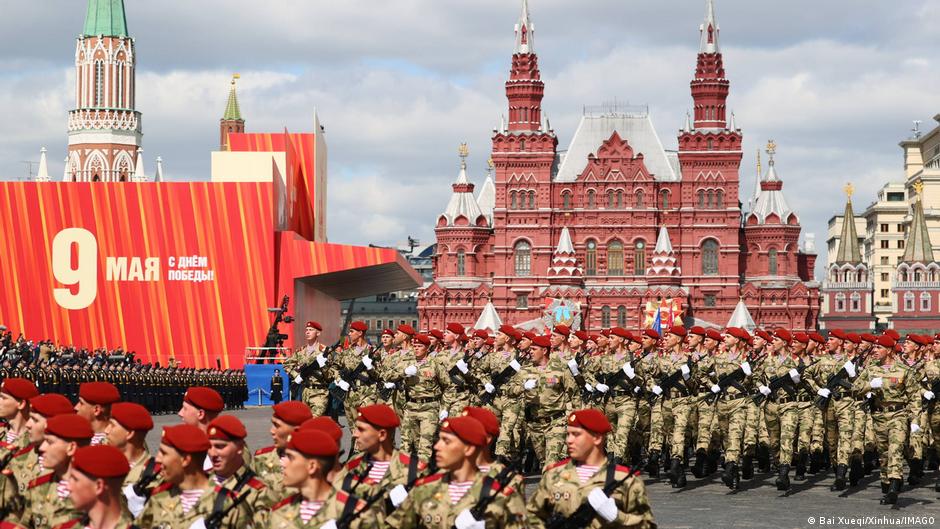
Moscow’s 2026 Victory Day parade will exclude military vehicles for the first time in years, reflecting security concerns and impacting defense sector investor sentiment.

The US will not extend temporary sanctions exemptions for Russian and Iranian oil, signaling tighter restrictions that could impact energy markets and investor sentiment.

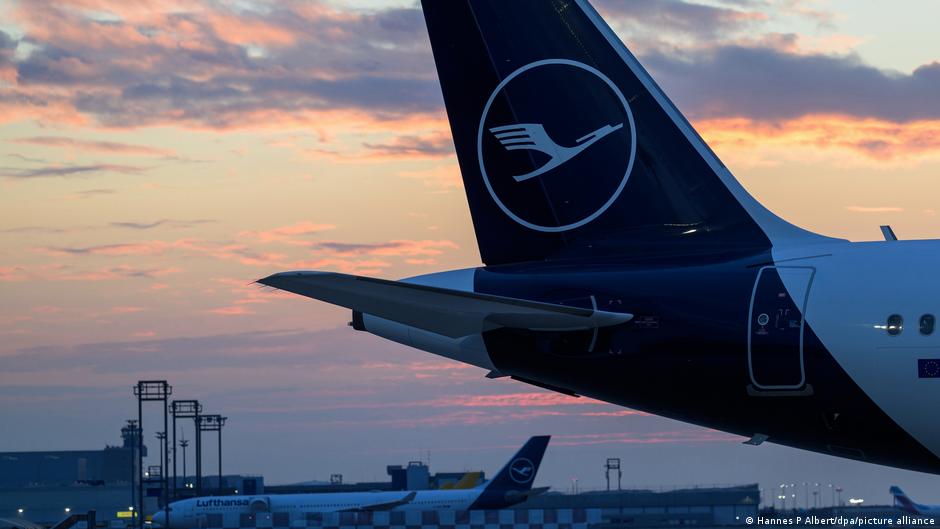
Rising jet fuel prices amid Middle East conflict force airlines to cut global flight capacity by 3% in May, pressuring aviation equities and bond markets.

The US extends sanctions relief on Russian oil exports until May 16, influencing energy revenues and market stability amid ongoing geopolitical tensions.