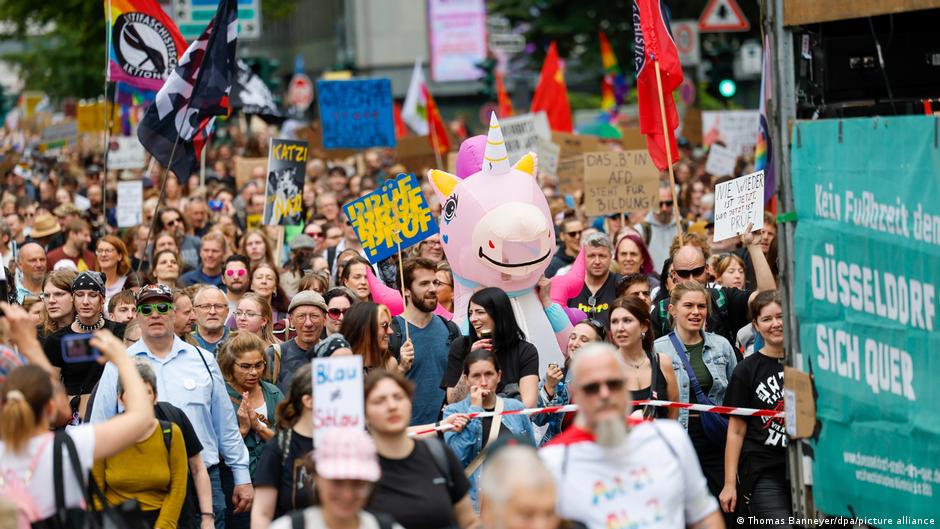
German Anti-Extremism Protests Put Political Risk Back on Investor Radar
Mass anti-extremism protests in Germany highlight political uncertainty as investors assess AfD momentum, legal risks and market confidence.

Mass anti-extremism protests in Germany highlight political uncertainty as investors assess AfD momentum, legal risks and market confidence.

Germany’s foreign minister says Berlin’s support for Ukraine should also benefit German defense companies, sharpening the market focus on procurement.

AfD’s projected Saxony-Anhalt victory adds a fresh political-risk signal for investors watching German equities, Bunds and Europe’s risk premium.

AfD’s decisive Saxony-Anhalt win leaves no clear governing majority, adding political risk for investors watching Germany’s markets.

The EU canceled a planned defense expert group after German and Italian resistance, adding execution risk to Europe’s defense spending outlook.

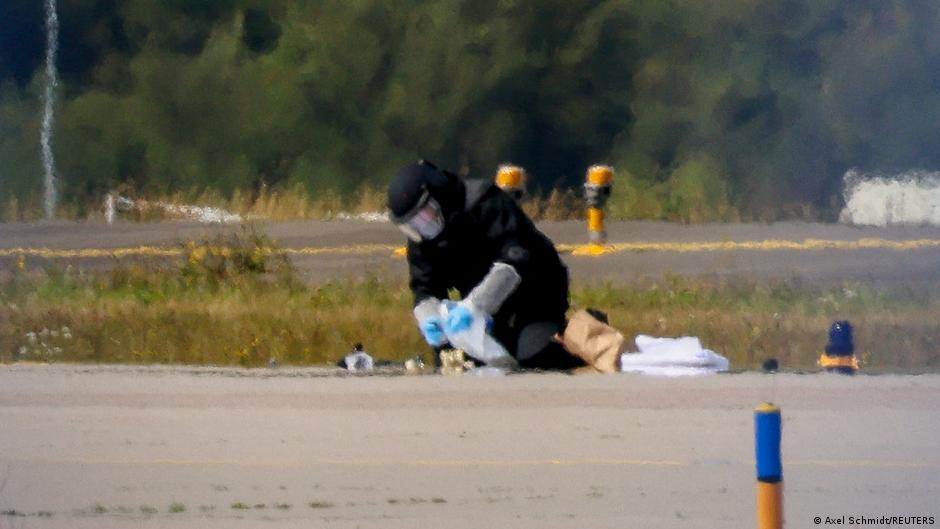
Germany plans new drone and cyber defenses after the Leipzig airport incident, raising investor focus on infrastructure, defense and security costs.

Latvia says a Leipzig sabotage suspect with a Latvian passport had lived in Russia, sharpening investor focus on sanctions, logistics and EU security risk.

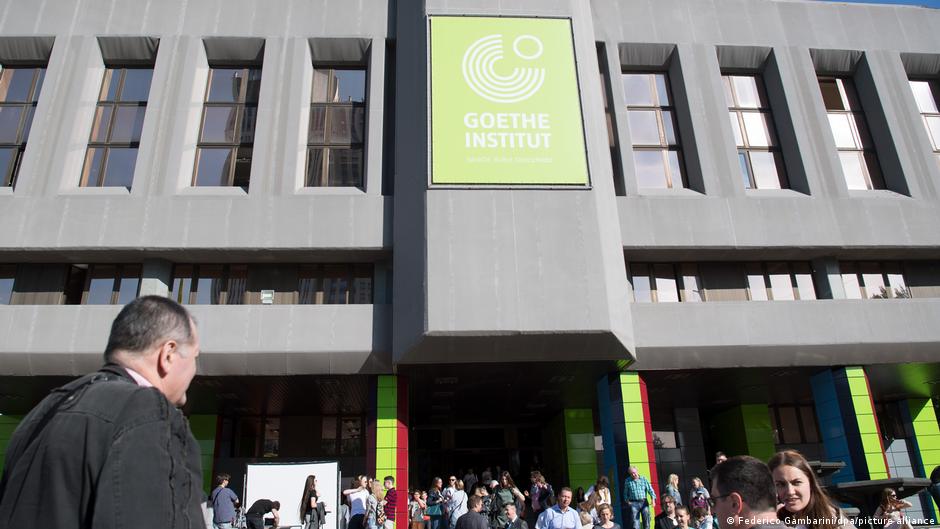
Russia said it will close Goethe Institute branches after Berlin tightened sanctions and moved against Russian diplomatic and cultural operations.

Germany’s new moves against Russia sharpen geopolitical risk for European markets and keep sanctions-sensitive sectors in focus for investors.

A Reuters report says the U.S. told Russia not to expect sanctions relief before the war in Ukraine ends, reinforcing geopolitical risk for investors.

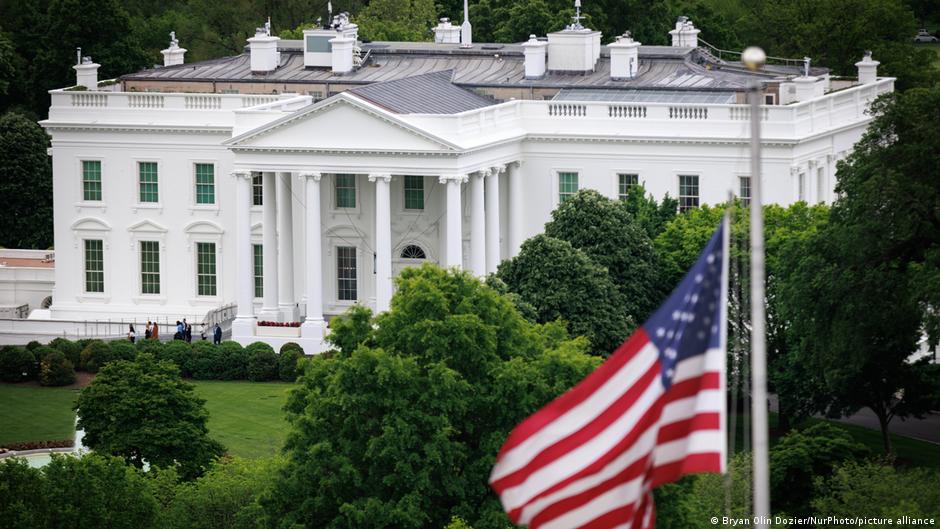
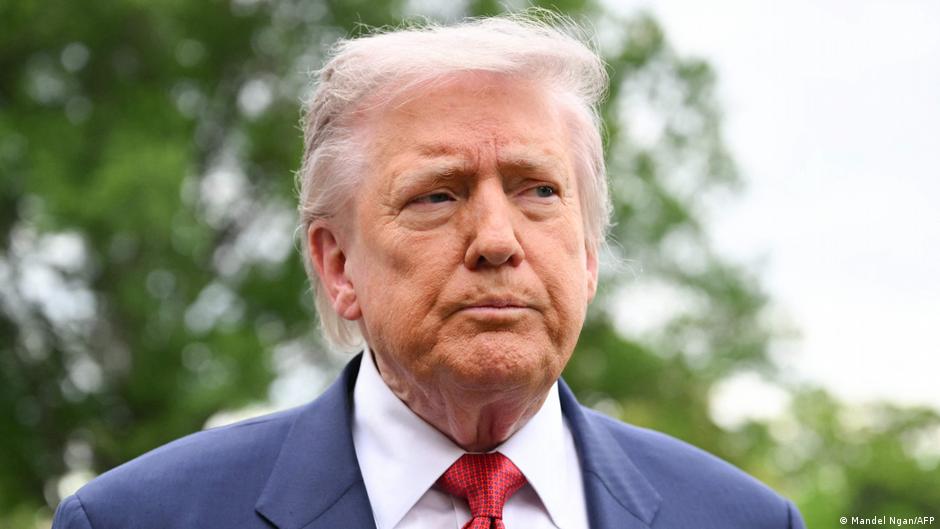
The US Supreme Court allows Trump to continue White House renovations, including a ballroom and bunker, impacting government construction and infrastructure sectors.

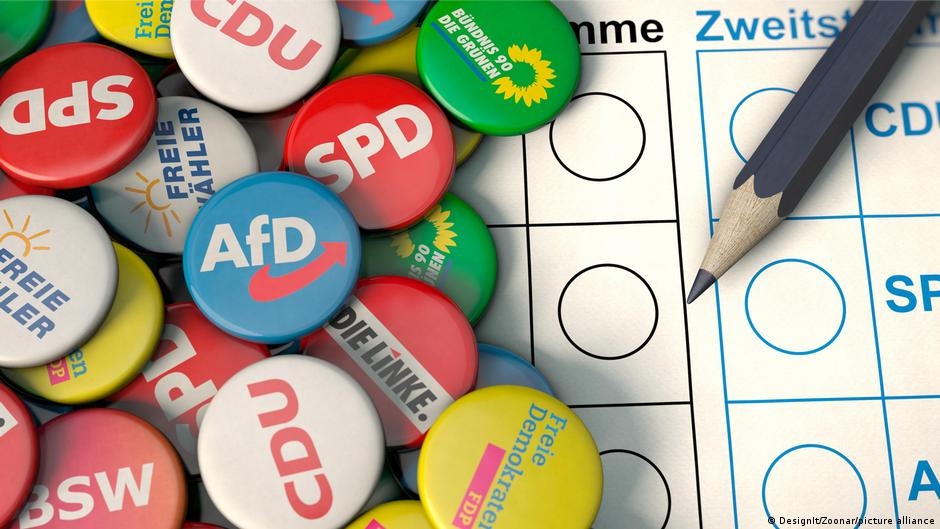
Support for Germany’s CDU/CSU falls to 20% as far-right AfD leads with 28%, signaling increased political risks impacting equities and bond markets ahead of regional elections.

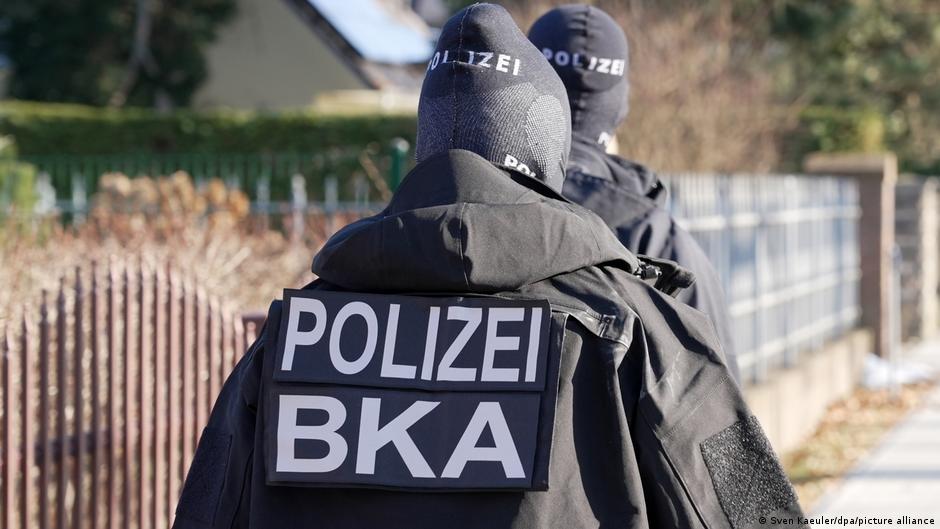
Germany reports 410 individuals posing Islamist threats amid rising radicalization, impacting investor confidence and market stability in key sectors amid recent violent incidents.

German Transport Minister Patrick Schnieder resigns amid political tensions, triggering leadership changes that introduce uncertainty for transport-related equities and bonds.

Russian-linked disinformation targets German regional elections, raising political uncertainty and potential risks for investors in equities and bonds amid increased market volatility.

German CSU leader urges Ukraine to share advanced drone technologies with Germany, highlighting potential impacts on defense equities and military production markets.

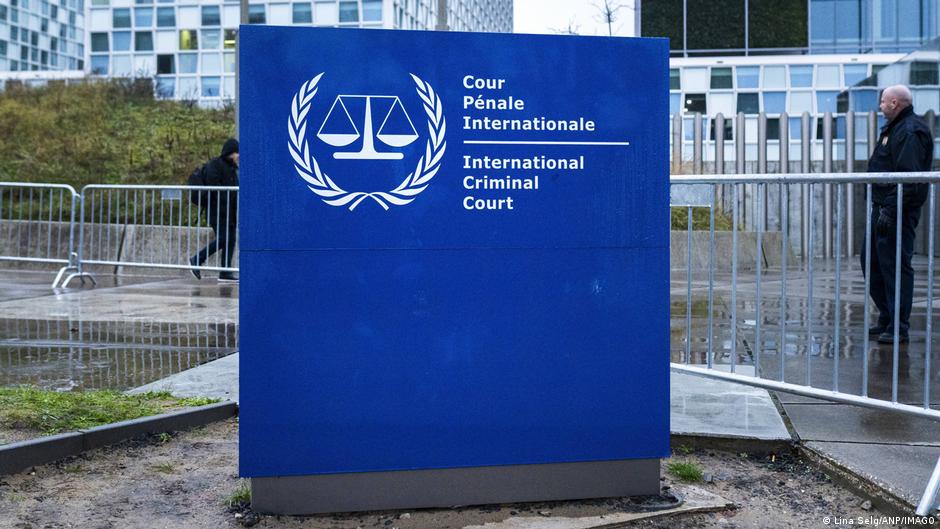
Germany defends the International Criminal Court amid US threats of sanctions, raising geopolitical risks that could impact equities and bonds in global capital markets.

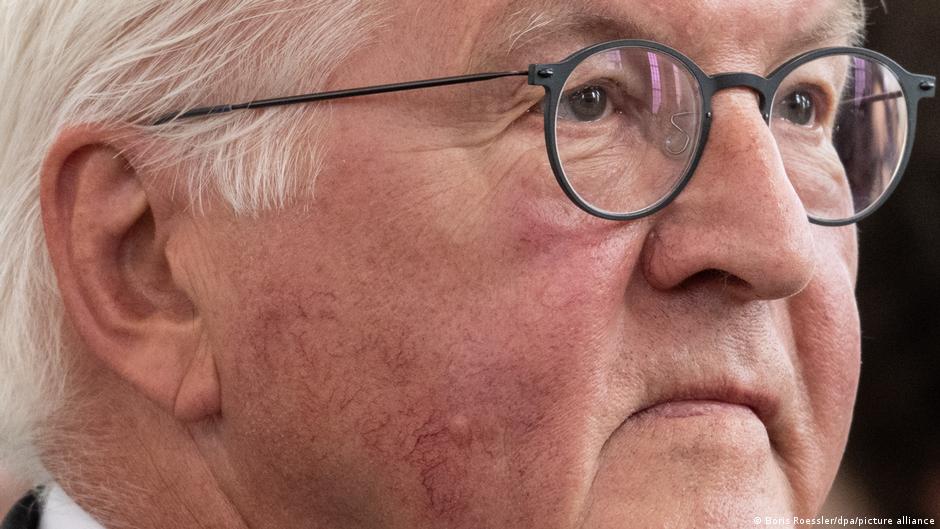
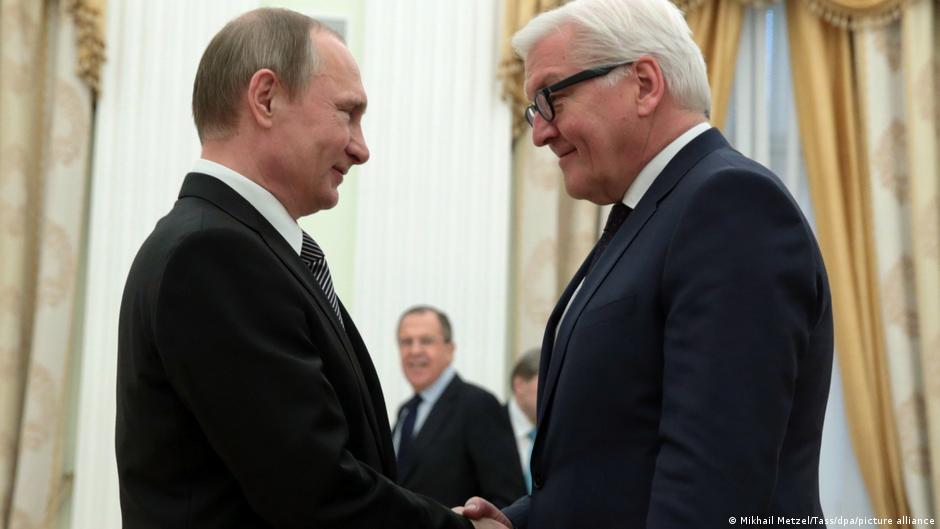
German President Steinmeier calls for Europe to uphold international order amid geopolitical tensions and highlights domestic reforms critical for economic growth and market confidence.

Germany urges that future EU-Turkey gas agreements exclude Russian supplies, signaling shifts in energy markets and investor strategies amid Europe's transition away from Russian energy.

Germany commits an additional €300 million to Czech-led ammunition supplies for Ukraine, supporting 50,000 rounds amid reduced funding from other countries.

UN peacekeeping forces have dropped to a 25-year low due to funding and geopolitical challenges, raising concerns about increased risks in global capital markets.

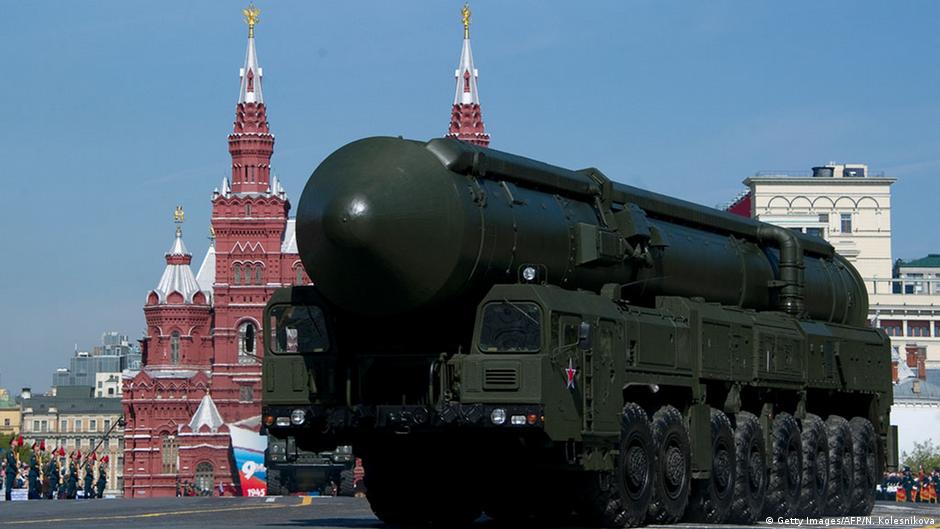
NATO detects possible Russian nuclear-capable seabed missiles, raising geopolitical risks that could impact defense equities and global capital markets.

Germany considers President Steinmeier to represent the EU in peace talks with Russia, while markets remain cautious amid uncertainty over Russia’s true intentions.

US plans to relocate 5,000 troops from Germany to Poland may affect European equities, bonds, and investor sentiment amid shifting geopolitical dynamics.

Germany accelerates its own long-range missile development to counter Russian threats after the US declines to deploy Tomahawk missiles, impacting defense sector markets.

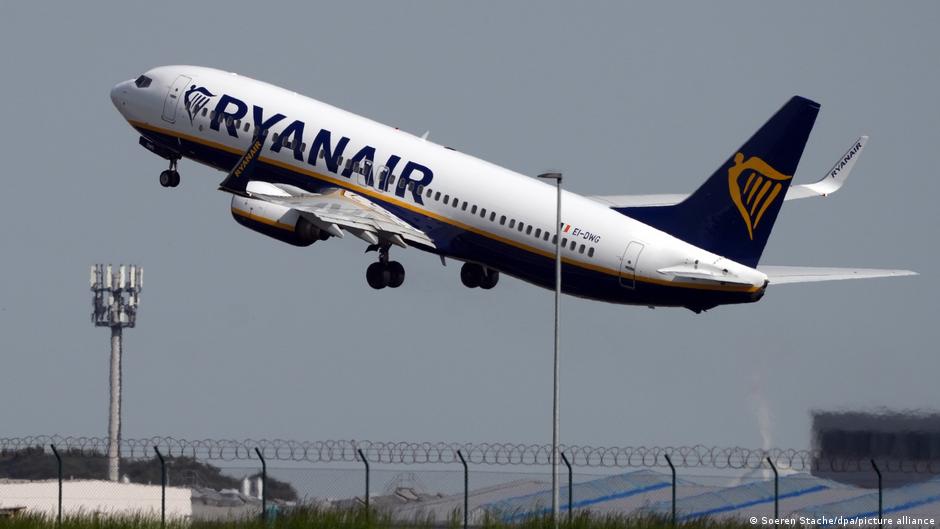
Ryanair will close its Berlin base by 2026, halving flights due to rising German aviation taxes and airport fees, shifting operations to lower-cost EU airports.

Germany continued arms exports to Israel during the recent Middle East conflict, impacting defense equities and investor sentiment amid partial embargo periods.