Paraguay Bank Crisis Deepens as Ousted President Peña Is Detained
Peña’s detention compounds a banking crisis that has frozen access for about three million Ueno customers and affected pension funds, businesses and state bodies.

Peña’s detention compounds a banking crisis that has frozen access for about three million Ueno customers and affected pension funds, businesses and state bodies.

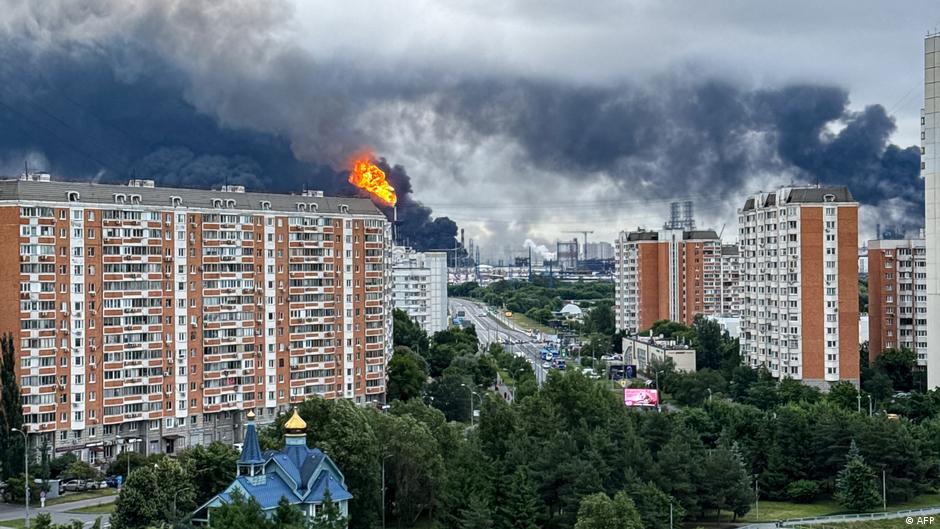
A reported Ukrainian pause in attacks on Russian refineries may ease near-term fuel supply risks, but its informal and reversible nature leaves investors exposed to renewed volatility.

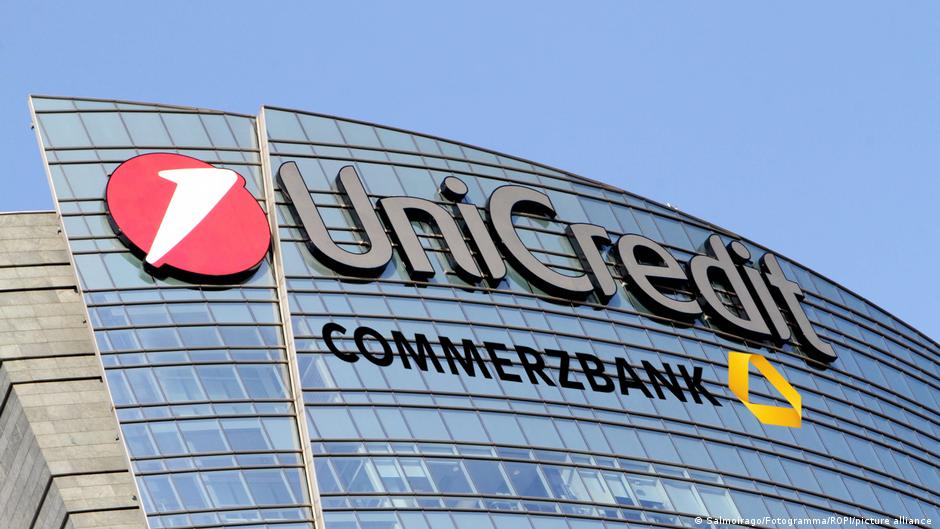
ECB approval allows UniCredit to exceed 30% ownership of Commerzbank, advancing a takeover despite opposition from Germany, management and employees.

Finland urged an EU-wide tourist visa ban for Russians, adding to sanctions policy risks watched by investors across Europe.

Trump said Putin is more interested than Zelensky in a Ukraine peace deal, as investors watch energy risks and U.S. policy signals.

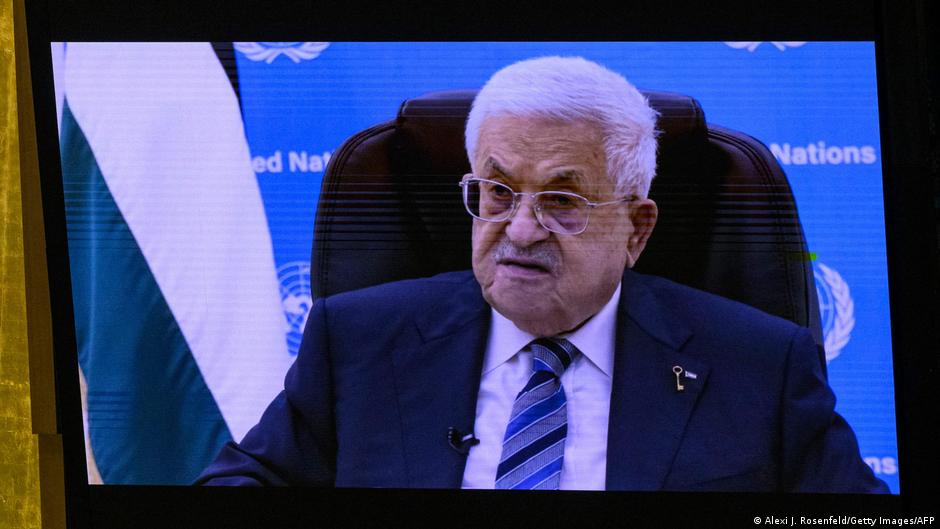
Abbas delayed Palestinian national elections to Sept. 11, 2027, prolonging governance uncertainty watched by regional investors.

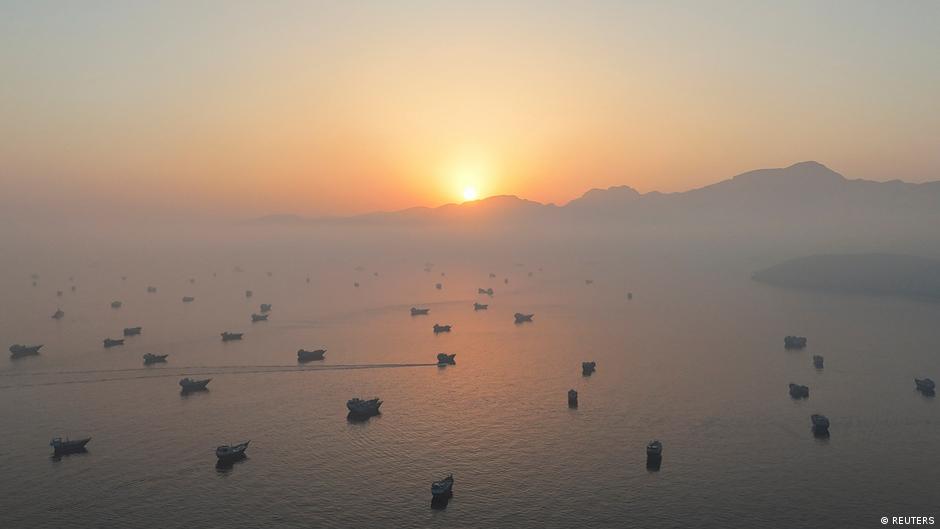
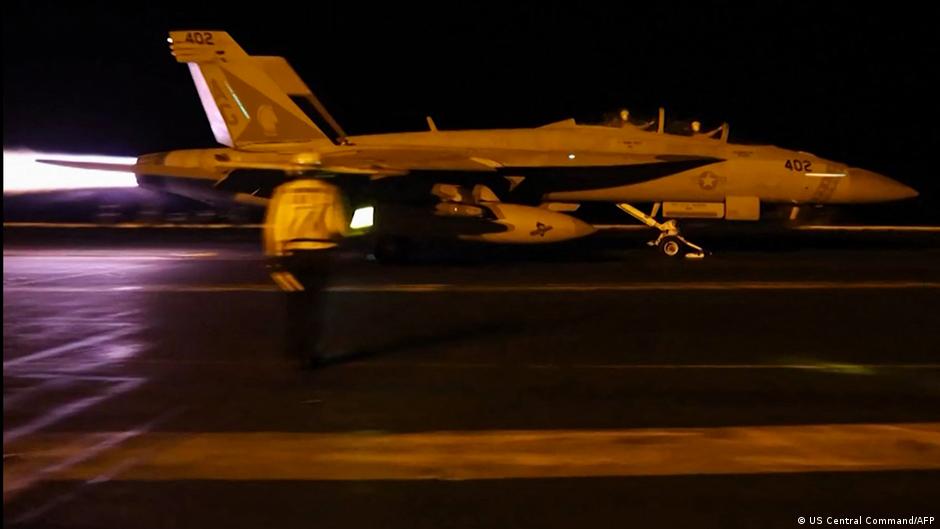
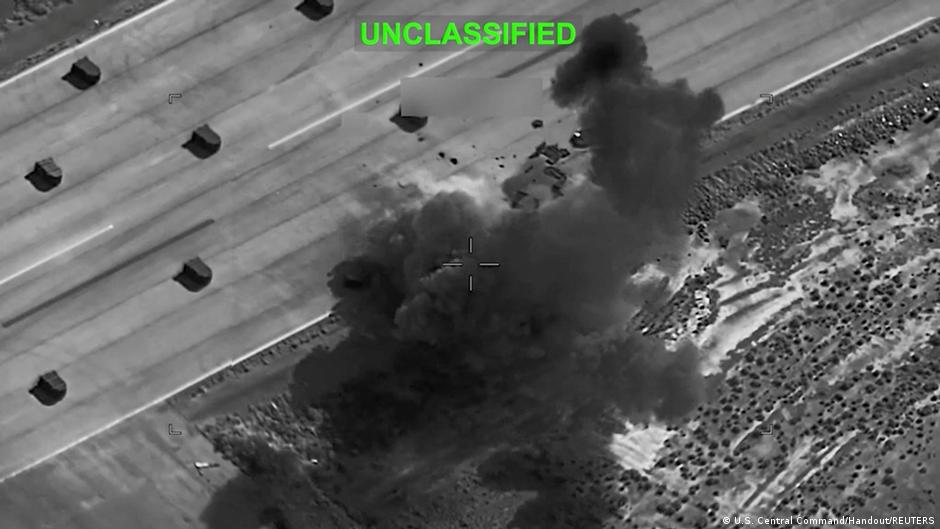
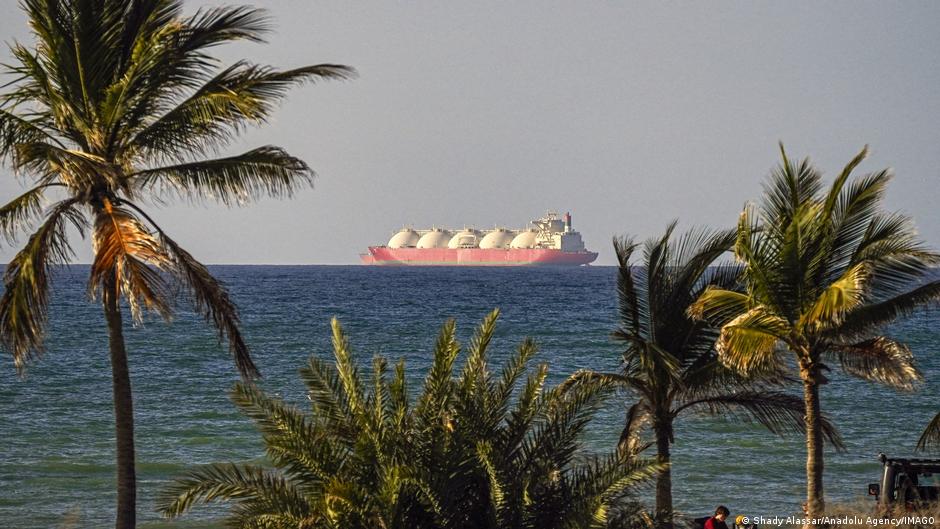
A U.S. strike disabled a cargo ship in the Gulf of Oman as a tanker was hit in Hormuz, adding pressure to energy prices and investor risk models.

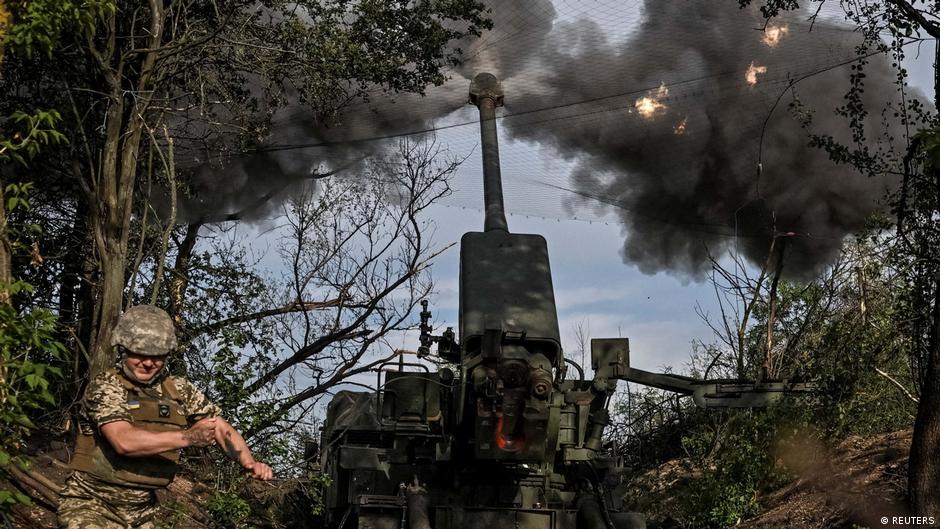
Reported deaths of at least 20 Russian officers in Donetsk add to geopolitical risk considerations for equities, bonds and investors.

A tanker fire off Sochi has revived investor concerns over Black Sea oil shipping, shadow-fleet exposure and geopolitical risk premiums.

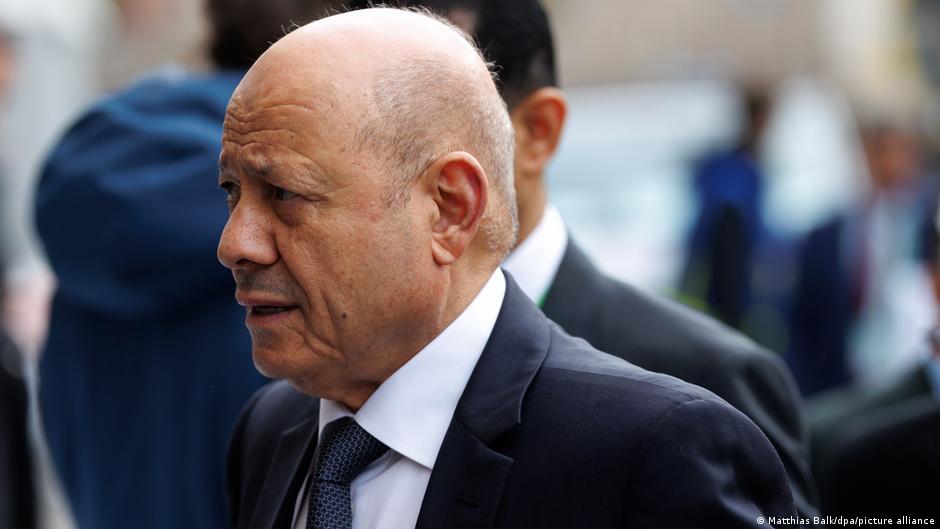
Yemen’s mobilization call adds to investor concerns over Red Sea shipping, Gulf oil exports, energy prices and regional market risk.

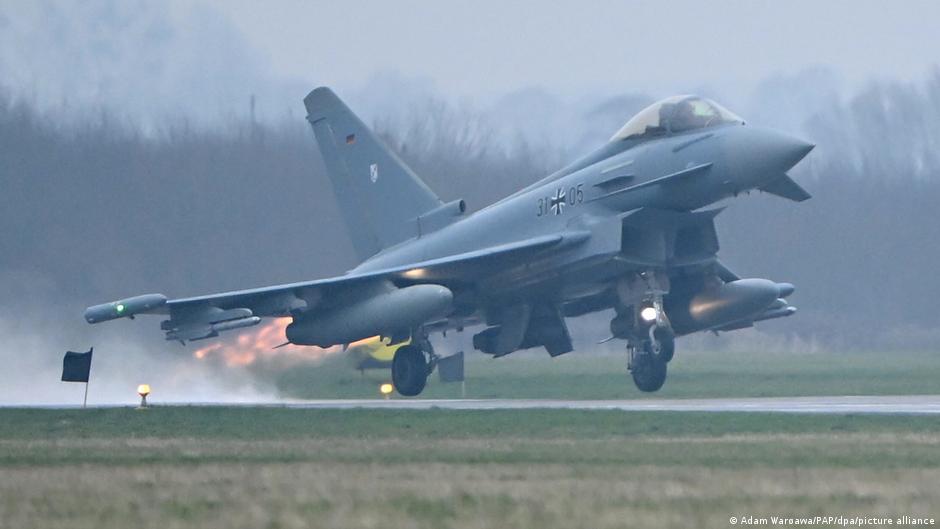
Germany deployed four Eurofighters to Latvia for election-period air security, keeping NATO flank risk in focus for markets.

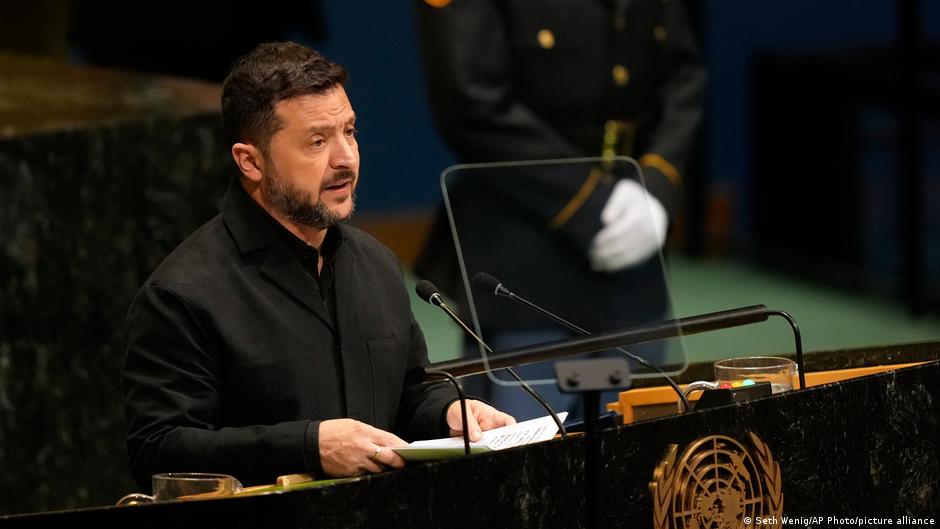
Zelenskyy’s UN remarks put Russia’s oil revenues, energy infrastructure and war financing back at the center of investor risk assessments.

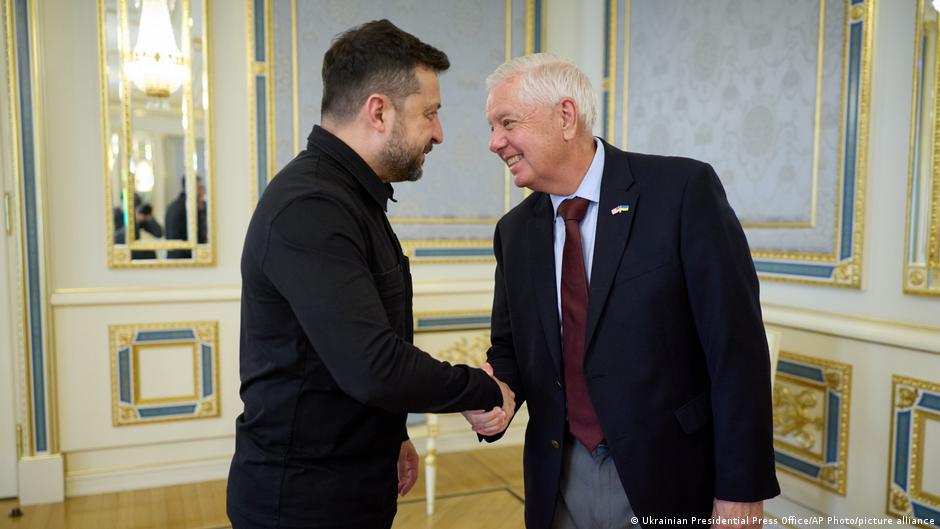
Trump signed the Graham sanctions law, giving the White House new tariff powers over Russian energy buyers and raising market uncertainty.

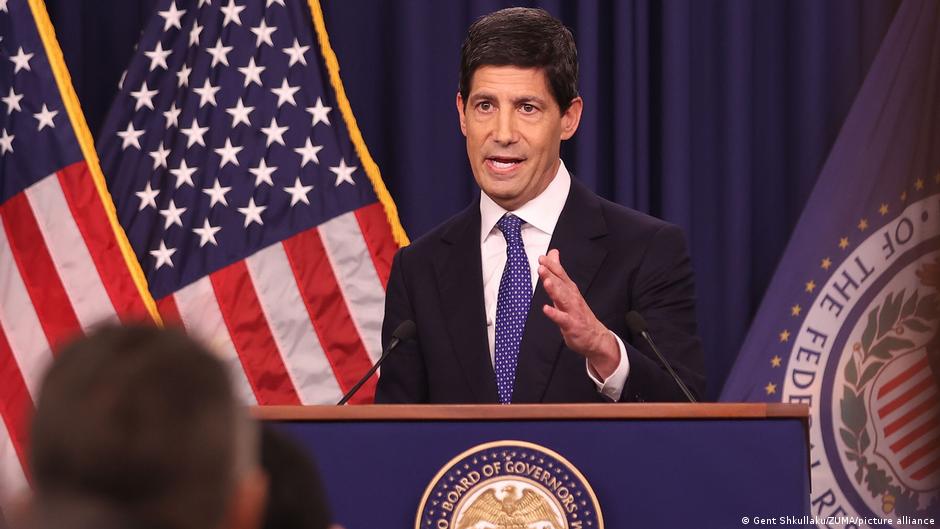
The Fed raised rates to 3.75%-4.00% for the first time in three years, shifting investor focus back to inflation, yields and equity valuations.

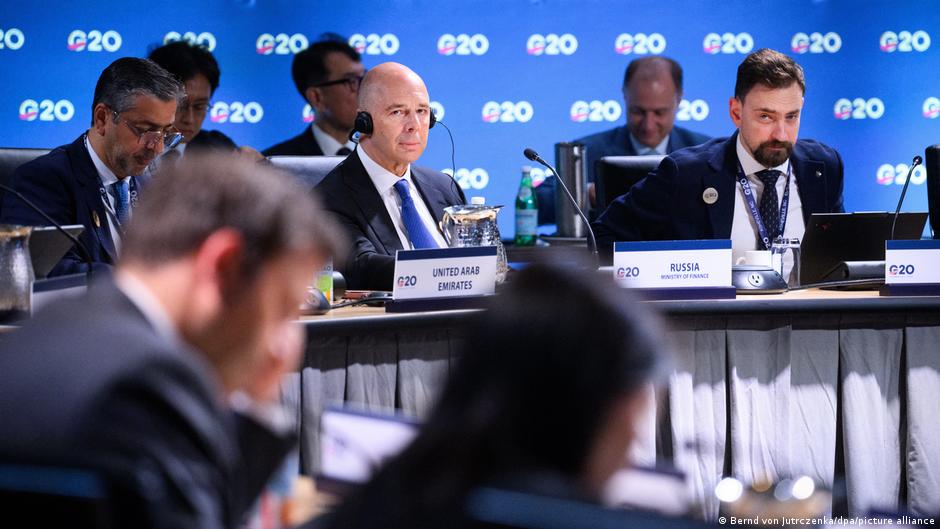
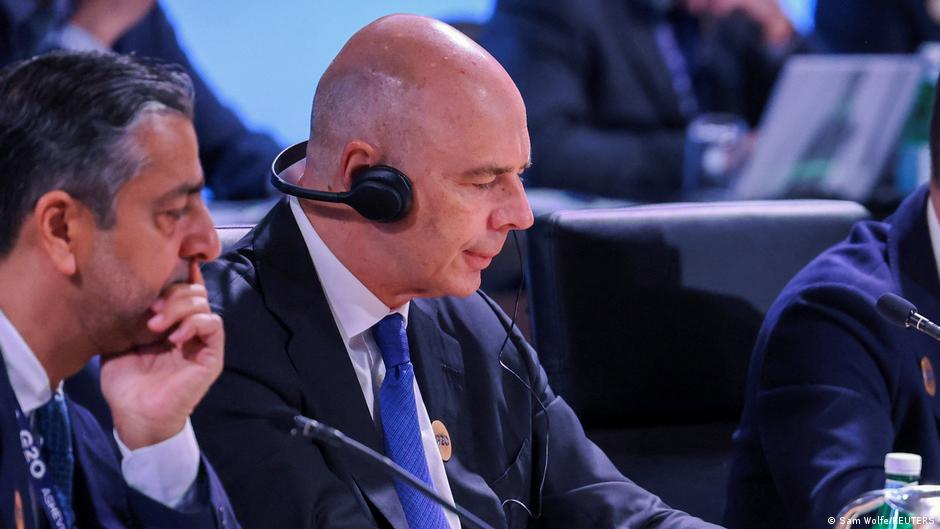
Russia is expected at next week’s G20 energy talks in Houston, putting energy security and sanctions risk back in focus for investors.

Houthi forces captured Mocha, strengthening their position near Bab el-Mandeb and raising investor concerns over oil supply and market volatility.

A Reuters report says the U.S. told Russia not to expect sanctions relief before the war in Ukraine ends, reinforcing geopolitical risk for investors.

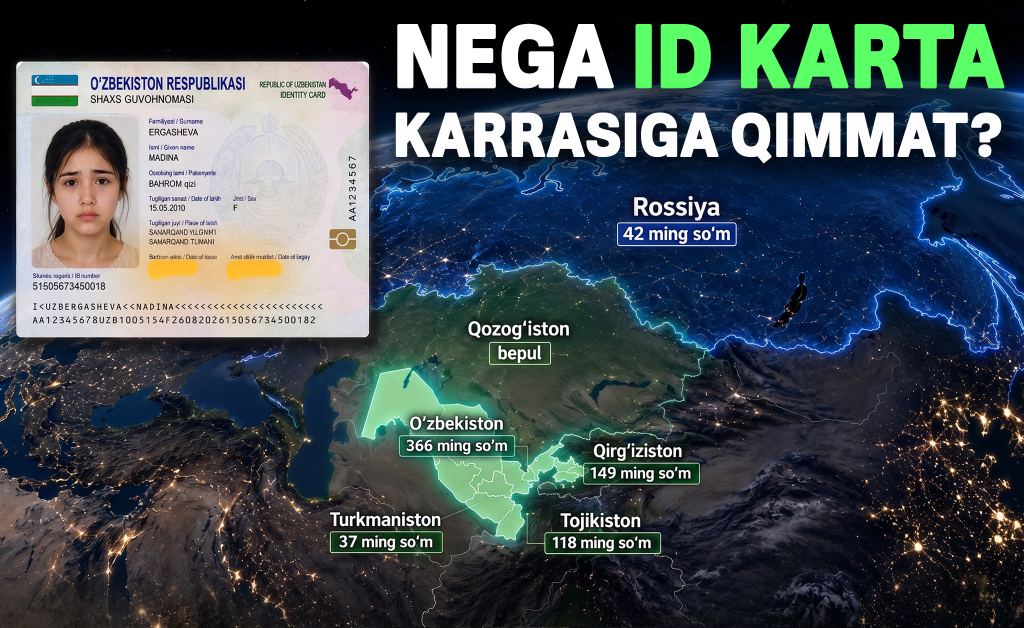
A social media uproar over first ID-card fees in Uzbekistan is drawing attention to rising indexed charges and how the country compares with regional peers.

Uzbekistan auctions 100% stake in Gold Moon Tashkent for UZS 316.7 billion, despite significant debt and mixed financial results affecting market sentiment.

Germany’s wage gap between native and foreign full-time workers remains 23.6% in 2025, highlighting ongoing labor market disparities with potential implications for investors.

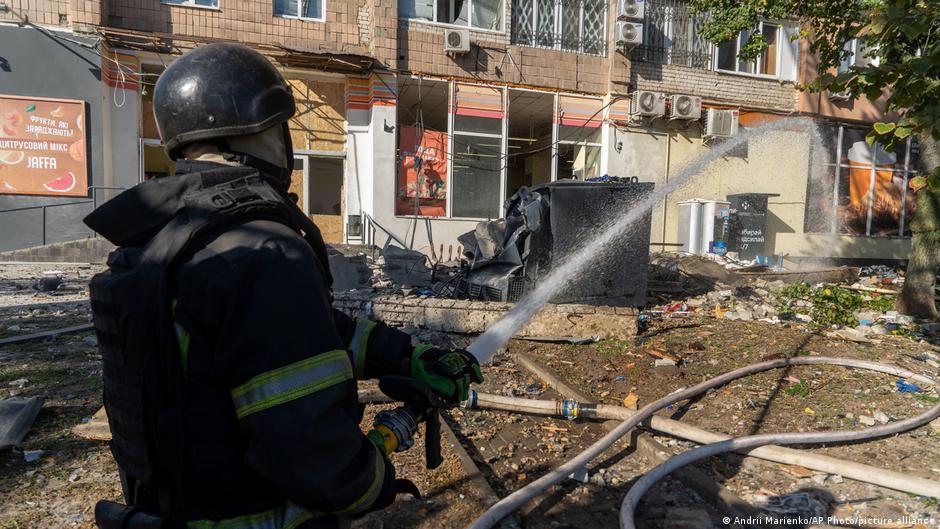
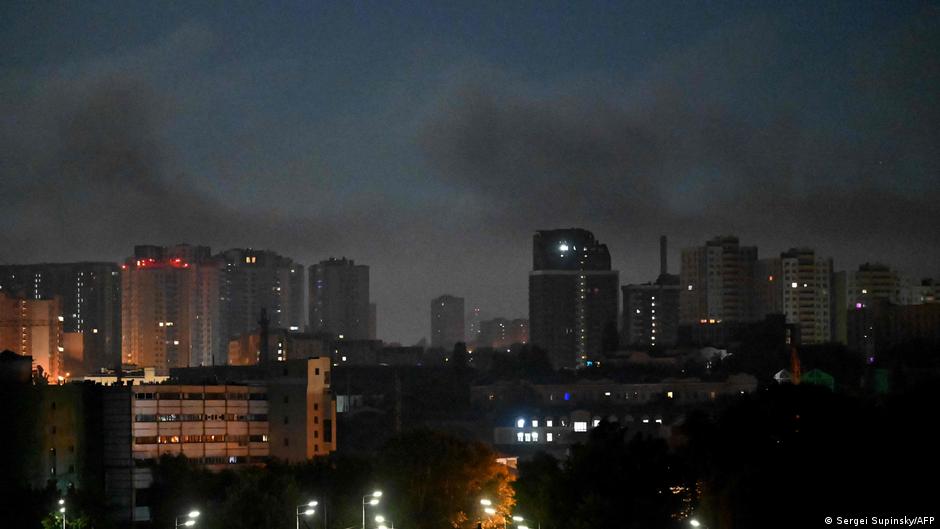
Russian ballistic missile strikes on Kyiv kill nine and injure 23, escalating geopolitical risks that impact investor confidence and capital markets.

US military strikes against Iran enter tenth day, heightening risks for energy markets and global investors amid escalating Middle East tensions.

US military strikes against Iran following attacks on commercial vessels have led to the closure of the Strait of Hormuz, impacting global oil supply and increasing market volatility.

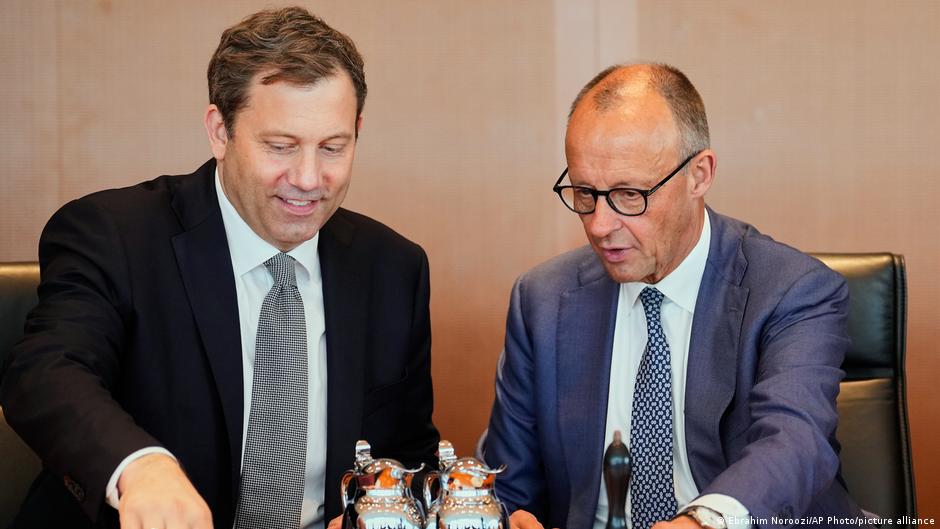
Germany’s 2027 budget plans increased defense spending and borrowing, raising concerns over fiscal sustainability and potential impacts on capital markets and investors.

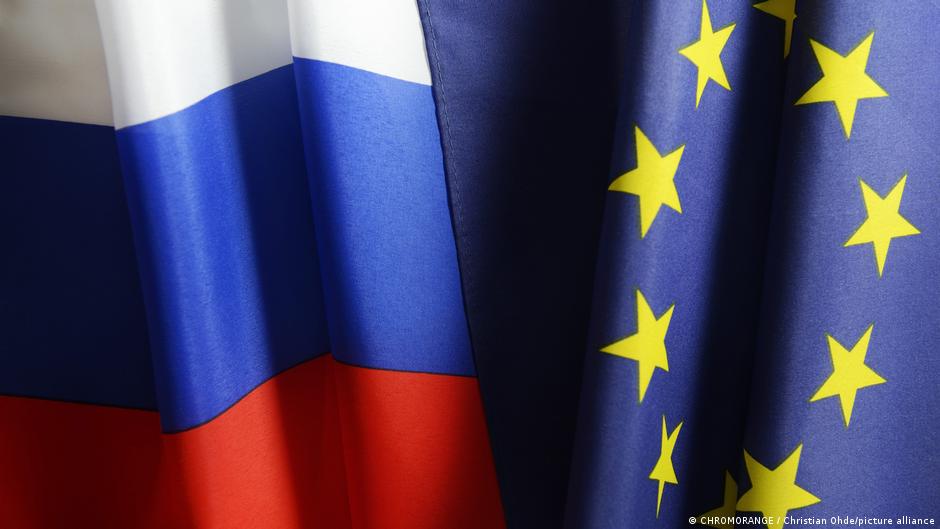
The EU postpones naming a negotiator with Russia, focusing instead on new sanctions targeting financial and defense sectors amid ongoing Ukraine conflict.

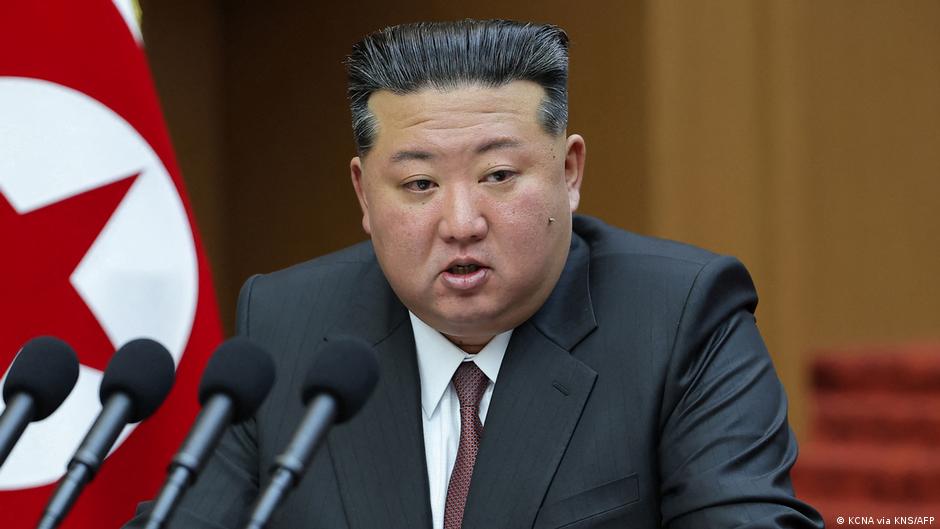
North Korea's recent missile tests have triggered cautious market reactions, affecting equities and bonds in the region amid rising geopolitical risks.

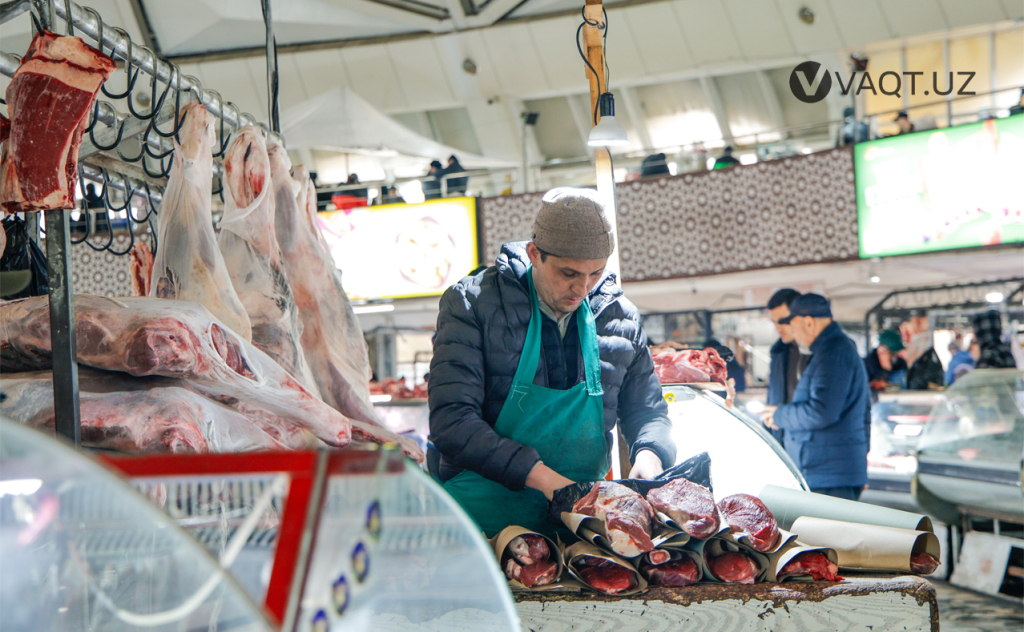
Uzbekistan's meat imports surged 62.8% in early 2026 amid slowing domestic production, driving price inflation that impacts capital markets and investor outlooks.

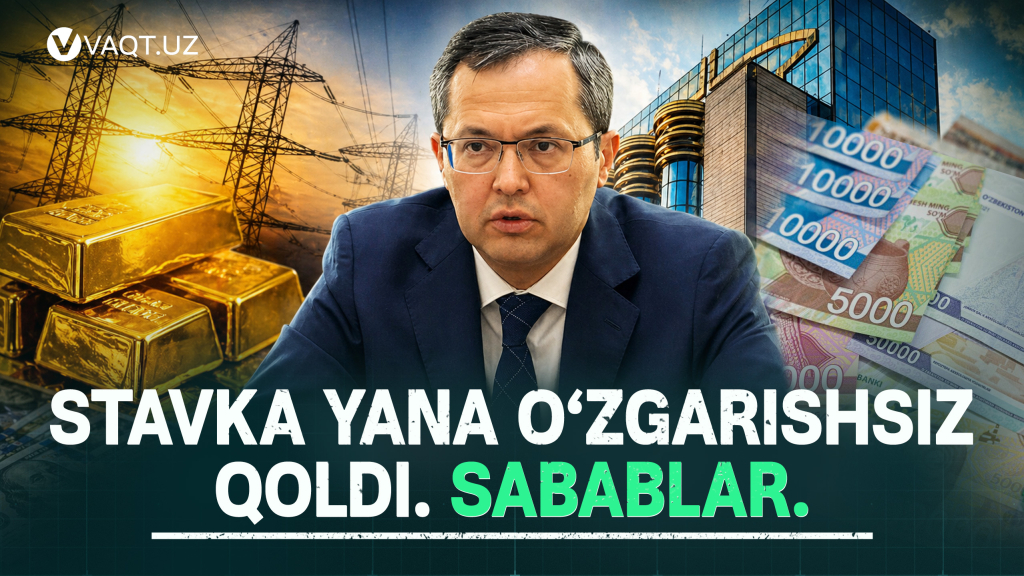
The Central Bank keeps the key rate at 14%, balancing declining inflation against rising food prices and external risks, impacting capital markets and investor outlook.

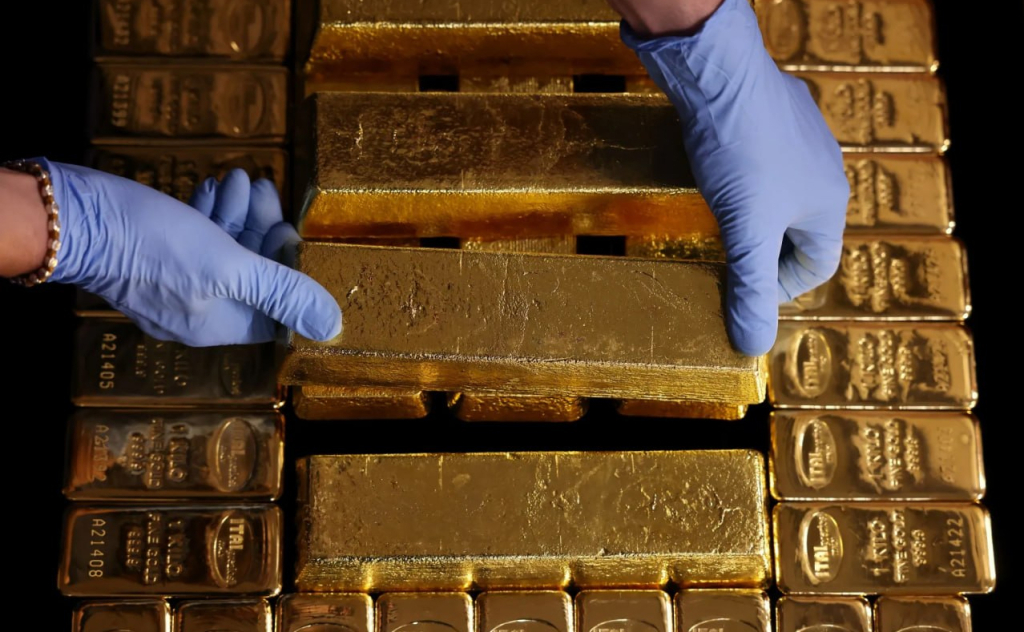
Uzbekistan's suspension of gold exports since September 2025 led to a nearly 30% drop in exports, shifting trade dynamics and affecting market sentiment in early 2026.

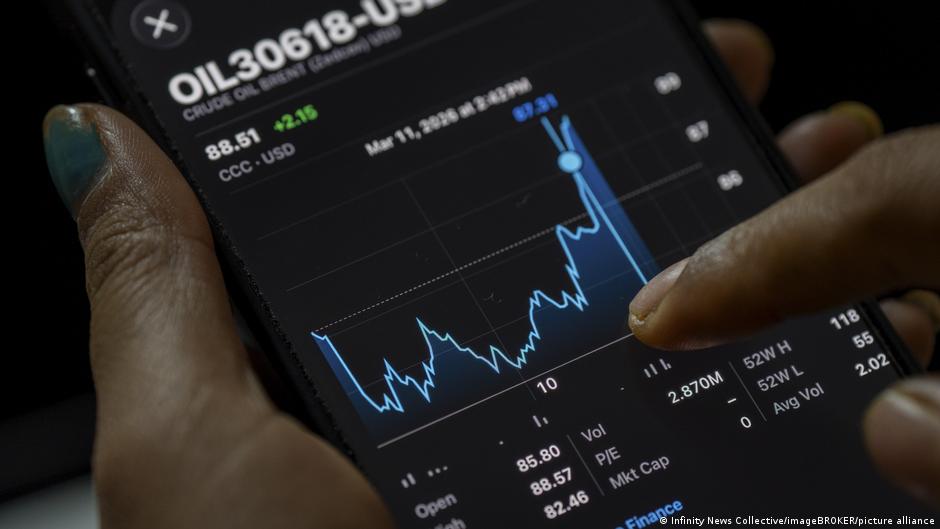
Oil prices surged over 7% after U.S. President Trump's threats against Iran, intensifying geopolitical risks and impacting capital markets.

Uzbekistan's banking sector grew its credit portfolio to 623.3 trillion soms in Q1 2026, but non-performing loans rose by 1.8 trillion soms, mainly in state banks, impacting market risk assessments.

US forces seized an Iranian cargo ship in the Gulf of Oman, prompting Tehran to accuse Washington of ceasefire violations, heightening geopolitical risks impacting energy markets and investor sentiment.