Brazil Election Heads to Runoff as Flavio Bolsonaro Leads First-Round Vote
Brazil’s presidential race heads to an October 25 runoff after Flavio Bolsonaro led Lula in the first round, adding political risk for investors.

Brazil’s presidential race heads to an October 25 runoff after Flavio Bolsonaro led Lula in the first round, adding political risk for investors.

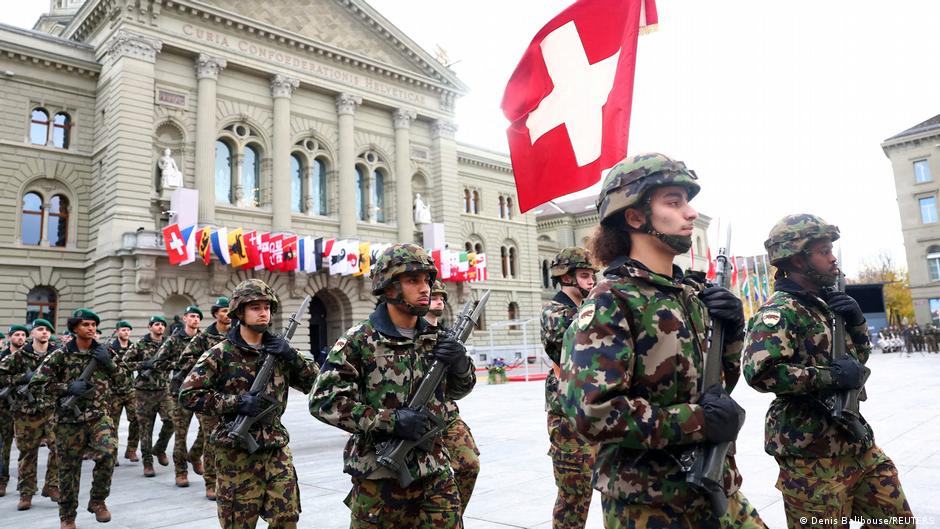
Swiss voters rejected a stricter neutrality proposal, preserving Bern’s ability to join sanctions and easing policy uncertainty for investors.

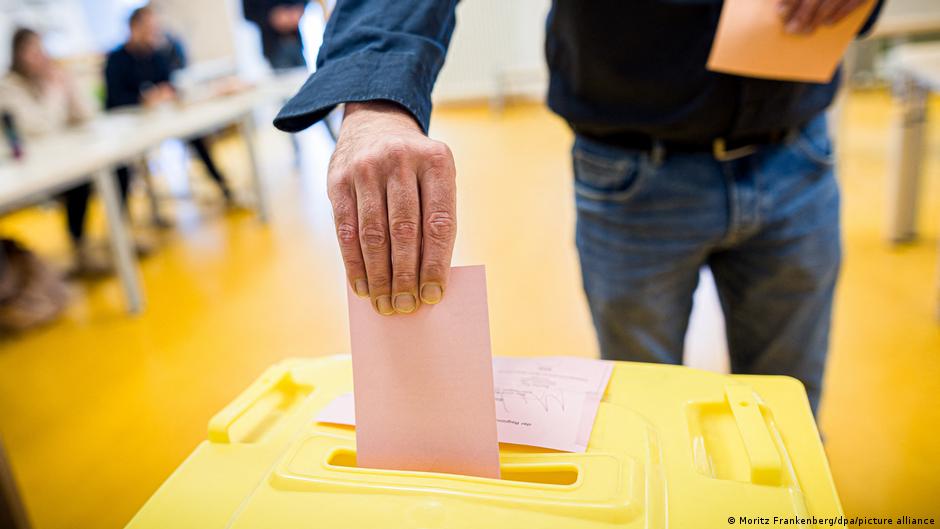
AfD failed to win three mayoral runoffs in Lower Saxony, while Greens held Hanover and gained other urban posts, offering investors a signal of local continuity.

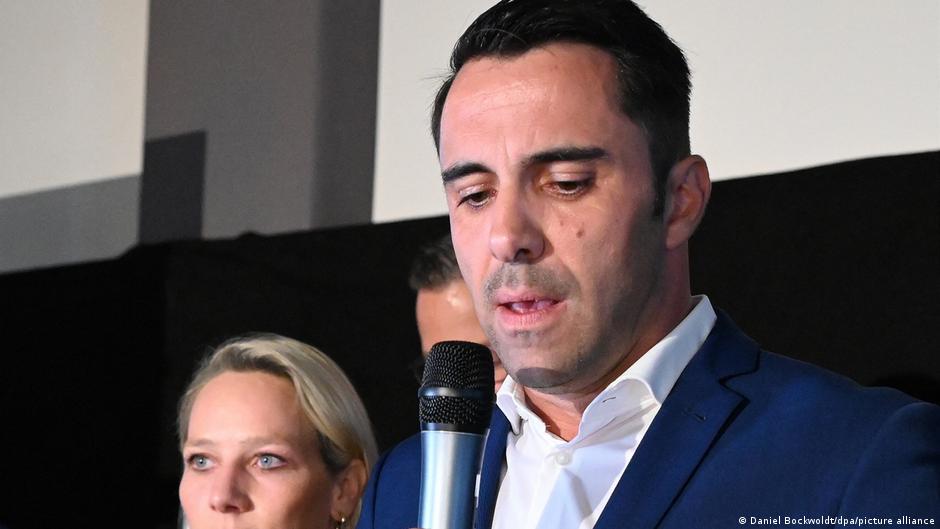
The CDU’s failure to enter a German state parliament adds political risk to the investor agenda as coalition talks begin without the AfD.
The Chemmani mass grave investigation renews scrutiny of Sri Lanka’s wartime accountability, adding governance risk for frontier investors.

The Left Party’s Berlin win puts housing policy, coalition risk and property-market regulation back at the center of investor attention.

Yabloko’s Novgorod showing preserves a procedural path into future Duma races, adding nuance to Russia’s political risk picture for investors.

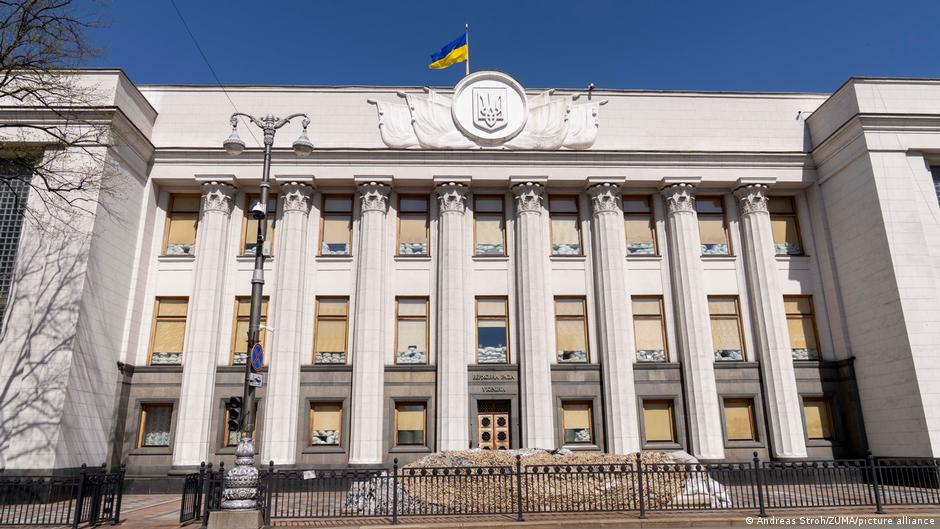
Ukraine’s parliament will review seven difficult bills tied to Western aid, as Kyiv seeks to close a defense-driven budget gap.

A reported drone threat delayed Zelenskyy’s flight from Moldova to Oslo, adding to market concerns over regional security and war spillover risk.

AfD’s projected Saxony-Anhalt victory adds a fresh political-risk signal for investors watching German equities, Bunds and Europe’s risk premium.

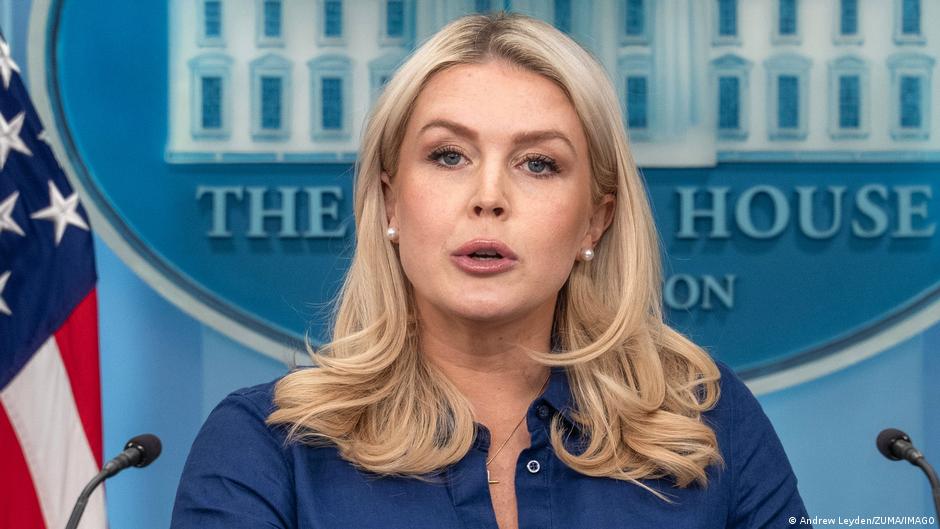
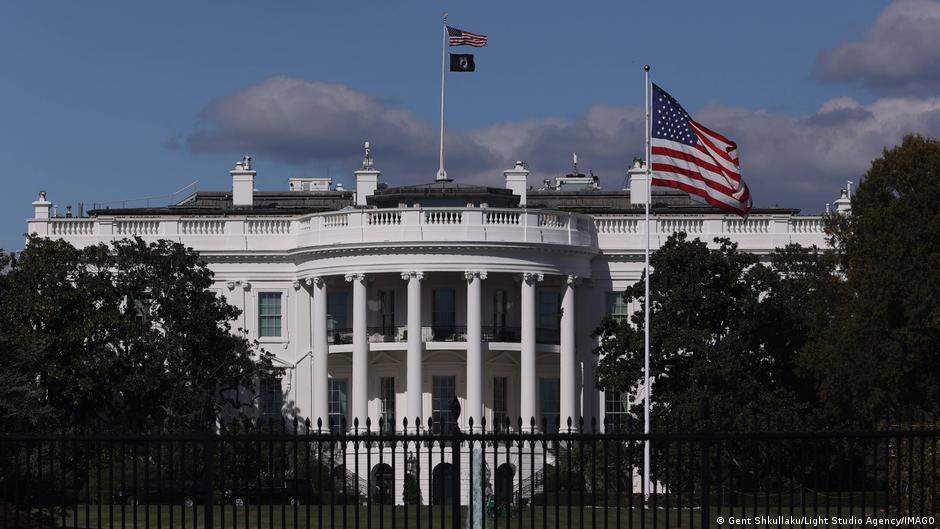
Caroline Leavitt resigns as White House press secretary, stirring potential political uncertainty that may impact equity and bond markets ahead of 2024 elections.

Humo’s net profit soared 3.3 times to UZS 410.9 billion in H1 2026 despite rising tax expenses, signaling strong revenue growth but cautioning investors on tax policy impacts.

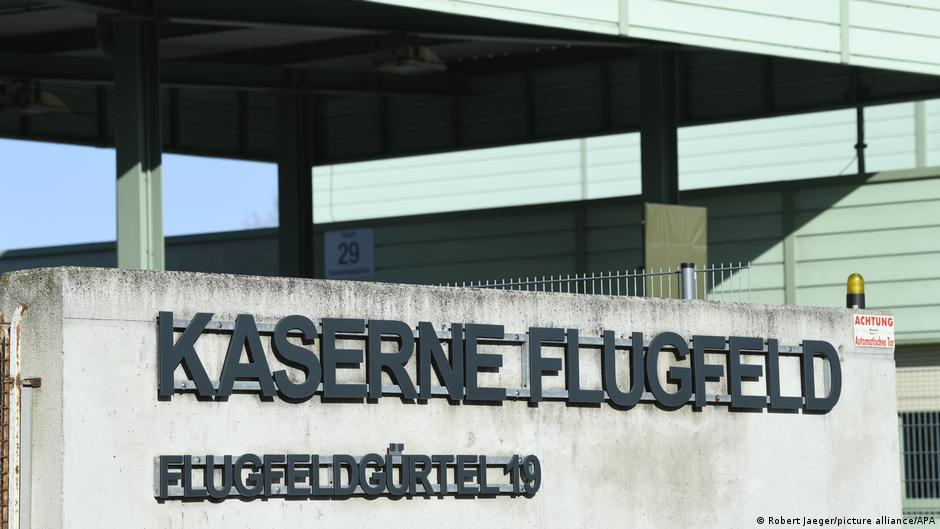
Austria aims to extend mandatory military service to nine months, enhancing defense readiness amid rising security threats, with potential implications for government spending and investor confidence.

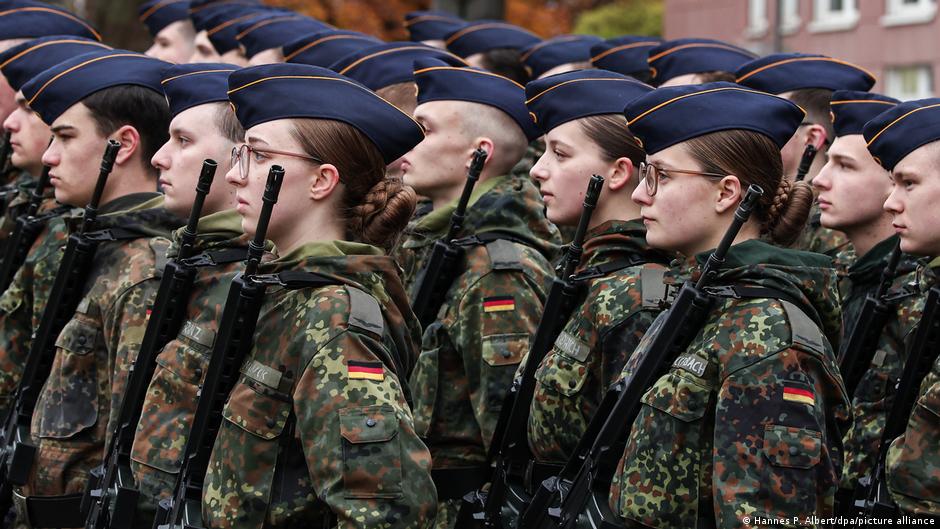
Germany's surge in military service refusals amid conscription reforms and security tensions is influencing investor sentiment and may affect defense spending and capital markets.

Germany’s 2027 budget plans increased defense spending and borrowing, raising concerns over fiscal sustainability and potential impacts on capital markets and investors.

Germany faces a sharper labor shortage of 4.3 million by 2036 due to retiring baby boomers and declining immigration, affecting workforce-dependent sectors and investor strategies.

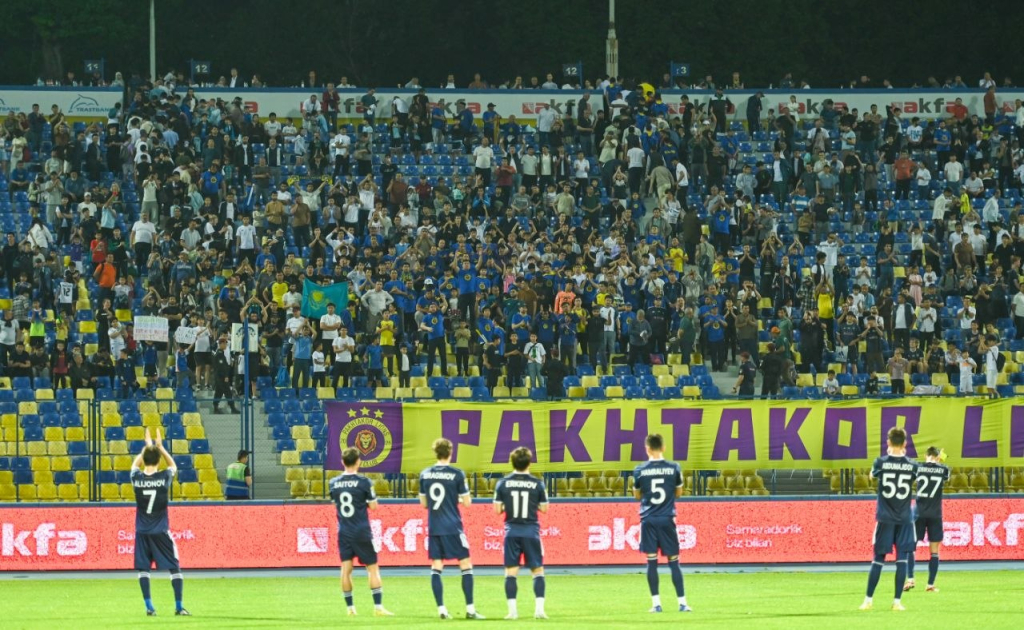
Paxtakor football club reports a 50 billion soum loss in 2025 with growing tax debts, raising concerns about fiscal management and investor confidence in Uzbek sports markets.

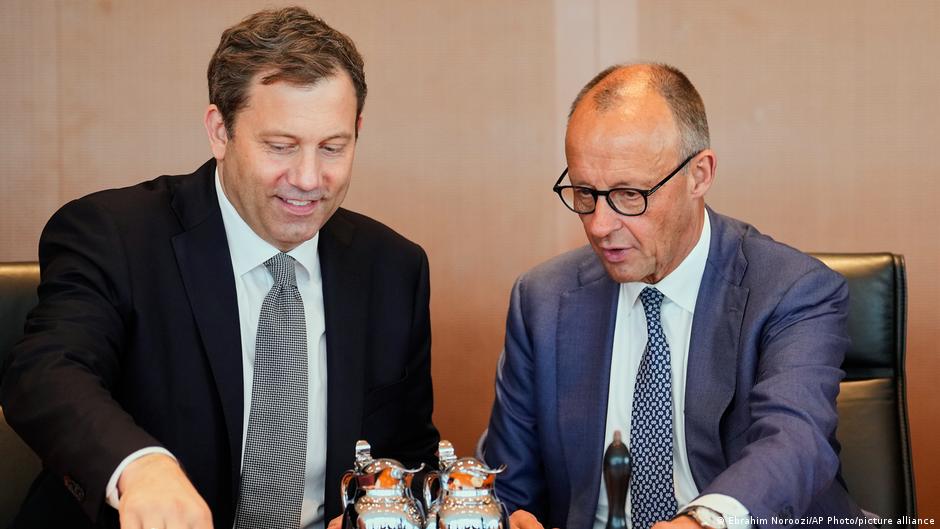
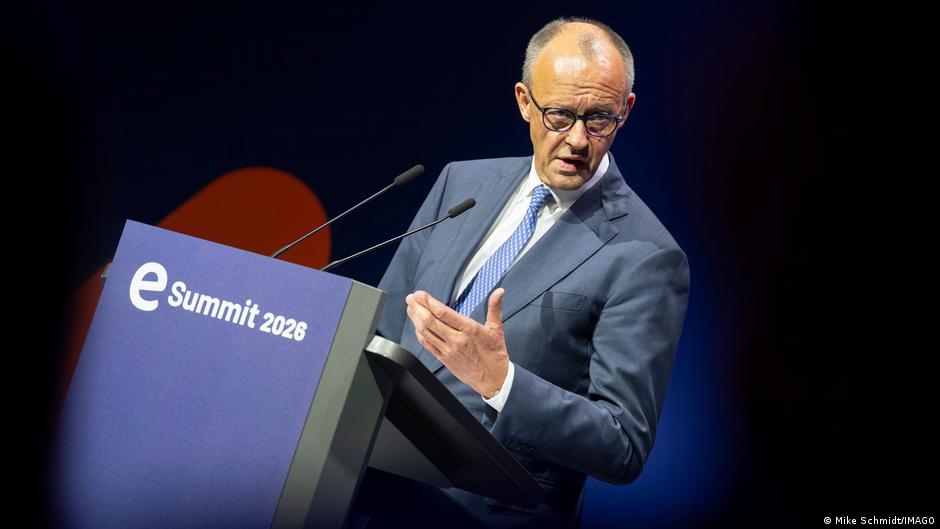
Rumors of an early replacement of German Chancellor Friedrich Merz have been denied, stabilizing political sentiment and calming capital markets amid low approval ratings.

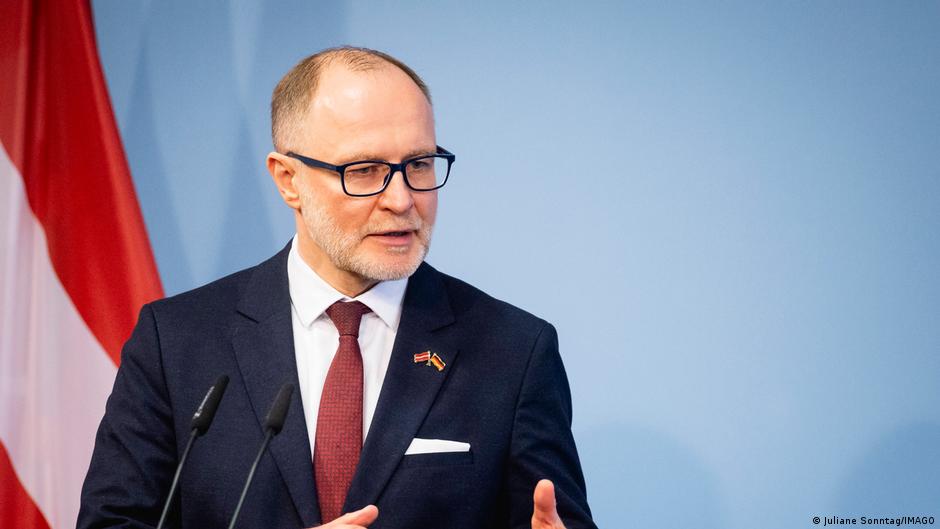
Latvia’s ruling coalition collapses after Defense Minister resigns over drone incident, heightening political risk and uncertainty ahead of upcoming elections.

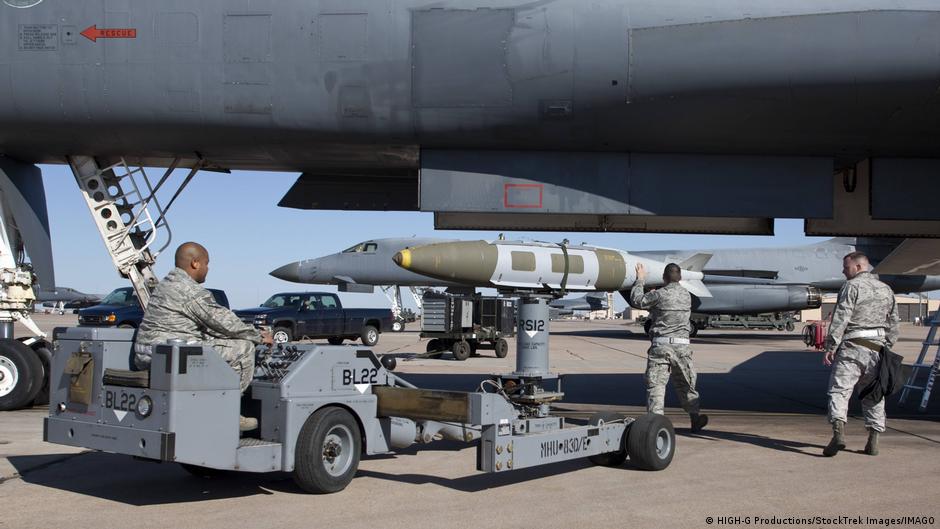
US State Department approves $374M JDAM-ER kit sale to Ukraine, boosting defense equities amid operational challenges and ongoing geopolitical tensions.

US Labor Secretary Lori Chavez-DeRemer resigns amid misconduct allegations, fueling cabinet instability that raises concerns for market volatility and investor confidence.