Drone Attack on Major Russian Refinery Raises Fuel Supply Risks
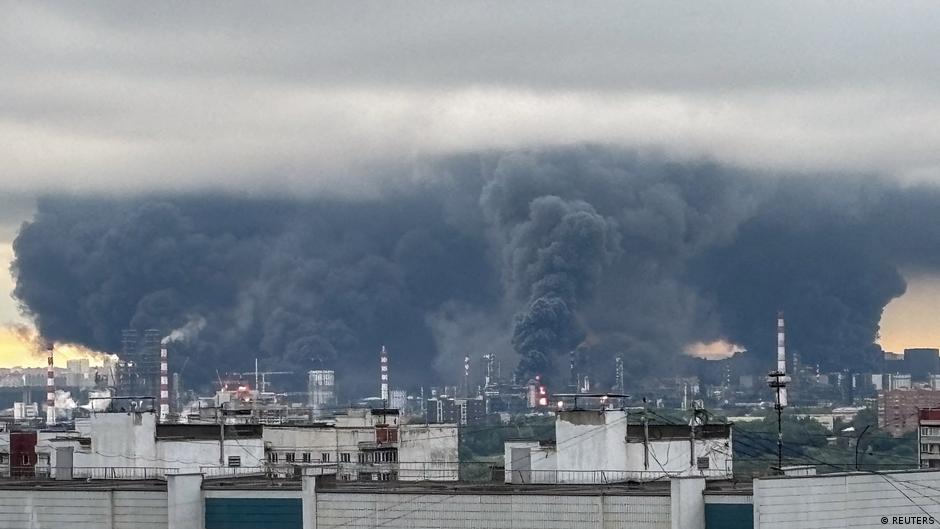
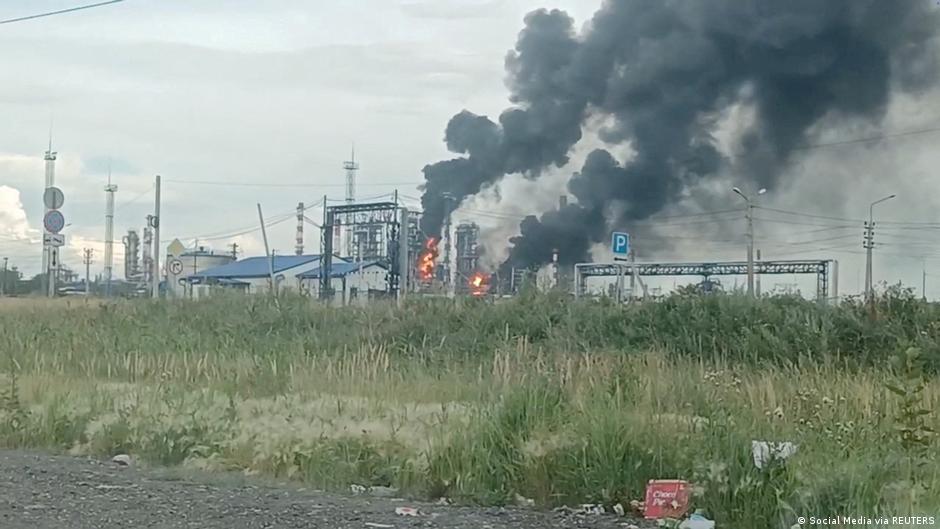
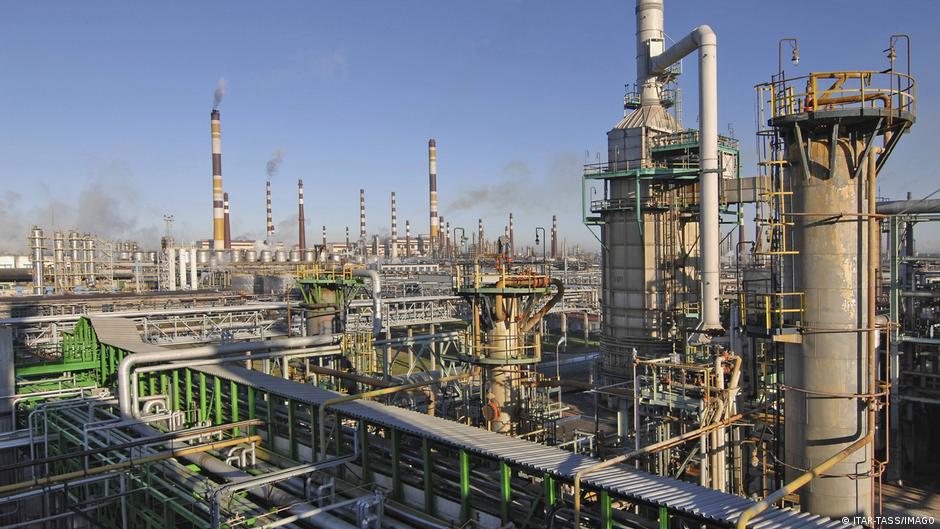
A drone attack on Surgutneftegas’ Kirishi refinery puts a facility responsible for roughly 7% of Russian oil processing under renewed investor scrutiny.

A drone attack on Surgutneftegas’ Kirishi refinery puts a facility responsible for roughly 7% of Russian oil processing under renewed investor scrutiny.

A reported Ukrainian pause in attacks on Russian refineries may ease near-term fuel supply risks, but its informal and reversible nature leaves investors exposed to renewed volatility.

Washington is considering sanctions relief for Russia’s RDIF as Moscow seeks a role for the fund in planned diesel shipments to US and global markets.

Reported U.S. pressure on Kyiv over refinery strikes adds uncertainty for oil, defense stocks and European bond markets.

A bipartisan House push to ban Russian oil purchases could complicate energy-market assumptions after Trump cited diesel supply talks with Putin.

Zelensky warned that a US license for Russian diesel exports could weaken sanctions pressure and extend the war as markets assess fuel supply risks.

Kaluga and Zabaikalsky are restoring gasoline limits as refinery strikes renew supply stress, raising inflation and market risks.

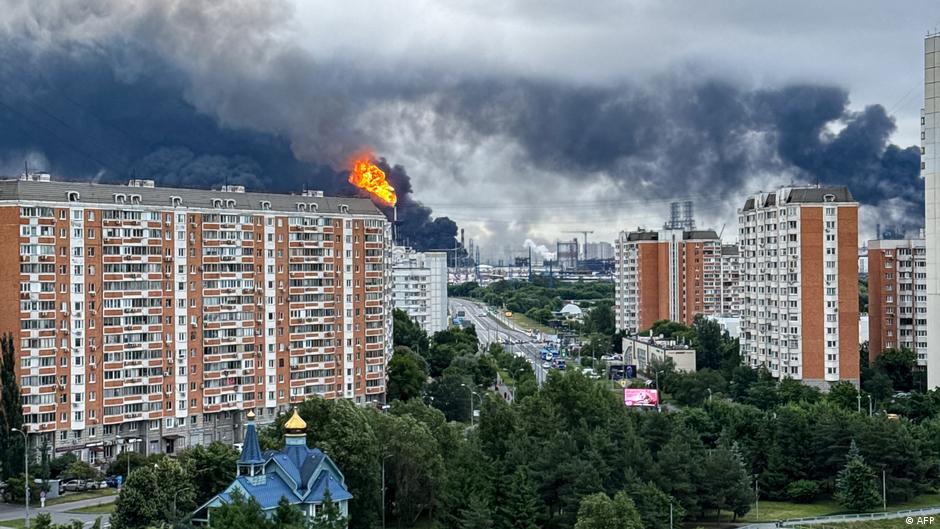
A major drone attack around Moscow killed two people, officials said, while fires and airport suspensions renewed investor focus on infrastructure risk.

Drone damage has halted YANOS refinery processing and fuel shipments, adding pressure to Russian fuel supply and investor risk assessments.

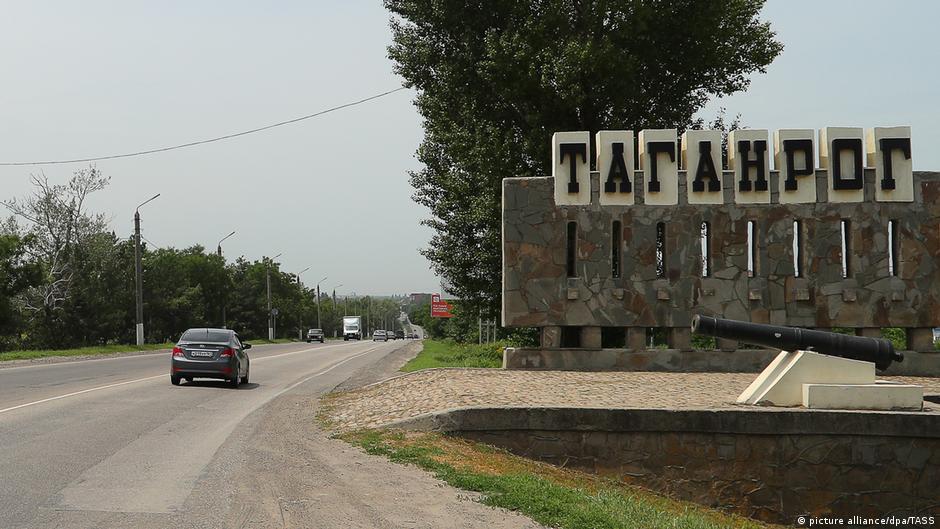
Strikes on the Syzran refinery and Taganrog facilities highlight continuing infrastructure risks for investors tracking Russian energy and industry.

Russia extends authorization for lower-grade fuels until mid-2027 to combat production declines caused by refinery attacks, impacting energy equities and investor outlook.

Russia’s parliament amended fuel market regulations to stabilize prices by expanding compensation schemes and adjusting import rules, impacting energy sector investments.

Ukrainian drone attacks on major Russian logistics centers, including Wildberries warehouses, have caused casualties and fires, increasing volatility in Russian equities and bonds.

Ukrainian drone strikes have forced the Saratov refinery to halt operations, cutting refining capacity and exacerbating fuel shortages in Russia's energy market.

Russia permits Euro-3 fuel circulation until 2026 to mitigate refinery disruptions, impacting energy markets with lower fuel quality and constrained supply.

The US has again extended a temporary license allowing Serbian oil company NIS, partly owned by Gazprom, to operate under sanctions, prolonging uncertainty for investors.

Russia's aviation fuel imports from Belarus surged nearly fourfold in May 2026 amid domestic production declines and refinery shutdowns, impacting fuel markets and investors.

Drone attacks on a Russian oil depot and Crimean power plants trigger fires and outages, raising concerns for regional energy supply and investor risk in energy markets.

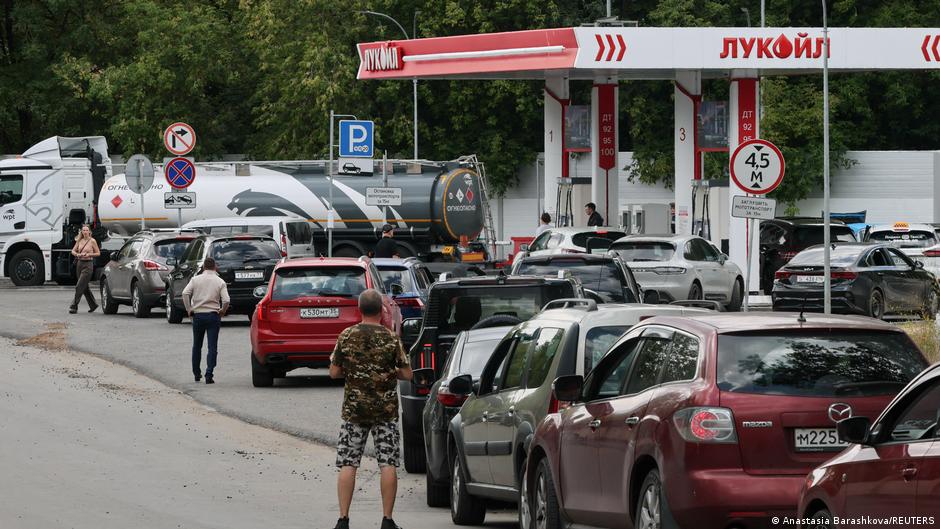
Russian authorities impose fuel sales limits in over 50 regions amid production cuts from drone attacks, affecting oil market dynamics and investor confidence.

Russia plans 1-2 month export limits on diesel and jet fuel amid drone attacks disrupting major refineries, impacting fuel supply and investor outlook in energy markets.

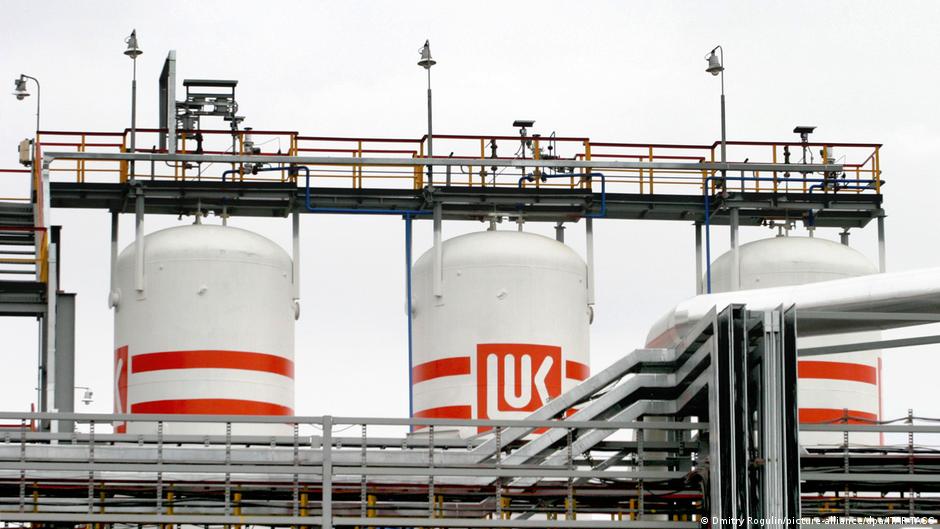
Ukrainian drone strikes have forced Lukoil's NORSI refinery to halve its capacity, affecting a quarter of Russia's refining output and tightening domestic fuel supplies.

Rising jet fuel prices amid Middle East conflict force airlines to cut global flight capacity by 3% in May, pressuring aviation equities and bond markets.