Turkey Resumes Vessel Passage Through Straits Affecting Black Sea Trade Routes
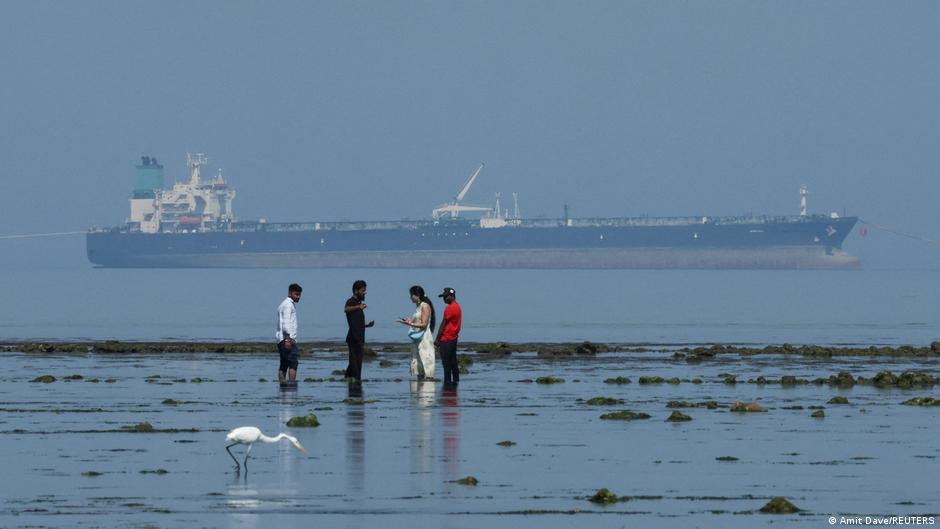
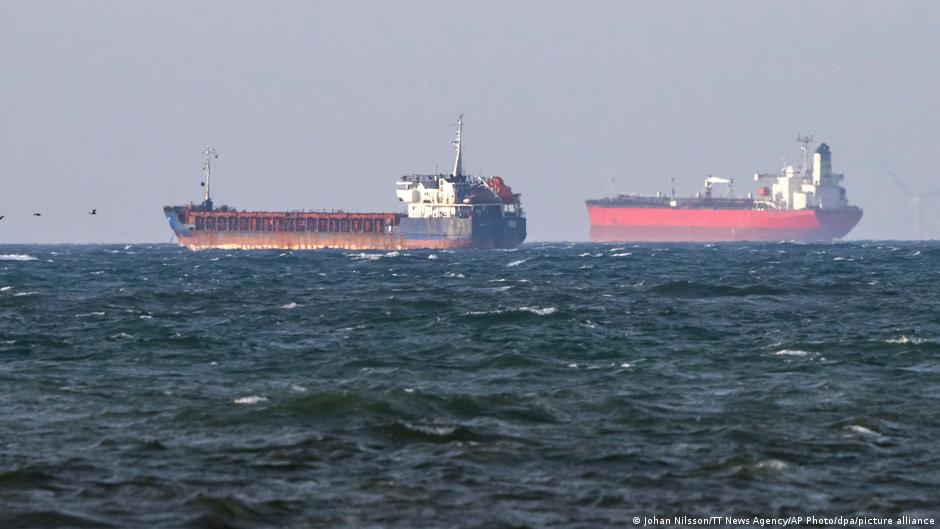
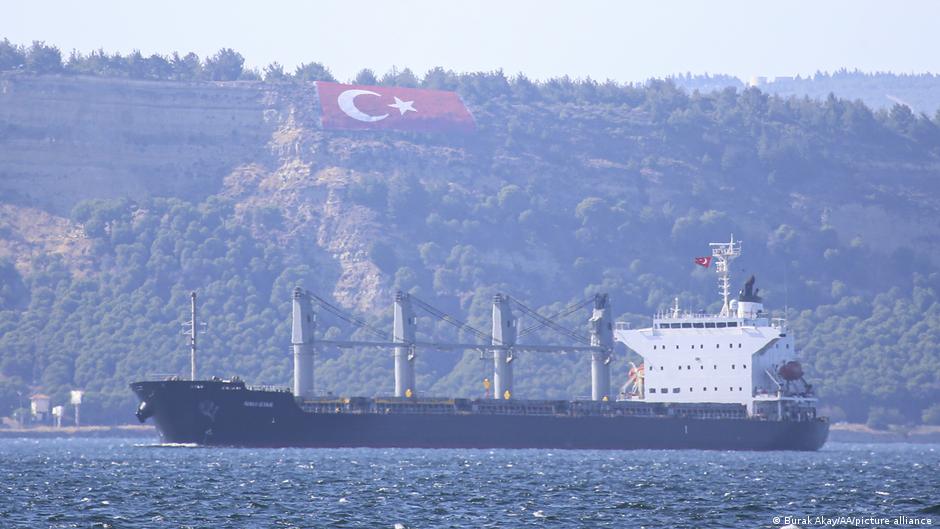
Turkey has reopened its straits to commercial shipping, easing recent restrictions that impacted Black Sea trade routes amid regional security threats.

Turkey has reopened its straits to commercial shipping, easing recent restrictions that impacted Black Sea trade routes amid regional security threats.

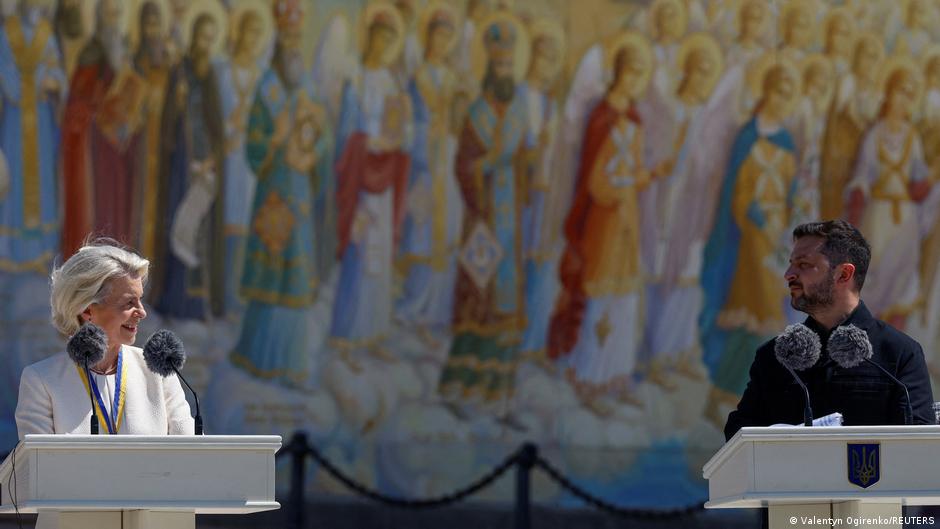
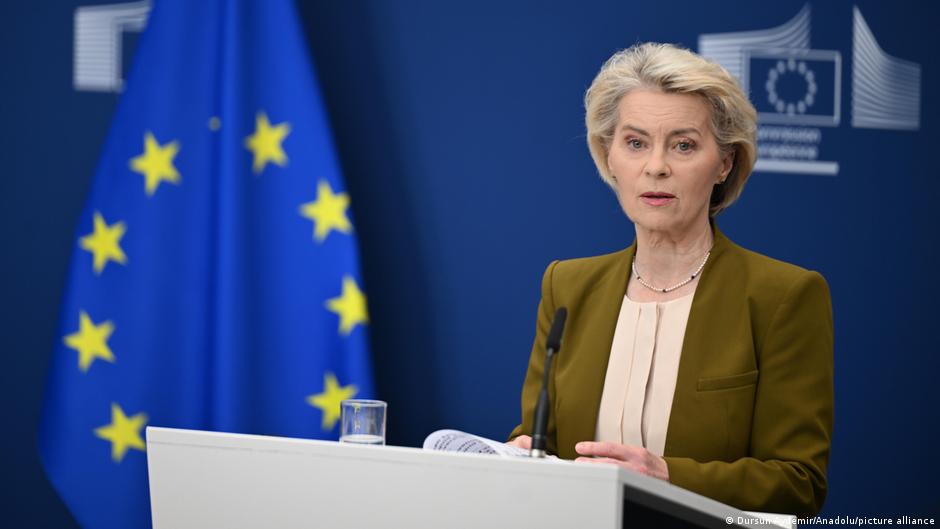
The US Senate's new sanctions against Russia targeting energy and finance sectors are welcomed by European and Ukrainian leaders, influencing markets and investor strategies.

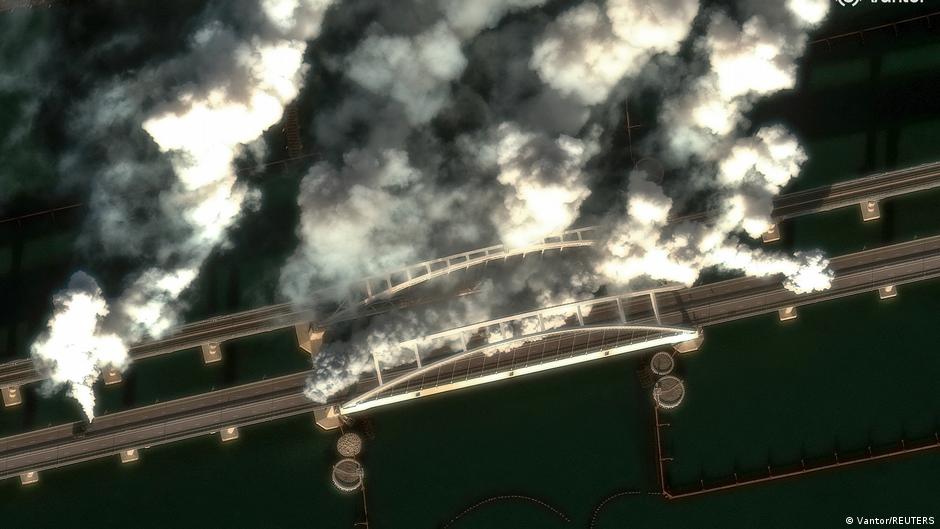
Ukraine’s 40-day operation struck over 100 Russian strategic sites, focusing on military and energy infrastructure, with implications for global energy markets and defense sectors.

The US Senate advances legislation imposing steep tariffs on Russia, signaling increased geopolitical risks that could affect energy markets and investor portfolios.

Russian oil product output plunged nearly 22% year-on-year in June, pressured by infrastructure attacks and fueling market uncertainty for investors.

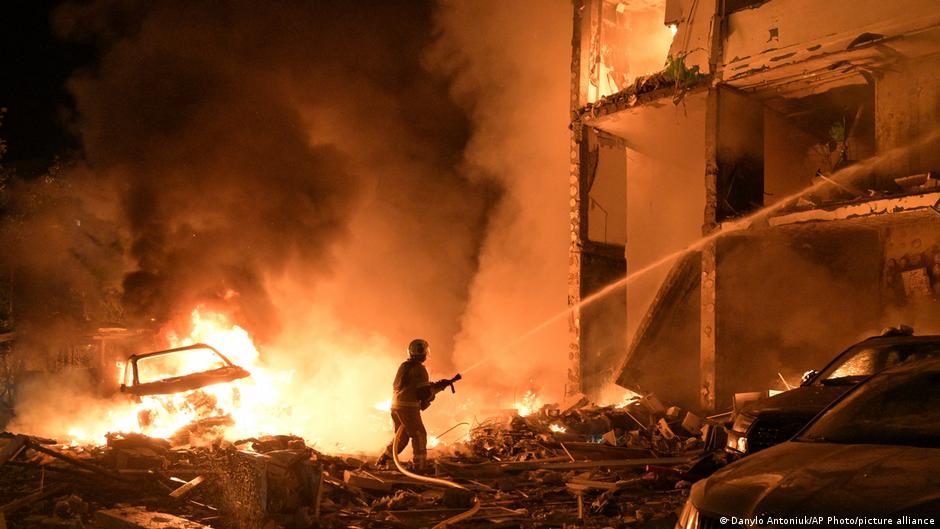
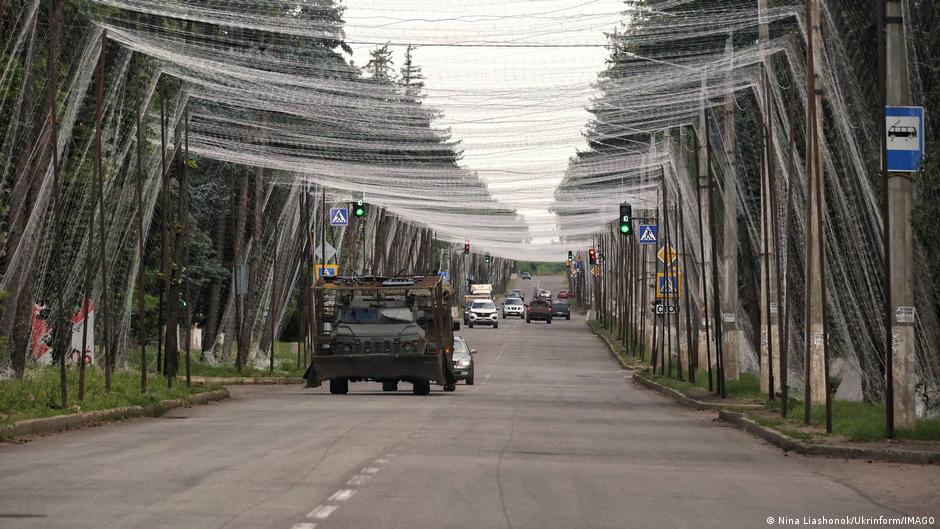
Renewed Russian ballistic missile attacks on Kyiv raise geopolitical risks, impacting Ukrainian equities and bonds amid rising civilian casualties and infrastructure damage.

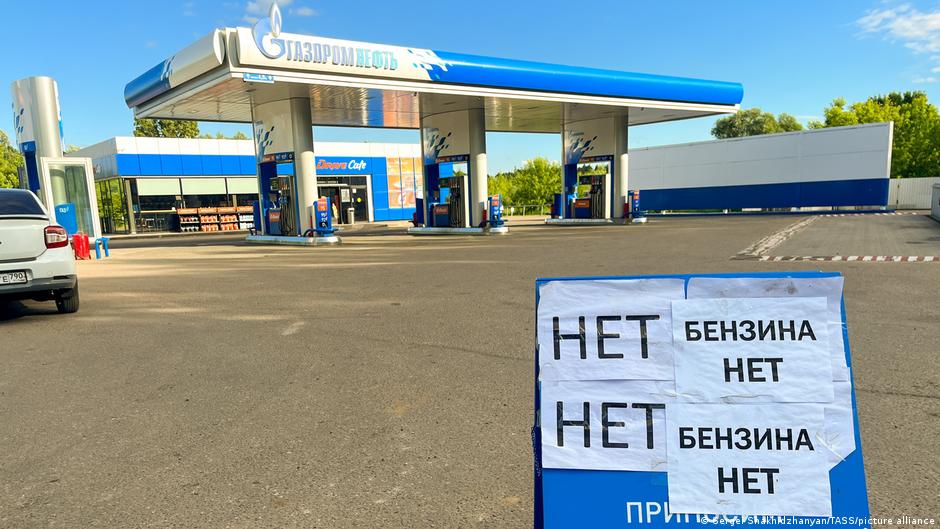
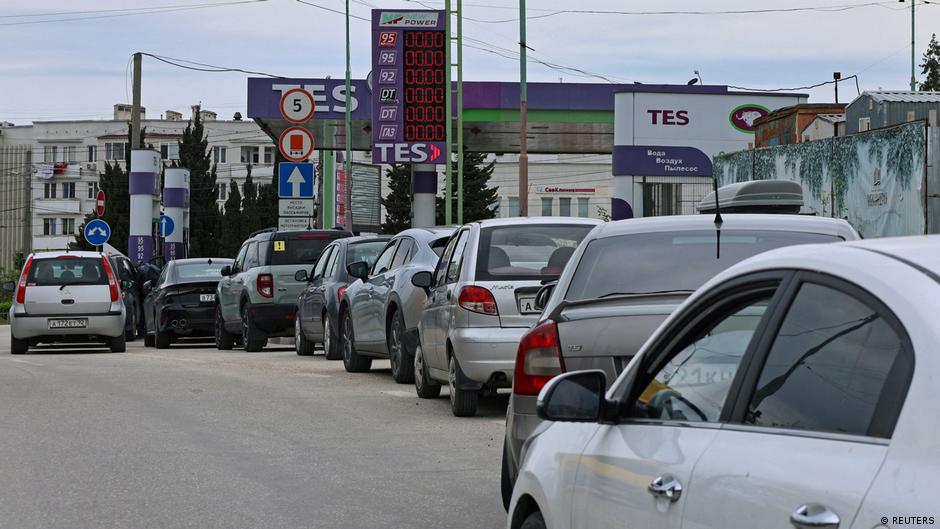
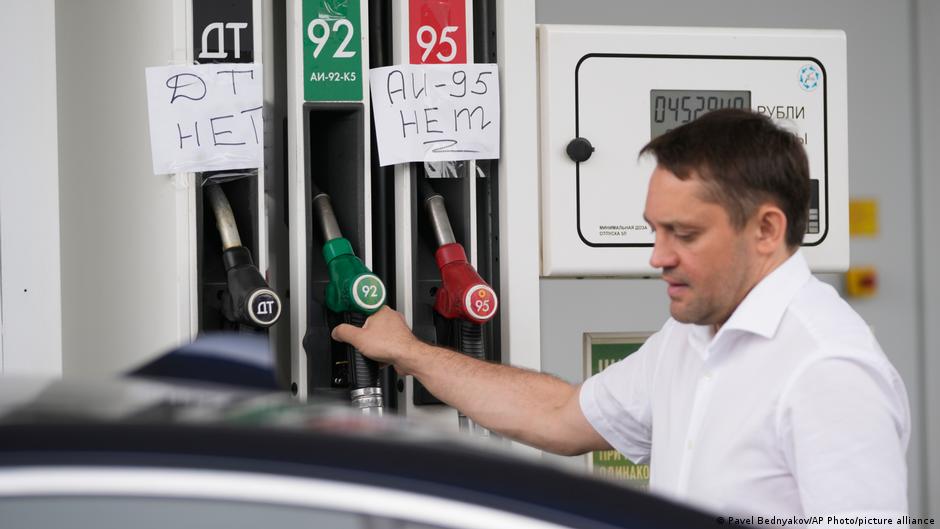
Gasoline prices in Crimea have surged nearly 80% in a week amid Russia's export restrictions and supply shortages, signaling increased market volatility for energy investors.

Russia permits Euro-3 fuel circulation until 2026 to mitigate refinery disruptions, impacting energy markets with lower fuel quality and constrained supply.

Russian drone and missile strikes on Ukraine fell significantly in June, raising cautious optimism but sustained uncertainty for investors amid ongoing conflict dynamics.

Italy and France express concerns over the EU's proposed entry ban on Russian combatants, fearing it could affect all Russian travelers and impact capital markets and investor confidence.

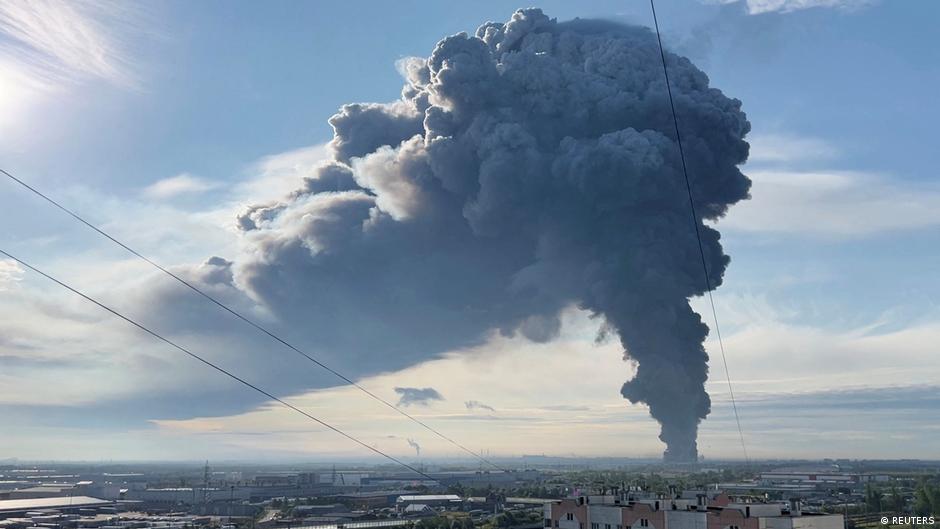
Drone attacks on a Russian oil depot and Crimean power plants trigger fires and outages, raising concerns for regional energy supply and investor risk in energy markets.

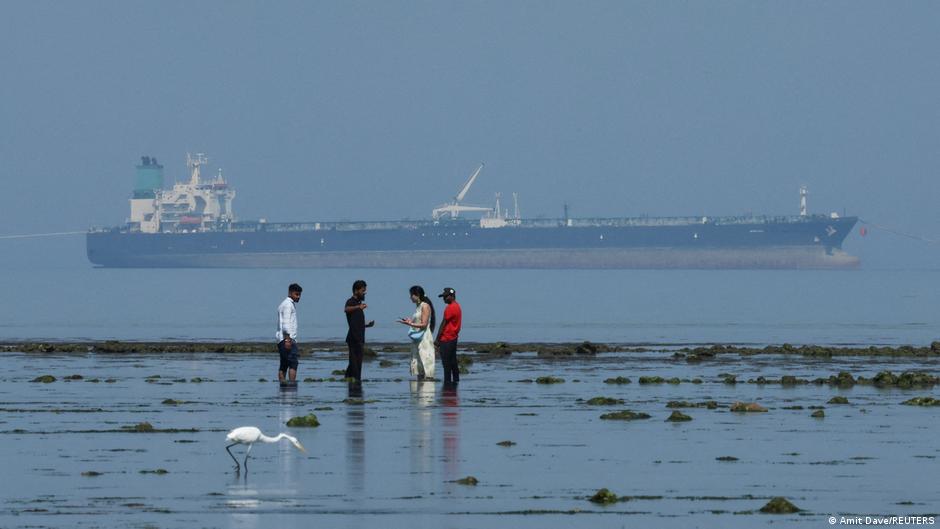
Russia’s maritime oil exports hit a 2026 peak despite falling prices amid US-Iran diplomacy, posing complex challenges for energy investors and capital markets.

G7 leaders commit to new sanctions on Russian oil and gas sectors and increase military aid to Ukraine, impacting energy and defense markets worldwide.

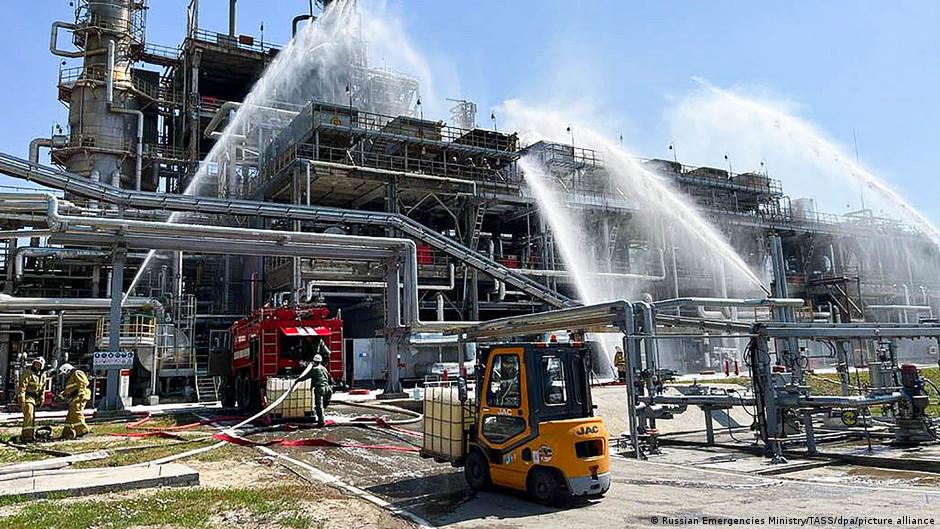
Drone strikes on oil facilities in Russia's Rostov and Saratov regions have caused fires, raising concerns about energy infrastructure stability and market volatility.

Russia plans 1-2 month export limits on diesel and jet fuel amid drone attacks disrupting major refineries, impacting fuel supply and investor outlook in energy markets.

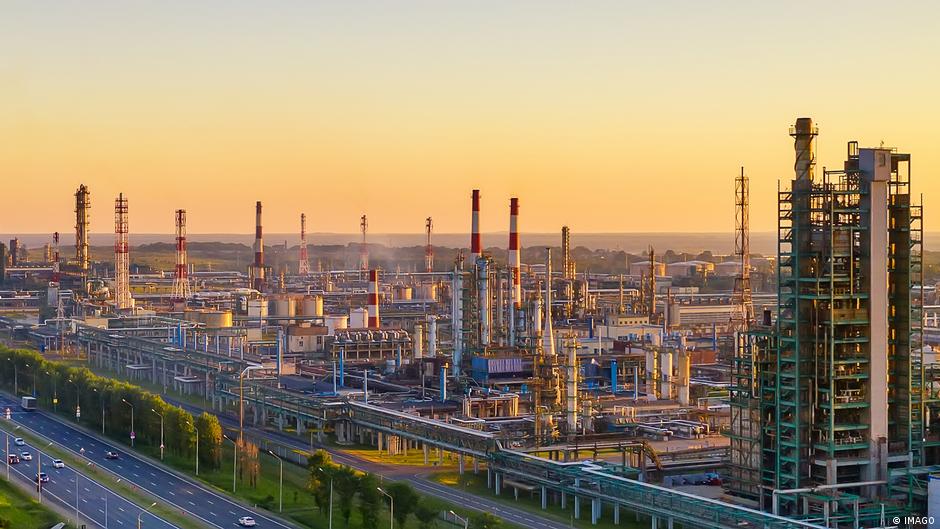
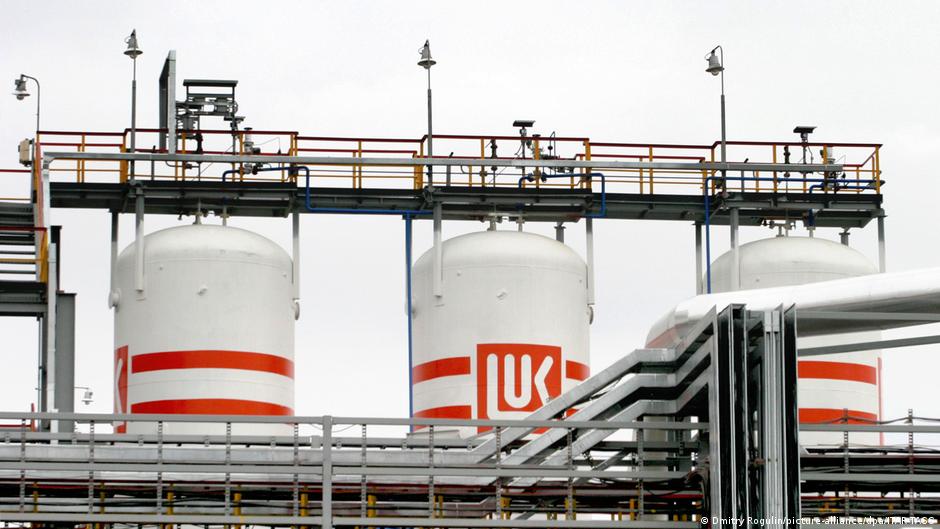
Ukrainian drone strikes have forced Lukoil's NORSI refinery to halve its capacity, affecting a quarter of Russia's refining output and tightening domestic fuel supplies.

The UK granted an indefinite license for importing refined fuels derived from Russian oil, easing supply constraints amid geopolitical tensions and impacting energy market dynamics.

The US has not renewed temporary sanctions relief on Russian oil shipments, potentially increasing market volatility and impacting energy equities and bonds.

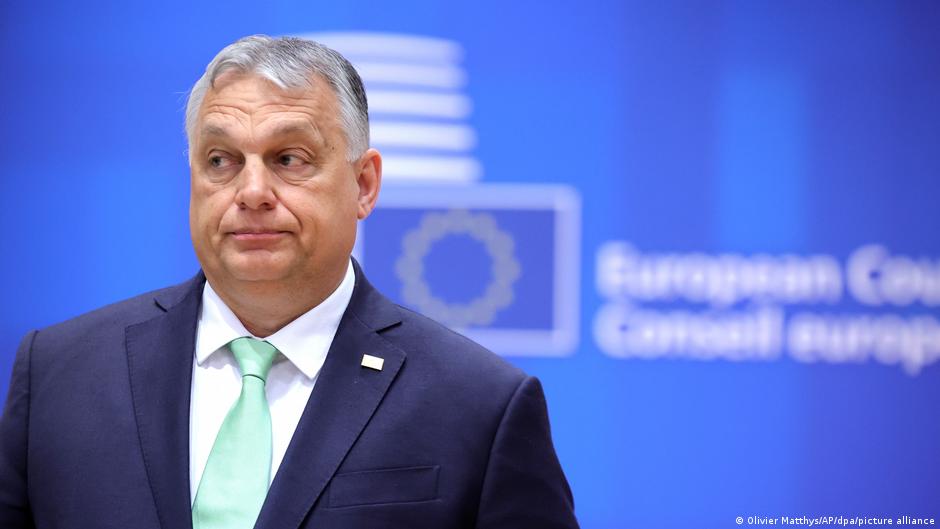
Viktor Orban refuses his parliamentary mandate after electoral defeat, triggering leadership changes and potential policy shifts affecting Hungary's markets and investors.

The US will not extend temporary sanctions exemptions for Russian and Iranian oil, signaling tighter restrictions that could impact energy markets and investor sentiment.

The US extends sanctions relief on Russian oil exports until May 16, influencing energy revenues and market stability amid ongoing geopolitical tensions.

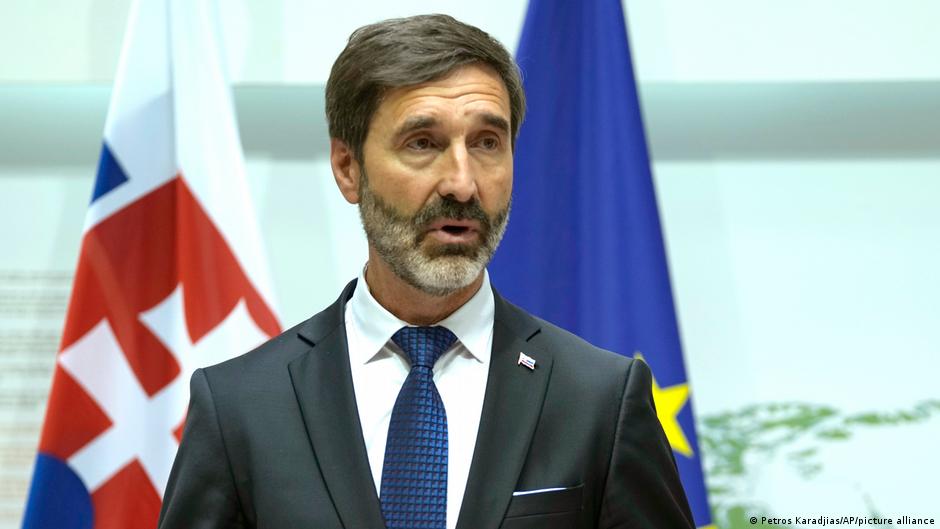
Slovakia will continue blocking the EU's 20th sanctions package against Russia until Russian oil supply through the Druzhba pipeline via Ukraine is restored, impacting regional markets.