Sweden Summons Russian Envoy as Security Risks Test European Markets
Sweden summoned Russia’s ambassador over incidents involving Poland and Denmark, adding to geopolitical risks monitored by European equity and bond investors.

Sweden summoned Russia’s ambassador over incidents involving Poland and Denmark, adding to geopolitical risks monitored by European equity and bond investors.

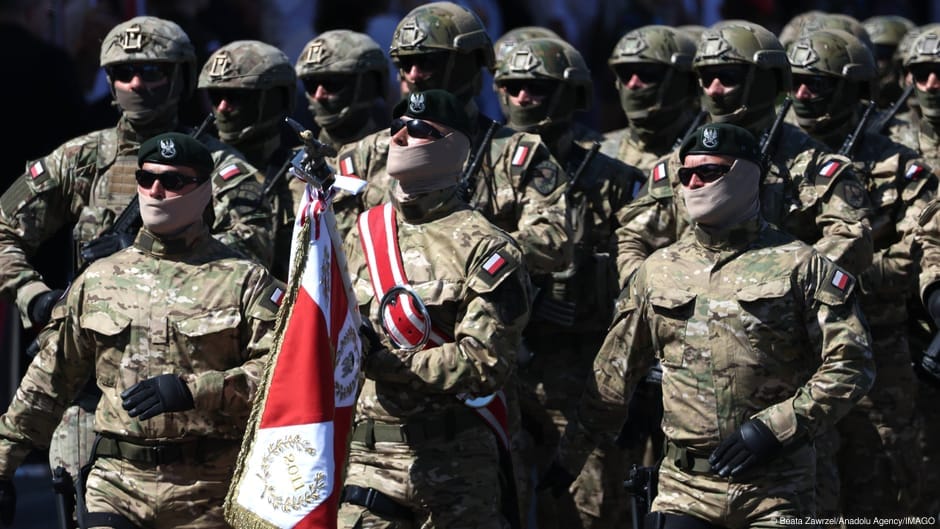
Poland plans an eastern no-fly zone by early 2027, increasing investor focus on regional security, defense spending and geopolitical risk.

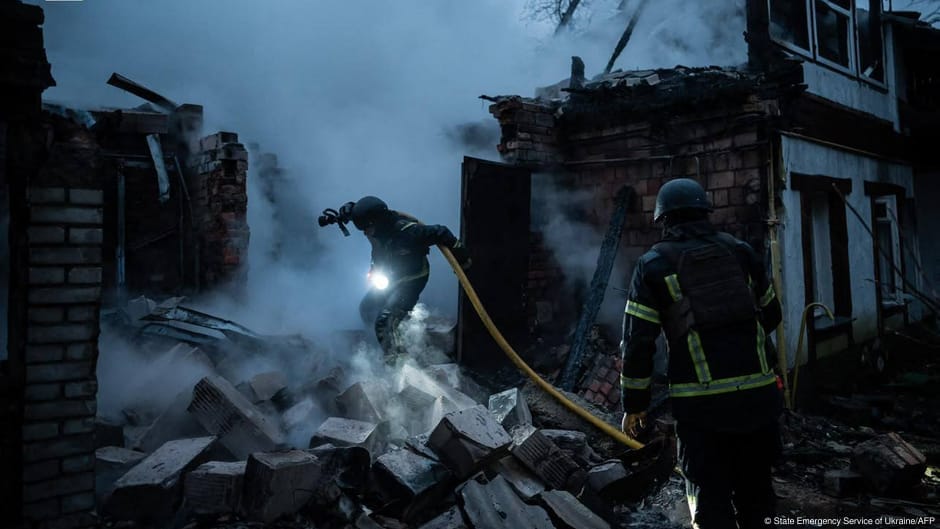
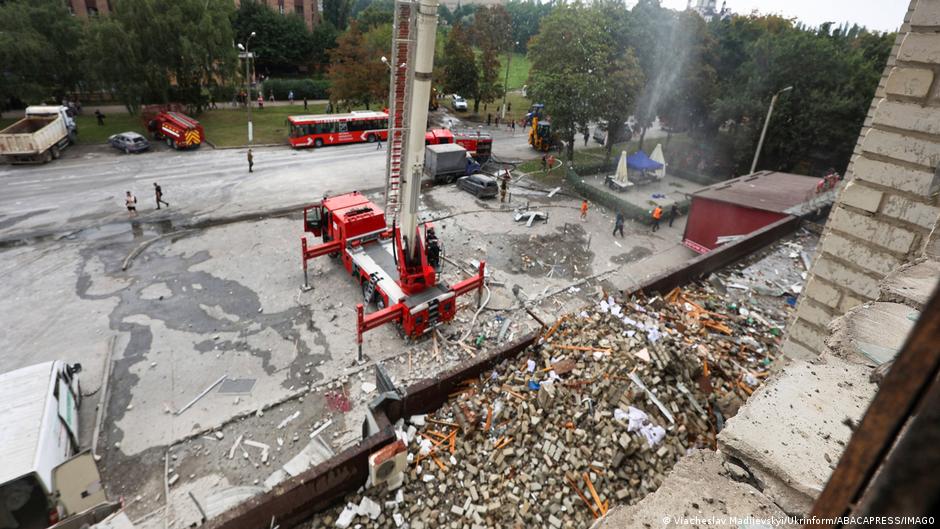
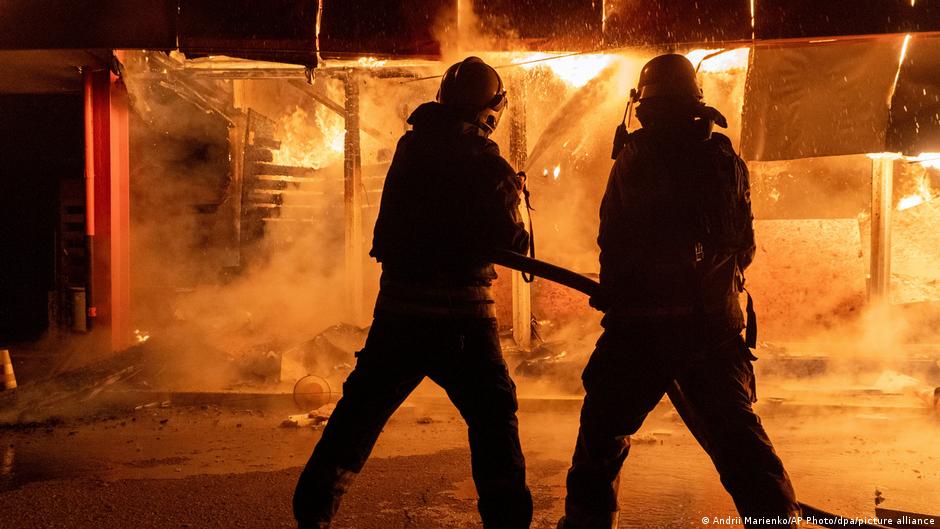
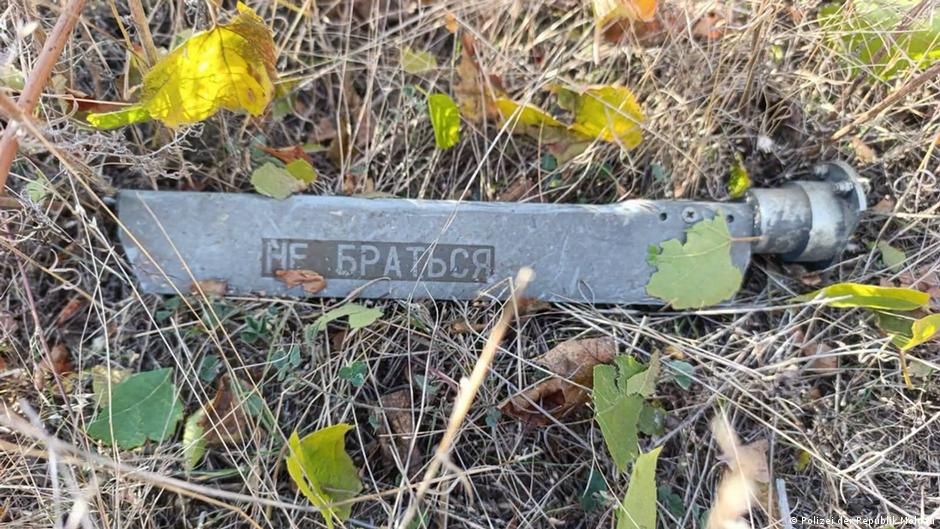
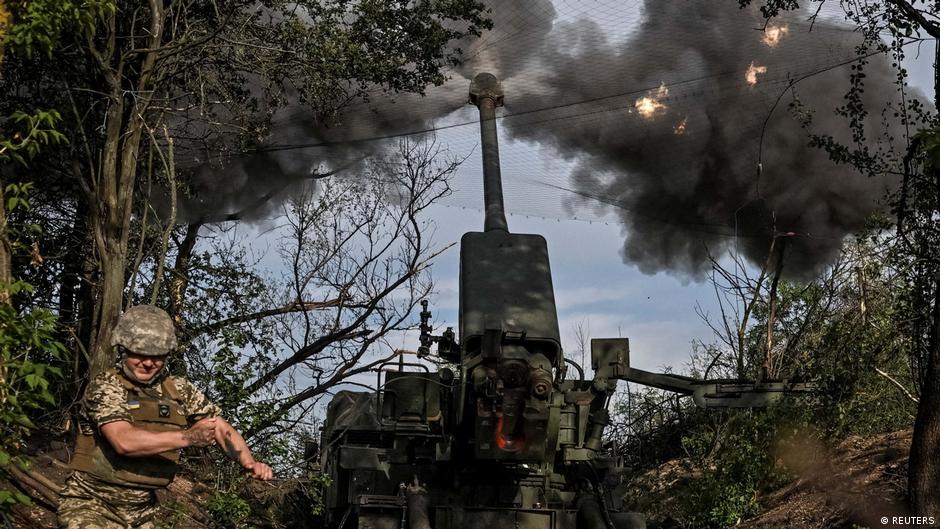
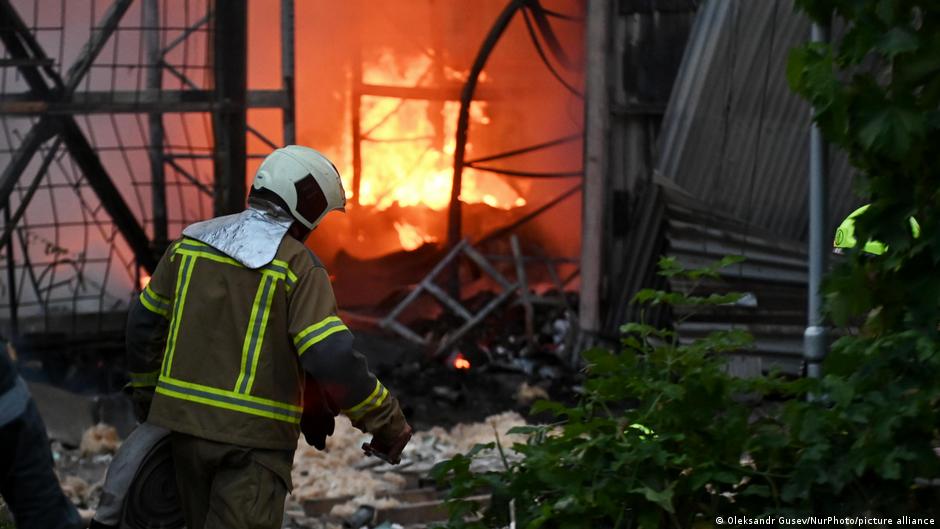
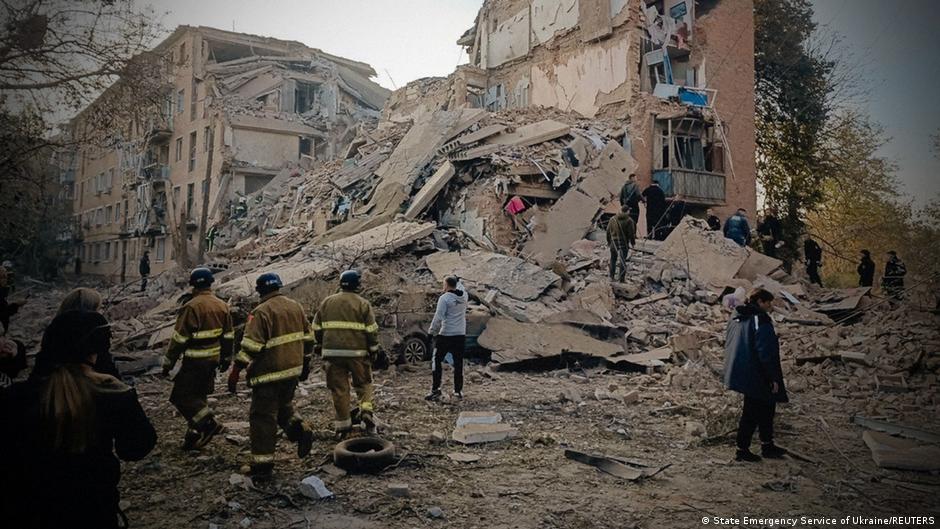
Missile and drone attacks across Ukraine damaged commercial, industrial and critical infrastructure, renewing investor focus on sovereign and operational risks.

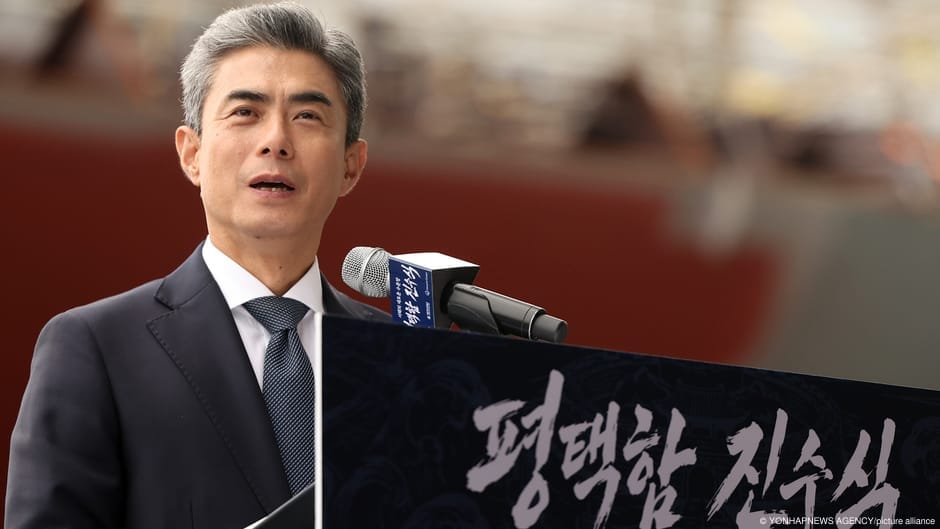
Russian aircraft briefly entered South Korea’s KADIZ, prompting a fighter response and diplomatic protest while adding to Northeast Asia’s risk backdrop.

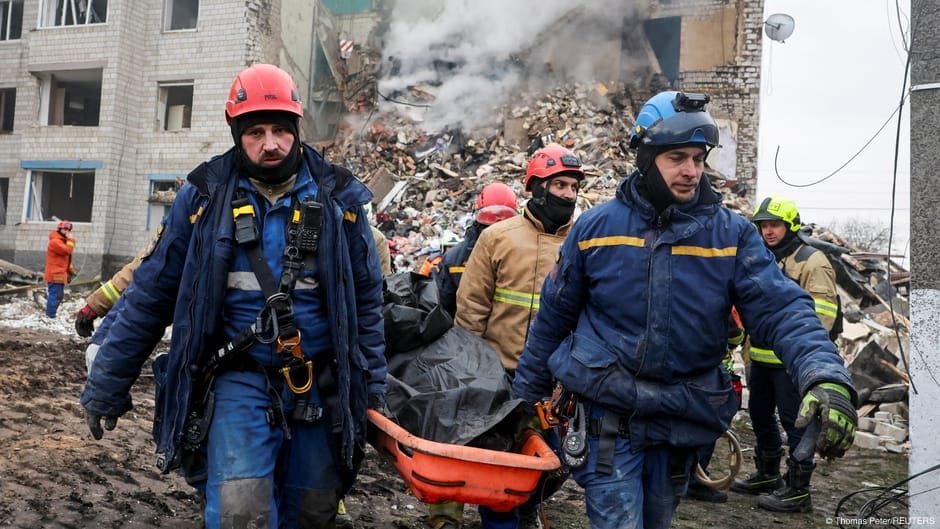
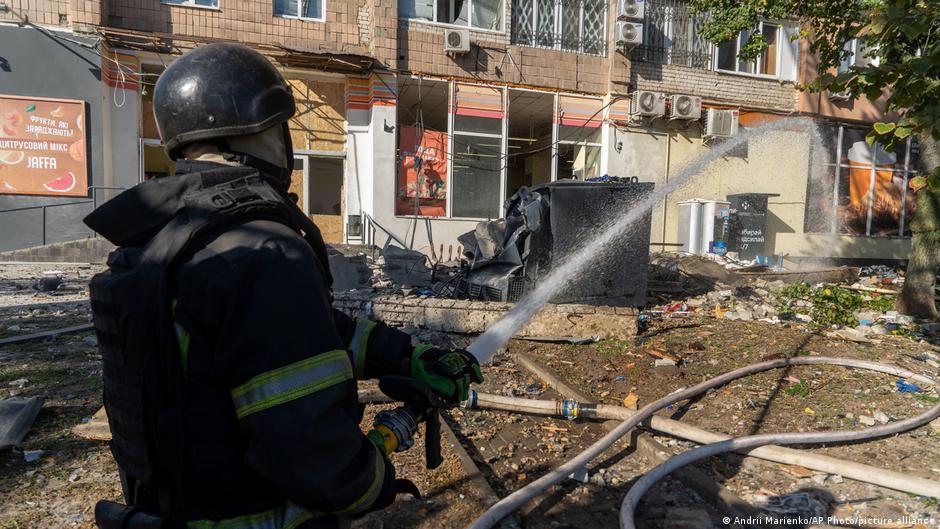
Deadly Russian strikes damaged homes, shops, businesses and energy infrastructure across Ukraine, renewing concerns over sovereign, corporate and reconstruction risks.

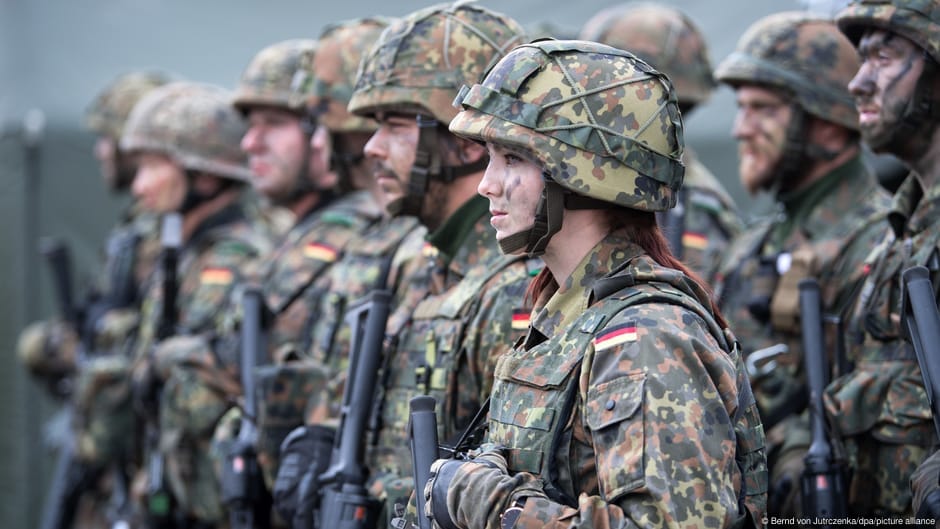
Germany will move tanks to Lithuania by rail rather than driving through Poland, limiting provocative imagery as markets monitor NATO-Russia tensions.

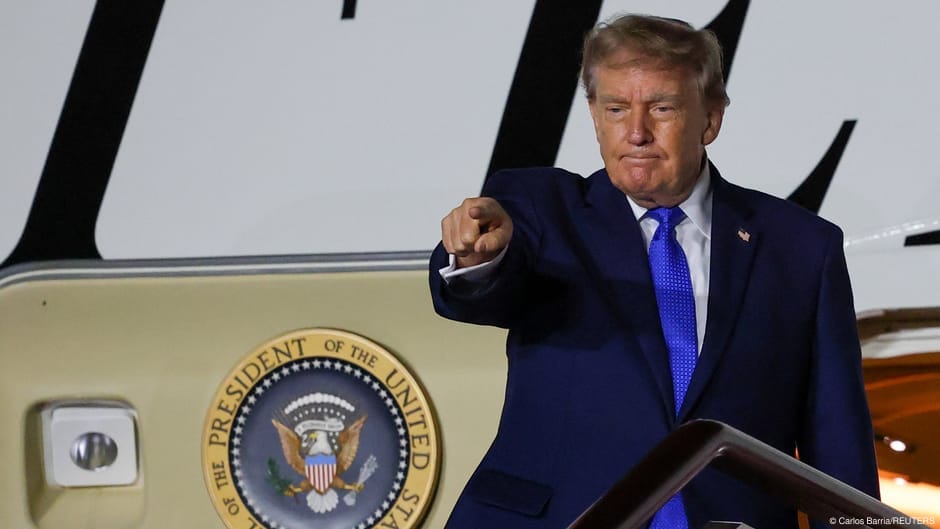
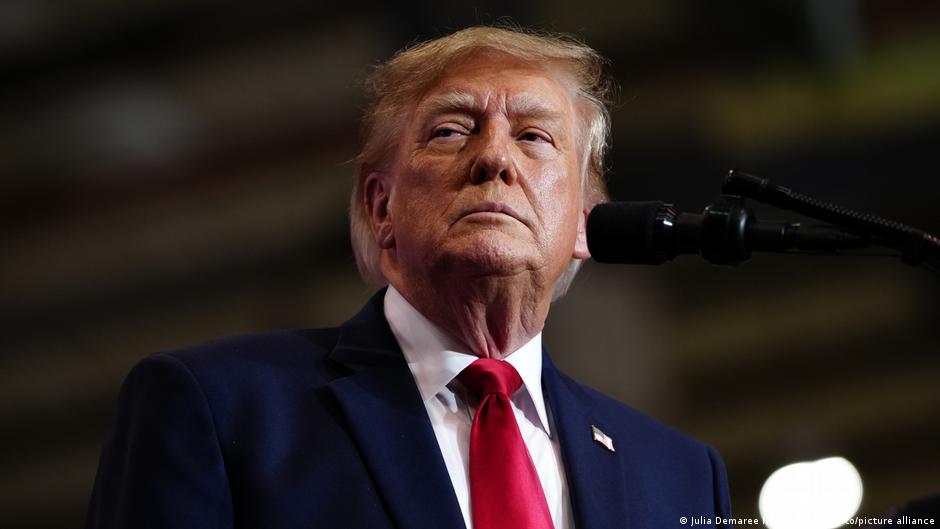
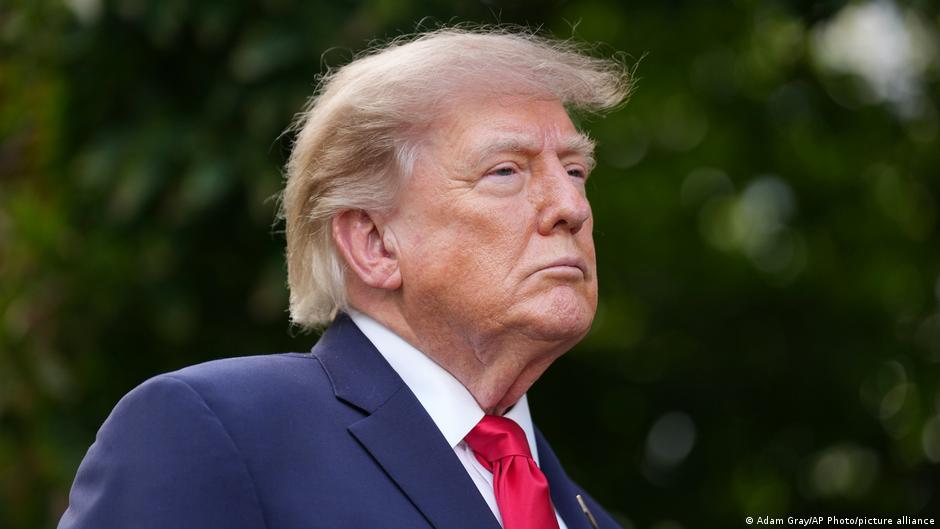
Trump is seeking a Ukraine peace deal before Democrats take Congress, raising uncertainty for defense, energy and sovereign-debt investors.

Germany and Poland aim to finalize a defense action plan by January, putting arms production, secure supply chains and advanced technology in focus for investors.
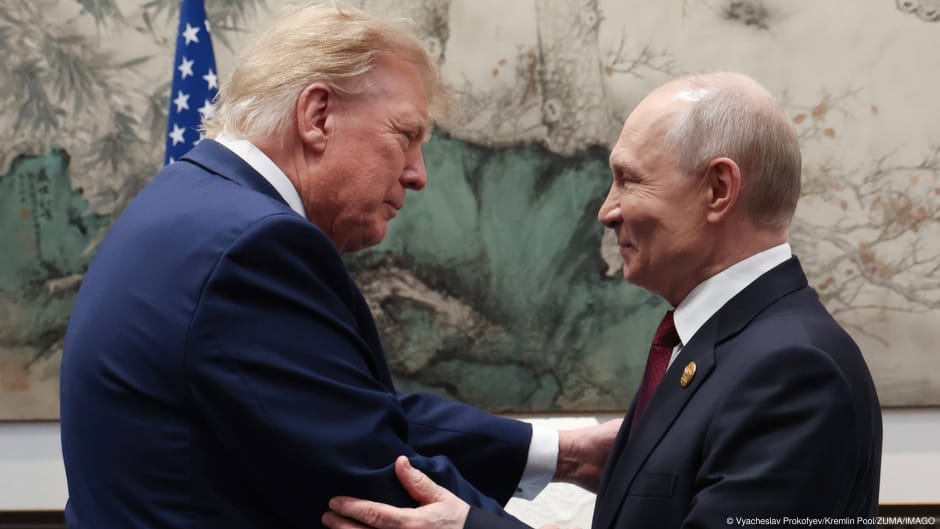
Trump backed Kyiv’s direct role in decisions on the war, but a US-China-Russia summit offered investors no concrete path toward de-escalation.

Elbridge Colby’s early exit from NATO talks exposes policy divisions that may affect European defense stocks, sovereign bonds and geopolitical risk premiums.

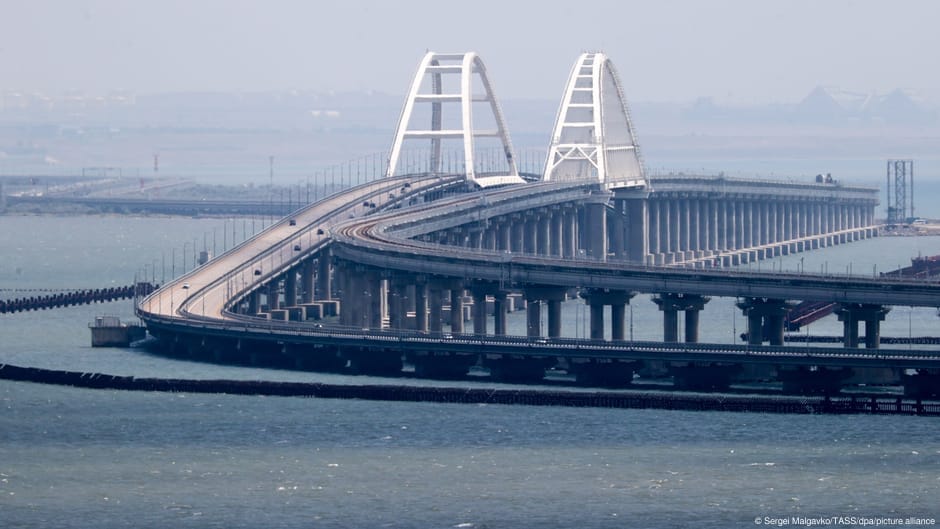
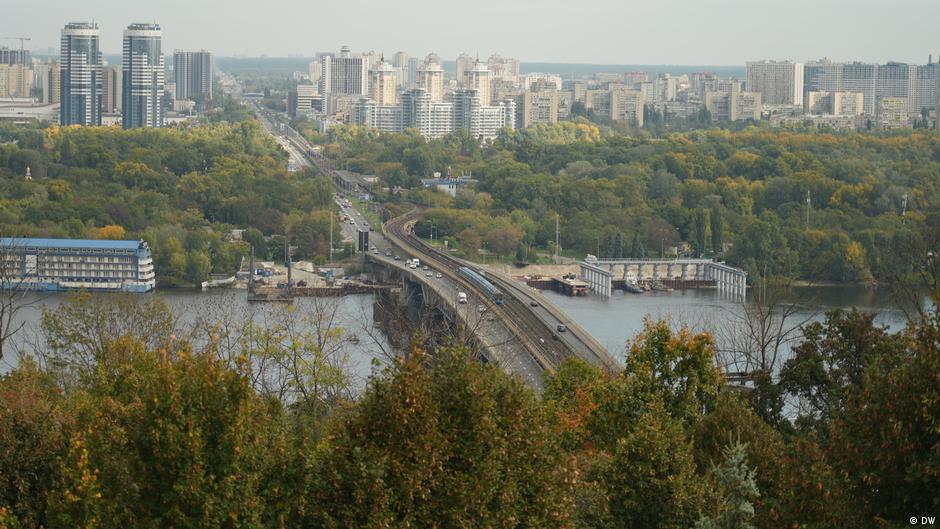
Attacks on bridges in Kyiv and the Kerch Strait renew scrutiny of infrastructure, logistics and geopolitical risks affecting Ukrainian and Russian assets.

A Russian libertarian faction voted to dissolve after its foreign-agent designation, adding to the governance risks investors weigh in Russian assets.

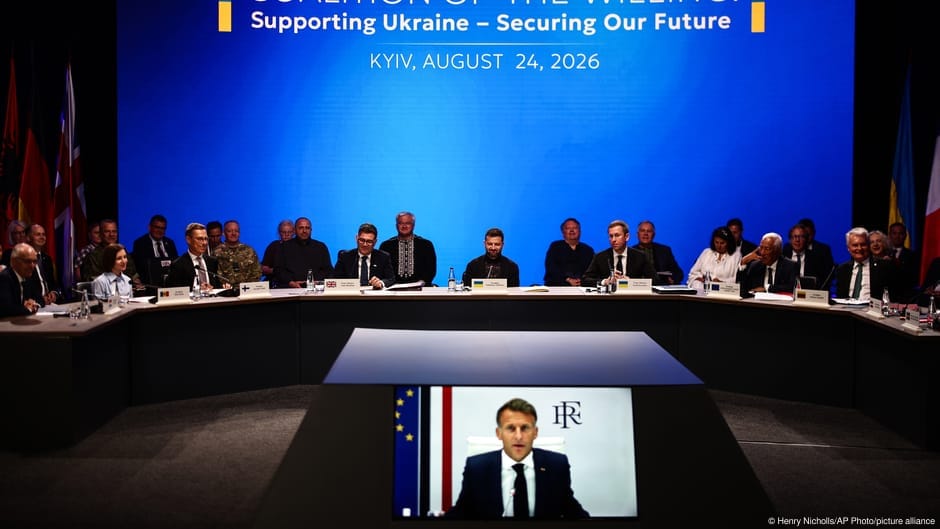
Kyiv is seeking a unified European negotiating position while pressing allies for air-defense missiles and additional energy support.

US envoys are preparing multilateral Ukraine talks with European participation, putting geopolitical risk and its implications for regional assets back in focus.

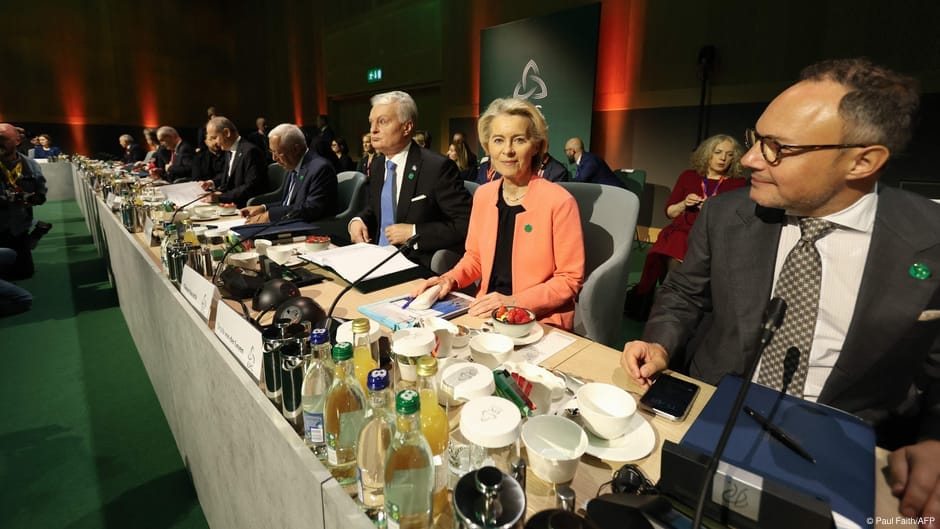
Nearly 40 European states adopted a security charter that puts defence spending, cybersecurity and sovereign financing in focus for investors.

Russia and Ukraine agreed to include European partners in the next peace talks, putting postwar security and regional geopolitical risk in focus for investors.

The EU extended its Ukraine military training mission through November 2028, adding nearly €300 million as investors assess defense demand and fiscal risks.

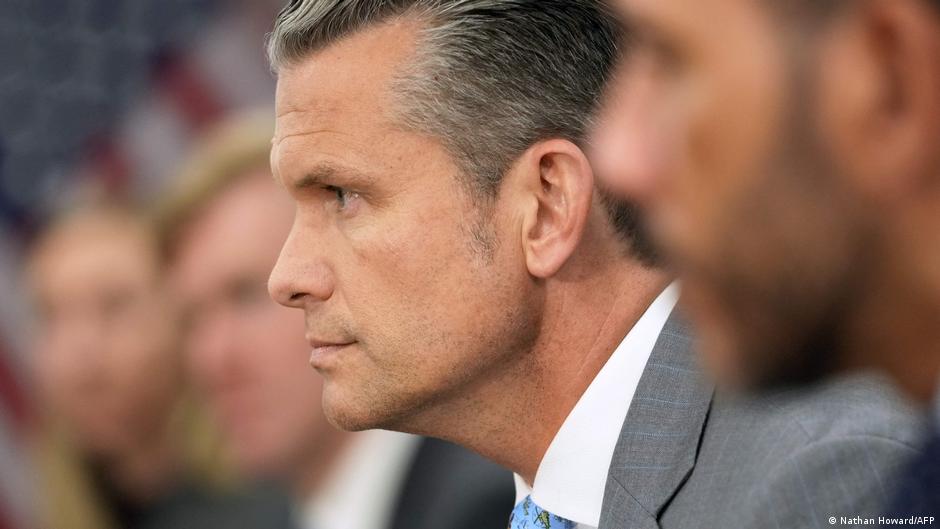
A Republican bid to impeach Defense Secretary Pete Hegseth adds political uncertainty for investors monitoring the Iran war, energy, defense stocks and bonds.

A Kharkiv language school co-founder died after detention in Crimea, underscoring the persistent geopolitical and legal risks surrounding Russia-linked investments.

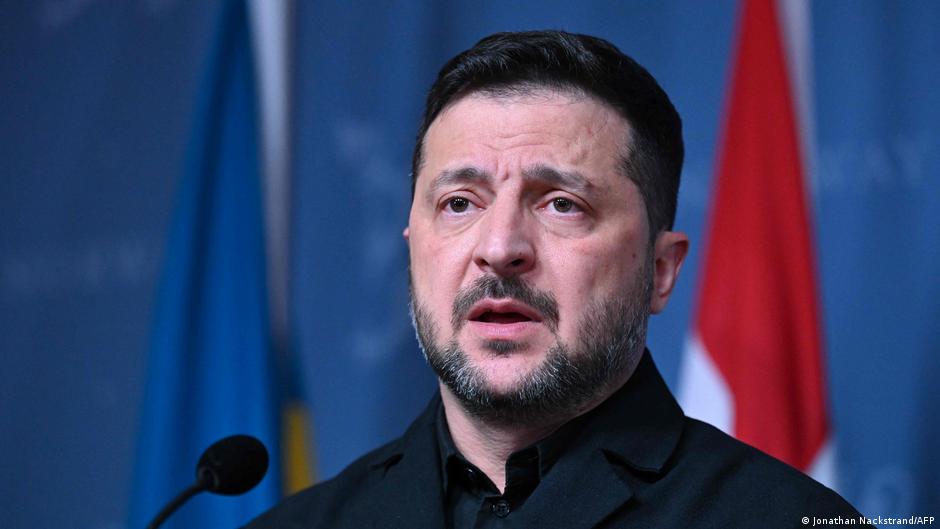
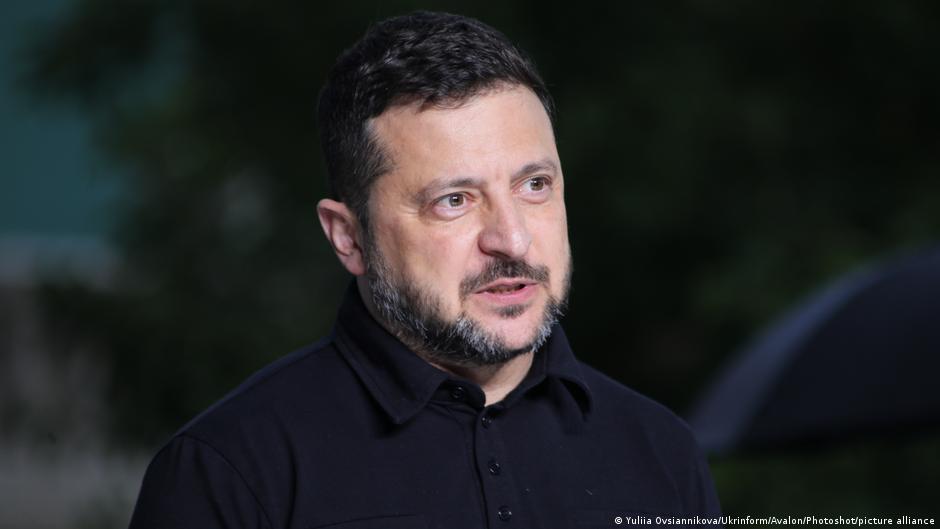
Zelensky expects stronger US aid after the Democrats’ congressional victory, putting defense spending, sovereign borrowing and European risk assets in focus.

Russia and Ukraine will meet in Abu Dhabi on November 10-11 as investors assess the implications for European assets, sovereign debt and reconstruction.

False nuclear and radiation alerts in Ukraine and Russia highlight cyber vulnerabilities and the risk of headline-driven volatility for regional investors.

Trump questioned the FBI’s claim that North Korean hackers stole $6.3 billion from Binance as the exchange continues reimbursing affected customers.

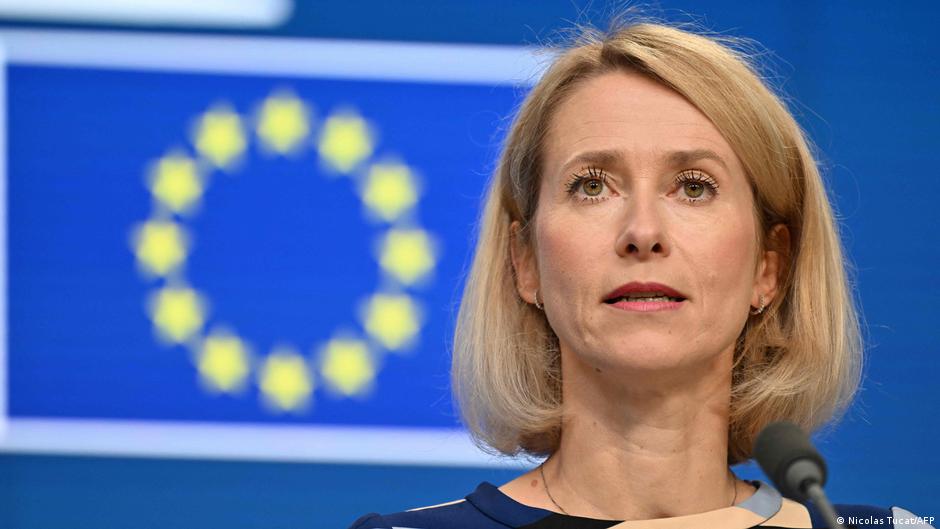
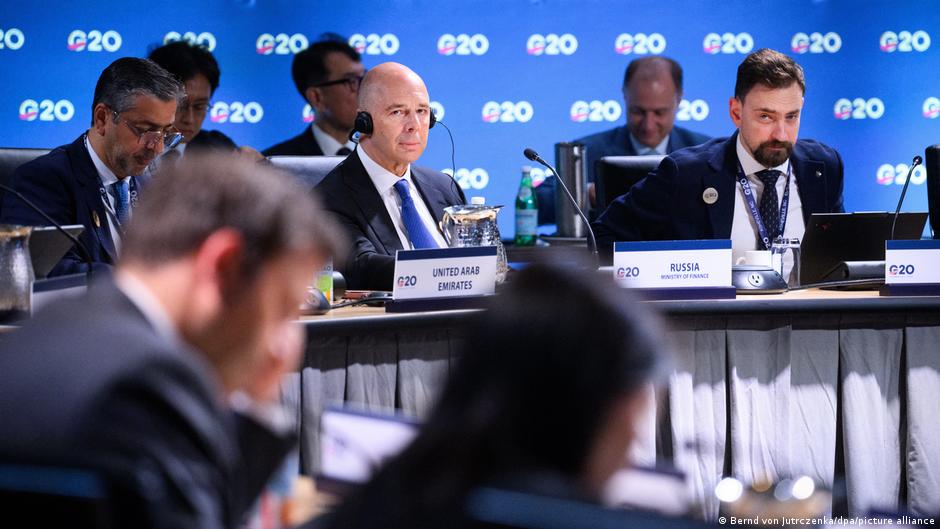
Kaja Kallas said Russia showed no readiness for Ukraine peace talks at the G20, leaving investors without a catalyst for easing geopolitical risk.

Russian strikes killed civilians and damaged transport, industrial and commercial assets across Ukraine, renewing infrastructure and reconstruction risks.

Return of the Names events reached 101 cities, highlighting governance and political risks relevant to investors despite no reported market reaction.

New UK and Dutch aid for Ukraine combines defense spending, export guarantees and reconstruction funding, drawing investor attention to fiscal risks and future contracts.

A Russian drone strike injured four people and damaged residential and industrial property in Kharkiv, reinforcing the security risks surrounding Ukrainian assets.

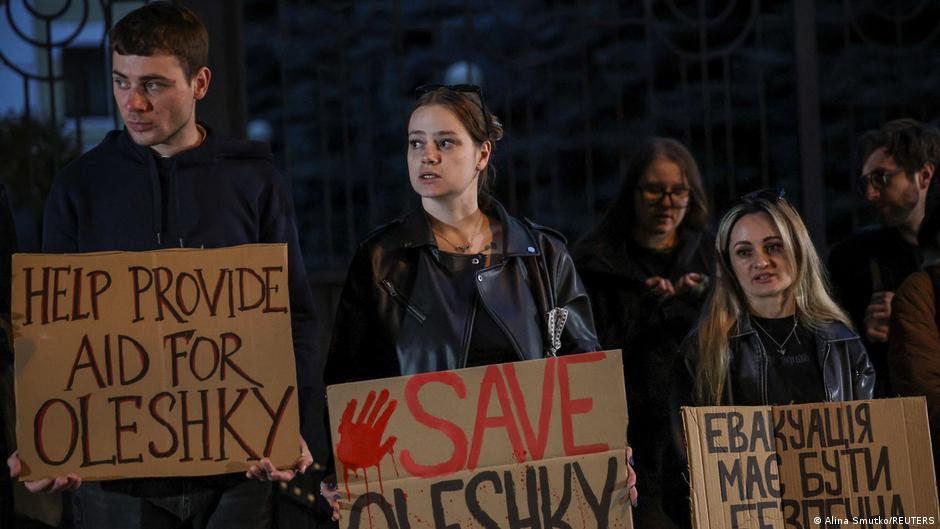
A temporary ceasefire around occupied Oleshky enables aid and evacuation plans, offering investors a limited signal of de-escalation amid high execution risks.

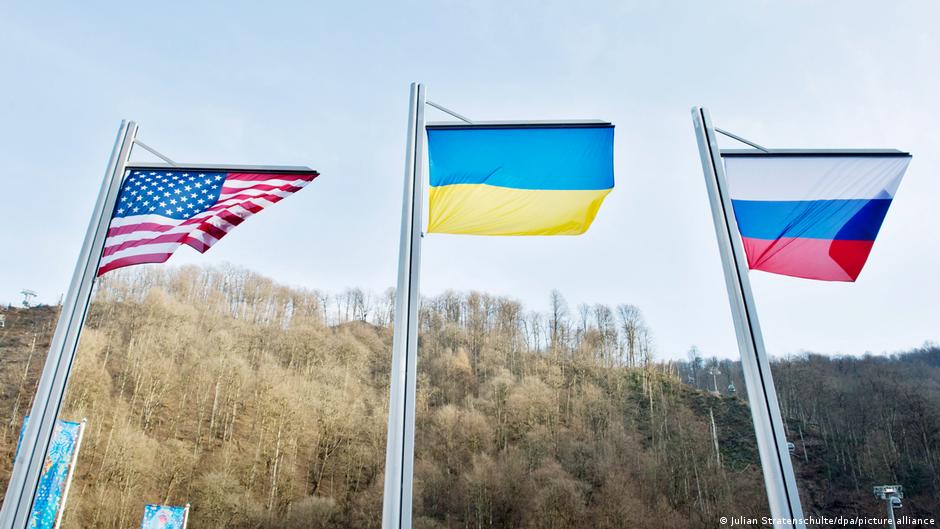
US, Ukrainian and Russian teams may meet in Abu Dhabi or Switzerland in November, reopening diplomacy without yet offering evidence of a breakthrough.

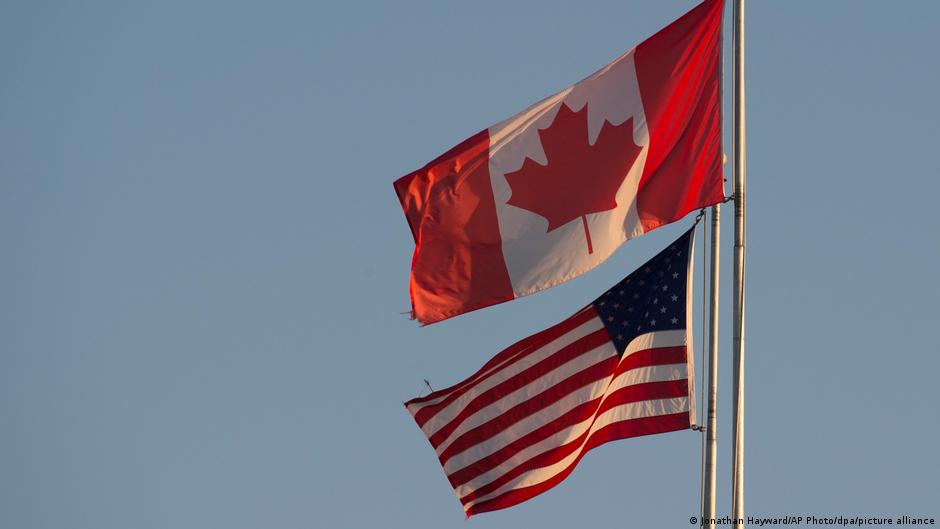
Washington will lift 50% duties on selected Canadian goods from October 30 while imposing tariffs on other products, shifting risks across exposed sectors.

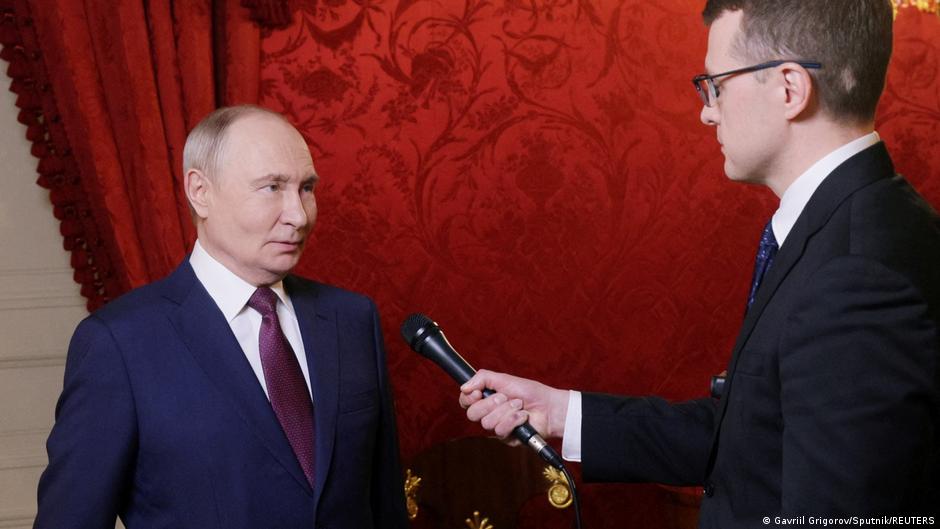
Putin backed renewed US-mediated talks with Kyiv but rejected a front-line freeze, leaving investors with little evidence of near-term de-escalation.

A Russian missile strike killed one woman, injured three people and damaged Kyiv infrastructure, adding to the geopolitical risks monitored by investors.

Russia designated two StopTime musicians as foreign agents, highlighting the legal and reputational risks investors weigh when assessing Russian exposure.

Five drone incursions into Moldova in one day add to geopolitical risks facing investors in Eastern European equities, bonds and currencies.

Trump said Putin is more interested than Zelensky in a Ukraine peace deal, as investors watch energy risks and U.S. policy signals.

Reported deaths of at least 20 Russian officers in Donetsk add to geopolitical risk considerations for equities, bonds and investors.

Ukraine will meet Trump envoys over a new war-ending plan as investors watch sanctions risk, defense exposure and geopolitical pressure.

A Russian missile and drone attack killed 28 people in Ukraine, raising investor focus on sanctions, energy risk and European market sentiment.

Western contingency planning for embassies in Kyiv points to rising Ukraine risk for investors watching energy, defense, bonds and regional markets.

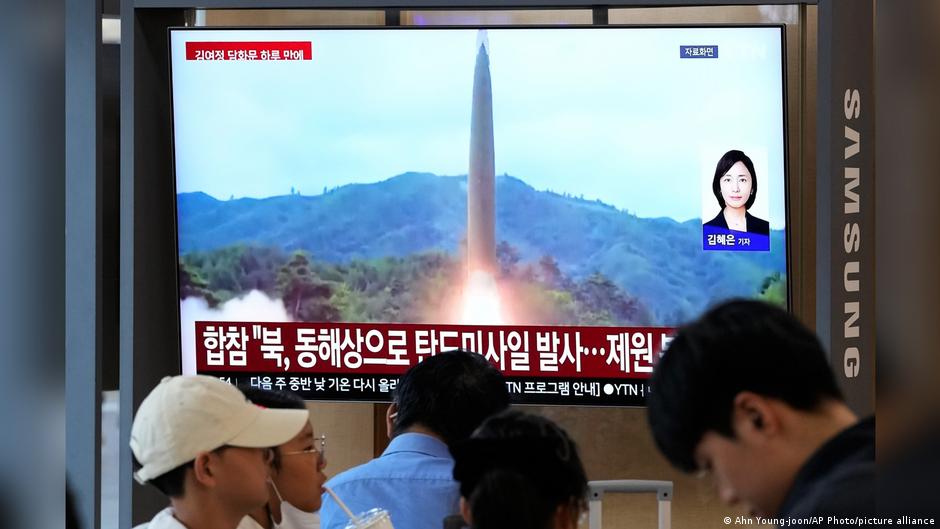
North Korea’s missile launch adds geopolitical risk for investors watching South Korean equities, bonds and regional currencies.

Trump expects new Iran talks, but disputes over Hormuz, sanctions and the nuclear program keep oil, equities and bonds exposed to headline risk.

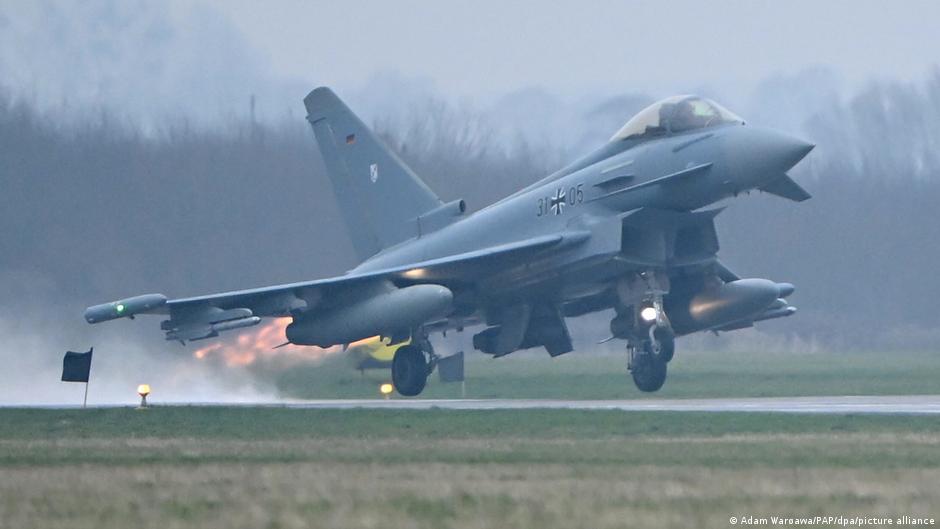
Germany deployed four Eurofighters to Latvia for election-period air security, keeping NATO flank risk in focus for markets.

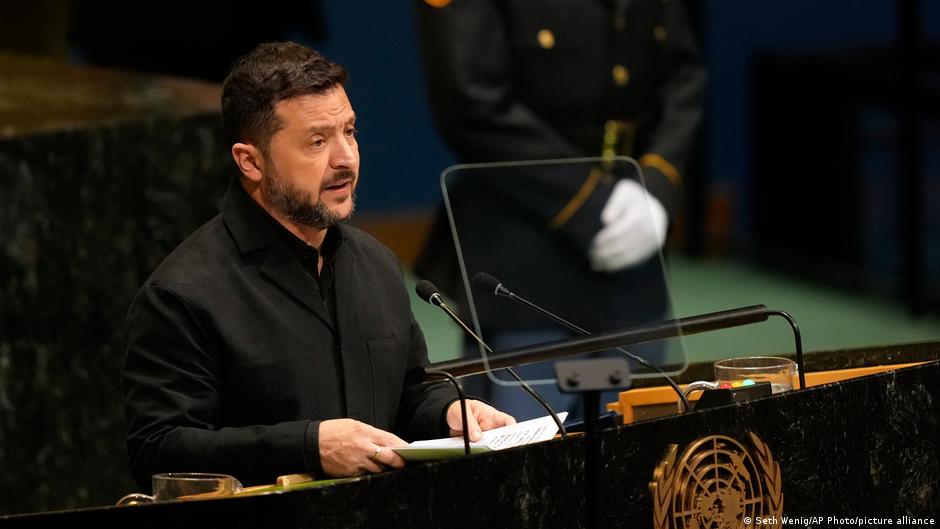
Zelenskyy’s UN remarks put Russia’s oil revenues, energy infrastructure and war financing back at the center of investor risk assessments.

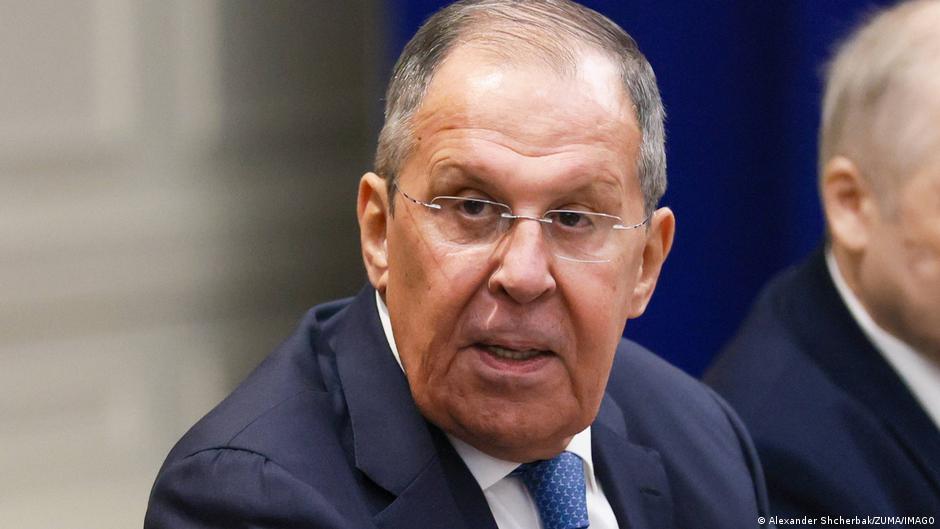
Lavrov said Russia will not pause military action for Ukraine talks, keeping war risk central for investors watching Europe, bonds and policy risk.

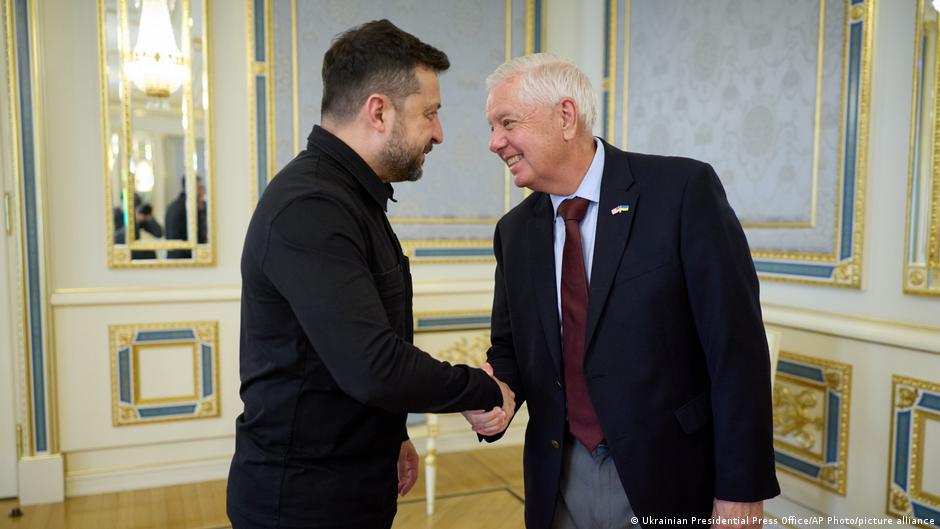
Trump signed the Graham sanctions law, giving the White House new tariff powers over Russian energy buyers and raising market uncertainty.

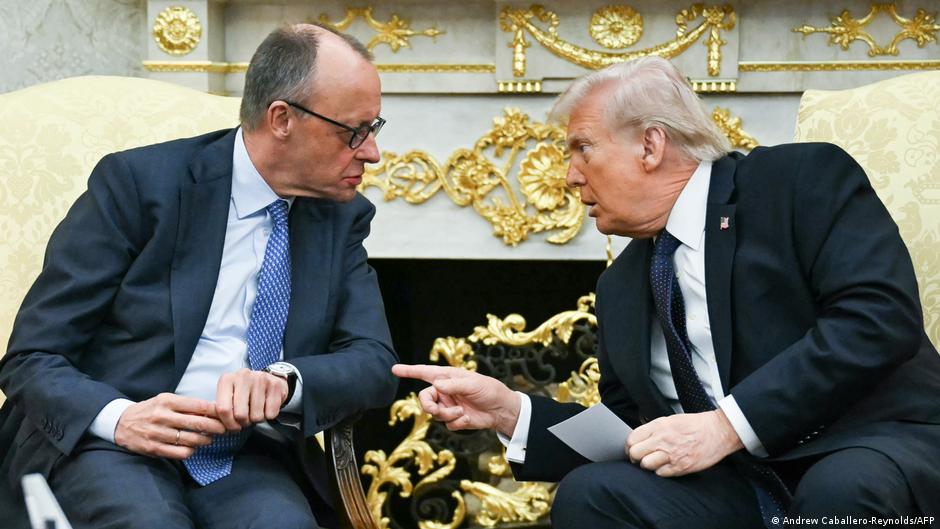
Merz said unconditional U.S.-German friendship may be over, pointing to defense spending, trade tensions and growth risks for investors.

Russian attacks on Kyiv, Odesa and Sumy injured civilians including children, adding to the war risks facing investors in Ukraine.

The House advanced a sanctions bill that could allow 100% tariffs on major buyers of Russian energy, adding tariff and inflation risk for investors.

Russia is expected at next week’s G20 energy talks in Houston, putting energy security and sanctions risk back in focus for investors.