Russian Drone Strikes on Zaporizhzhia Impact Local Infrastructure and Raise Market Concerns
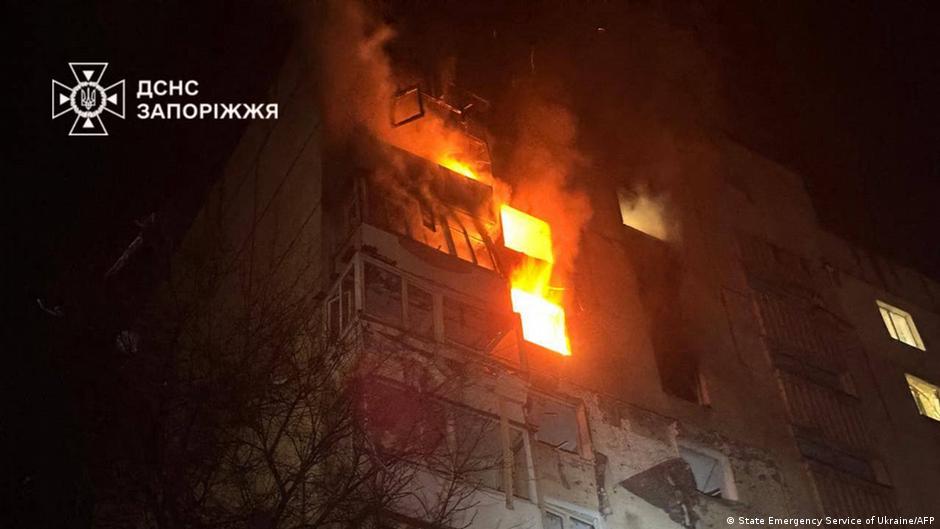
Russian drone strikes on Zaporizhzhia cause casualties and damage, raising investor concerns over regional stability and market volatility.

Russian drone strikes on Zaporizhzhia cause casualties and damage, raising investor concerns over regional stability and market volatility.

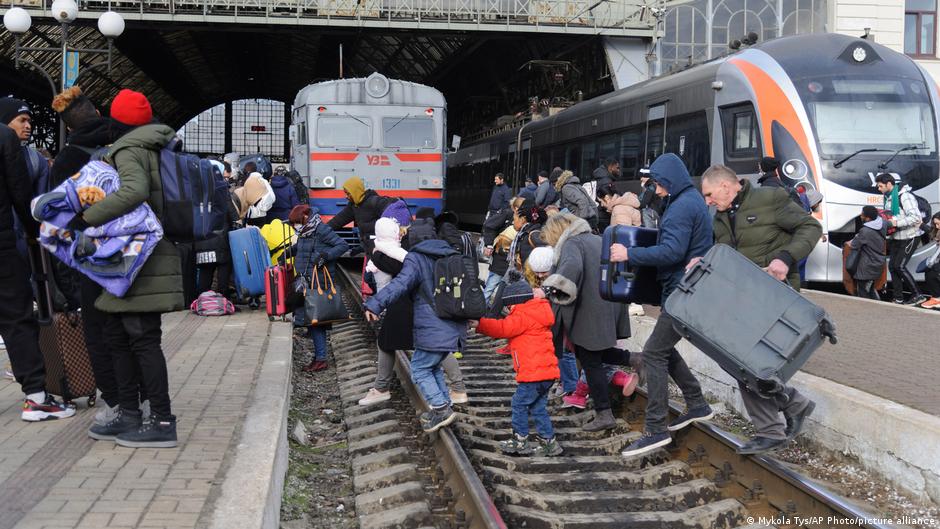
Over 8.4 million Ukrainians live abroad amid ongoing conflict, affecting demographic trends and investor confidence in Ukraine’s capital markets.

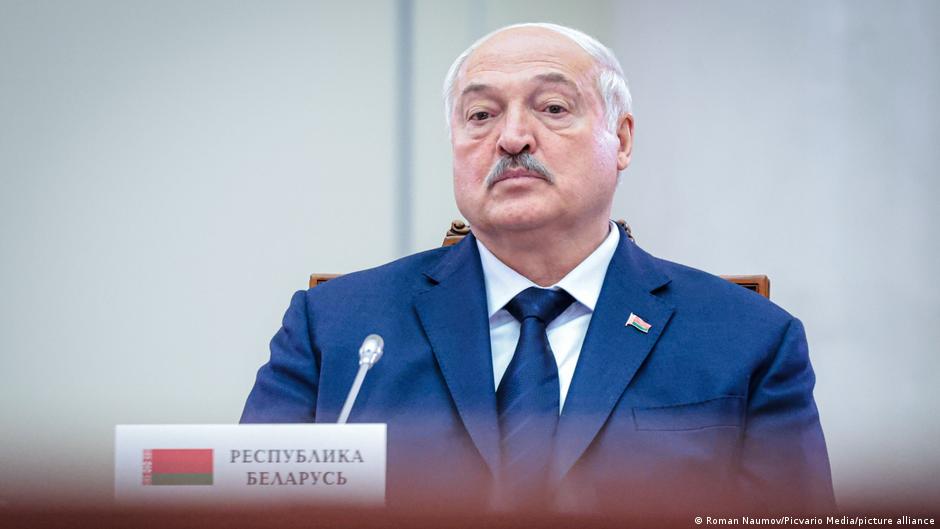
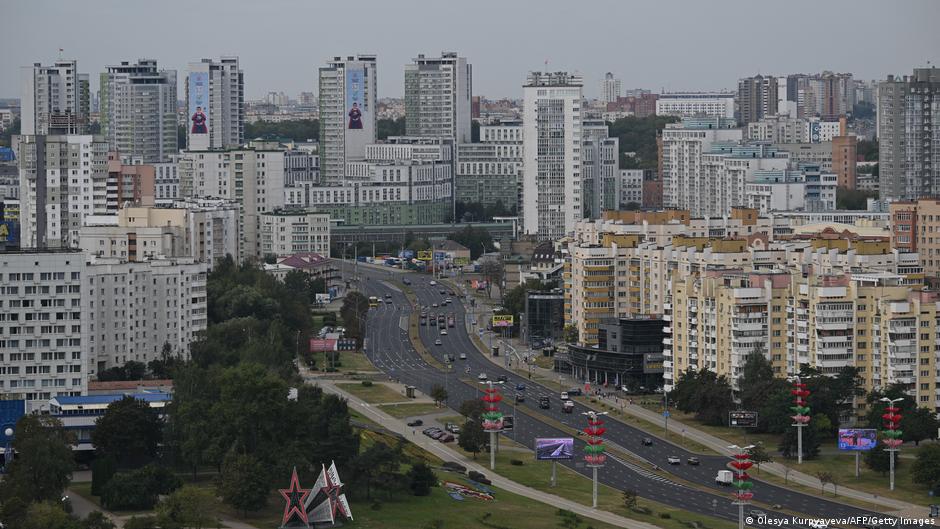
Belarus orders underperforming farm workers to military service, enforcing labor discipline amid harvest, with potential implications for investors and capital markets.

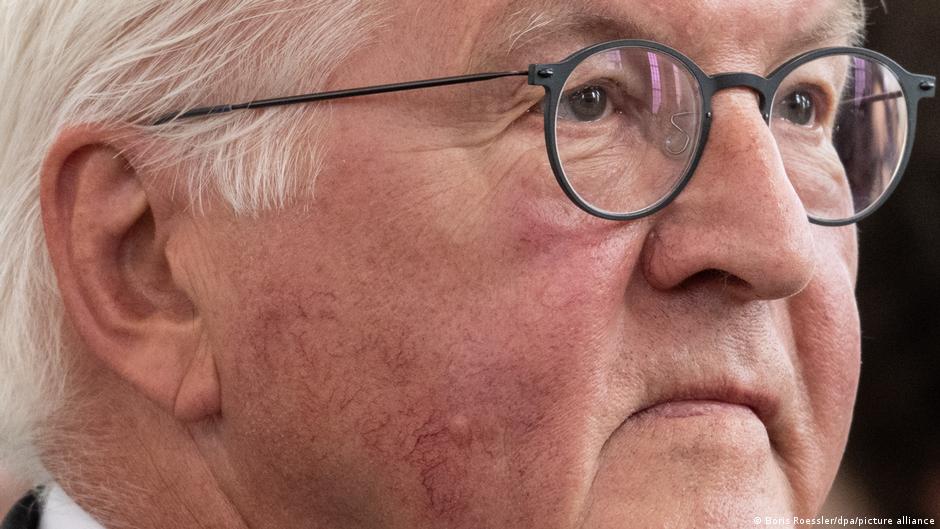
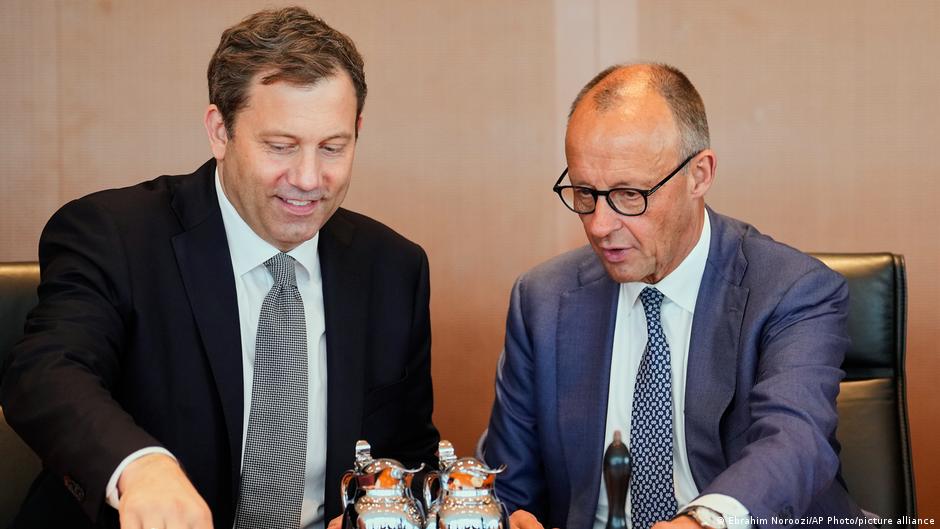
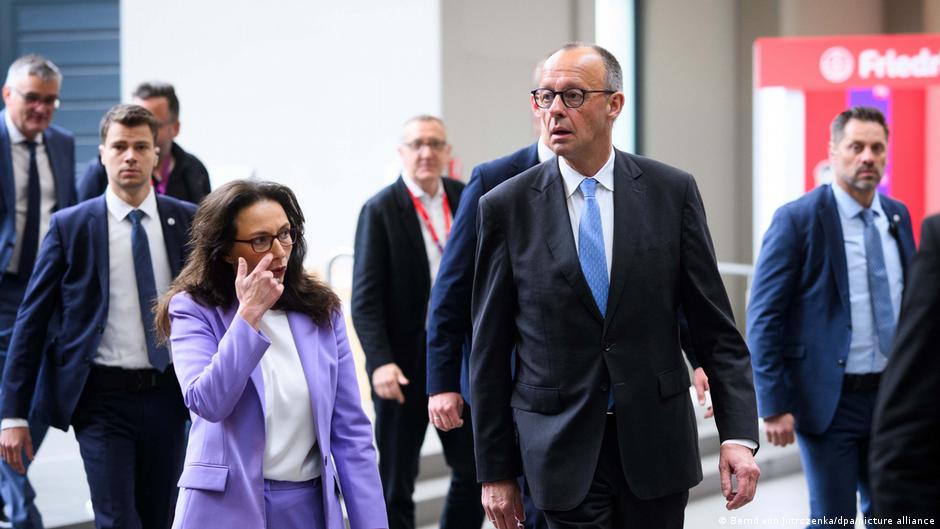
German President Steinmeier calls for Europe to uphold international order amid geopolitical tensions and highlights domestic reforms critical for economic growth and market confidence.

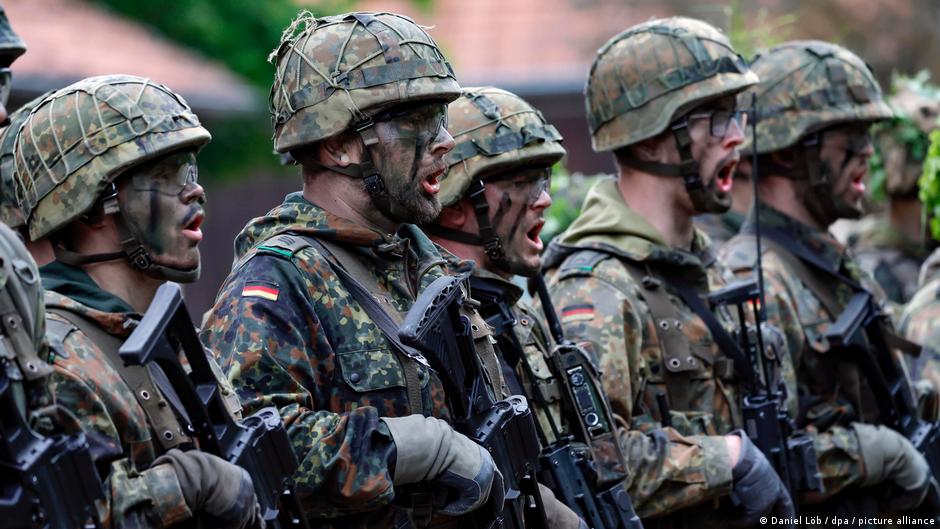
Germany’s 25.5% surge in defense spending to €124.7 billion in 2026 signals increased bond issuance and market shifts, impacting investors across NATO’s capital markets landscape.

Germany’s 2027 budget plans increased defense spending and borrowing, raising concerns over fiscal sustainability and potential impacts on capital markets and investors.

A new German study finds 40% of workers doubt they can work until retirement age due to high job strain, raising concerns over labor market risks for investors.

Belarus urges citizens to avoid travel to Russia amid drone attacks, increasing geopolitical risks that may impact equities and bonds in the region.

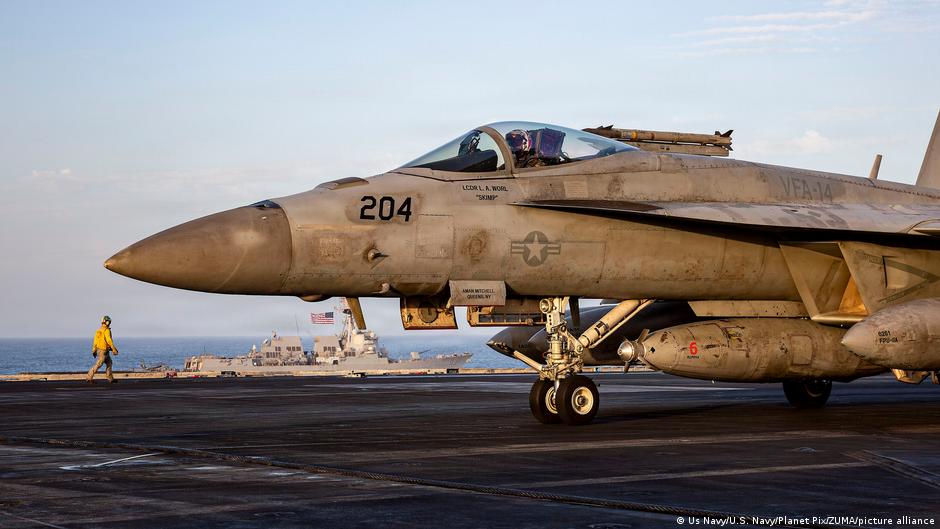
US military strikes on Iranian sites after drone attacks on oil tankers near Strait of Hormuz raise geopolitical risks, impacting energy markets and investor sentiment.

Germany faces a sharper labor shortage of 4.3 million by 2036 due to retiring baby boomers and declining immigration, affecting workforce-dependent sectors and investor strategies.

Russian drone strikes on Ukrainian cities Zaporizhzhia and Konotop cause civilian casualties and infrastructure damage, raising concerns among investors over regional market stability.

Rosneft advisor predicts Russia may face decades-long conflict, urging economic restructuring that could impact equities and bonds amid heightened security risks.

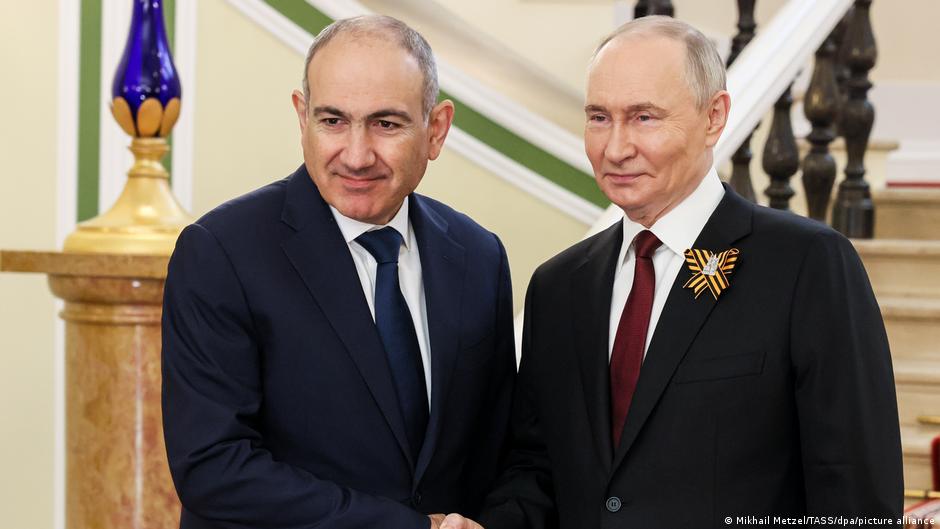
Russia warns Armenia it may halt duty-free gas and oil supplies amid Armenia’s EU rapprochement, raising risks for Armenian market stability and investor confidence.

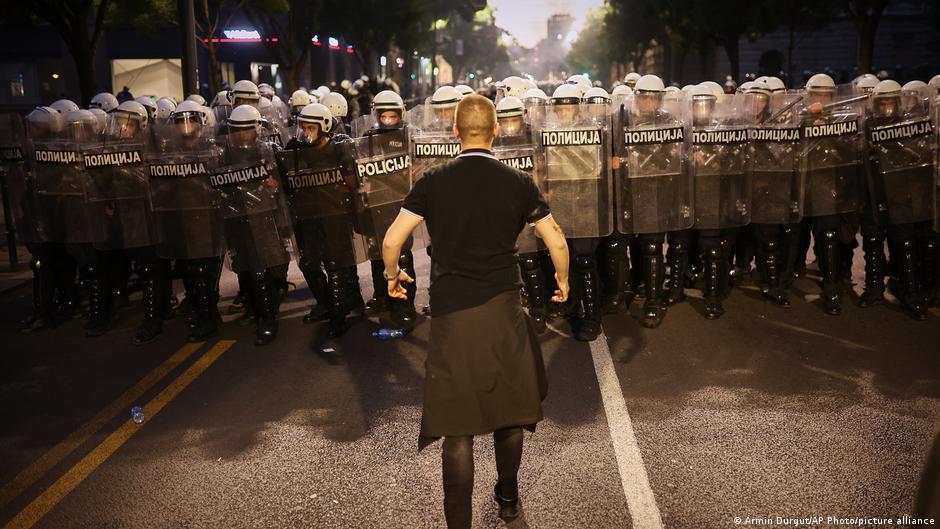
Violent protests in Serbia have raised political risks, causing volatility in equities and bonds as investors assess the impact on capital markets.

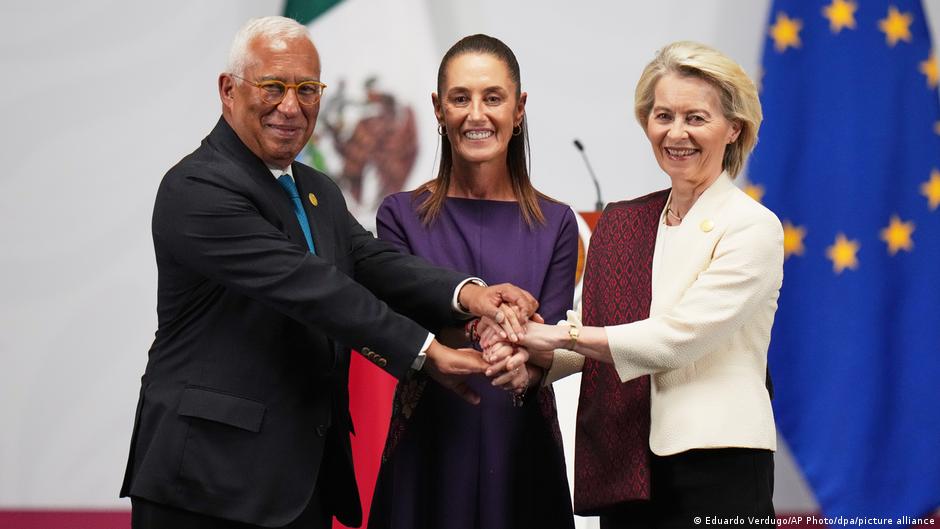
The EU-Mexico trade agreement removes tariffs and trade barriers, potentially boosting exports and investment flows, impacting equities and bonds in both regions.

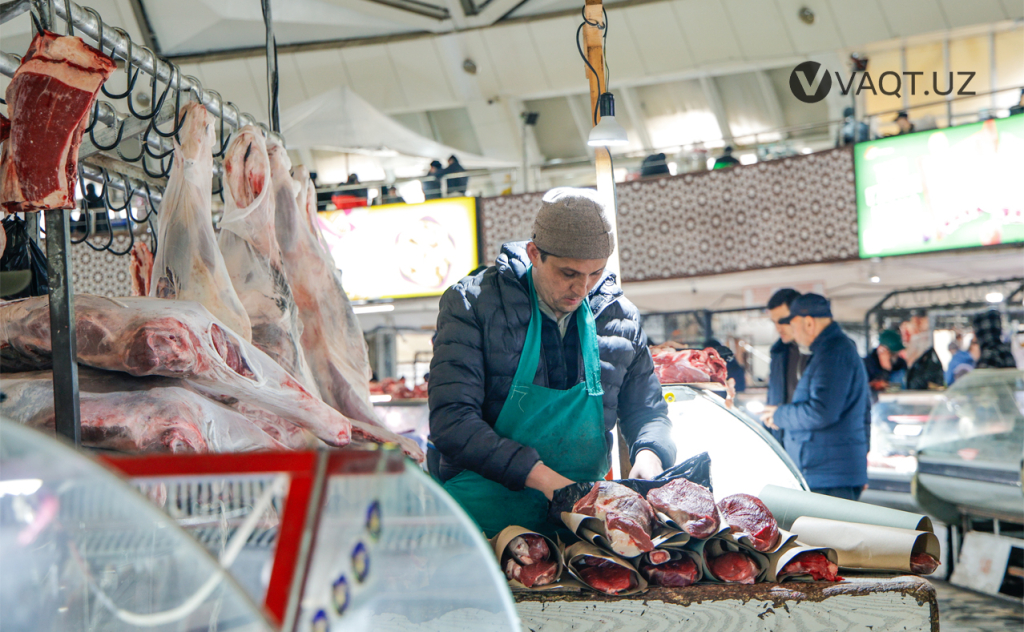
Uzbekistan's meat imports surged 62.8% in early 2026 amid slowing domestic production, driving price inflation that impacts capital markets and investor outlooks.

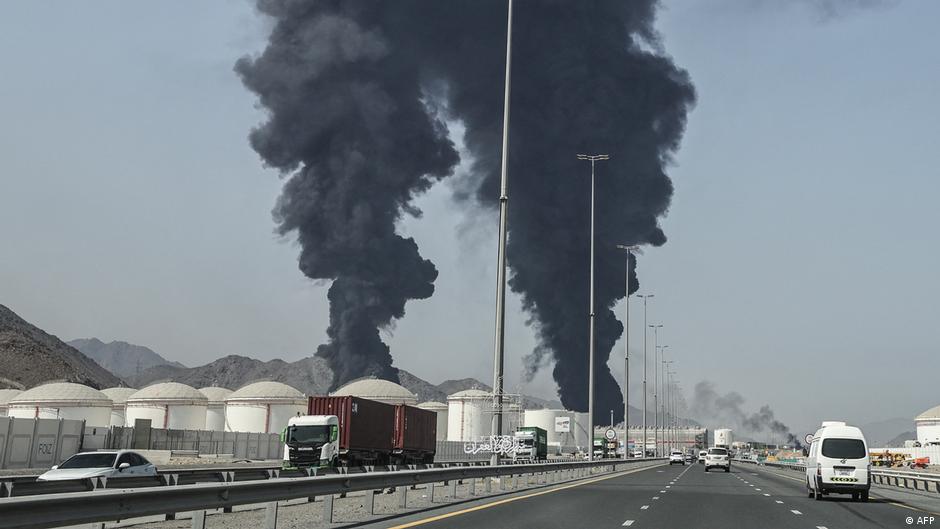
UAE’s undisclosed strikes on Iran raise regional tensions, impacting Gulf equities, bonds, and investor confidence amid ongoing conflict.

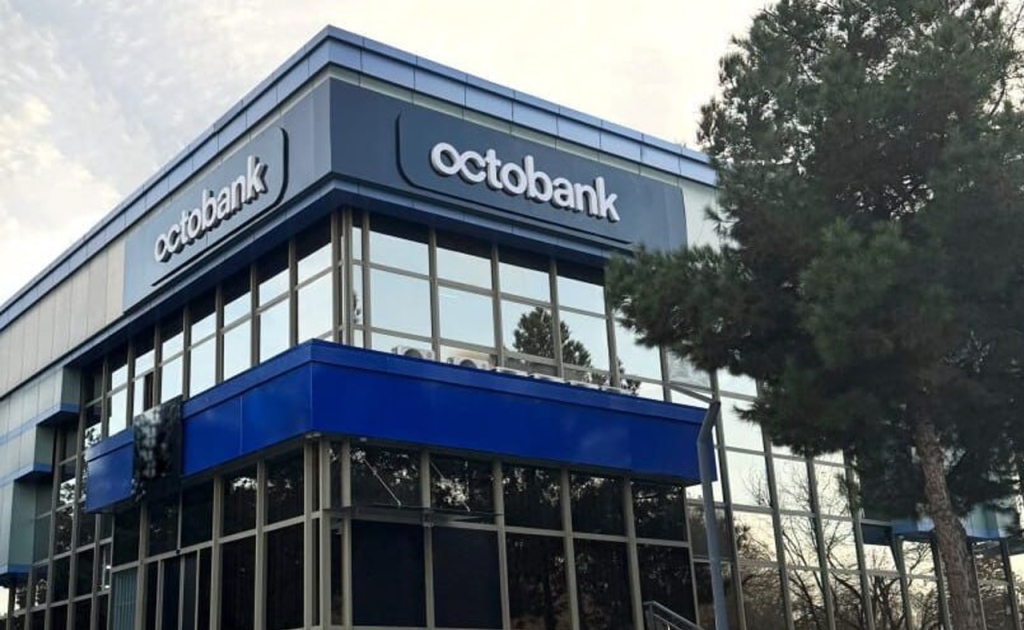
Uzbek banks reported a 30.88% rise in deposits in Q1 2026, led by Octobank's 416% surge, indicating growing market confidence and liquidity for investors.

US tariff hikes on EU autos raise fears of a German recession in 2026, unsettling capital markets and prompting investor caution amid escalating trade tensions.

German DAX 40 CEO salaries rose 56% since 2019 while average workers’ wages stagnate, raising concerns over income inequality and its impact on markets and investors.

Uzbekistan faces rising urban divorce rates and declining marriages, creating demographic challenges that may affect capital markets and investor confidence.

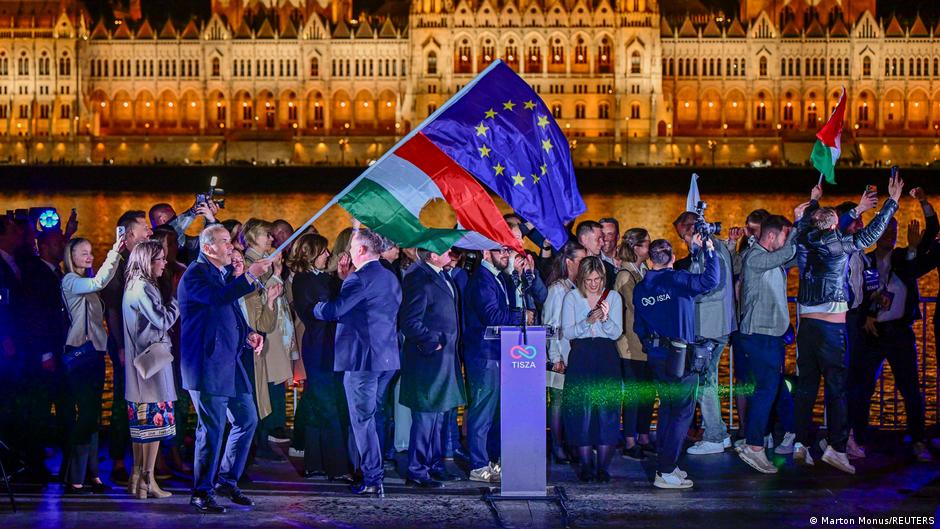
Hungary’s new government enters talks with the European Commission to unblock €35 billion in frozen EU funds, prompting potential positive shifts in equities and bond markets.