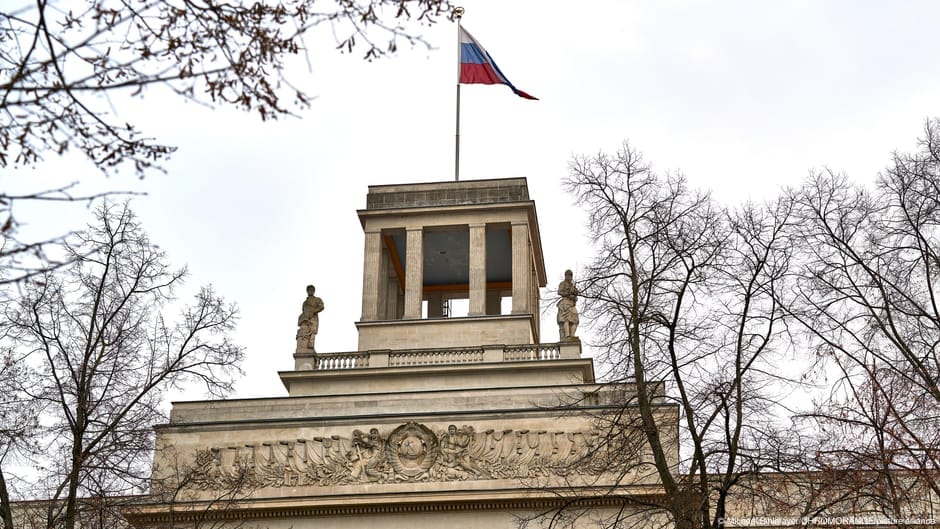
German Russia Threat Poll Sharpens Energy and Defense Risk for Investors
A German poll shows broad concern about Russia but a near-even split on restoring Russian energy imports, underscoring risks for defense, industrial and bond investors.

A German poll shows broad concern about Russia but a near-even split on restoring Russian energy imports, underscoring risks for defense, industrial and bond investors.

A deadly fire at Canada's Base Wainwright raises investor questions about defense oversight, possible federal liabilities and future safety spending.

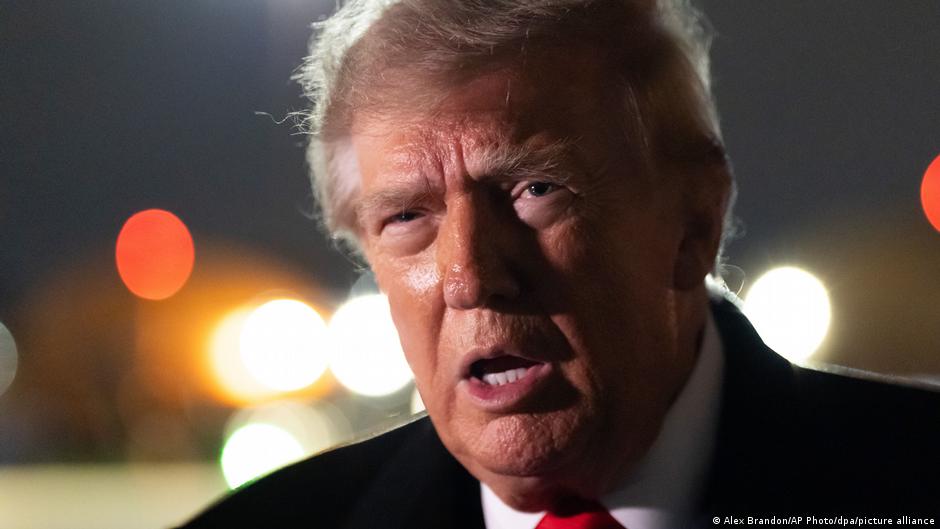
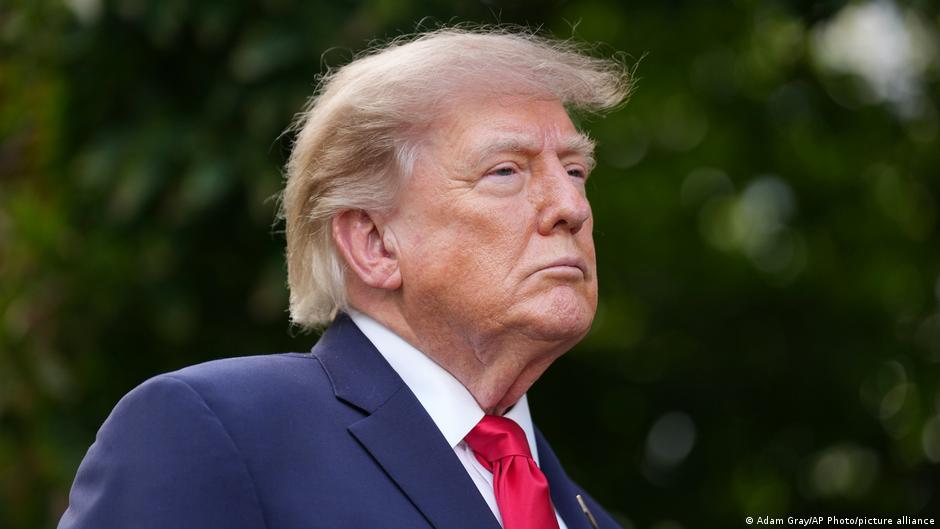
Trump postponed sweeping Russia tariffs, citing Ukraine negotiations, Iran and diesel supplies, while retaining the option to impose them later.

Trump expects new Iran talks, but disputes over Hormuz, sanctions and the nuclear program keep oil, equities and bonds exposed to headline risk.

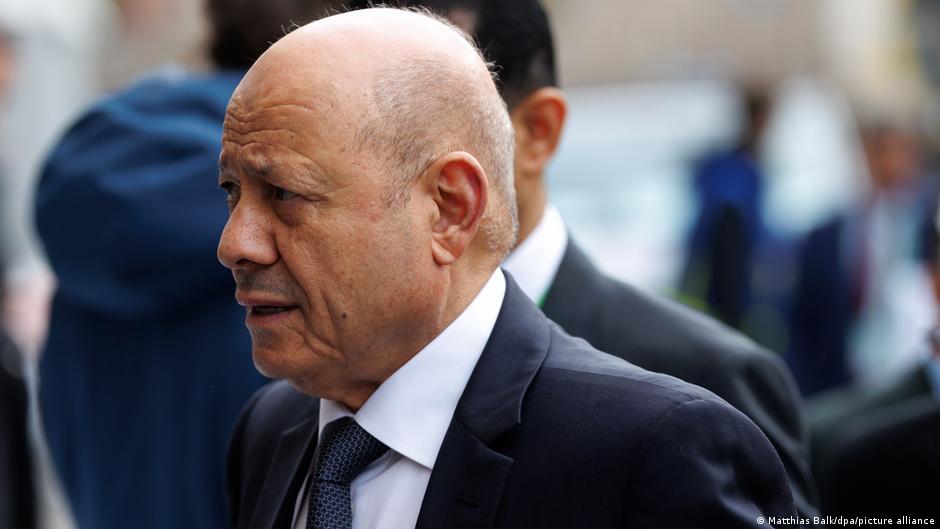
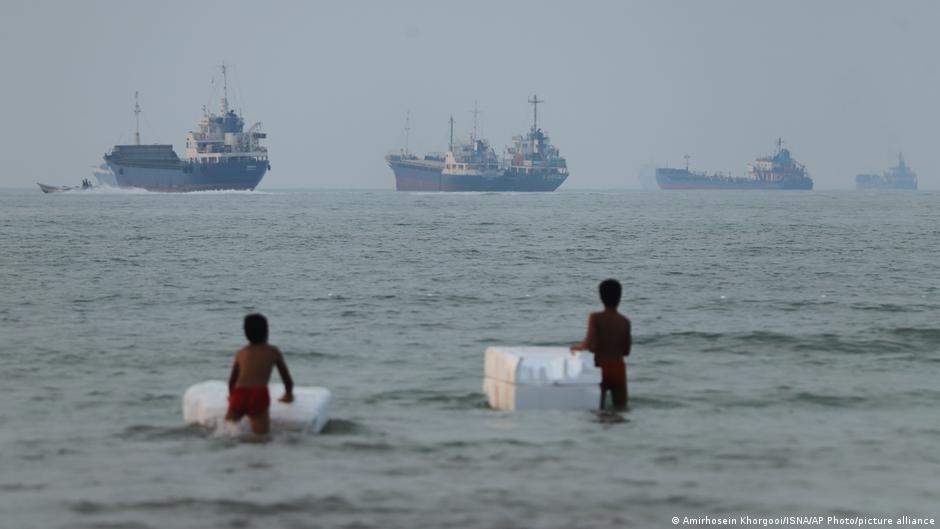
Yemen’s mobilization call adds to investor concerns over Red Sea shipping, Gulf oil exports, energy prices and regional market risk.

CREA says Russia’s ship registry grew 36% as sanctions pressure pushed shadow fleet vessels toward Russian registration.

Trump signed the Graham sanctions law, giving the White House new tariff powers over Russian energy buyers and raising market uncertainty.

The House advanced a sanctions bill that could allow 100% tariffs on major buyers of Russian energy, adding tariff and inflation risk for investors.

AfD’s decisive Saxony-Anhalt win leaves no clear governing majority, adding political risk for investors watching Germany’s markets.

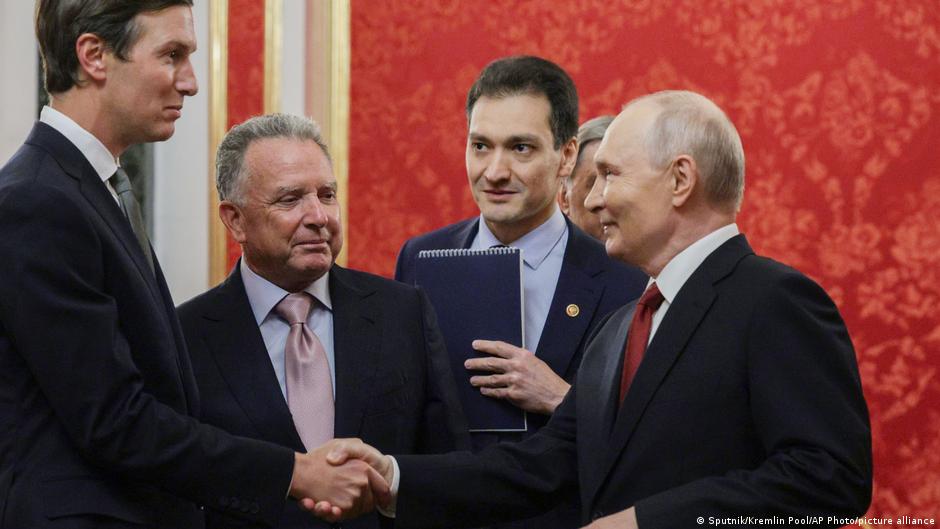
US envoys discussed concrete Ukraine peace plans with Putin and are heading to Kyiv, creating a new geopolitical risk event for markets.

The US Senate's new sanctions against Russia targeting energy and finance sectors are welcomed by European and Ukrainian leaders, influencing markets and investor strategies.

Russia’s July oil and gas revenues may rise 60% year-on-year due to higher global prices, partially offsetting earlier declines and influencing market sentiment amid sanctions.

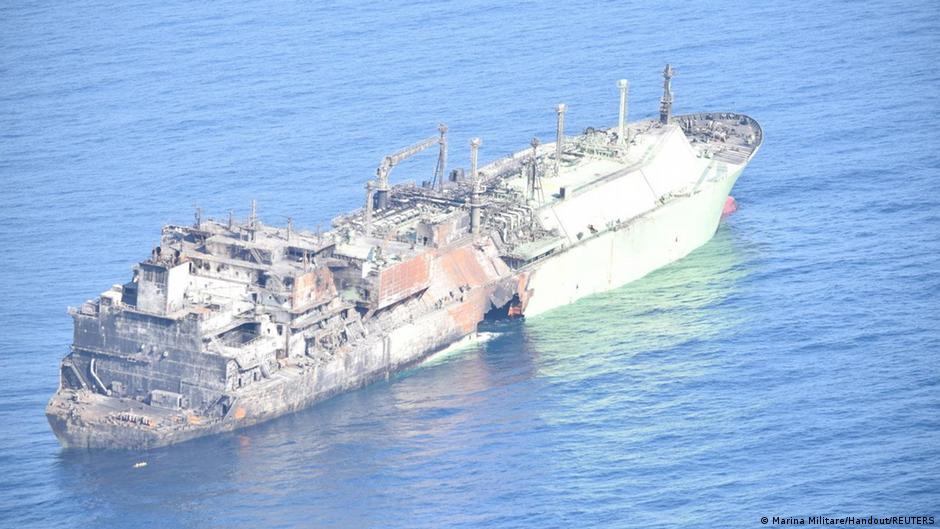
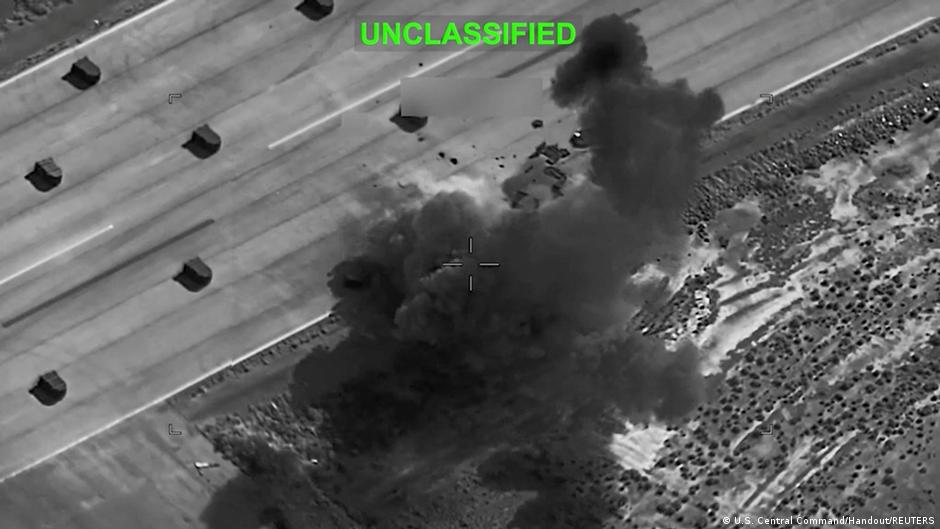
US military strikes against Iran following attacks on commercial vessels have led to the closure of the Strait of Hormuz, impacting global oil supply and increasing market volatility.

US military strikes on Iran escalate tensions, impacting oil supply routes and causing volatility in energy markets and investor sentiment.

US military strikes on Iran after attacks on tankers escalate Middle East tensions, triggering volatility in energy markets and impacting investor risk sentiment globally.

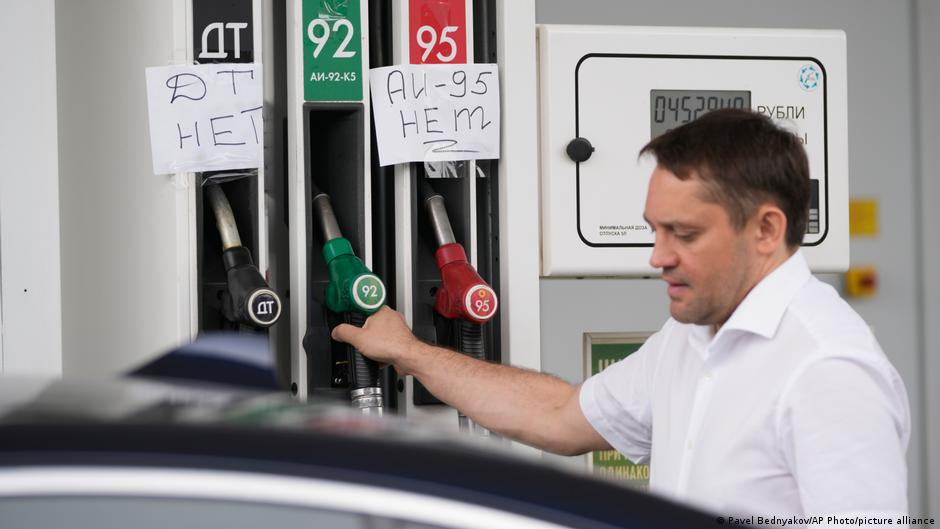
Russia permits Euro-3 fuel circulation until 2026 to mitigate refinery disruptions, impacting energy markets with lower fuel quality and constrained supply.

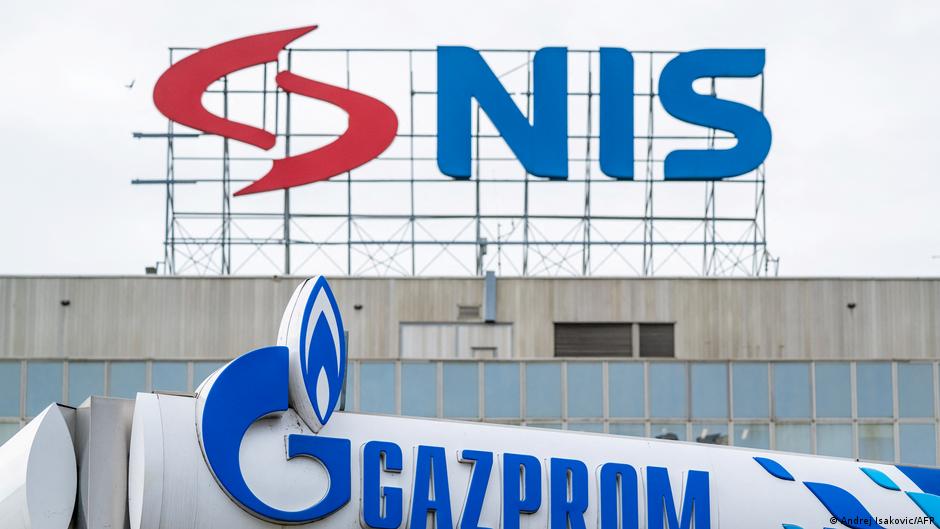
The US has again extended a temporary license allowing Serbian oil company NIS, partly owned by Gazprom, to operate under sanctions, prolonging uncertainty for investors.

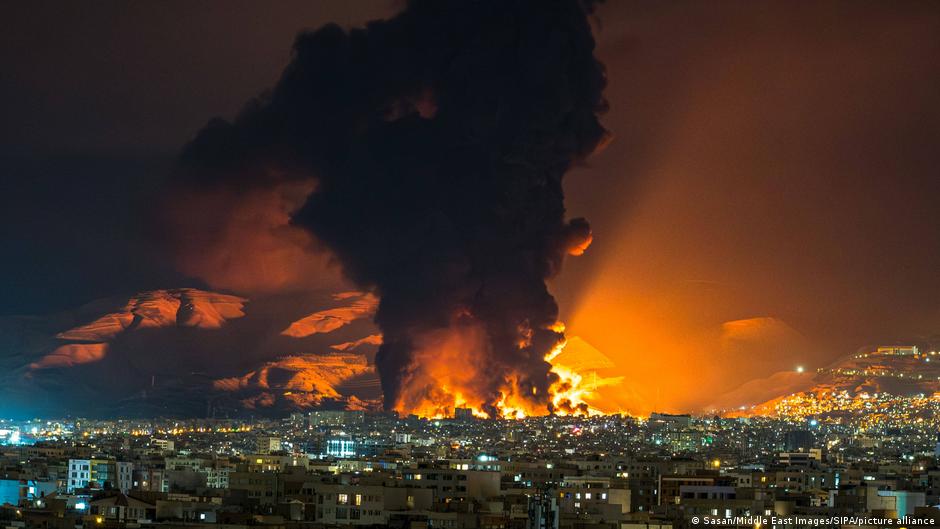
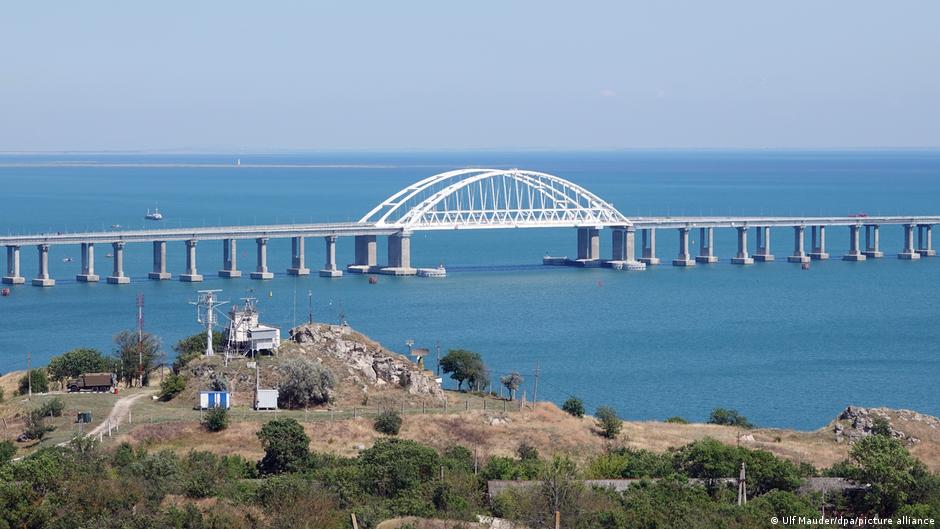
Drone attacks on Crimean ports and infrastructure triggered fires and disrupted transportation, raising concerns for investors in regional energy and transport assets.

G7 leaders commit to new sanctions on Russian oil and gas sectors and increase military aid to Ukraine, impacting energy and defense markets worldwide.

The US sanctions on Cuba’s state oil company CUPET increase risks for energy sector investors amid rising geopolitical tensions and supply challenges.

US Treasury extends deadline to June 16 for MOL's negotiations to acquire Gazprom's stake in Serbian oil firm NIS amid sanctions and pipeline disruptions.