Business
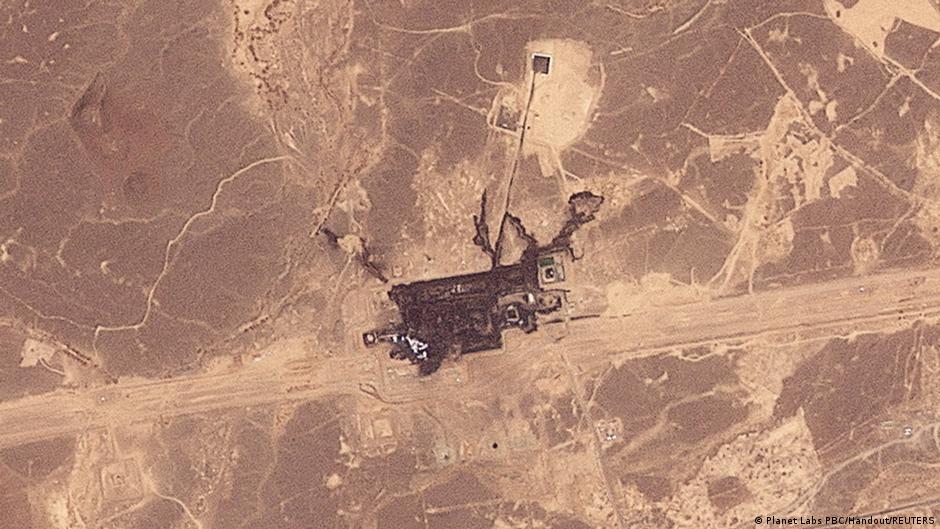
Saudi Pipeline Outage Puts Up to 4% of Global Oil Supply at Risk
A Saudi pipeline shutdown could threaten 4% of global oil supply, raising risks for crude prices, energy stocks and bond markets.
Editorial Team·
·3 min
A Saudi pipeline shutdown could threaten 4% of global oil supply, raising risks for crude prices, energy stocks and bond markets.

Mass anti-extremism protests in Germany highlight political uncertainty as investors assess AfD momentum, legal risks and market confidence.
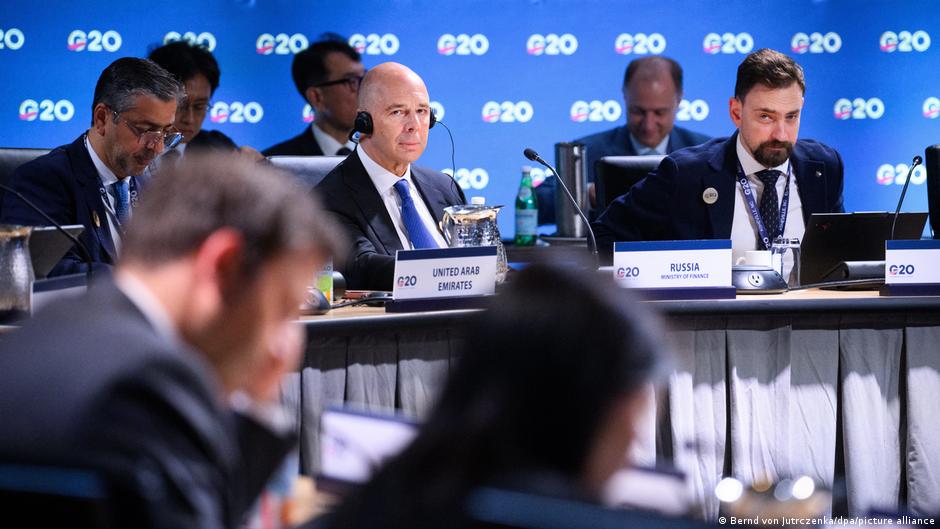
Russia is expected at next week’s G20 energy talks in Houston, putting energy security and sanctions risk back in focus for investors.
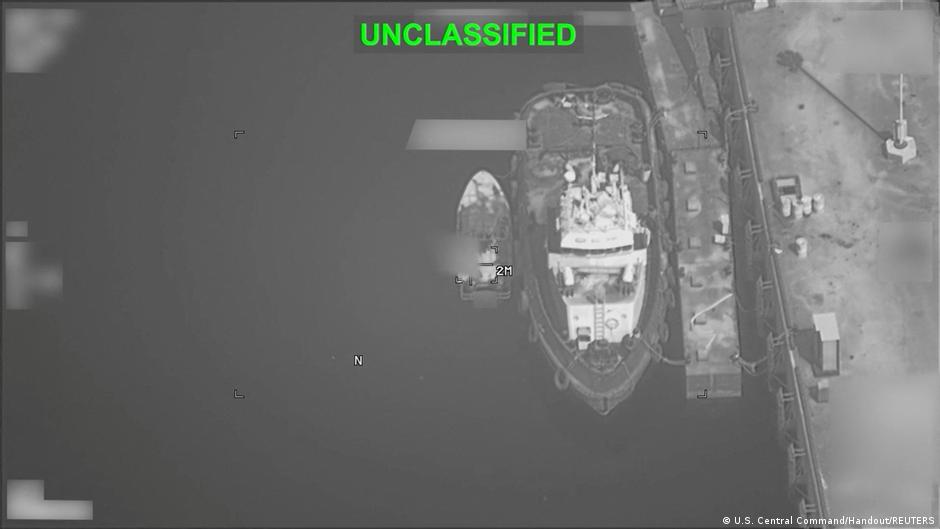
CENTCOM said it destroyed five Iranian oil tankers after missile attacks on a U.S. Navy ship, sharpening market focus on Hormuz risk.
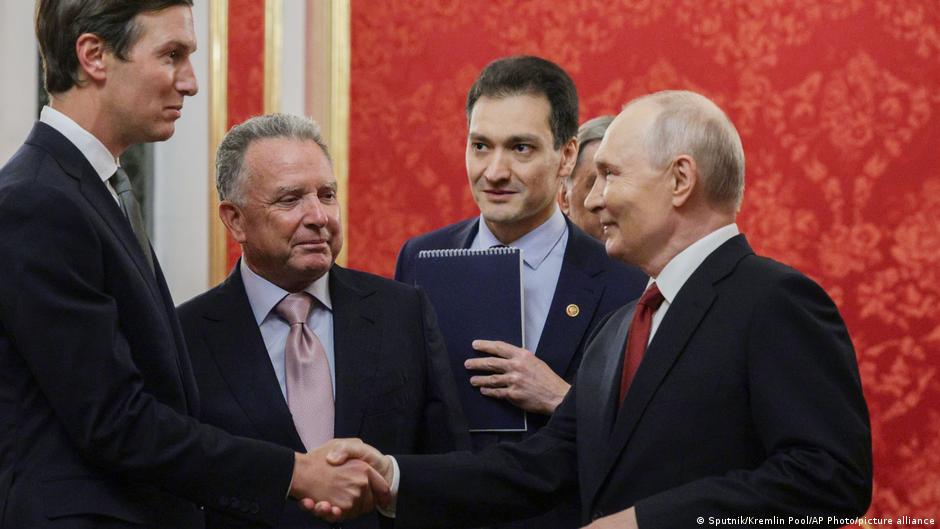
US envoys discussed concrete Ukraine peace plans with Putin and are heading to Kyiv, creating a new geopolitical risk event for markets.
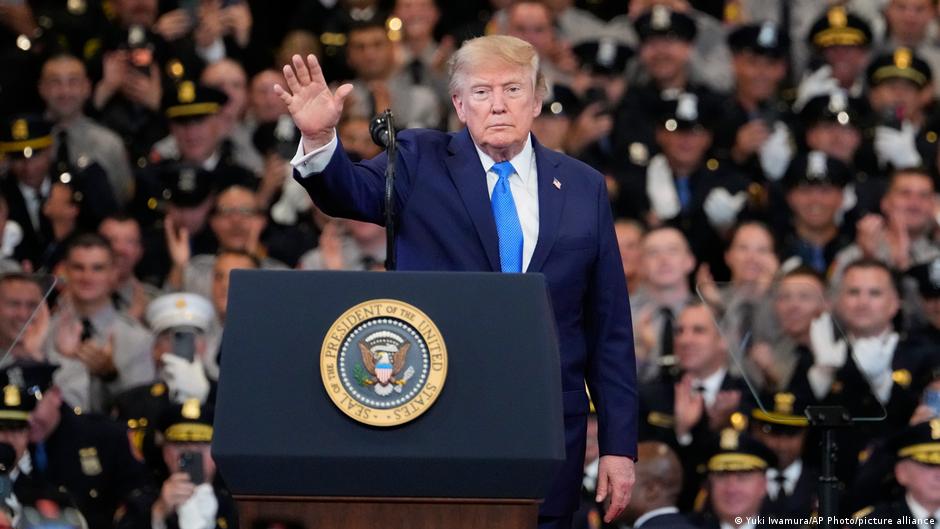
Trump threatens Oman with bombing over obstructing US-Iran talks on Strait of Hormuz, escalating geopolitical risks that impact oil markets and investor sentiment.
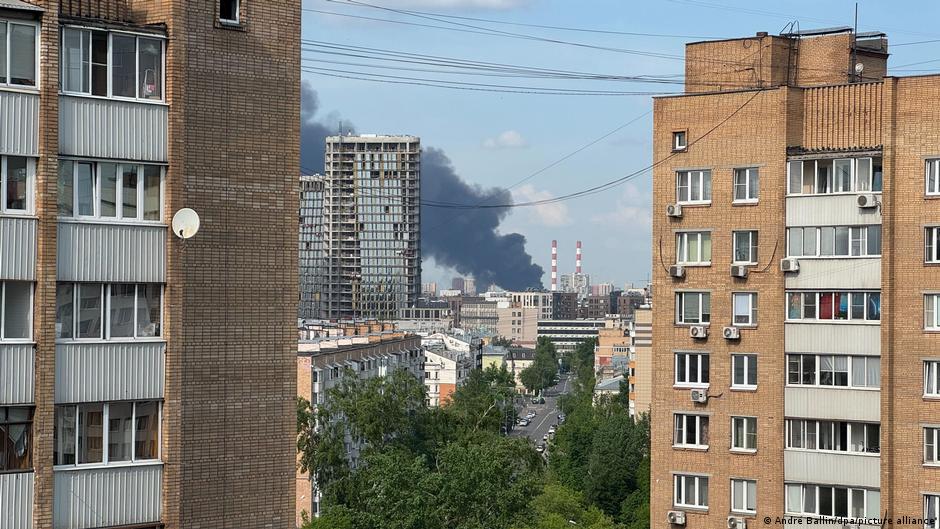
Over 180 drones were shot down near Moscow during a major nighttime attack, impacting infrastructure and prompting airspace and operational disruptions with market implications.

Qatar denies holding Iranian pilots amid Middle East conflict, a claim adding to regional tensions that continue to influence capital markets and investor confidence.
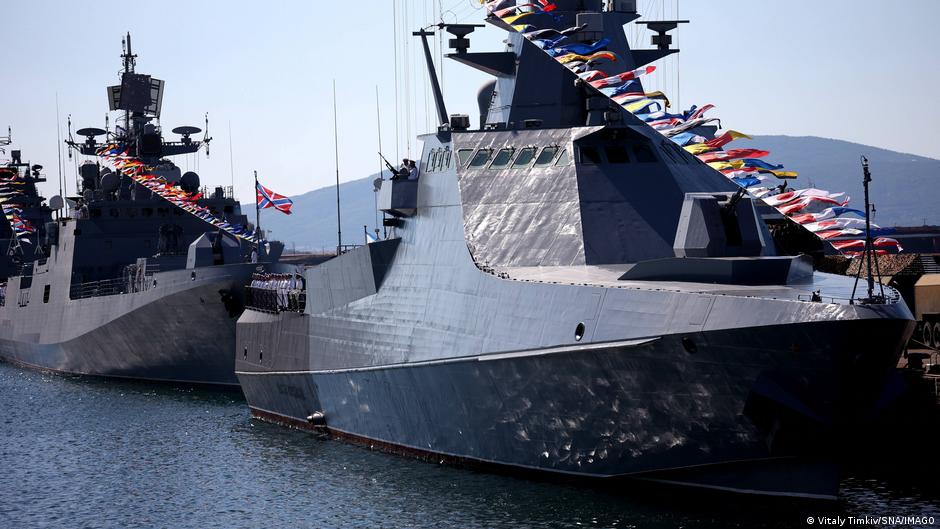
Ukraine's strike on Russian naval ships and infrastructure in Novorossiysk disrupts key grain exports and energy terminals, triggering volatility in Russian equities and bond markets.
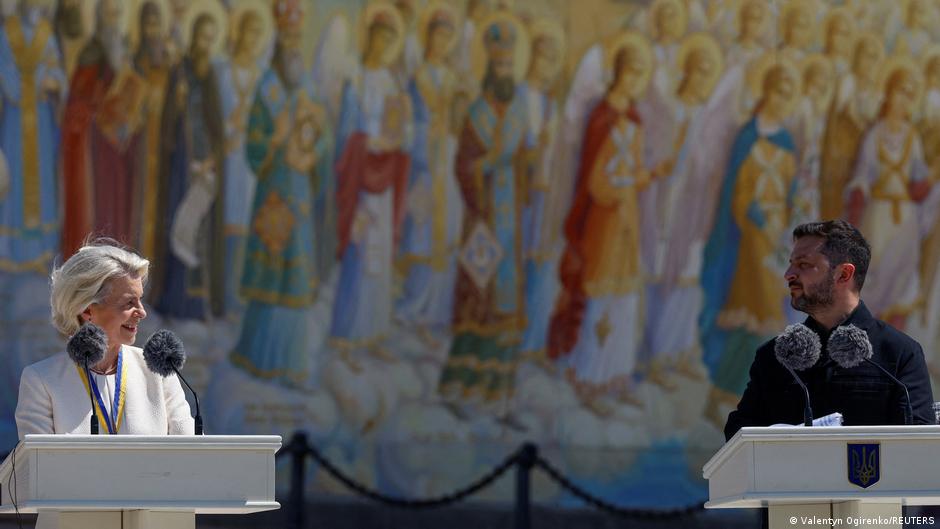
The US Senate's new sanctions against Russia targeting energy and finance sectors are welcomed by European and Ukrainian leaders, influencing markets and investor strategies.

Zelensky’s first visit to Serbia since the war’s start prompts investor focus on Serbia’s Russian ties and potential shifts in economic and security alliances.
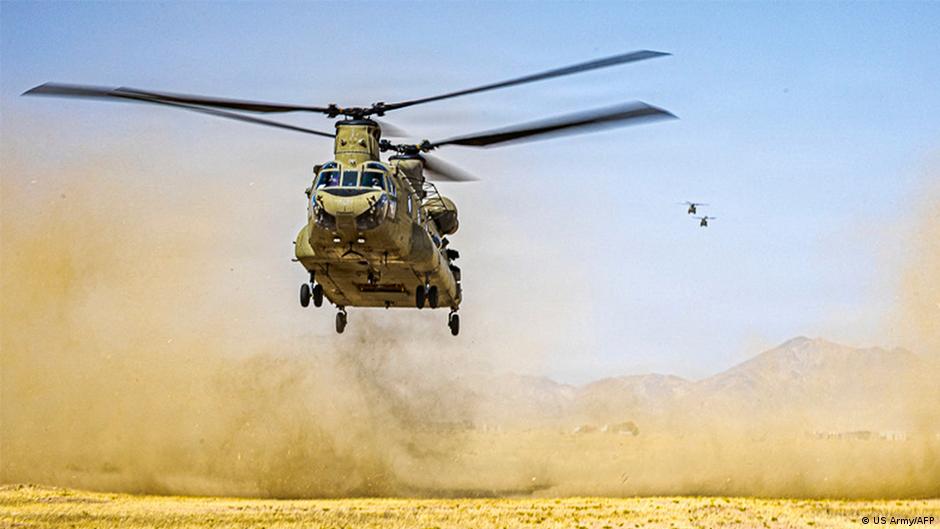
US military deaths in the Iran conflict have increased to 17, prompting heightened market volatility and impacting energy, defense equities, and bond markets amid rising geopolitical risks.
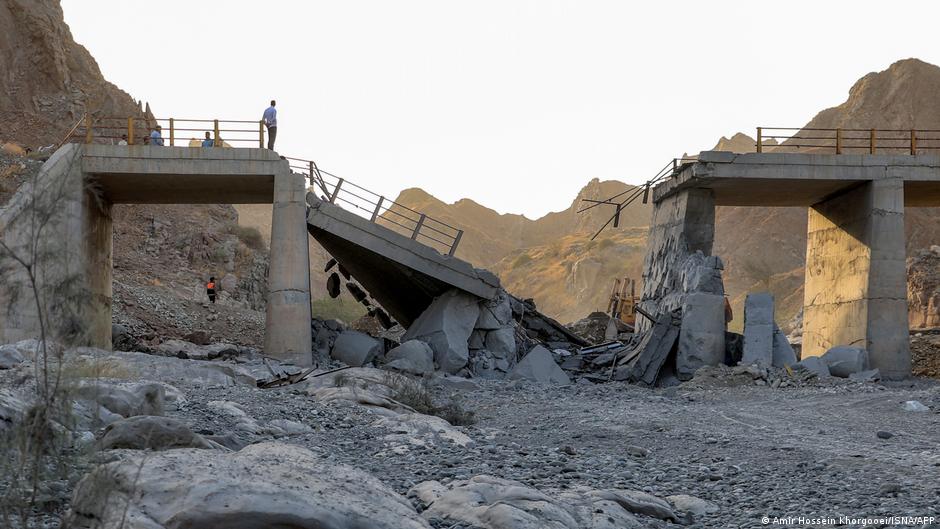
US and Iran military clashes near the Strait of Hormuz are disrupting oil shipping and increasing market uncertainty, affecting energy prices and investor risk sentiment worldwide.
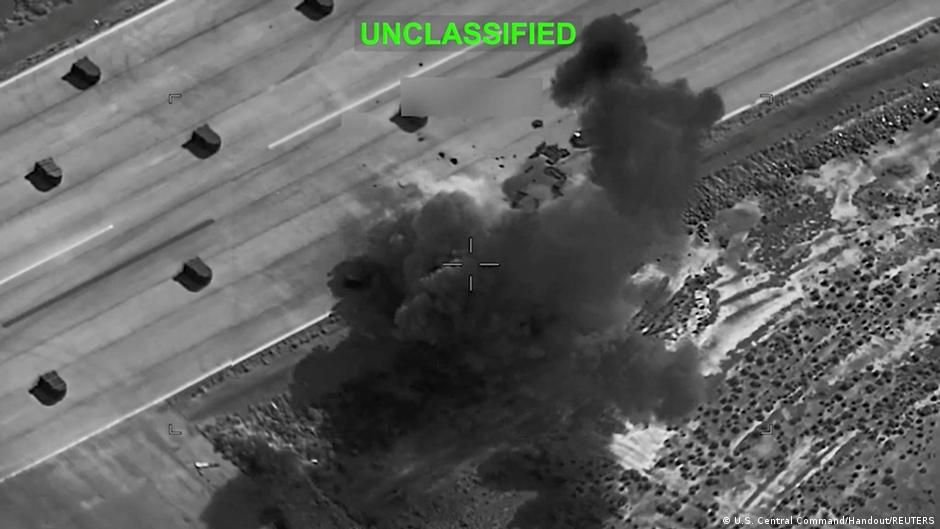
US military strikes against Iran following attacks on commercial vessels have led to the closure of the Strait of Hormuz, impacting global oil supply and increasing market volatility.

Iran’s mourning of Ayatollah Khamenei amid leadership uncertainty and renewed regional conflict raises geopolitical risks, impacting markets and investor confidence.
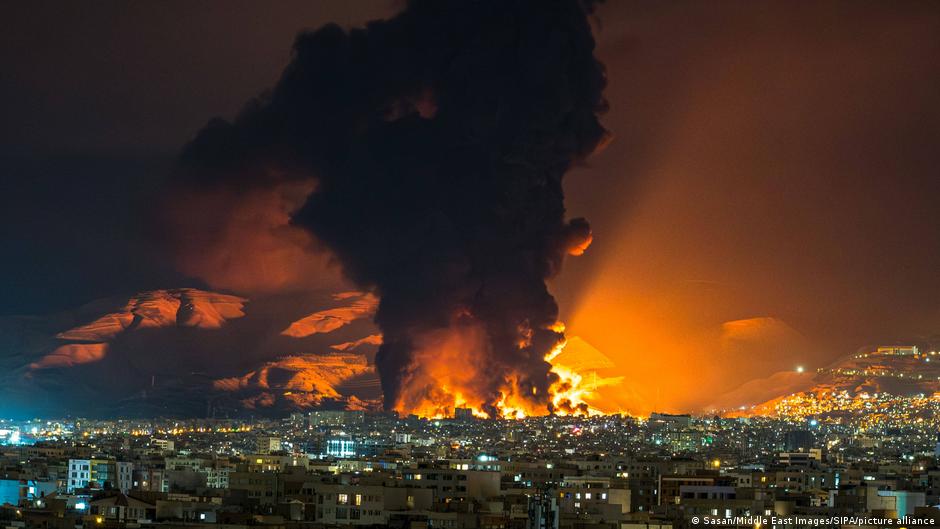
US military strikes on Iran escalate tensions, impacting oil supply routes and causing volatility in energy markets and investor sentiment.
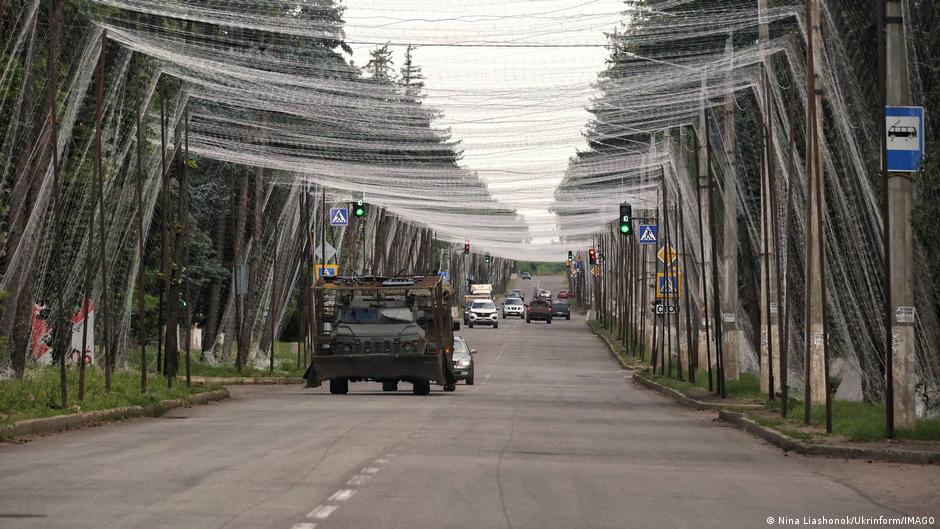
Russian drone and missile strikes on Ukraine fell significantly in June, raising cautious optimism but sustained uncertainty for investors amid ongoing conflict dynamics.

US and Iran agree on a communication channel for the Strait of Hormuz, easing geopolitical risks and potentially stabilizing energy markets and investor sentiment.
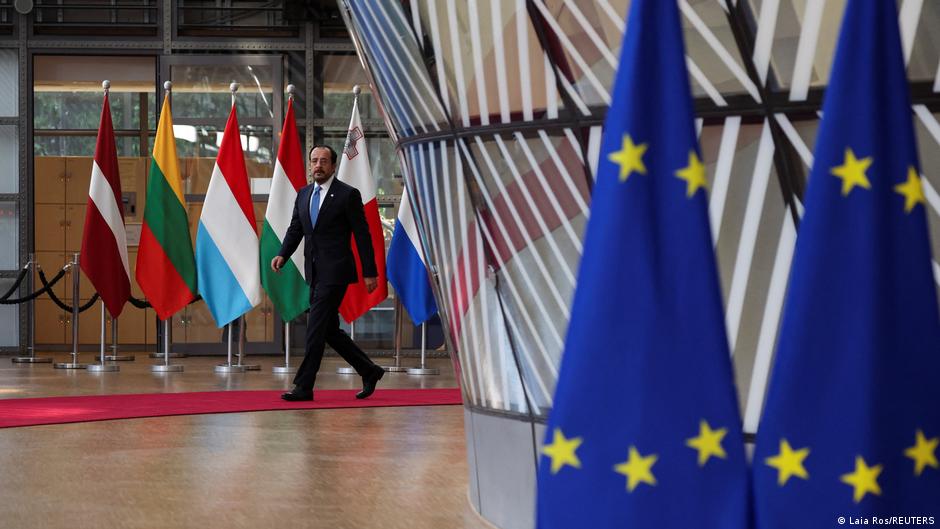
The EU has extended sanctions on Russia for one year, impacting equities, bonds, and energy markets as investors adjust to sustained geopolitical risks.

G7 leaders commit to new sanctions on Russian oil and gas sectors and increase military aid to Ukraine, impacting energy and defense markets worldwide.

Reports of the UAE unfreezing billions in Iranian assets to halt attacks have sparked market speculation, though official denials fuel investor uncertainty amid diplomatic talks.
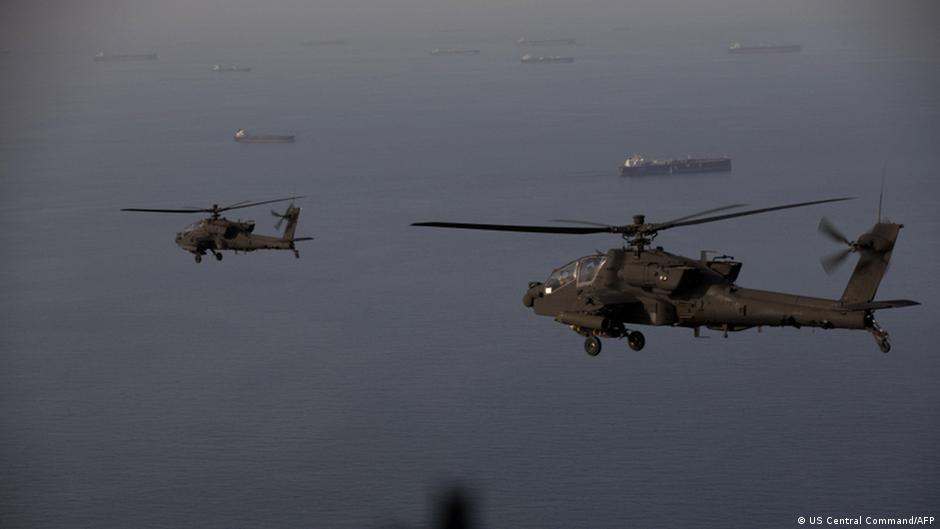
US military strikes on Iranian targets following the downing of an Apache helicopter have intensified regional tensions, impacting energy prices and investor sentiment.
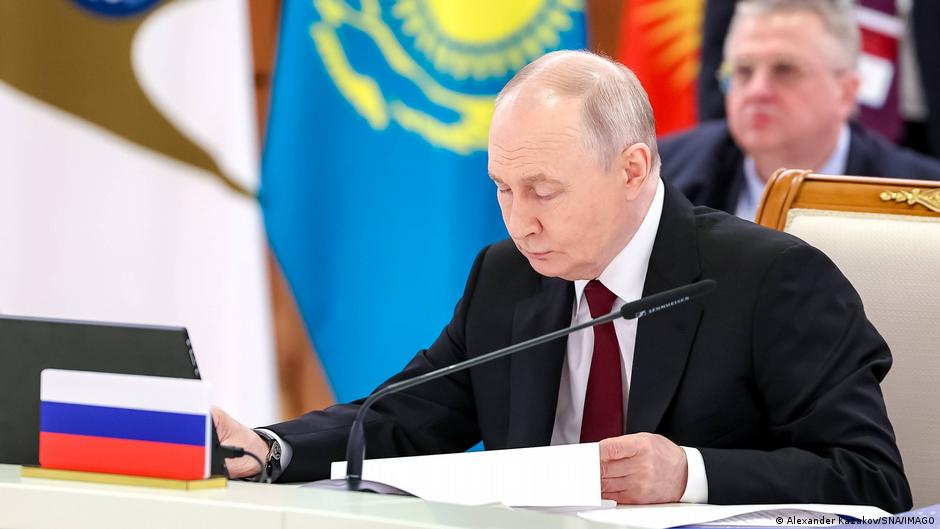
Putin threatens higher tariffs on Armenia amid its EU rapprochement, raising concerns about trade disruptions and market risks in Armenian equities and bonds.

The US has not renewed temporary sanctions relief on Russian oil shipments, potentially increasing market volatility and impacting energy equities and bonds.
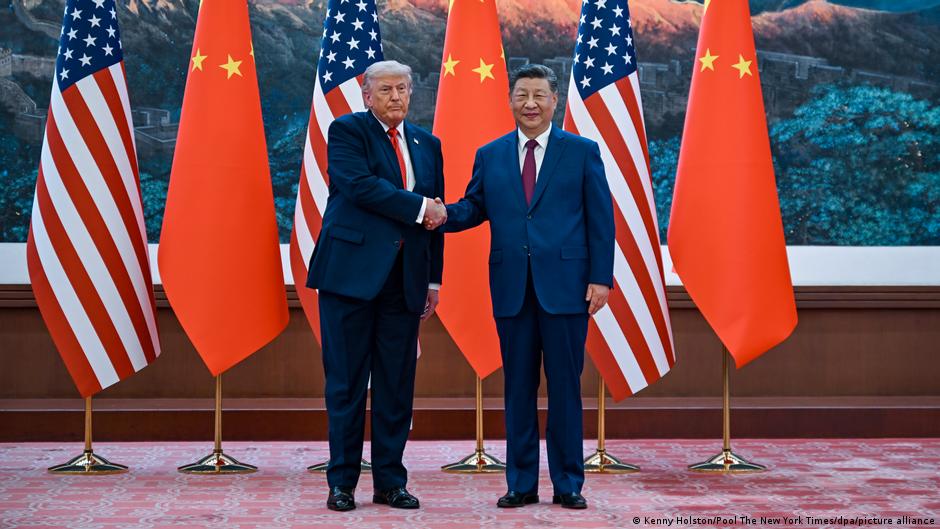
Trump and Xi Jinping meet in Beijing to discuss Iran, trade, and Taiwan, with investors closely watching for impacts on global markets and trade relations.
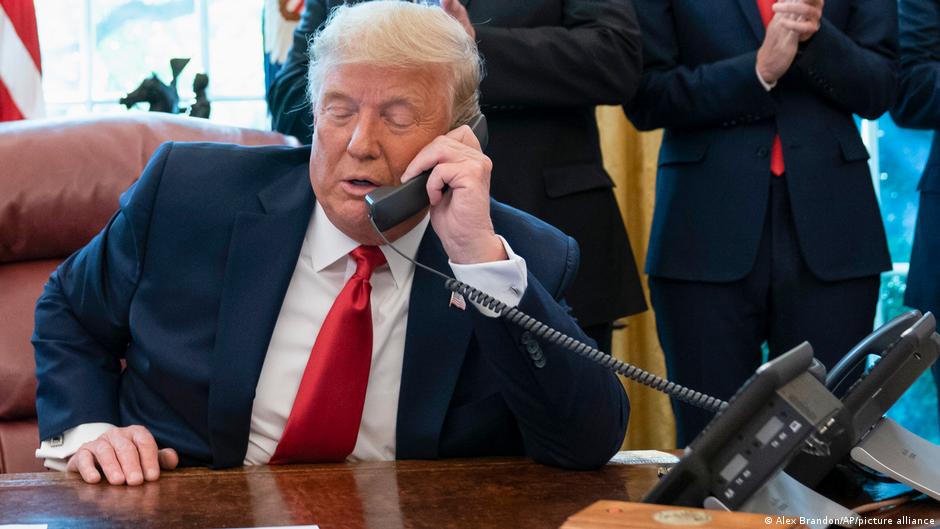
US President Trump halts US envoy travel to Pakistan for Iran talks, citing US strength and travel inefficiencies, impacting market stability and energy prices.

The US will not extend temporary sanctions exemptions for Russian and Iranian oil, signaling tighter restrictions that could impact energy markets and investor sentiment.
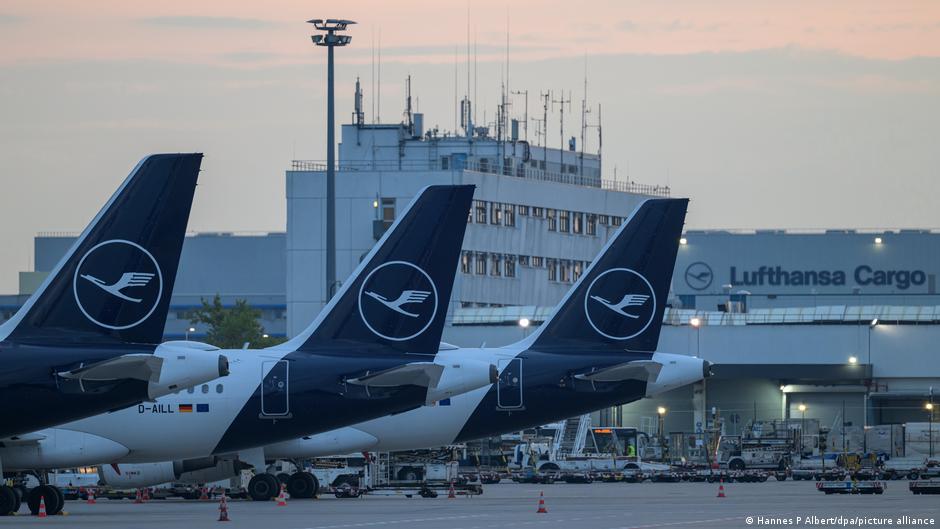
Lufthansa will cancel 20,000 flights by October 2026 to save fuel amid an energy crisis, impacting operational capacity and investor outlook in the aviation sector.
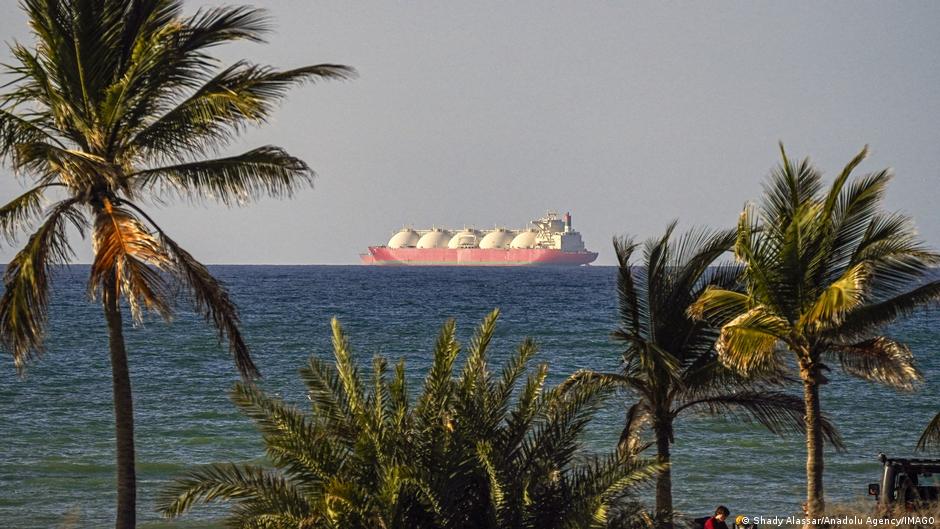
US forces seized an Iranian cargo ship in the Gulf of Oman, prompting Tehran to accuse Washington of ceasefire violations, heightening geopolitical risks impacting energy markets and investor sentiment.
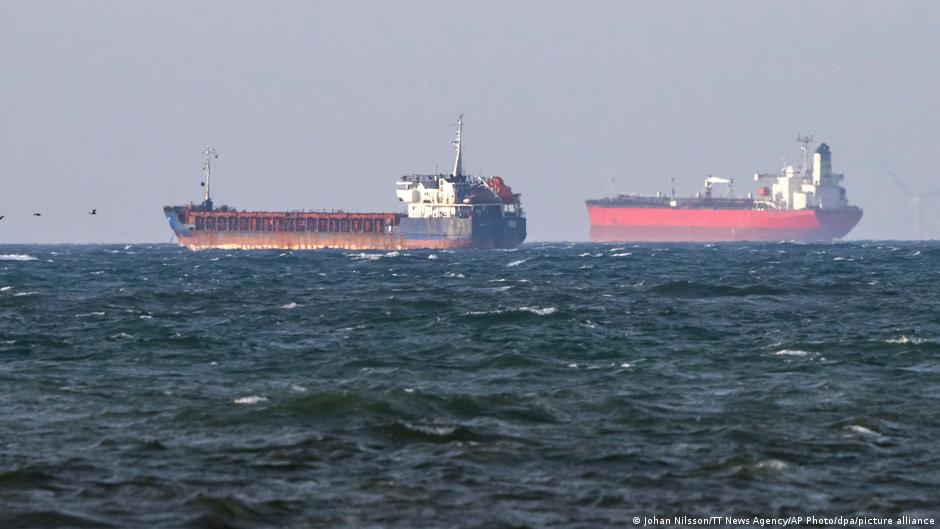
The US extends sanctions relief on Russian oil exports until May 16, influencing energy revenues and market stability amid ongoing geopolitical tensions.
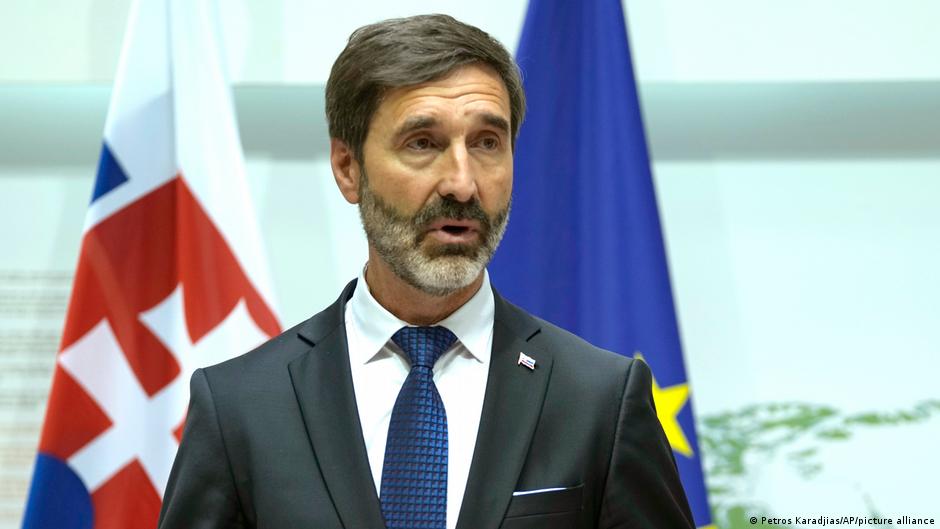
Slovakia will continue blocking the EU's 20th sanctions package against Russia until Russian oil supply through the Druzhba pipeline via Ukraine is restored, impacting regional markets.
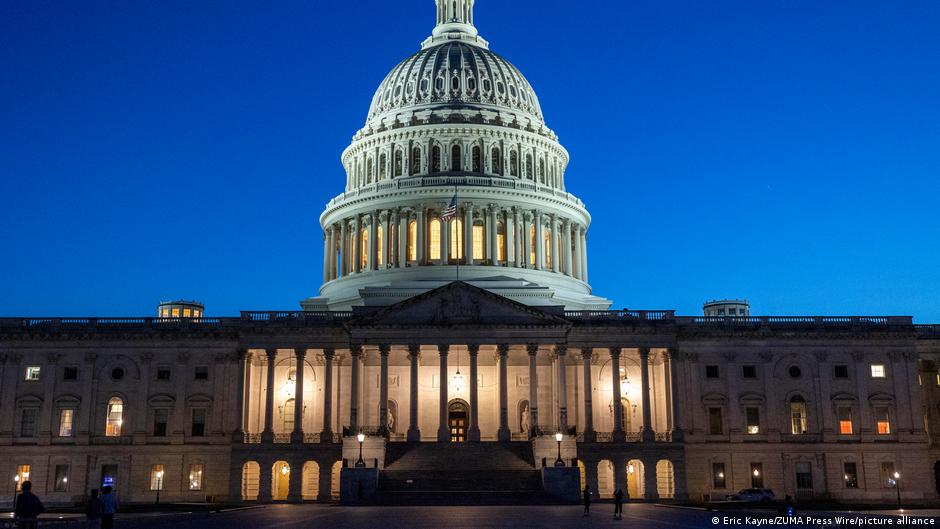
The U.S. Senate rejected a resolution to limit presidential war powers on Iran, intensifying geopolitical risks and market uncertainty for investors.