Kyiv Missile Strikes Put Ukraine Infrastructure Risk Back in Focus
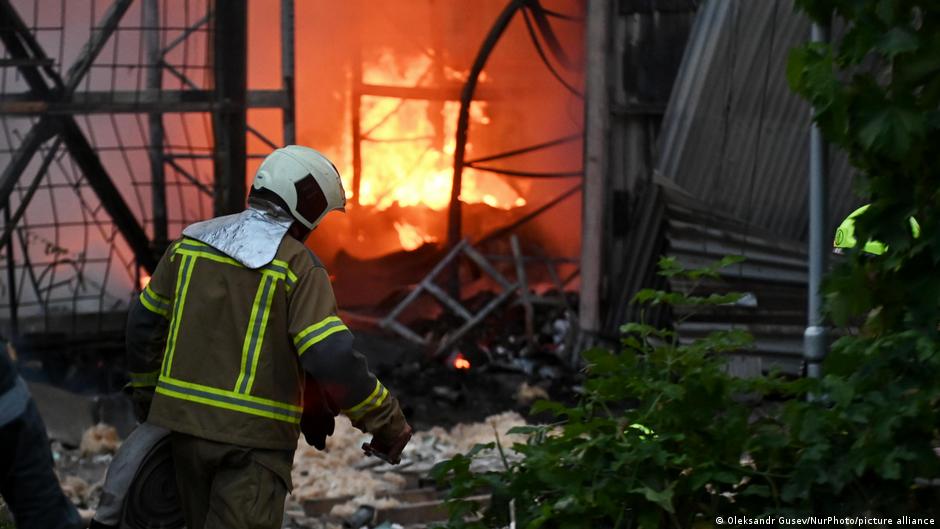
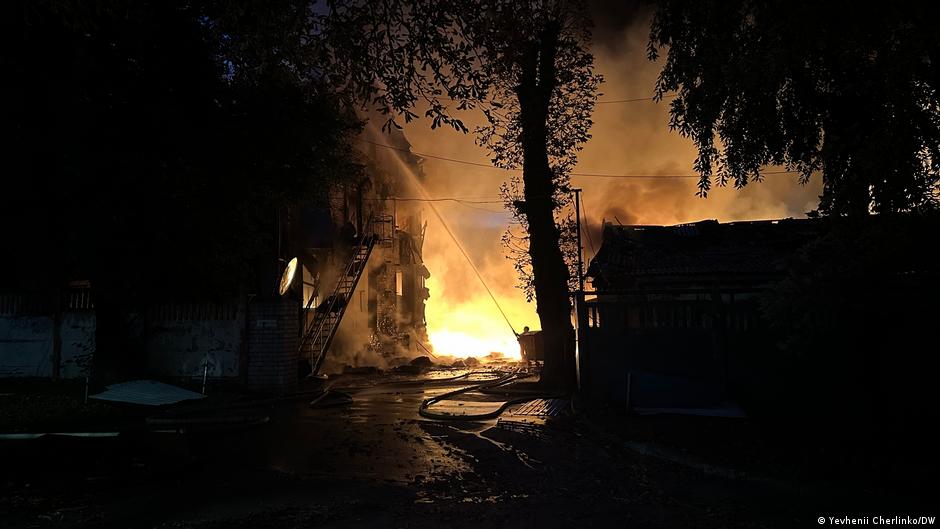
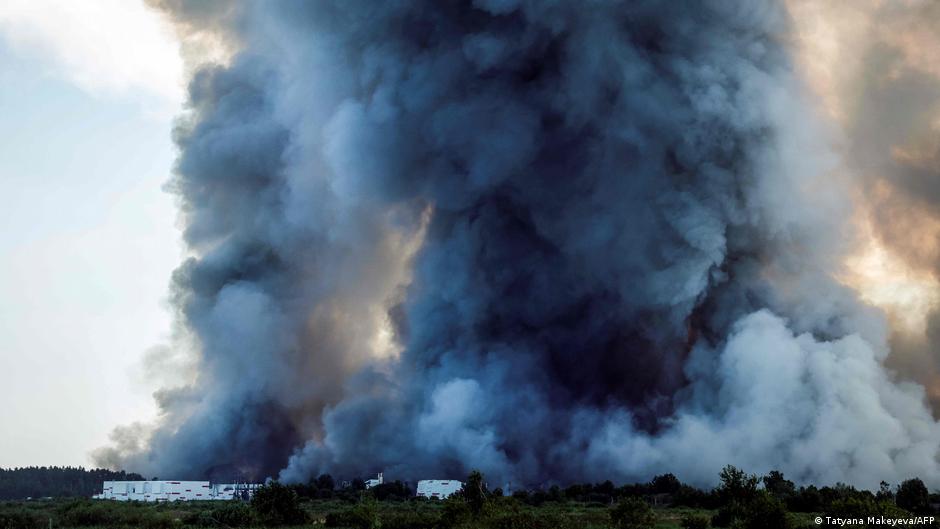
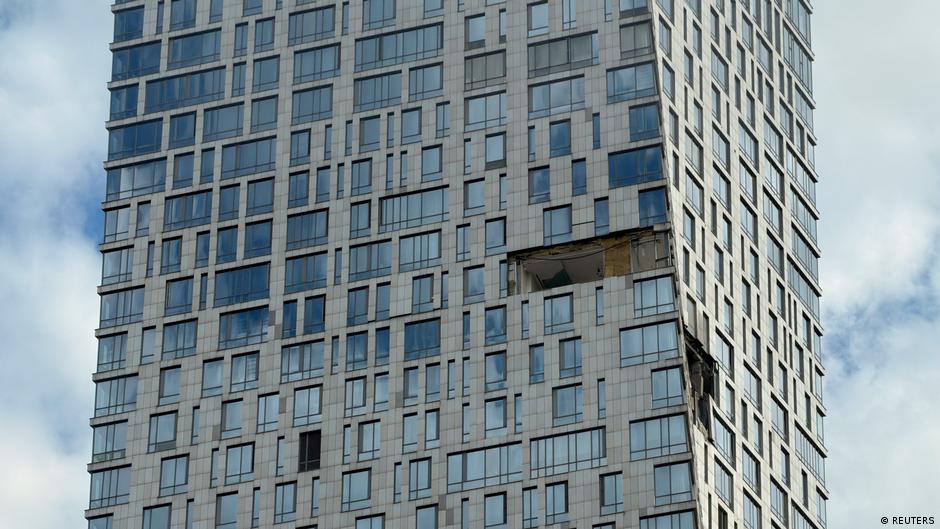
Missile and drone attacks across Ukraine damaged commercial, industrial and critical infrastructure, renewing investor focus on sovereign and operational risks.

Missile and drone attacks across Ukraine damaged commercial, industrial and critical infrastructure, renewing investor focus on sovereign and operational risks.

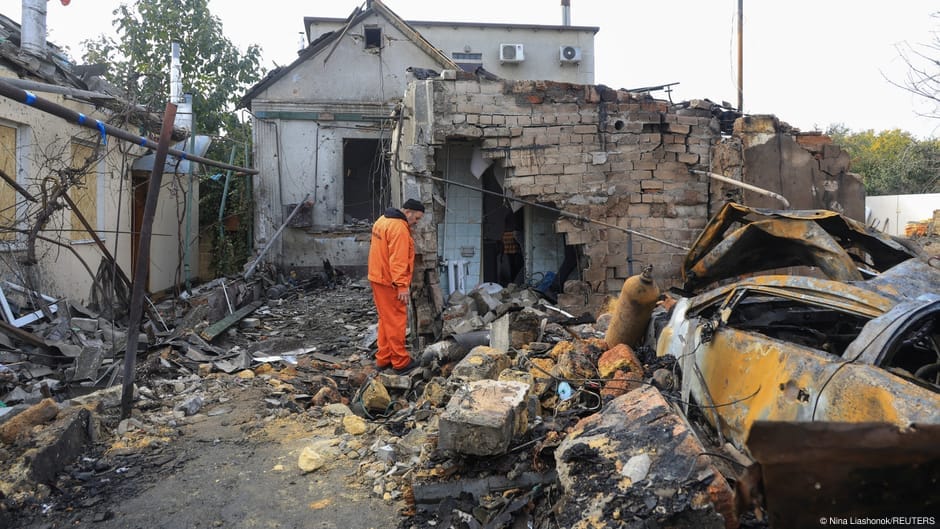
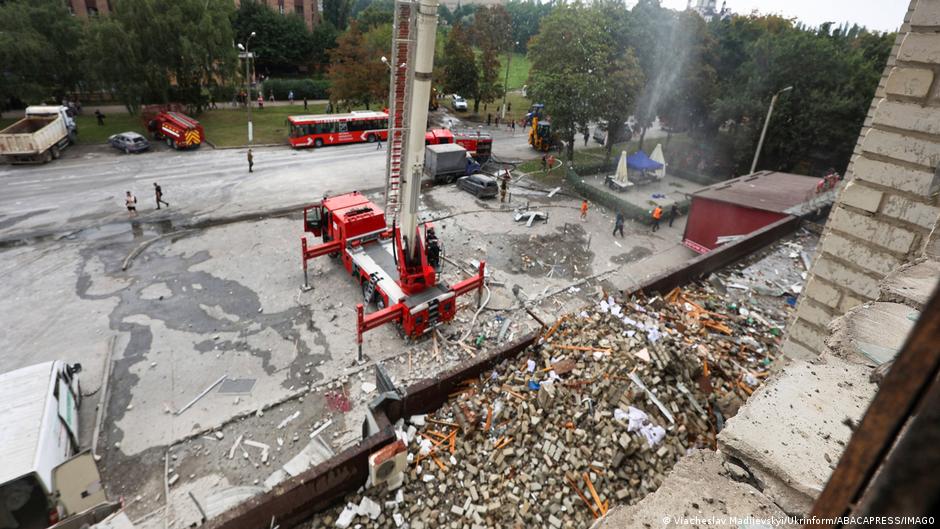
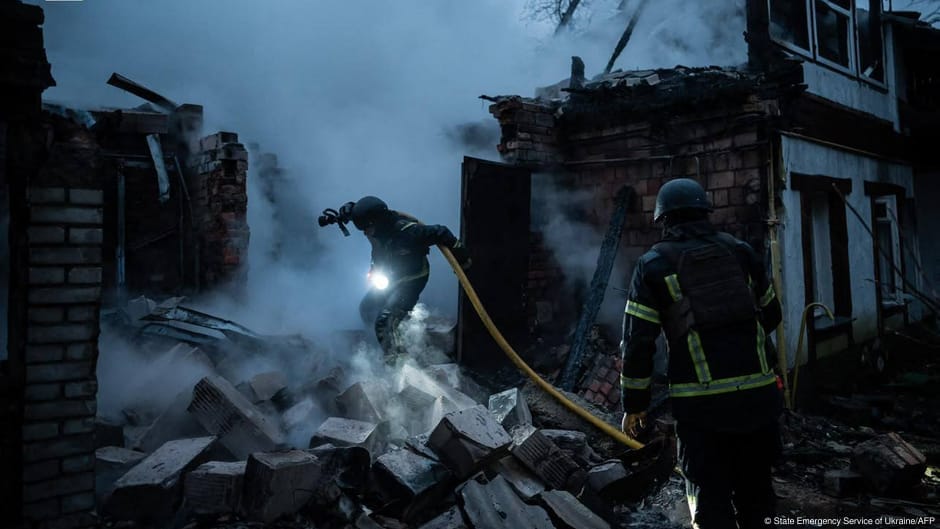
Deadly Russian strikes damaged civilian, commercial and energy assets as Ukraine imposed power restrictions affecting households and industrial activity.

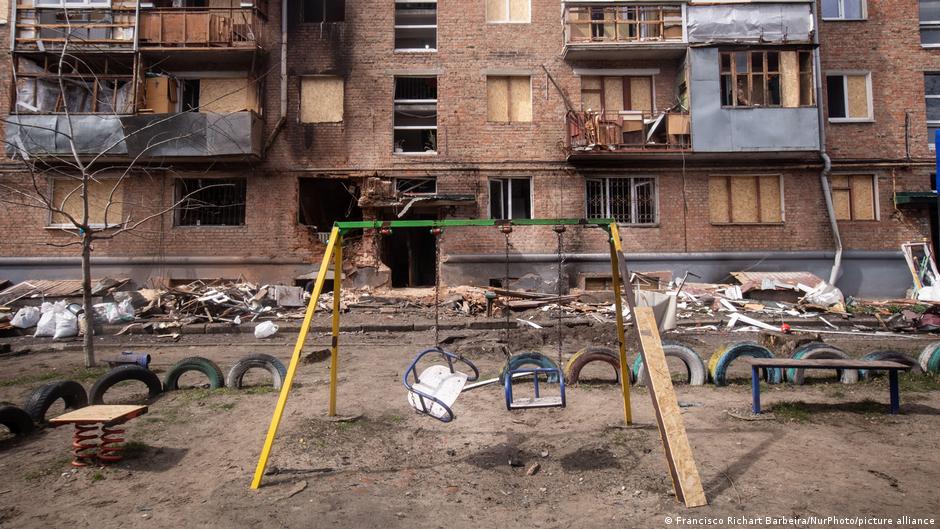
Deadly Russian strikes damaged homes, shops, businesses and energy infrastructure across Ukraine, renewing concerns over sovereign, corporate and reconstruction risks.

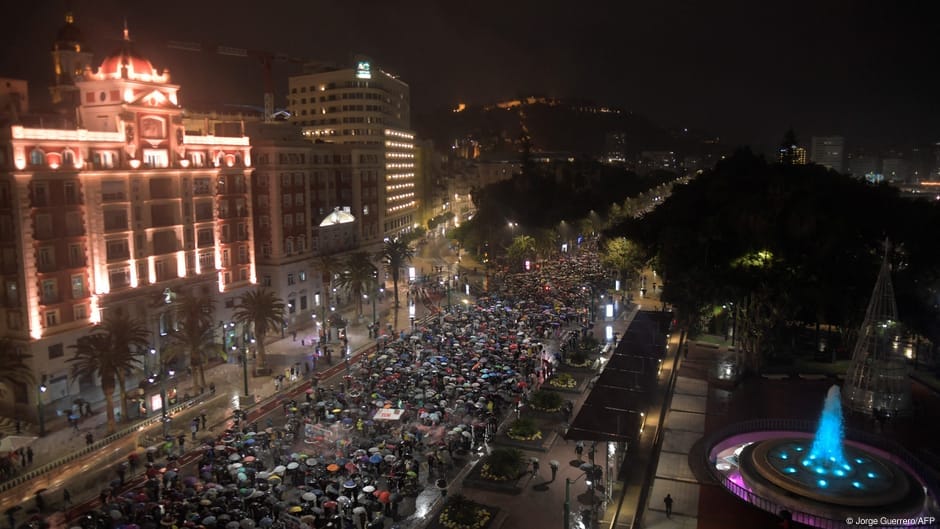
Spain’s housing protests disrupted factories and ports, adding labor, policy and election risks for investors ahead of the November 29 vote.

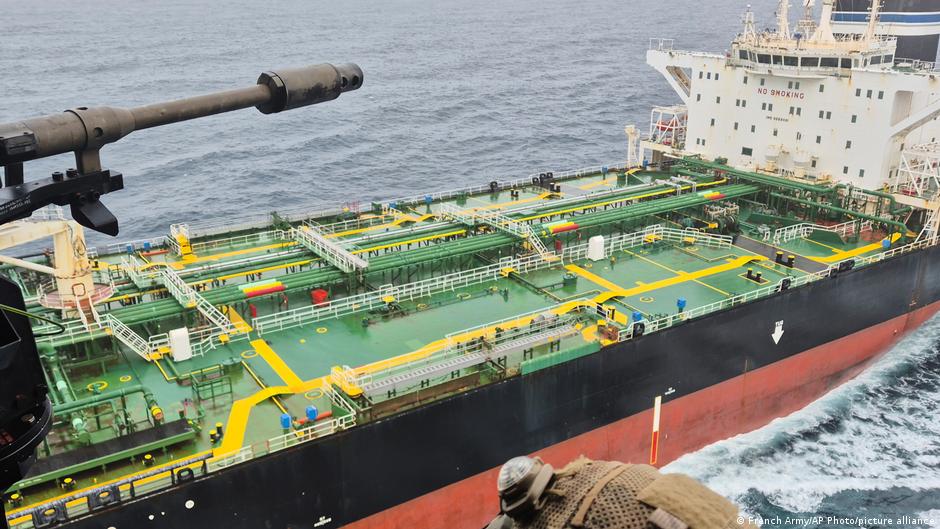
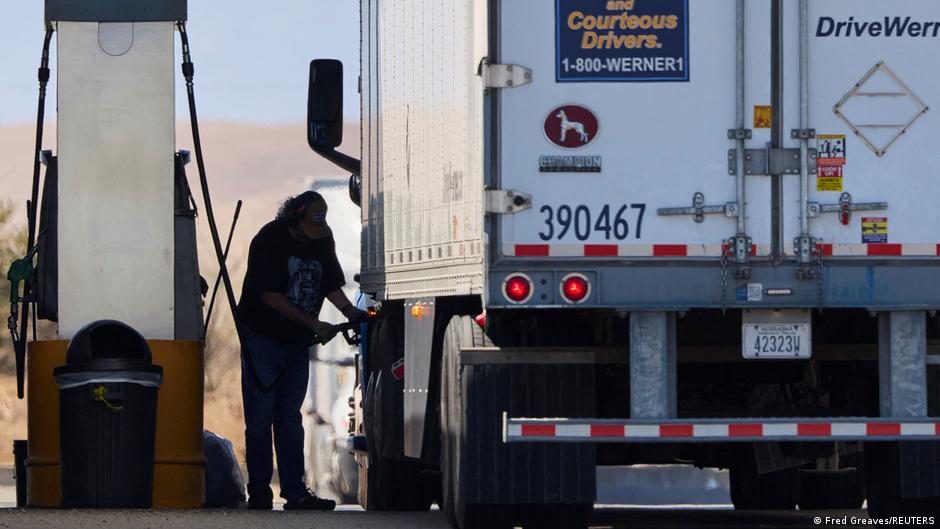
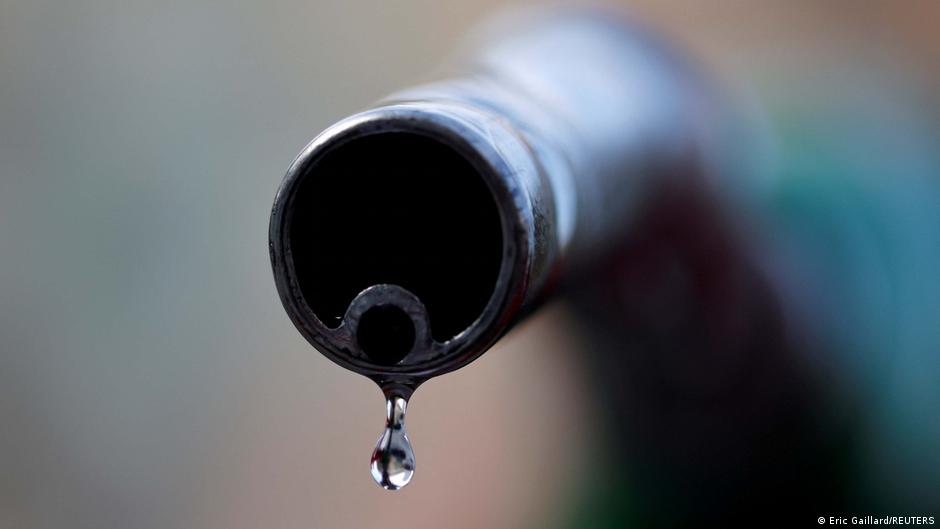
Two Russian-fuel tankers have changed course, threatening planned US diesel imports as sanctions risks and high fuel prices unsettle investors.

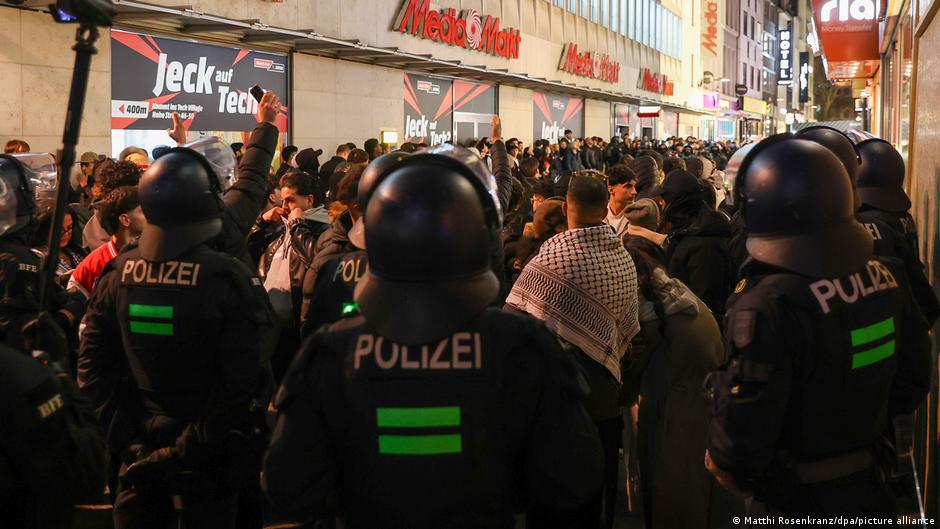
Youth protests across Germany turned violent, disrupting major cities and putting fiscal policy, consumer pressures and political risk on investors’ watchlists.

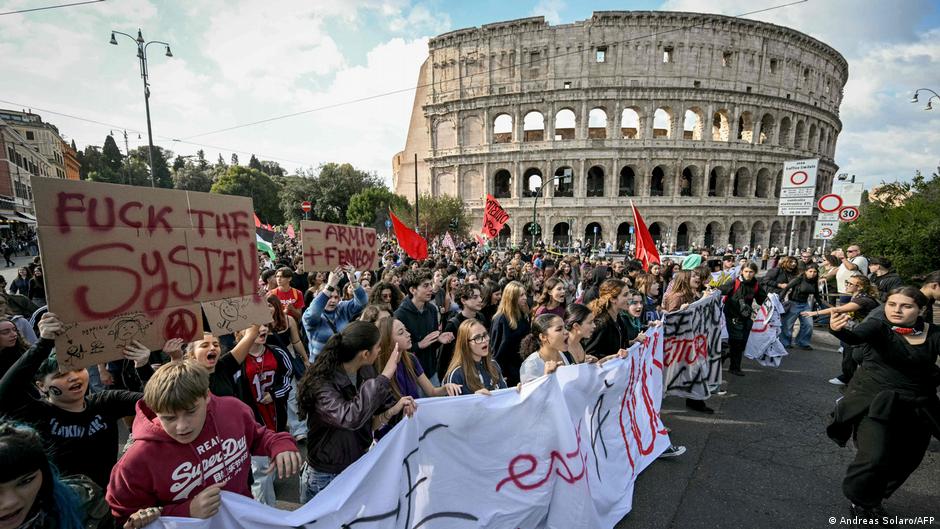
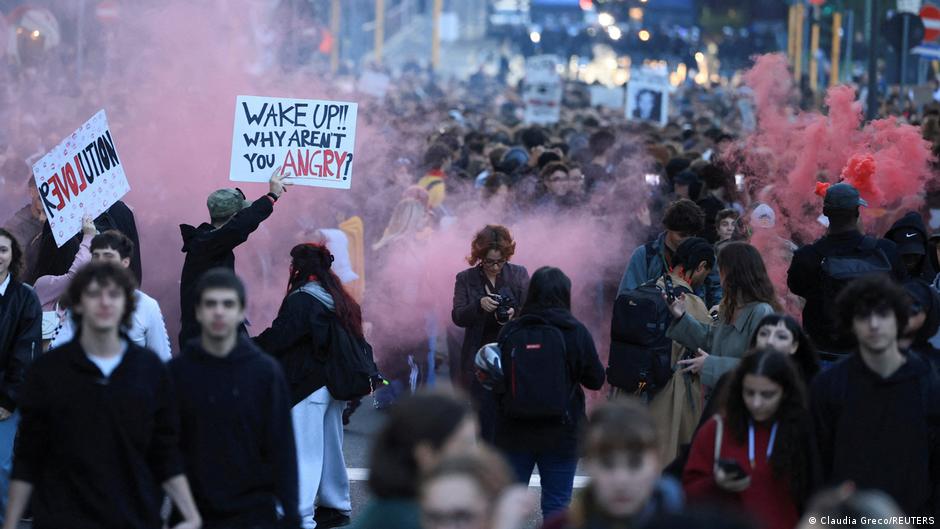
Italy’s general strike and mass cost-of-living protests put fiscal priorities, social stability and potential risks to Italian assets under investor scrutiny.

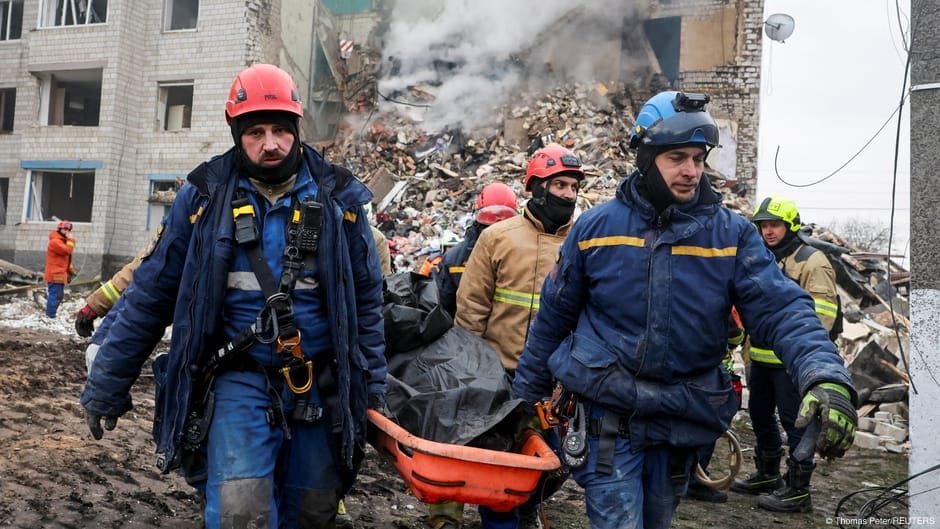
Russian strikes killed civilians and damaged transport, industrial and commercial assets across Ukraine, renewing infrastructure and reconstruction risks.

Italy’s cost-of-living protests spread across major cities, drawing investor attention to consumer pressure, fiscal choices and political risk.

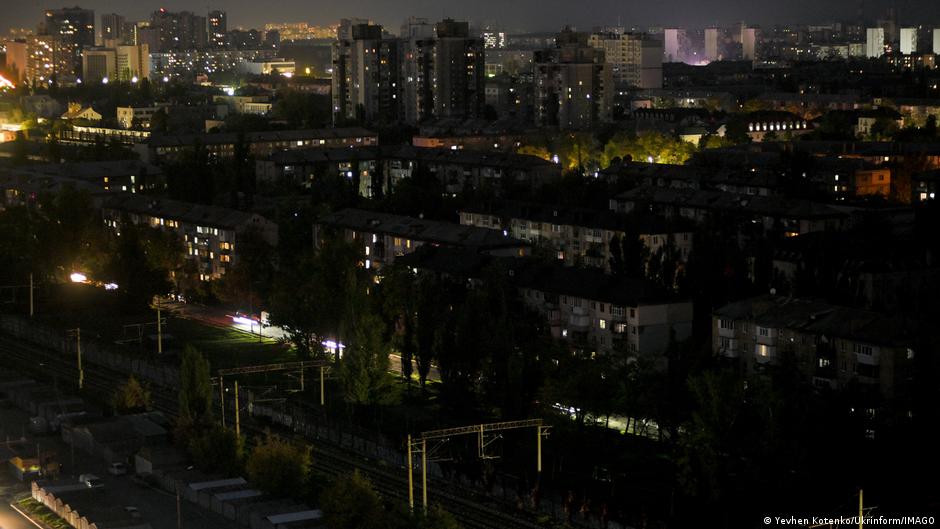
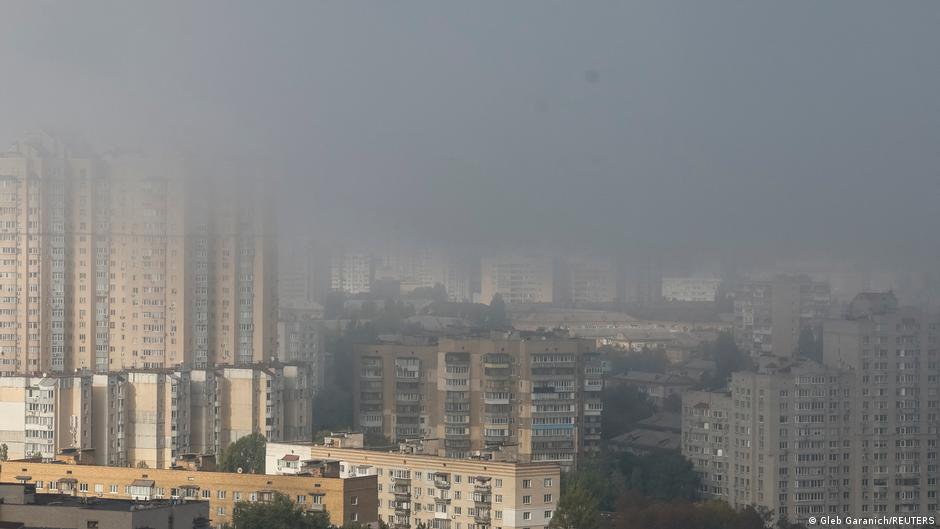
Power and water outages in Kyiv and Volyn renew investor concerns over Ukraine’s infrastructure resilience, fiscal pressures and sovereign-credit outlook.

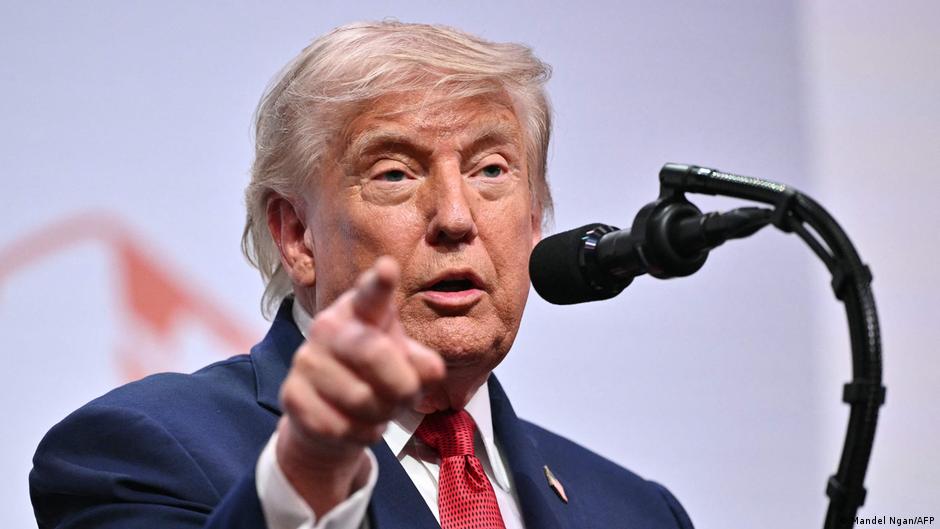
A bipartisan Senate group warns Trump’s Russian diesel deal may offer little fuel-price relief while weakening sanctions pressure on Moscow.

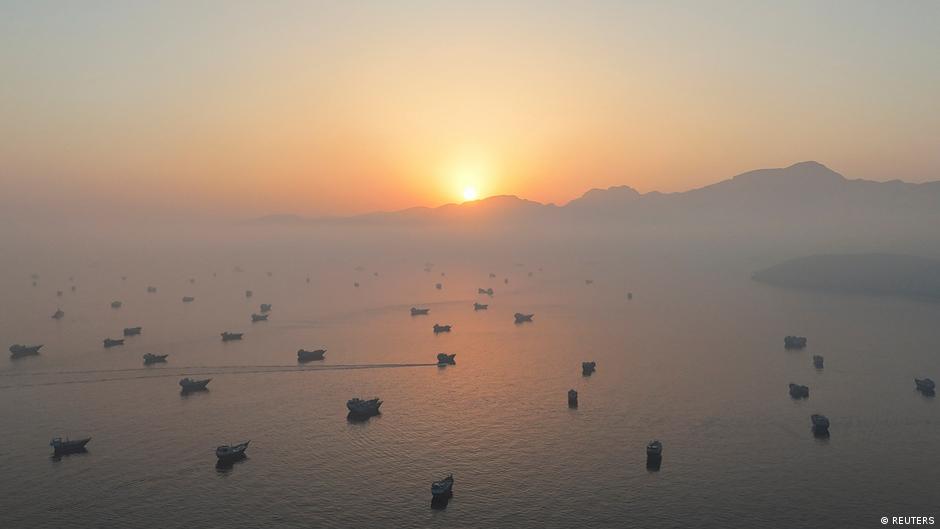
A U.S. strike disabled a cargo ship in the Gulf of Oman as a tanker was hit in Hormuz, adding pressure to energy prices and investor risk models.

A bipartisan House push to ban Russian oil purchases could complicate energy-market assumptions after Trump cited diesel supply talks with Putin.

Trump said the U.S. is monitoring Russian reports from Irkutsk, as investors assess border controls, health risk and regional market implications.

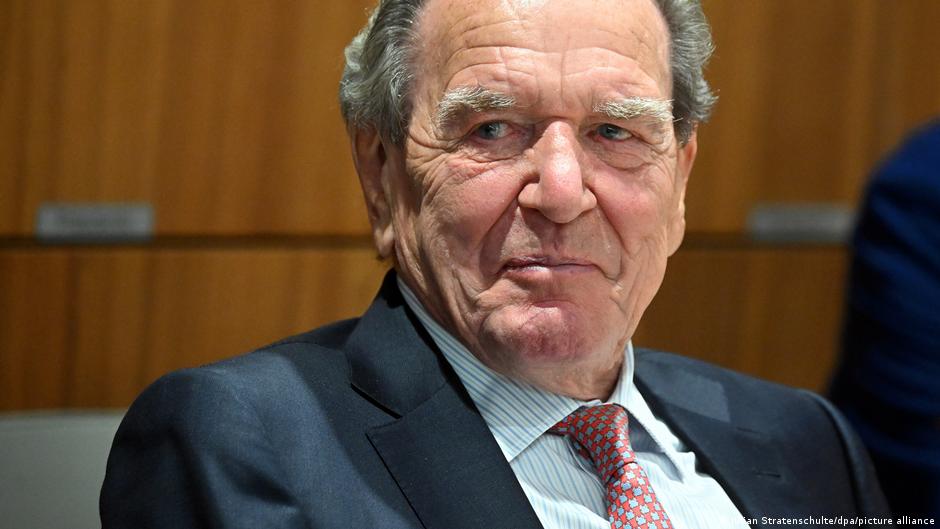
Gerhard Schröder’s Hyperglobus role raises fresh investor concerns over Russia exposure, governance risk and asset protection.

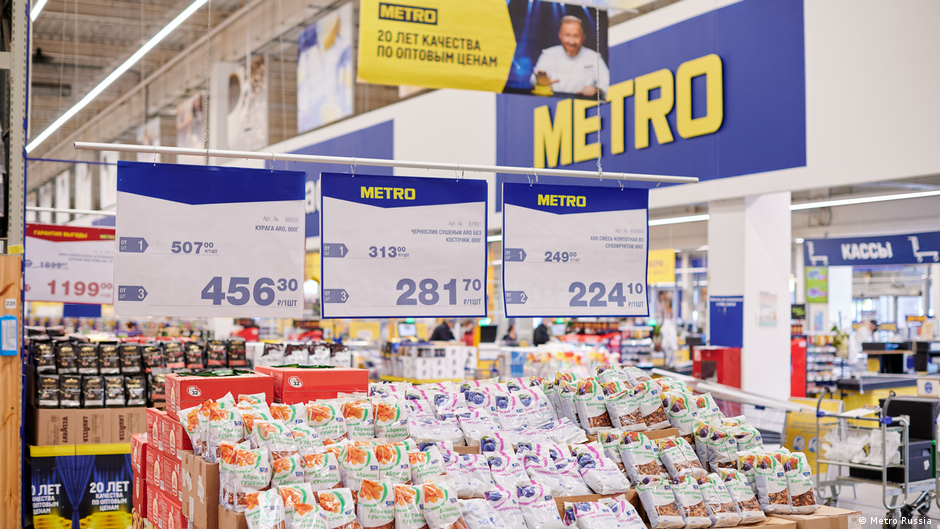
Foreign retail assets in Russia face mounting control risk as temporary management affects Auchan, Leroy Merlin, Metro and others.

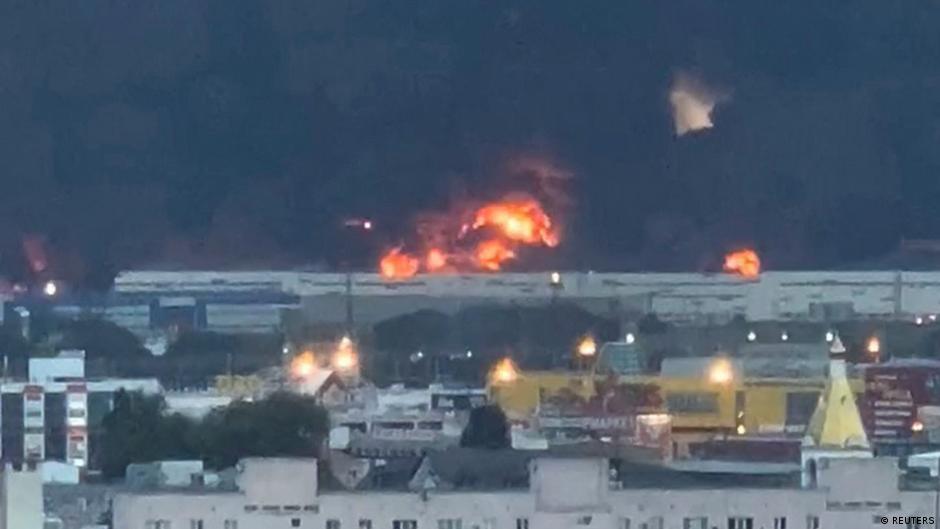
Russian strikes damaged sites in Kyiv, Odesa and Sumy as Ukraine prepared power curbs, adding pressure for investors tracking infrastructure risk.

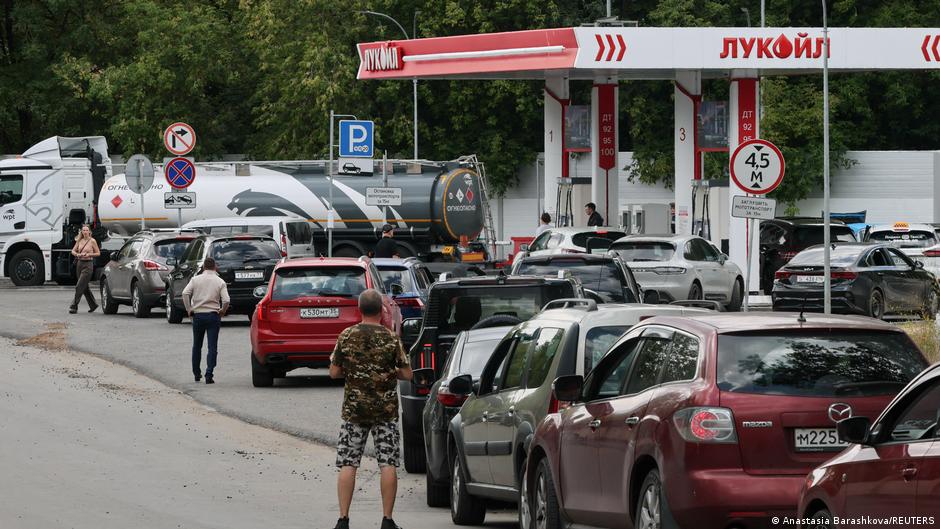
Kaluga and Zabaikalsky are restoring gasoline limits as refinery strikes renew supply stress, raising inflation and market risks.

Trump’s threat to halt EU trade over closer EU-Canada ties raises tariff risks for equities, bonds and global supply-chain investors.

Russian attacks on Kyiv, Odesa and Sumy injured civilians including children, adding to the war risks facing investors in Ukraine.

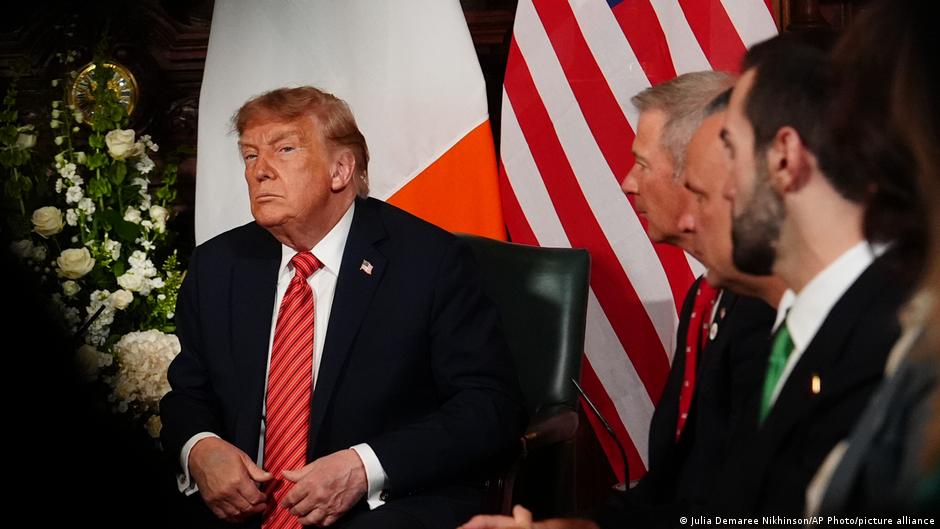
Trump said the U.S. will remove a 10% tariff on Irish whiskey imports, a narrow trade move investors will track for implementation.

Russian strikes damaged logistics, warehouse, residential and energy infrastructure in Ukraine, adding to operational risks for investors.

Uzbekistan auctions 100% stake in Gold Moon Tashkent for UZS 316.7 billion, despite significant debt and mixed financial results affecting market sentiment.

Drone attacks on Ozon’s logistics hubs in Krasnodar and Stavropol disrupt operations, raising concerns over supply chain stability and investor risk in Russian e-commerce.

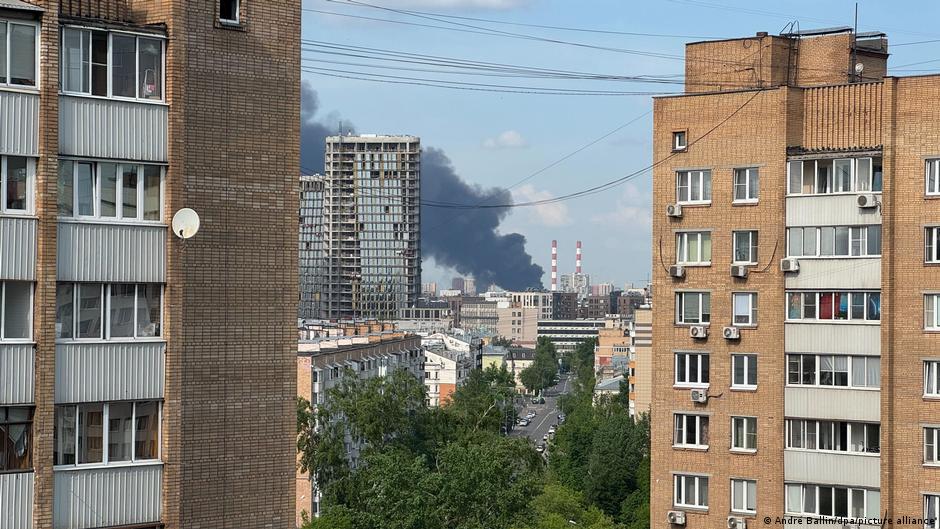
Over 180 drones were shot down near Moscow during a major nighttime attack, impacting infrastructure and prompting airspace and operational disruptions with market implications.

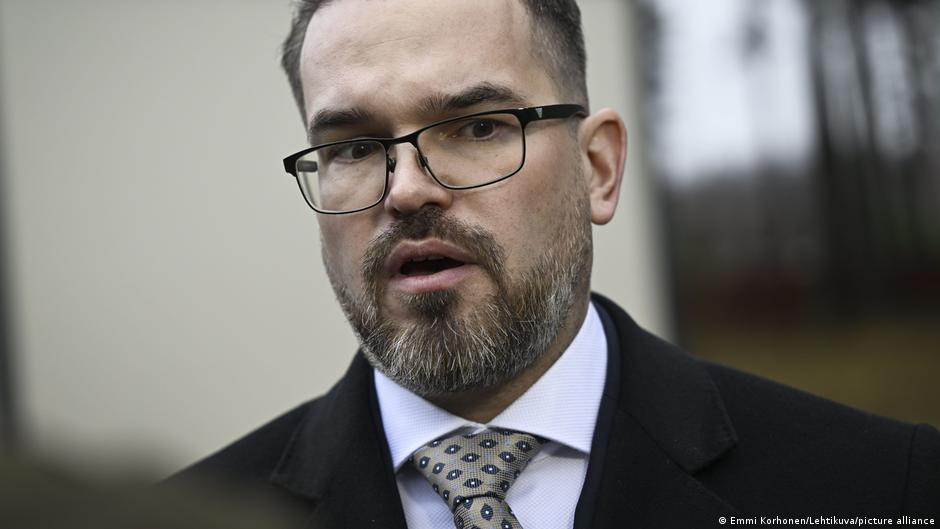
Lithuanian Defense Minister warns Russia may use captured Ukrainian drones to target Baltic infrastructure, raising security concerns and impacting regional markets.

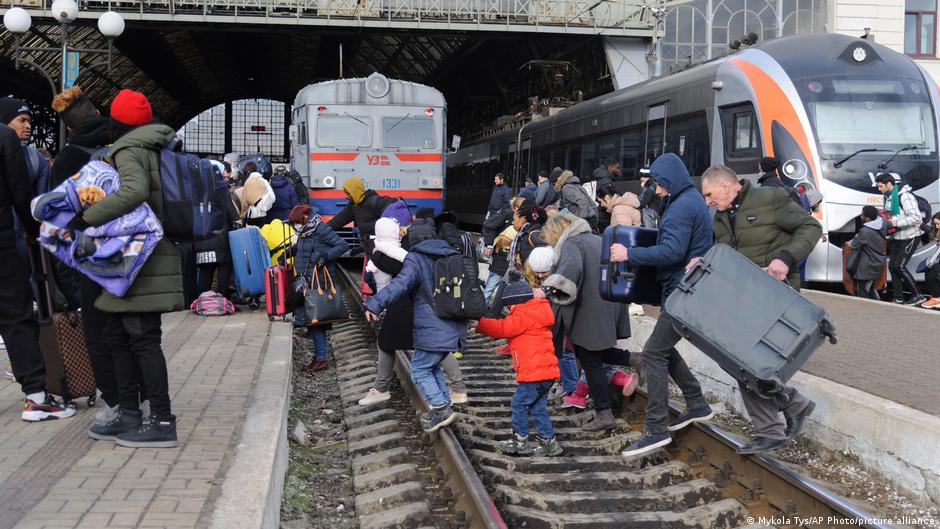
Over 8.4 million Ukrainians live abroad amid ongoing conflict, affecting demographic trends and investor confidence in Ukraine’s capital markets.

Wildberries’ logistics centers in Russia and Crimea suffered Ukrainian attacks, causing fires and halting operations, raising concerns for investors in retail logistics.

Ukrainian drone attacks on major Russian logistics centers, including Wildberries warehouses, have caused casualties and fires, increasing volatility in Russian equities and bonds.

Russian drone and missile attacks on Sumy and Zaporizhzhia cause civilian casualties and raise concerns about Ukraine's market stability and investor confidence.

Russian authorities impose fuel sales limits in over 50 regions amid production cuts from drone attacks, affecting oil market dynamics and investor confidence.

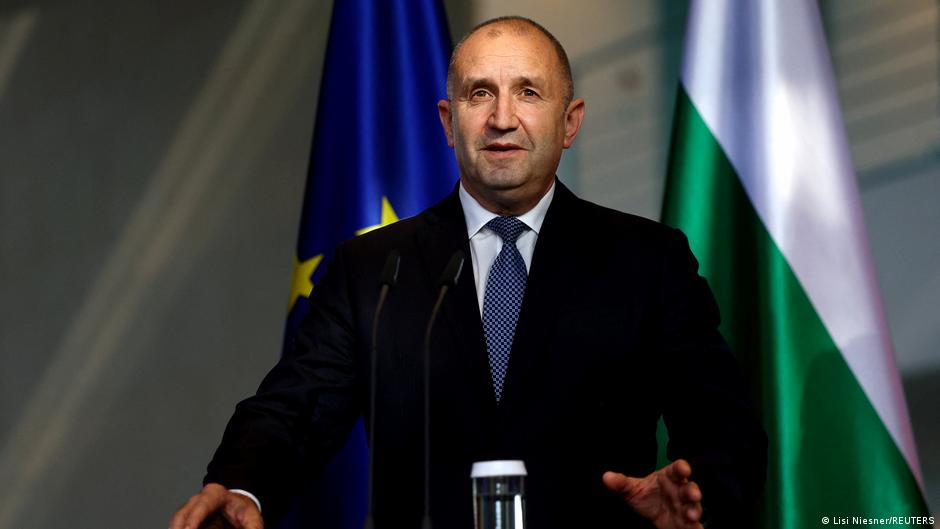
Bulgaria plans to veto the EU's latest sanctions on Russia, citing economic risks to its energy sector, notably Lukoil, raising concerns for investors in regional markets.

Germany faces a sharper labor shortage of 4.3 million by 2036 due to retiring baby boomers and declining immigration, affecting workforce-dependent sectors and investor strategies.

SpaceX’s record $75 billion IPO values the company at $1.77 trillion, reshaping capital markets with its scale and investor appeal despite recent losses.

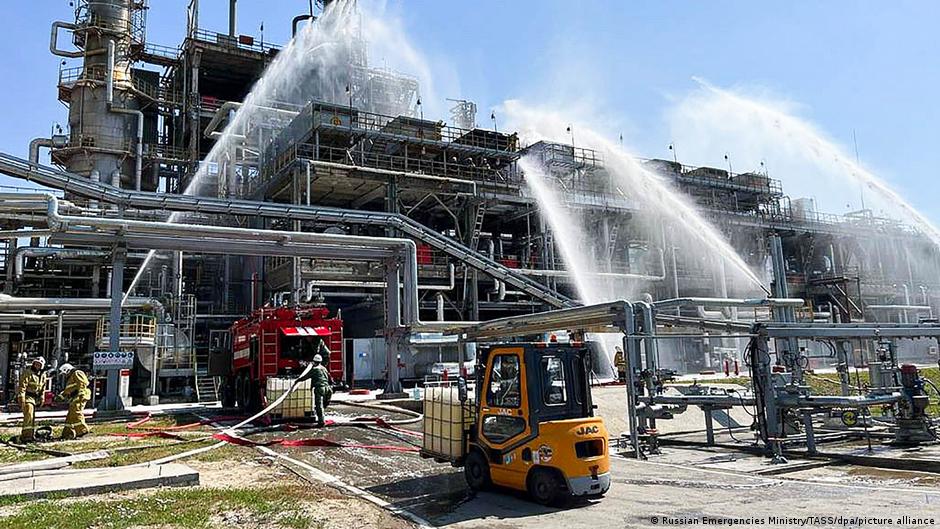
Drone strikes on oil facilities in Russia's Rostov and Saratov regions have caused fires, raising concerns about energy infrastructure stability and market volatility.

SpaceX’s planned $75 billion IPO on Nasdaq could become the largest ever, revealing new financial details and presenting key investment opportunities and risks for capital markets.

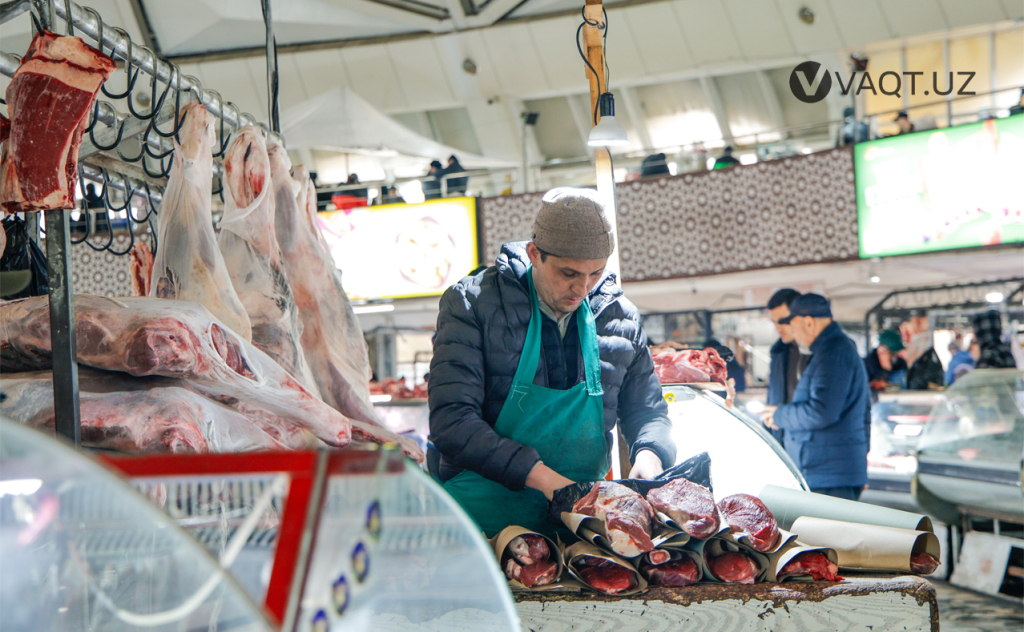
Uzbekistan's meat imports surged 62.8% in early 2026 amid slowing domestic production, driving price inflation that impacts capital markets and investor outlooks.

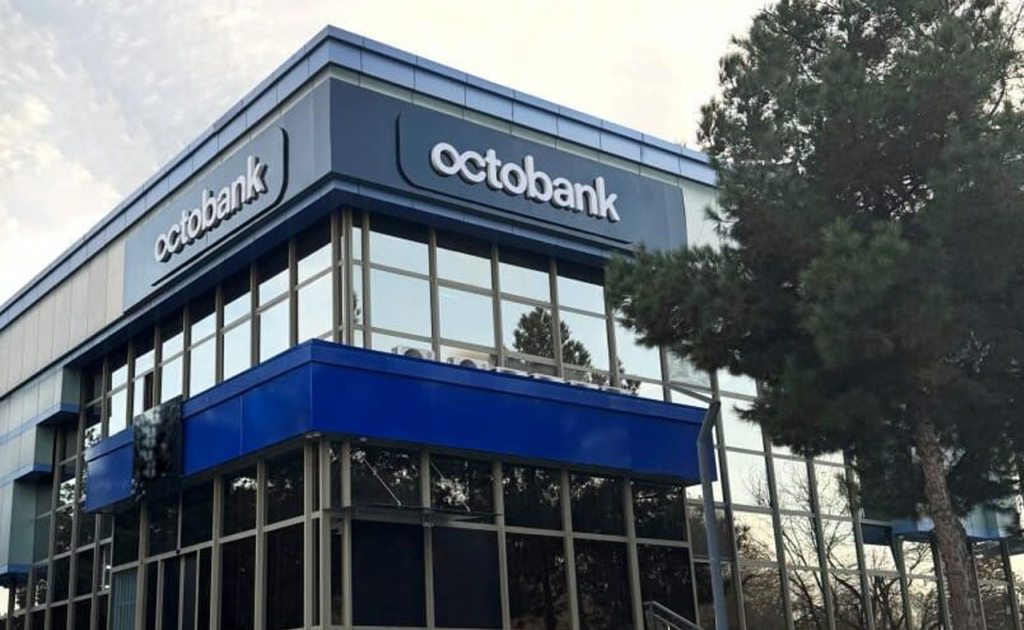
Uzbek banks reported a 30.88% rise in deposits in Q1 2026, led by Octobank's 416% surge, indicating growing market confidence and liquidity for investors.

Russian authorities impose restrictions on accused traders involved in manipulating prices on the Moscow Exchange through Telegram channels, raising concerns over market integrity and investor risks.

Uzbek banks are restricted from fully withdrawing funds from client cards via automatic debits, maintaining a minimum balance and affecting liquidity and credit risk management.

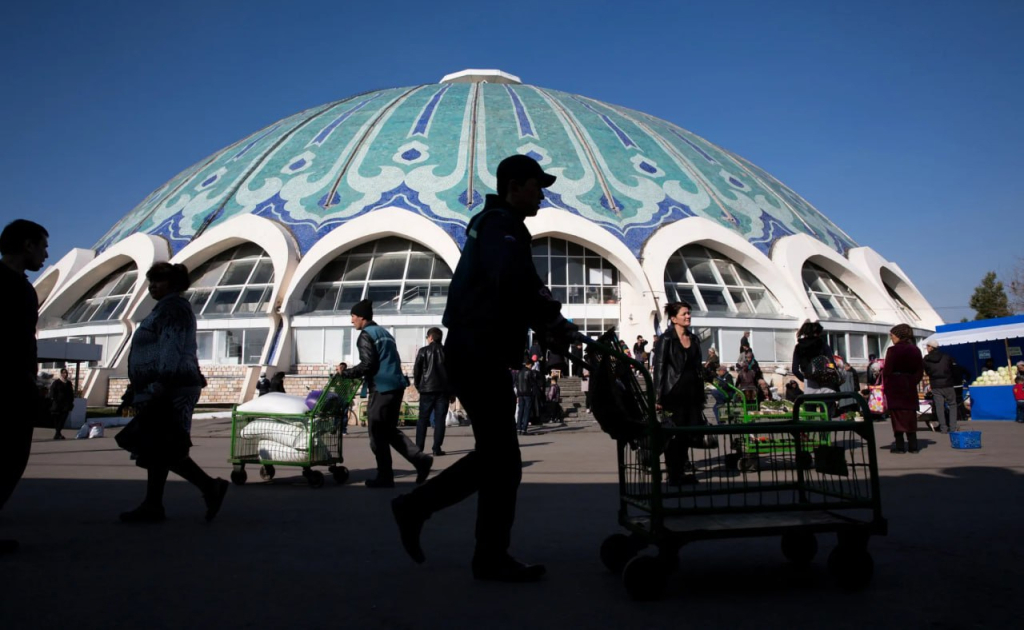
Tashkent’s farmers’ markets showed strong profit growth in 2025, with Askiya market leading gains and Qoyliq market facing declines, impacting investor strategies.