Western Embassy Contingency Plans Signal Rising Ukraine Risk for Markets
Western contingency planning for embassies in Kyiv points to rising Ukraine risk for investors watching energy, defense, bonds and regional markets.

Western contingency planning for embassies in Kyiv points to rising Ukraine risk for investors watching energy, defense, bonds and regional markets.

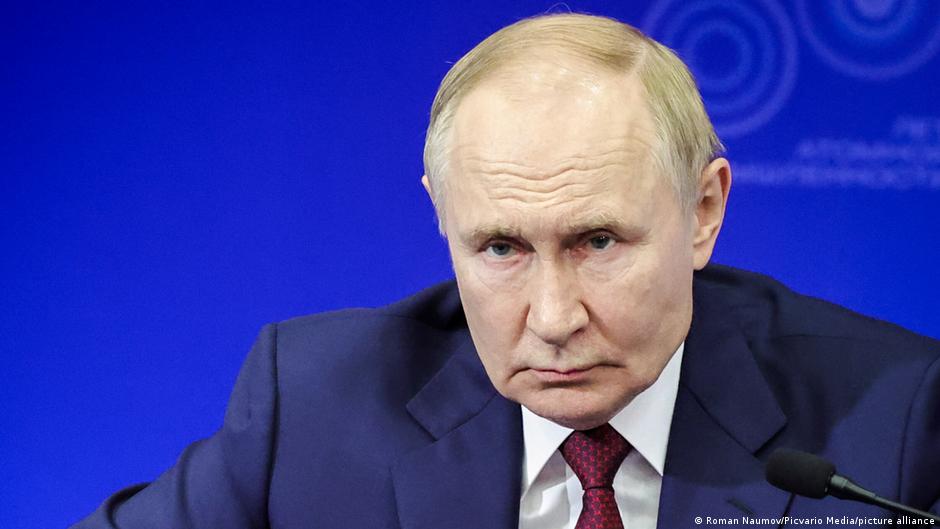
Putin’s Valdai speech renewed nuclear warnings and war claims, keeping geopolitical risk in focus for investors in European equities, bonds and defense assets.

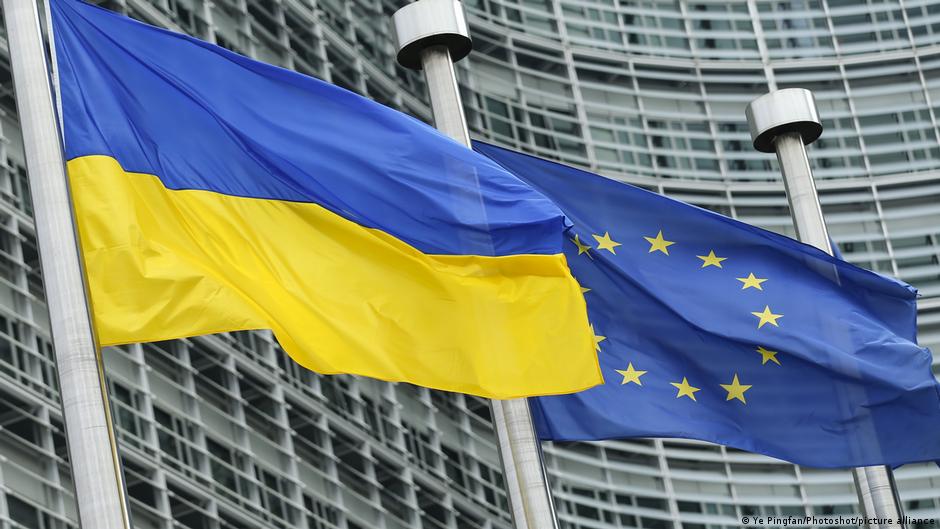
The EU declined Ukraine’s request for early loan funding, keeping attention on Kyiv’s financing gap, IMF assurances and donor burden-sharing.

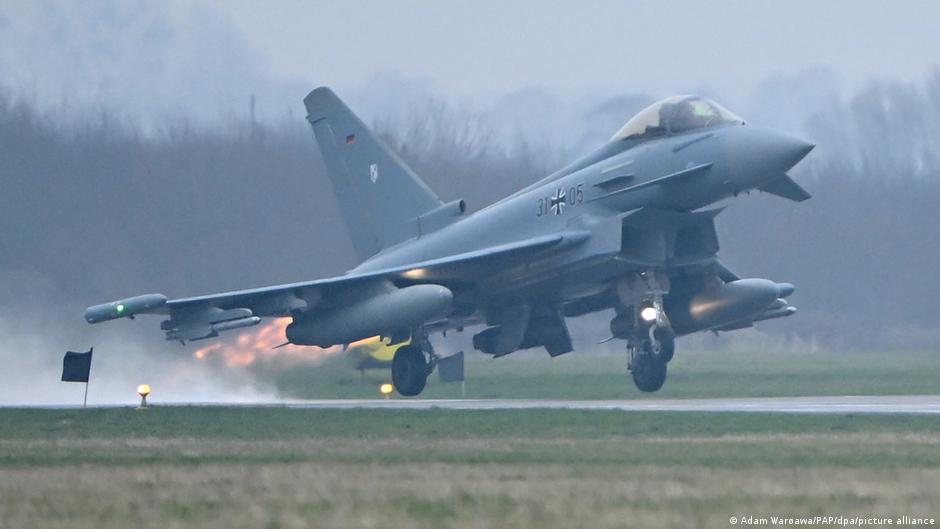
Germany deployed four Eurofighters to Latvia for election-period air security, keeping NATO flank risk in focus for markets.

German investigators are examining whether a drone near the Wunstorf air base was linked to explosives, adding security risk for investors.

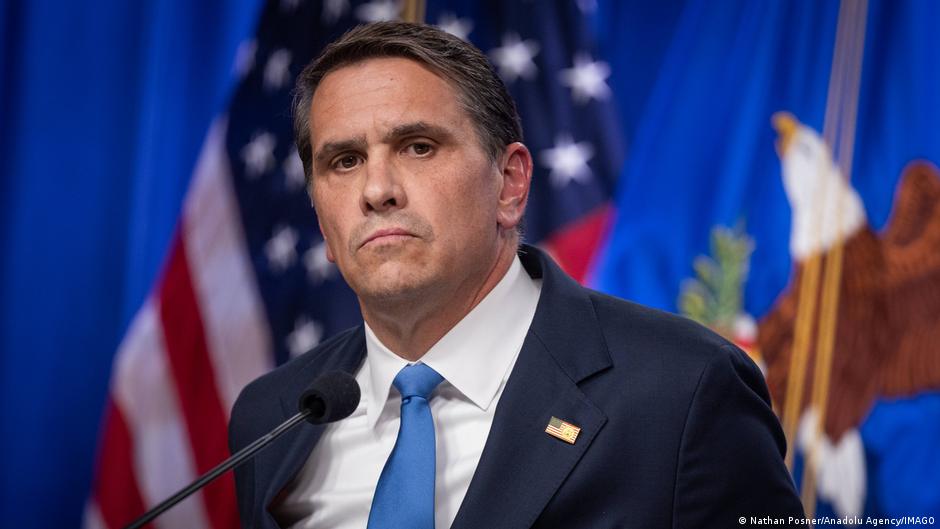
U.S. charges tied to an alleged Russian-linked assassination network add a fresh geopolitical risk marker for global investors.

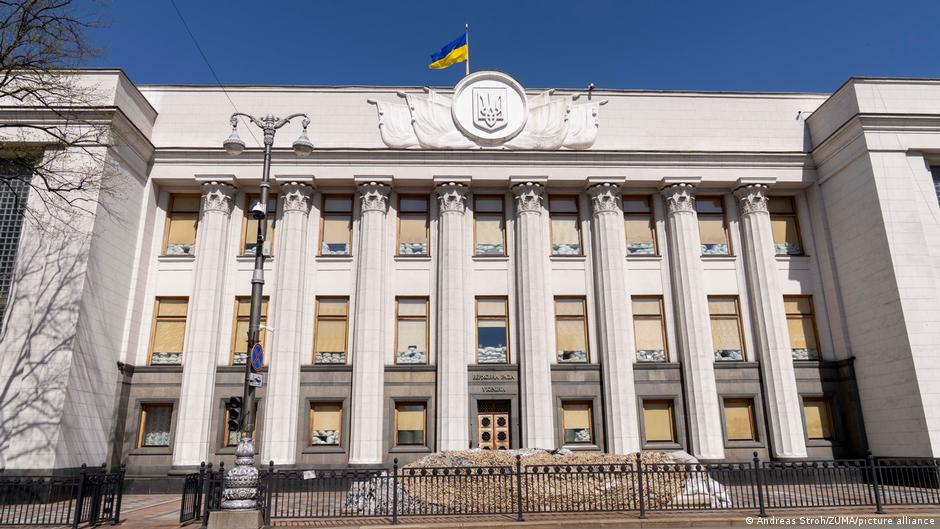
Ukraine’s parliament will review seven difficult bills tied to Western aid, as Kyiv seeks to close a defense-driven budget gap.

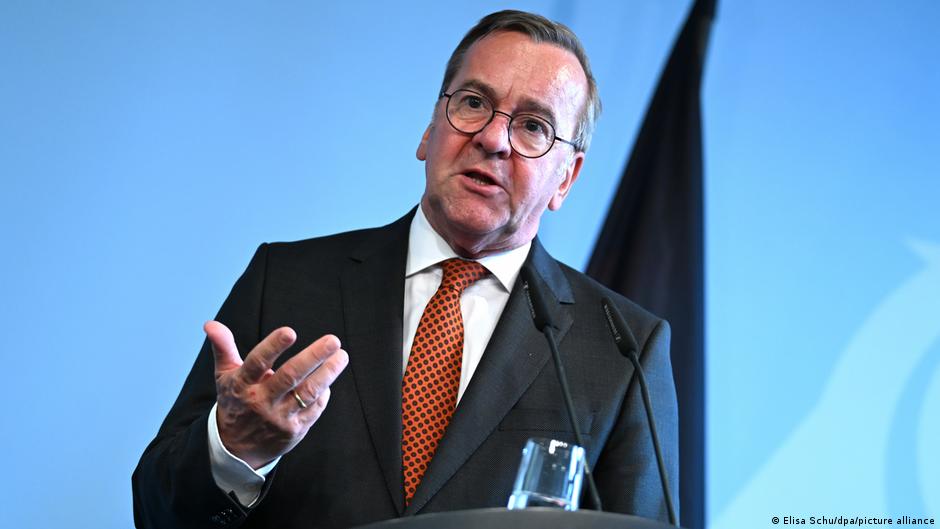
Germany’s foreign minister says Berlin’s support for Ukraine should also benefit German defense companies, sharpening the market focus on procurement.

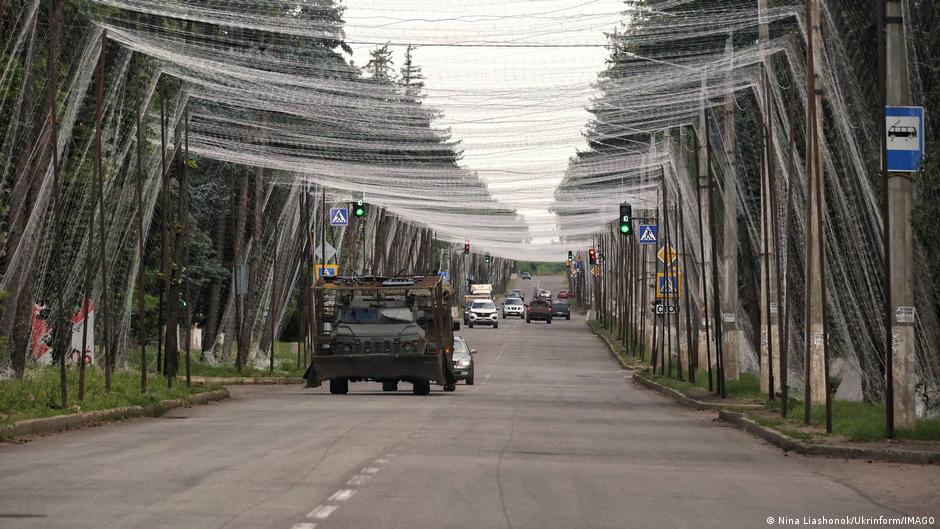
Russia struck Kyiv with drones and ballistic missiles, damaging homes, industrial sites and logistics assets as investors monitor war risk.

The EU canceled a planned defense expert group after German and Italian resistance, adding execution risk to Europe’s defense spending outlook.

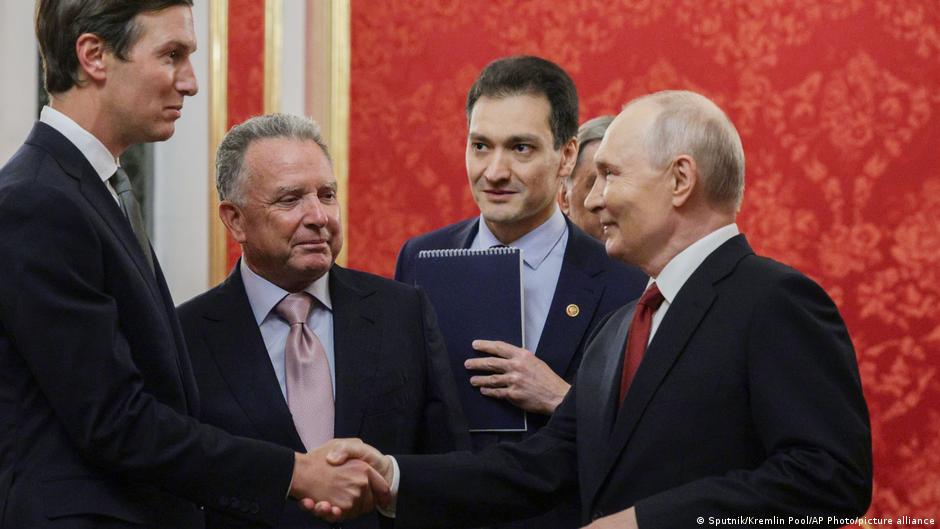
US envoys discussed concrete Ukraine peace plans with Putin and are heading to Kyiv, creating a new geopolitical risk event for markets.

Sabotage targeting European defense firms linked to Russia raises market uncertainty, impacting defense equities and investor confidence amid NATO tensions.

Hundreds of Ukrainian soldiers have deserted training programs in Germany since 2022, prompting investor concerns over defense sector stability and market risks.

NATO's potential deployment of tactical nuclear weapons in Finland, Poland, and Lithuania signals heightened geopolitical risk, impacting European equities, bonds, and investor sentiment.

Germany's surge in military service refusals amid conscription reforms and security tensions is influencing investor sentiment and may affect defense spending and capital markets.

Germany’s 25.5% surge in defense spending to €124.7 billion in 2026 signals increased bond issuance and market shifts, impacting investors across NATO’s capital markets landscape.

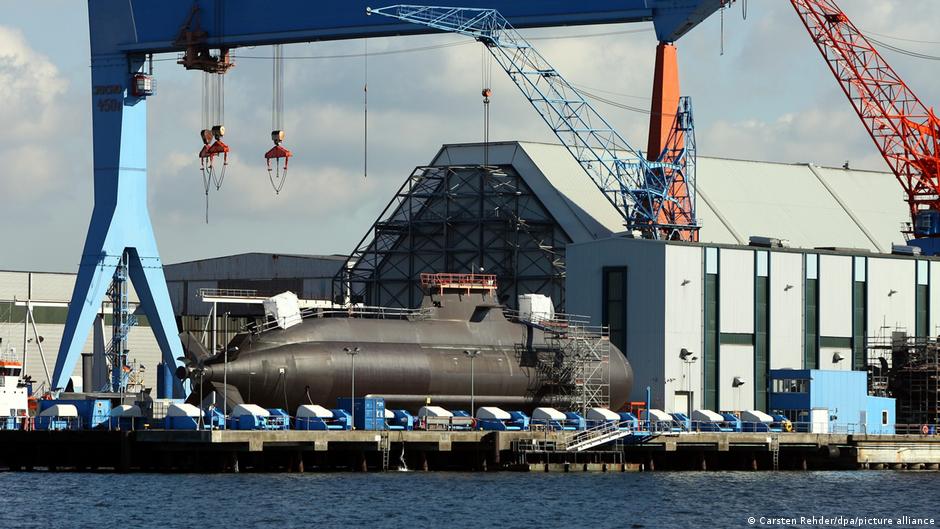
Canada’s €100 billion contract with German builder TKMS for advanced submarines boosts European defense equities and signals strong transatlantic market cooperation.

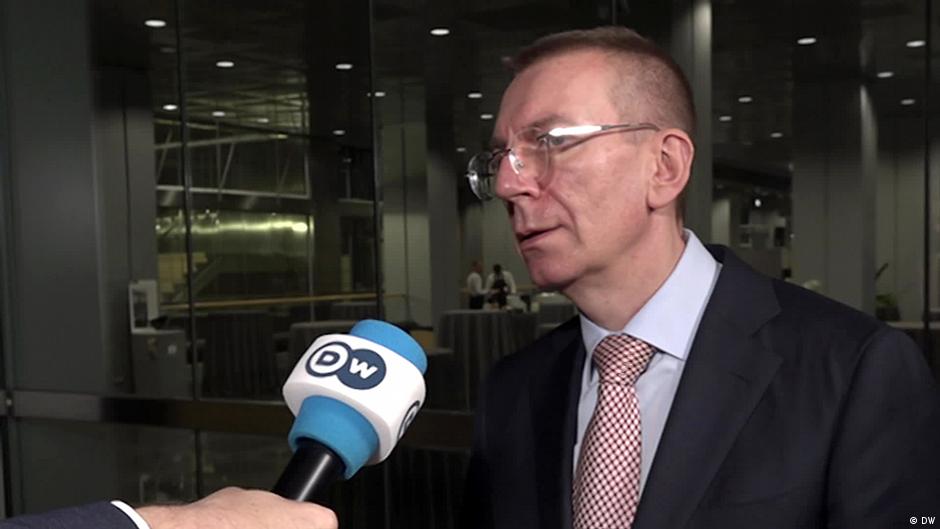
Latvian President warns NATO to prepare for Russia escalation, highlighting defense spending gaps and potential impacts on defense equities and investor strategies.

Russian drone and missile strikes on Ukraine fell significantly in June, raising cautious optimism but sustained uncertainty for investors amid ongoing conflict dynamics.

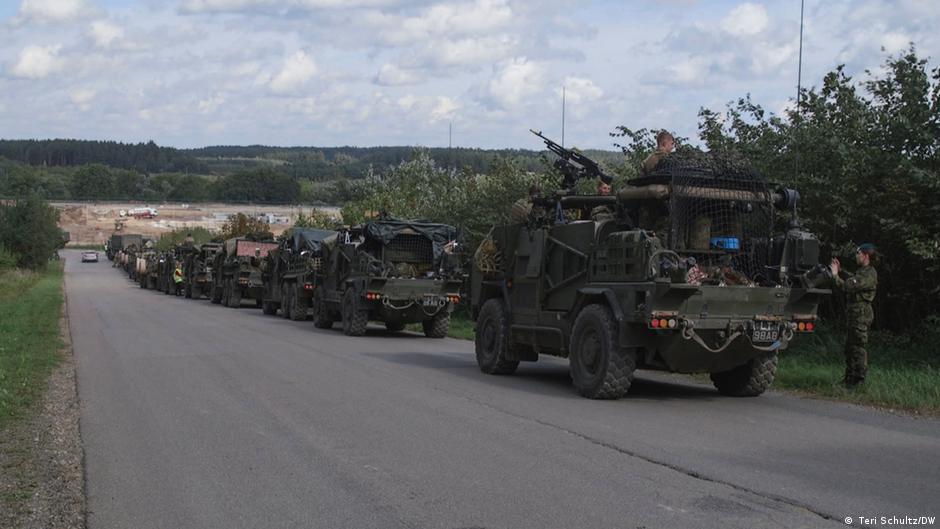
Poland, Lithuania, and France conduct joint military exercises near the Suwalki Corridor, reinforcing NATO’s strategic posture amid rising tensions with Russia and impacting market dynamics.

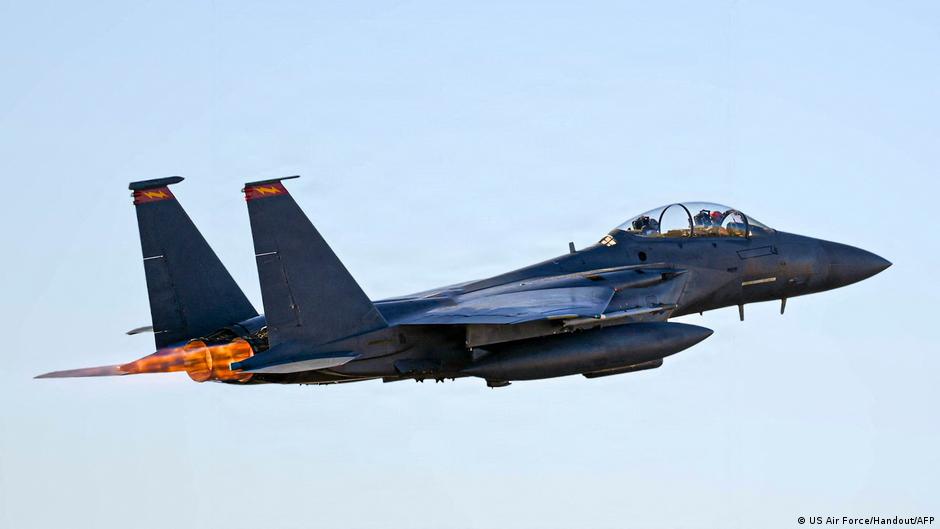
The US will reduce its NATO fighter jets and naval assets in Europe, affecting defense supply chains and prompting shifts in European military spending that investors should watch closely.

Germany commits an additional €300 million to Czech-led ammunition supplies for Ukraine, supporting 50,000 rounds amid reduced funding from other countries.

Rheinmetall signs a €5.7 billion contract with Romania, financed by the EU's SAFE fund, marking a major boost for European defense markets and investor opportunities.

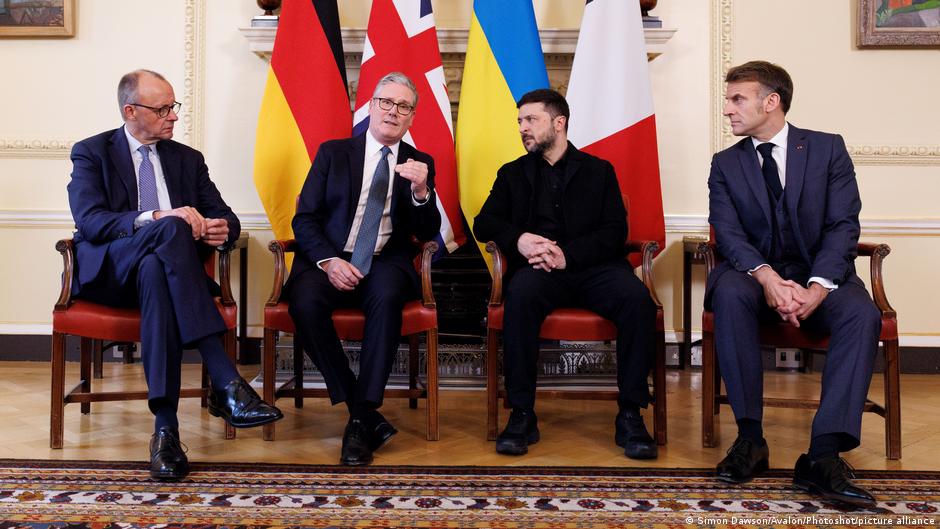
European leaders and Ukraine's president convened to discuss restarting peace talks, a move that may influence capital markets by affecting regional risk and investor confidence.

The US reversal to deploy 5,000 additional troops to Poland alters previous Pentagon plans, influencing defense markets and investor outlooks on transatlantic military commitments.

Ukraine offers long-range drones and missiles to NATO, potentially filling capability gaps and impacting defense markets and investor outlooks amid shifting European missile strategies.

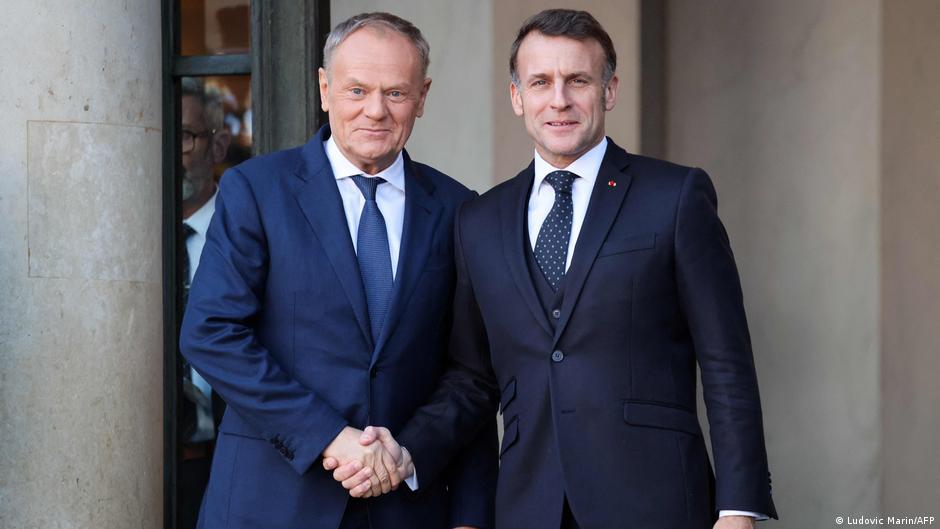
France and Poland are jointly developing a military satellite to enhance secure communications and reduce reliance on Starlink, boosting European defense autonomy by 2030.

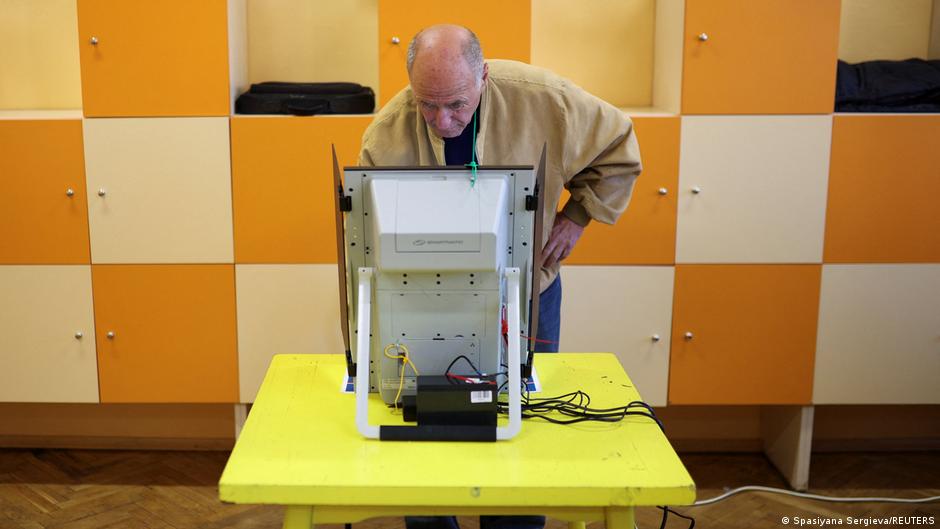
Bulgaria's parliamentary elections show former President Rumen Radev’s coalition leading with 44.6%, raising questions about future economic policies and market impacts.