US Military Strikes Iran Amid Rising Tensions Impacting Capital Markets
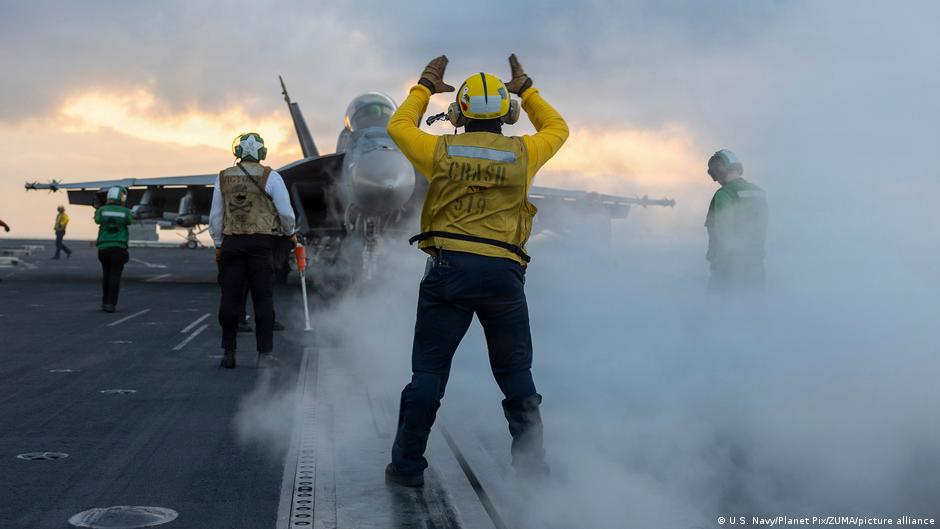
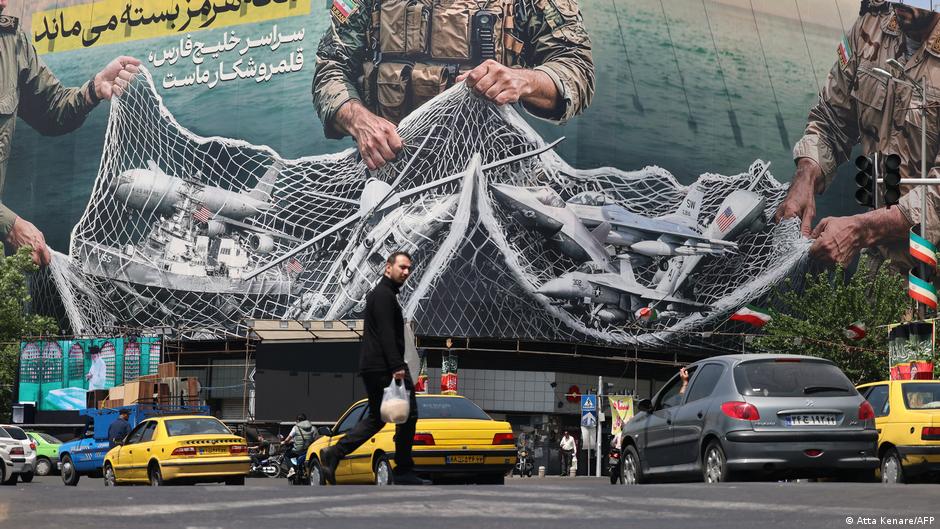
US military strikes on Iran escalate tensions, impacting oil supply routes and causing volatility in energy markets and investor sentiment.
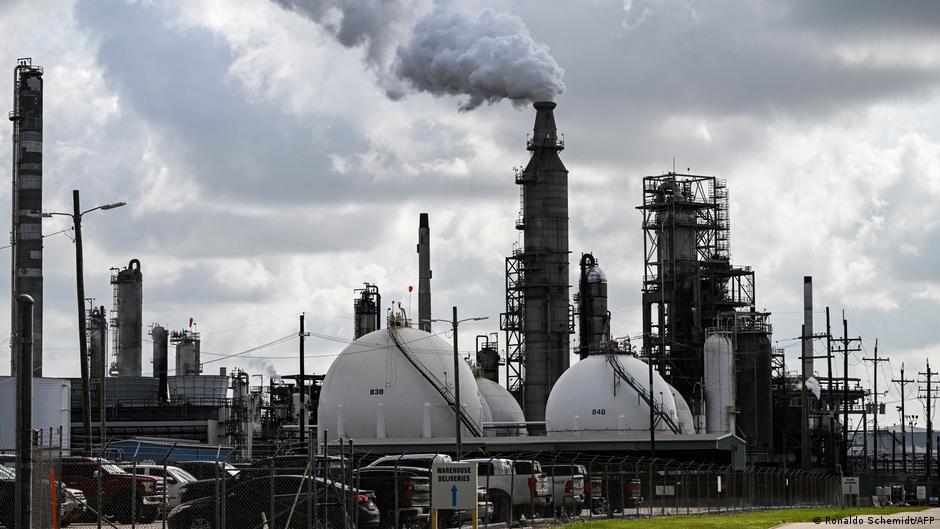
US military strikes on Iran escalate tensions, impacting oil supply routes and causing volatility in energy markets and investor sentiment.
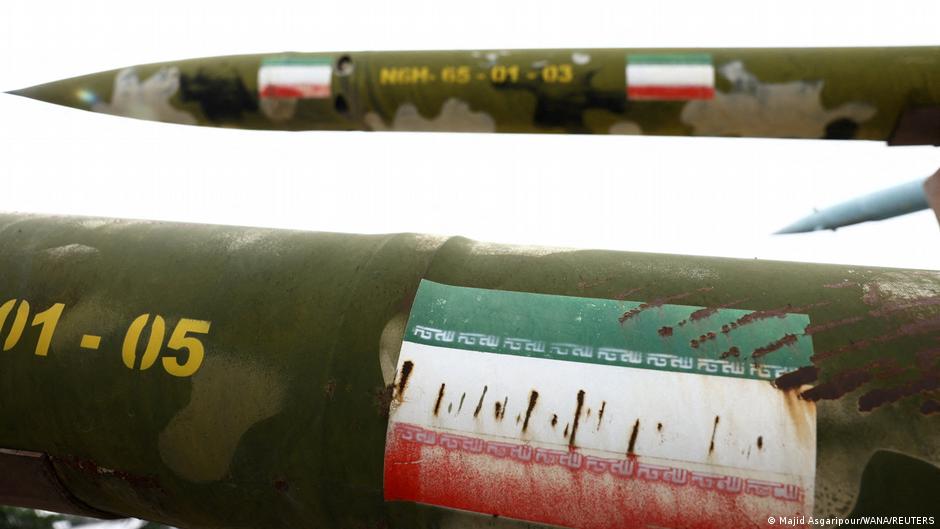
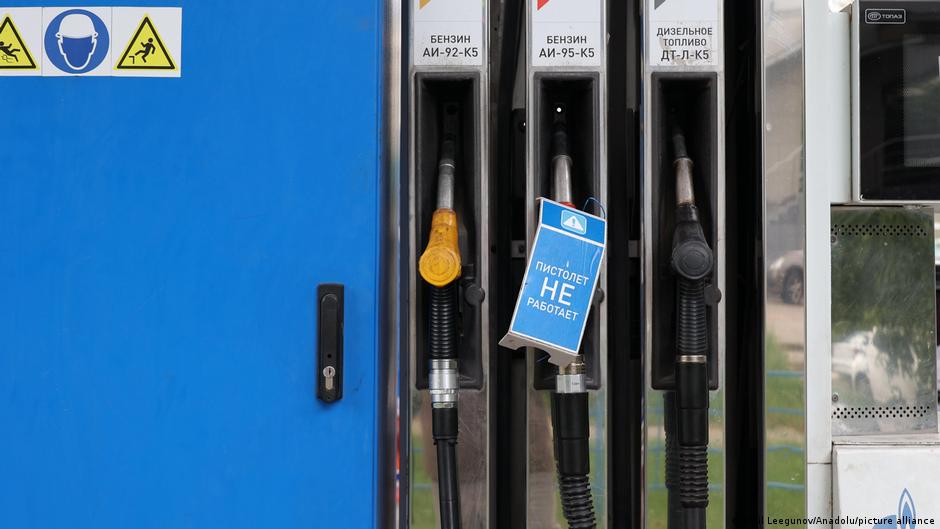
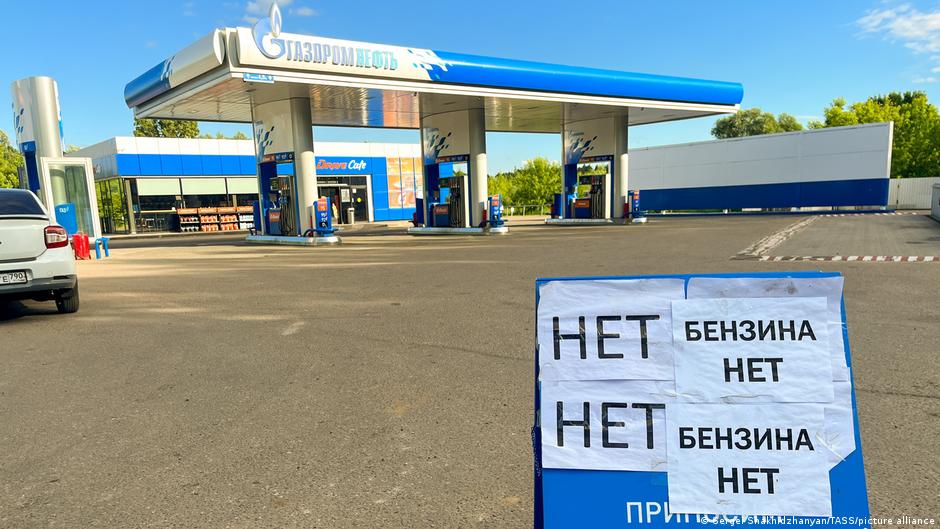
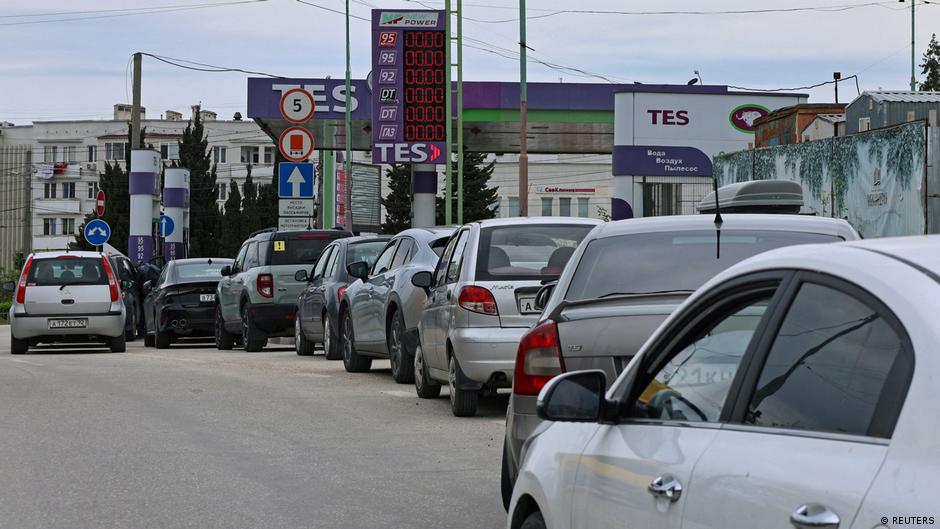
Gasoline prices in Crimea have surged nearly 80% in a week amid Russia's export restrictions and supply shortages, signaling increased market volatility for energy investors.

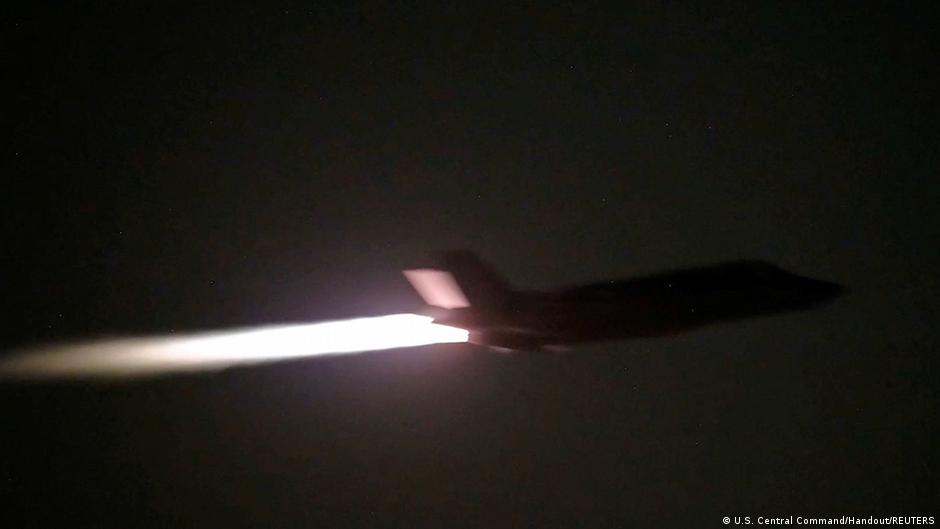
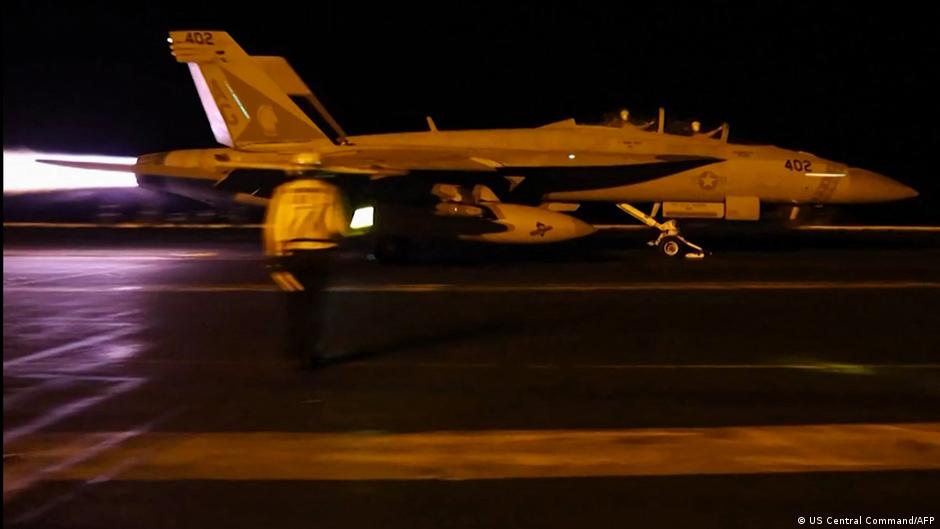
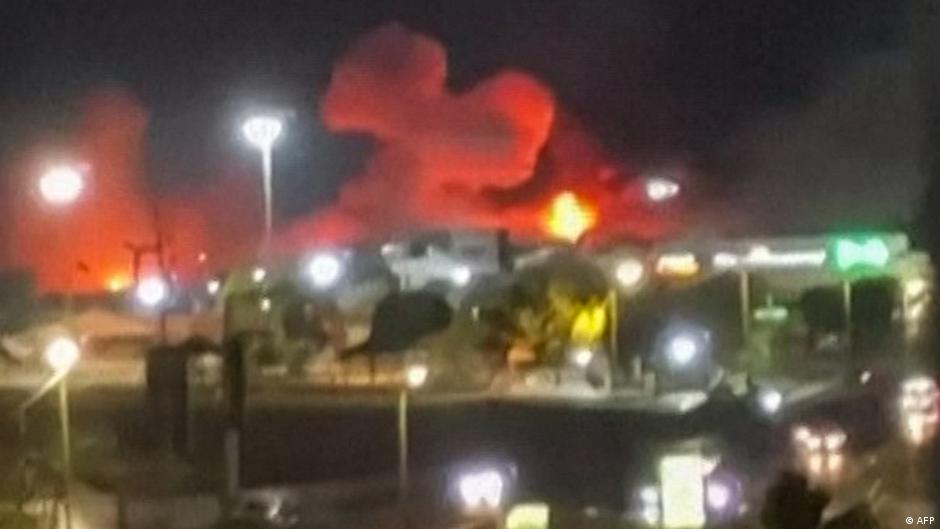
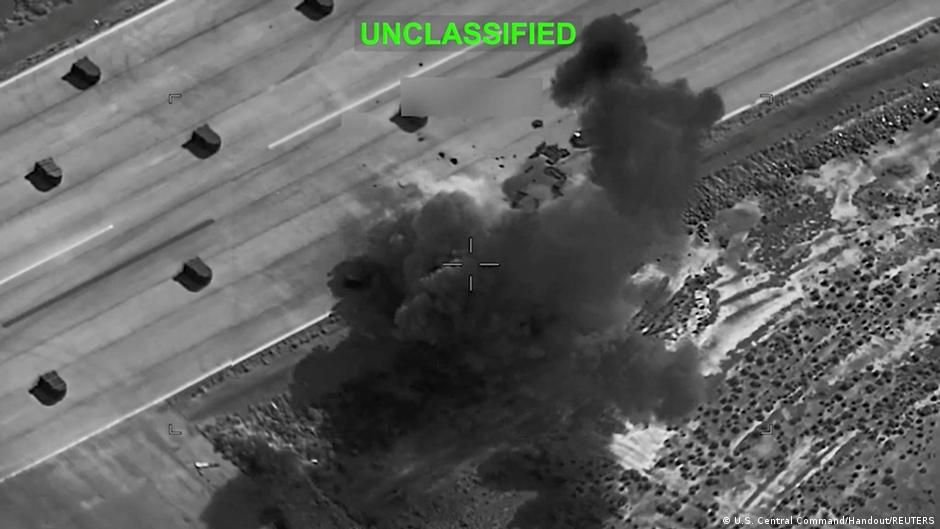
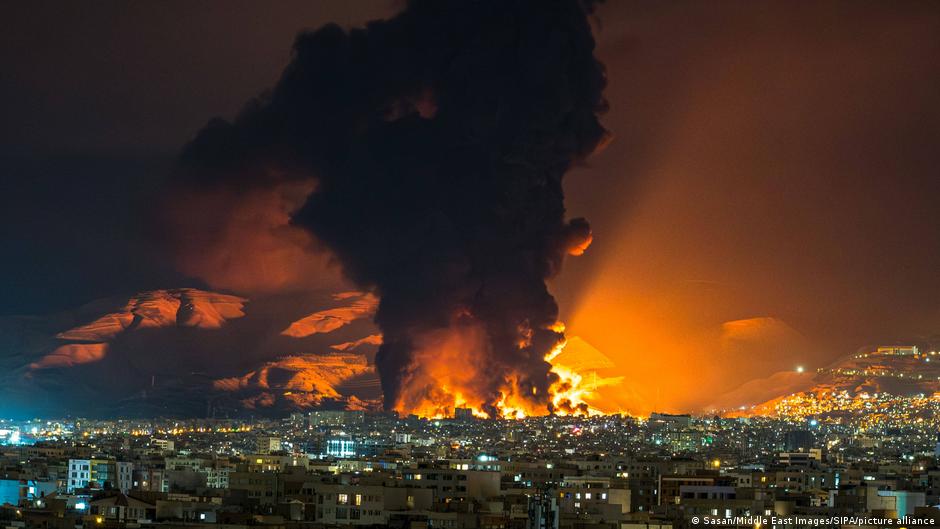
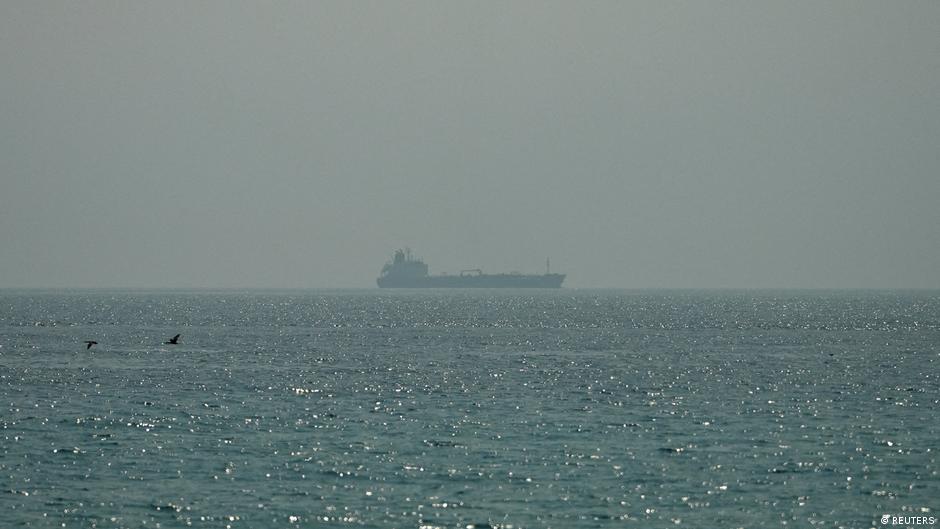
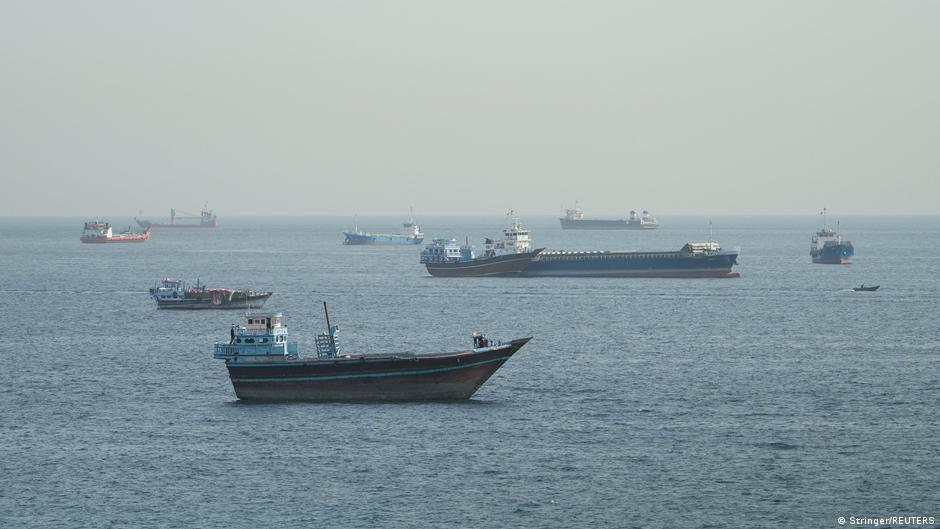
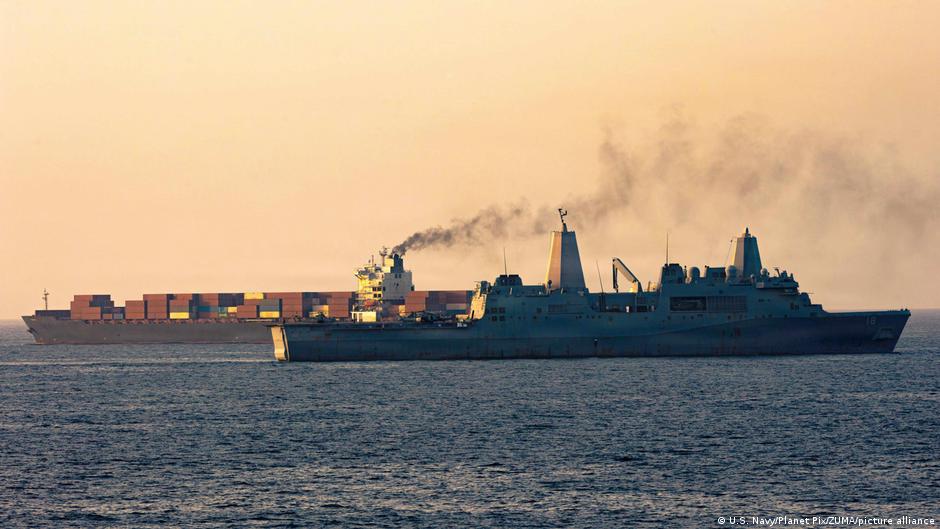
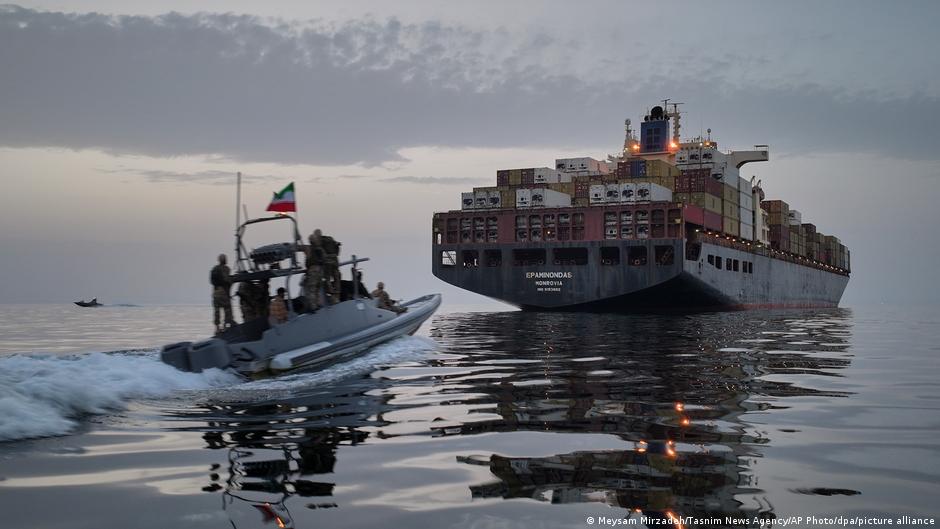
US military strikes on Iran after attacks on tankers escalate Middle East tensions, triggering volatility in energy markets and impacting investor risk sentiment globally.

The US and Iran agree on a temporary ceasefire until June 30 talks on Strait of Hormuz navigation, easing oil price volatility and reducing geopolitical risks for investors.

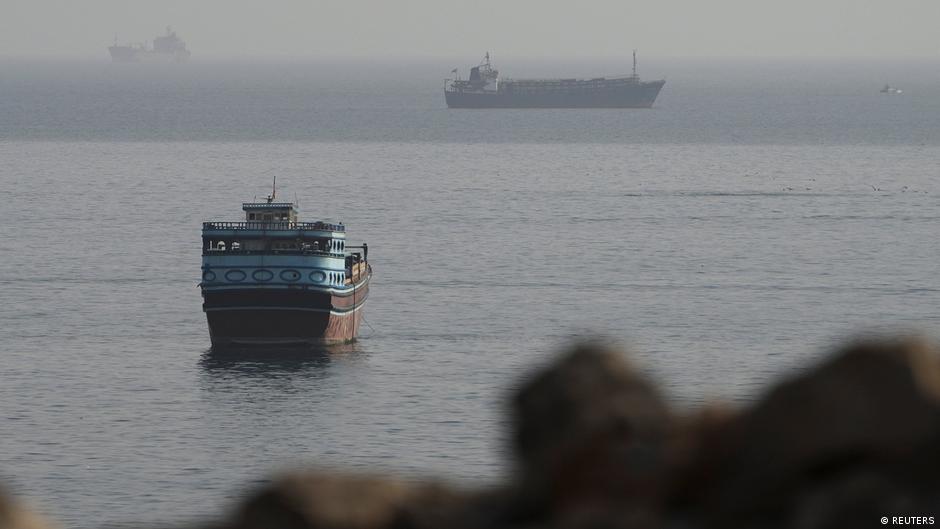
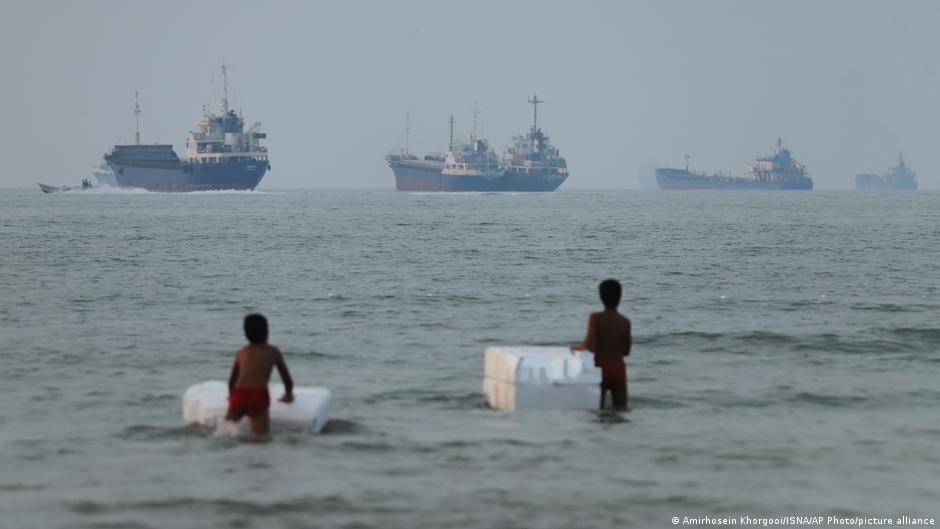
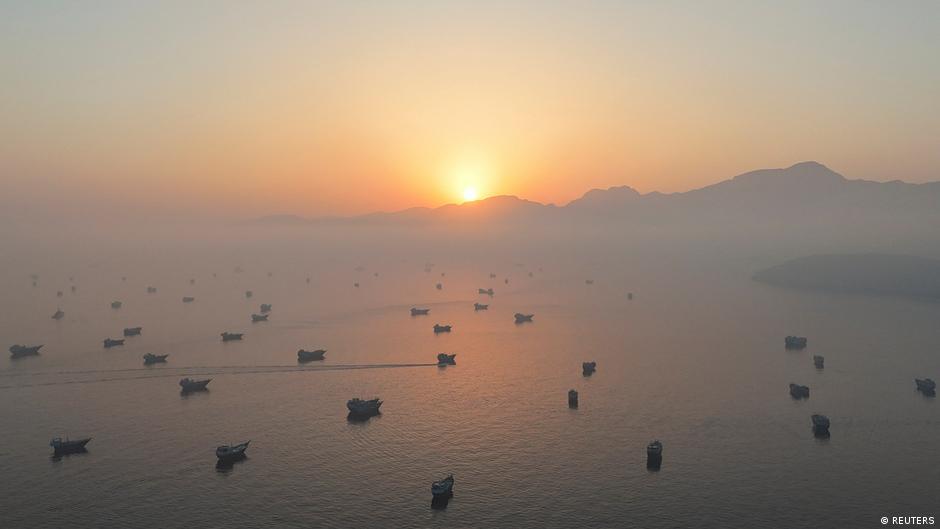
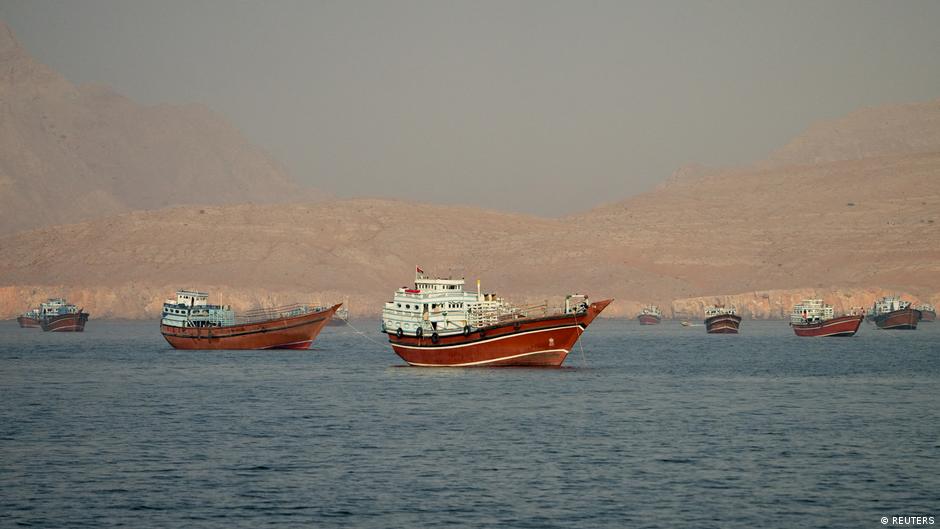
US and Iran exchanged military strikes after an Iranian drone attacked a merchant vessel in the Strait of Hormuz, causing oil prices to rise and increasing market volatility.

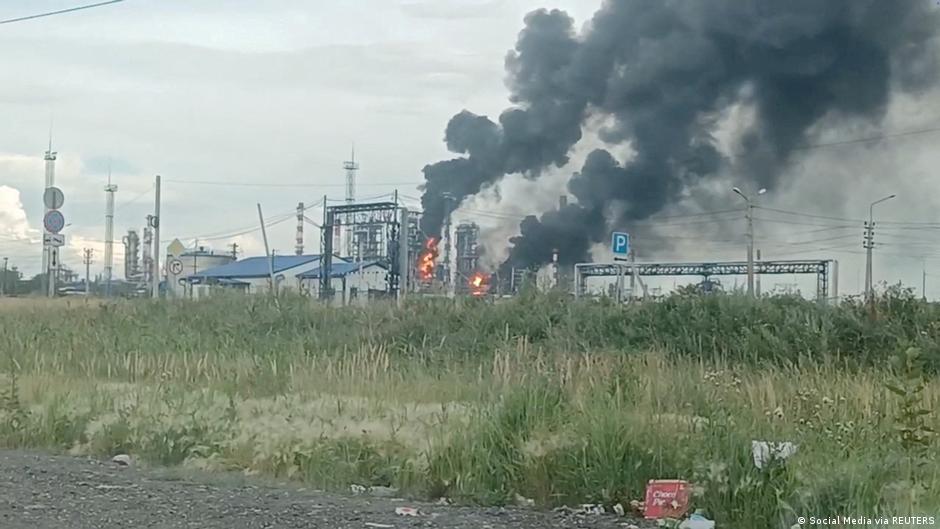
Russian authorities impose fuel sales limits in over 50 regions amid production cuts from drone attacks, affecting oil market dynamics and investor confidence.

Germany urges that future EU-Turkey gas agreements exclude Russian supplies, signaling shifts in energy markets and investor strategies amid Europe's transition away from Russian energy.

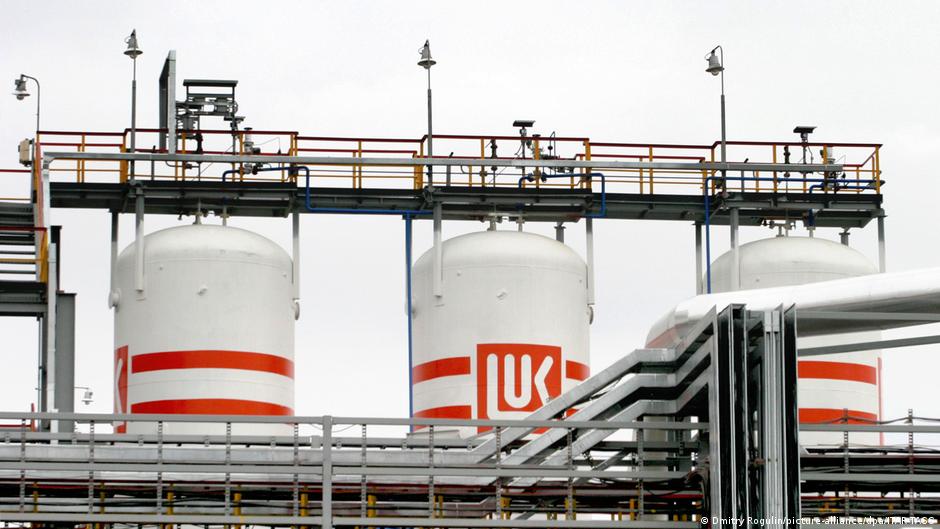
Bulgaria plans to veto the EU's latest sanctions on Russia, citing economic risks to its energy sector, notably Lukoil, raising concerns for investors in regional markets.

The EU has extended sanctions on Russia for one year, impacting equities, bonds, and energy markets as investors adjust to sustained geopolitical risks.

The US has lifted its blockade of the Strait of Hormuz, reopening vital oil transit routes and initiating negotiations with Iran, impacting global energy markets and investor confidence.

Pakistan announces immediate reopening of the Strait of Hormuz following a US-Iran peace memorandum, potentially easing geopolitical risks impacting energy markets and investors.

European leaders welcome the US-Iran peace deal, emphasizing regional stability, nuclear non-proliferation, and potential easing of market risks, particularly in energy sectors.

US Treasury extends deadline to June 16 for MOL's negotiations to acquire Gazprom's stake in Serbian oil firm NIS amid sanctions and pipeline disruptions.

Ukraine apologized to Greece after a naval drone with explosives was found near Lefkada, raising regional security concerns that impact European markets and investor confidence.

Rosneft advisor predicts Russia may face decades-long conflict, urging economic restructuring that could impact equities and bonds amid heightened security risks.

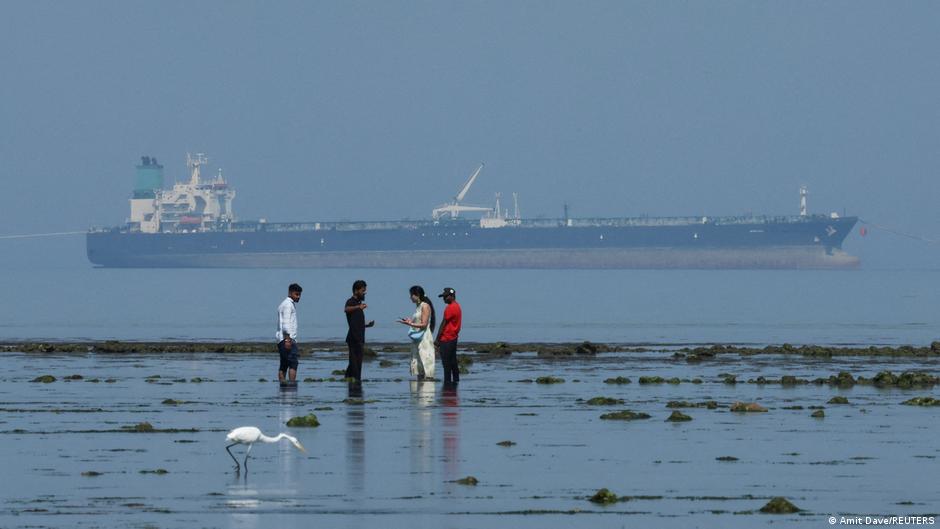
The US has quietly aided around 70 commercial ships through the Iran-blocked Strait of Hormuz, signaling ongoing regional tensions that affect energy and shipping markets.

US forces disabled a Gambian-flagged vessel headed to Iran amid Strait of Hormuz blockade, raising regional tensions and impacting energy markets and investor sentiment.

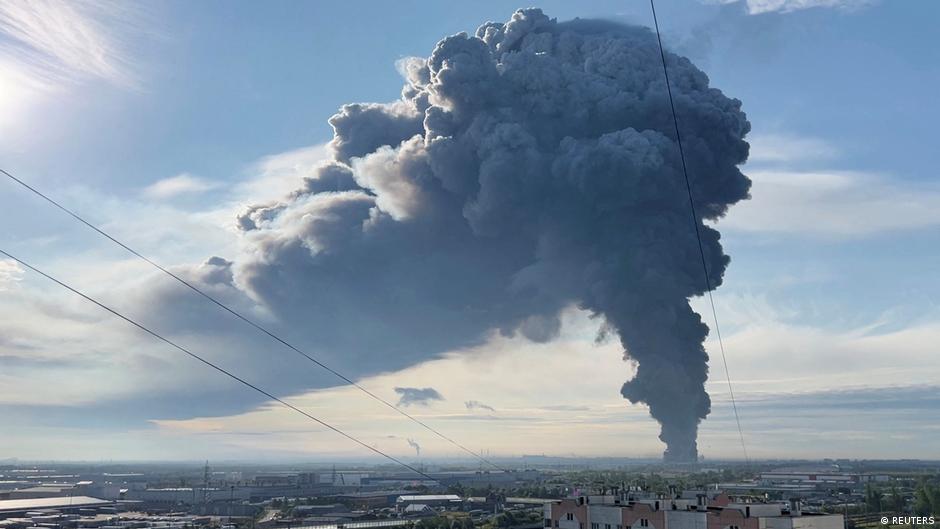
Ukrainian drone strikes have forced Lukoil's NORSI refinery to halve its capacity, affecting a quarter of Russia's refining output and tightening domestic fuel supplies.

The UK granted an indefinite license for importing refined fuels derived from Russian oil, easing supply constraints amid geopolitical tensions and impacting energy market dynamics.

The US has not renewed temporary sanctions relief on Russian oil shipments, potentially increasing market volatility and impacting energy equities and bonds.

Iran's new shipping declaration for the Strait of Hormuz could disrupt oil transit and impact energy markets amid rising geopolitical tensions.

Global oil inventories dropped by a record 200 million barrels in April amid Middle East tensions, raising risks of higher prices and market volatility for investors.

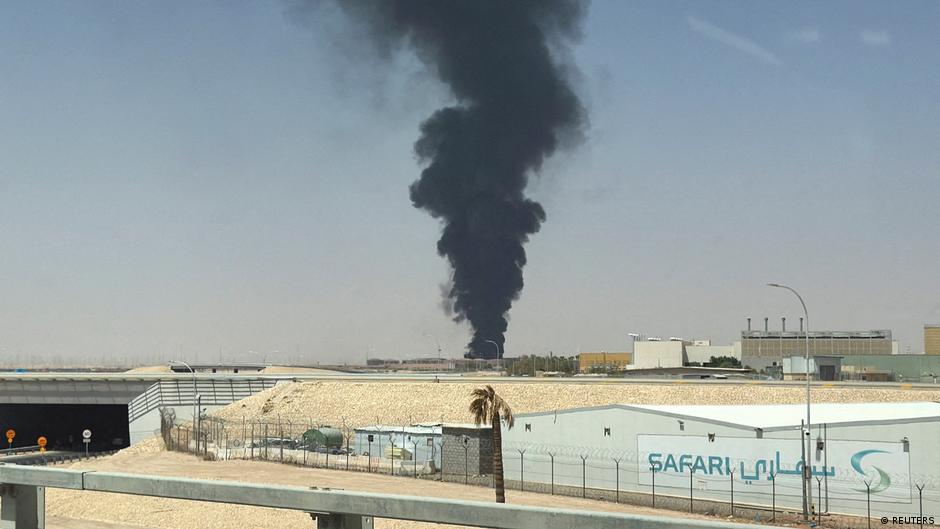
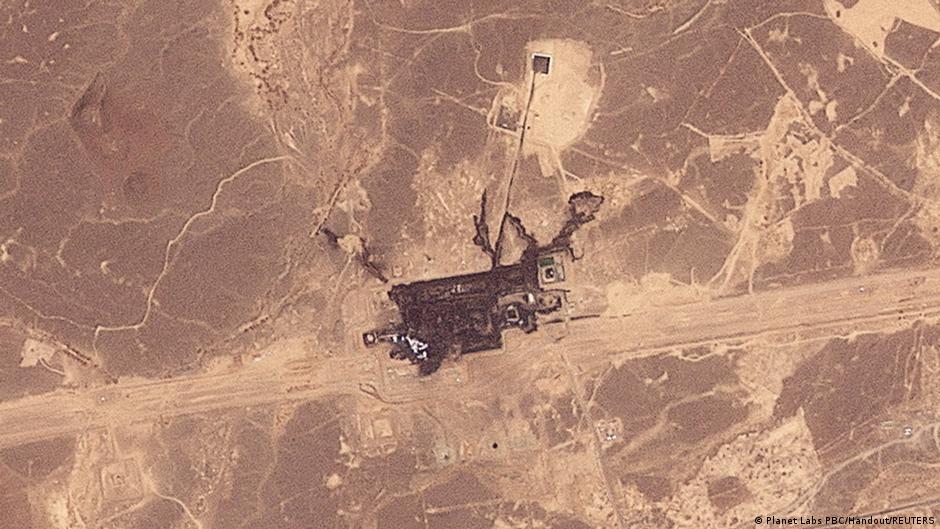
Iran's missile and drone attacks on the UAE have escalated regional tensions, triggering volatility in energy markets and raising investor concerns over Gulf geopolitical risks.

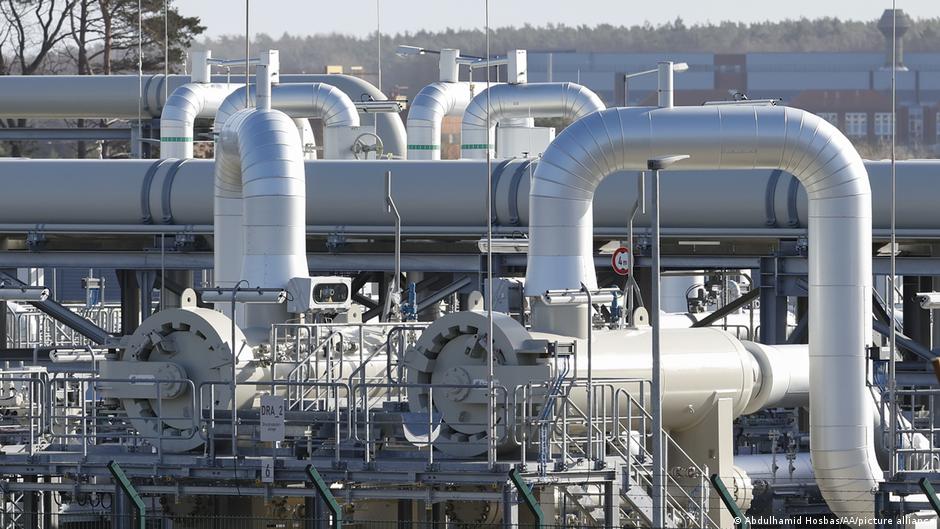
Germany plans to transfer an 84 MW gas power plant once serving Nord Stream to Ukraine as humanitarian aid, reflecting shifts in European energy markets and investor risks.

Iran has submitted a 14-point peace plan to the US demanding troop withdrawals and sanctions relief amid ongoing Middle East conflict, sparking cautious market reactions.

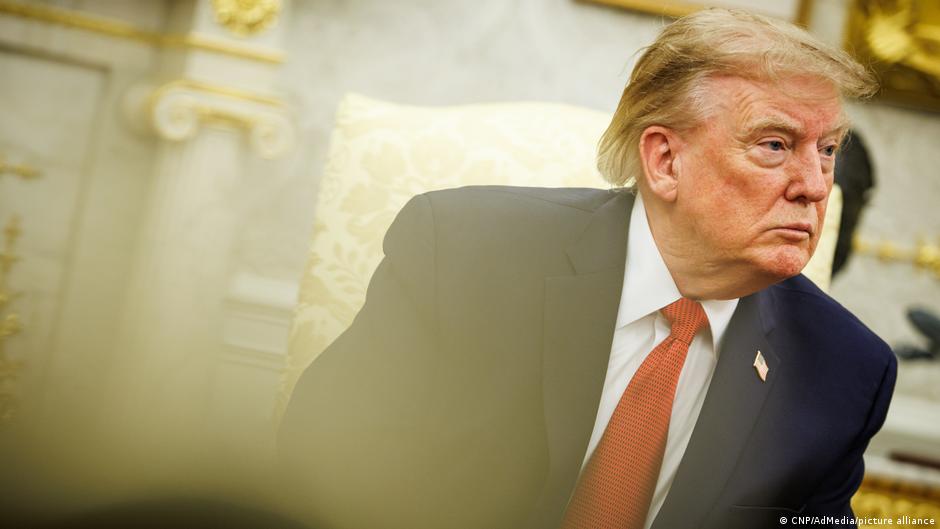
Oil prices surged over 7% after U.S. President Trump's threats against Iran, intensifying geopolitical risks and impacting capital markets.

The US will not extend temporary sanctions exemptions for Russian and Iranian oil, signaling tighter restrictions that could impact energy markets and investor sentiment.