
Business
Russia Extends Strikes on Kyiv as War Risk Remains Central for Markets
Russia struck Kyiv again overnight after deadly daytime attacks, keeping geopolitical risk in focus for investors.
Editorial Team·
·3 min
Russia struck Kyiv again overnight after deadly daytime attacks, keeping geopolitical risk in focus for investors.
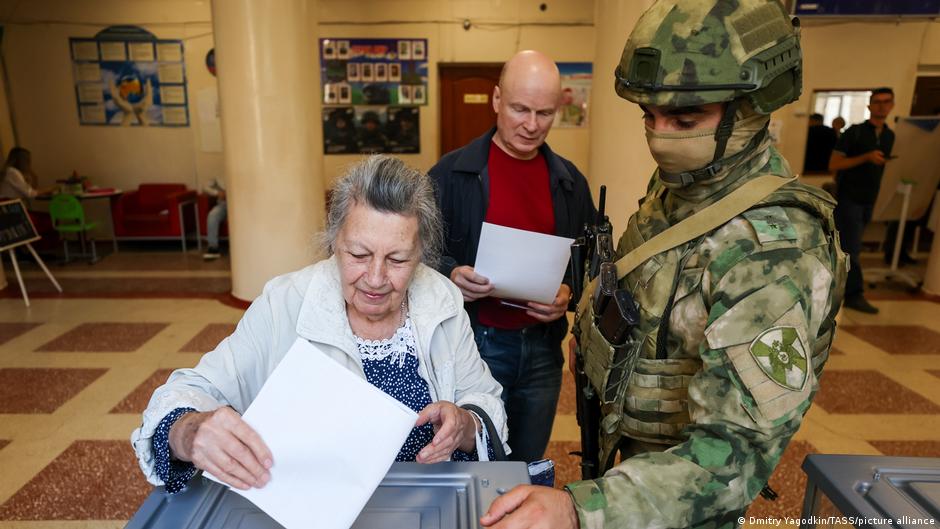
Ukraine sanctioned 44 people tied to Russian Duma voting in occupied regions, reinforcing sanctions risk for investors with Russia-linked exposure.
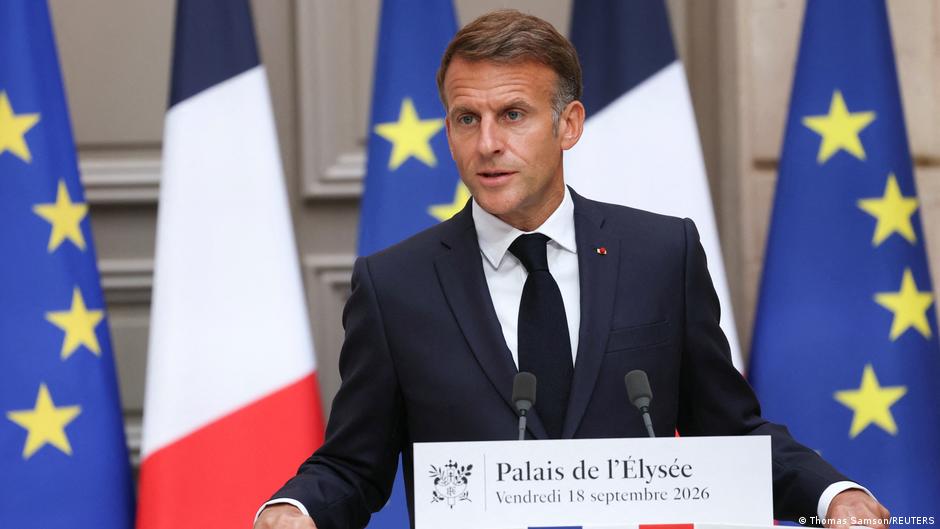
Macron said a Russian mobilization of around 300,000 people is credible, adding to market concerns over Europe’s security risk premium.

German investigators are examining whether a drone near the Wunstorf air base was linked to explosives, adding security risk for investors.
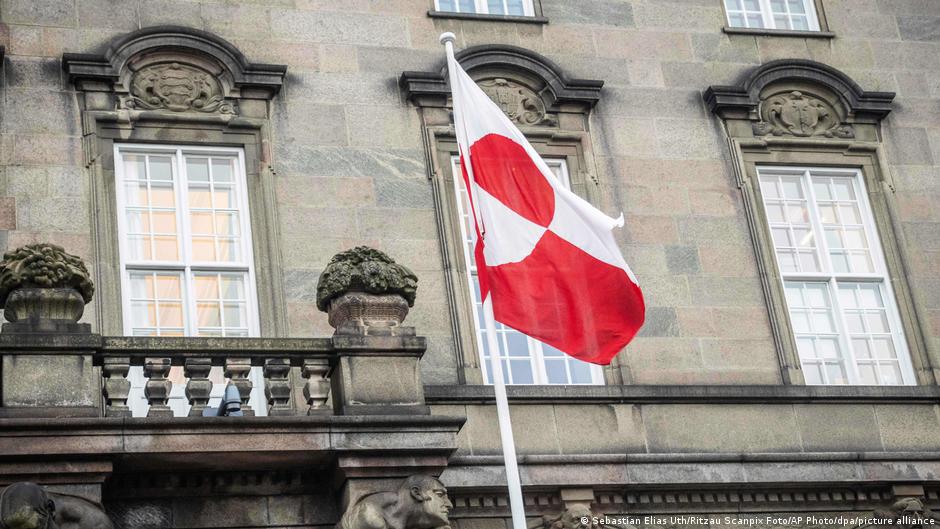
Trump says the U.S. has reached Greenland security understandings with Denmark and Nuuk, but local statements suggest final documents may still be pending.
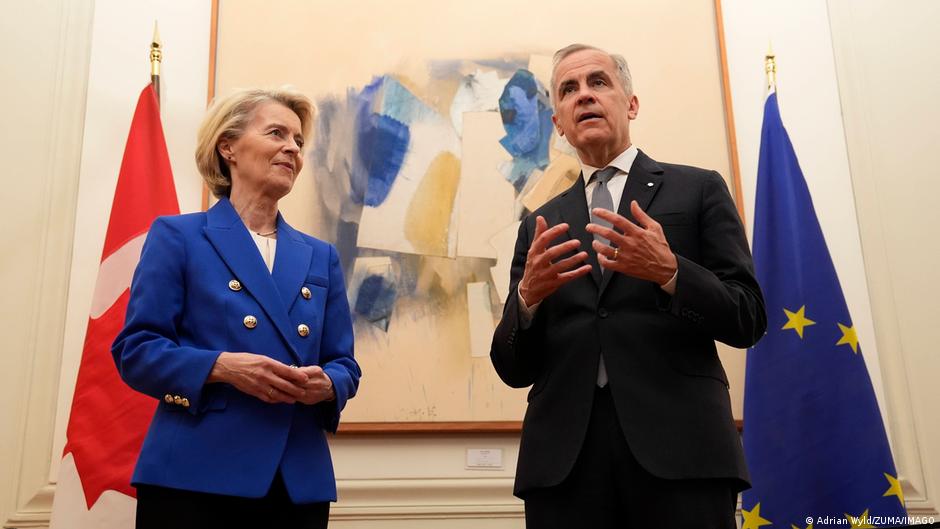
Canada is in talks to join the EU’s 90 billion euro Ukraine loan program as investors assess fiscal, defense and trade implications.

France warned CNews of possible criminal proceedings if expelled former RT France chief Ksenia Fedorova returns to its airwaves by video link.
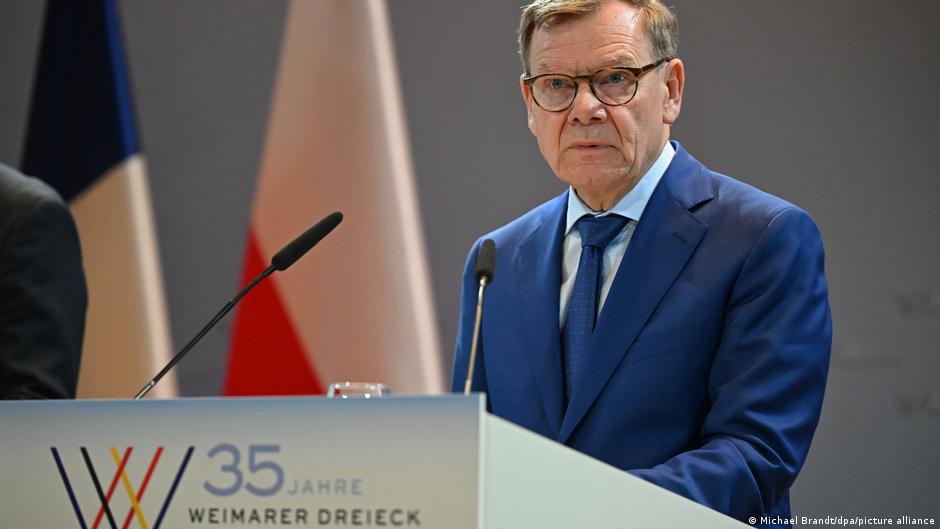
Germany’s foreign minister says Berlin’s support for Ukraine should also benefit German defense companies, sharpening the market focus on procurement.

Russia struck Kyiv with drones and ballistic missiles, damaging homes, industrial sites and logistics assets as investors monitor war risk.
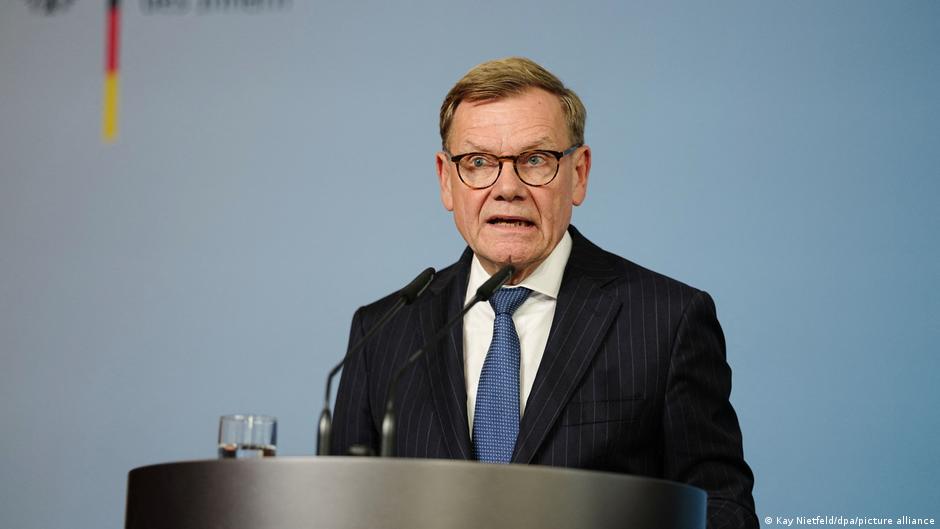
Germany’s new moves against Russia sharpen geopolitical risk for European markets and keep sanctions-sensitive sectors in focus for investors.
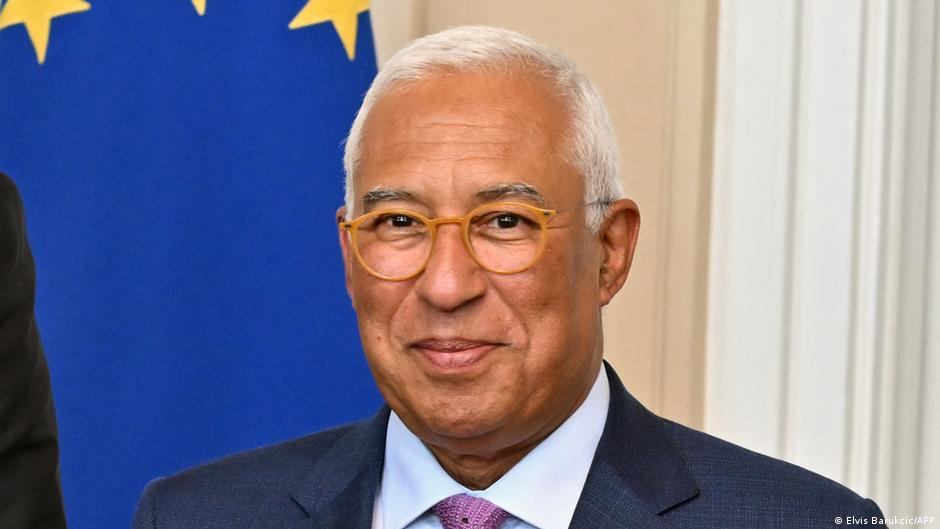
The EU pledges ongoing support for Ukraine and continued sanctions on Russia, affecting market dynamics and investor confidence amid geopolitical tensions.
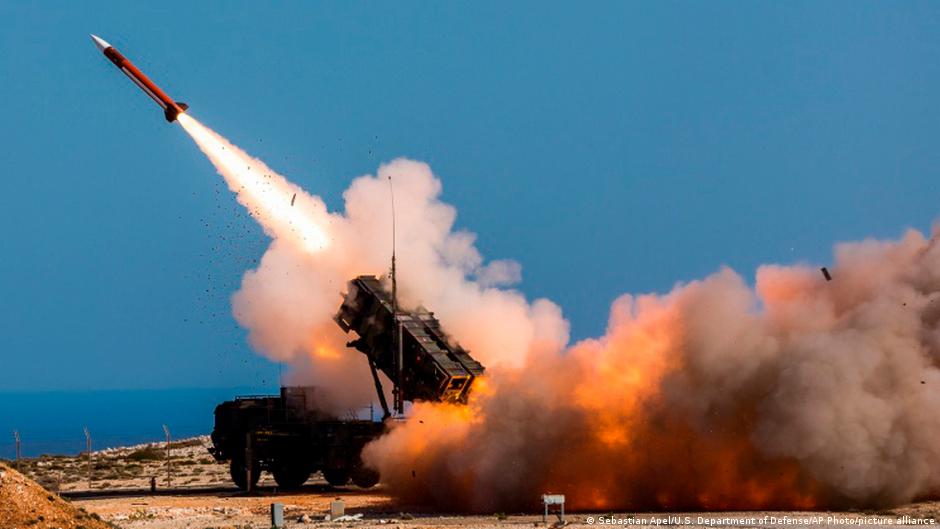
NATO affirms readiness after Iran reportedly plans strikes on military bases in Bulgaria and Cyprus, raising geopolitical risks that affect European market stability and investor confidence.
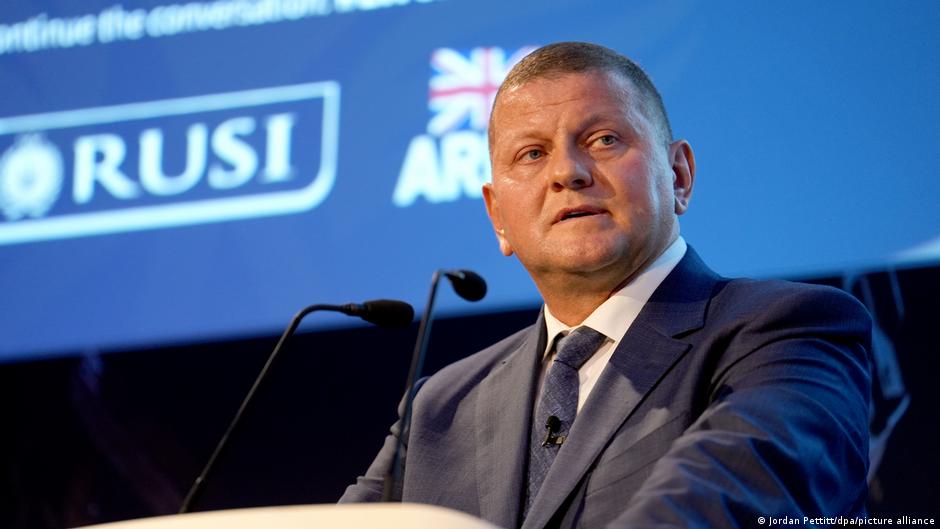
Ukraine’s former military chief rules out NATO membership, highlighting alternative defense alliances that influence investor risk and defense sector markets.
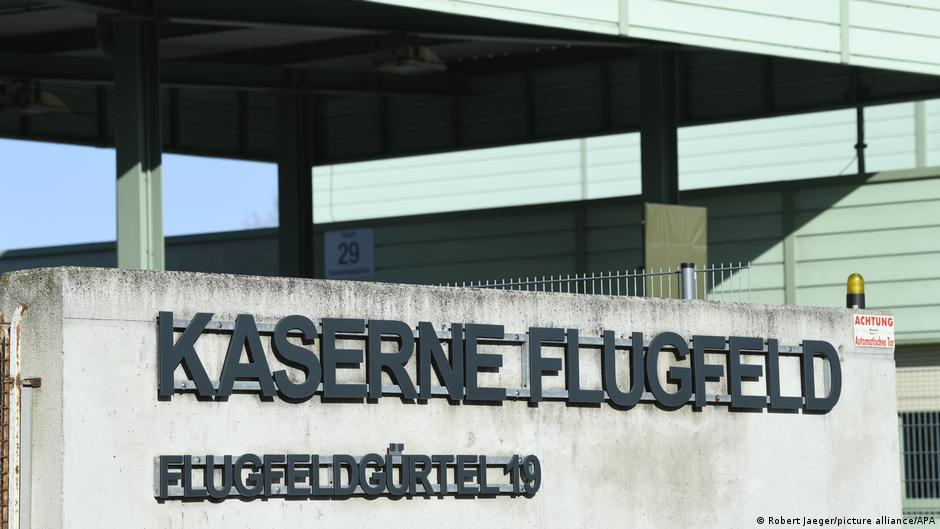
Austria aims to extend mandatory military service to nine months, enhancing defense readiness amid rising security threats, with potential implications for government spending and investor confidence.
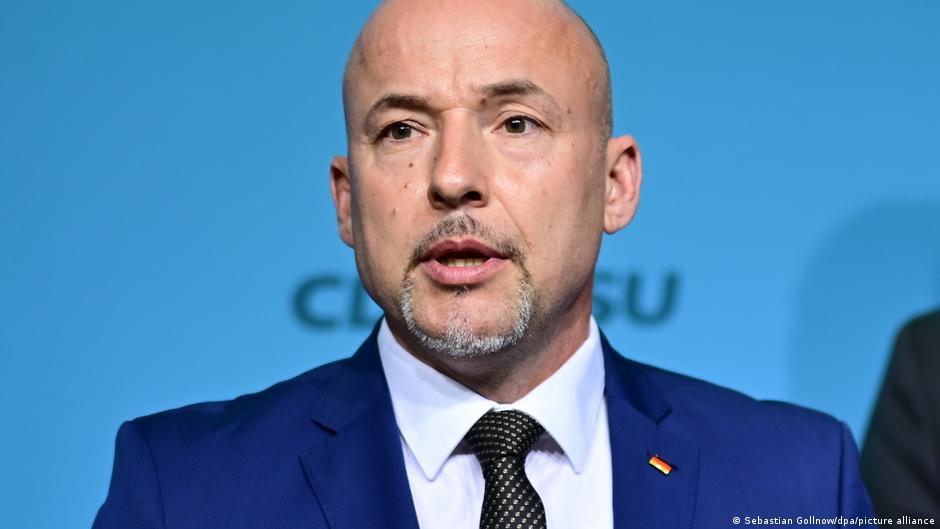
German CSU leader urges Ukraine to share advanced drone technologies with Germany, highlighting potential impacts on defense equities and military production markets.
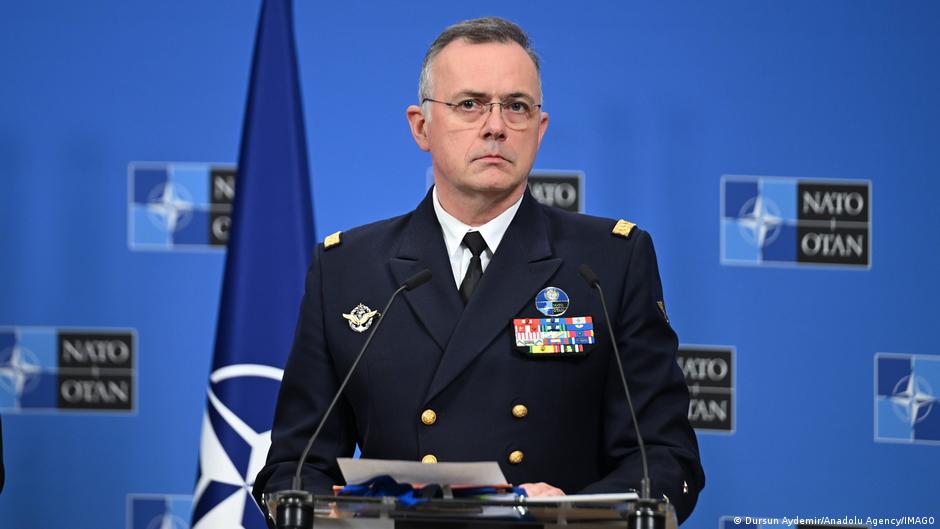
NATO confirms ongoing delivery of US air defense missiles to Ukraine, providing stability to defense markets amid geopolitical tensions impacting equities and bonds.
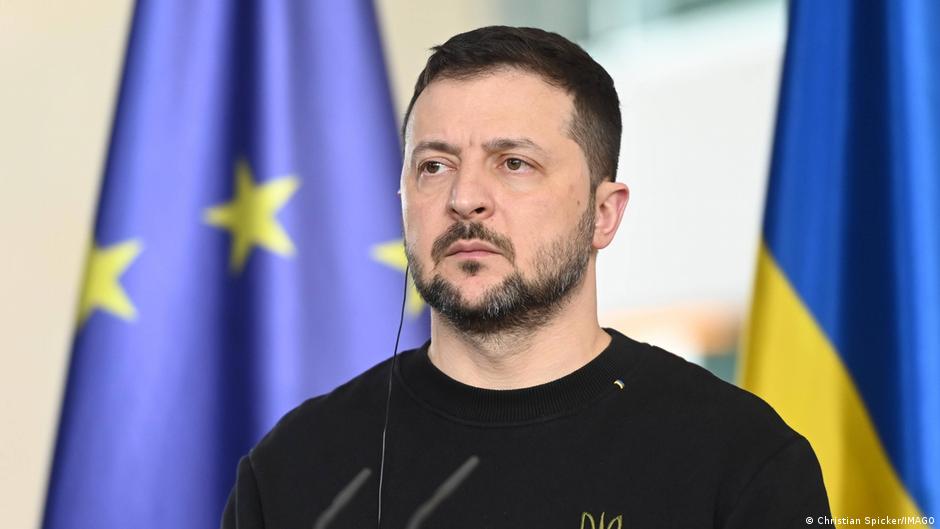
Ukraine’s enhanced defense partnership with Germany boosts market confidence amid conflict, signaling stronger security and investment potential.
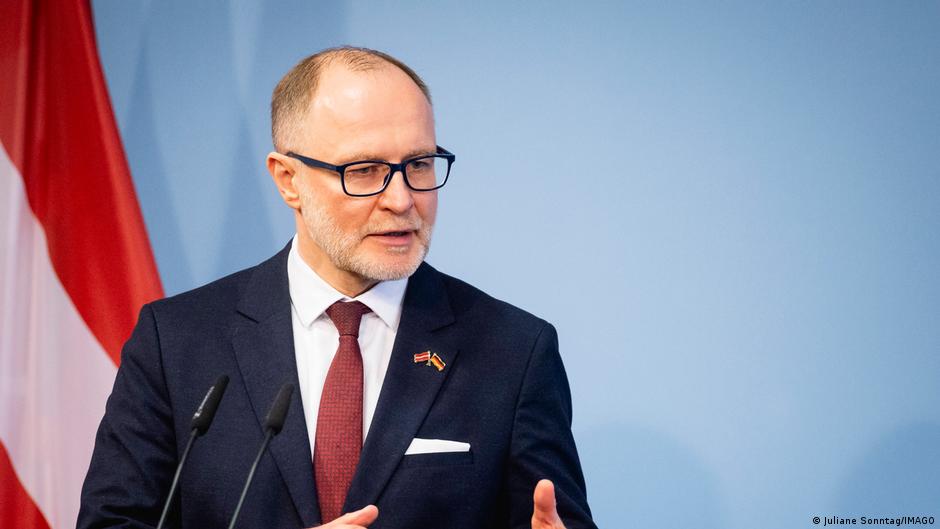
Latvia’s ruling coalition collapses after Defense Minister resigns over drone incident, heightening political risk and uncertainty ahead of upcoming elections.

Ukraine offers long-range drones and missiles to NATO, potentially filling capability gaps and impacting defense markets and investor outlooks amid shifting European missile strategies.
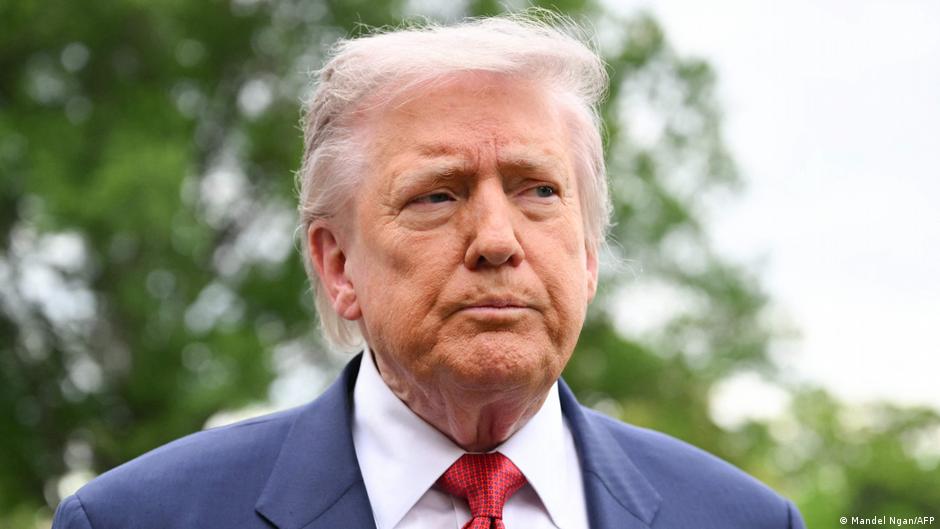
US plans to relocate 5,000 troops from Germany to Poland may affect European equities, bonds, and investor sentiment amid shifting geopolitical dynamics.
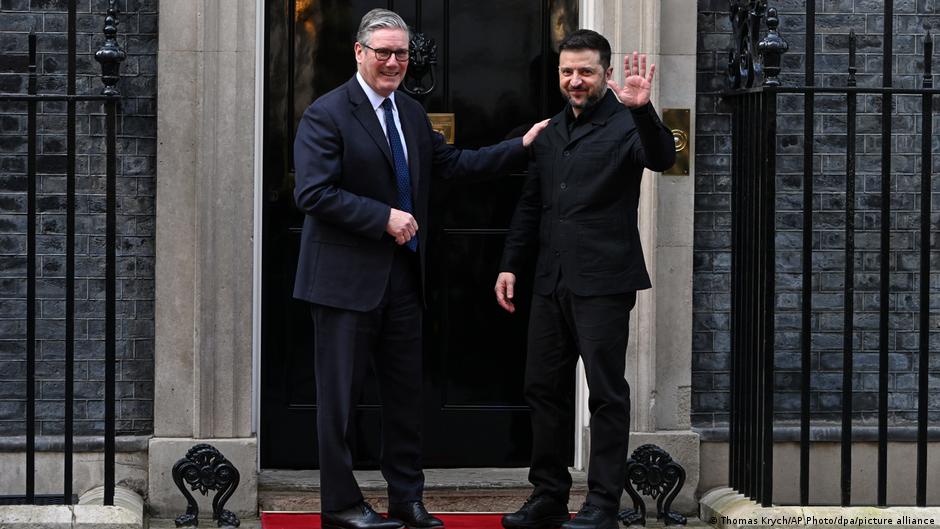
The UK plans to join the EU’s €90 billion credit program for Ukraine, expanding defense industry opportunities and impacting capital markets amid ongoing sanctions on Russia.
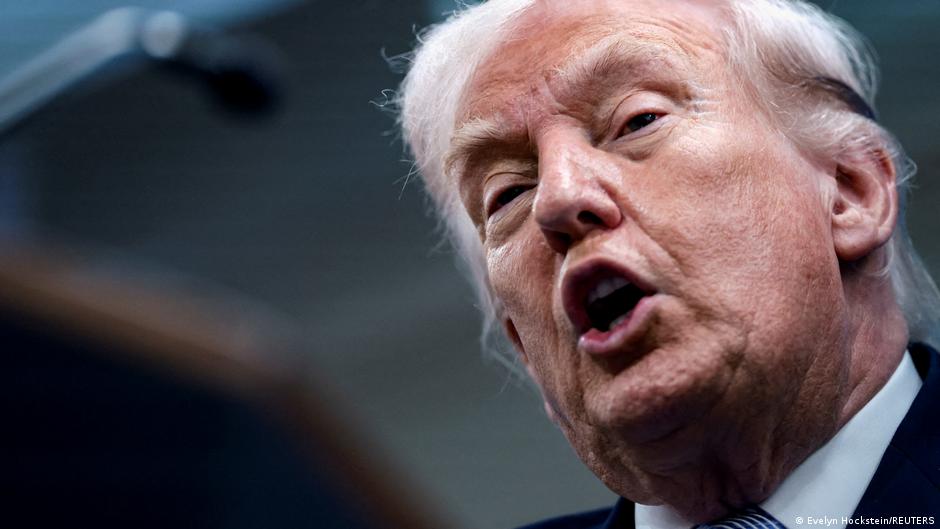
The US plans to reduce its military footprint in Germany by more than 5,000 troops, affecting defense stocks and European bond markets amid rising geopolitical tensions.
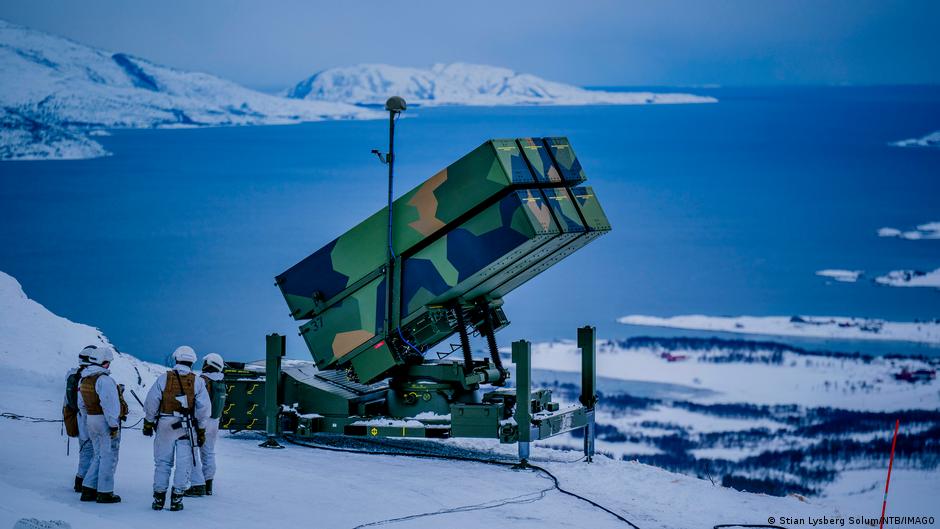
US delays arms shipments to European allies amid Iran conflict strain defense supply chains, impacting equities and bonds in the defense sector.