Zelenskyy UN Speech Puts Russia War Funding Back in Market Focus
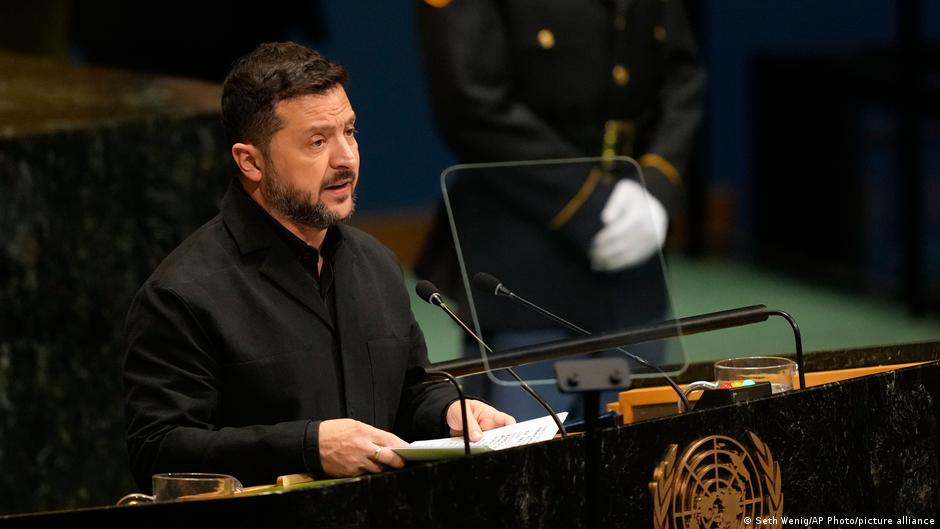
Zelenskyy’s UN remarks put Russia’s oil revenues, energy infrastructure and war financing back at the center of investor risk assessments.

Zelenskyy’s UN remarks put Russia’s oil revenues, energy infrastructure and war financing back at the center of investor risk assessments.

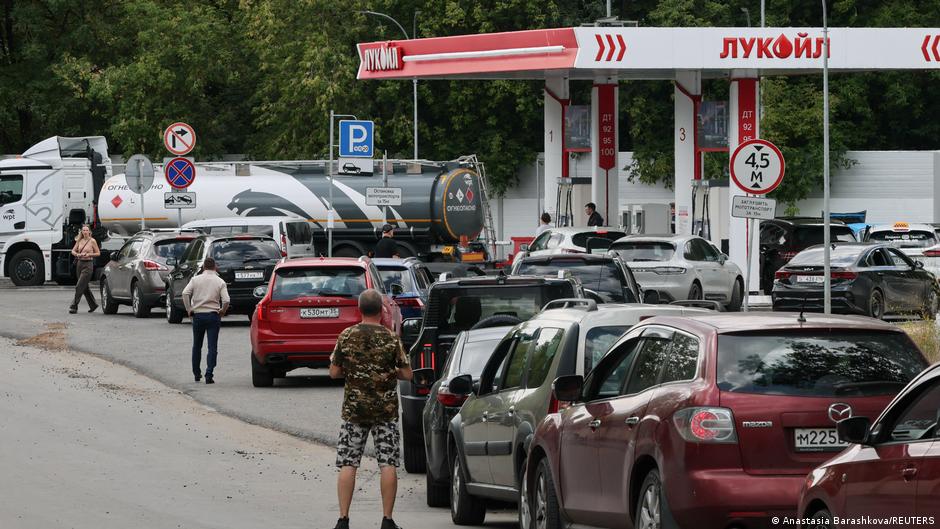
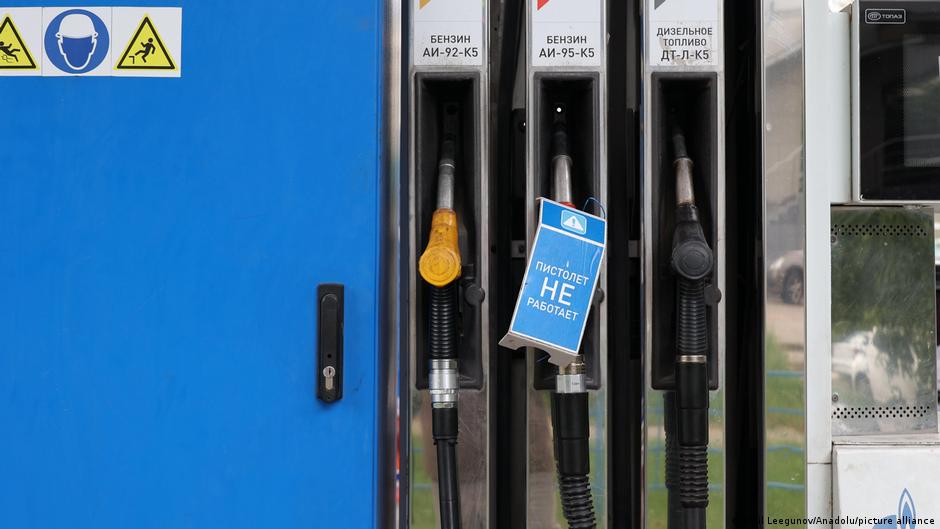
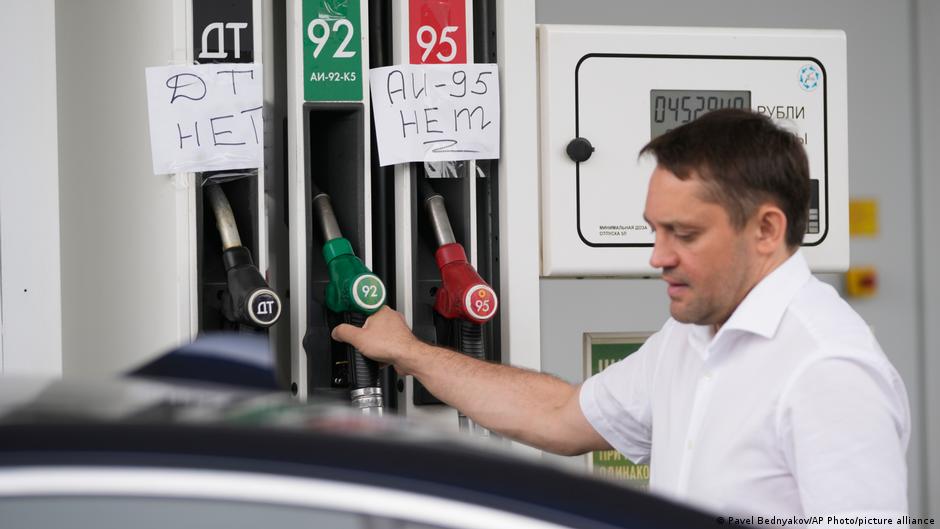
Kaluga and Zabaikalsky are restoring gasoline limits as refinery strikes renew supply stress, raising inflation and market risks.

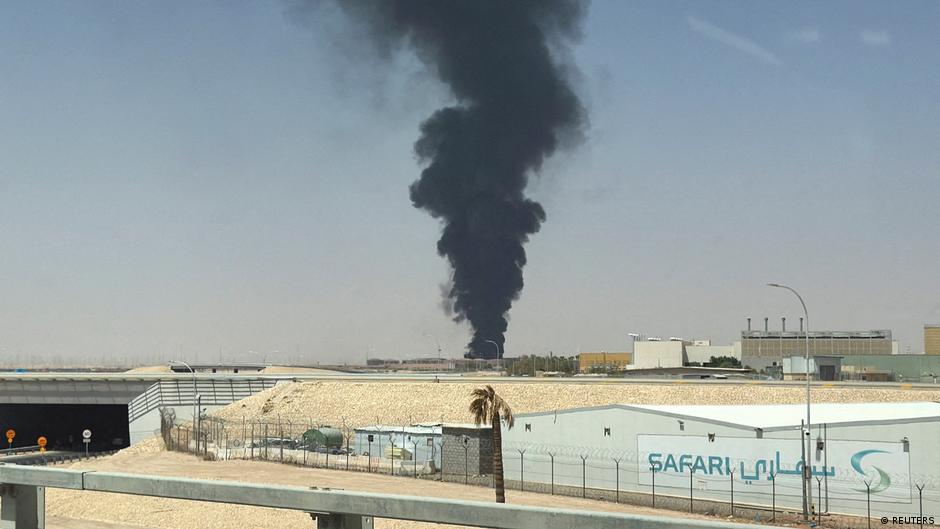
Saudi Arabia said it intercepted a Houthi missile aimed at Riyadh, heightening investor concern over Aramco assets and Red Sea oil routes.

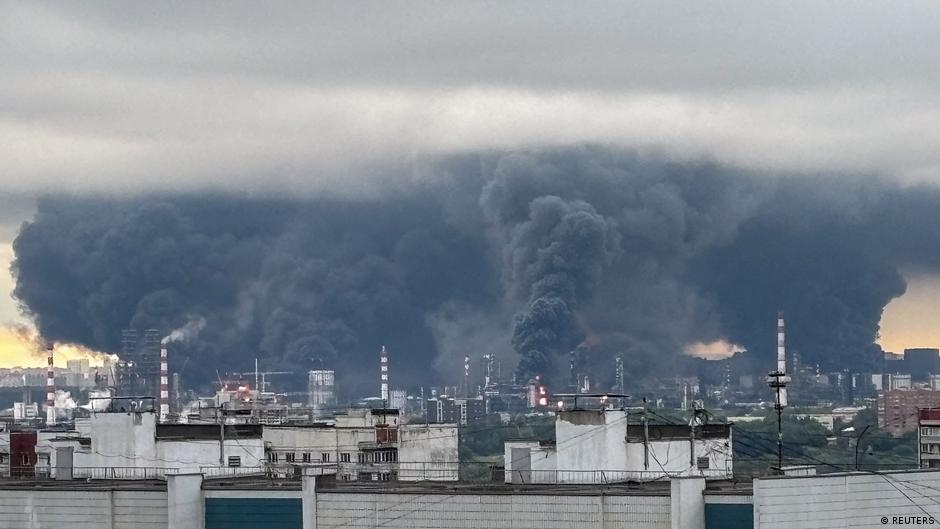
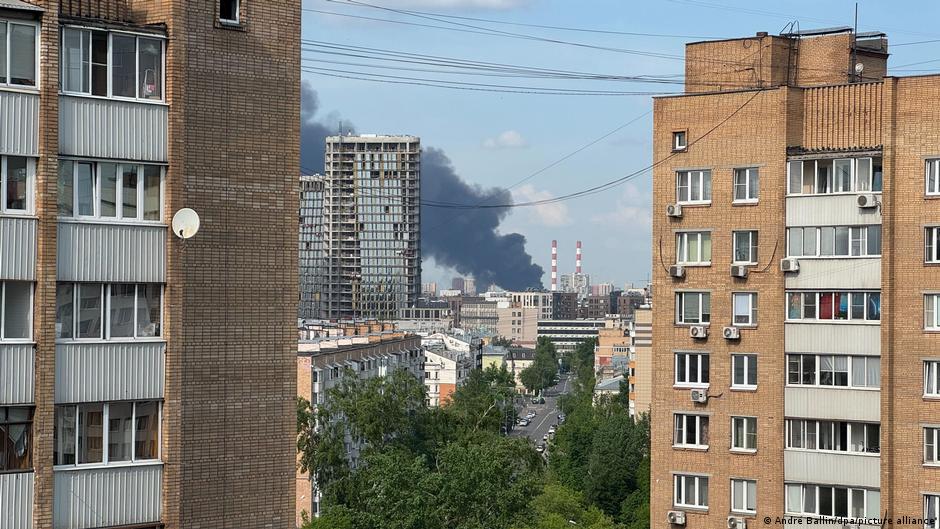
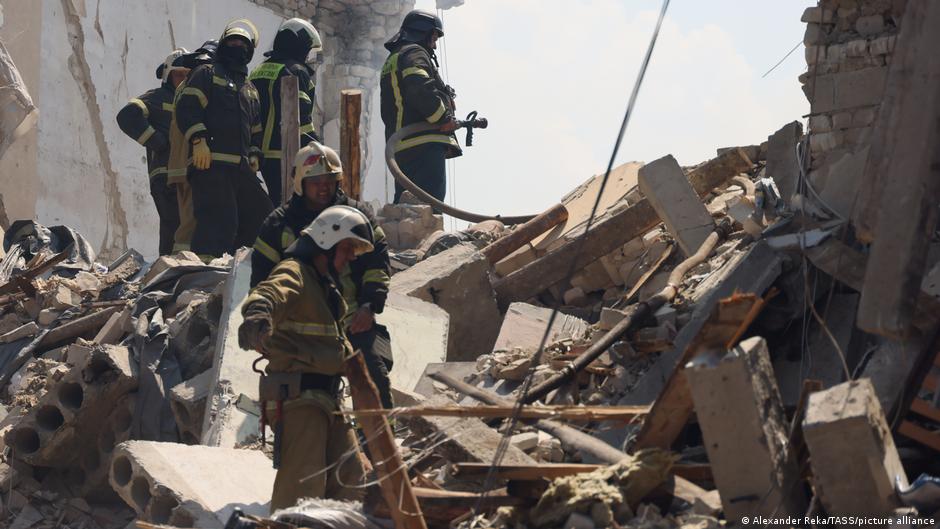
A major drone attack around Moscow killed two people, officials said, while fires and airport suspensions renewed investor focus on infrastructure risk.

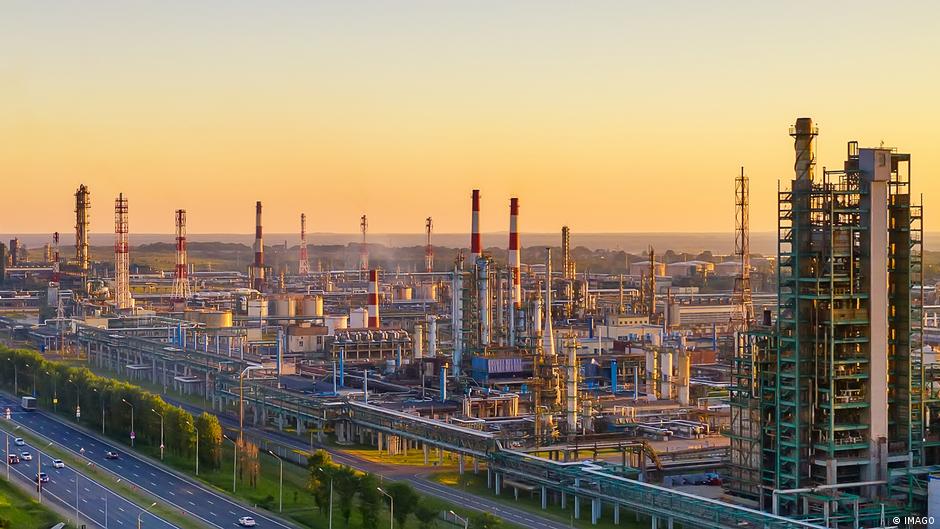
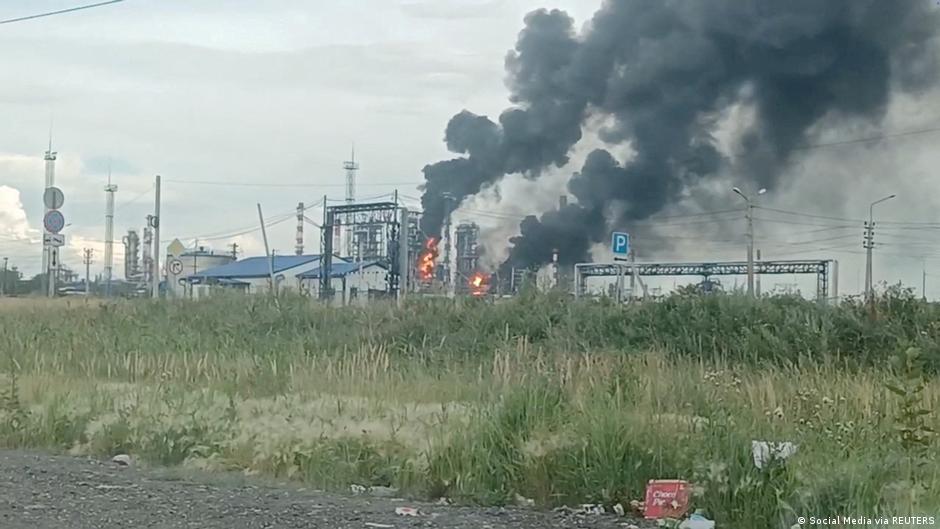
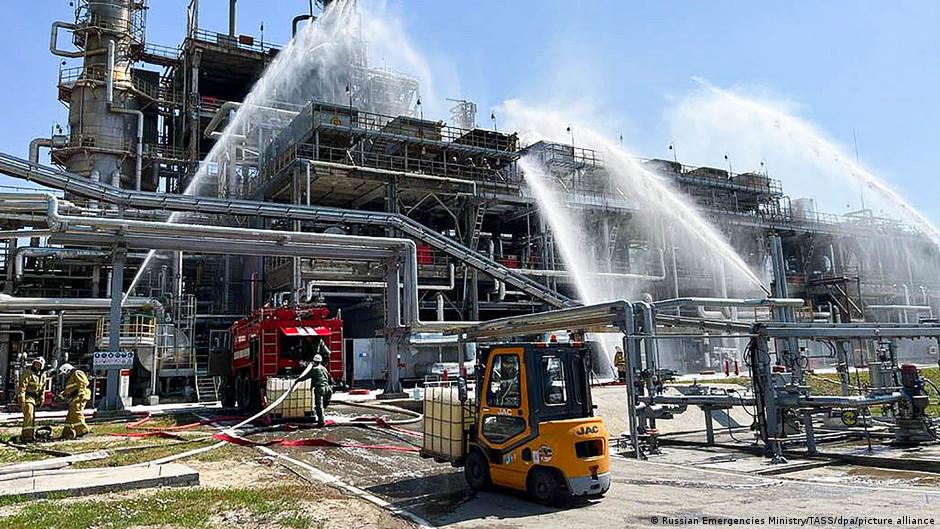
Drone damage has halted YANOS refinery processing and fuel shipments, adding pressure to Russian fuel supply and investor risk assessments.

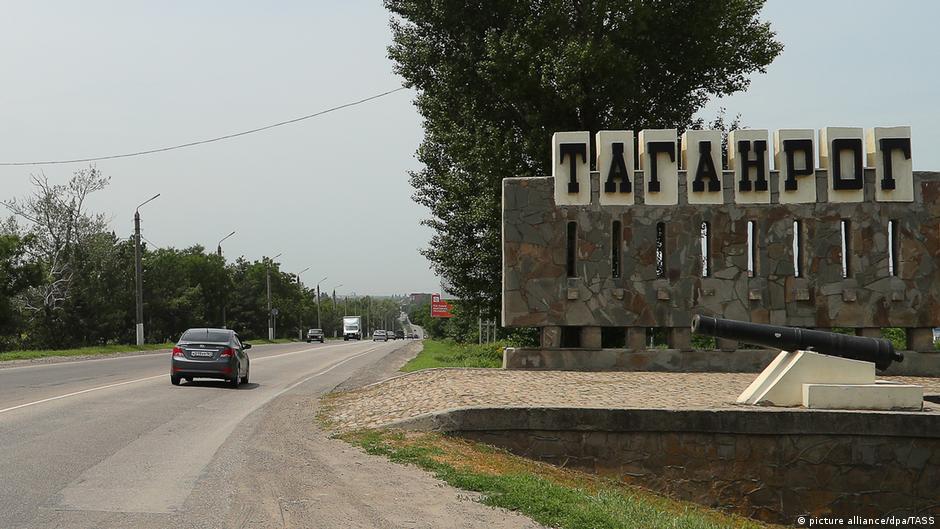
Strikes on the Syzran refinery and Taganrog facilities highlight continuing infrastructure risks for investors tracking Russian energy and industry.

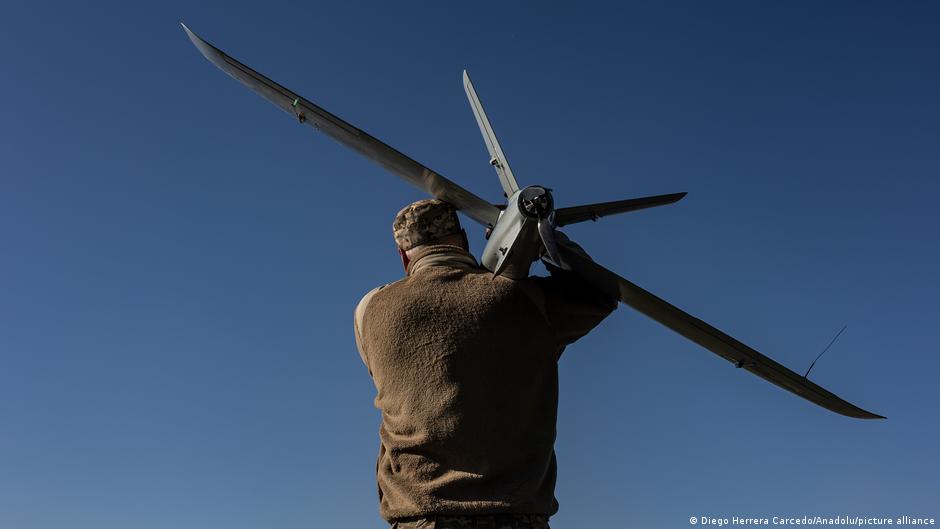
Over 180 drones were shot down near Moscow during a major nighttime attack, impacting infrastructure and prompting airspace and operational disruptions with market implications.

Russia extends authorization for lower-grade fuels until mid-2027 to combat production declines caused by refinery attacks, impacting energy equities and investor outlook.

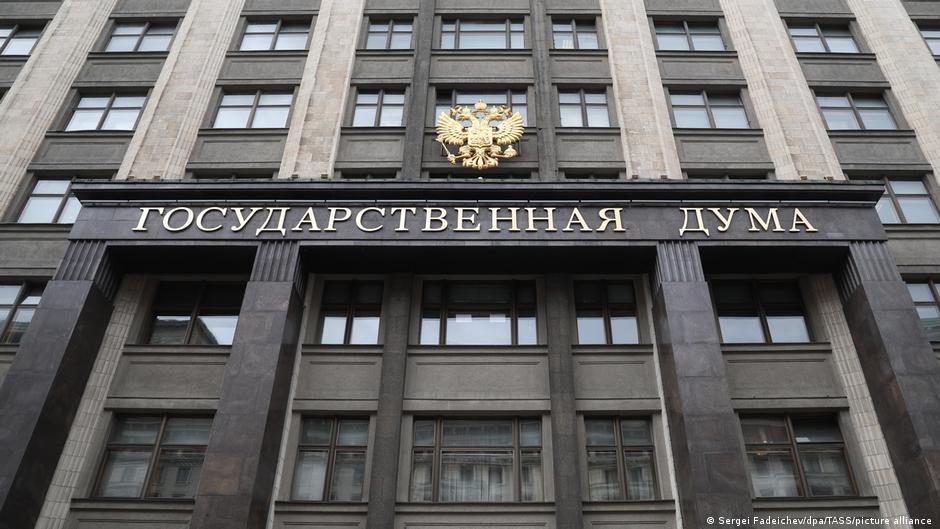
Russia’s parliament amended fuel market regulations to stabilize prices by expanding compensation schemes and adjusting import rules, impacting energy sector investments.

Ukrainian drone strikes have forced the Saratov refinery to halt operations, cutting refining capacity and exacerbating fuel shortages in Russia's energy market.

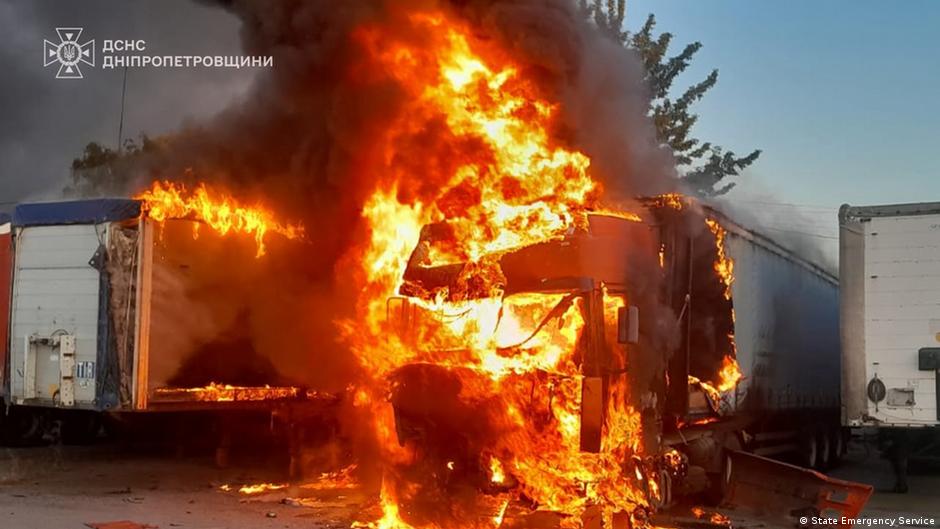
Russian strikes across multiple Ukrainian regions cause civilian casualties and infrastructure damage, posing risks to investor confidence and regional market stability.

Russia permits Euro-3 fuel circulation until 2026 to mitigate refinery disruptions, impacting energy markets with lower fuel quality and constrained supply.

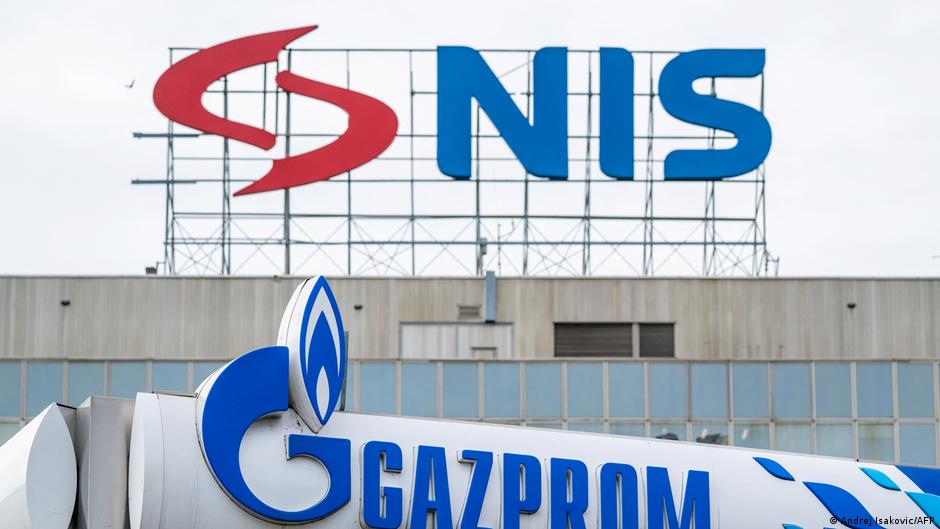
The US has again extended a temporary license allowing Serbian oil company NIS, partly owned by Gazprom, to operate under sanctions, prolonging uncertainty for investors.

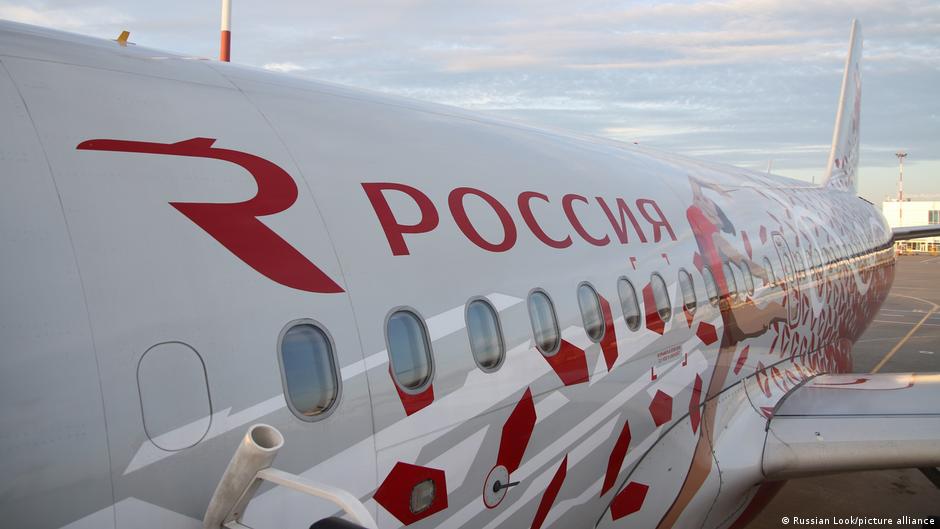
Russia's aviation fuel imports from Belarus surged nearly fourfold in May 2026 amid domestic production declines and refinery shutdowns, impacting fuel markets and investors.

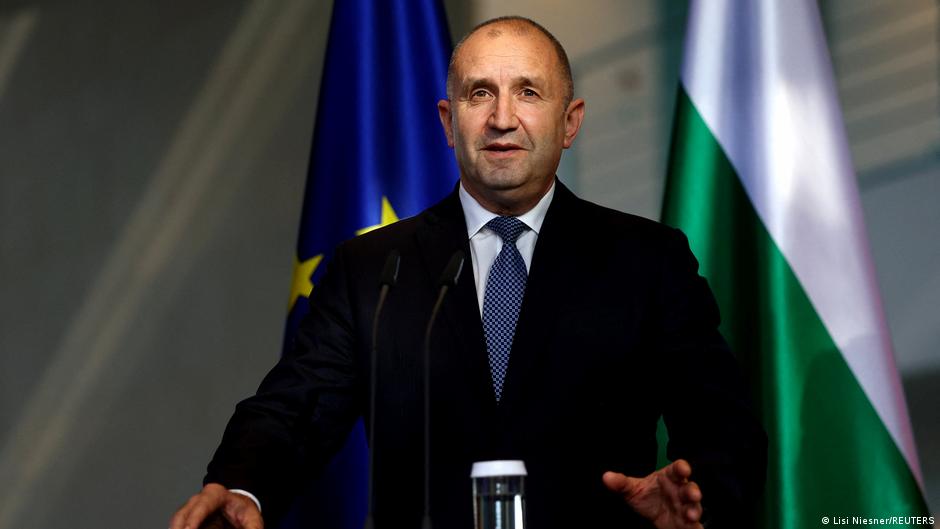
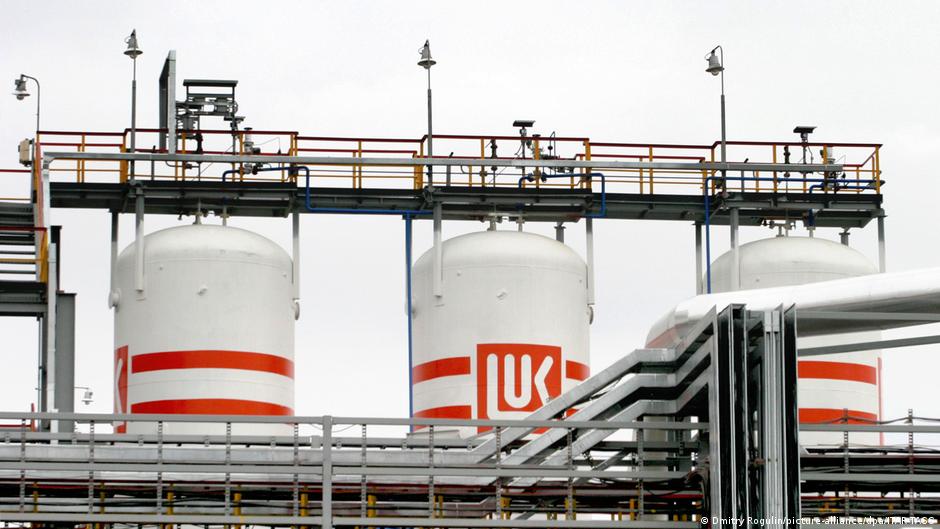
Bulgaria plans to veto the EU's latest sanctions on Russia, citing economic risks to its energy sector, notably Lukoil, raising concerns for investors in regional markets.

Recent drone attacks on Russian chemical and oil facilities raise concerns about operational risks and supply chain disruptions affecting market stability.

US Treasury extends deadline to June 16 for MOL's negotiations to acquire Gazprom's stake in Serbian oil firm NIS amid sanctions and pipeline disruptions.

Drone strikes on oil facilities in Russia's Rostov and Saratov regions have caused fires, raising concerns about energy infrastructure stability and market volatility.

Russia plans 1-2 month export limits on diesel and jet fuel amid drone attacks disrupting major refineries, impacting fuel supply and investor outlook in energy markets.

The Starobelsk attack causing 21 civilian deaths has heightened geopolitical risks, affecting regional equities and bond markets with increased volatility and investor caution.

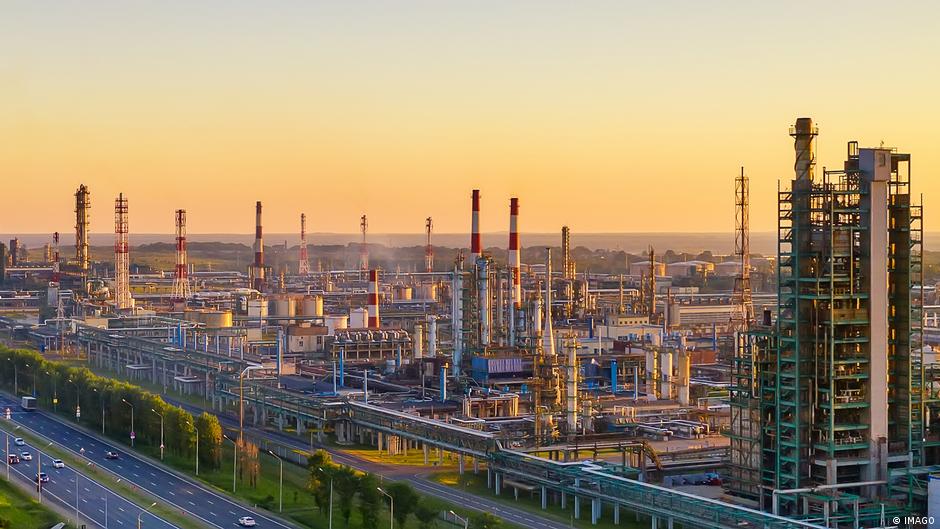
Ukrainian drone strikes have forced Lukoil's NORSI refinery to halve its capacity, affecting a quarter of Russia's refining output and tightening domestic fuel supplies.

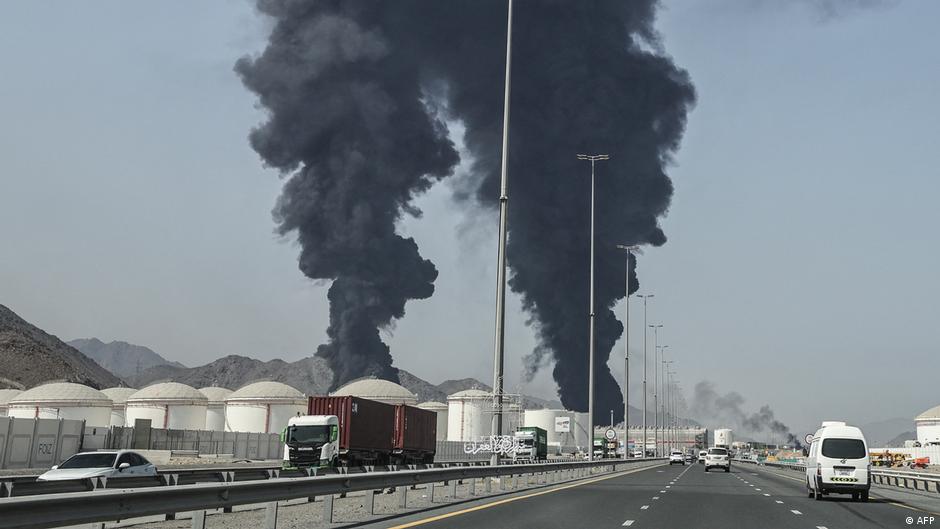
UAE’s undisclosed strikes on Iran raise regional tensions, impacting Gulf equities, bonds, and investor confidence amid ongoing conflict.

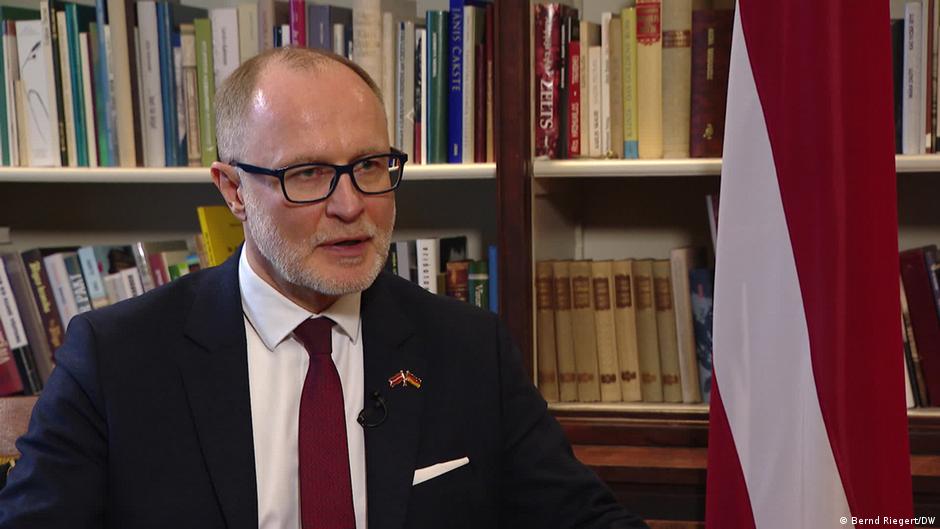
Latvian Defense Minister resigns after drone incursion raises security concerns, triggering cautious market reactions in Baltic equities and bonds amid regional tensions.

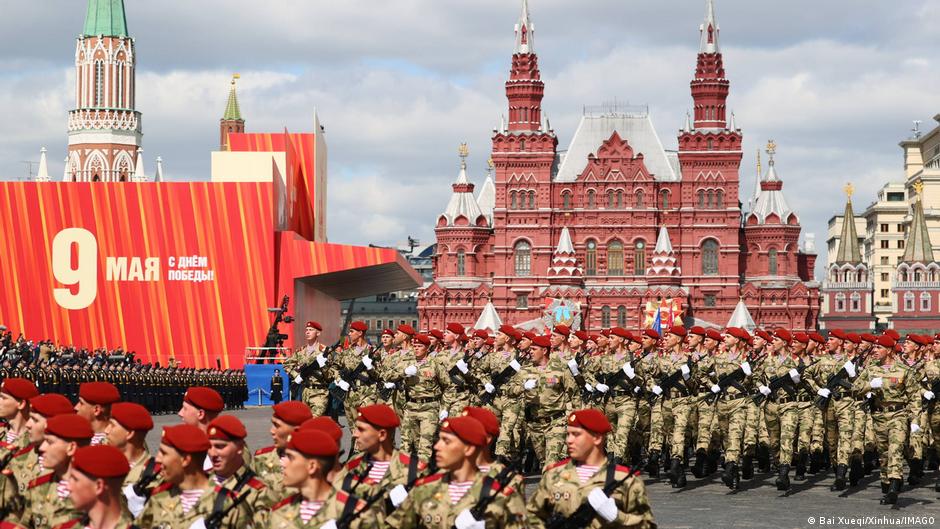
Moscow’s 2026 Victory Day parade will exclude military vehicles for the first time in years, reflecting security concerns and impacting defense sector investor sentiment.