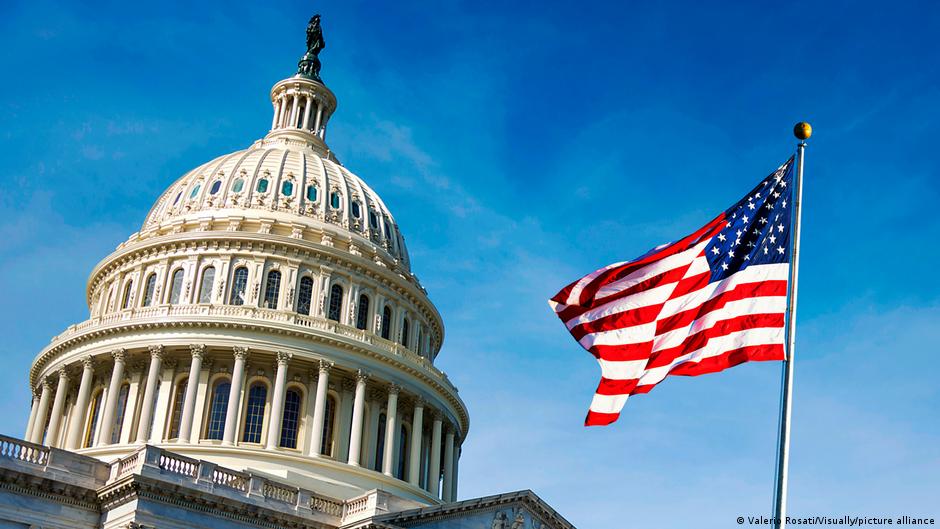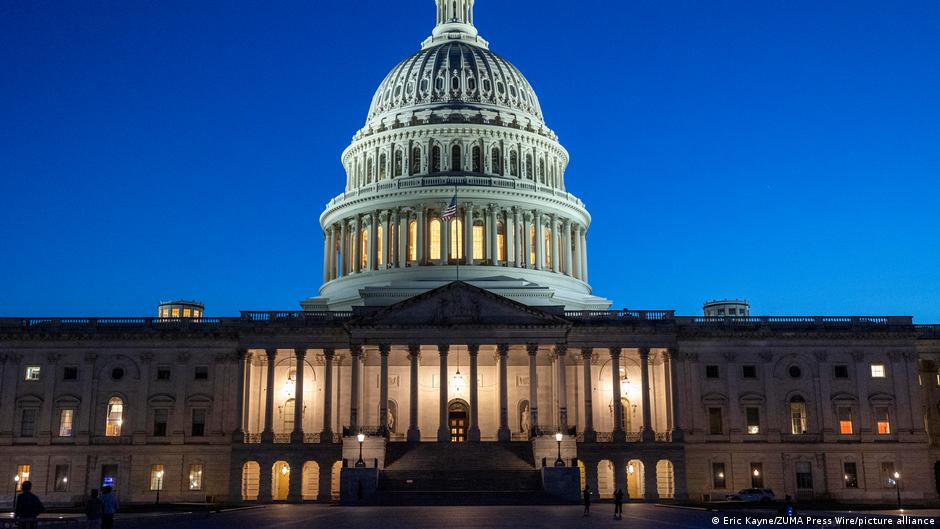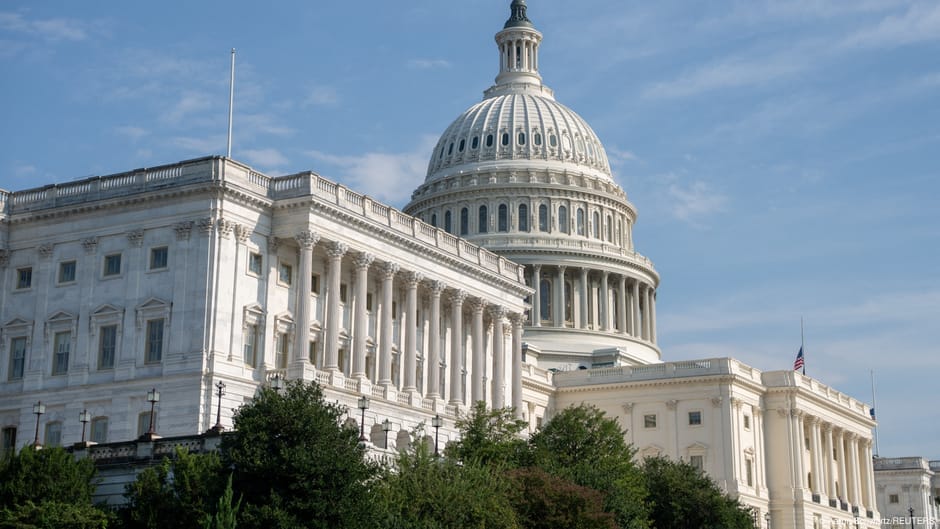
Democrats Secure Biggest US House Majority Since 1992 After Carolina Win
Democrats are set to hold at least 258 House seats and 56 Senate seats, giving investors greater clarity on the US policy outlook after the midterms.

Democrats are set to hold at least 258 House seats and 56 Senate seats, giving investors greater clarity on the US policy outlook after the midterms.

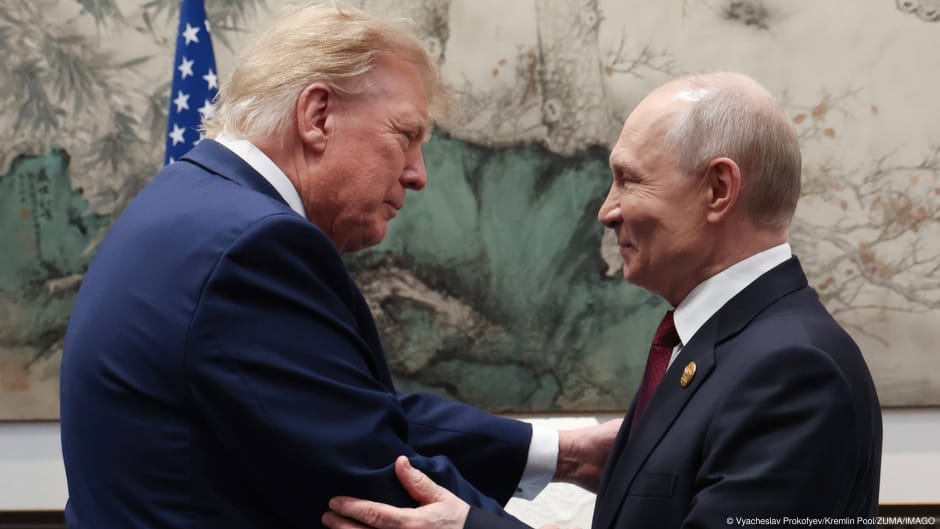
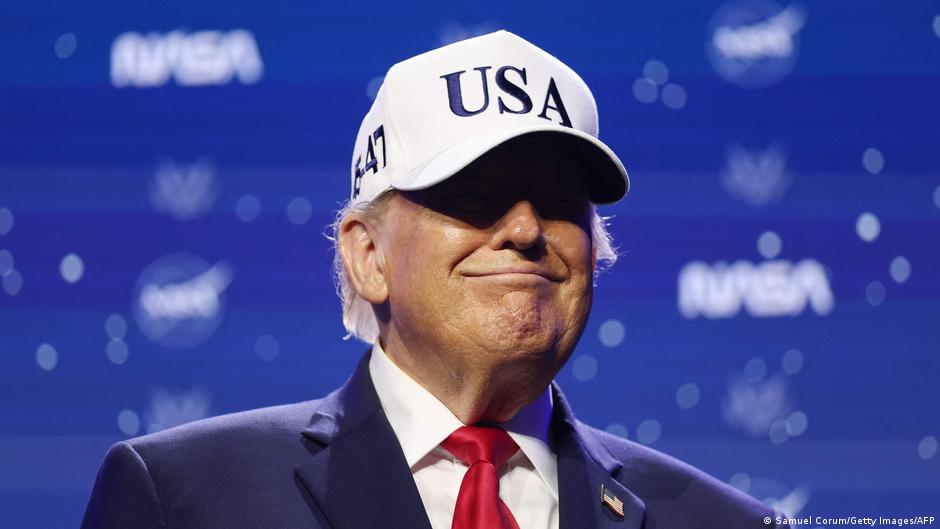
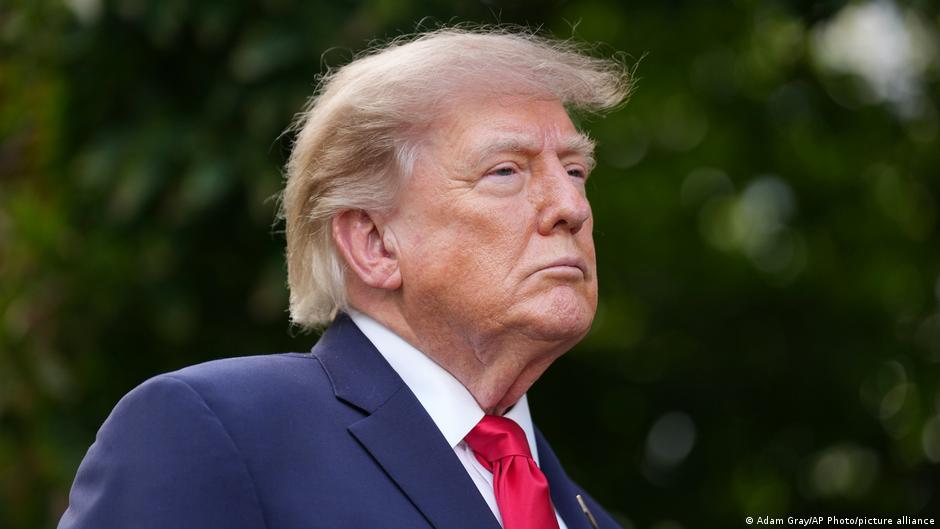
Trump is seeking a Ukraine peace deal before Democrats take Congress, raising uncertainty for defense, energy and sovereign-debt investors.

A Russian libertarian faction voted to dissolve after its foreign-agent designation, adding to the governance risks investors weigh in Russian assets.

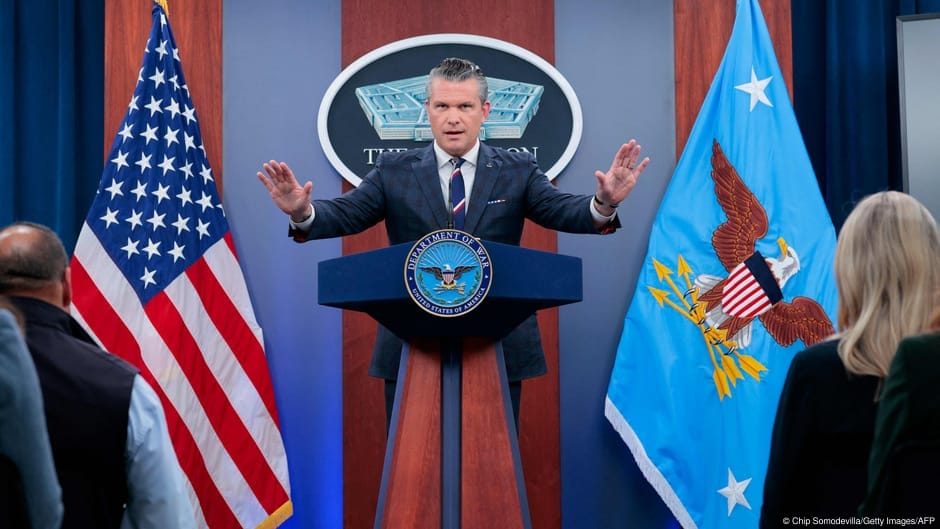
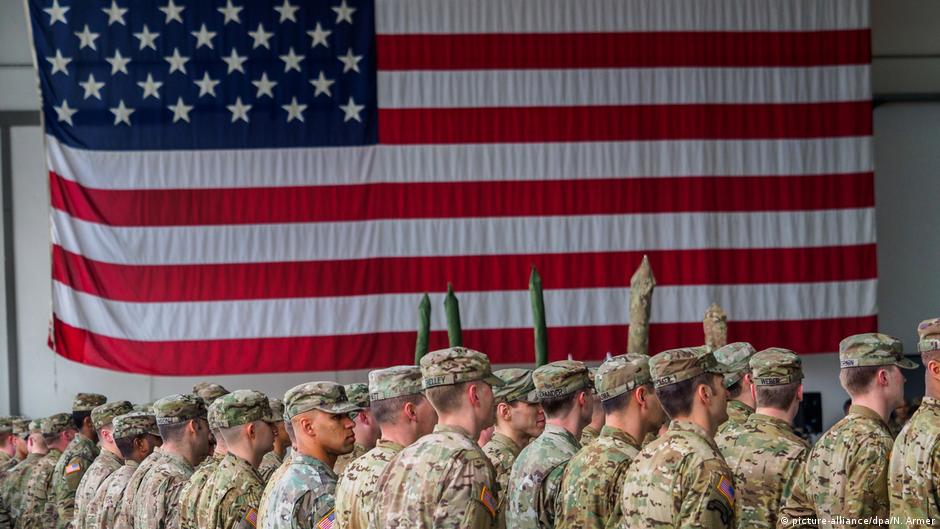
The Pentagon plans to withdraw about 5,000 US troops from Europe rather than 25,000, reducing security uncertainty while sustaining NATO defense spending.

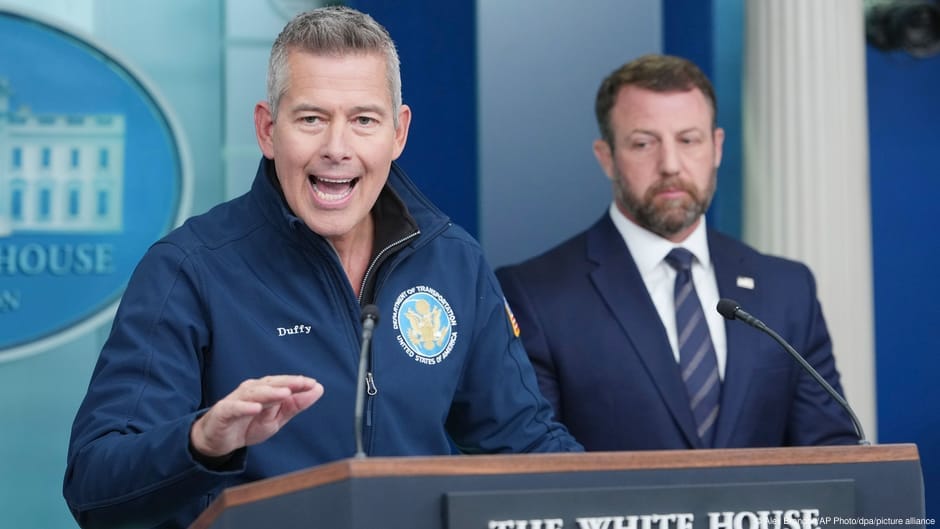
A four-hour FAA ground stop exposed outdated aviation systems and prompted a $50 billion funding request, raising new risks and opportunities for investors.

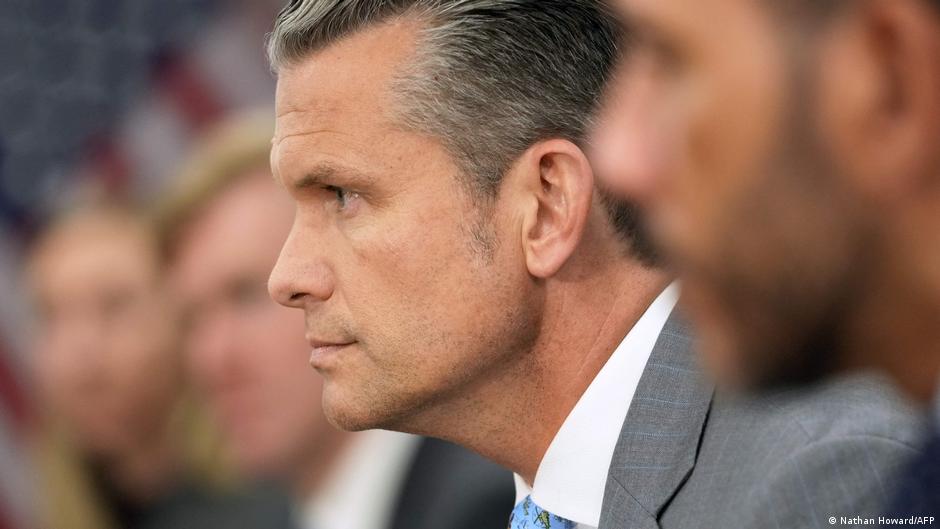
House Republicans sent the Hegseth impeachment resolution to committee, delaying the challenge until Democrats take control of Congress in January.

A Republican bid to impeach Defense Secretary Pete Hegseth adds political uncertainty for investors monitoring the Iran war, energy, defense stocks and bonds.

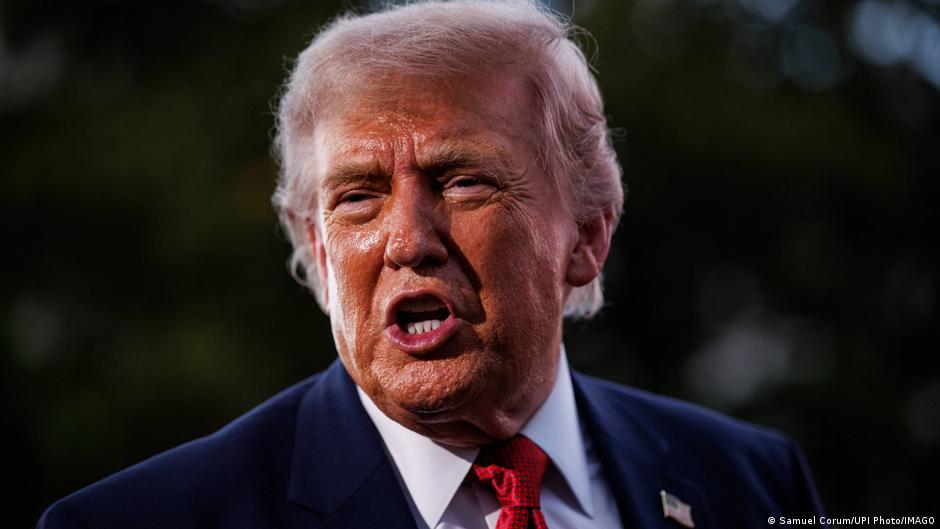
Trump ordered a Justice Department probe of Democrats after their midterm victory, adding political uncertainty as investors assess the outlook for policy and markets.

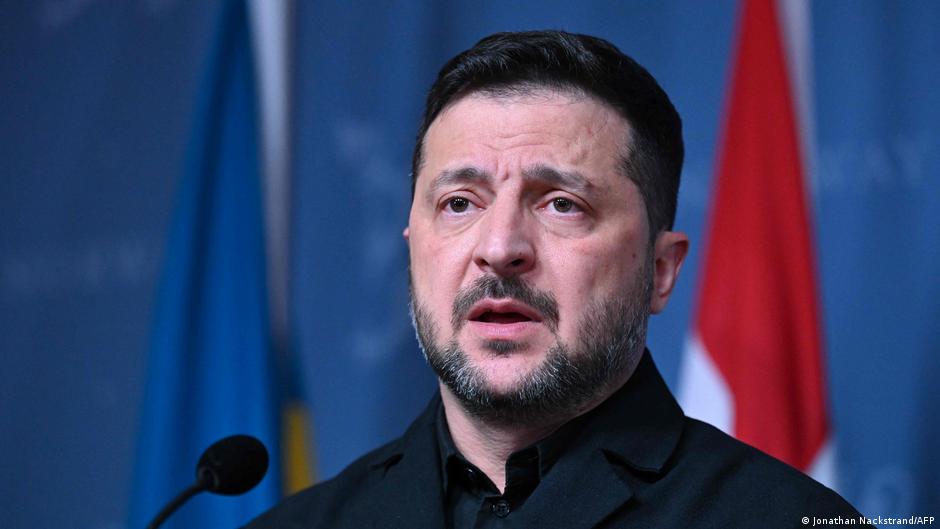
Zelensky expects stronger US aid after the Democrats’ congressional victory, putting defense spending, sovereign borrowing and European risk assets in focus.

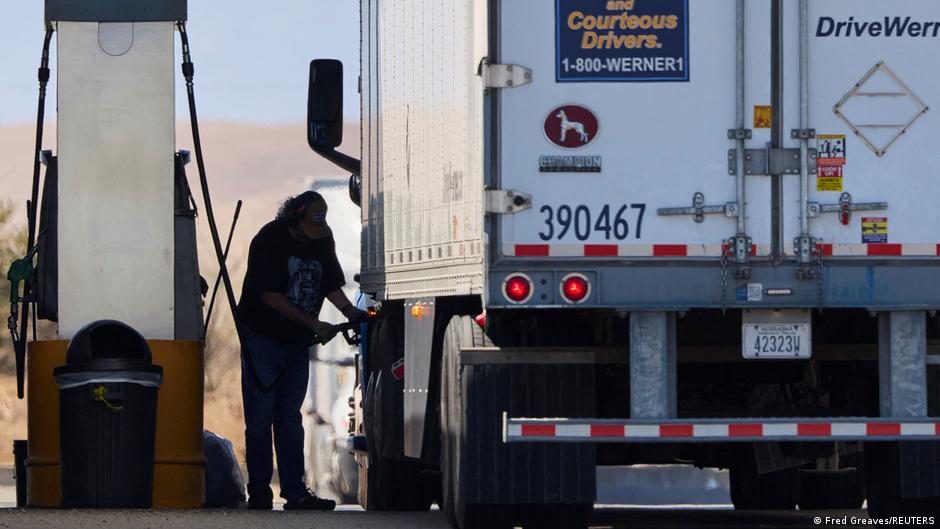
Two Russian-fuel tankers have changed course, threatening planned US diesel imports as sanctions risks and high fuel prices unsettle investors.

A federal court rejected an attempt to block Alaska’s Senate result, easing one procedural risk as investors assess the battle for control of Congress.

Flávio Bolsonaro’s unsupported election-fraud claims put Brazil’s political risk back in focus for equity, bond and currency investors.

The Pentagon watchdog redirected a bipartisan request to probe Starlink disruptions, raising governance and contracting questions for defense investors.

A bipartisan Senate group warns Trump’s Russian diesel deal may offer little fuel-price relief while weakening sanctions pressure on Moscow.

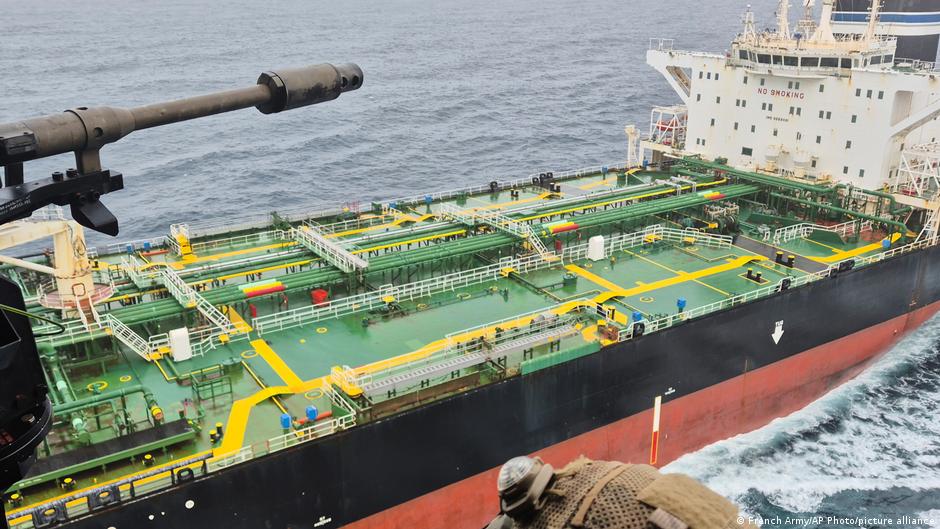
A U.S. strike disabled a cargo ship in the Gulf of Oman as a tanker was hit in Hormuz, adding pressure to energy prices and investor risk models.

A bipartisan House push to ban Russian oil purchases could complicate energy-market assumptions after Trump cited diesel supply talks with Putin.

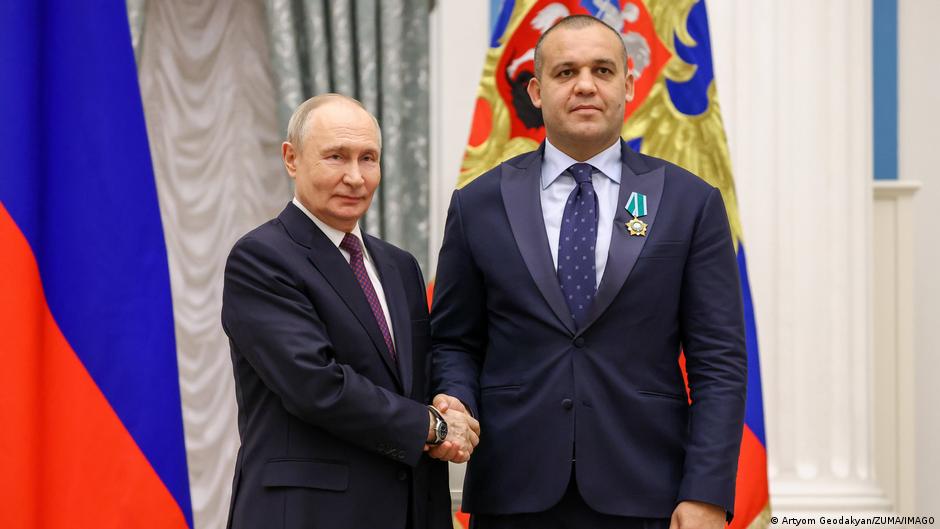
Umar Kremlev says Donald Trump Jr. repaid wedding event costs, a controversy investors may watch for oversight and geopolitical risk.

Trump expects new Iran talks, but disputes over Hormuz, sanctions and the nuclear program keep oil, equities and bonds exposed to headline risk.

Trump signed the Graham sanctions law, giving the White House new tariff powers over Russian energy buyers and raising market uncertainty.

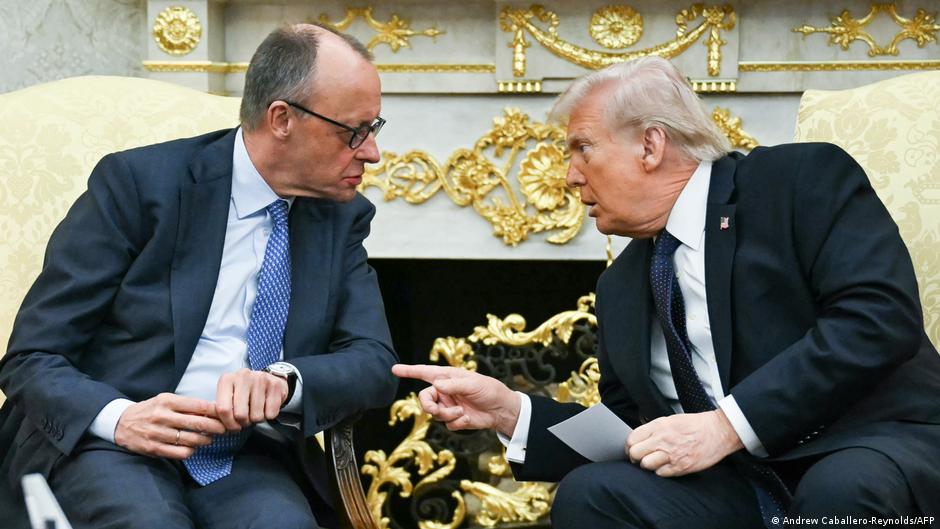
Merz said unconditional U.S.-German friendship may be over, pointing to defense spending, trade tensions and growth risks for investors.

Houthi forces captured Mocha, strengthening their position near Bab el-Mandeb and raising investor concerns over oil supply and market volatility.

The US Supreme Court allows Trump to continue White House renovations, including a ballroom and bunker, impacting government construction and infrastructure sectors.

The US Senate advances legislation imposing steep tariffs on Russia, signaling increased geopolitical risks that could affect energy markets and investor portfolios.

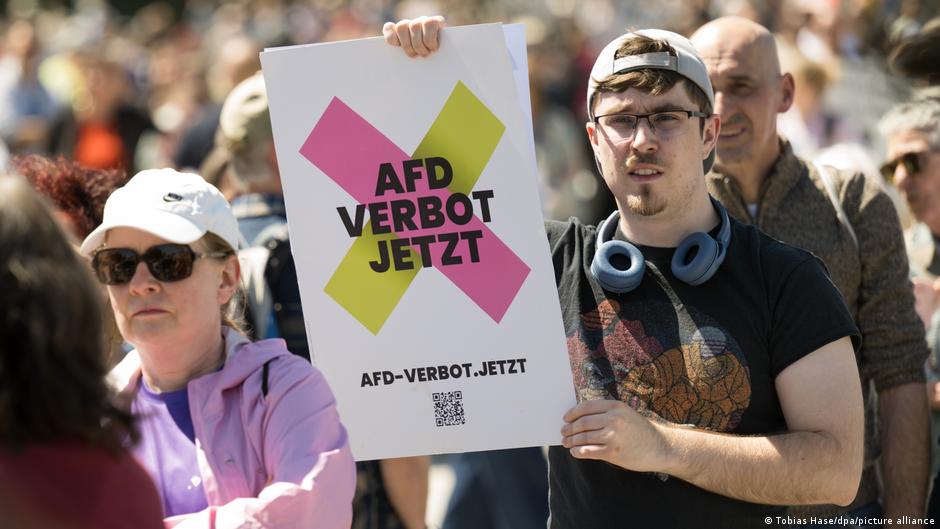
Far-right AfD leads German polls over CDU/CSU amid divided public opinion on banning the party, triggering investor caution and increased market volatility.

The US Senate's vote to end military actions against Iran raises geopolitical uncertainties impacting equities, bonds, and investor risk appetite.

US Congress approved $70 billion in funding for immigration enforcement agencies, reducing uncertainty for investors in border security-related markets.

The US House approves expanded sanctions on Russia and aid to Ukraine, with Senate approval pending, prompting market volatility and investor caution.

The US House passes a resolution restricting President Trump's military actions against Iran without Congress approval, reflecting political shifts that could impact markets sensitive to Middle East tensions.

The US reversal to deploy 5,000 additional troops to Poland alters previous Pentagon plans, influencing defense markets and investor outlooks on transatlantic military commitments.

The US Senate advanced a resolution limiting presidential war powers against Iran, influencing market stability amid ongoing geopolitical tensions.

Iran has submitted a 14-point peace plan to the US demanding troop withdrawals and sanctions relief amid ongoing Middle East conflict, sparking cautious market reactions.

The US plans to withdraw 5,000 troops from Germany within a year, affecting defense equities and bonds as investors weigh geopolitical and budgetary impacts.

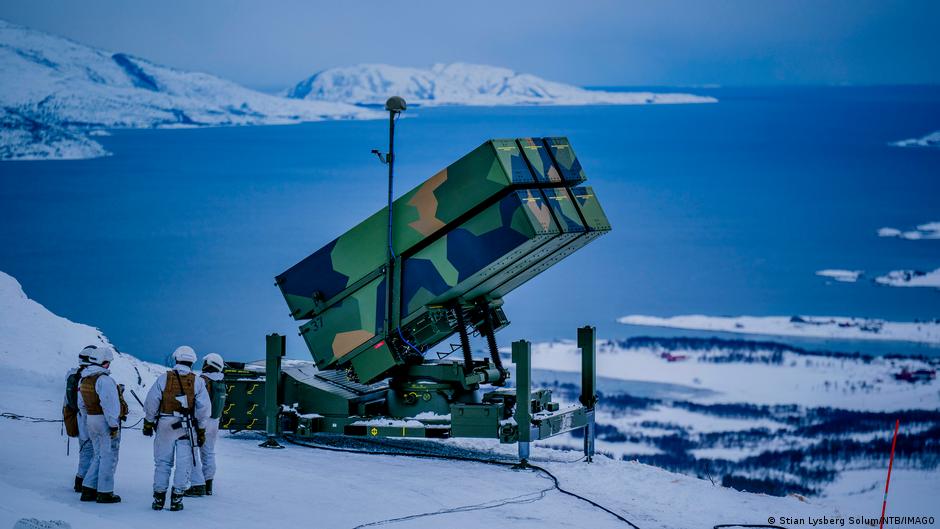
US delays arms shipments to European allies amid Iran conflict strain defense supply chains, impacting equities and bonds in the defense sector.

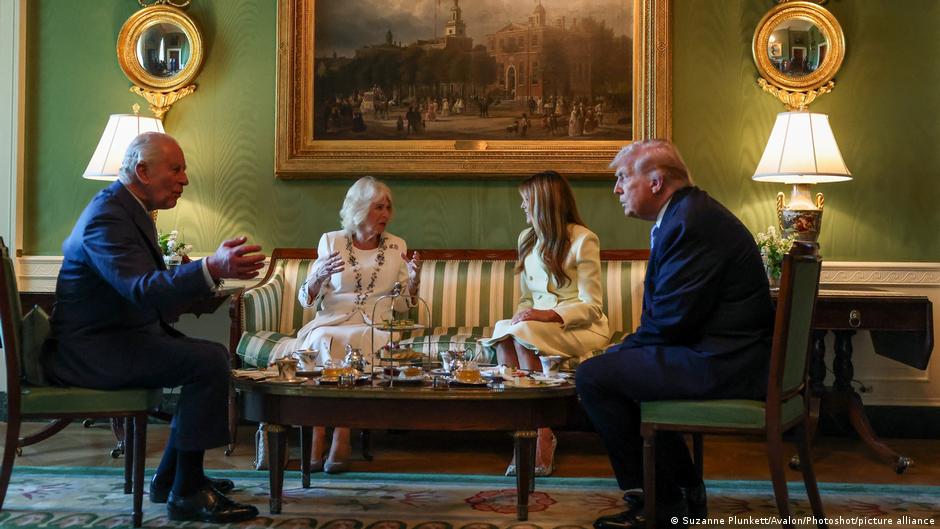
King Charles III's US visit amid UK-US geopolitical tensions prompts cautious investor outlook as capital markets weigh impacts on equities and bonds.

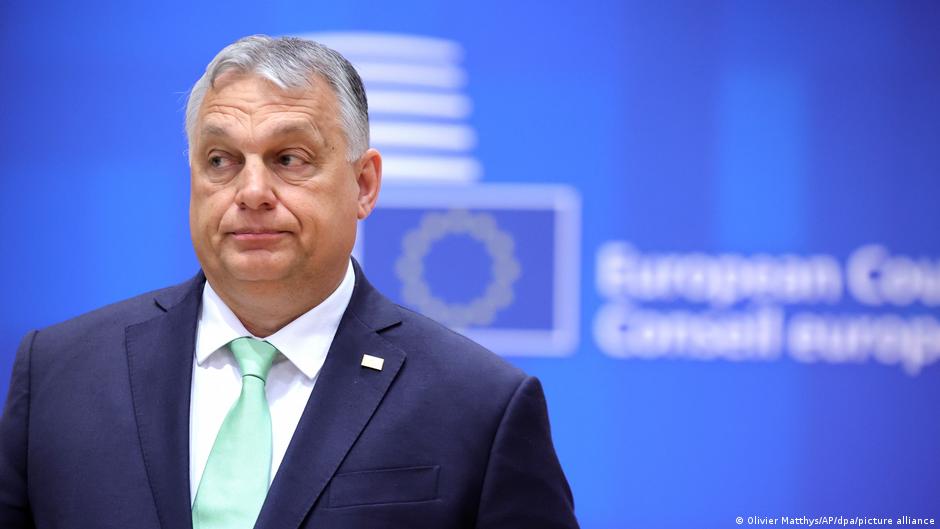
Viktor Orban refuses his parliamentary mandate after electoral defeat, triggering leadership changes and potential policy shifts affecting Hungary's markets and investors.

The AfD expelled Alexander Eichwald for a Hitler-like speech, highlighting political risks in Germany that could impact investor confidence and market volatility today.

The U.S. Senate rejected a resolution to limit presidential war powers on Iran, intensifying geopolitical risks and market uncertainty for investors.

The Trump administration wants GM, Ford and other manufacturers to help produce weapons, echoing WWII-era industrial mobilization.