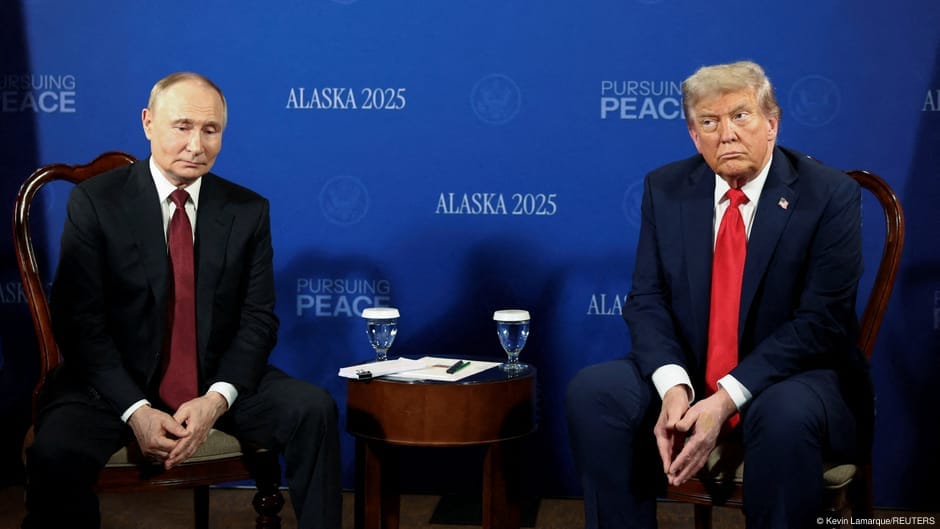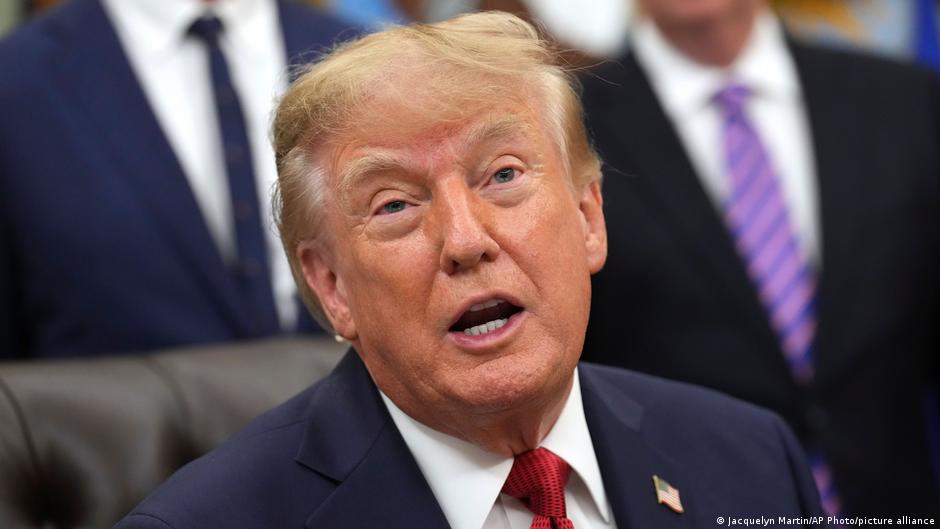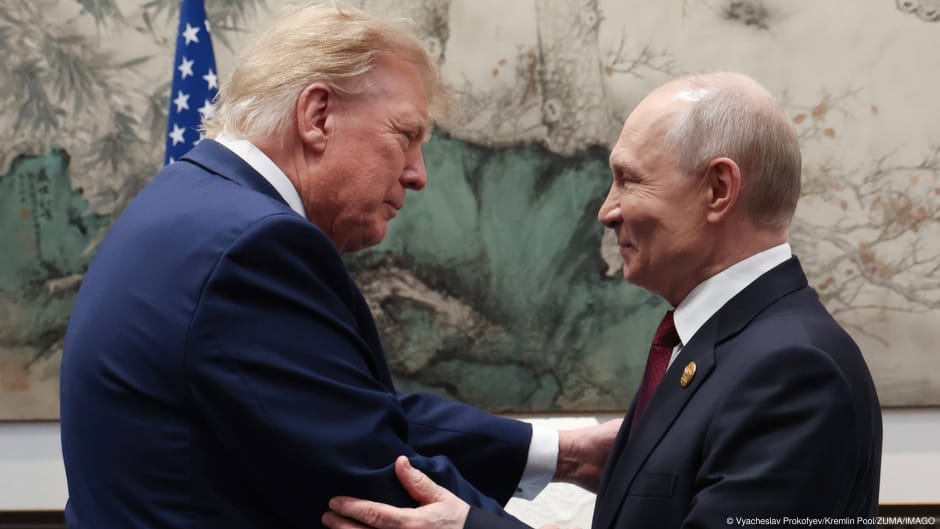
Trump Pushes for Ukraine Deal Before Democrats Take Congress
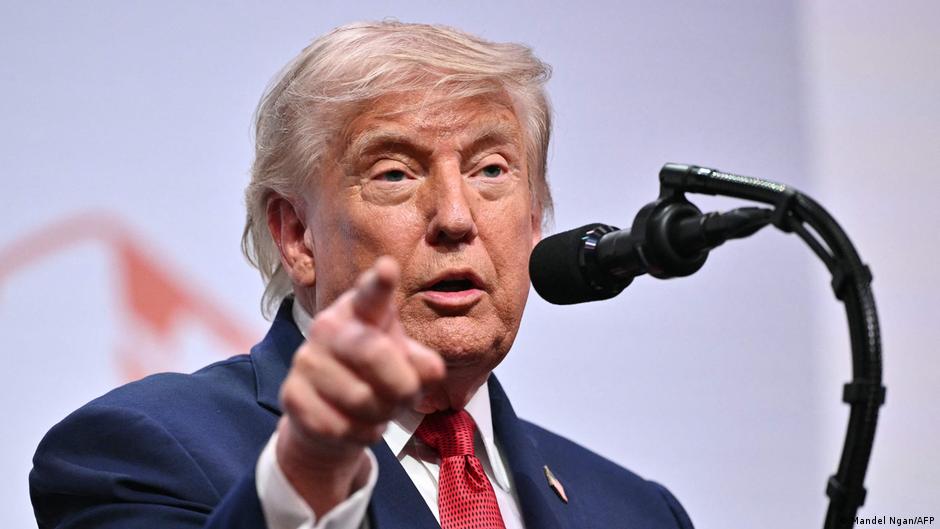
Trump is seeking a Ukraine peace deal before Democrats take Congress, raising uncertainty for defense, energy and sovereign-debt investors.

Trump is seeking a Ukraine peace deal before Democrats take Congress, raising uncertainty for defense, energy and sovereign-debt investors.

Trump, Putin and Xi are set for nuclear arms talks at APEC, putting geopolitical risk premiums in focus while an immediate agreement remains unlikely.

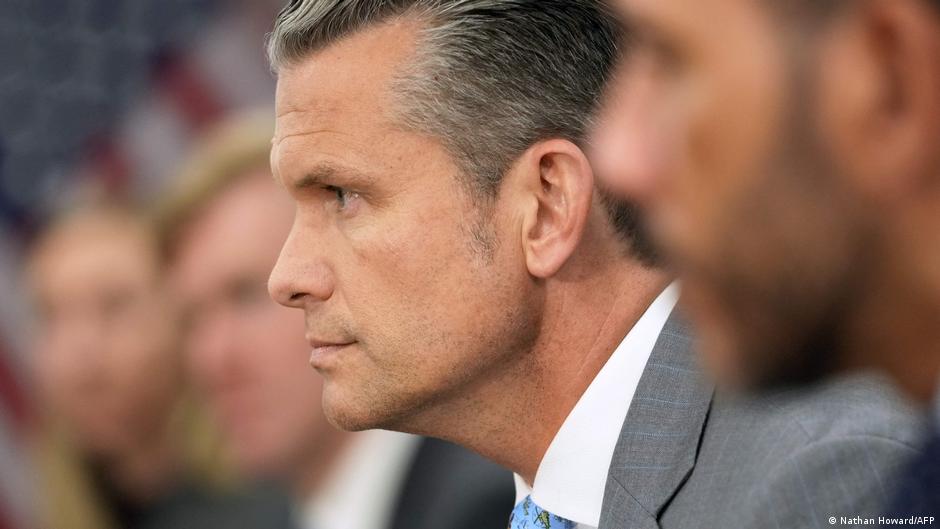
A Republican bid to impeach Defense Secretary Pete Hegseth adds political uncertainty for investors monitoring the Iran war, energy, defense stocks and bonds.

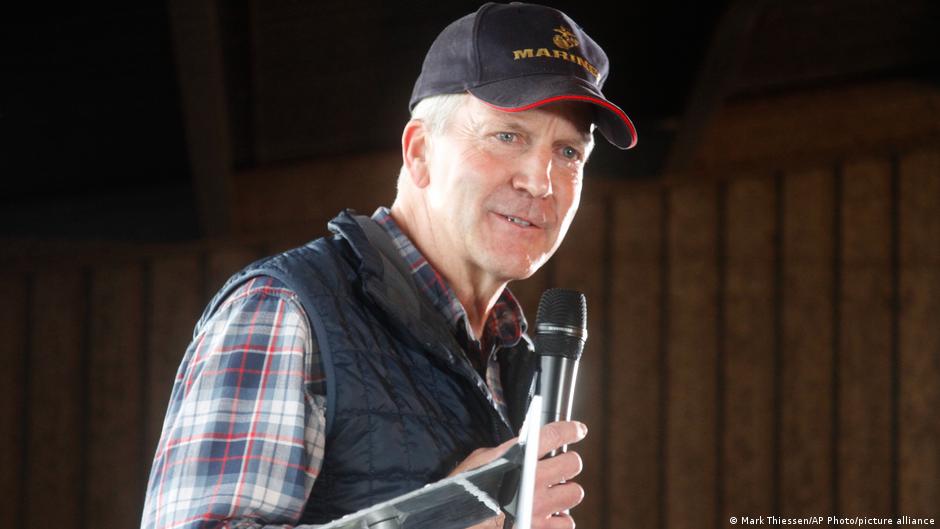
A federal court rejected an attempt to block Alaska’s Senate result, easing one procedural risk as investors assess the battle for control of Congress.

Washington is considering sanctions relief for Russia’s RDIF as Moscow seeks a role for the fund in planned diesel shipments to US and global markets.

Trump said SpaceX restored full Starlink access in Ukraine, renewing investor scrutiny of private satellite infrastructure and government dependence.

A reported US peace proposal to restore Russian pipeline gas to Europe could reshape energy costs, infrastructure values and investor risk calculations.

Reported U.S. pressure on Kyiv over refinery strikes adds uncertainty for oil, defense stocks and European bond markets.

Kyiv denied a report that Trump urged Zelenskyy to meet Putin in Moscow as investors monitor diplomacy, diesel prices and energy risks.

Trump’s threat to halt EU trade over closer EU-Canada ties raises tariff risks for equities, bonds and global supply-chain investors.

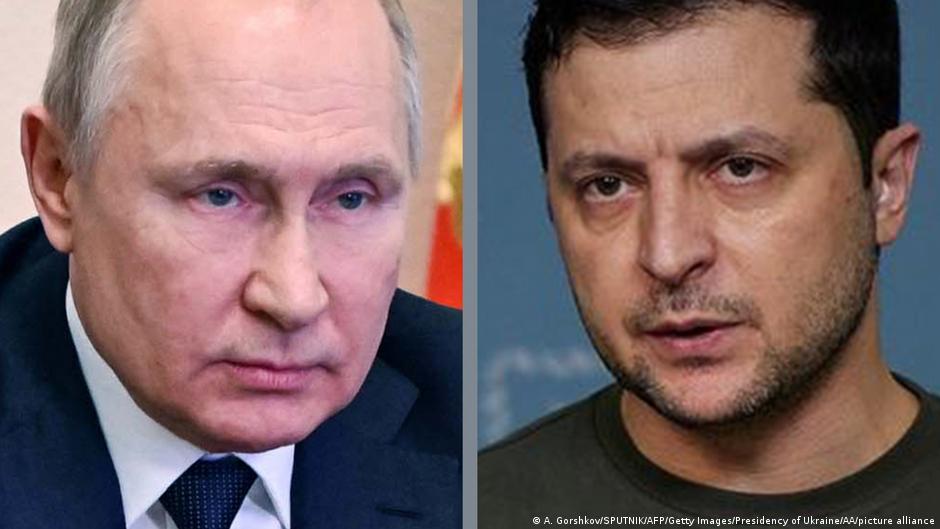
Putin said peace is possible through diplomacy, while Zelensky said U.S. envoys will visit Kyiv and Moscow to discuss a possible agreement.

The US has removed Syria from its terrorism sponsor list, easing sanctions and opening potential investment avenues amid ongoing regional tensions and market uncertainties.

The US Supreme Court allows Trump to continue White House renovations, including a ballroom and bunker, impacting government construction and infrastructure sectors.

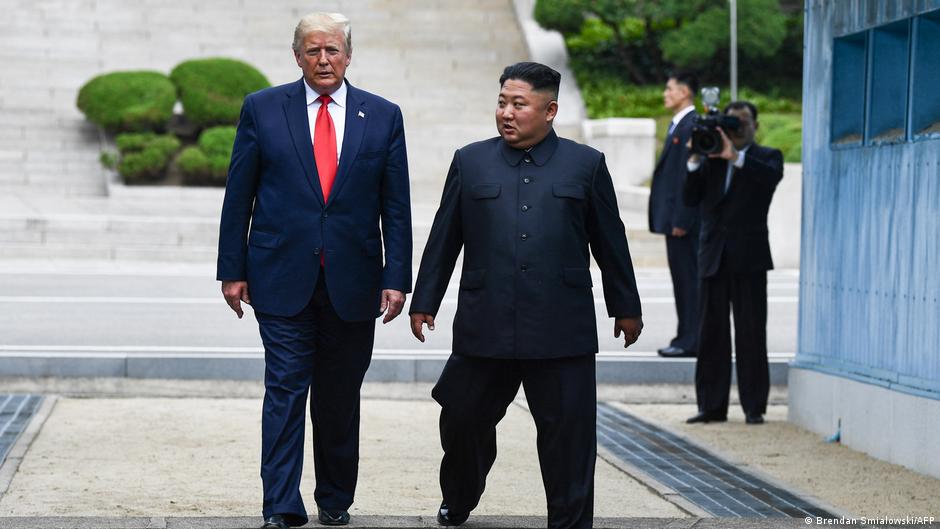
President Trump aims for a November meeting with Kim Jong Un at the APEC summit to renew nuclear talks, a move closely watched by markets for its impact on geopolitical risk and investor confidence.

The US initiated $100 million humanitarian aid to Cuba despite sanctions and military tensions, posing complex challenges for investors in Caribbean markets.

US plans to permit Saudi uranium enrichment without strict safeguards raise geopolitical risks, impacting equities and bonds in Middle Eastern markets.

Trump's pledge to delist Syria as a terror sponsor may unlock new investment opportunities, impacting equities, bonds, and investor risk assessments in Middle Eastern markets.

Cuba’s nationwide blackout amid US sanctions and fuel shortages intensifies economic instability, affecting regional market dynamics and investor risk assessments.

The US imposed new sanctions on five major Cuban state companies controlling 40% of GDP, intensifying economic and political tensions with implications for investors.

US intelligence warns Israel may disrupt US-Iran deal, raising geopolitical risks that heighten market volatility and affect investor strategies in equities and bonds.

A US court invalidated Trump-era $100,000 H-1B visa fee, lowering costs for companies hiring skilled foreign workers and easing investor concerns in tech sectors.

President Trump demands Iran respect U.S. 'red lines' on nuclear weapons, affecting market sentiment and investor strategies amid ongoing diplomatic talks.

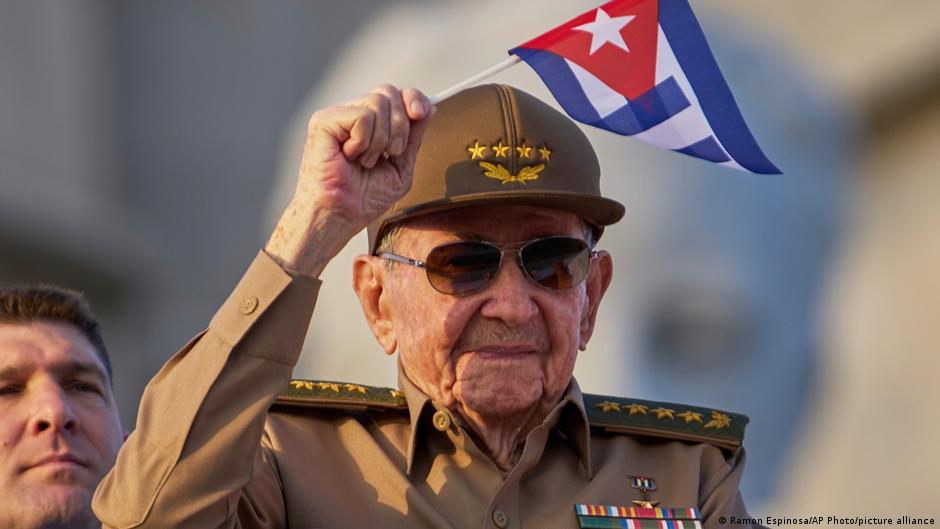
US charges Raul Castro over 1996 killing of pilots amid rising US-Cuba tensions, posing new geopolitical risks for investors in Latin America and emerging markets.

Germany accelerates its own long-range missile development to counter Russian threats after the US declines to deploy Tomahawk missiles, impacting defense sector markets.

Italy and Germany call for international law adherence after Israel stops Gaza aid flotilla, raising geopolitical risks that influence equity and bond markets.

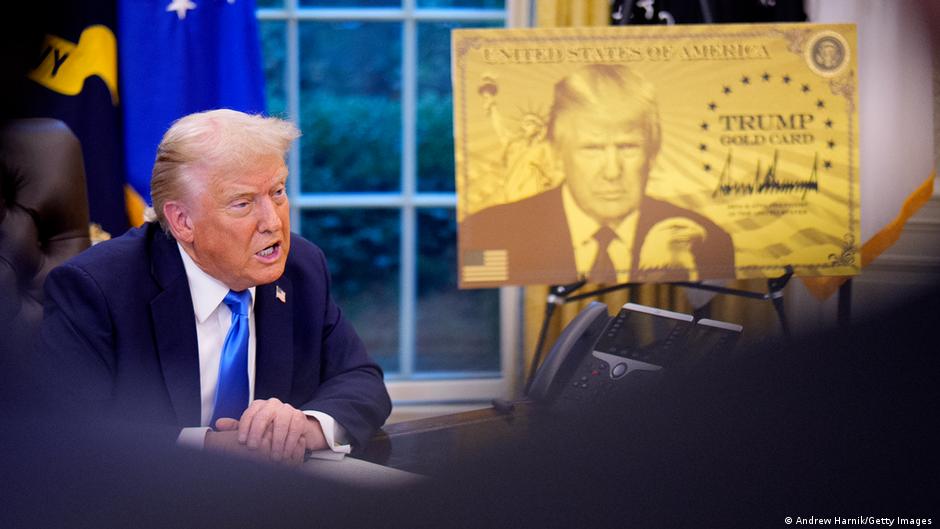
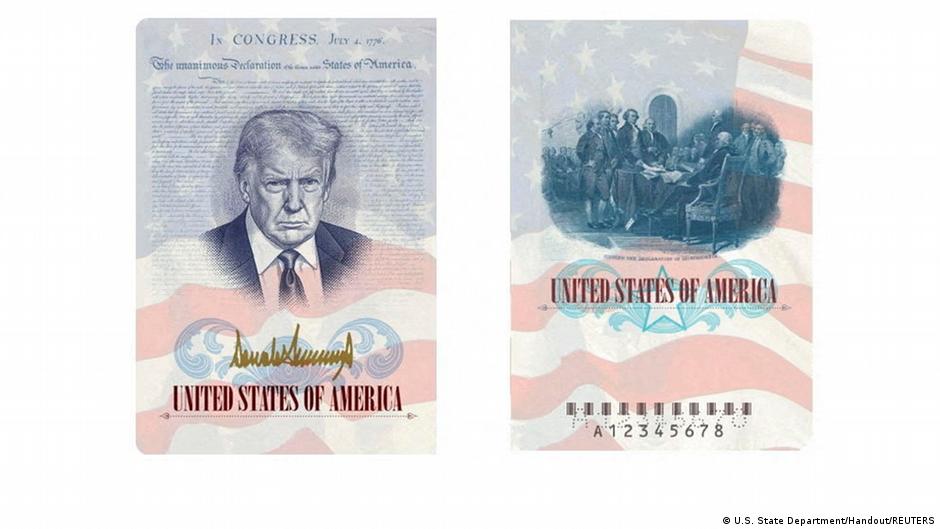
The US issues passports and currency featuring President Trump’s image and signature ahead of the 250th independence anniversary, prompting investor scrutiny over political symbolism in government assets.

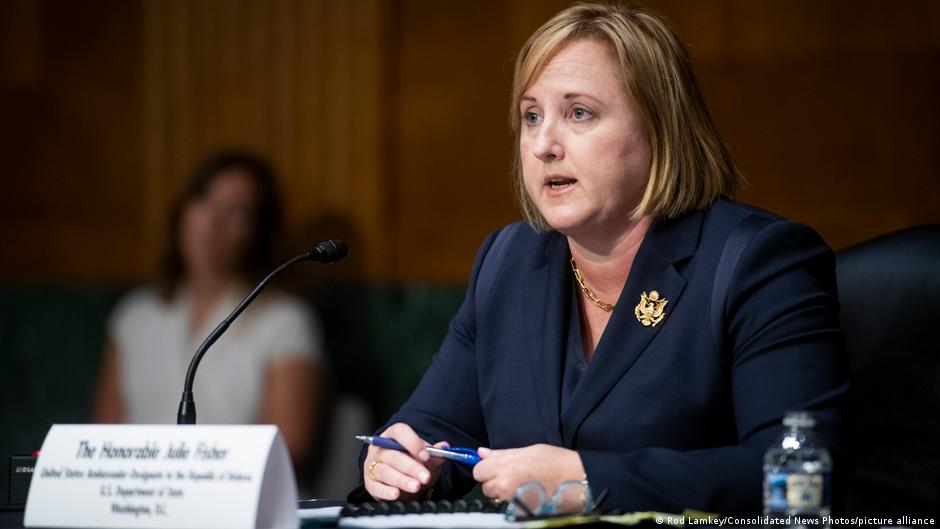
Key U.S. diplomatic departures in Ukraine reflect heightened geopolitical risks, affecting market sentiment in equities, bonds, and investor risk assessments amid ongoing Russian tensions.

US Labor Secretary Lori Chavez-DeRemer resigns amid misconduct allegations, fueling cabinet instability that raises concerns for market volatility and investor confidence.

The U.S. Senate rejected a resolution to limit presidential war powers on Iran, intensifying geopolitical risks and market uncertainty for investors.

The Trump administration wants GM, Ford and other manufacturers to help produce weapons, echoing WWII-era industrial mobilization.