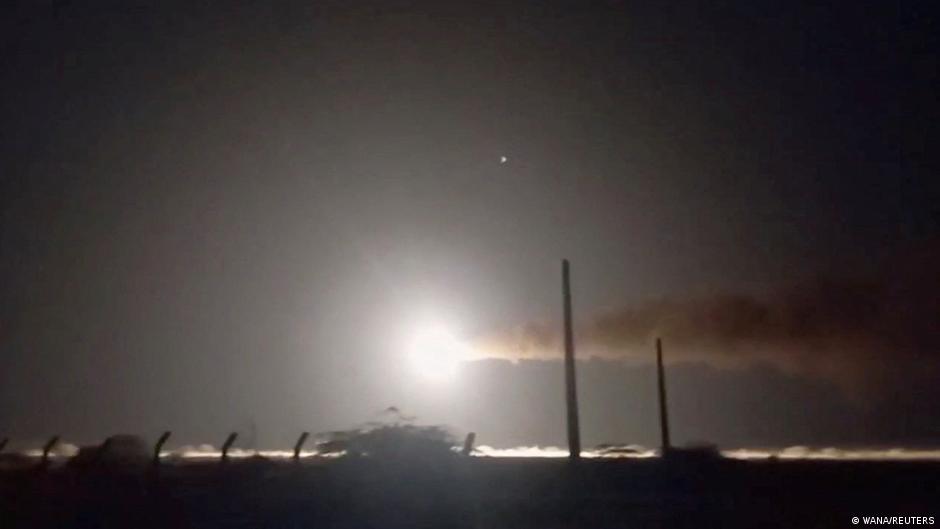
North Korea’s Missile Tests Raise Market Concerns Over Regional Security and Investor Sentiment
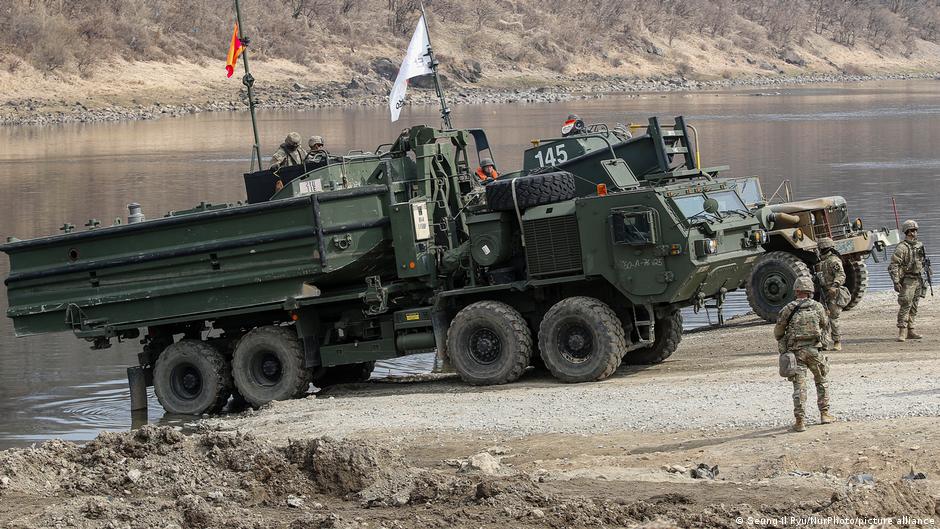
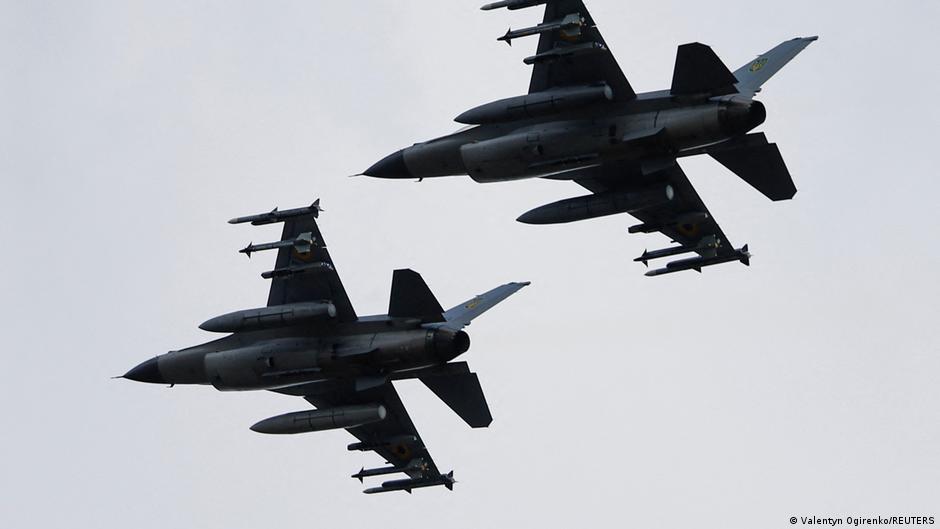
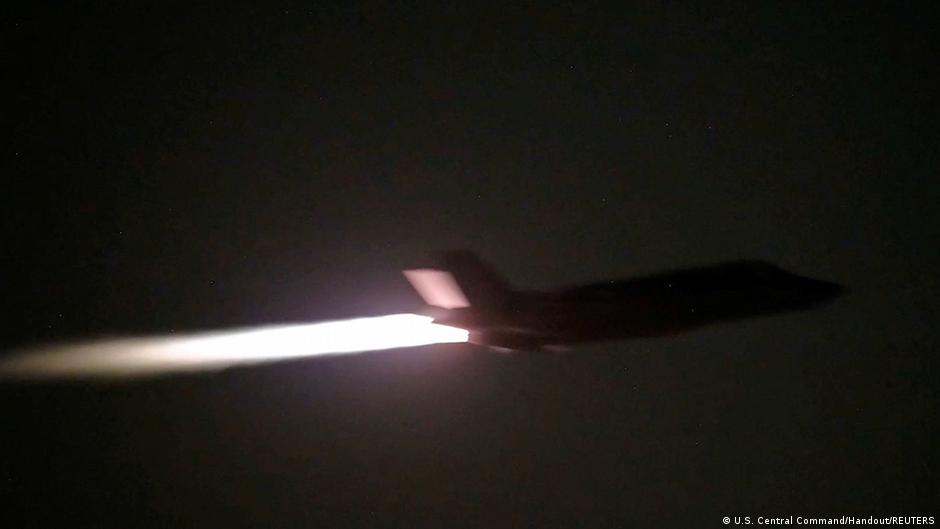
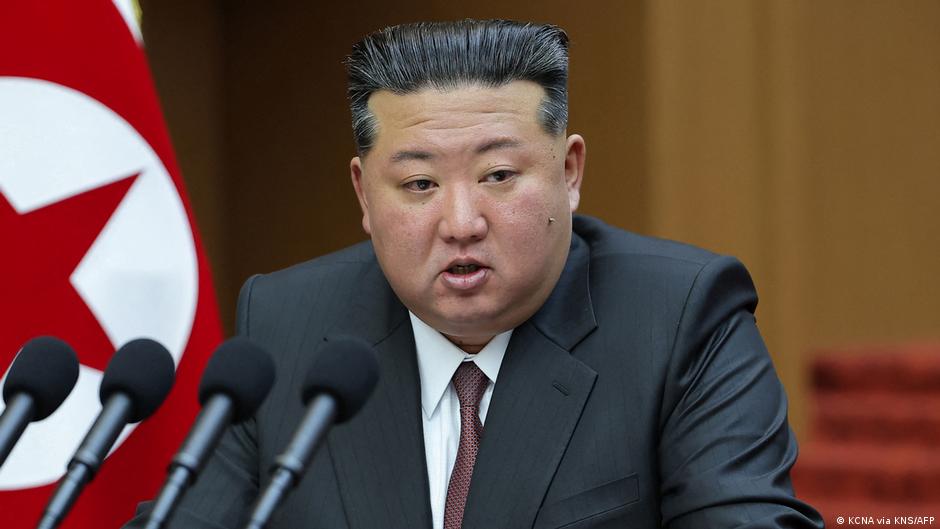
North Korea's recent missile tests have triggered cautious market reactions, affecting equities and bonds in the region amid rising geopolitical risks.

North Korea's recent missile tests have triggered cautious market reactions, affecting equities and bonds in the region amid rising geopolitical risks.

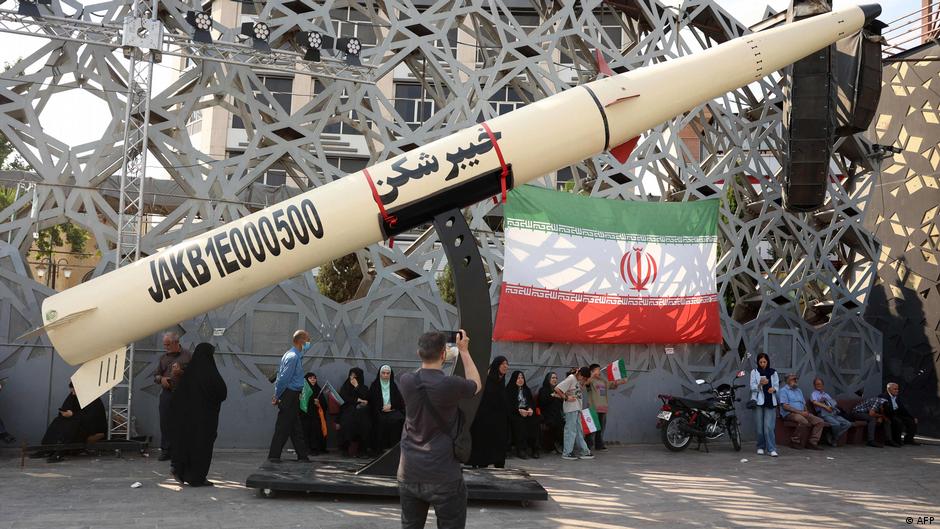
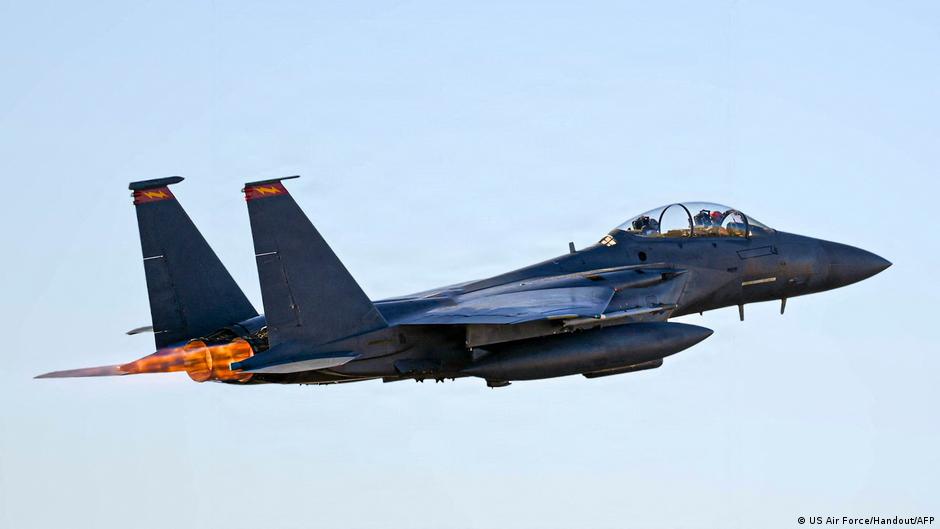
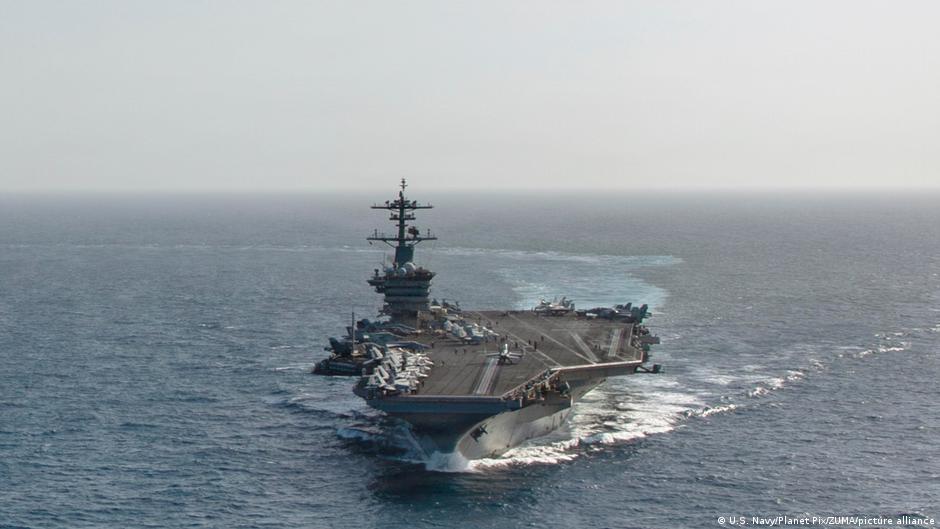
US defensive strikes on Iranian missile sites and vessels raise geopolitical risks, impacting energy and defense stocks, bond markets, and investor sentiment amid a fragile ceasefire.

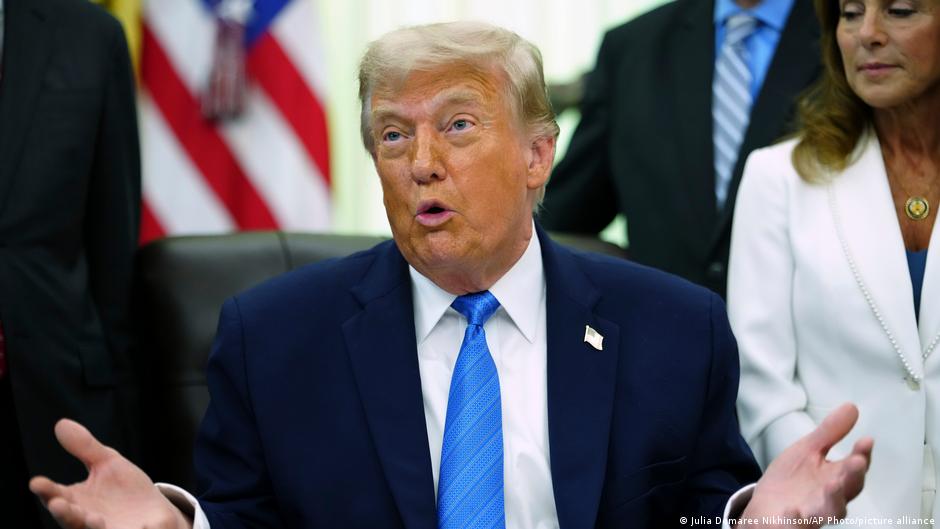
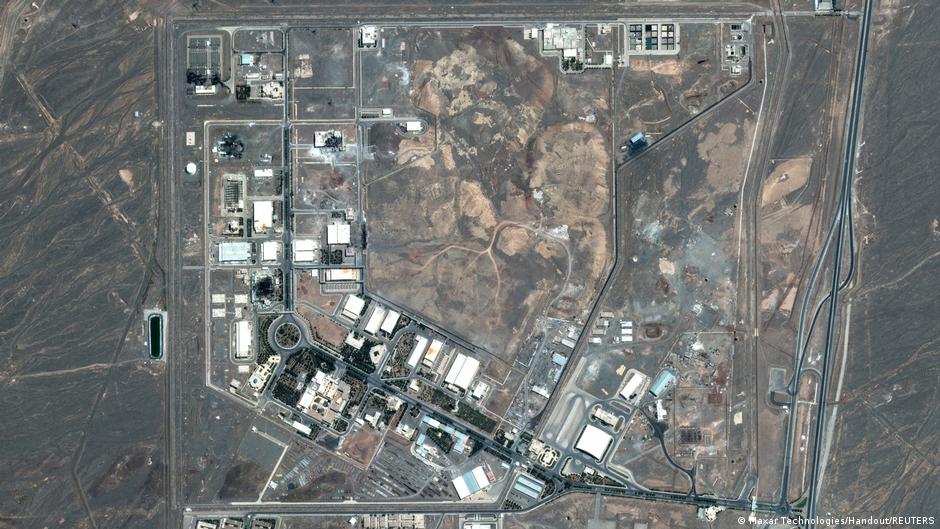
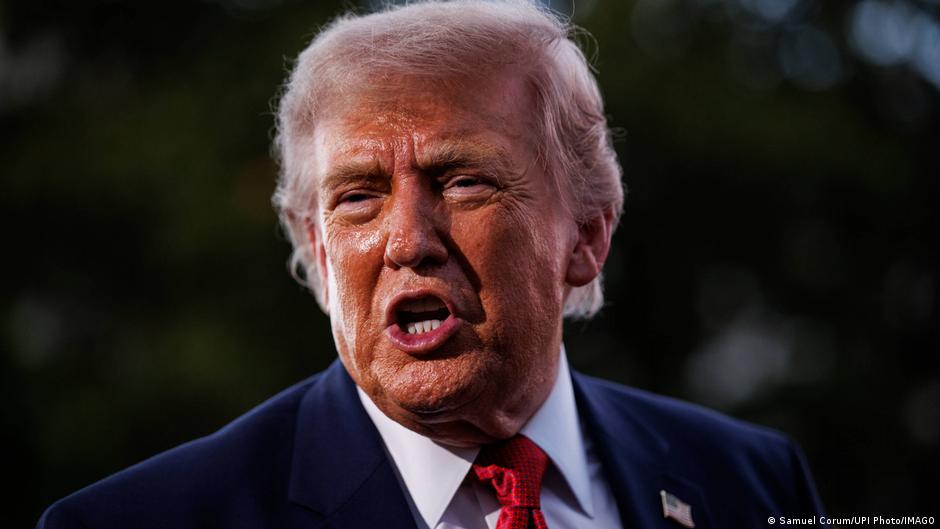
Trump states Iran's enriched uranium will be destroyed either in the US or under IAEA oversight, increasing geopolitical tensions with potential impacts on global capital markets.

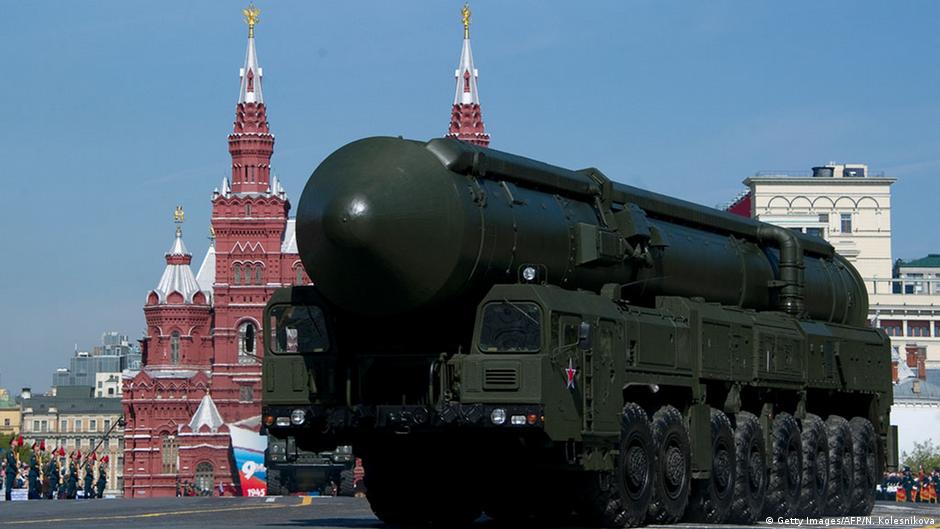
NATO detects possible Russian nuclear-capable seabed missiles, raising geopolitical risks that could impact defense equities and global capital markets.

The US reversal to deploy 5,000 additional troops to Poland alters previous Pentagon plans, influencing defense markets and investor outlooks on transatlantic military commitments.

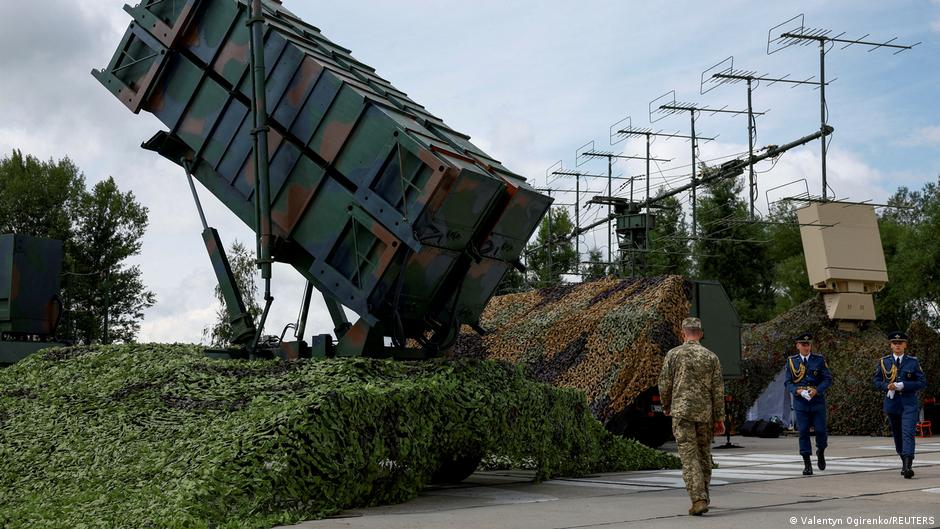
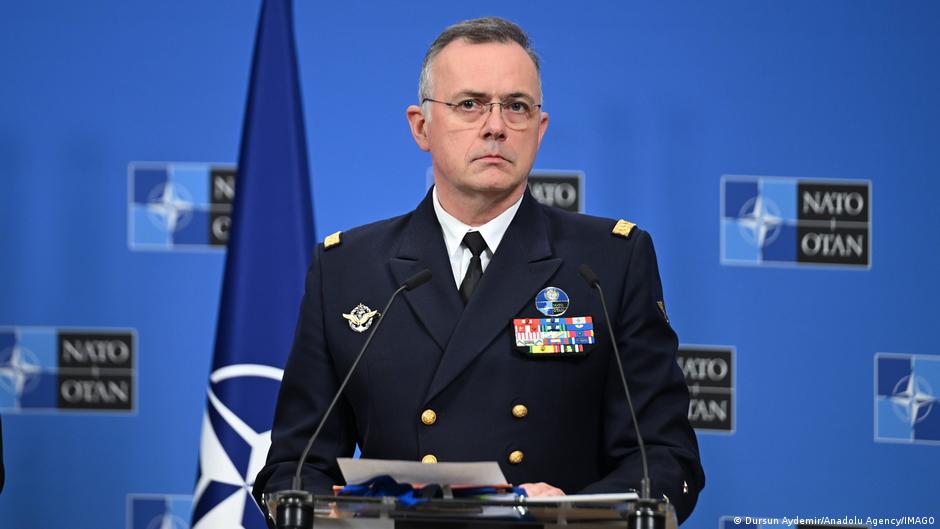
NATO confirms ongoing delivery of US air defense missiles to Ukraine, providing stability to defense markets amid geopolitical tensions impacting equities and bonds.

US President Trump delays planned Iran strike after Gulf leaders intervene, triggering cautious market reactions amid ongoing high-stakes negotiations.

US intelligence reports reveal Iran retains 70% of its missile arsenal, contradicting official claims and raising concerns over defense supply chains and geopolitical risks.

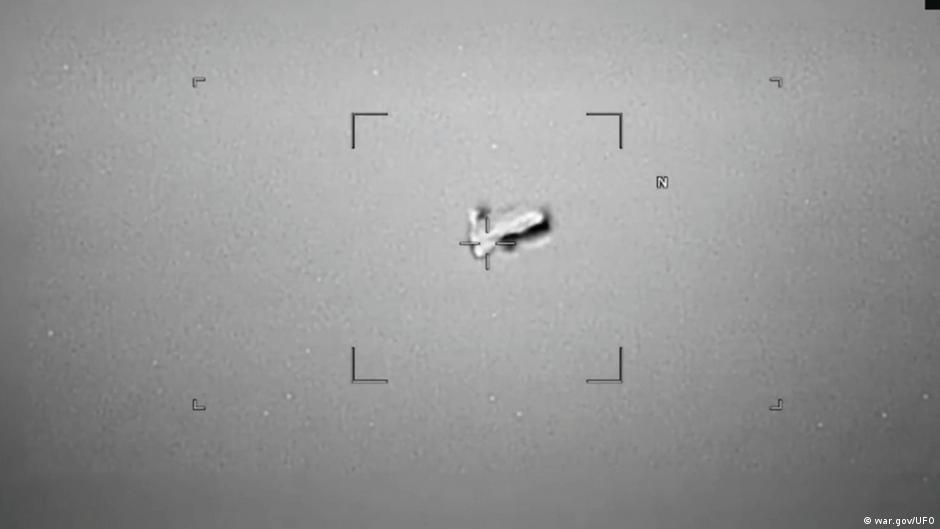
The Pentagon's release of 161 declassified UFO files raises questions about their potential impact on defense equities and investor sentiment in capital markets.

US plans to relocate 5,000 troops from Germany to Poland may affect European equities, bonds, and investor sentiment amid shifting geopolitical dynamics.

US State Department approves $374M JDAM-ER kit sale to Ukraine, boosting defense equities amid operational challenges and ongoing geopolitical tensions.

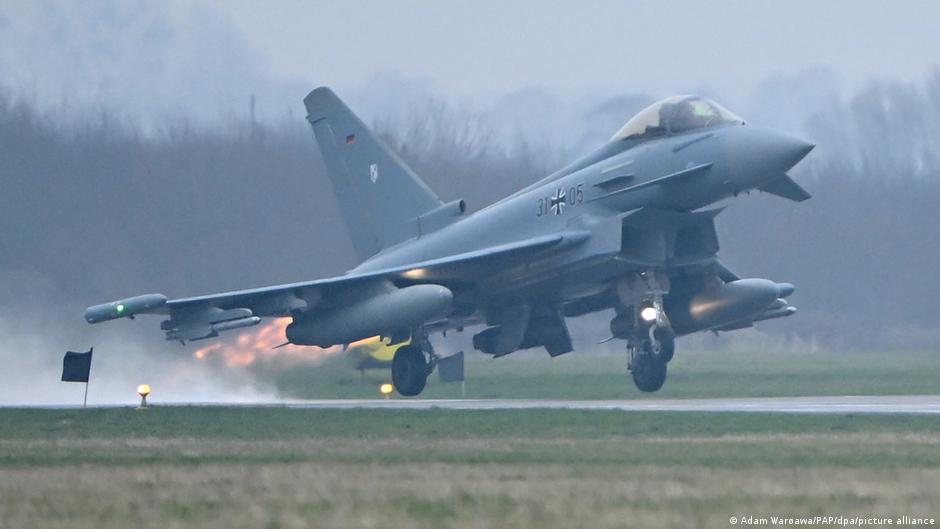
Germany accelerates its own long-range missile development to counter Russian threats after the US declines to deploy Tomahawk missiles, impacting defense sector markets.

Iran's missile and drone attacks on the UAE have escalated regional tensions, triggering volatility in energy markets and raising investor concerns over Gulf geopolitical risks.

The UK plans to join the EU’s €90 billion credit program for Ukraine, expanding defense industry opportunities and impacting capital markets amid ongoing sanctions on Russia.

Iran has submitted a 14-point peace plan to the US demanding troop withdrawals and sanctions relief amid ongoing Middle East conflict, sparking cautious market reactions.

The US plans to reduce its military footprint in Germany by more than 5,000 troops, affecting defense stocks and European bond markets amid rising geopolitical tensions.

The US plans to withdraw 5,000 troops from Germany within a year, affecting defense equities and bonds as investors weigh geopolitical and budgetary impacts.

US delays arms shipments to European allies amid Iran conflict strain defense supply chains, impacting equities and bonds in the defense sector.

The US issues passports and currency featuring President Trump’s image and signature ahead of the 250th independence anniversary, prompting investor scrutiny over political symbolism in government assets.

Key U.S. diplomatic departures in Ukraine reflect heightened geopolitical risks, affecting market sentiment in equities, bonds, and investor risk assessments amid ongoing Russian tensions.

France and Poland are jointly developing a military satellite to enhance secure communications and reduce reliance on Starlink, boosting European defense autonomy by 2030.

Russia's intimidation tactics targeting German defense firms involved in Ukraine arms supplies heighten hybrid threat risks, affecting market stability and investor confidence.

Germany continued arms exports to Israel during the recent Middle East conflict, impacting defense equities and investor sentiment amid partial embargo periods.

The Trump administration wants GM, Ford and other manufacturers to help produce weapons, echoing WWII-era industrial mobilization.