Russian Military Convoys Reverse Course After Ukraine’s Libya Strike
Two Russian military convoys reportedly changed course after Ukraine struck a corvette in Libya, adding geopolitical risk around Mediterranean shipping.

Two Russian military convoys reportedly changed course after Ukraine struck a corvette in Libya, adding geopolitical risk around Mediterranean shipping.

Belarus will restrict Spotify from Dec. 1 over an alleged VAT debt, cutting access for about 58,000 users and halting local subscription revenue.

Cologne Bonn Airport briefly halted flights after a drone sighting, highlighting growing security and operational risks across European aviation.

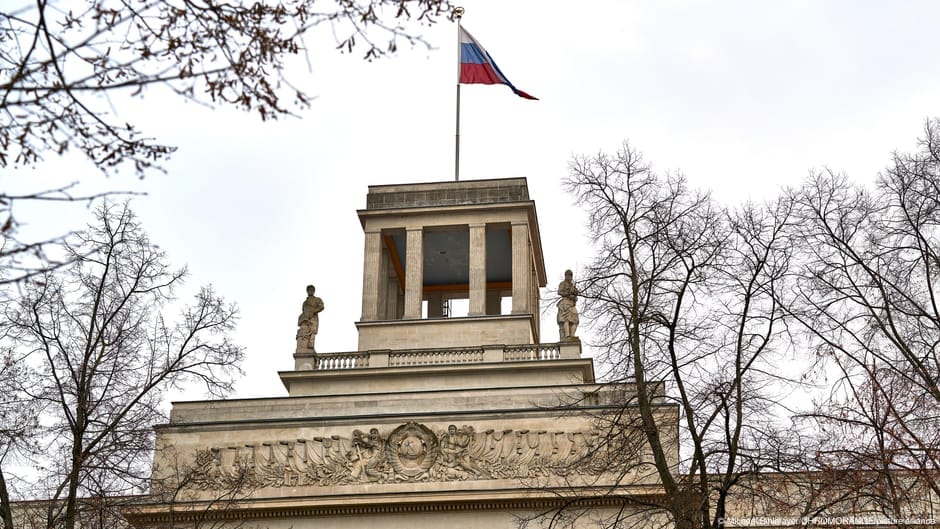
Sweden summoned Russia’s ambassador over incidents involving Poland and Denmark, adding to geopolitical risks monitored by European equity and bond investors.

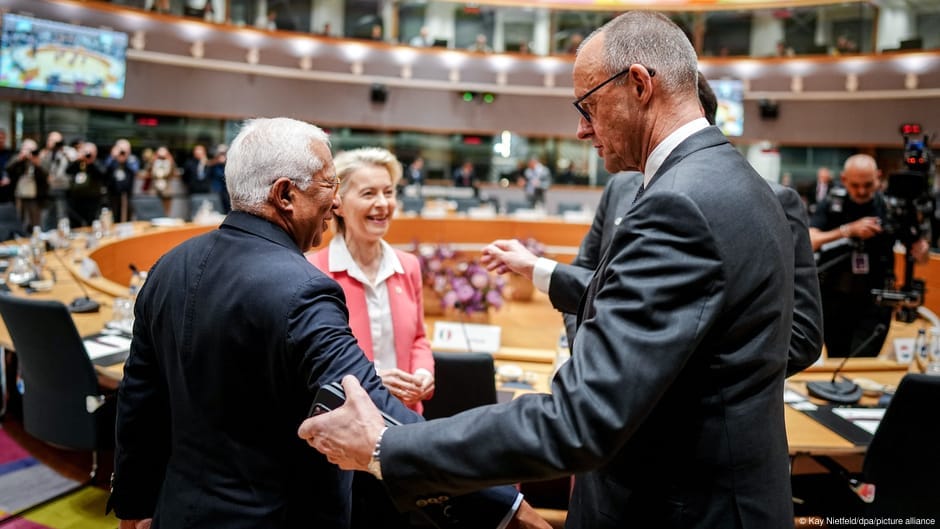
EU leaders ended budget talks early, leaving disputes over spending, common debt and national contributions unresolved until a December summit.

Ukraine sought to contain fallout from its Benghazi operation as investors weighed risks to energy, shipping, European unity and broader market sentiment.

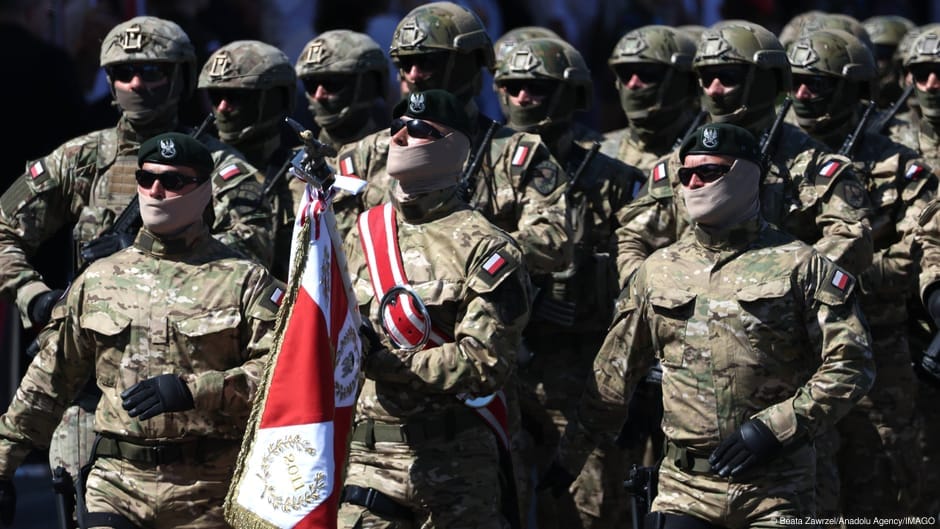
Poland plans an eastern no-fly zone by early 2027, increasing investor focus on regional security, defense spending and geopolitical risk.

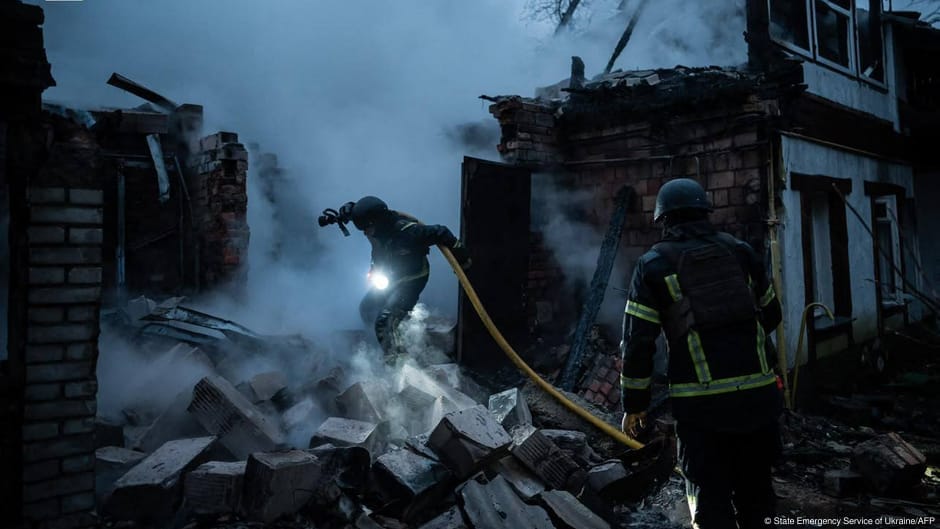
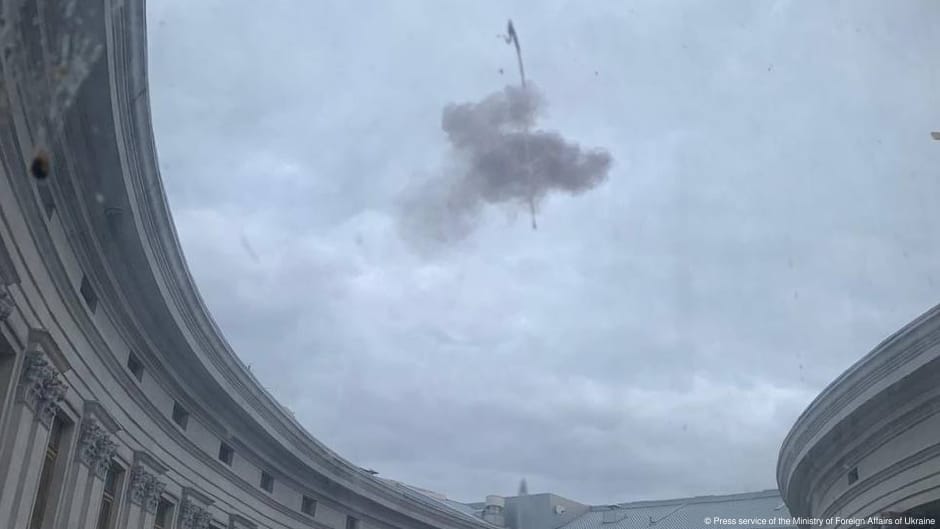
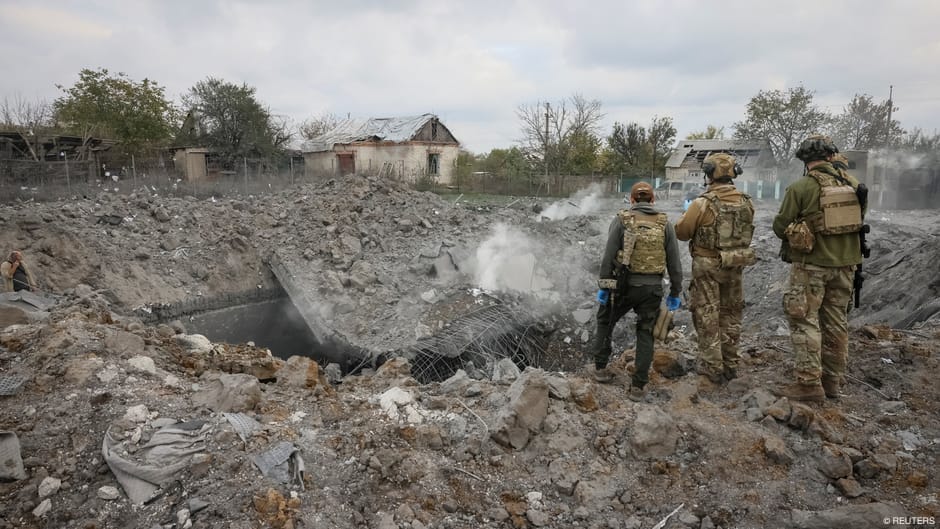
Missile and drone attacks across Ukraine damaged commercial, industrial and critical infrastructure, renewing investor focus on sovereign and operational risks.

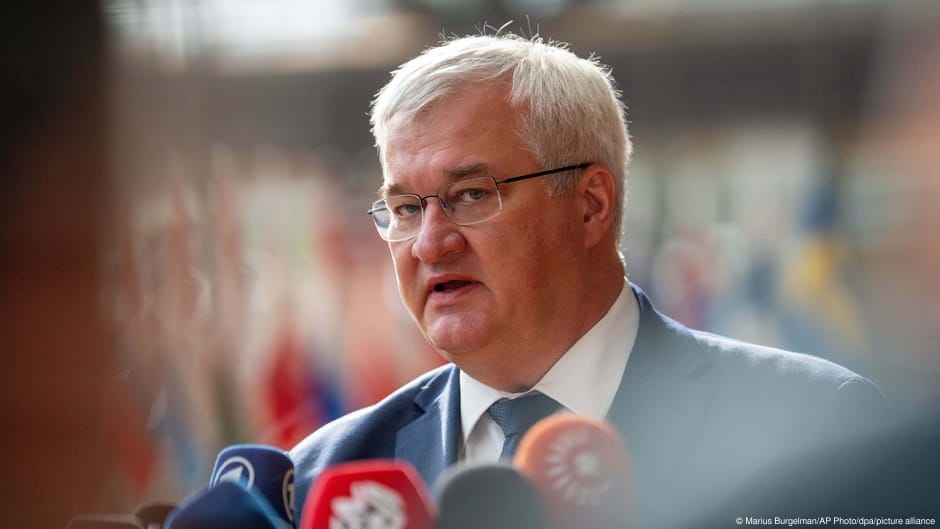
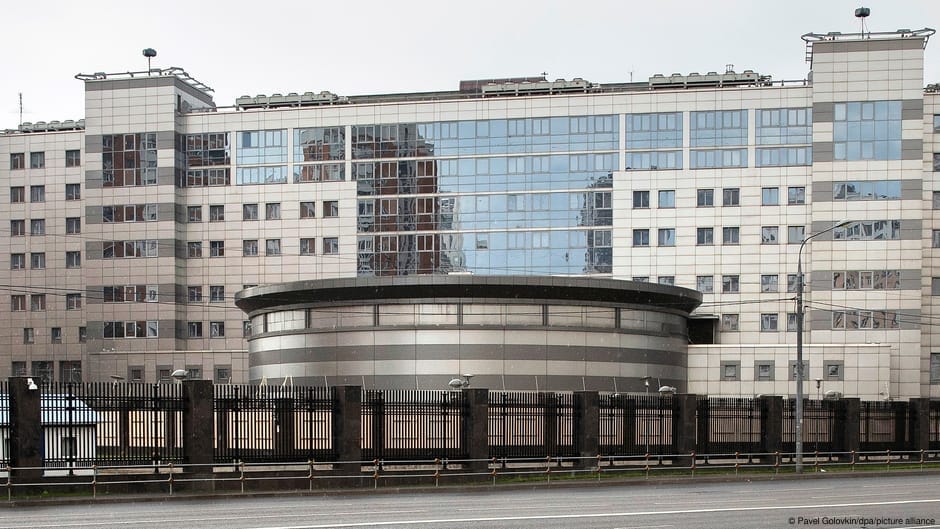
Lithuania’s foreign minister urged the EU to designate Russian military intelligence as a terrorist organization, adding to Europe’s geopolitical risk outlook.

A proposed EU fiscal penalty puts Bulgaria’s widening deficit, borrowing outlook and policy credibility under closer scrutiny from investors.

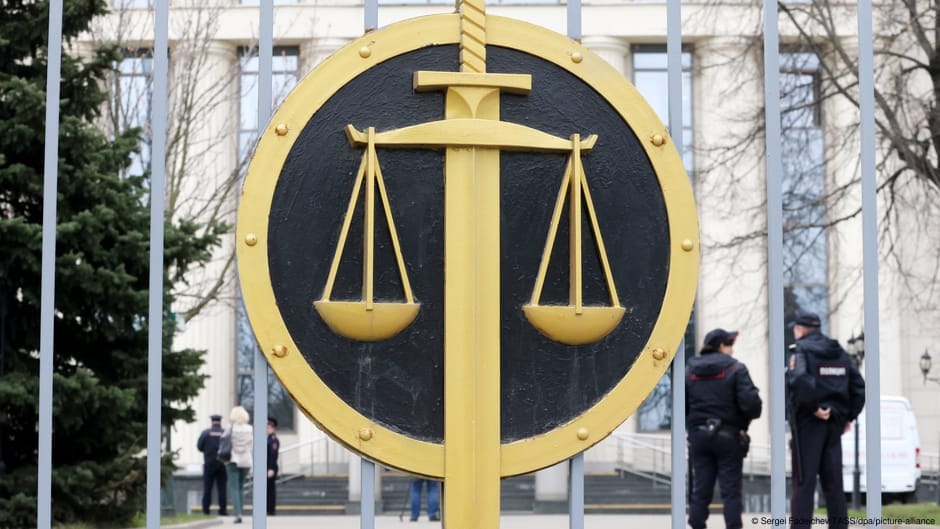
Huawei’s conviction on 10 criminal counts adds financial, regulatory and geopolitical risk across global telecom and technology supply chains.

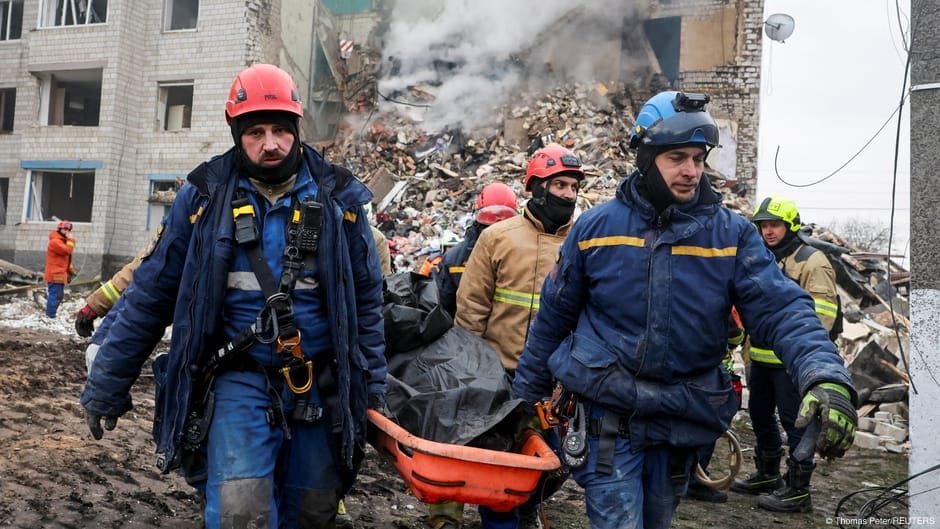
Deadly Russian strikes damaged civilian, commercial and energy assets as Ukraine imposed power restrictions affecting households and industrial activity.

Russian aircraft briefly entered South Korea’s KADIZ, prompting a fighter response and diplomatic protest while adding to Northeast Asia’s risk backdrop.

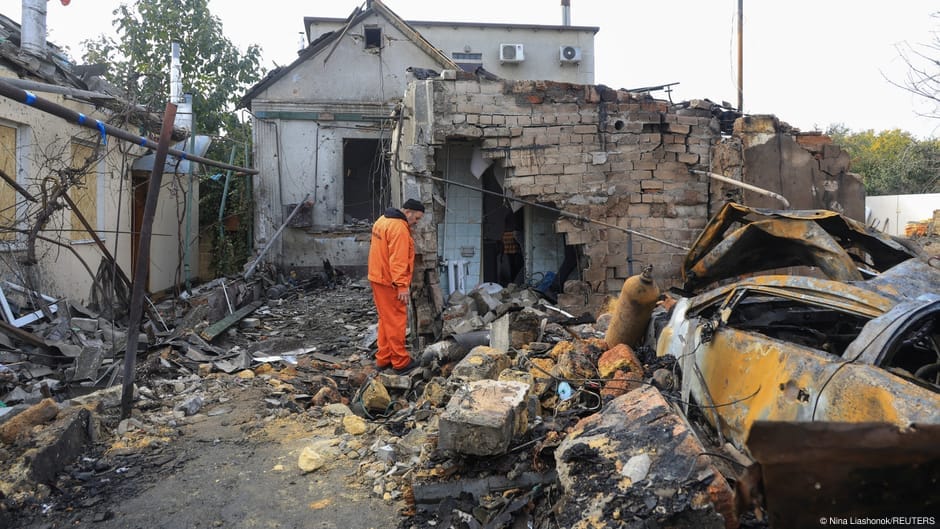
Deadly Russian strikes damaged homes, shops, businesses and energy infrastructure across Ukraine, renewing concerns over sovereign, corporate and reconstruction risks.

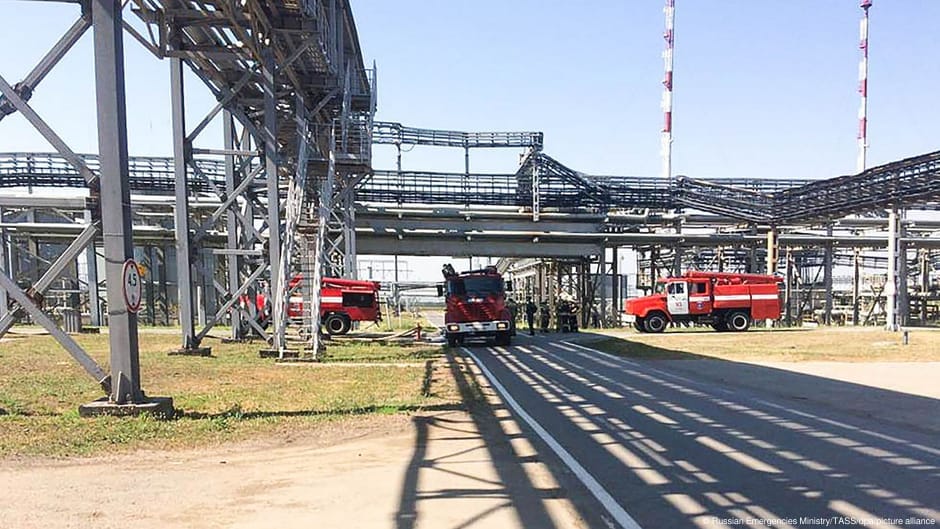
Reported fires near Russian refining and pipeline assets renew investor scrutiny of supply, logistics and operational risks, though disruption remains unconfirmed.

Democrats are set to hold at least 258 House seats and 56 Senate seats, giving investors greater clarity on the US policy outlook after the midterms.

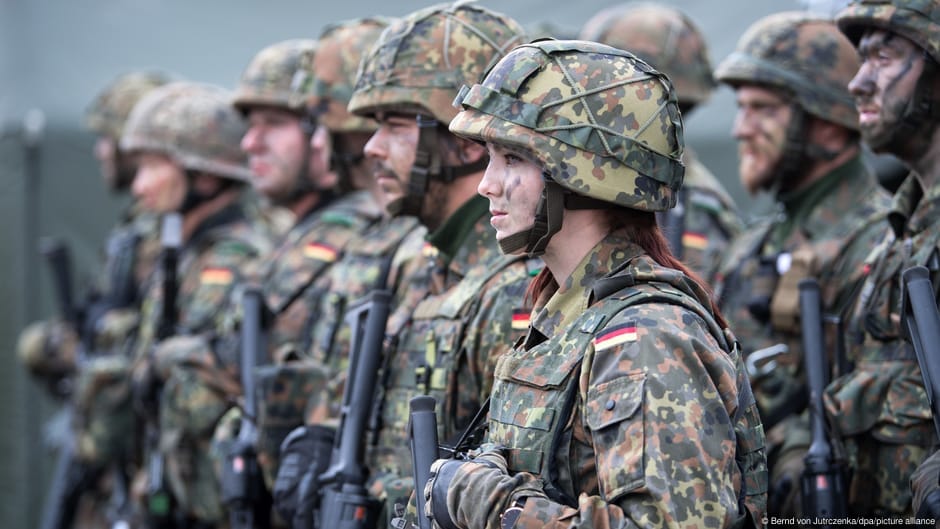
Germany will move tanks to Lithuania by rail rather than driving through Poland, limiting provocative imagery as markets monitor NATO-Russia tensions.

A probable drone strike on a Krasnodar security facility and an unconfirmed refinery report put regional infrastructure risks back in focus.

GTA VI generated a record $3.79 billion on its first day, sharpening investor focus on Take-Two’s earnings outlook and the future PC release.

Trump is seeking a Ukraine peace deal before Democrats take Congress, raising uncertainty for defense, energy and sovereign-debt investors.

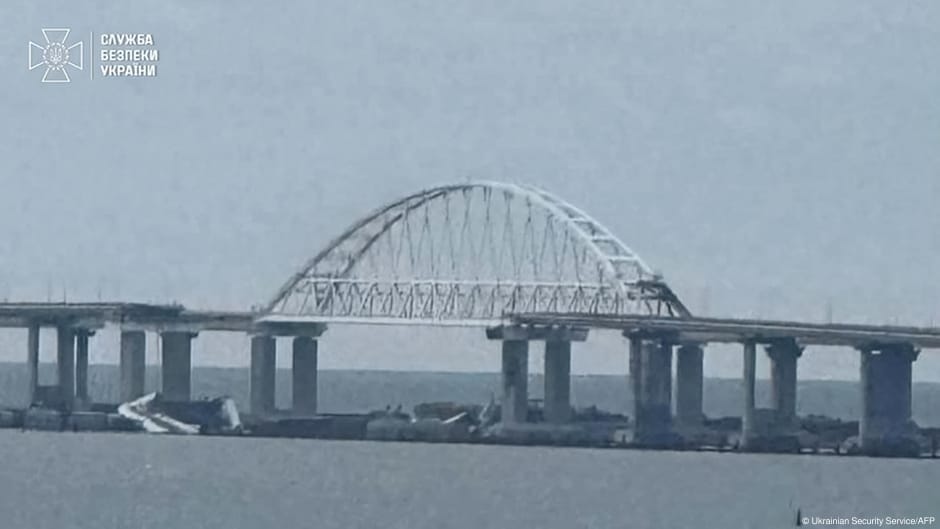
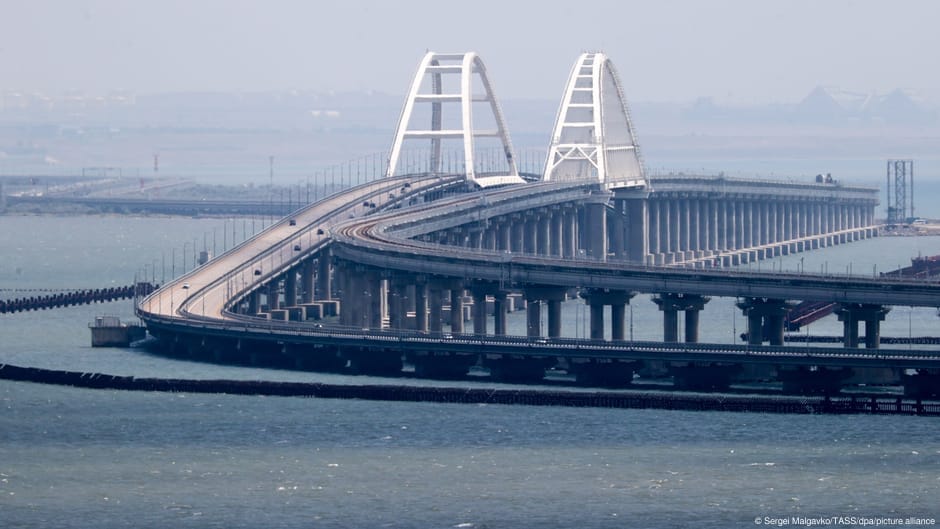
Zelensky warned the Crimea Bridge will not survive, while severe road and rail damage creates uncertain repair, logistics and fiscal risks.

Germany and Poland aim to finalize a defense action plan by January, putting arms production, secure supply chains and advanced technology in focus for investors.

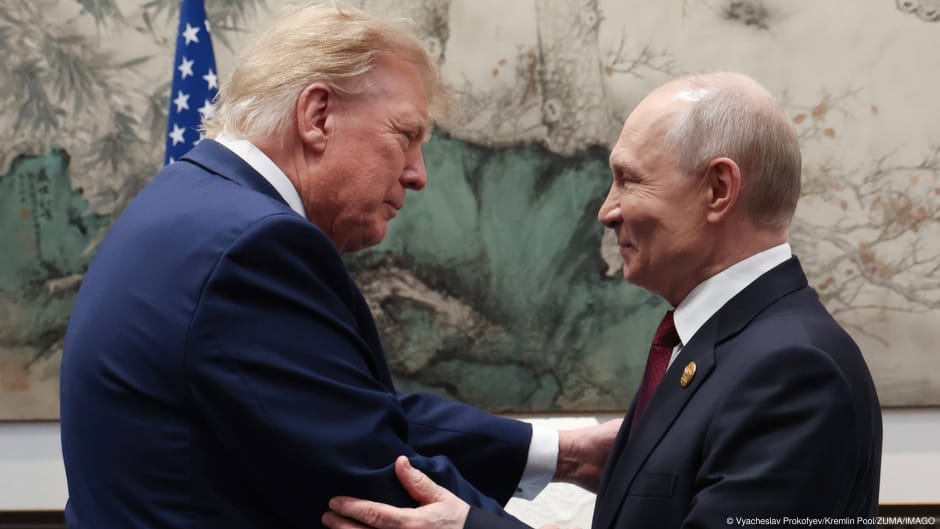
Trump backed Kyiv’s direct role in decisions on the war, but a US-China-Russia summit offered investors no concrete path toward de-escalation.

Ballistic missile strikes damaged Kyiv bridges and buildings, renewing investor scrutiny of infrastructure, energy security and Ukraine-related risk.

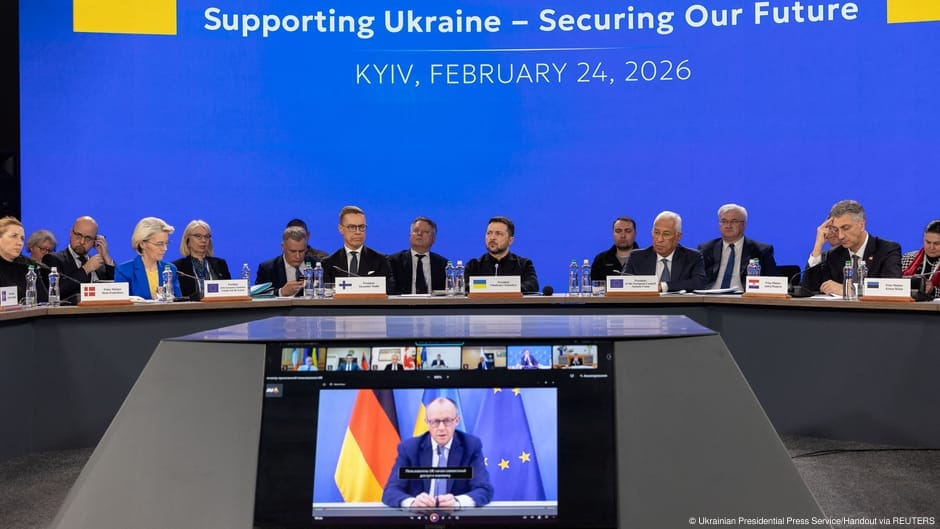
European leaders meeting in Berlin will put €230 billion in military aid and EU financing, defense procurement and sovereign funding under investor scrutiny.

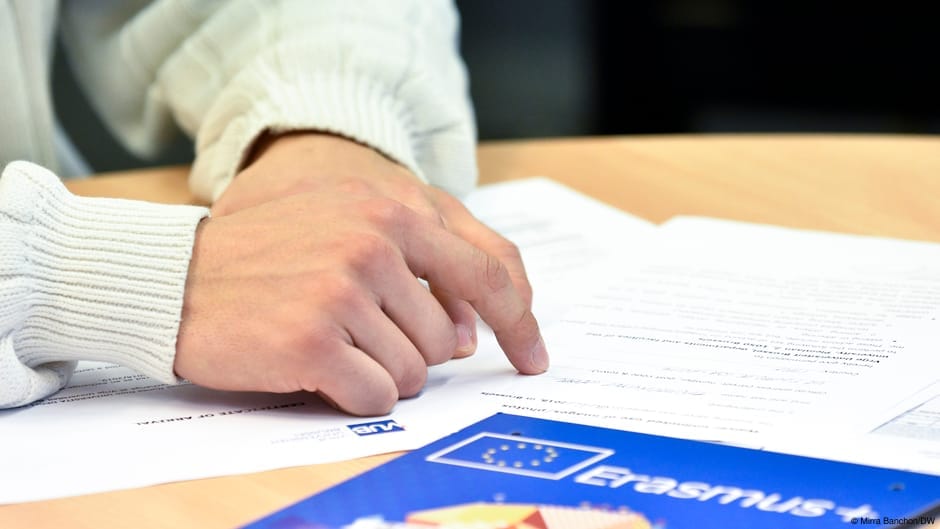
The EU has barred Russia-based organizations and residents from Erasmus+ participation as lawmakers consider a €47.4 billion future budget.

Slovenia has halted Russian applications for study and most work visas, adding mobility and staffing risks while preserving selected business and transport routes.

Reported Russia-linked payments by a Deutsche Bahn unit raise sanctions, governance and counterparty risks for European transport investors.

The confirmed toll from the Kamysevakha humanitarian-center strike reached 72, highlighting persistent security and financing risks for Ukraine-focused investors.

Attacks on bridges in Kyiv and the Kerch Strait renew scrutiny of infrastructure, logistics and geopolitical risks affecting Ukrainian and Russian assets.

A German poll shows broad concern about Russia but a near-even split on restoring Russian energy imports, underscoring risks for defense, industrial and bond investors.

A Russian libertarian faction voted to dissolve after its foreign-agent designation, adding to the governance risks investors weigh in Russian assets.

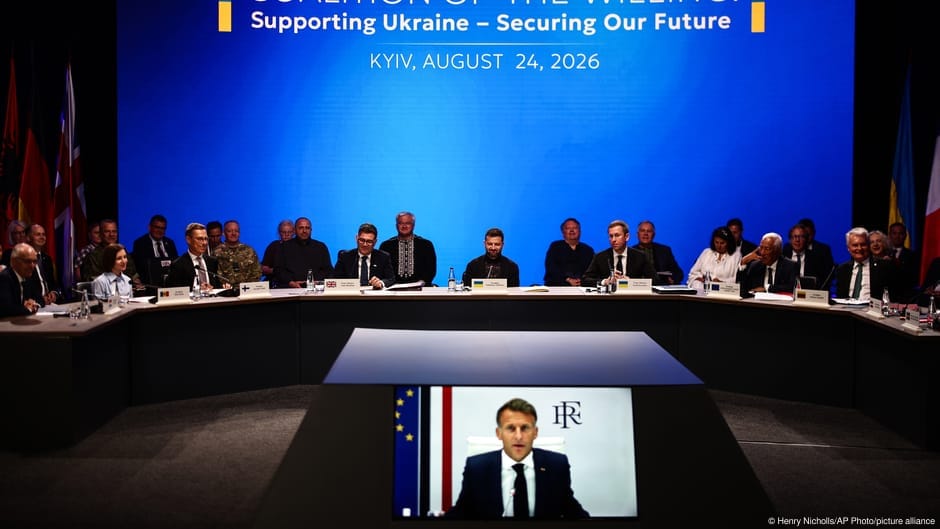
Kyiv is seeking a unified European negotiating position while pressing allies for air-defense missiles and additional energy support.

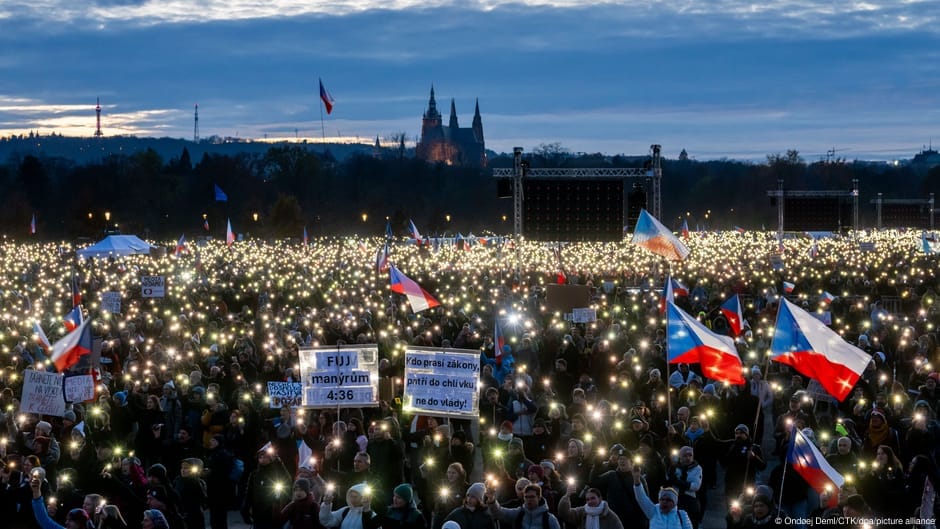
A mass Prague protest against changes to public-media funding has put Czech governance and policy predictability under closer investor scrutiny.

The Pentagon plans to withdraw about 5,000 US troops from Europe rather than 25,000, reducing security uncertainty while sustaining NATO defense spending.

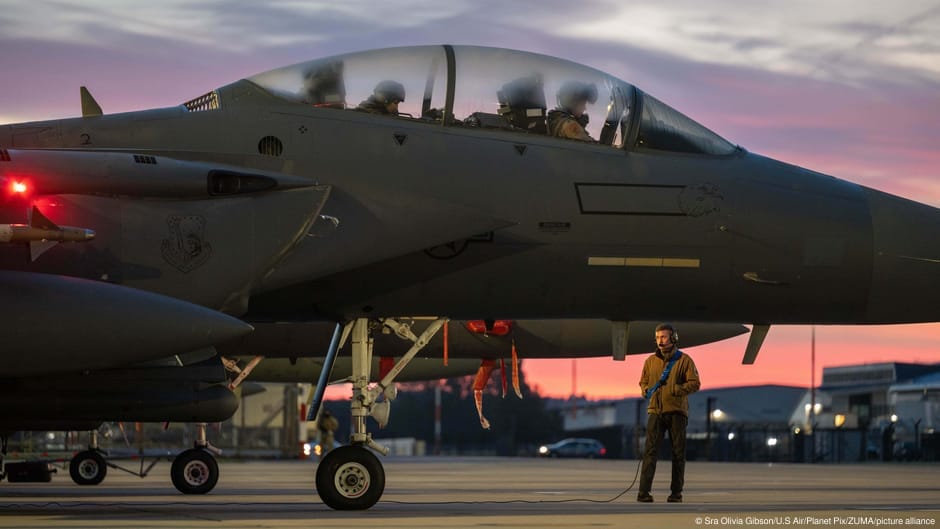
Suspected drone activity at RAF Lakenheath caused no reported damage but adds to investor concerns over geopolitical risk and infrastructure security.

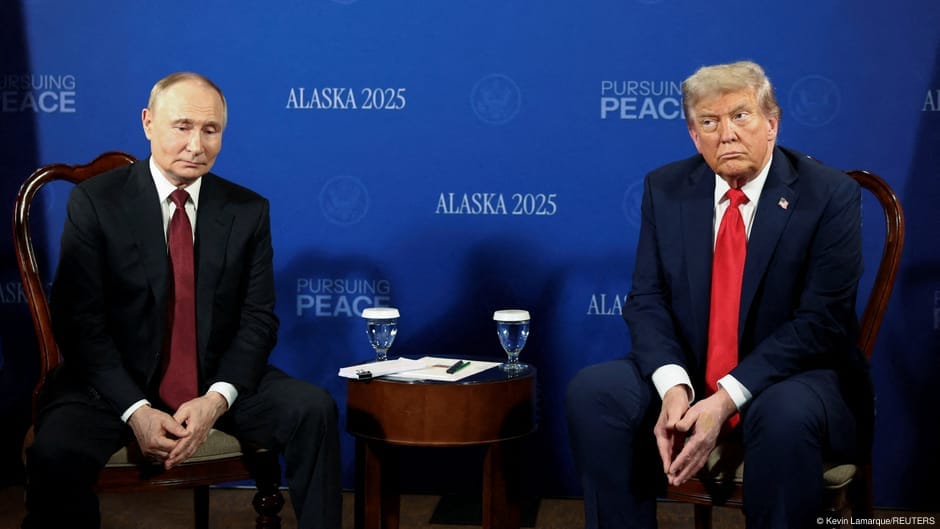
Trump, Putin and Xi are set for nuclear arms talks at APEC, putting geopolitical risk premiums in focus while an immediate agreement remains unlikely.

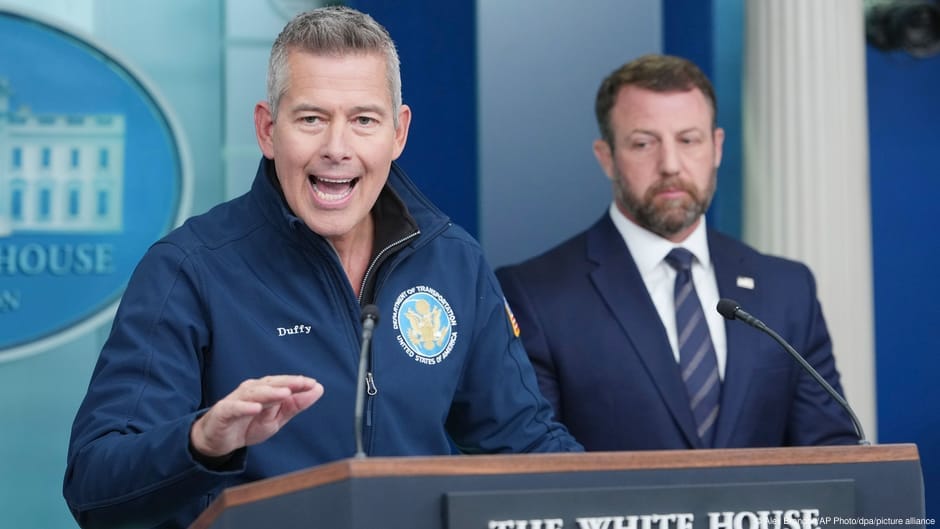
A four-hour FAA ground stop exposed outdated aviation systems and prompted a $50 billion funding request, raising new risks and opportunities for investors.

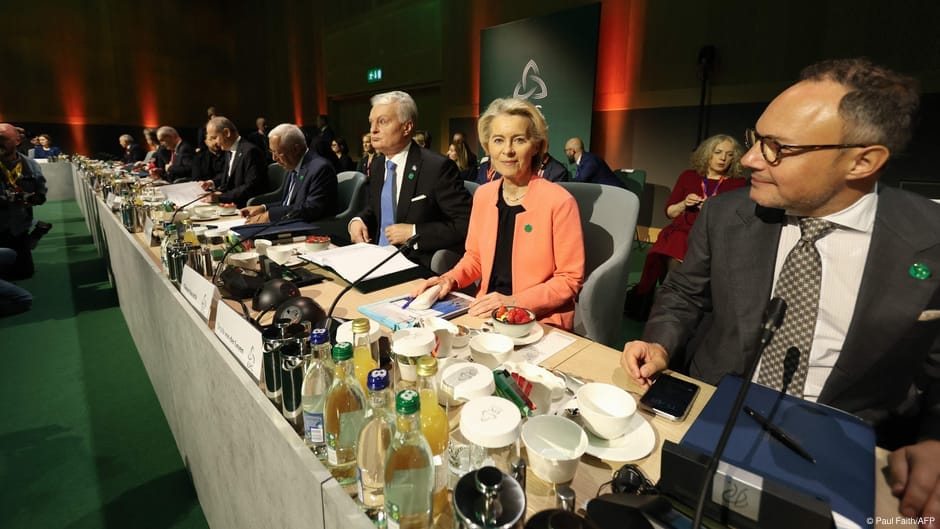
Nearly 40 European states adopted a security charter that puts defence spending, cybersecurity and sovereign financing in focus for investors.

Spain’s housing protests disrupted factories and ports, adding labor, policy and election risks for investors ahead of the November 29 vote.

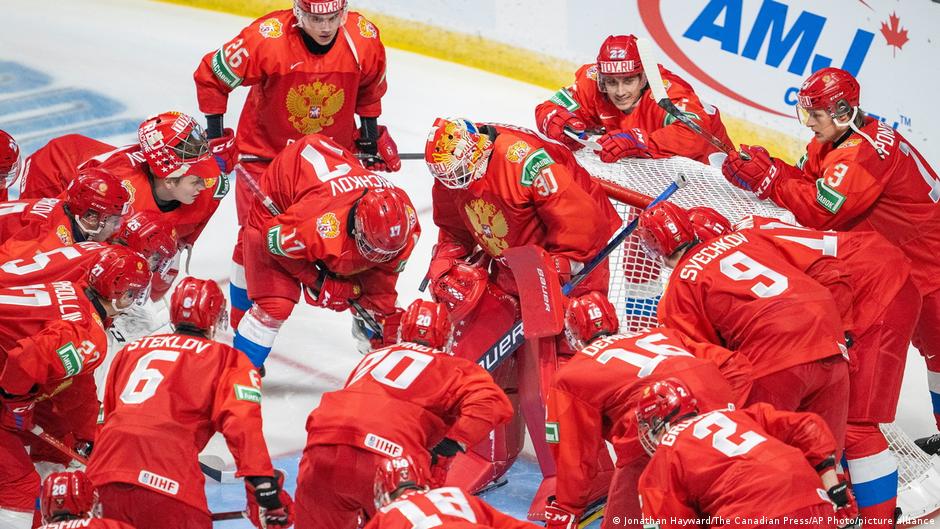
Canada will bar Russian and Belarusian hockey participants from the 2027 World Juniors, creating legal and operational uncertainty for organizers and event-linked businesses.

Kyiv and Moscow discussed exchanging up to 3,000 prisoners as talks expanded toward energy, Black Sea security and possible leader-level diplomacy.

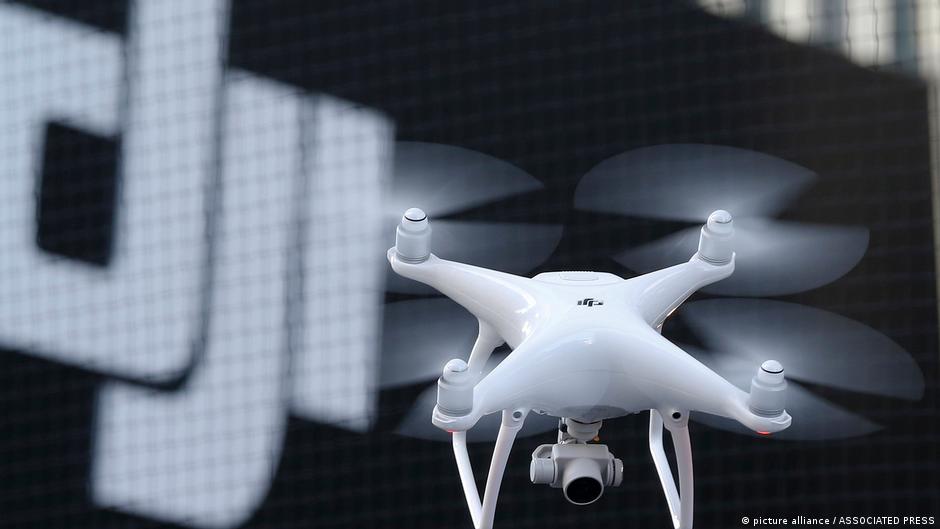
Germany’s military ban on Chinese drones and cars at sensitive sites raises regulatory risks for Chinese manufacturers and opportunities for European suppliers.

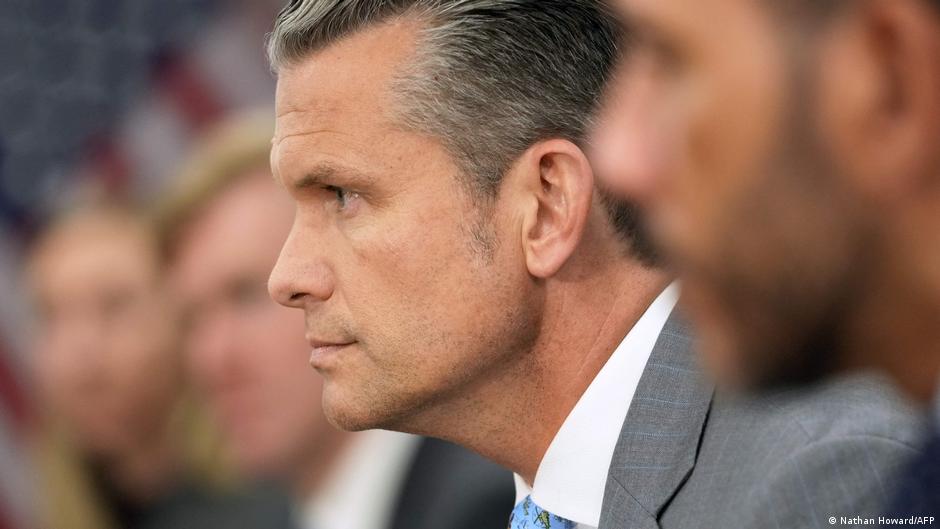
House Republicans sent the Hegseth impeachment resolution to committee, delaying the challenge until Democrats take control of Congress in January.

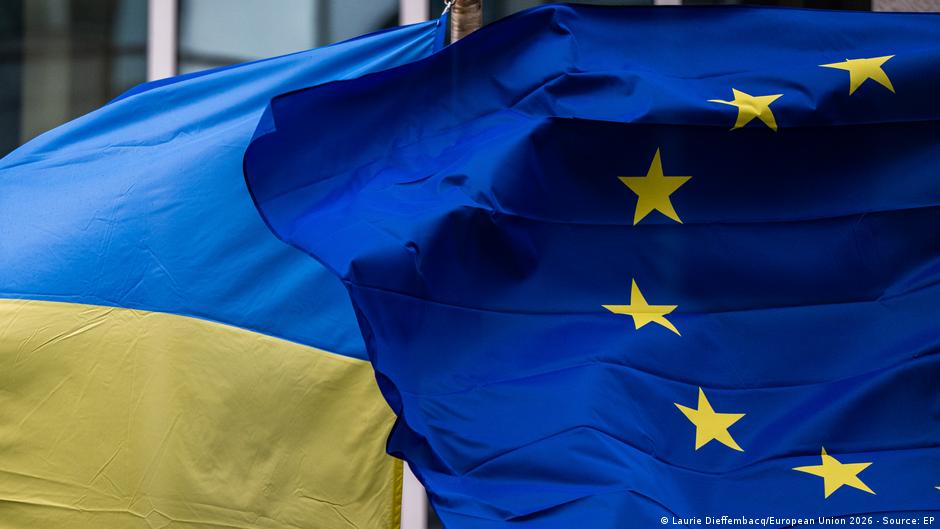
The EU extended its Ukraine military training mission through November 2028, adding nearly €300 million as investors assess defense demand and fiscal risks.

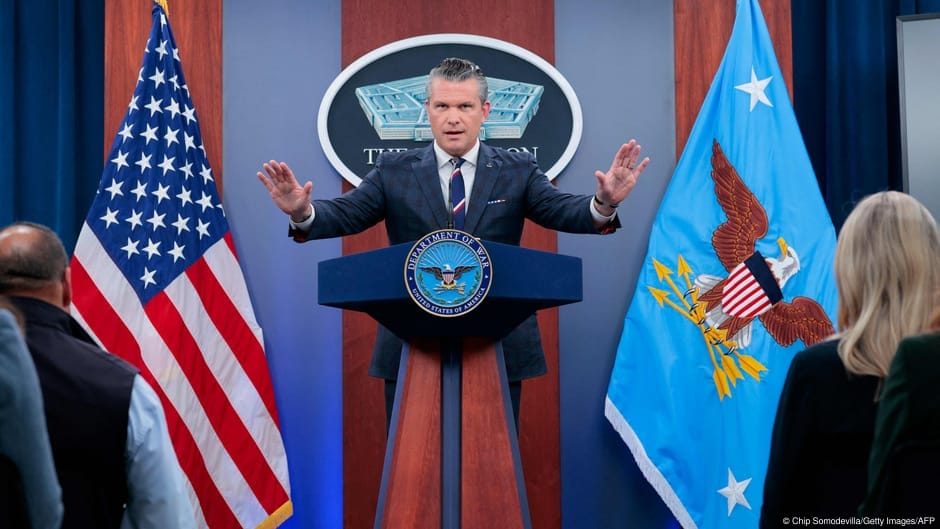
A Republican bid to impeach Defense Secretary Pete Hegseth adds political uncertainty for investors monitoring the Iran war, energy, defense stocks and bonds.

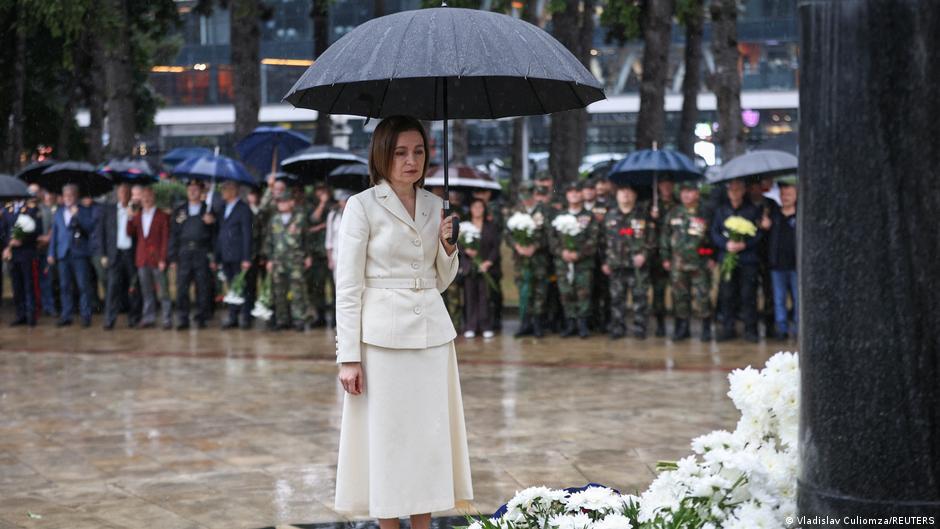
Moldova opened a Romania-linked power line to diversify electricity supplies, reduce Russian exposure and deepen integration with Europe’s energy system.

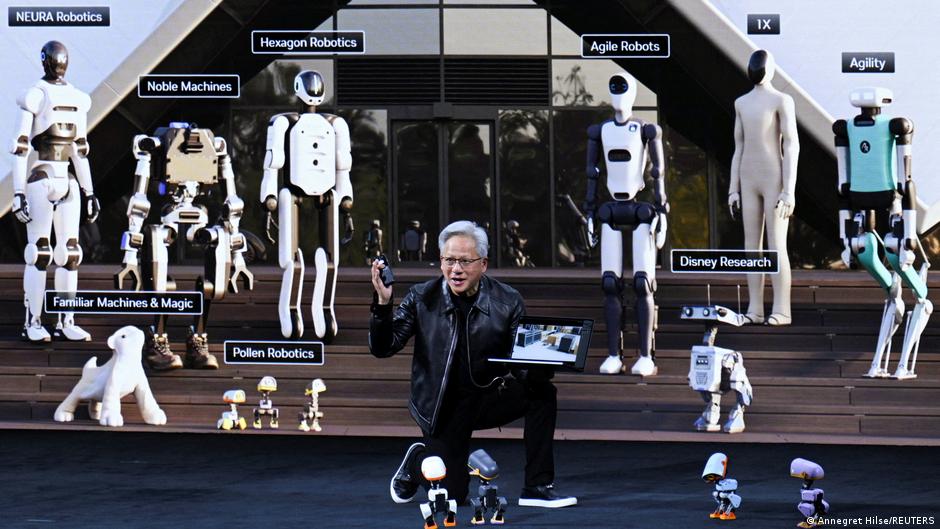
Nvidia’s board is investigating Jensen Huang’s reported relationship with a suspected Chinese intelligence asset, adding governance risk for investors.

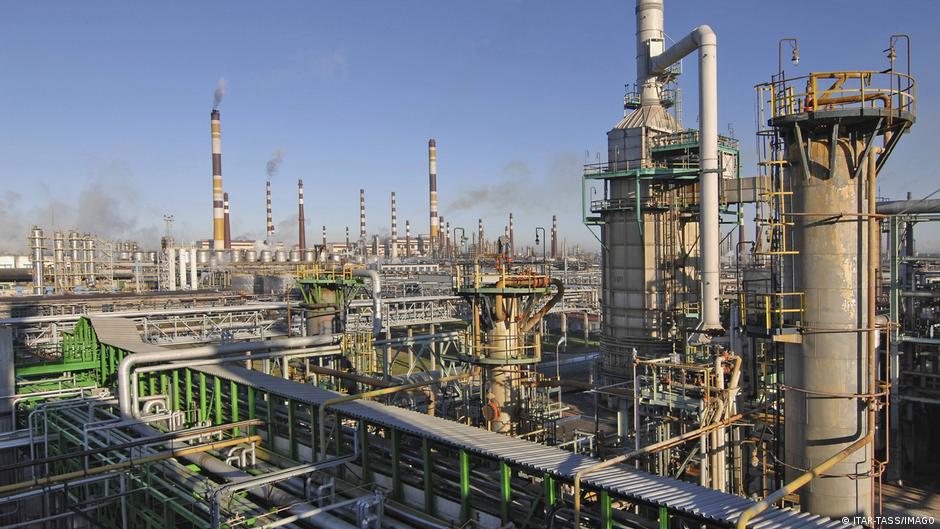
A drone attack on Surgutneftegas’ Kirishi refinery puts a facility responsible for roughly 7% of Russian oil processing under renewed investor scrutiny.

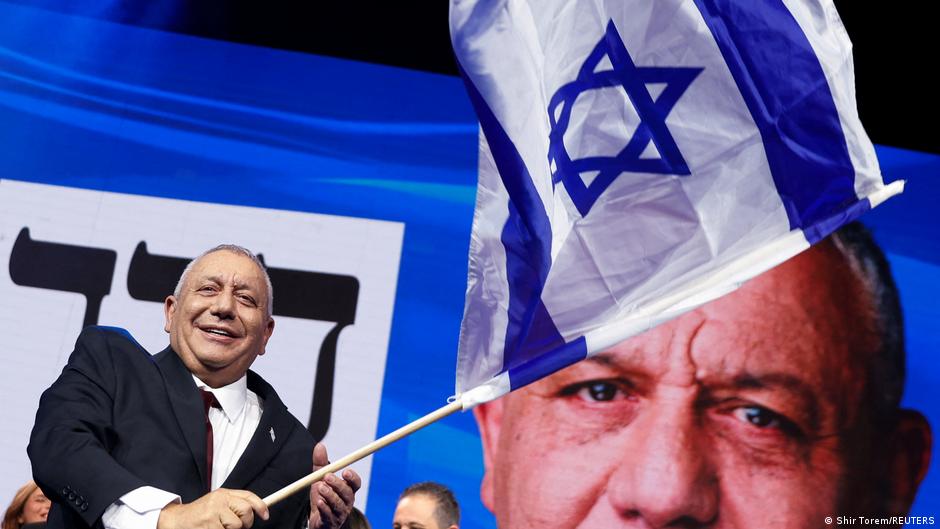
Gadi Eisenkot will receive a mandate to form Israel’s government, placing coalition arithmetic and political risk at the center of investor attention.