Russian Military Convoys Reverse Course After Ukraine’s Libya Strike
Two Russian military convoys reportedly changed course after Ukraine struck a corvette in Libya, adding geopolitical risk around Mediterranean shipping.
Two Russian military convoys reportedly changed course after Ukraine struck a corvette in Libya, adding geopolitical risk around Mediterranean shipping.

Ukraine sought to contain fallout from its Benghazi operation as investors weighed risks to energy, shipping, European unity and broader market sentiment.

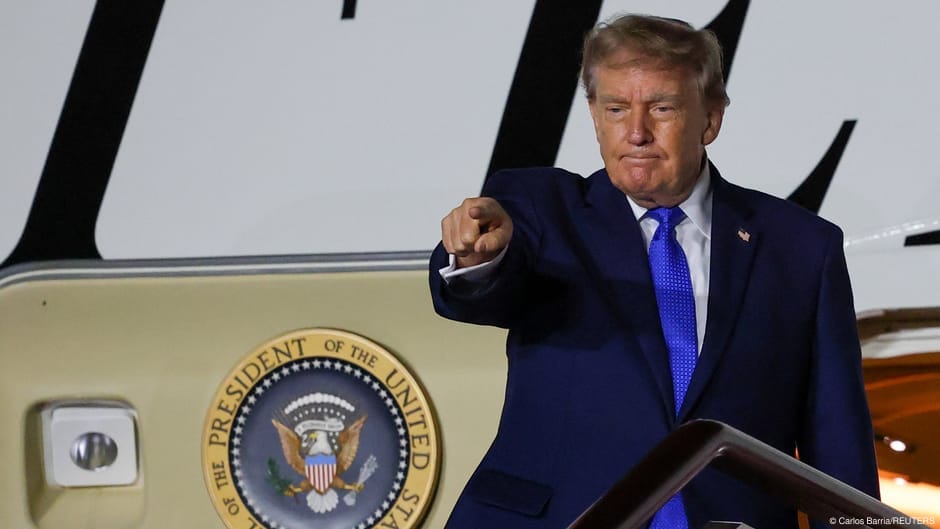
Trump is seeking a Ukraine peace deal before Democrats take Congress, raising uncertainty for defense, energy and sovereign-debt investors.

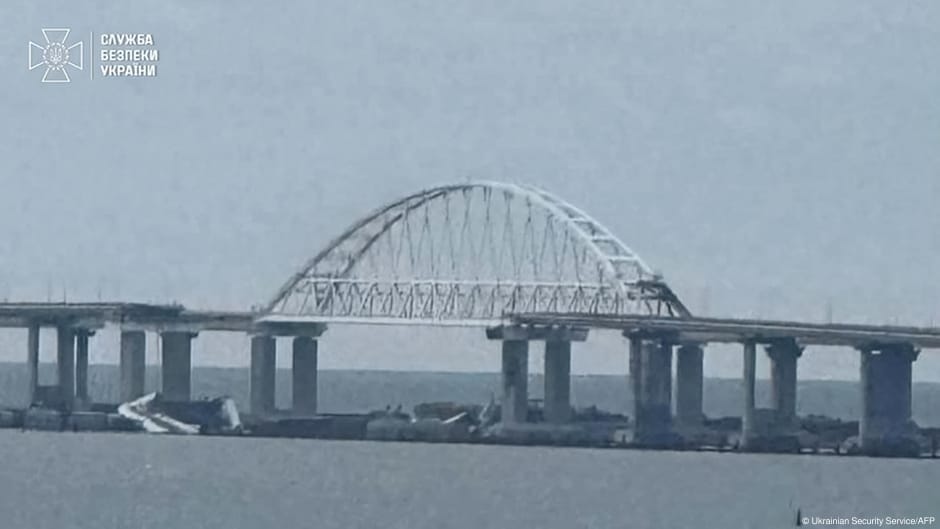
Zelensky warned the Crimea Bridge will not survive, while severe road and rail damage creates uncertain repair, logistics and fiscal risks.

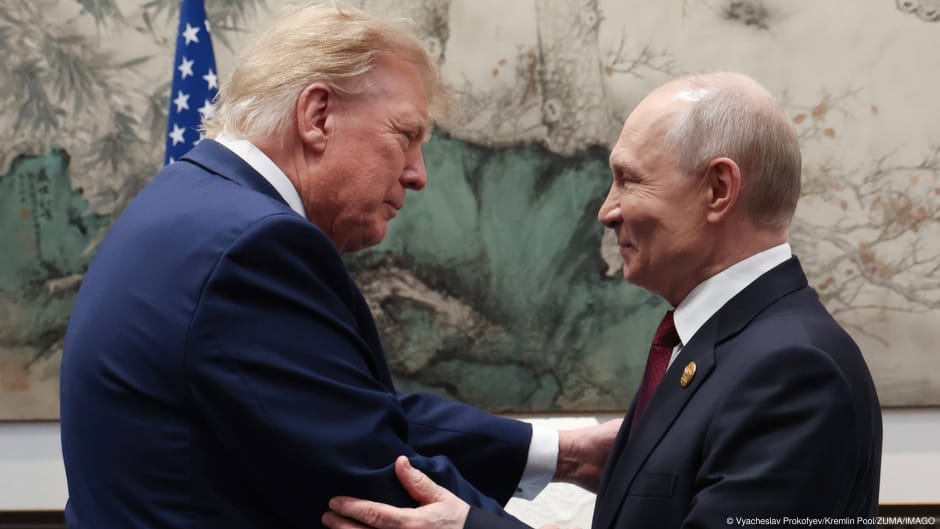
Trump backed Kyiv’s direct role in decisions on the war, but a US-China-Russia summit offered investors no concrete path toward de-escalation.

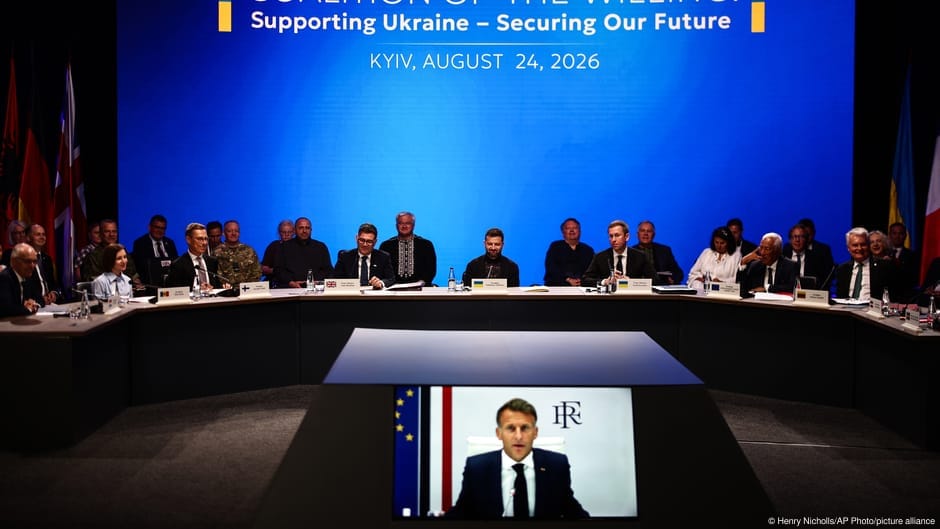
Kyiv is seeking a unified European negotiating position while pressing allies for air-defense missiles and additional energy support.

US envoys are preparing multilateral Ukraine talks with European participation, putting geopolitical risk and its implications for regional assets back in focus.

Russia and Ukraine agreed to include European partners in the next peace talks, putting postwar security and regional geopolitical risk in focus for investors.

Kyiv and Moscow discussed exchanging up to 3,000 prisoners as talks expanded toward energy, Black Sea security and possible leader-level diplomacy.

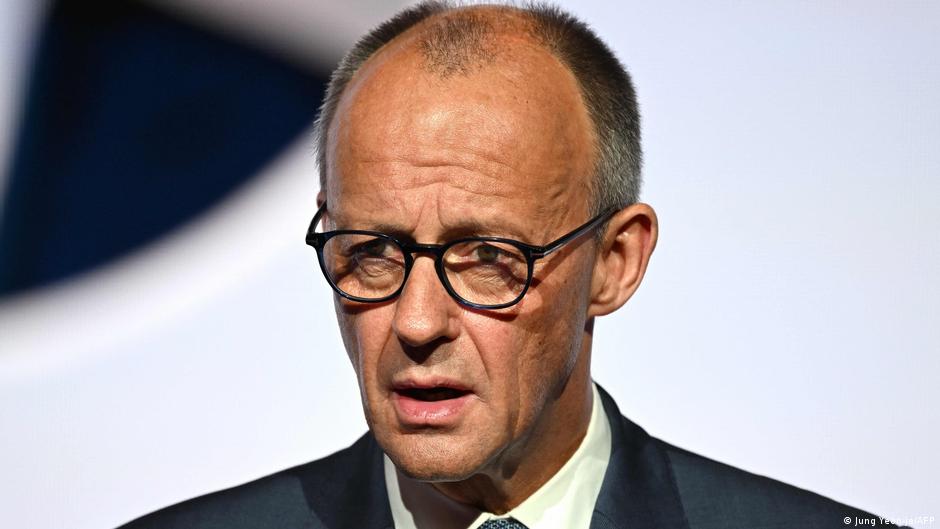
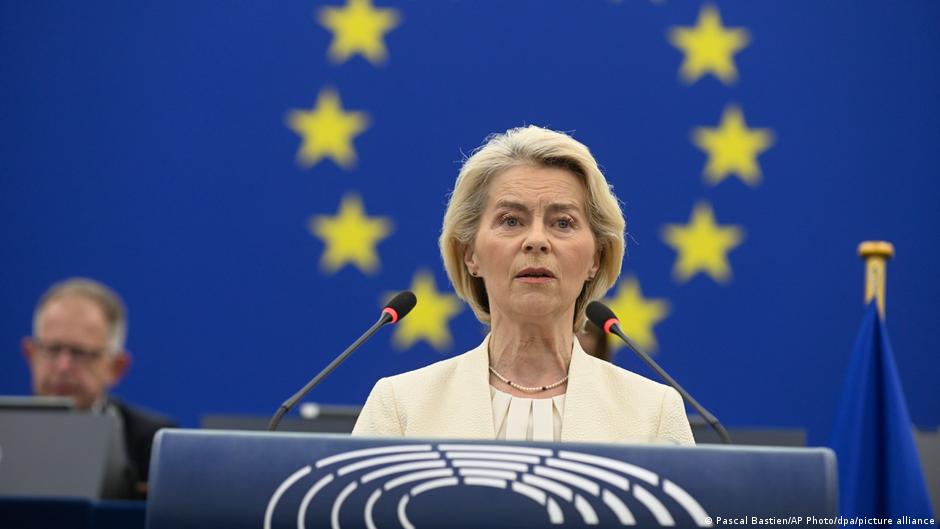
Merz is pressing all EU members to help close Ukraine’s €45 billion funding gap, tying agreement to other financial decisions as markets watch fiscal risks.

A clash between Zelensky and Kyiv Mayor Vitali Klitschko highlights energy infrastructure and political risks facing investors in Ukraine.

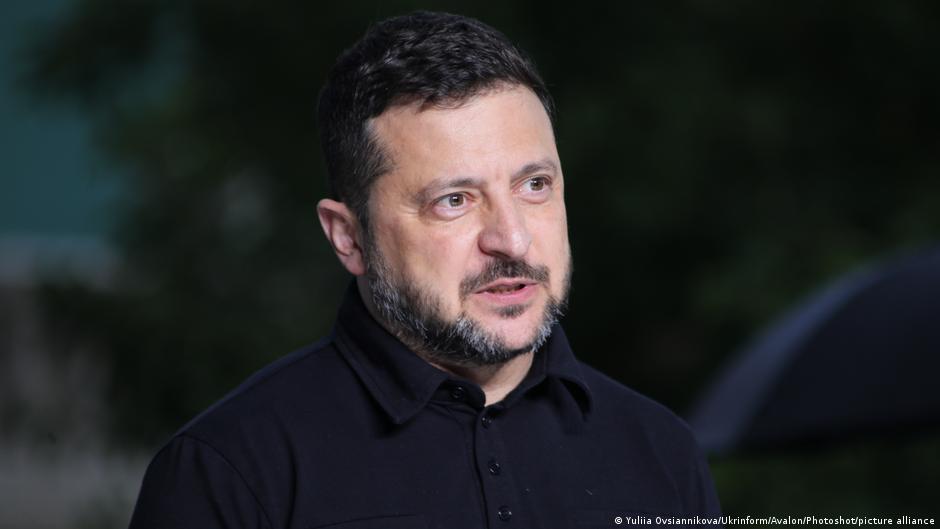
Zelensky expects stronger US aid after the Democrats’ congressional victory, putting defense spending, sovereign borrowing and European risk assets in focus.

Russia and Ukraine will meet in Abu Dhabi on November 10-11 as investors assess the implications for European assets, sovereign debt and reconstruction.

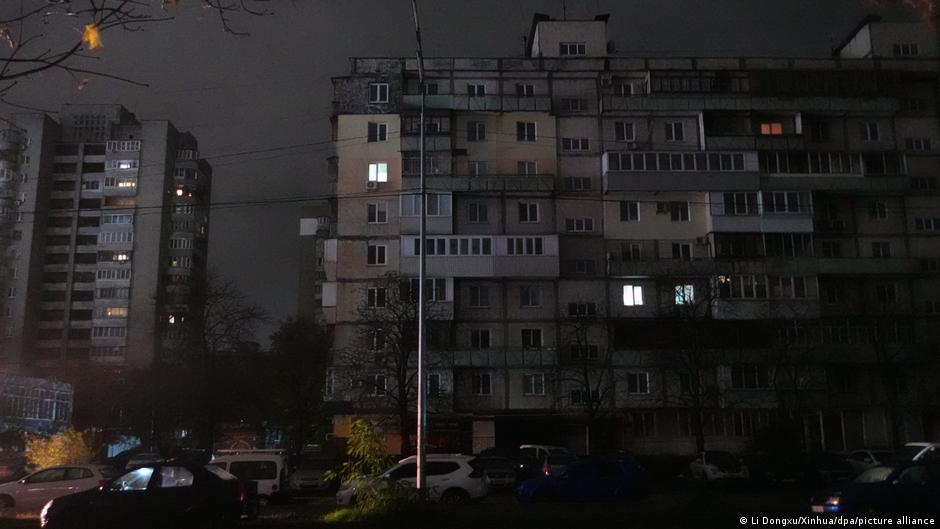
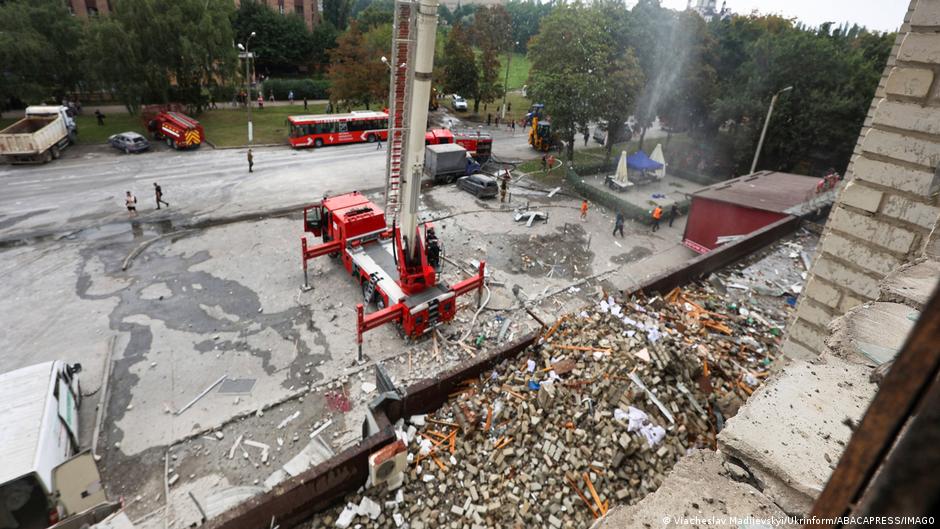
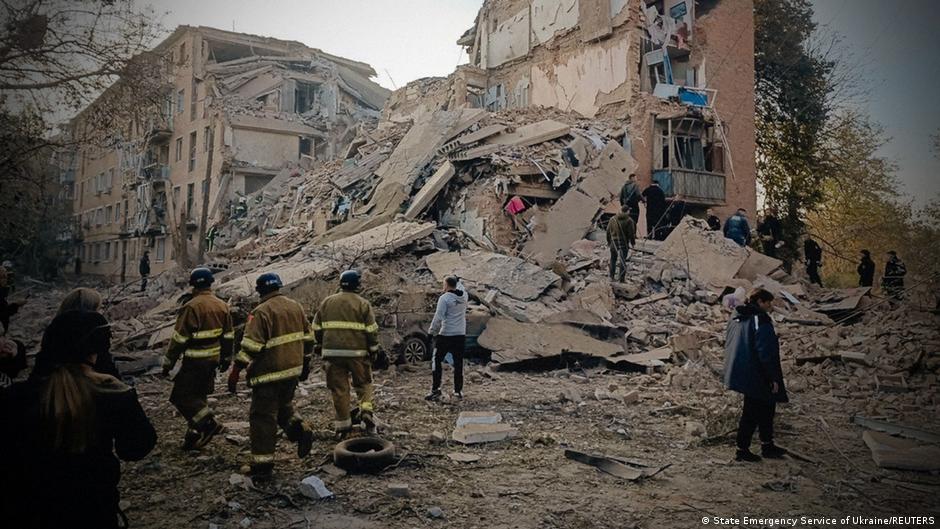
Russian strikes killed civilians and damaged transport, industrial and commercial assets across Ukraine, renewing infrastructure and reconstruction risks.

A reported Ukrainian pause in attacks on Russian refineries may ease near-term fuel supply risks, but its informal and reversible nature leaves investors exposed to renewed volatility.

New UK and Dutch aid for Ukraine combines defense spending, export guarantees and reconstruction funding, drawing investor attention to fiscal risks and future contracts.

A temporary ceasefire around occupied Oleshky enables aid and evacuation plans, offering investors a limited signal of de-escalation amid high execution risks.

Kyiv says Starshield speed limits remain active, highlighting risks around military satellite services as Ukraine also awaits delayed missile interceptors.

US, Ukrainian and Russian teams may meet in Abu Dhabi or Switzerland in November, reopening diplomacy without yet offering evidence of a breakthrough.

Trump said SpaceX restored full Starlink access in Ukraine, renewing investor scrutiny of private satellite infrastructure and government dependence.

Putin backed renewed US-mediated talks with Kyiv but rejected a front-line freeze, leaving investors with little evidence of near-term de-escalation.

Trump postponed sweeping Russia tariffs, citing Ukraine negotiations, Iran and diesel supplies, while retaining the option to impose them later.

A reported US peace proposal to restore Russian pipeline gas to Europe could reshape energy costs, infrastructure values and investor risk calculations.

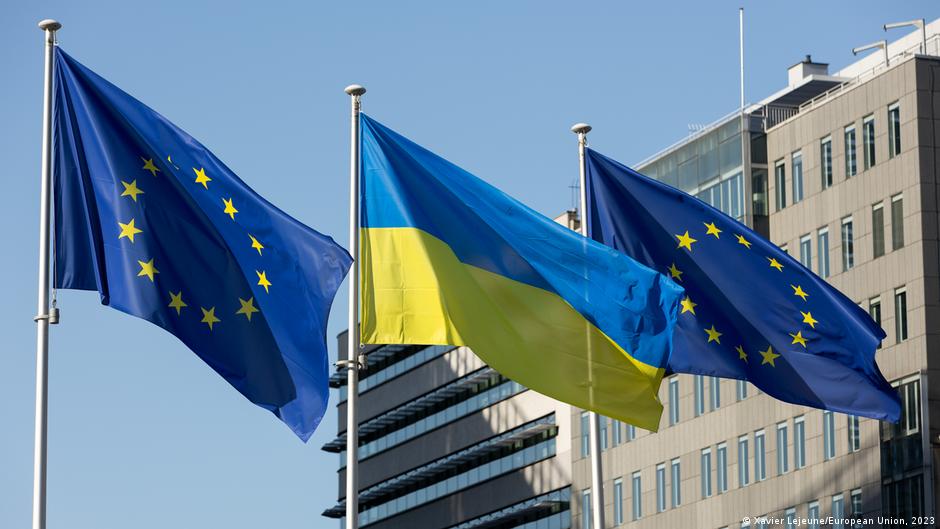
EU states agreed to open new accession clusters for Ukraine and Moldova, adding a reform signal for investors tracking regional risk.

Reported U.S. pressure on Kyiv over refinery strikes adds uncertainty for oil, defense stocks and European bond markets.

The EU plans new mid-October funding for Ukrainian drones and missiles as investors watch defense stocks, bonds, energy risk and fiscal signals.

Zelensky warned that a US license for Russian diesel exports could weaken sanctions pressure and extend the war as markets assess fuel supply risks.

Ukraine will meet Trump envoys over a new war-ending plan as investors watch sanctions risk, defense exposure and geopolitical pressure.

Kyiv’s mayor urged residents with options outside the capital to leave temporarily as intensified Russian strikes raise infrastructure risks.

A Russian missile and drone attack killed 28 people in Ukraine, raising investor focus on sanctions, energy risk and European market sentiment.

A reported fire at a Ryazan plant housing a Yandex data center highlights cloud resilience, sanctions exposure and infrastructure risk for investors.

Western contingency planning for embassies in Kyiv points to rising Ukraine risk for investors watching energy, defense, bonds and regional markets.

The EU declined Ukraine’s request for early loan funding, keeping attention on Kyiv’s financing gap, IMF assurances and donor burden-sharing.

Seoul’s warning to Kyiv adds a new geopolitical risk factor for investors watching Korean assets, defense stocks and Ukraine-war exposure.

Zelensky says North Korea plans to send about 10,000 more troops to Russia, raising geopolitical risk for equities, bonds and investors.

Ukraine sanctioned 44 people tied to Russian Duma voting in occupied regions, reinforcing sanctions risk for investors with Russia-linked exposure.

Kyiv denied a report that Trump urged Zelenskyy to meet Putin in Moscow as investors monitor diplomacy, diesel prices and energy risks.

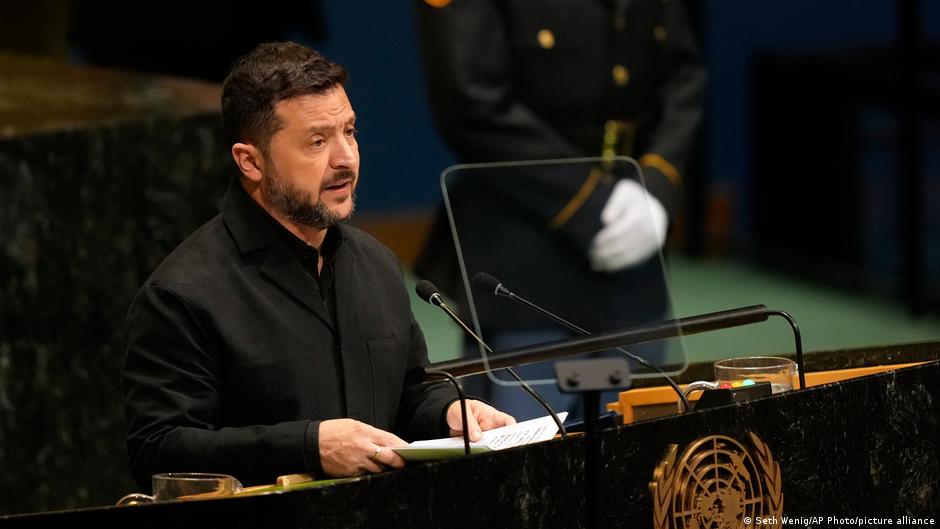
Zelenskyy’s UN remarks put Russia’s oil revenues, energy infrastructure and war financing back at the center of investor risk assessments.

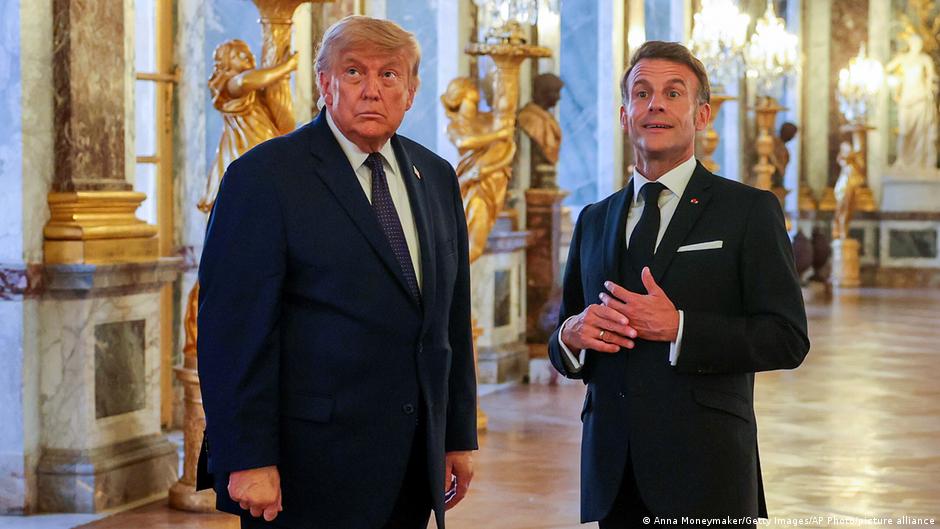
Macron and Trump discussed protecting Ukraine’s energy and civilian infrastructure as investors watch war risk, sanctions and defense demand.

Trump signed the Graham sanctions law, giving the White House new tariff powers over Russian energy buyers and raising market uncertainty.

Ukraine’s parliament will review seven difficult bills tied to Western aid, as Kyiv seeks to close a defense-driven budget gap.

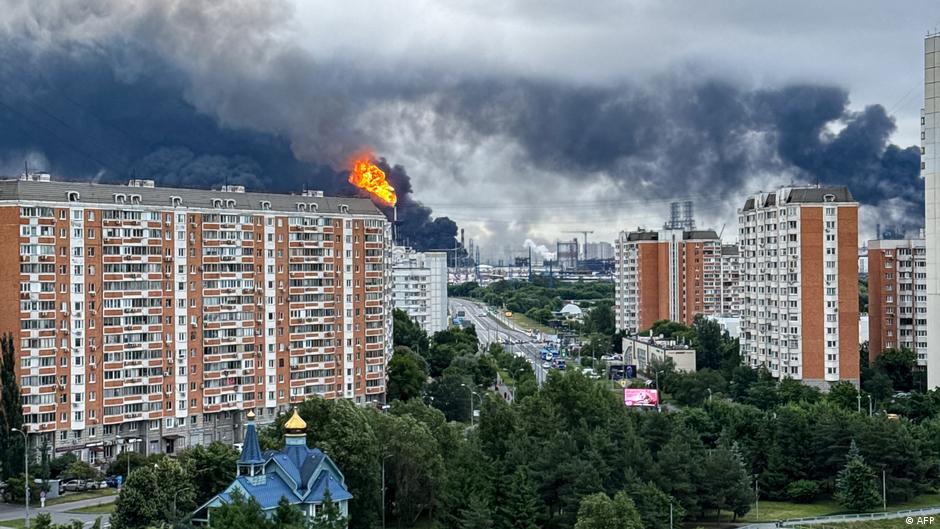
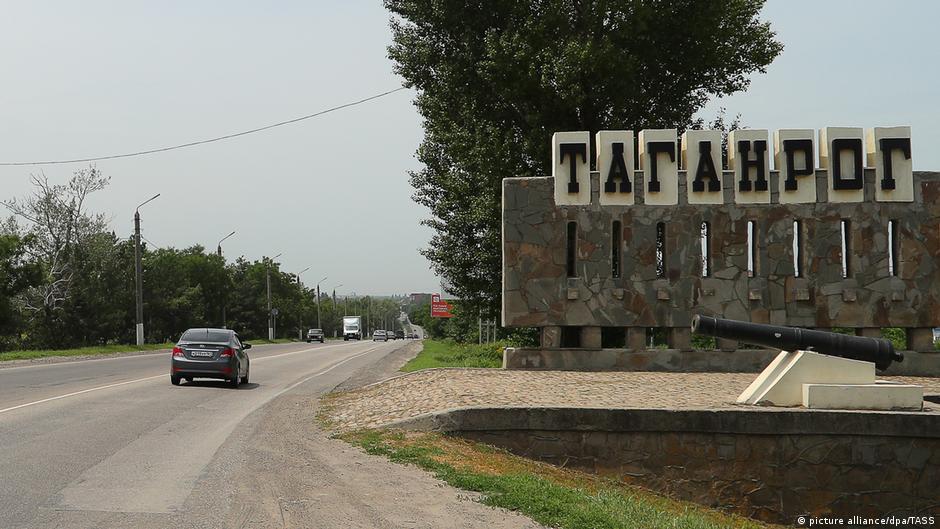
Strikes on the Syzran refinery and Taganrog facilities highlight continuing infrastructure risks for investors tracking Russian energy and industry.

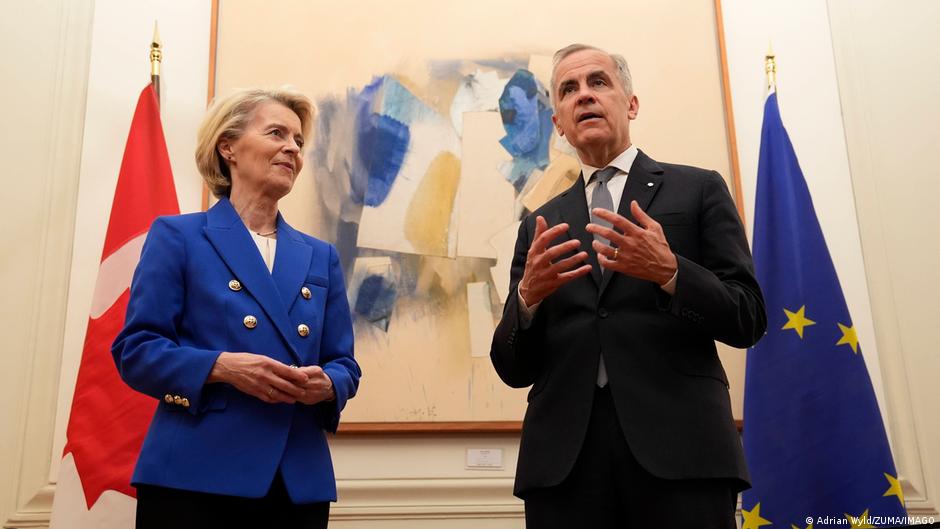
Canada is in talks to join the EU’s 90 billion euro Ukraine loan program as investors assess fiscal, defense and trade implications.

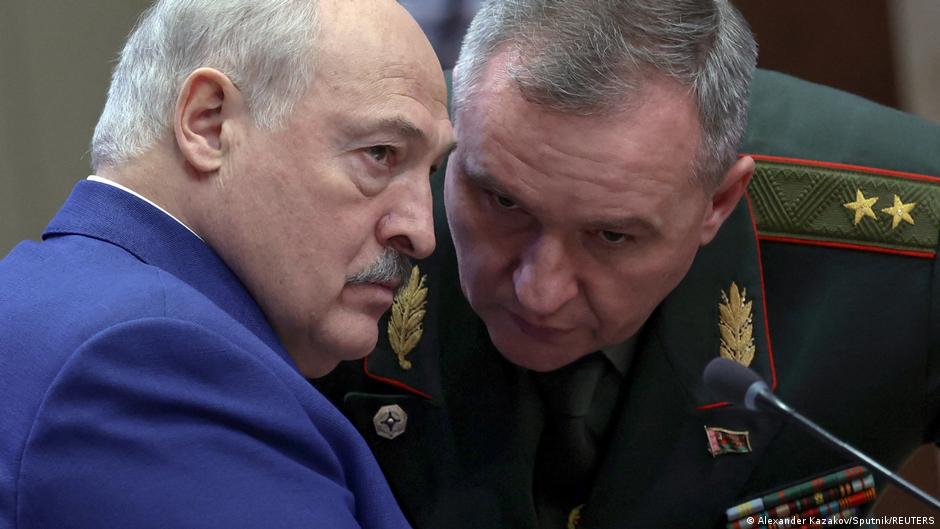
Belarus will extend army readiness checks up to mobilization level, adding another geopolitical risk signal for regional investors.

Zelensky expects late-September talks with U.S. officials on food and energy security as Black Sea exports and infrastructure risks remain in focus.

A reported drone threat delayed Zelenskyy’s flight from Moldova to Oslo, adding to market concerns over regional security and war spillover risk.

Germany’s foreign minister says Berlin’s support for Ukraine should also benefit German defense companies, sharpening the market focus on procurement.

Russia struck Kyiv with drones and ballistic missiles, damaging homes, industrial sites and logistics assets as investors monitor war risk.

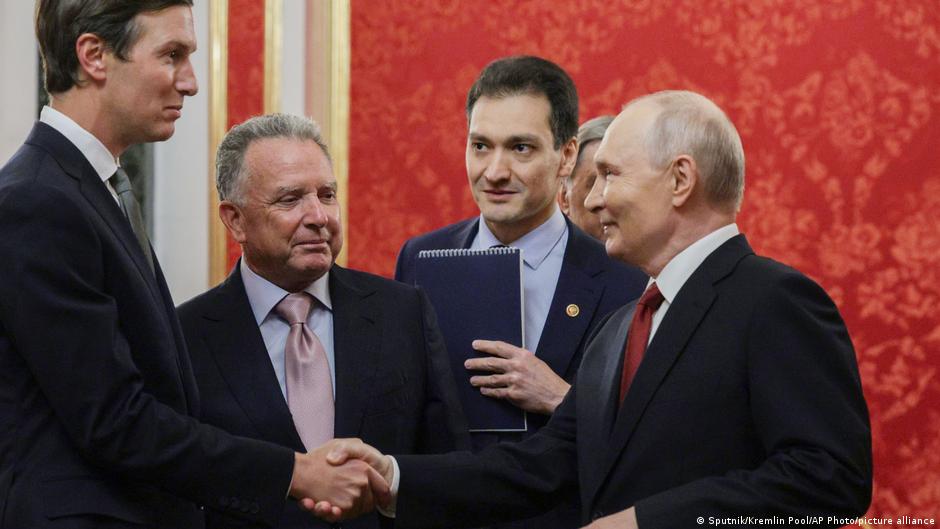
US envoys discussed concrete Ukraine peace plans with Putin and are heading to Kyiv, creating a new geopolitical risk event for markets.

Ukraine’s anti-corruption raids at the prosecutor general’s office highlight governance risks watched by investors in Ukrainian assets.