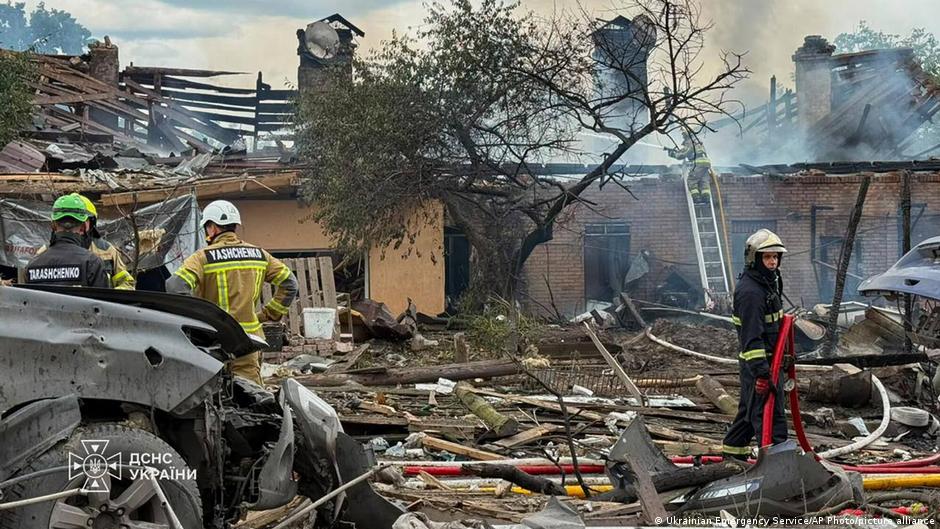
Kyiv Energy Strike Raises Infrastructure and Market Risks for Ukraine
Power and water outages in Kyiv and Volyn renew investor concerns over Ukraine’s infrastructure resilience, fiscal pressures and sovereign-credit outlook.

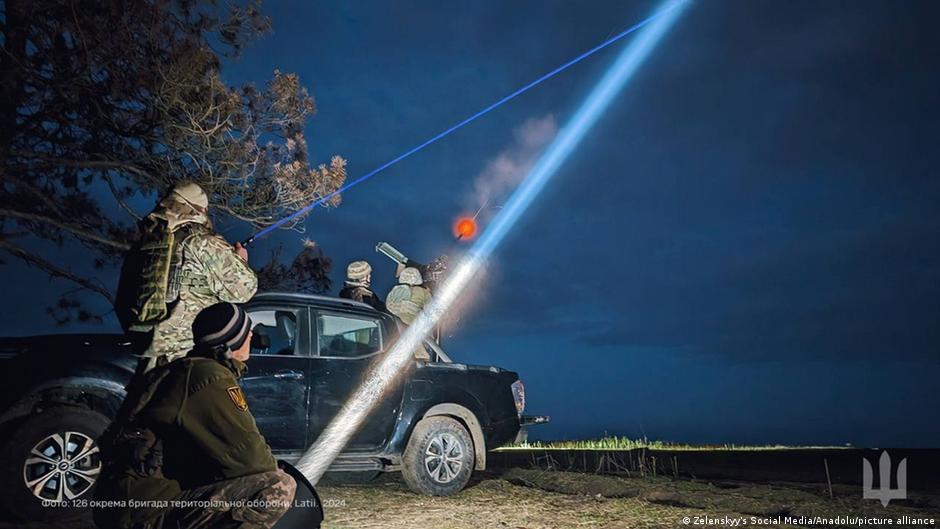
Power and water outages in Kyiv and Volyn renew investor concerns over Ukraine’s infrastructure resilience, fiscal pressures and sovereign-credit outlook.

Russian officials reported more than 100 drones destroyed near Moscow as airport restrictions disrupted flights and regional attacks caused casualties.

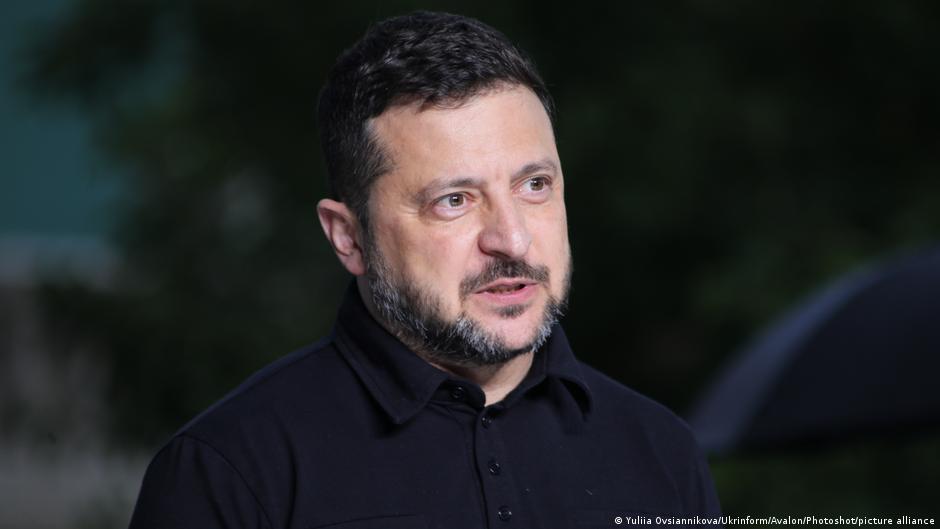
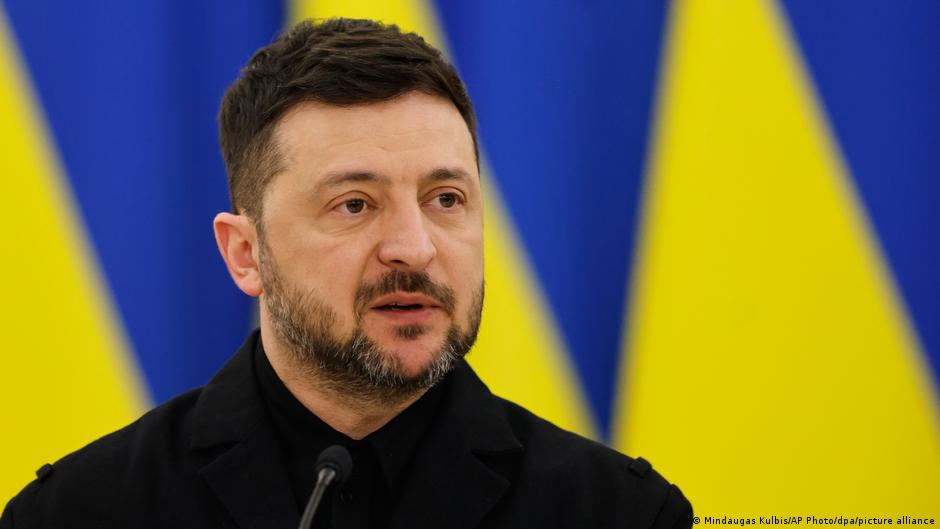
Zelensky warned that a US license for Russian diesel exports could weaken sanctions pressure and extend the war as markets assess fuel supply risks.

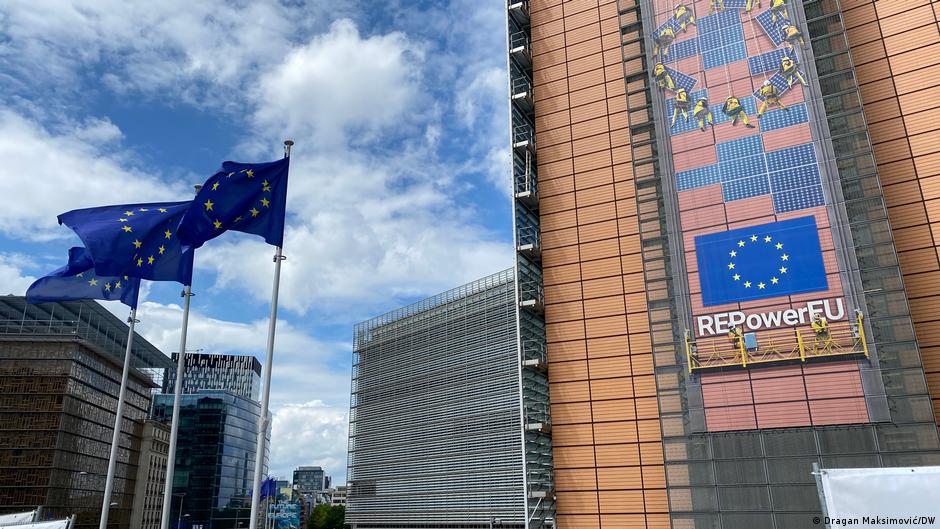
The European Parliament backed a €115 million Agile programme to fund defence technology SMEs, startups and scale-ups from 2027.

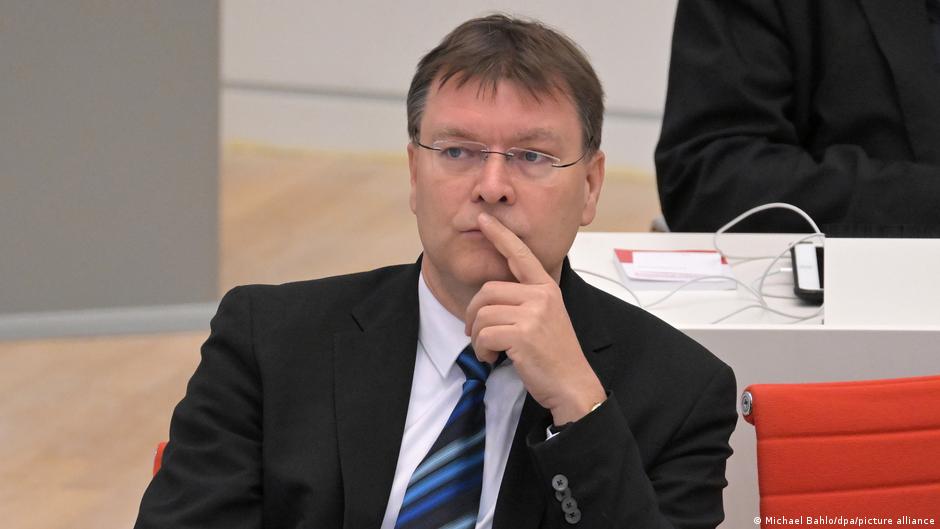
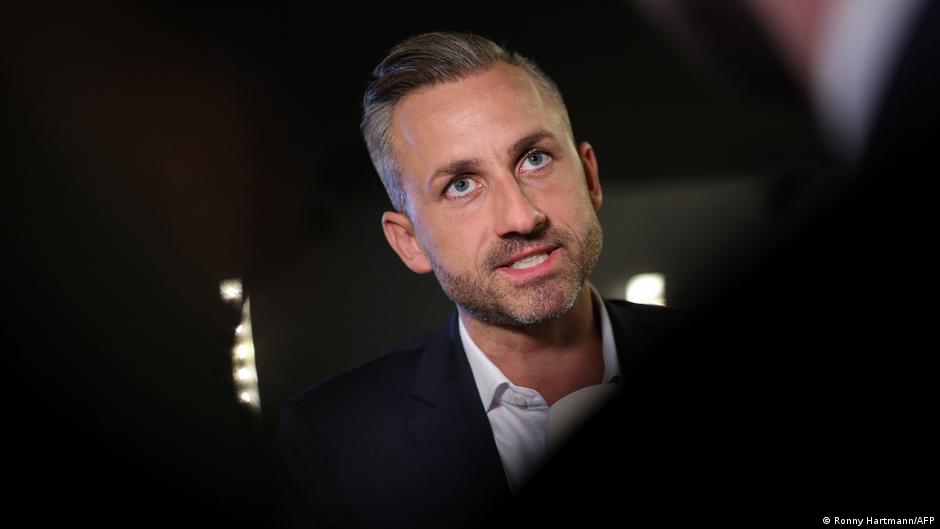
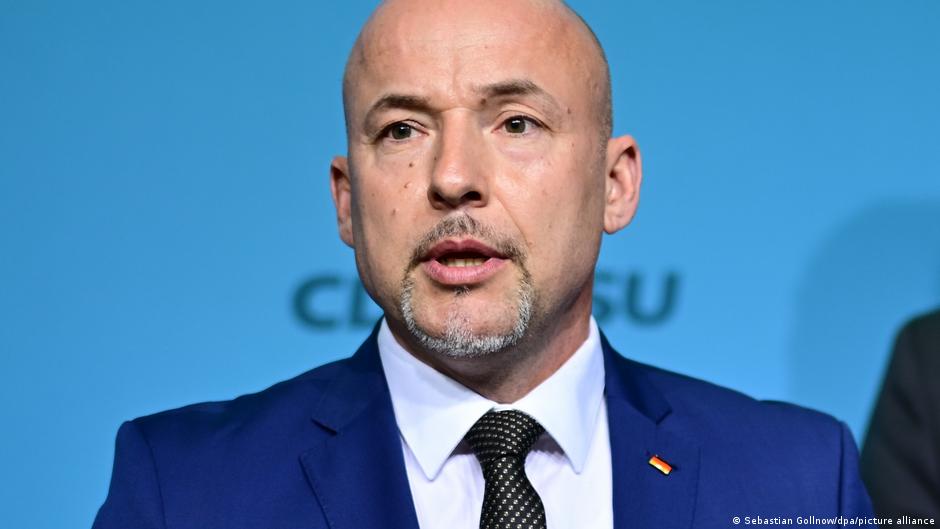
BSW lawmaker Sven Hornauf plans delegations to Belarus and Russia, underscoring political risks investors are tracking in Germany.

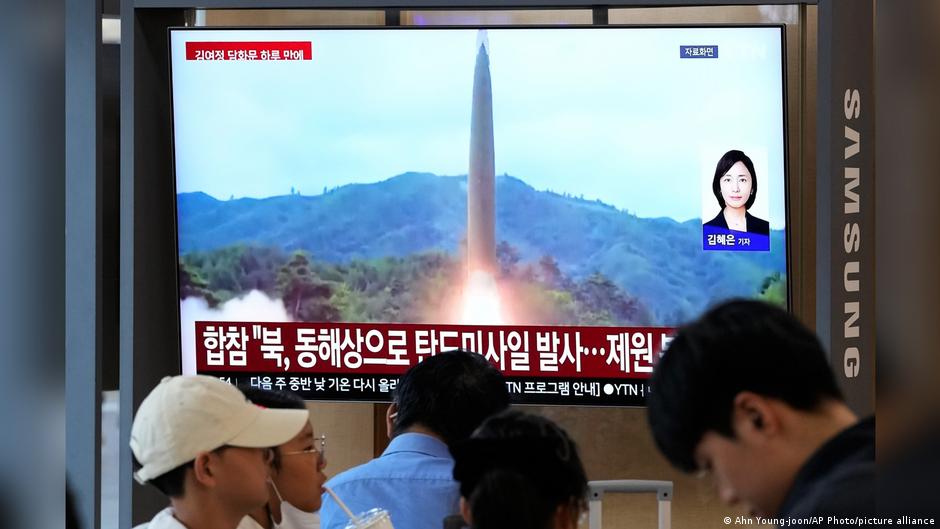
North Korea’s missile launch adds geopolitical risk for investors watching South Korean equities, bonds and regional currencies.

Zelensky says North Korea plans to send about 10,000 more troops to Russia, raising geopolitical risk for equities, bonds and investors.

The House advanced a sanctions bill that could allow 100% tariffs on major buyers of Russian energy, adding tariff and inflation risk for investors.

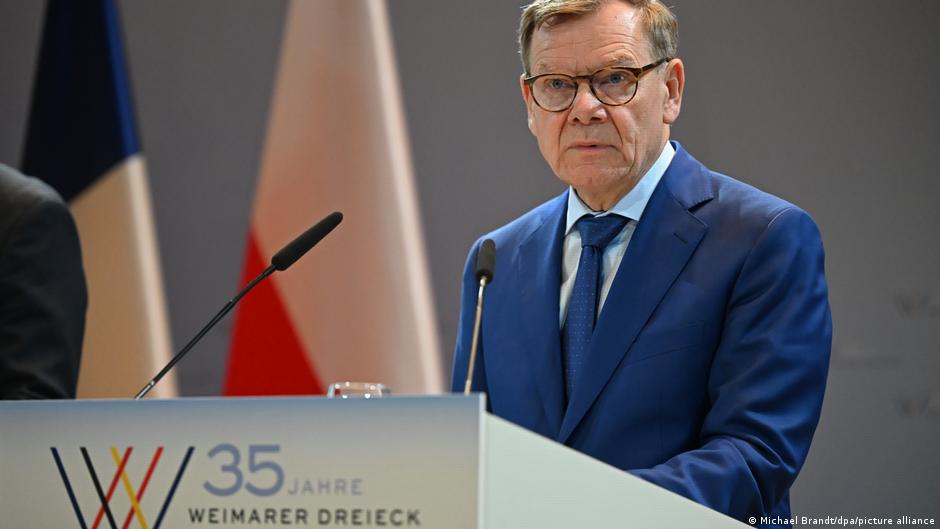
Germany’s foreign minister says Berlin’s support for Ukraine should also benefit German defense companies, sharpening the market focus on procurement.

AfD’s projected Saxony-Anhalt victory adds a fresh political-risk signal for investors watching German equities, Bunds and Europe’s risk premium.

AfD’s decisive Saxony-Anhalt win leaves no clear governing majority, adding political risk for investors watching Germany’s markets.

Volkswagen approved a sweeping 2030 restructuring plan with 50,000 job cuts, heavy investment and a drive to lift profit and capital efficiency.

Sabotage targeting European defense firms linked to Russia raises market uncertainty, impacting defense equities and investor confidence amid NATO tensions.

Germany’s wage gap between native and foreign full-time workers remains 23.6% in 2025, highlighting ongoing labor market disparities with potential implications for investors.

Hundreds of Ukrainian soldiers have deserted training programs in Germany since 2022, prompting investor concerns over defense sector stability and market risks.

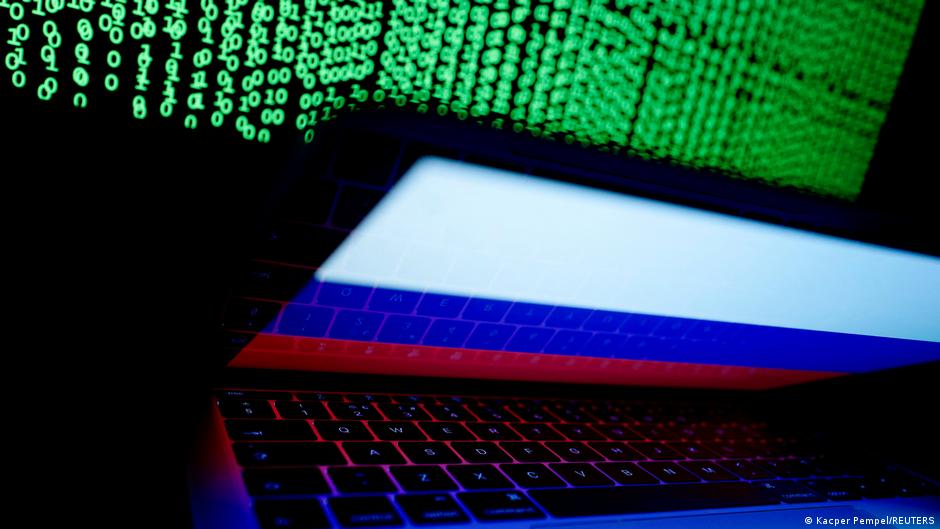
The Cl0p hacker group linked to Russia claims data theft from 50 major firms, raising cybersecurity and market risk concerns among investors in equities and bonds.

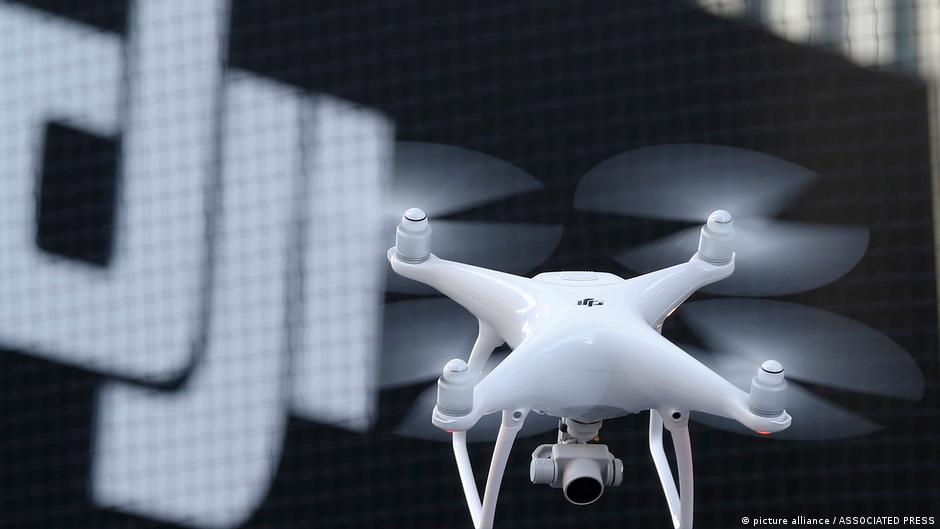
US tariffs up to 100% on drone imports introduce risks and opportunities for investors in defense and technology sectors amid supply chain realignments.

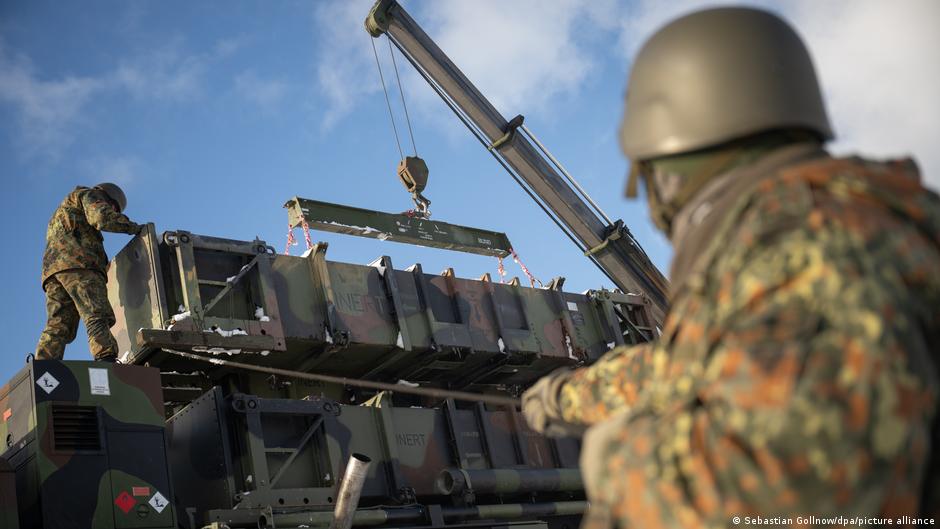
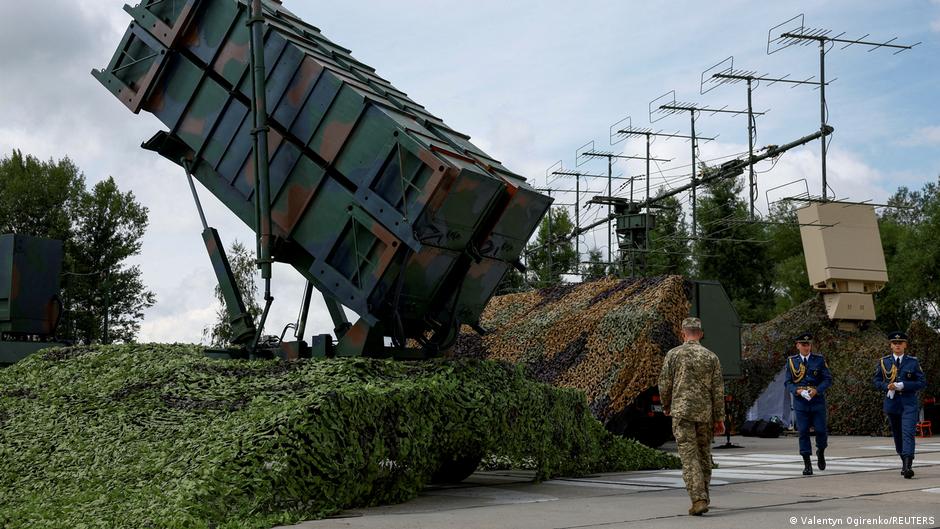
U.S. defense firms warn that Ukrainian production licenses for Patriot missiles could impact market dynamics, intellectual property, and investor risk amid ongoing conflict.

The UK has transferred Stone Cloak EW system IP rights to Ukraine, enabling local production and affecting defense sector equities and investor confidence amid geopolitical tensions.

German CSU leader urges Ukraine to share advanced drone technologies with Germany, highlighting potential impacts on defense equities and military production markets.

The EU summons Russia's envoy after missile strikes near Kyiv, signaling expanded sanctions that may affect defense sector equities and bond markets amid rising geopolitical risks.

The US has imposed 50% tariffs on $20 billion of Canadian goods, escalating trade tensions and impacting equities and bonds across sectors including automotive and agriculture.

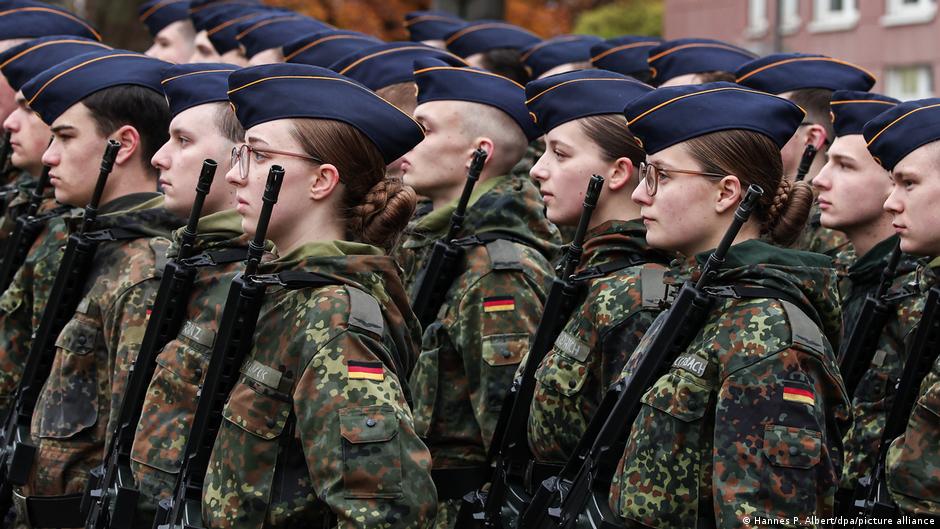
Germany's surge in military service refusals amid conscription reforms and security tensions is influencing investor sentiment and may affect defense spending and capital markets.

AKFA Aluminium plans its debut international bond issuance, aiming to attract global investors and enhance market presence amid ongoing corporate reforms.

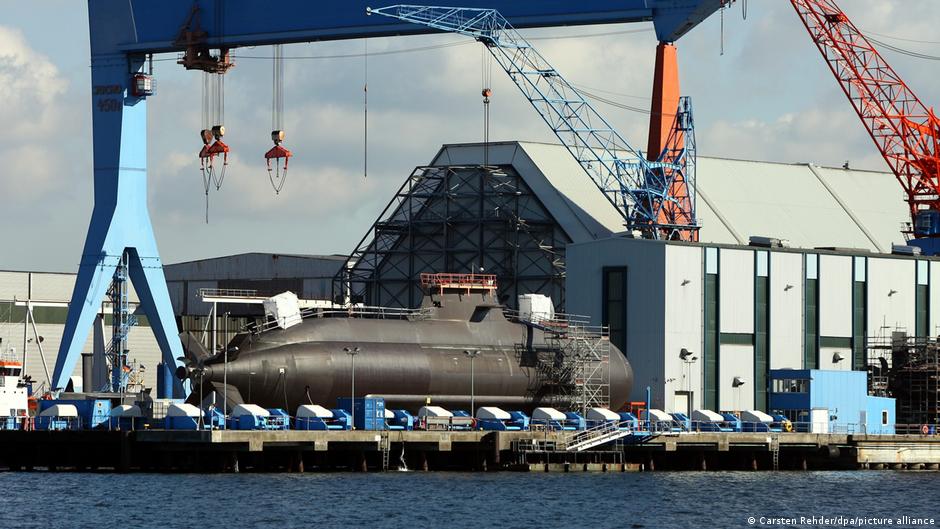
Canada’s €100 billion contract with German builder TKMS for advanced submarines boosts European defense equities and signals strong transatlantic market cooperation.

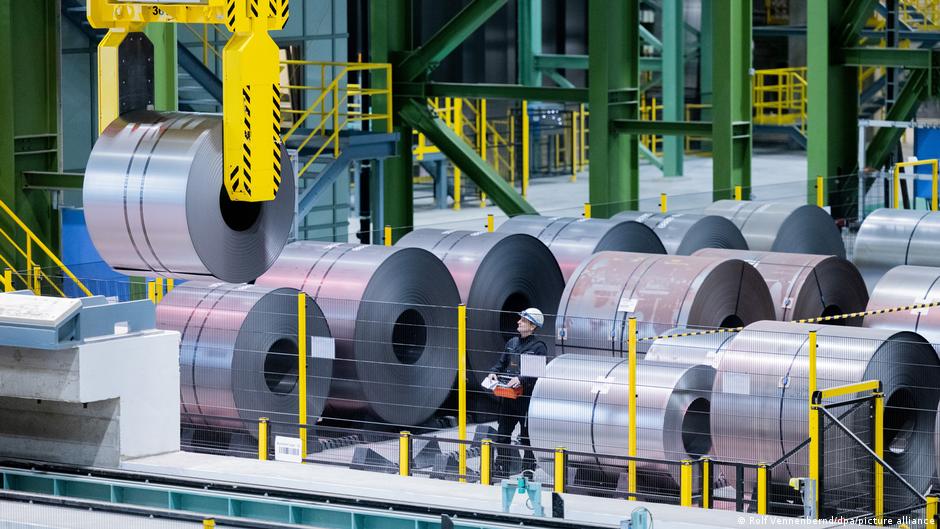
The EU cuts duty-free steel import quotas by 47% and doubles tariffs on excess imports, affecting steel equities and market dynamics.

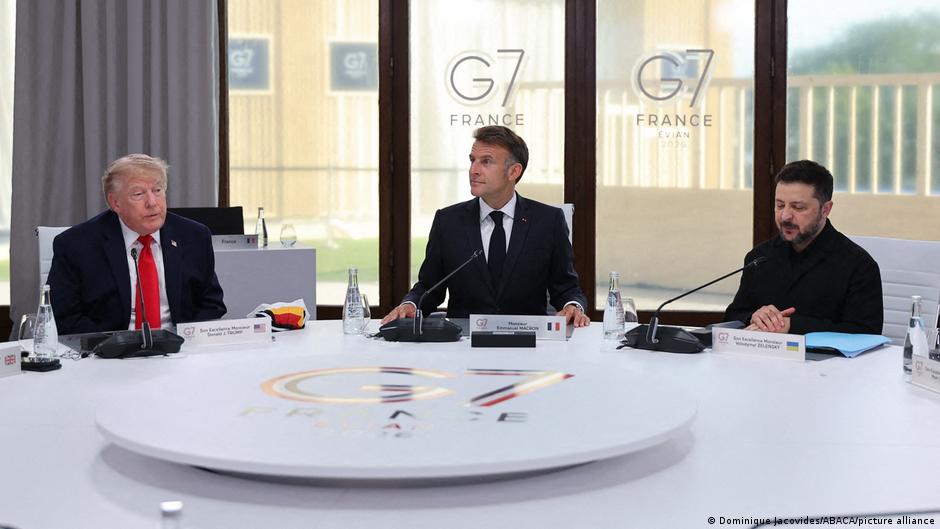
G7 leaders commit to new sanctions on Russian oil and gas sectors and increase military aid to Ukraine, impacting energy and defense markets worldwide.

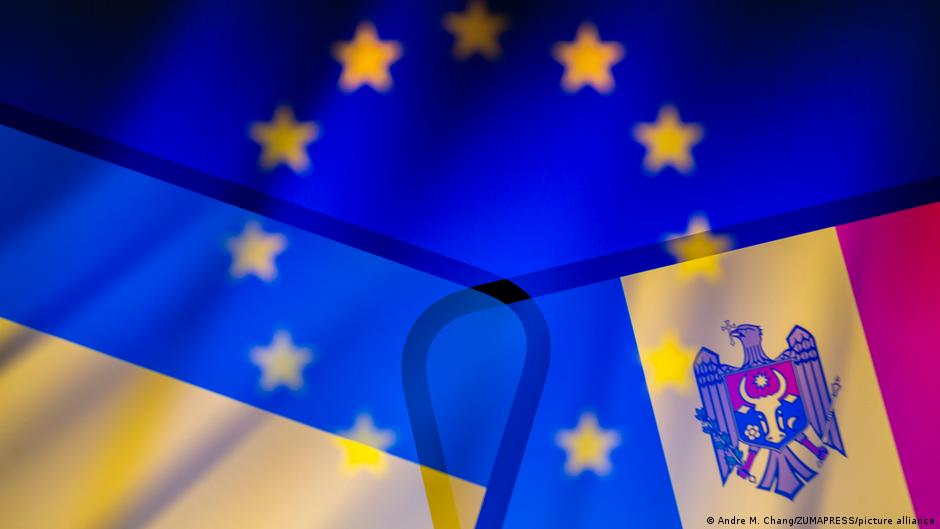
The EU has initiated detailed negotiations with Ukraine and Moldova on accession, signaling progress that is likely to influence market confidence and investment prospects.

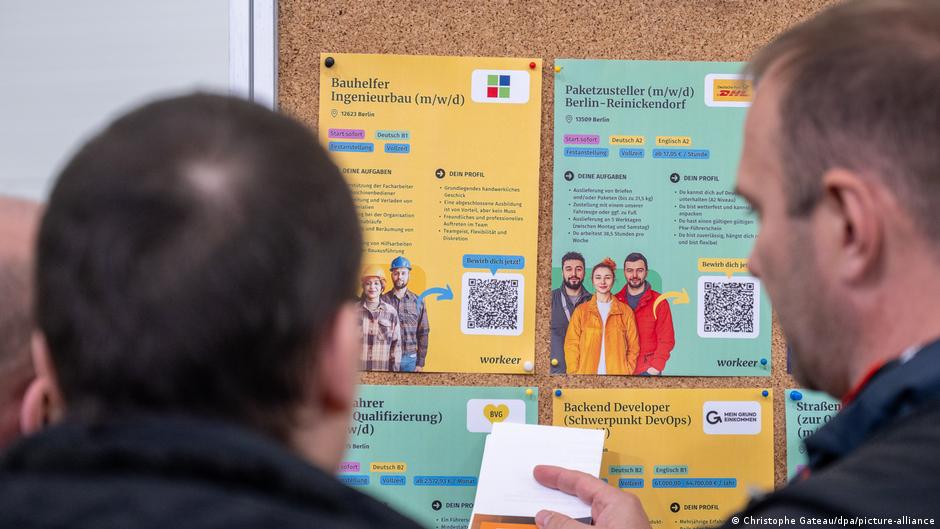
Germany faces a sharper labor shortage of 4.3 million by 2036 due to retiring baby boomers and declining immigration, affecting workforce-dependent sectors and investor strategies.

SpaceX’s record $75 billion IPO values the company at $1.77 trillion, reshaping capital markets with its scale and investor appeal despite recent losses.

Russian strikes in Zaporizhzhia caused power outages and fires, raising concerns over infrastructure stability and investor confidence in regional markets.

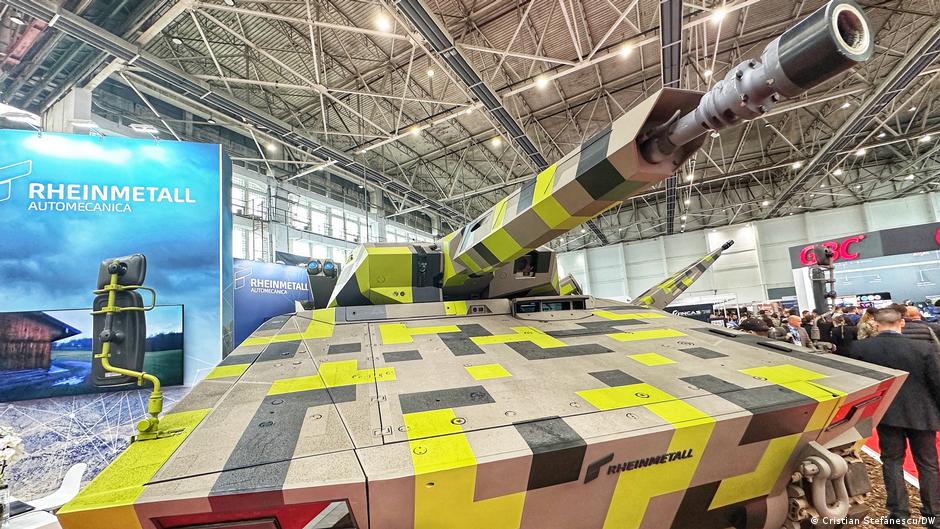
Rheinmetall signs a €5.7 billion contract with Romania, financed by the EU's SAFE fund, marking a major boost for European defense markets and investor opportunities.

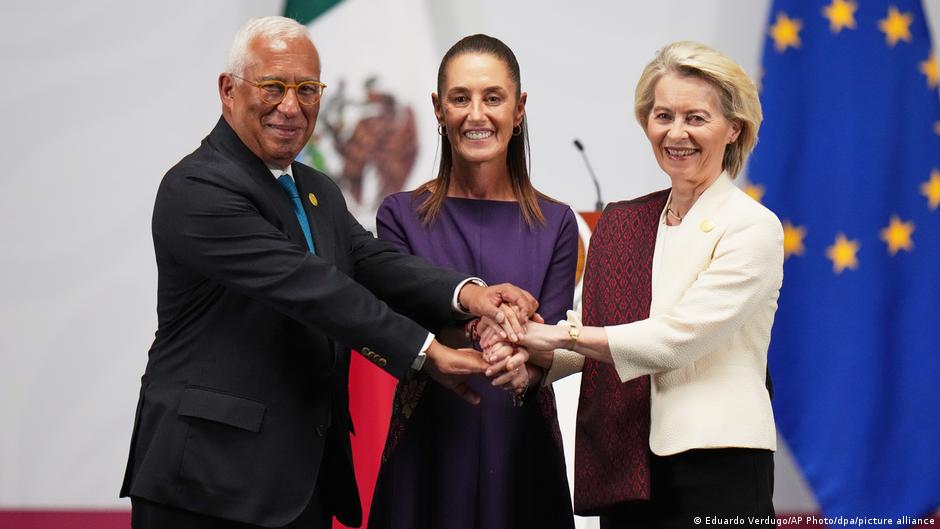
The EU-Mexico trade agreement removes tariffs and trade barriers, potentially boosting exports and investment flows, impacting equities and bonds in both regions.

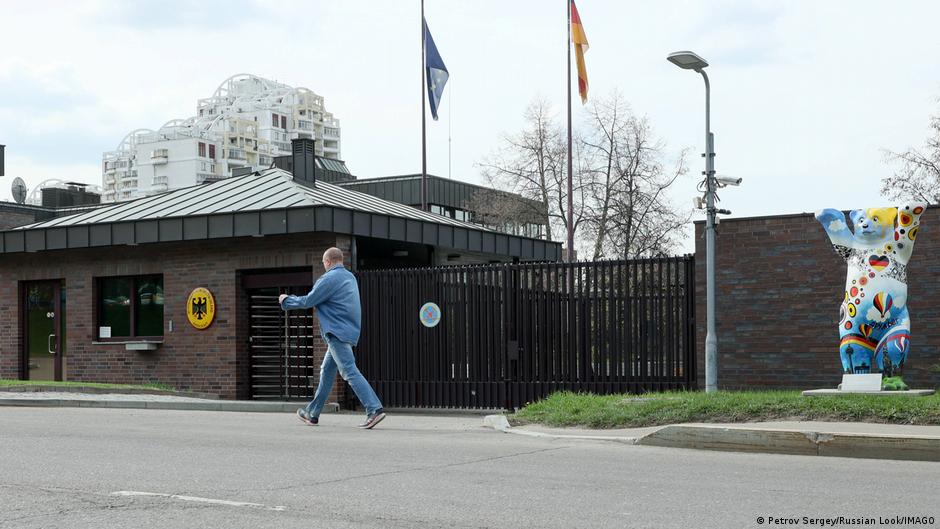
Moscow’s approval of Clemens von Goetze as Germany’s new ambassador highlights diplomatic continuity amid strained relations, impacting investor sentiment in capital markets.

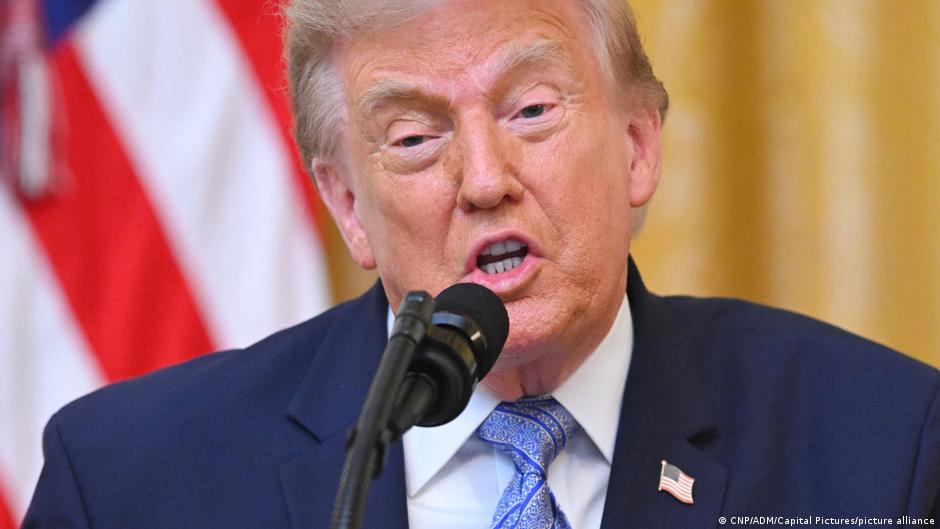
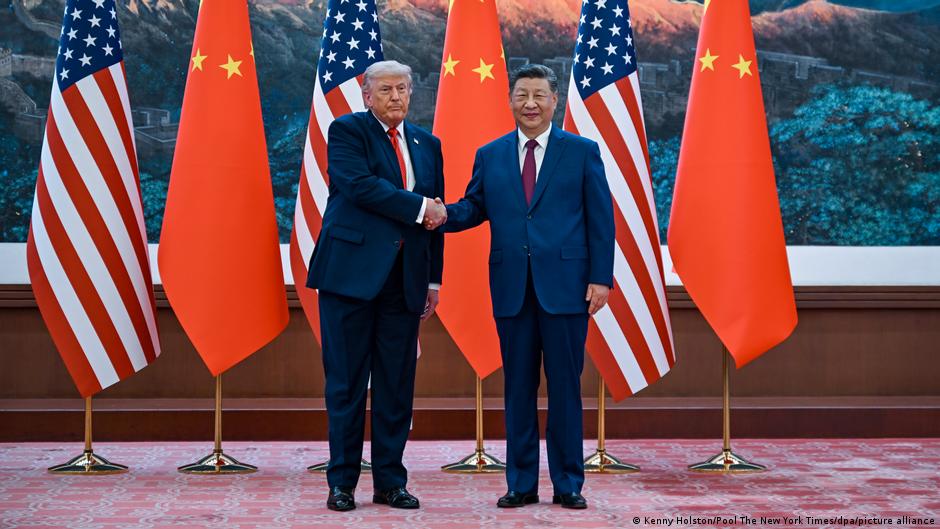
Trump and Xi Jinping meet in Beijing to discuss Iran, trade, and Taiwan, with investors closely watching for impacts on global markets and trade relations.

Ukraine offers long-range drones and missiles to NATO, potentially filling capability gaps and impacting defense markets and investor outlooks amid shifting European missile strategies.

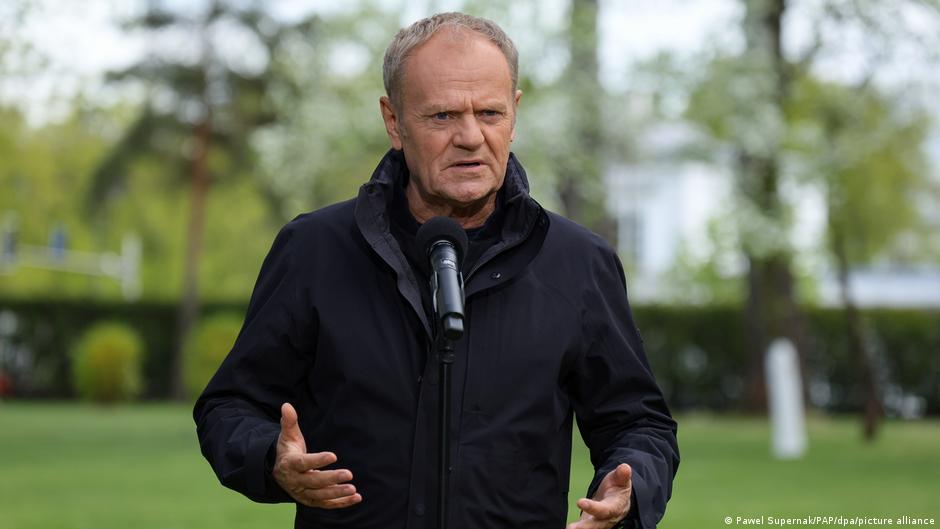
Poland signs a €44 billion EU loan agreement under the SAFE defense program, impacting equity and bond markets as the country accelerates military modernization and expands sovereign borrowing.

US President Trump delays 25% tariffs on EU autos to July 4, easing immediate market concerns but keeping investor caution high amid ongoing trade tensions.

The US plans to withdraw 5,000 troops from Germany within a year, affecting defense equities and bonds as investors weigh geopolitical and budgetary impacts.

Renewed Russian drone and missile attacks on Ukrainian regions have spurred volatility in equities and bonds, affecting investor risk assessments.

The EU-Mercosur free trade agreement begins provisional application, offering new opportunities and challenges for investors in equities and bonds amid regulatory and environmental concerns.

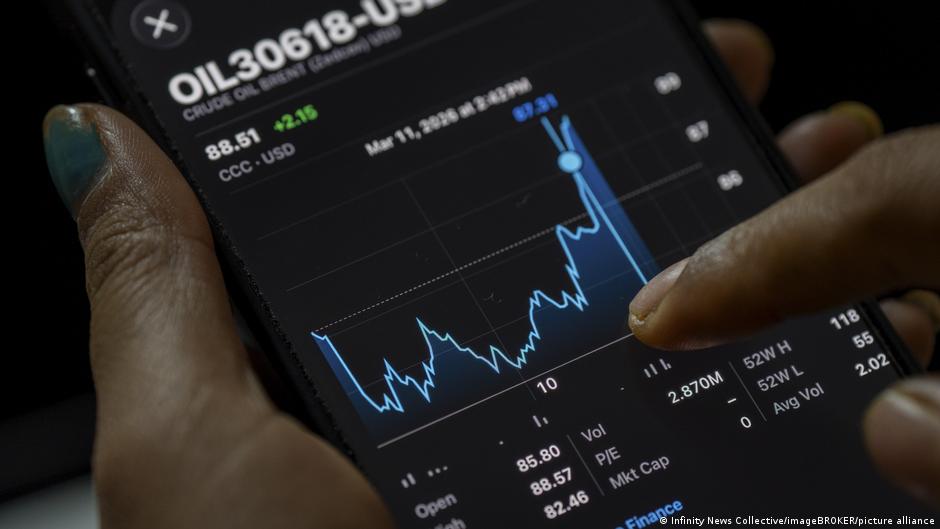
Oil prices surged over 7% after U.S. President Trump's threats against Iran, intensifying geopolitical risks and impacting capital markets.

Drone attacks on Odessa's residential areas raise investor concerns over regional equity and bond market stability amid geopolitical tensions.

Uzbekistan’s light vehicle sales surged 19% in March, driven by strong growth in both new and used car markets, signaling increased consumer demand and positive capital market implications.

US Labor Secretary Lori Chavez-DeRemer resigns amid misconduct allegations, fueling cabinet instability that raises concerns for market volatility and investor confidence.

Russia's intimidation tactics targeting German defense firms involved in Ukraine arms supplies heighten hybrid threat risks, affecting market stability and investor confidence.

Germany's Koblenz Bundeswehr Military Museum has restricted access for Uzbek and other Central Asian nationals, citing security regulations affecting cultural tourism and market perceptions.

The Trump administration wants GM, Ford and other manufacturers to help produce weapons, echoing WWII-era industrial mobilization.