EU Opens New Accession Clusters for Ukraine and Moldova, Lifting Reform Signal
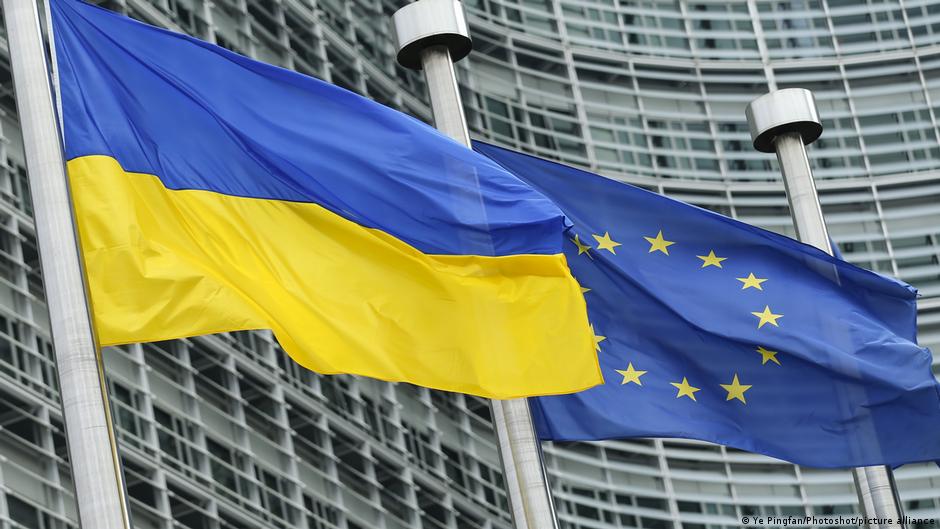
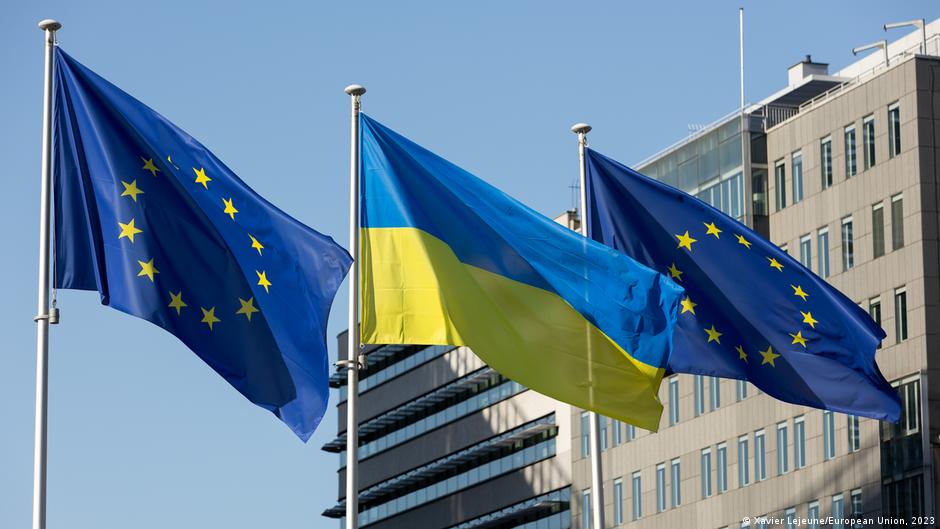
EU states agreed to open new accession clusters for Ukraine and Moldova, adding a reform signal for investors tracking regional risk.

EU states agreed to open new accession clusters for Ukraine and Moldova, adding a reform signal for investors tracking regional risk.

The EU plans new mid-October funding for Ukrainian drones and missiles as investors watch defense stocks, bonds, energy risk and fiscal signals.

Germany’s long-term Bürgergeld figures sharpen investor focus on labor supply, fiscal pressure and political risk in Europe’s largest economy.

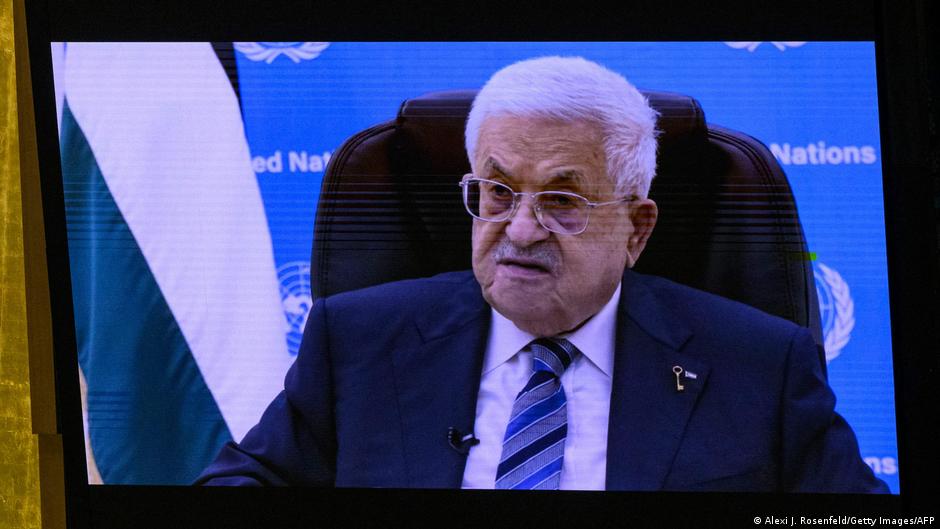
Abbas delayed Palestinian national elections to Sept. 11, 2027, prolonging governance uncertainty watched by regional investors.
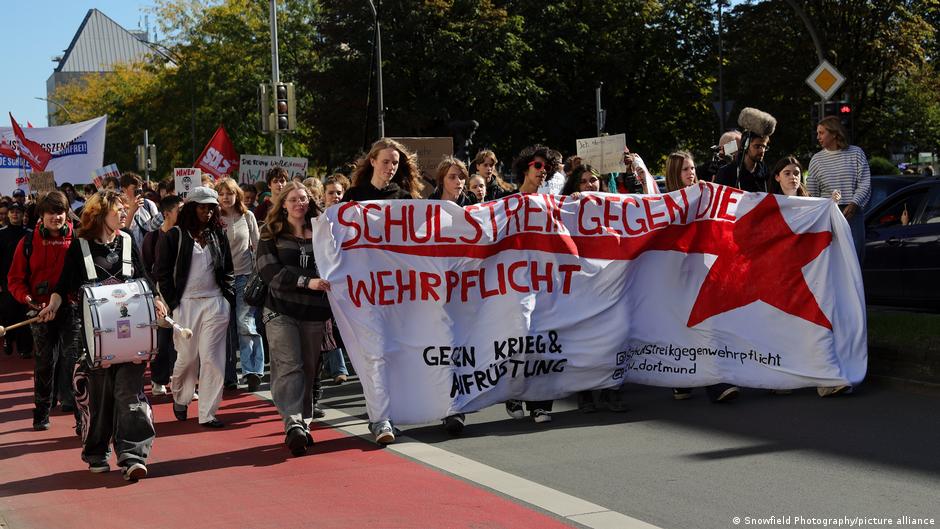
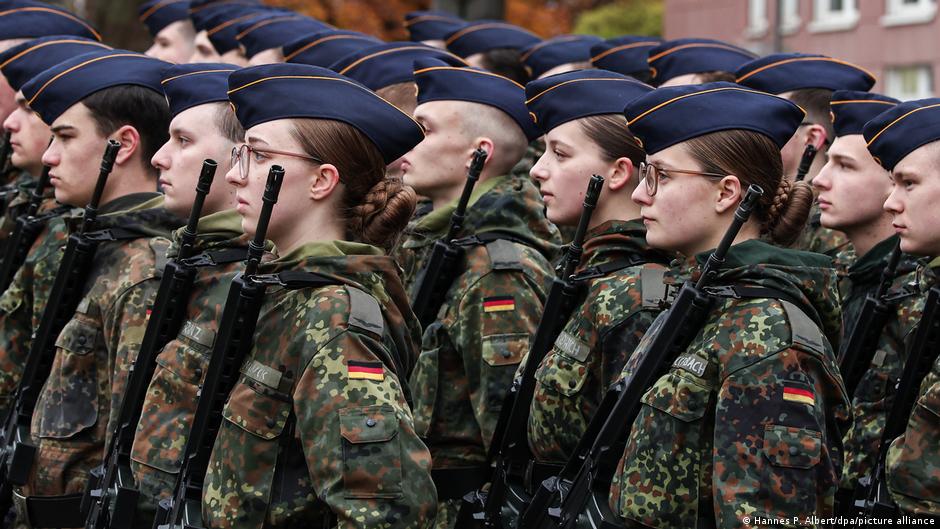
Germany’s surge in military-service refusal filings adds a new labor and political risk marker for investors tracking defense spending.

The EU declined Ukraine’s request for early loan funding, keeping attention on Kyiv’s financing gap, IMF assurances and donor burden-sharing.

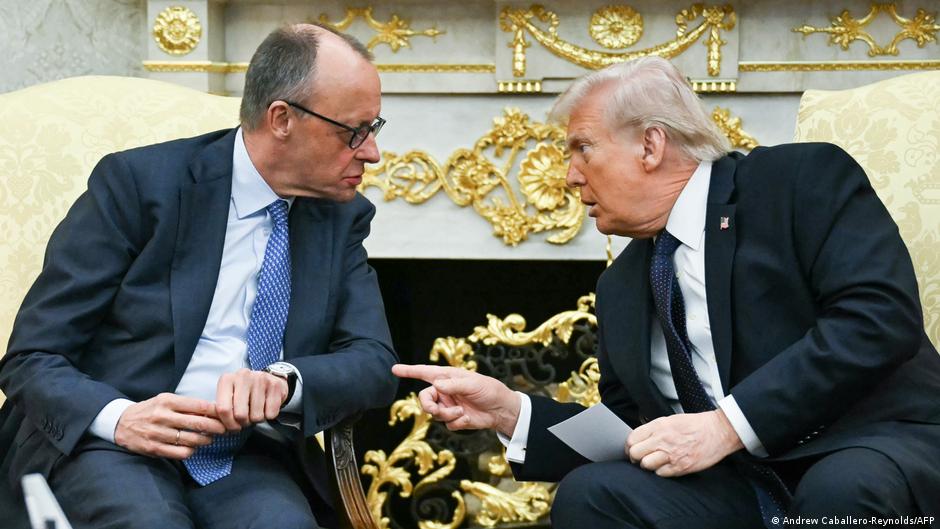
Merz said unconditional U.S.-German friendship may be over, pointing to defense spending, trade tensions and growth risks for investors.

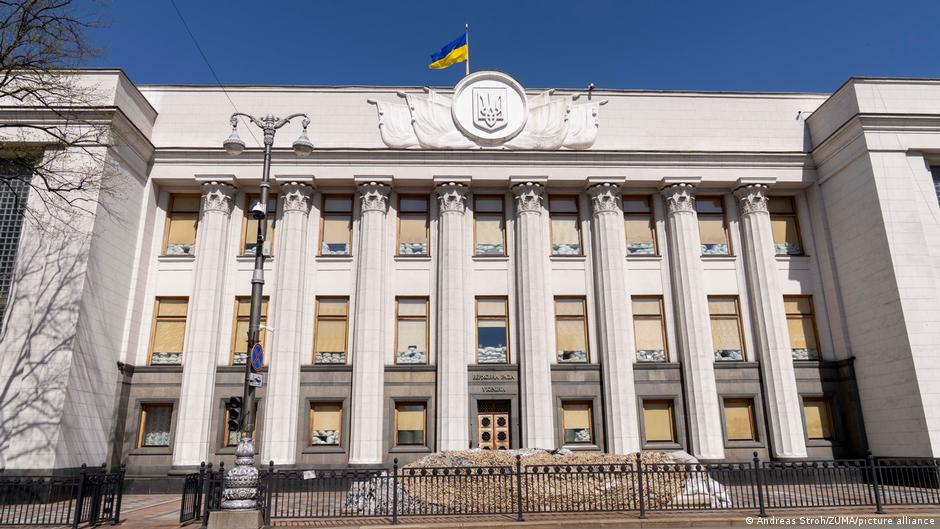
Ukraine’s parliament will review seven difficult bills tied to Western aid, as Kyiv seeks to close a defense-driven budget gap.

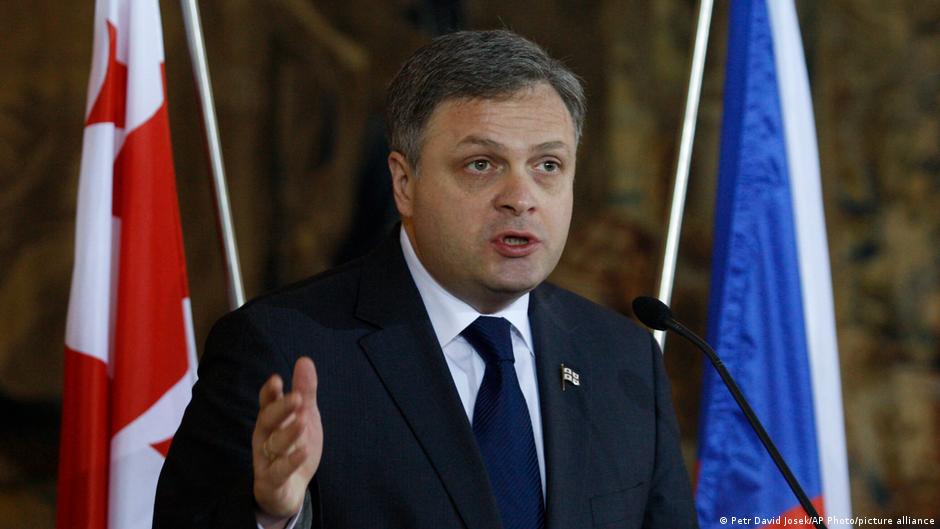
Georgia’s detention of former defense chief Giorgi Baramidze adds political-risk pressure for investors tracking the country’s assets.

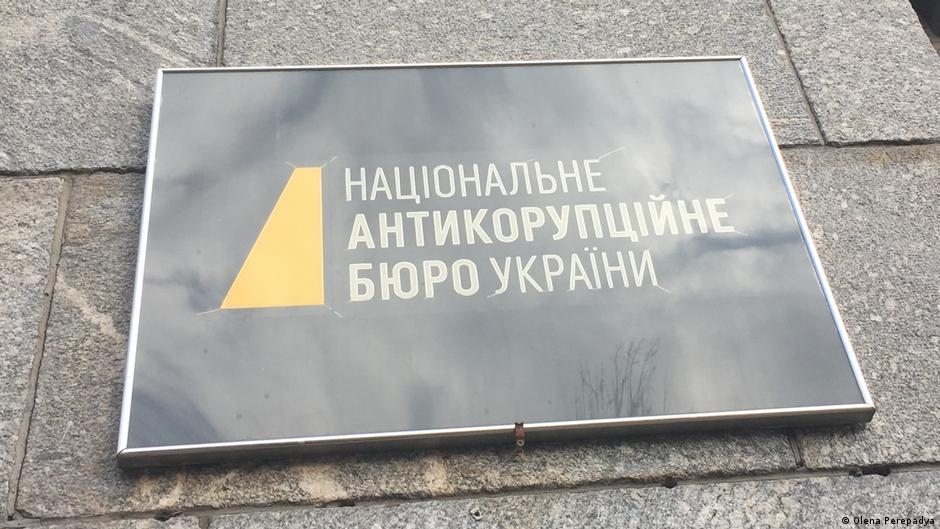
Ukraine’s anti-corruption raids at the prosecutor general’s office highlight governance risks watched by investors in Ukrainian assets.

Uzbekistan’s decade of business reforms has altered the investment case through tax, licensing and legal changes aimed at lowering risk and friction.

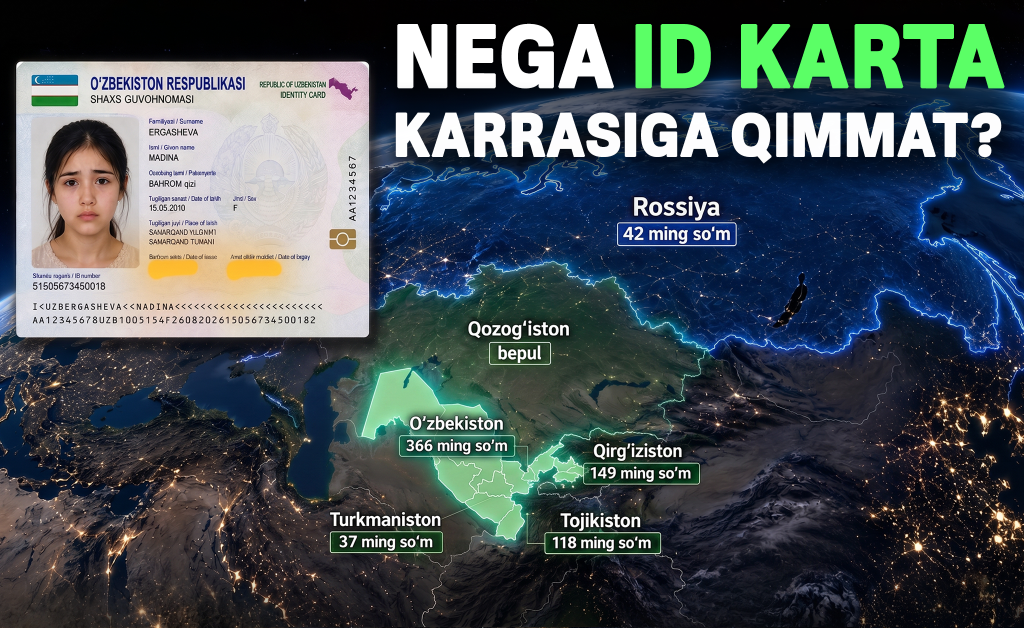
A social media uproar over first ID-card fees in Uzbekistan is drawing attention to rising indexed charges and how the country compares with regional peers.

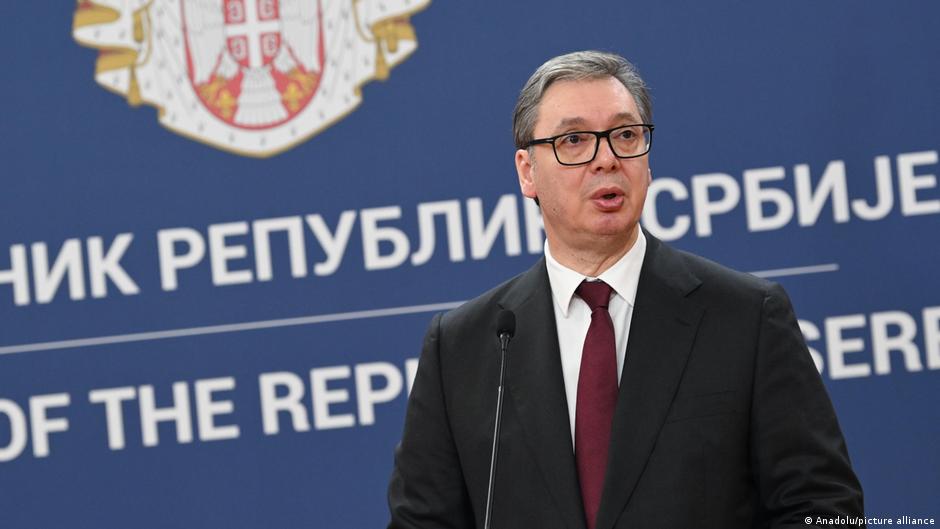
Serbia schedules early parliamentary elections for October 2023 amid protests and political uncertainty, raising concerns about market volatility and investor confidence.

Former Ukrainian Defense Minister urges lawful elections despite war, highlighting political stability’s impact on investor confidence and market dynamics.

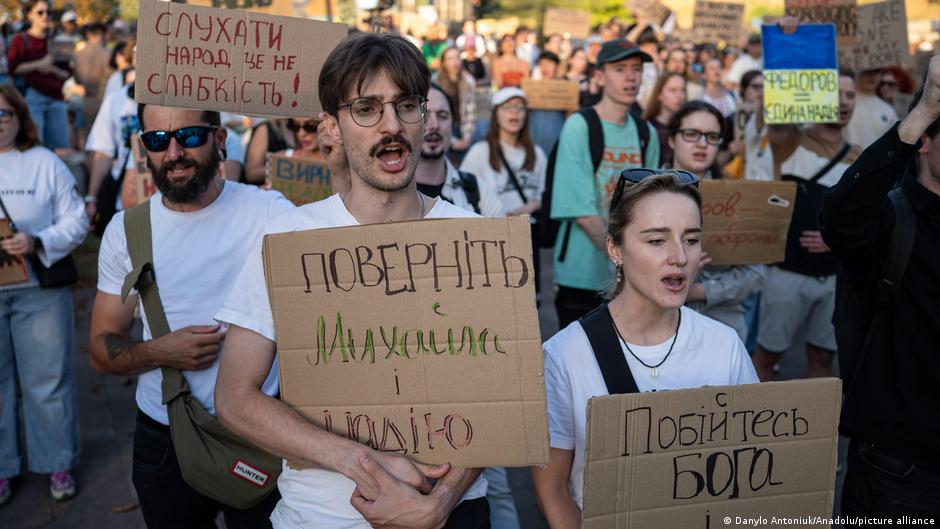
Protests in Kyiv and across Ukraine demand the return of Mykhailo Fedorov as Defense Minister, stirring political uncertainty that may impact equities and bond markets.

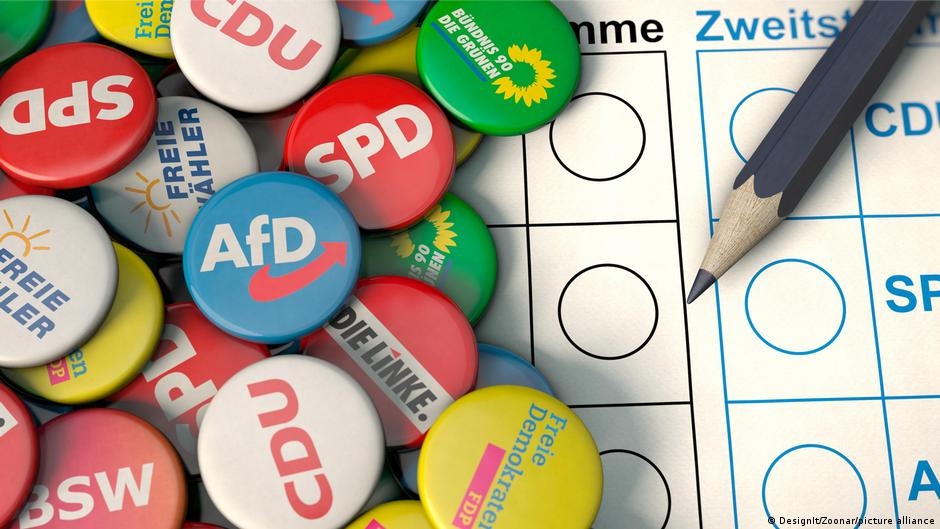
Support for Germany’s CDU/CSU falls to 20% as far-right AfD leads with 28%, signaling increased political risks impacting equities and bond markets ahead of regional elections.

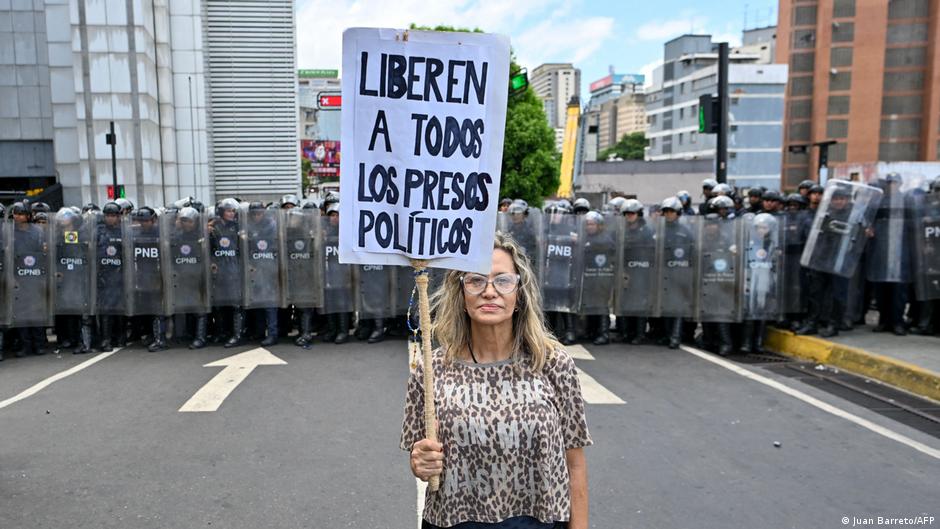
Venezuela’s release of 131 political prisoners amid reconciliation talks offers cautious optimism for improved investor confidence and potential market stability.
Uzbekistan’s digital reforms promise to boost IT and telecom sectors, streamline public administration, and enhance investor opportunities in equities and bonds.

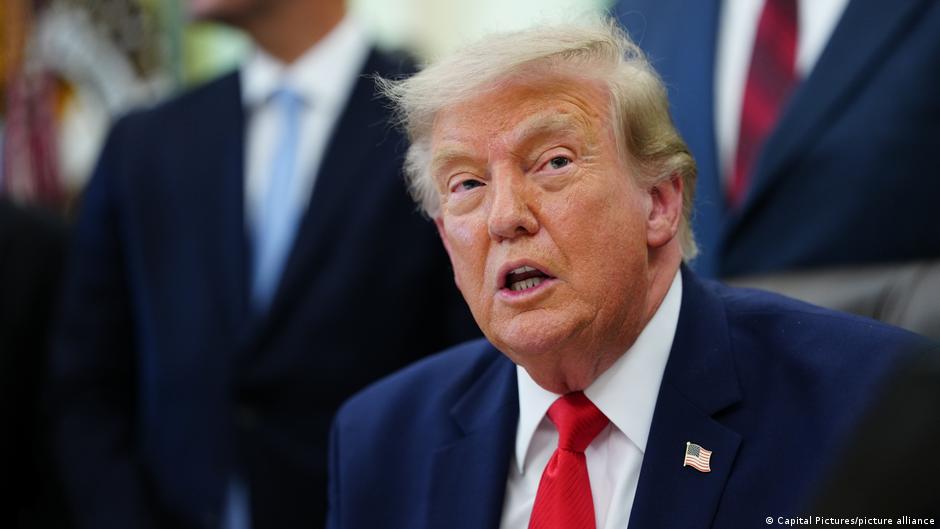
US President Trump announced a historic Hamas disarmament deal, signaling potential easing of Middle East tensions and impacting regional equities and bonds.

Austria aims to extend mandatory military service to nine months, enhancing defense readiness amid rising security threats, with potential implications for government spending and investor confidence.

The IMF has approved a €604 million tranche for Ukraine under its EFF program, supporting economic stability amid war and reform delays, impacting capital markets and investor confidence.

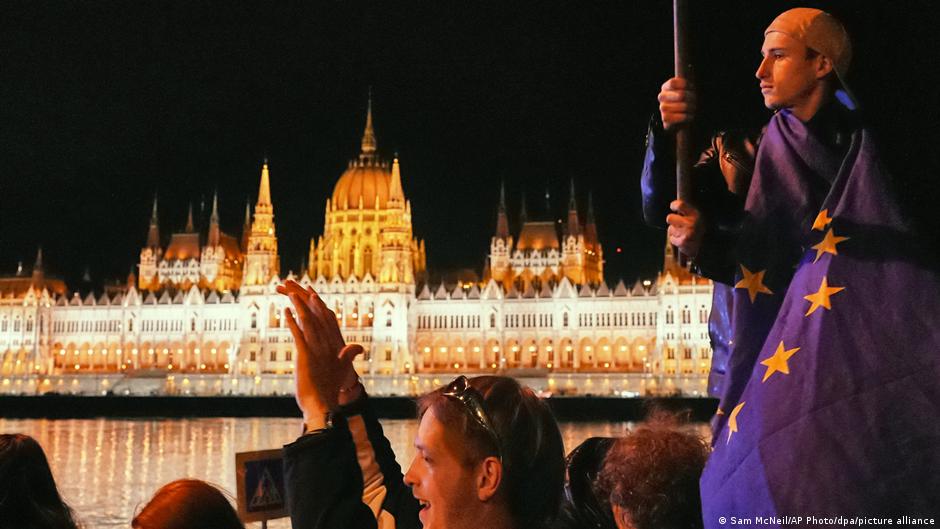
Hungary’s veto on opening key EU negotiation clusters for Ukraine delays accession talks, introducing uncertainty for investors in Ukrainian equities and bonds.

UN report praises Uzbekistan’s water sector reforms for reducing water stress, signaling new sustainable investment opportunities in the country’s growing infrastructure market.

Germany's surge in military service refusals amid conscription reforms and security tensions is influencing investor sentiment and may affect defense spending and capital markets.

Darline Graham Norton fills her late brother Lindsey Graham's Senate seat, preserving Republican control in the Senate amid political uncertainty impacting investor confidence.

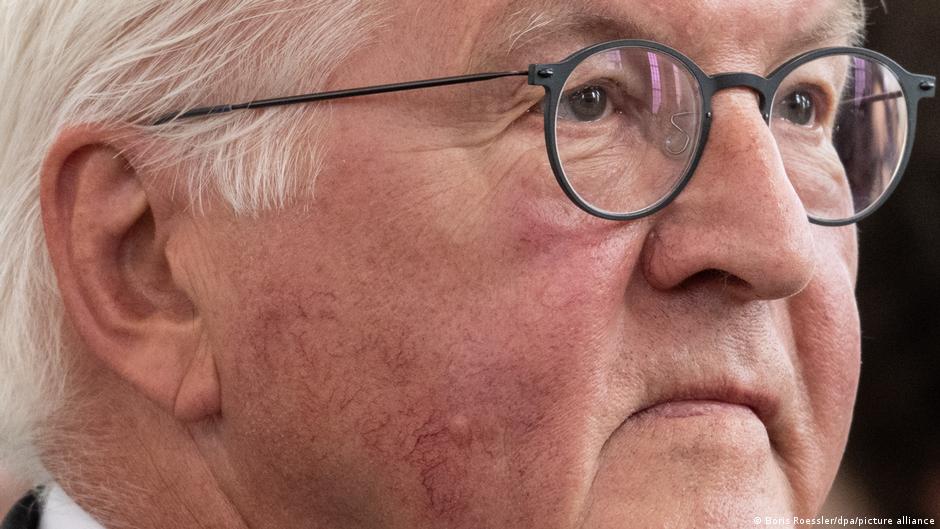
German President Steinmeier calls for Europe to uphold international order amid geopolitical tensions and highlights domestic reforms critical for economic growth and market confidence.

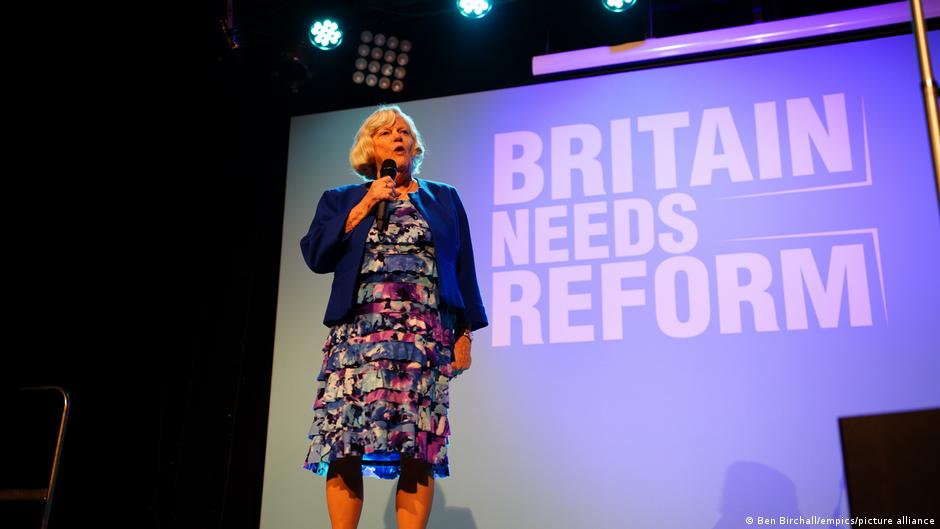
The murder of UK politician Anne Widdecombe unsettles markets as concerns rise over political stability and its impact on investor confidence.

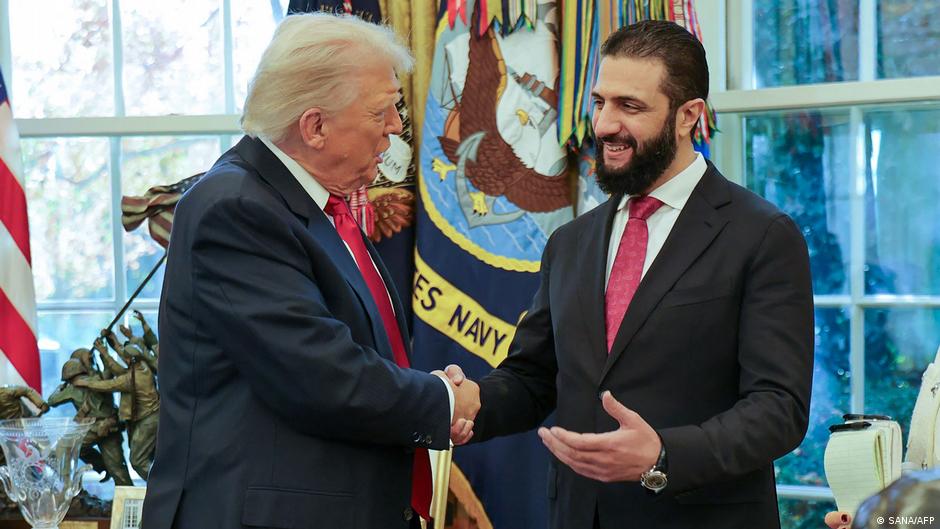
Trump's pledge to delist Syria as a terror sponsor may unlock new investment opportunities, impacting equities, bonds, and investor risk assessments in Middle Eastern markets.

AKFA Aluminium plans its debut international bond issuance, aiming to attract global investors and enhance market presence amid ongoing corporate reforms.

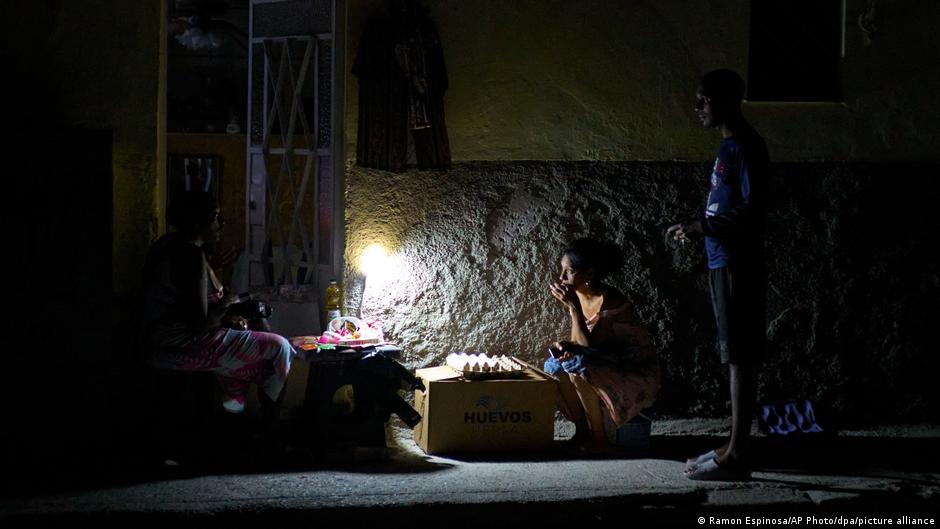
Cuba’s nationwide blackout amid US sanctions and fuel shortages intensifies economic instability, affecting regional market dynamics and investor risk assessments.

The Austrian Communist Party won municipal elections in Graz with 35.63% of votes, focusing on housing policies and moderate governance, affecting local investment and market outlook.

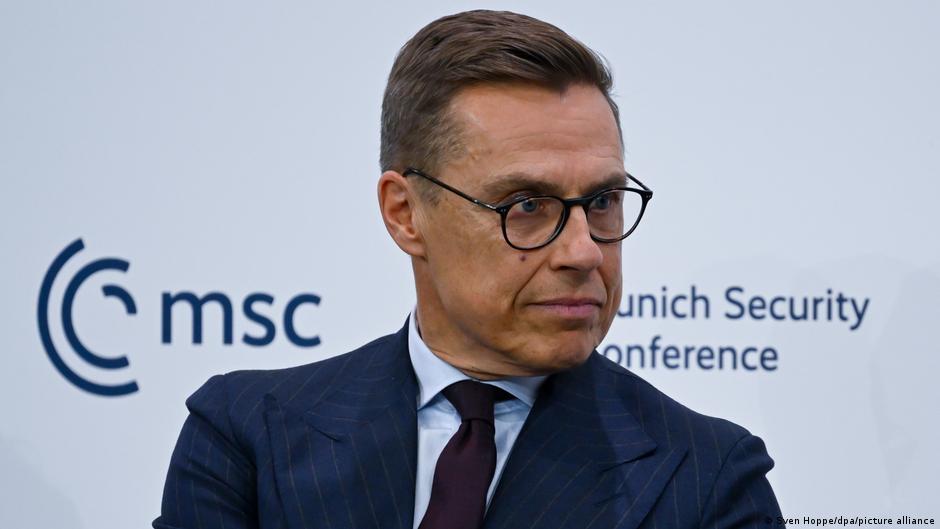
Finland has lifted its ban on nuclear weapons transit, aligning more closely with NATO and impacting regional security and market risk assessments for investors.

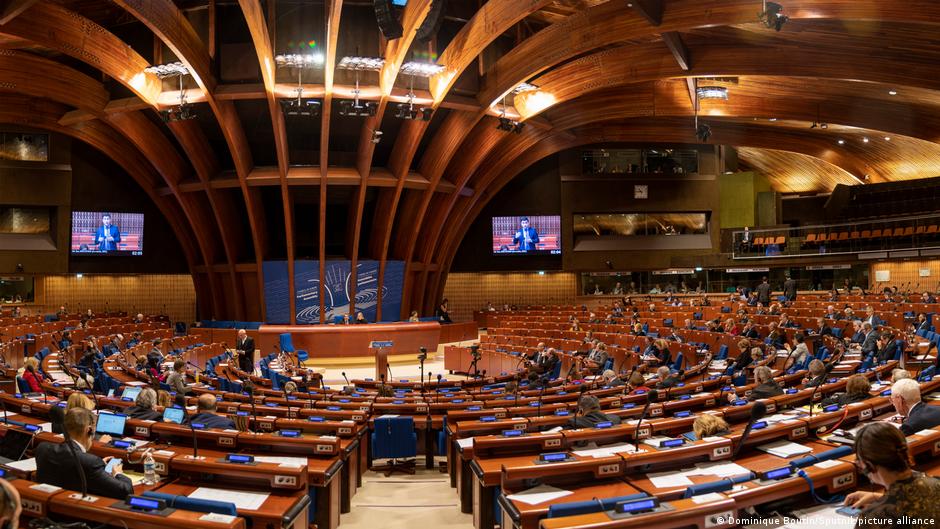
PACE criticizes Georgia’s democratic decline, urging reforms amid political tensions that raise concerns for investors about market stability and risk premiums.

Colombian far-right candidate Abelardo de la Espriella wins presidency, prompting market reassessment on deregulation, security policies, and U.S. relations with implications for investors.

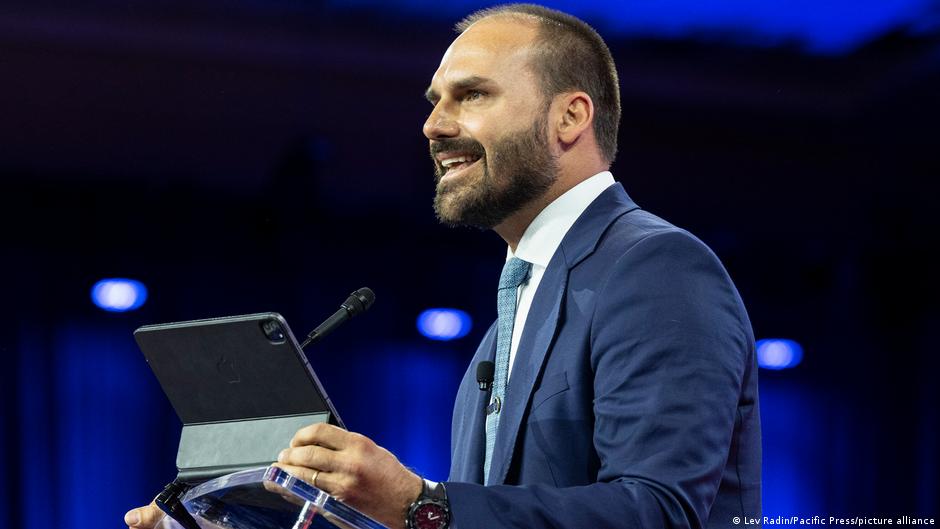
Brazil’s Supreme Court sentenced Eduardo Bolsonaro to prison, escalating political volatility ahead of 2026 elections and impacting market sentiment and investor risk perceptions.

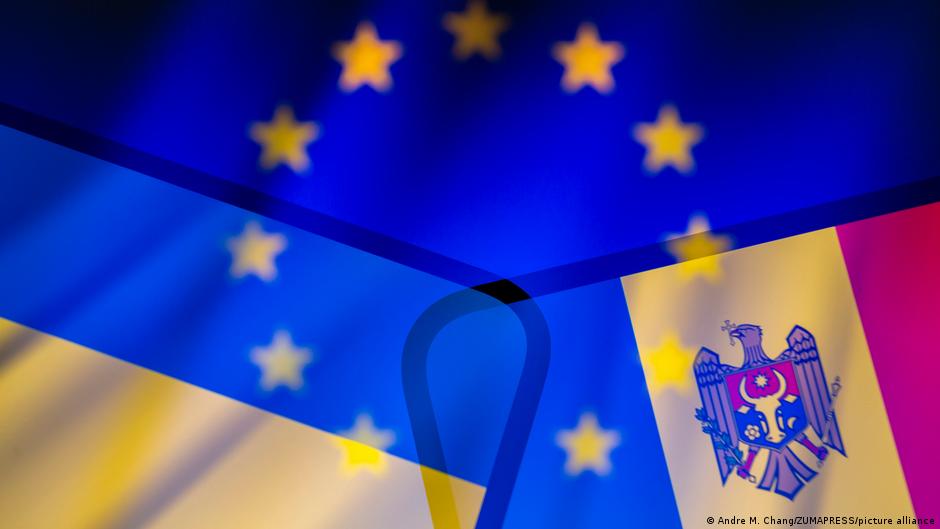
The EU has initiated detailed negotiations with Ukraine and Moldova on accession, signaling progress that is likely to influence market confidence and investment prospects.

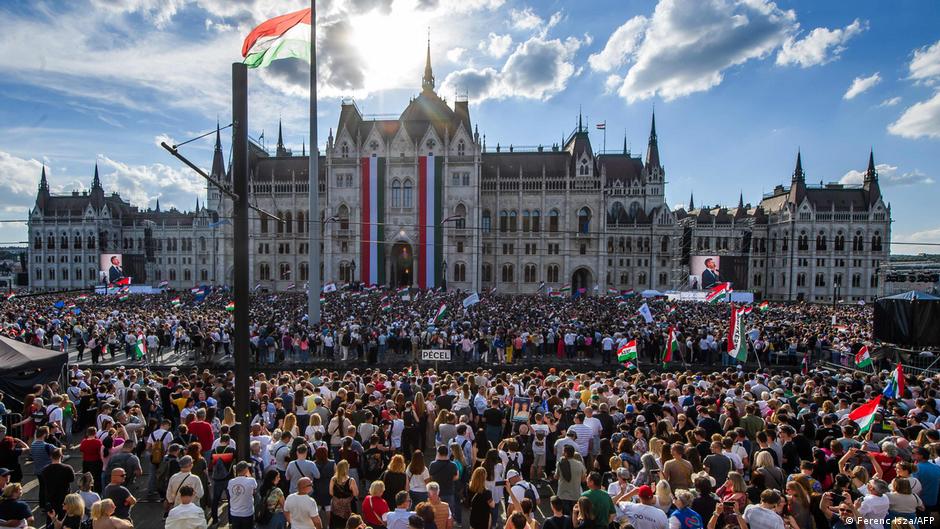
Hungary’s parliament passed a constitutional amendment limiting prime ministerial terms, barring Viktor Orban’s return and influencing market stability and investor confidence.

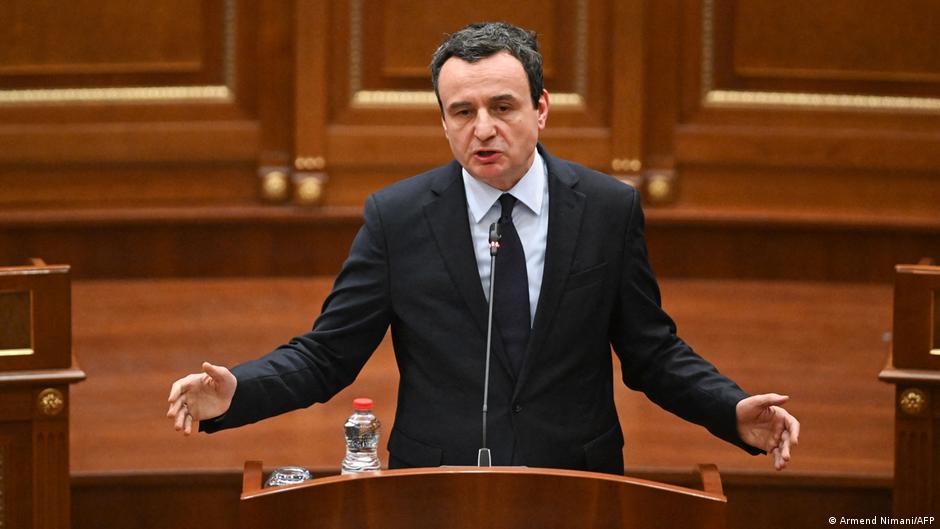
Kosovo’s Vetëvendosje party wins 43% in snap elections but must form a coalition, with implications for political stability and investor sentiment in capital markets.

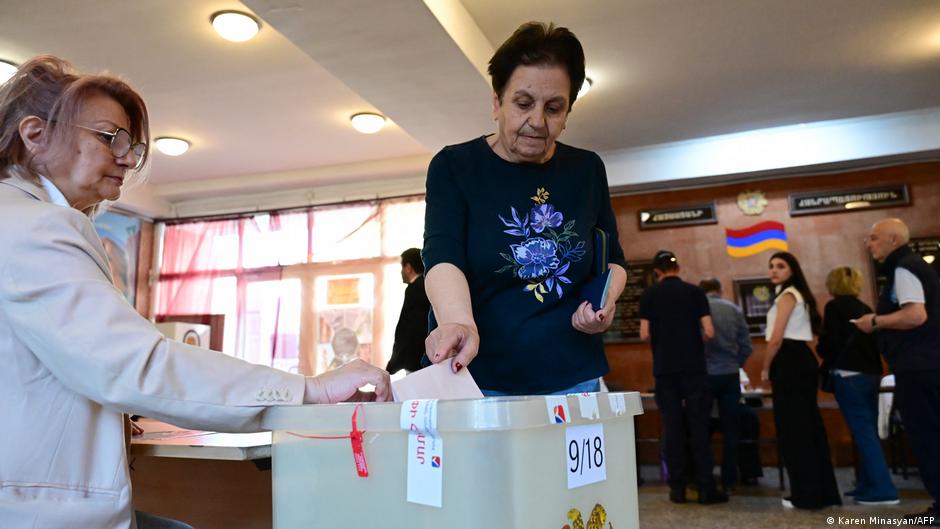
Armenia’s parliamentary elections affirm Prime Minister Pashinyan’s leadership, signaling policy continuity amid geopolitical tensions impacting investor confidence and markets.

Kremlin’s dismissal of anti-war appeals by a leading filmmaker highlights political silence impacting Russian markets and investor confidence amid ongoing conflict.

Putin’s decree easing Russian citizenship for Transnistrian residents heightens geopolitical risks, potentially impacting Eastern European equities, bonds, and investor sentiment.

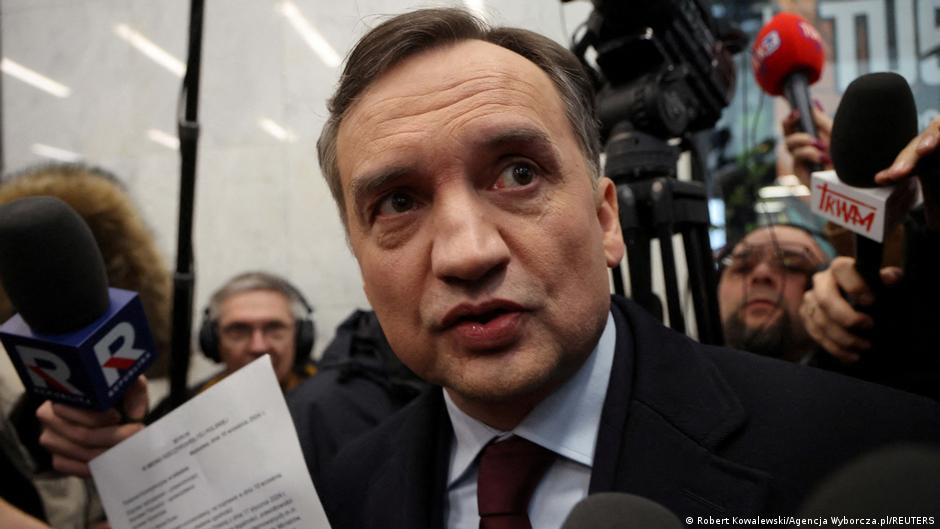
Poland’s former justice minister fled Hungary for the US amid corruption probes, heightening political risk concerns for Central European markets and investors.

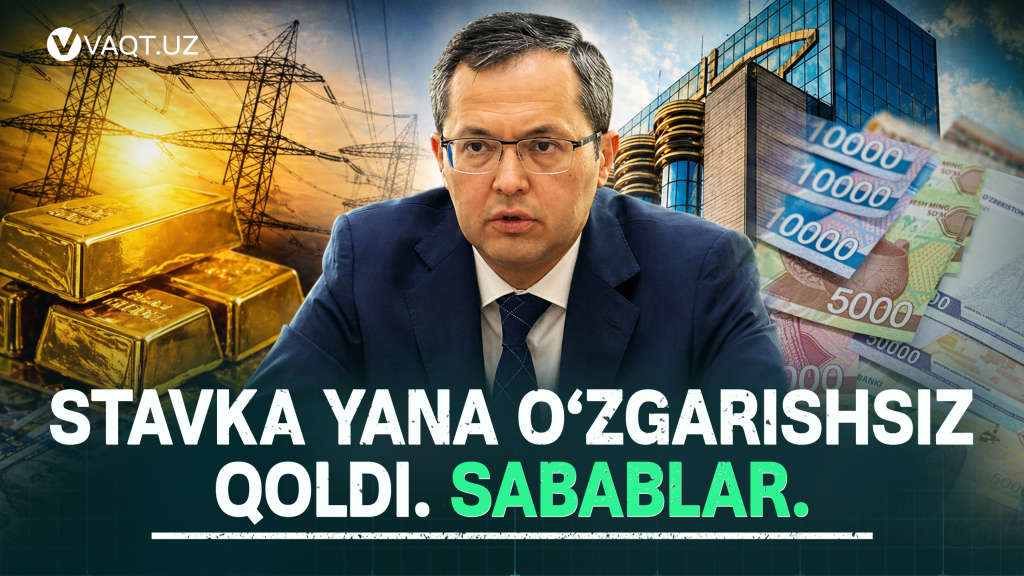
The Central Bank keeps the key rate at 14%, balancing declining inflation against rising food prices and external risks, impacting capital markets and investor outlook.

Hungary’s new government enters talks with the European Commission to unblock €35 billion in frozen EU funds, prompting potential positive shifts in equities and bond markets.

Uzbekistan accelerates Asakabank's privatization with capital injections and asset transfers, impacting equities and bonds in the banking sector.

EU warns Serbia it may lose €1.5 billion in reform funding due to democratic backsliding, raising concerns for investors and regional market stability.

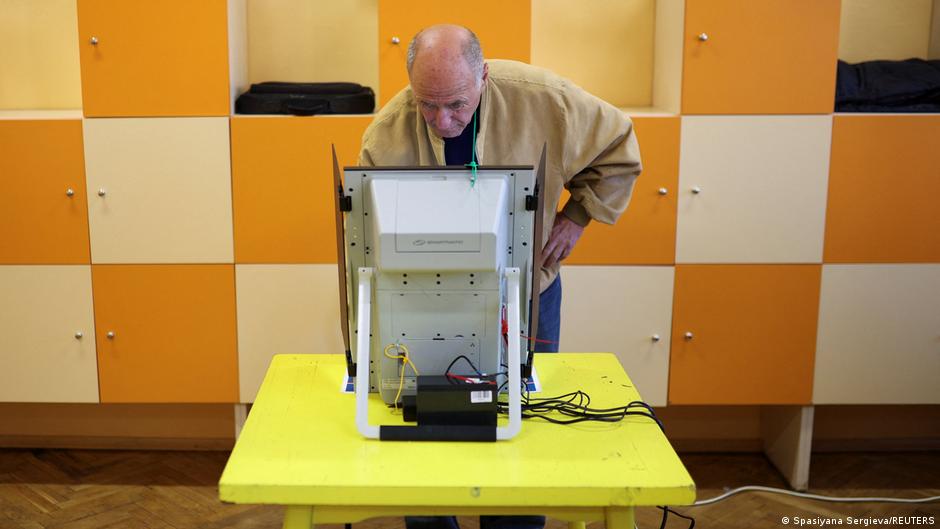
Bulgaria's parliamentary elections show former President Rumen Radev’s coalition leading with 44.6%, raising questions about future economic policies and market impacts.

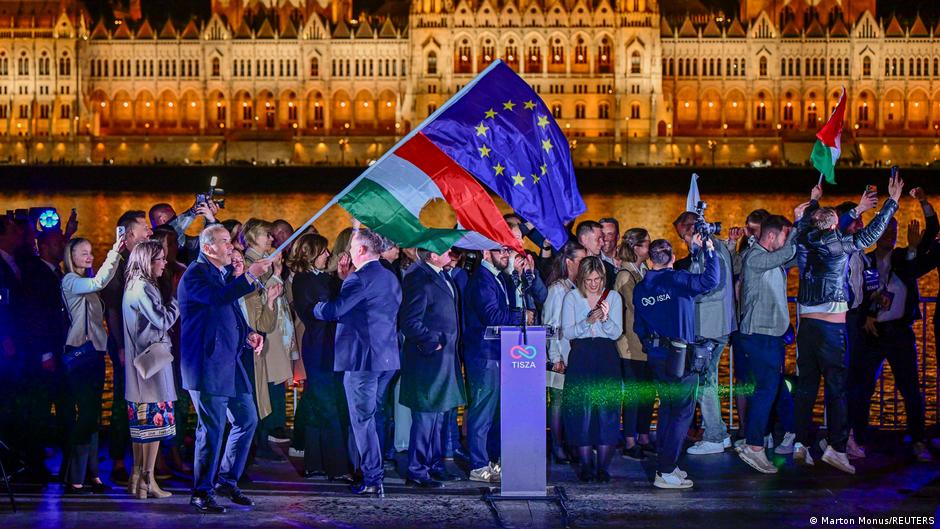
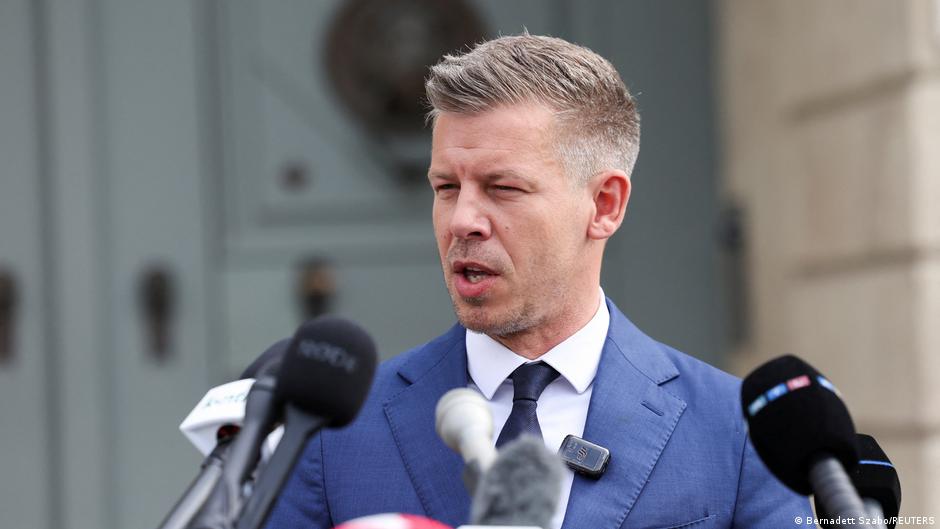
Peter Magyar's Tisa party wins Hungary's parliamentary majority amid fraud claims, signaling potential shifts in policy and market volatility for investors.

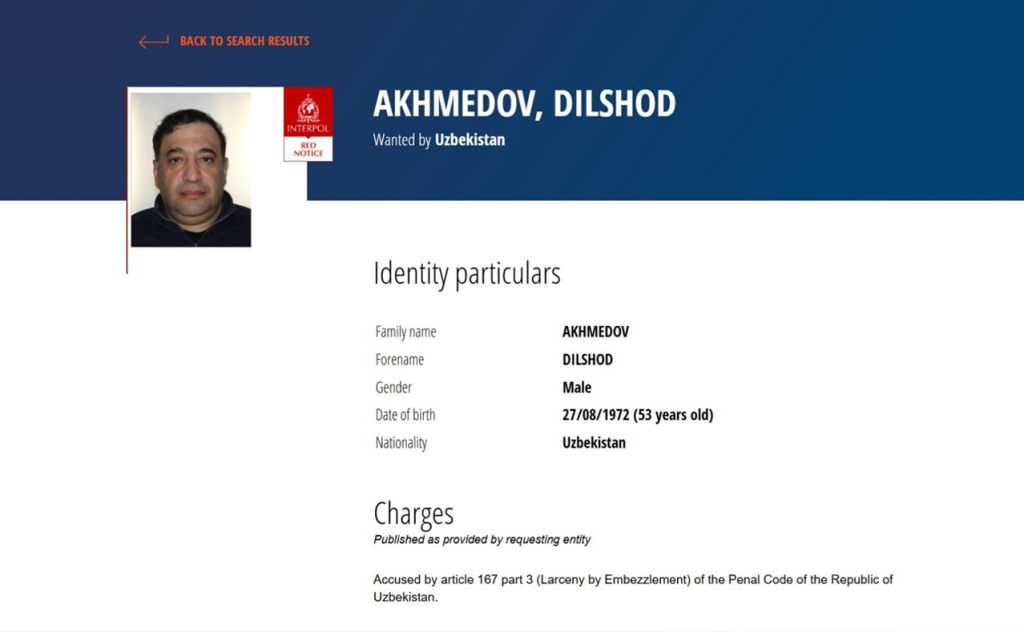
Dilshod Ahmedov, former head of Uzbekistan’s O‘zmetkombinat, is internationally wanted on embezzlement charges, raising concerns about governance in state enterprises and market confidence.

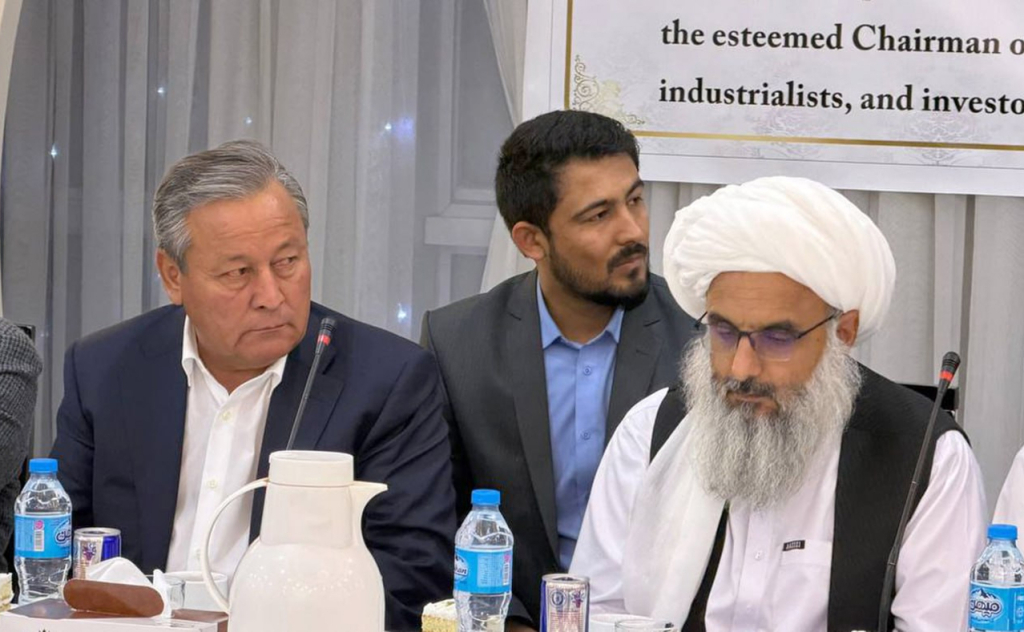
Uzbek and Afghan entrepreneurs have signed $300 million in contracts, strengthening trade ties and creating new investment opportunities in Central Asia.