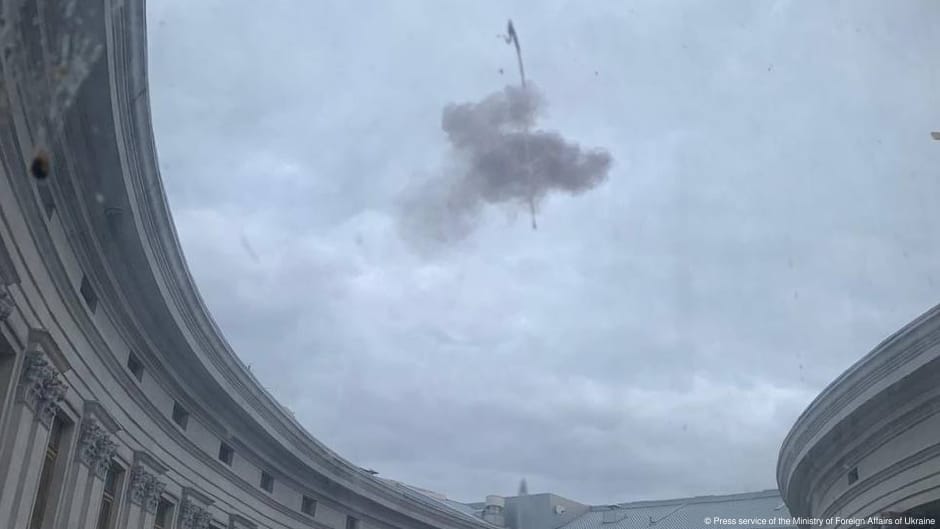
Kyiv Missile Strikes Put Infrastructure and Market Risks Back in Focus
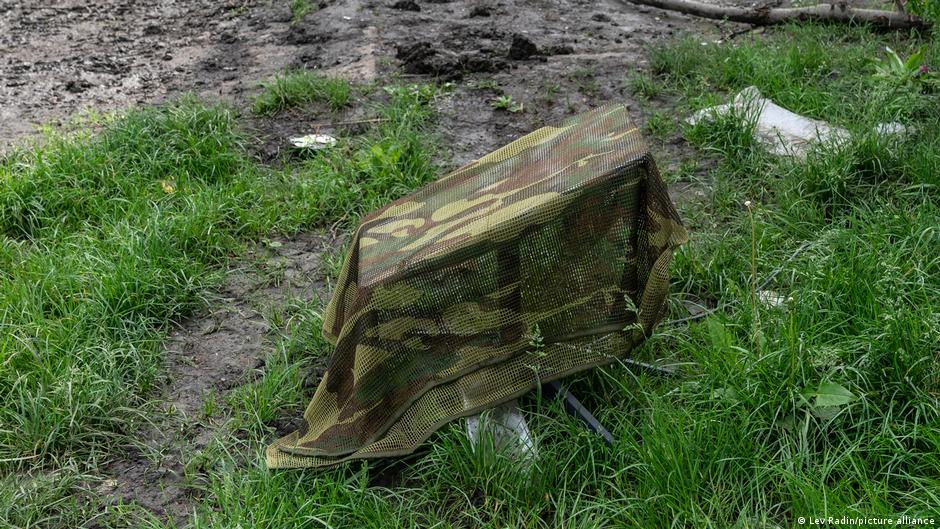
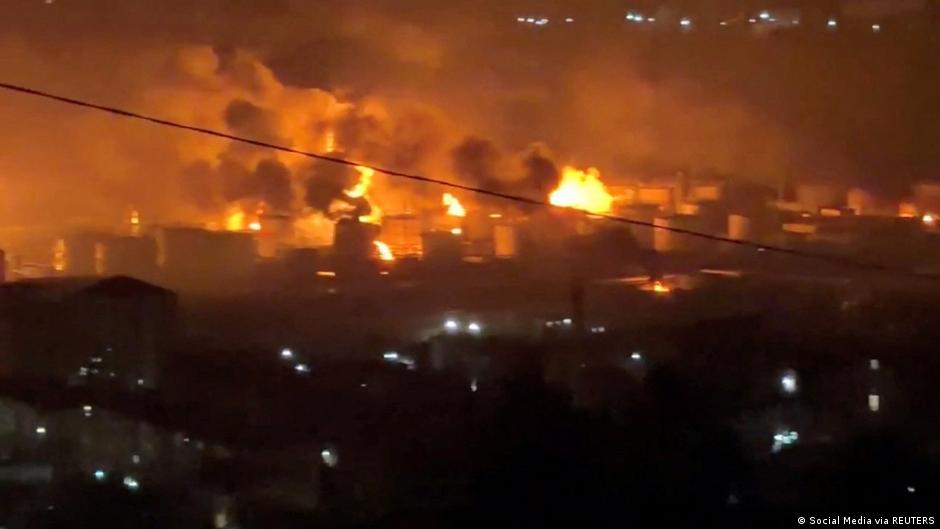
Ballistic missile strikes damaged Kyiv bridges and buildings, renewing investor scrutiny of infrastructure, energy security and Ukraine-related risk.

Ballistic missile strikes damaged Kyiv bridges and buildings, renewing investor scrutiny of infrastructure, energy security and Ukraine-related risk.

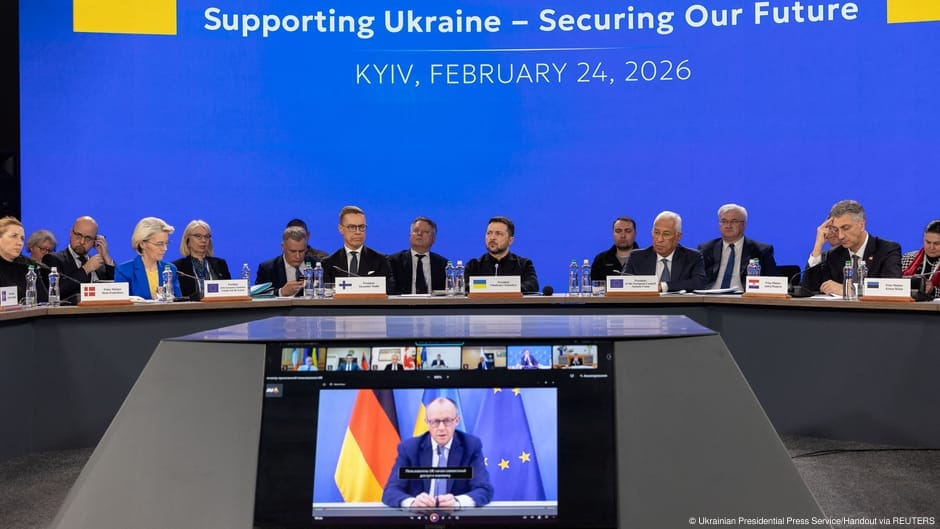
European leaders meeting in Berlin will put €230 billion in military aid and EU financing, defense procurement and sovereign funding under investor scrutiny.

The EU extended its Ukraine military training mission through November 2028, adding nearly €300 million as investors assess defense demand and fiscal risks.

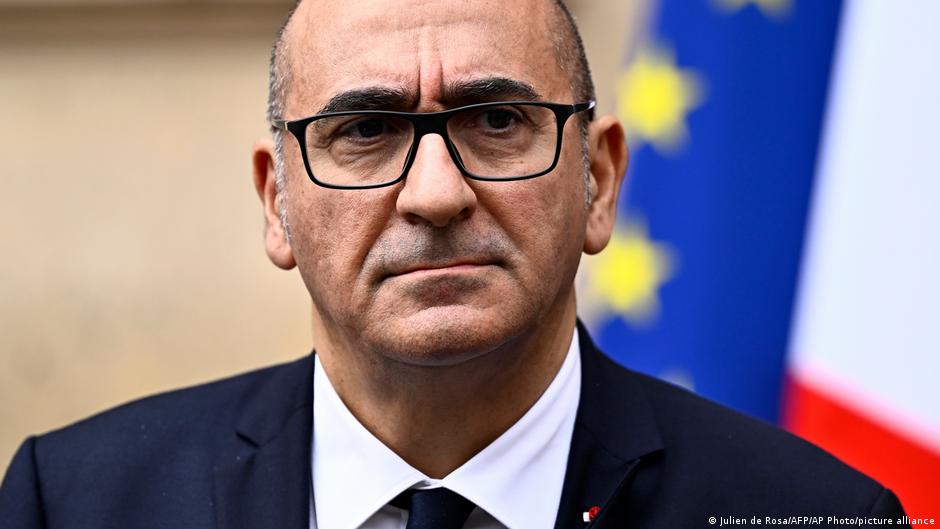
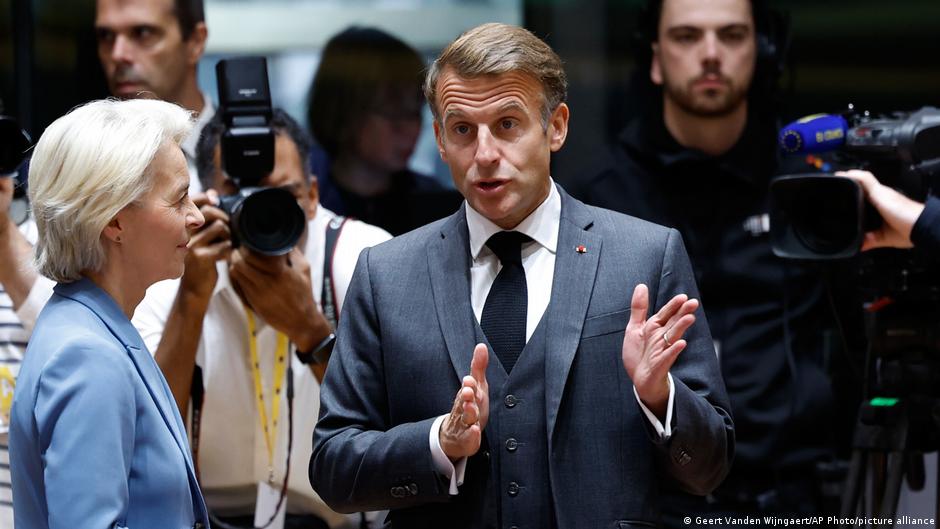
France is holding technical talks with the Taliban on Afghan deportations, adding a politically sensitive policy risk to the investor outlook.

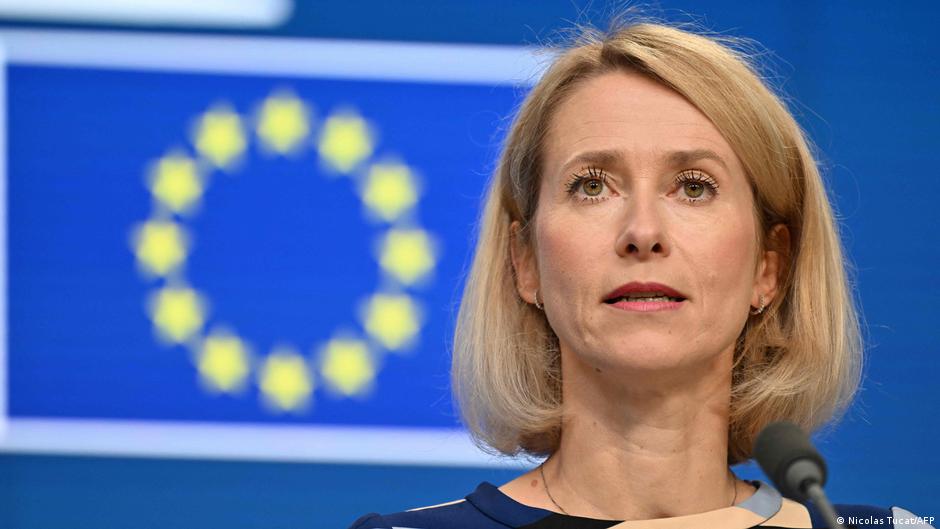
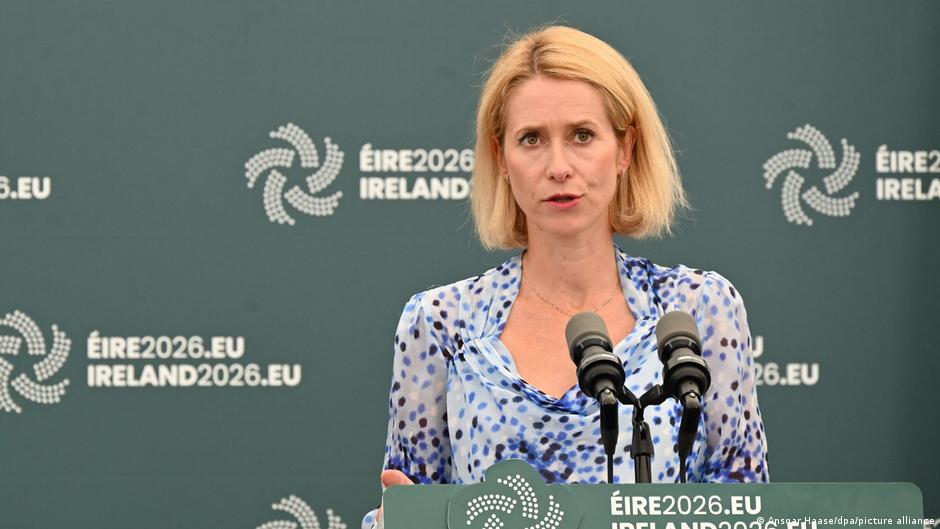
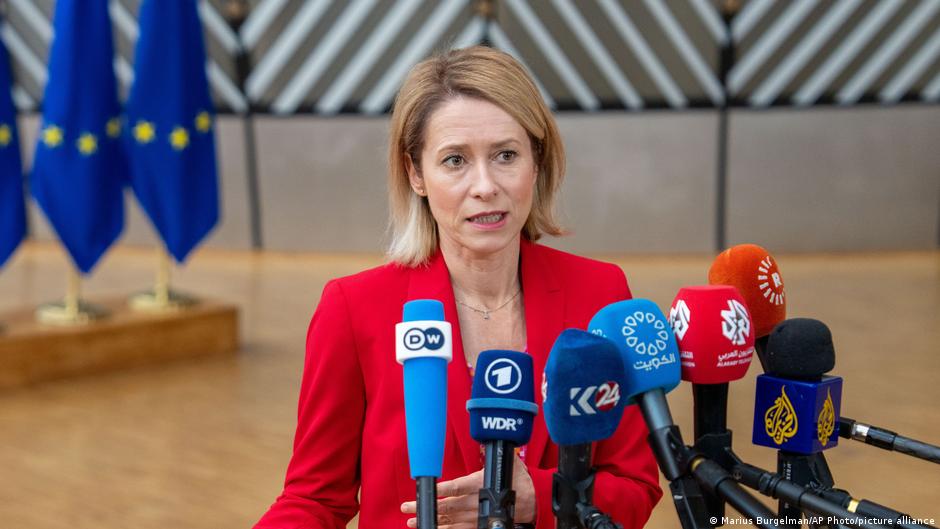
Kaja Kallas said Russia showed no readiness for Ukraine peace talks at the G20, leaving investors without a catalyst for easing geopolitical risk.

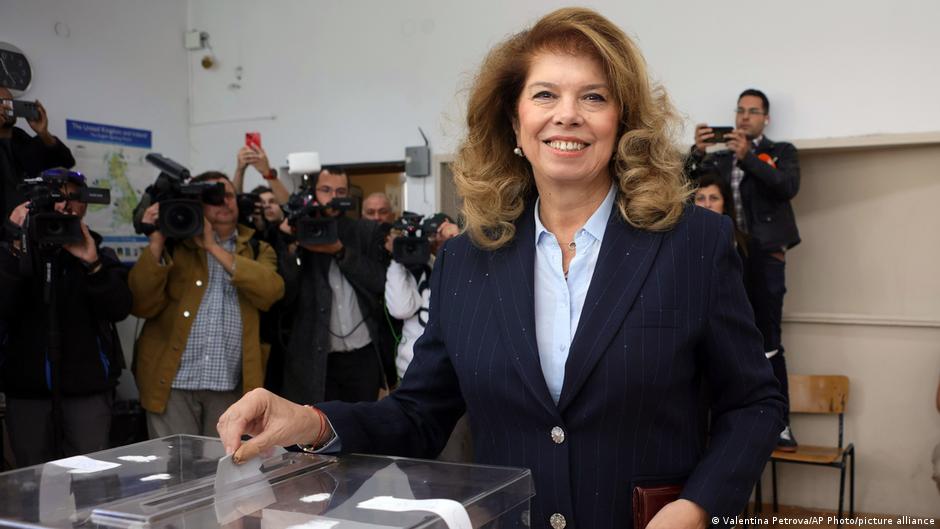
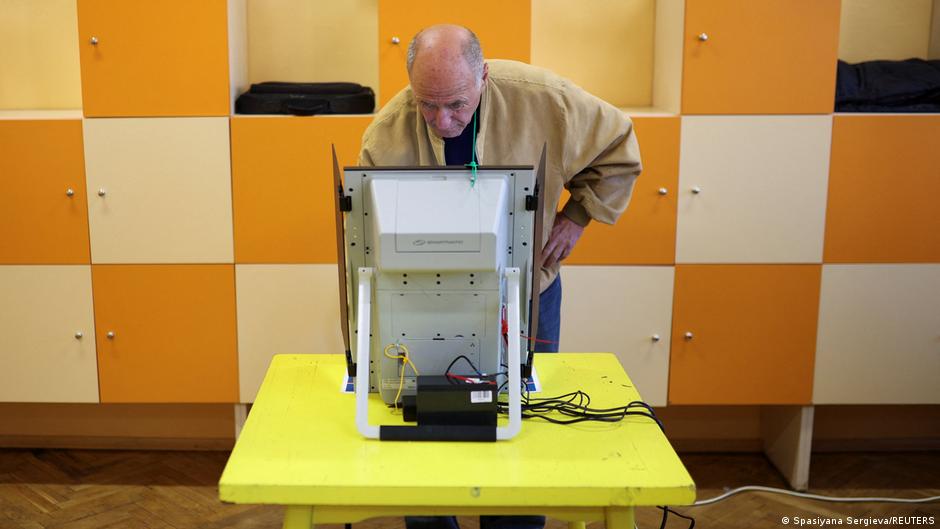
Bulgaria’s presidential runoff will test investor confidence as low turnout, Ukraine policy and regional security risks move into focus.

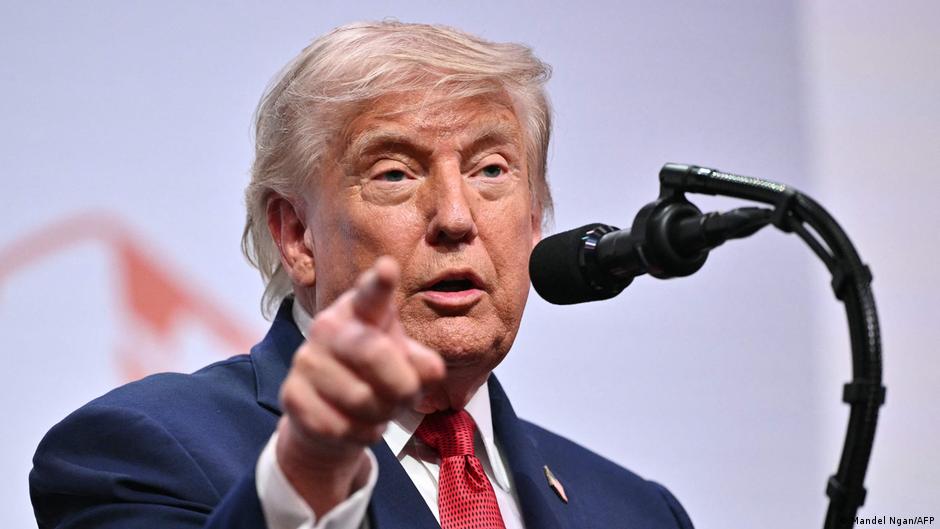
Trump said SpaceX restored full Starlink access in Ukraine, renewing investor scrutiny of private satellite infrastructure and government dependence.

EU leaders postponed seven-year budget talks until December as divisions over spending cuts and new levies left investors facing prolonged policy uncertainty.

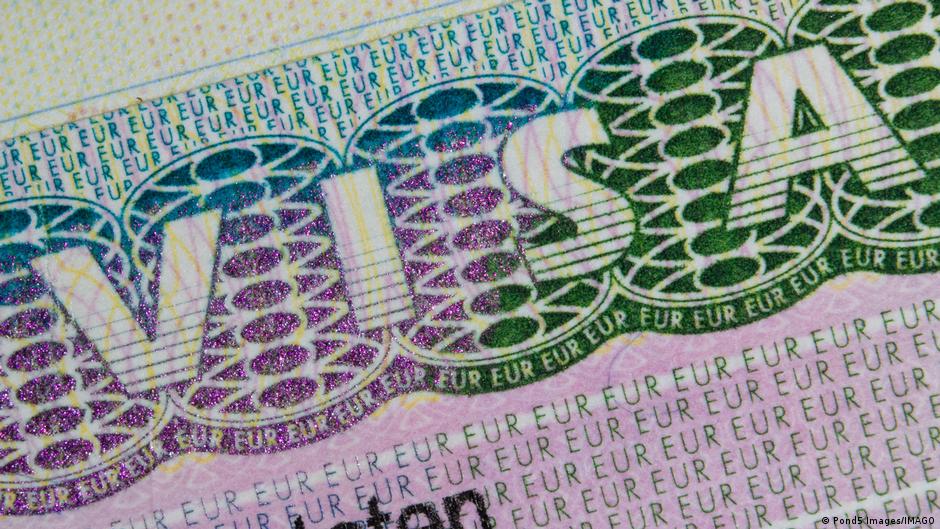
Finland urged an EU-wide tourist visa ban for Russians, adding to sanctions policy risks watched by investors across Europe.

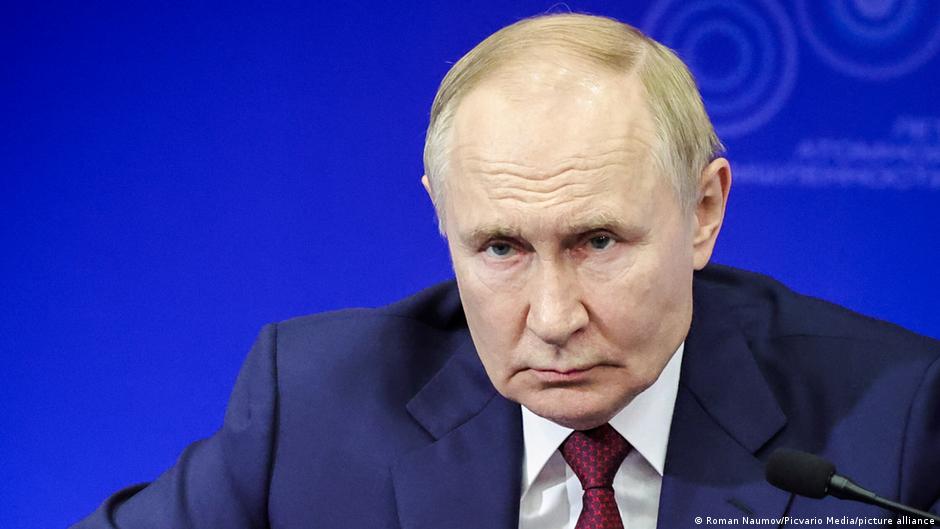
Putin’s Valdai speech renewed nuclear warnings and war claims, keeping geopolitical risk in focus for investors in European equities, bonds and defense assets.

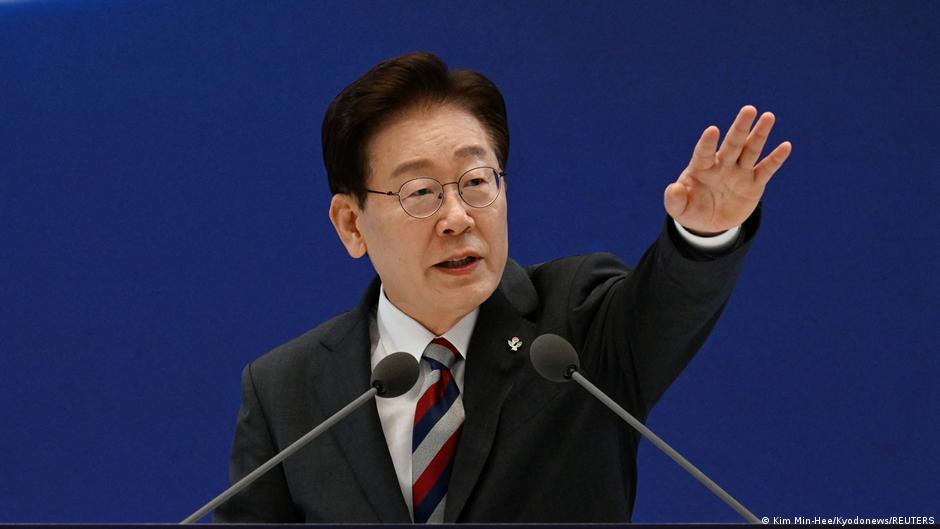
Seoul’s warning to Kyiv adds a new geopolitical risk factor for investors watching Korean assets, defense stocks and Ukraine-war exposure.

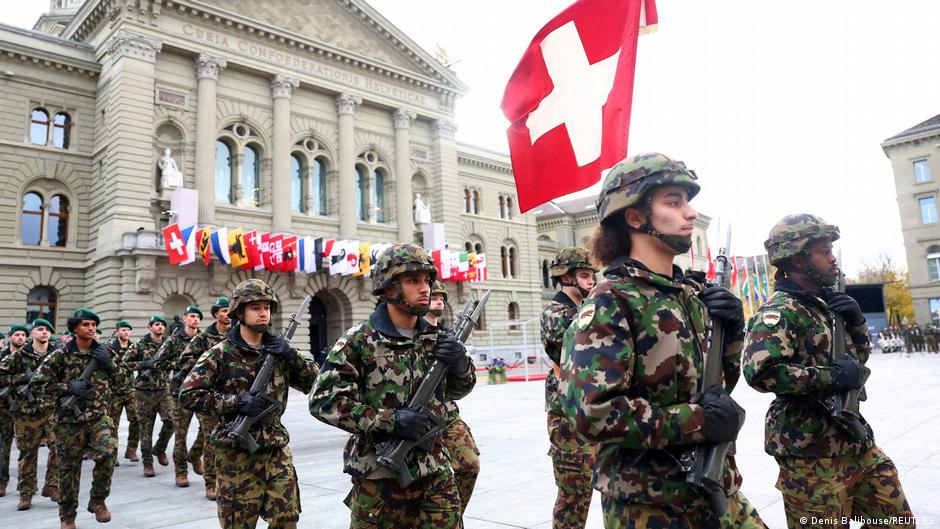
Swiss voters rejected a stricter neutrality proposal, preserving Bern’s ability to join sanctions and easing policy uncertainty for investors.

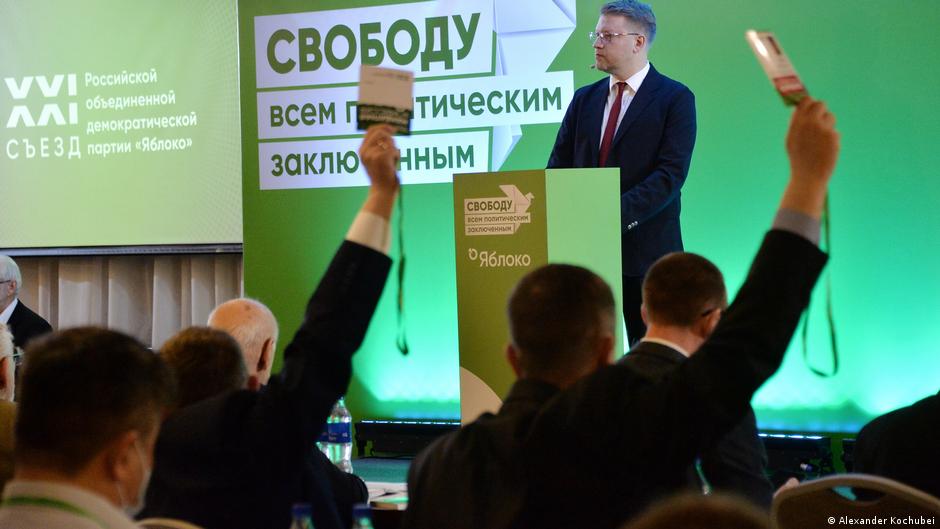
Yabloko’s Novgorod showing preserves a procedural path into future Duma races, adding nuance to Russia’s political risk picture for investors.

Trump’s threat to halt EU trade over closer EU-Canada ties raises tariff risks for equities, bonds and global supply-chain investors.

AfD’s decisive Saxony-Anhalt win leaves no clear governing majority, adding political risk for investors watching Germany’s markets.

The EU canceled a planned defense expert group after German and Italian resistance, adding execution risk to Europe’s defense spending outlook.

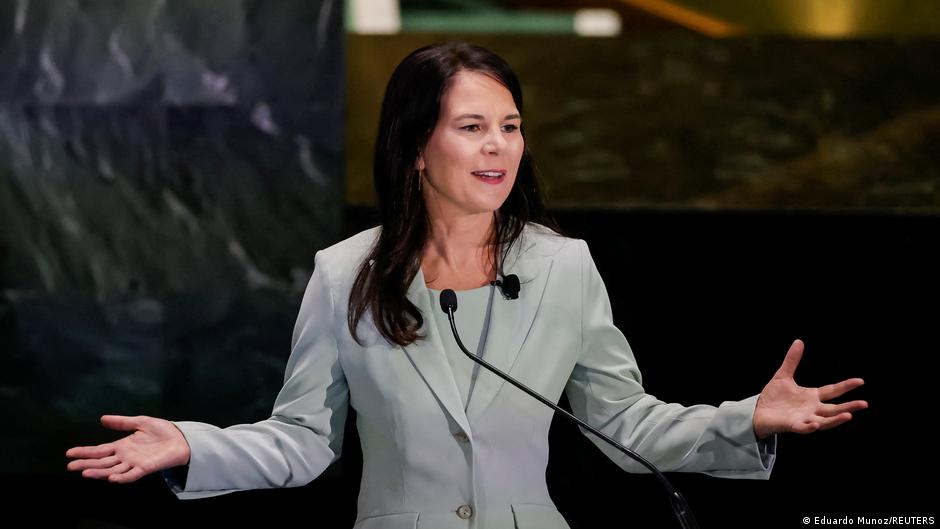
Annalena Baerbock, former German Foreign Minister and UNGA President, joins Columbia University as co-director of a global leadership program, blending diplomacy with academia.

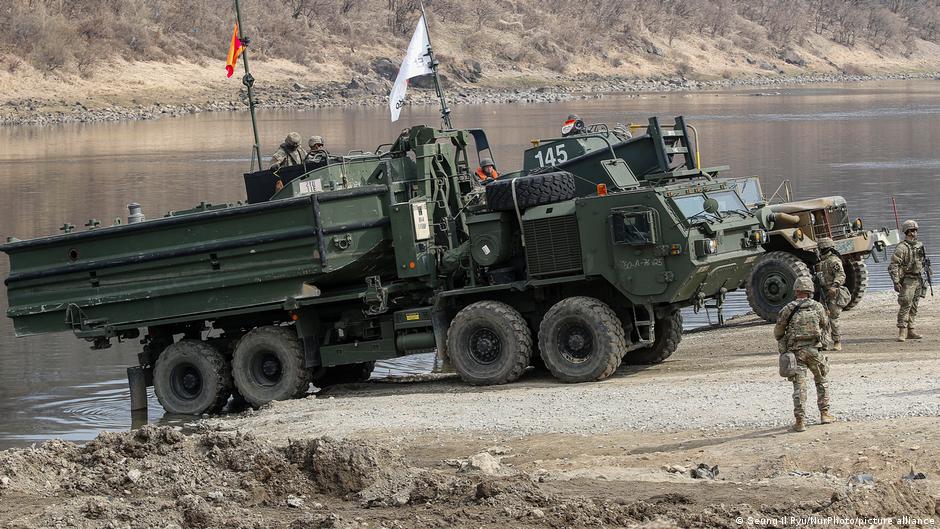
US President Trump orders significant reductions in joint military exercises with South Korea, impacting defense sector equities and investor risk assessments amid geopolitical shifts.

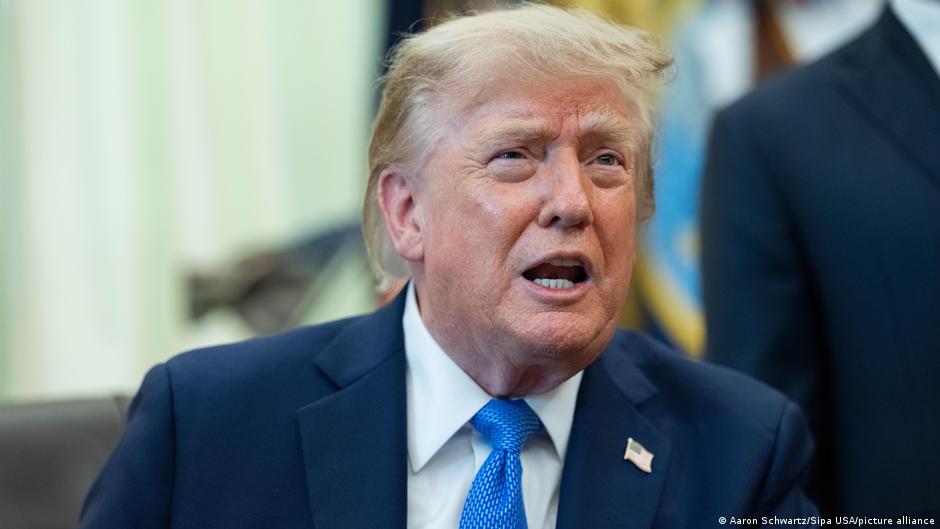
Trump alleges Biden depleted US missile stockpiles through Ukraine aid, sparking investor concerns over defense sector equities and military spending bonds.

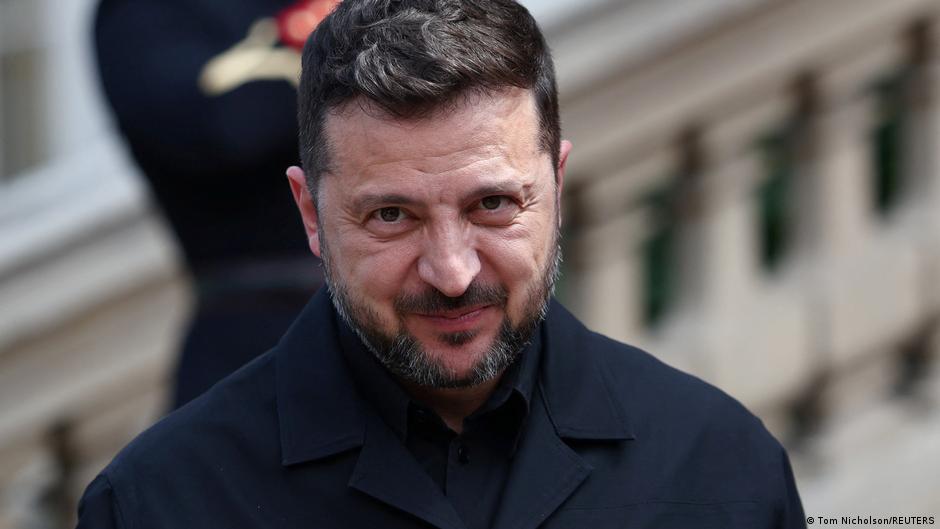
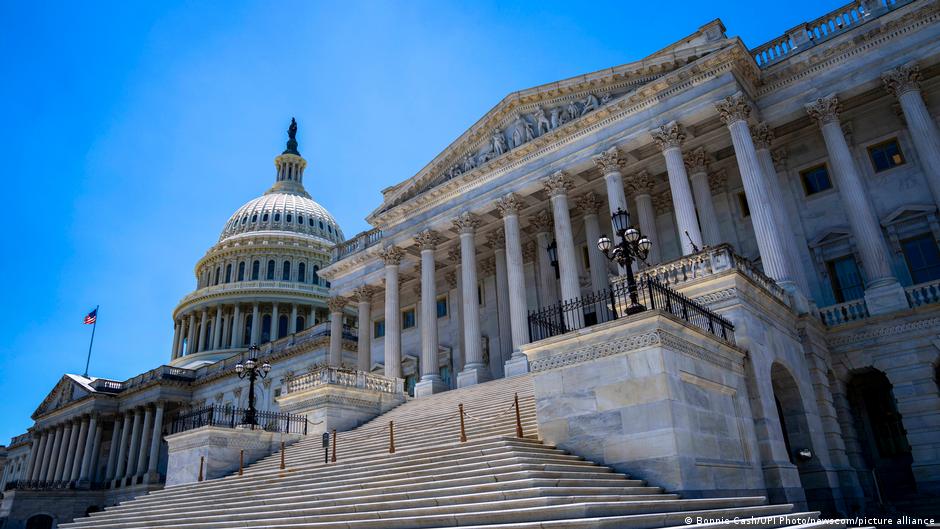
Ukrainian President Zelensky meets all 100 US Senators in Washington as the Senate votes on new sanctions against Russia, impacting global equities and bond markets amid geopolitical tensions.

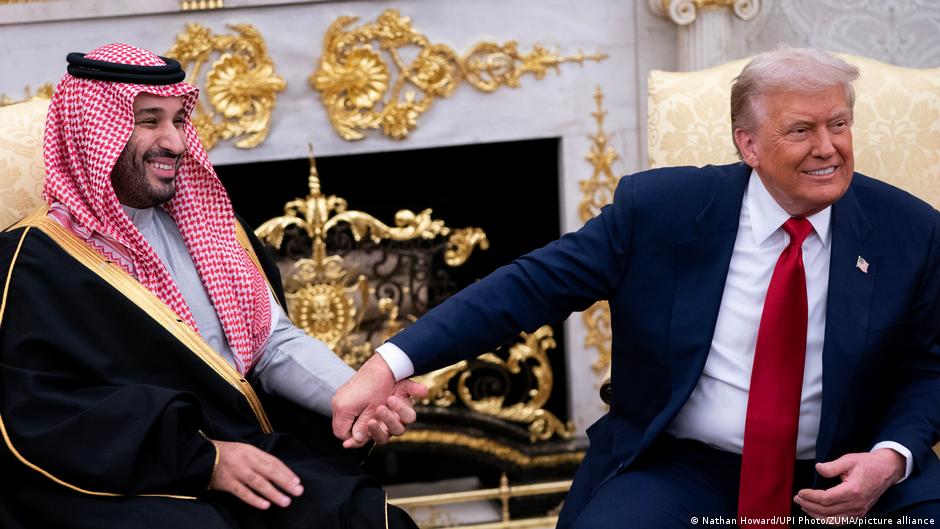
US plans to permit Saudi uranium enrichment without strict safeguards raise geopolitical risks, impacting equities and bonds in Middle Eastern markets.

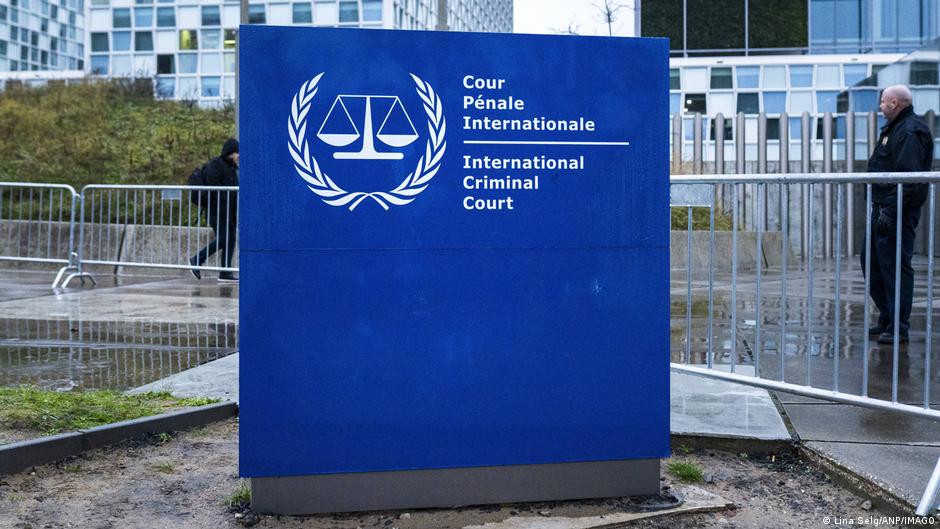
Germany defends the International Criminal Court amid US threats of sanctions, raising geopolitical risks that could impact equities and bonds in global capital markets.

Darline Graham Norton fills her late brother Lindsey Graham's Senate seat, preserving Republican control in the Senate amid political uncertainty impacting investor confidence.

The US Senate's vote to end military actions against Iran raises geopolitical uncertainties impacting equities, bonds, and investor risk appetite.

US envoy Whitcraft’s arrival in Switzerland for nuclear talks with Iran introduces fresh geopolitical risks that could impact equities, bonds, and investor sentiment.

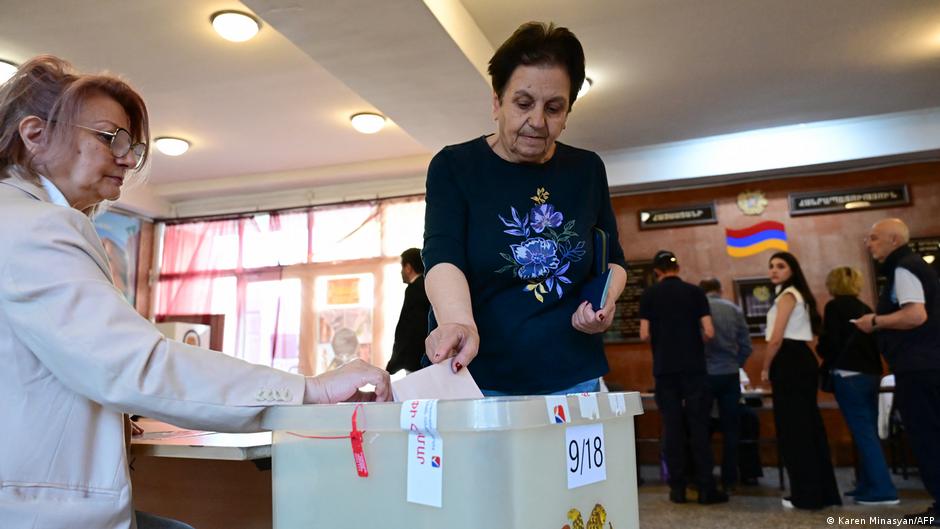
Armenia’s parliamentary elections affirm Prime Minister Pashinyan’s leadership, signaling policy continuity amid geopolitical tensions impacting investor confidence and markets.

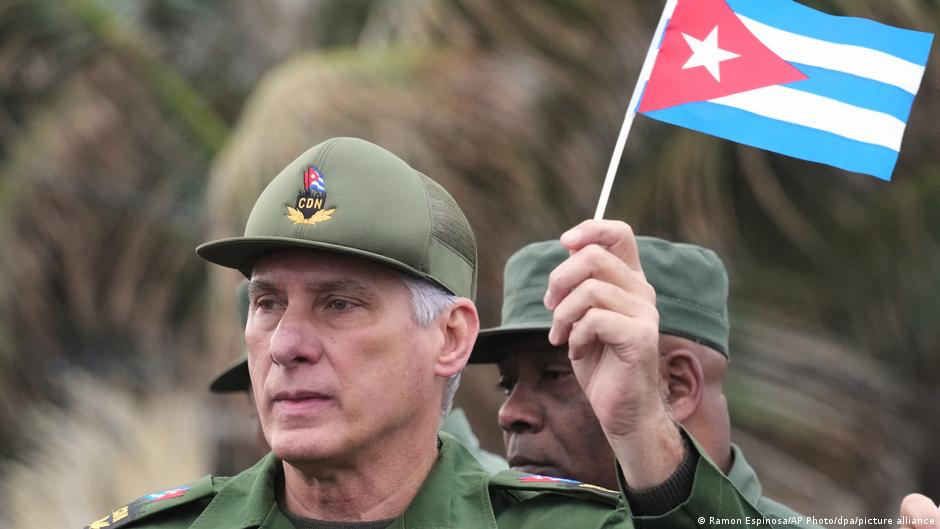
The US Treasury expanded sanctions on Cuban President Diaz-Canel and Castro family members, heightening geopolitical risks and impacting investor sentiment in related markets.

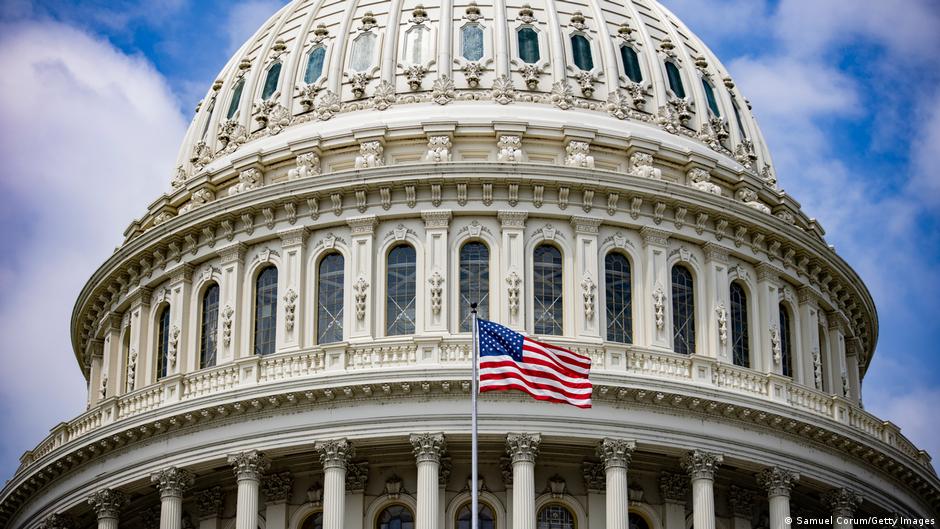
The US House approves expanded sanctions on Russia and aid to Ukraine, with Senate approval pending, prompting market volatility and investor caution.

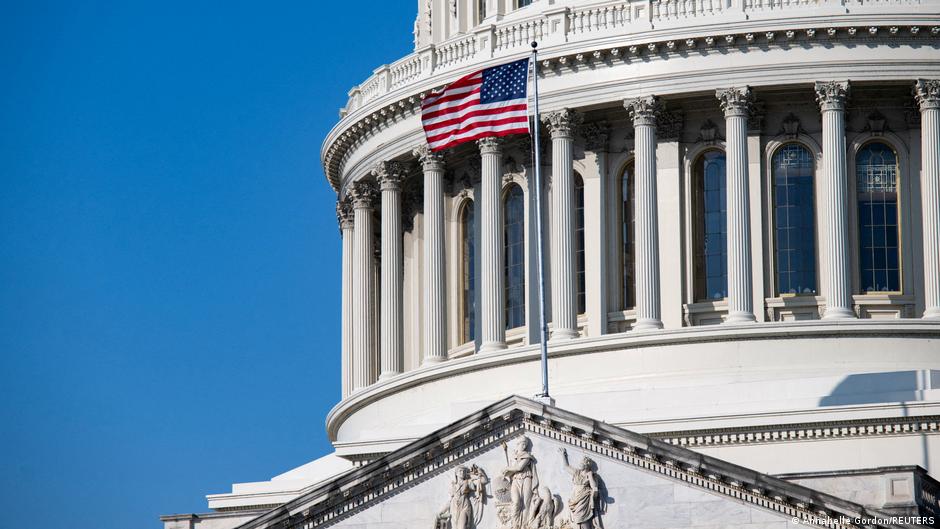
The US House passes a resolution restricting President Trump's military actions against Iran without Congress approval, reflecting political shifts that could impact markets sensitive to Middle East tensions.

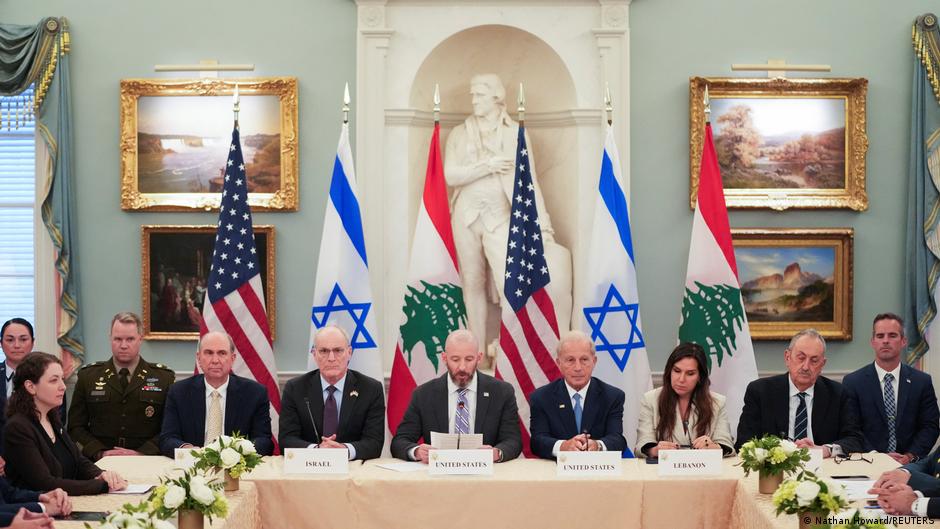
The US-brokered ceasefire between Israel and Lebanon prompts cautious optimism in equities and bond markets amid ongoing geopolitical risks in the Middle East.

EU foreign policy chief Kaja Kallas warns that Russia, China, and the US are employing divide-and-conquer strategies to weaken the European Union, raising concerns for market stability.

Ukraine’s recent military gains against Russia mark a strategic shift impacting regional equities and bonds, with increased operational intensity and territorial changes affecting investor confidence.

Germany accelerates its own long-range missile development to counter Russian threats after the US declines to deploy Tomahawk missiles, impacting defense sector markets.

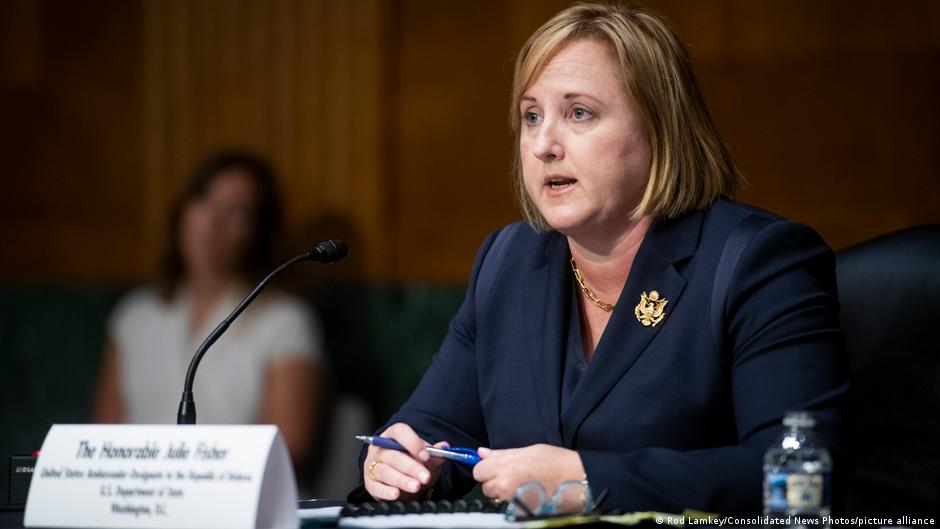
Key U.S. diplomatic departures in Ukraine reflect heightened geopolitical risks, affecting market sentiment in equities, bonds, and investor risk assessments amid ongoing Russian tensions.

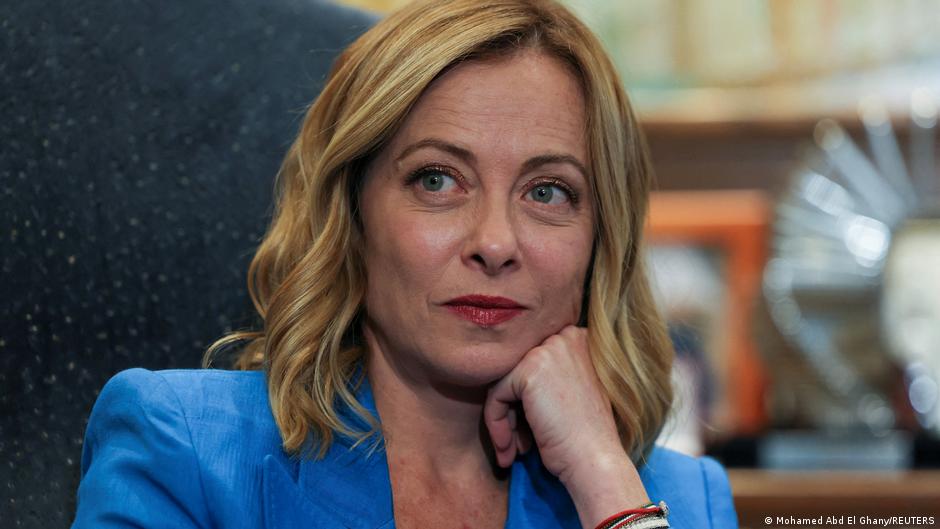
Italian PM Meloni condemns Russian media insults, gaining political support amid rising geopolitical tensions that may affect Italian markets and investor confidence.

Bulgaria's parliamentary elections show former President Rumen Radev’s coalition leading with 44.6%, raising questions about future economic policies and market impacts.

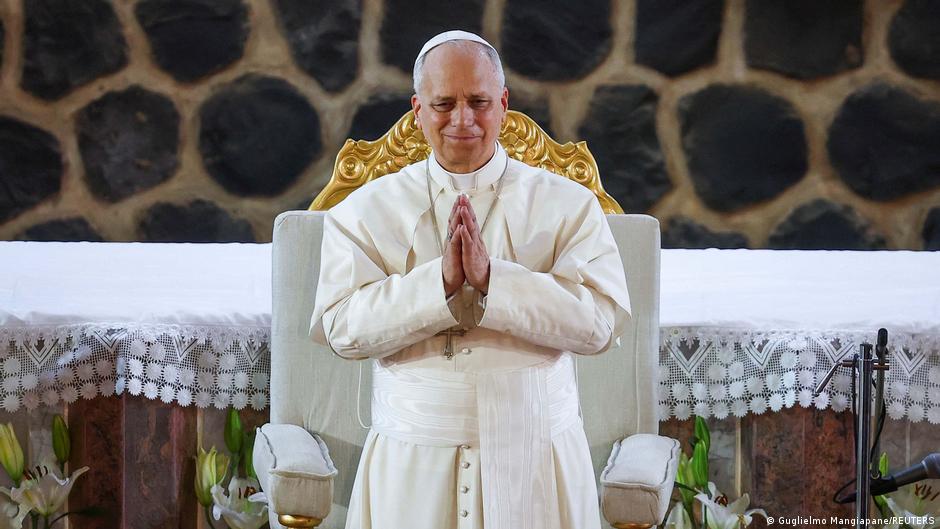
Pope Leo XIV’s critique of war profiteers during his African tour highlights rising geopolitical tensions that could impact global markets and investor sentiment.