Russian Military Convoys Reverse Course After Ukraine’s Libya Strike
Two Russian military convoys reportedly changed course after Ukraine struck a corvette in Libya, adding geopolitical risk around Mediterranean shipping.

Two Russian military convoys reportedly changed course after Ukraine struck a corvette in Libya, adding geopolitical risk around Mediterranean shipping.

Sweden summoned Russia’s ambassador over incidents involving Poland and Denmark, adding to geopolitical risks monitored by European equity and bond investors.

Ukraine sought to contain fallout from its Benghazi operation as investors weighed risks to energy, shipping, European unity and broader market sentiment.

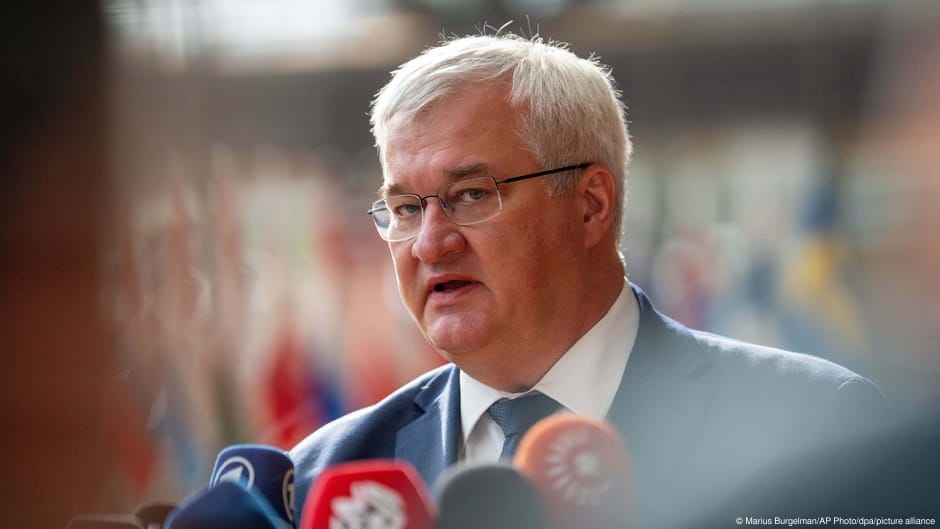
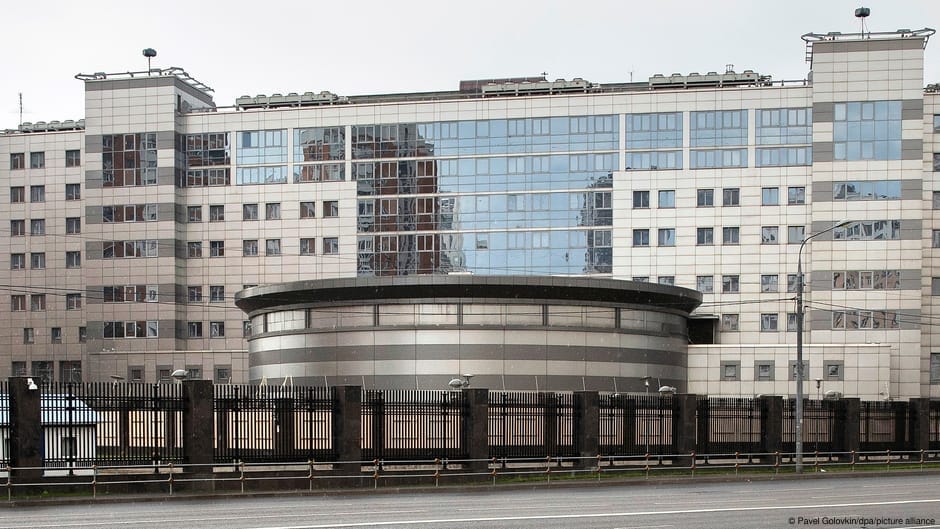
Lithuania’s foreign minister urged the EU to designate Russian military intelligence as a terrorist organization, adding to Europe’s geopolitical risk outlook.

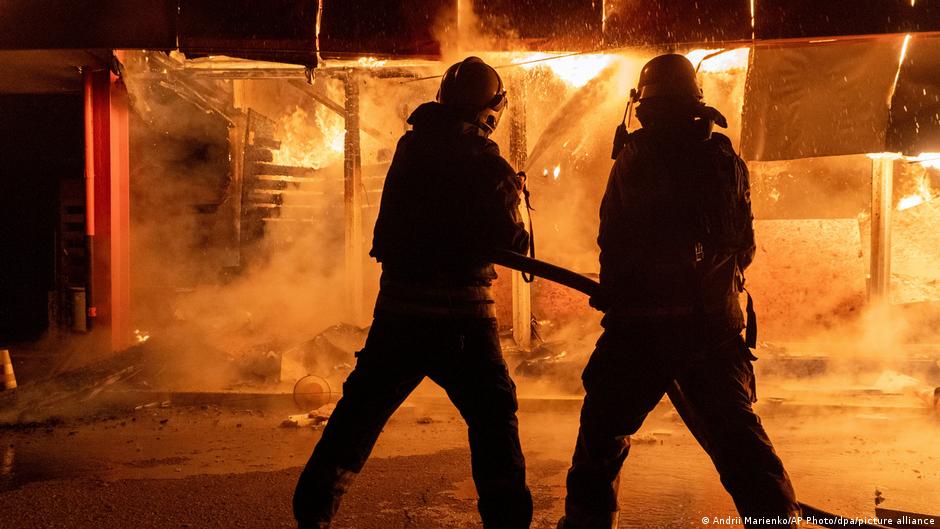
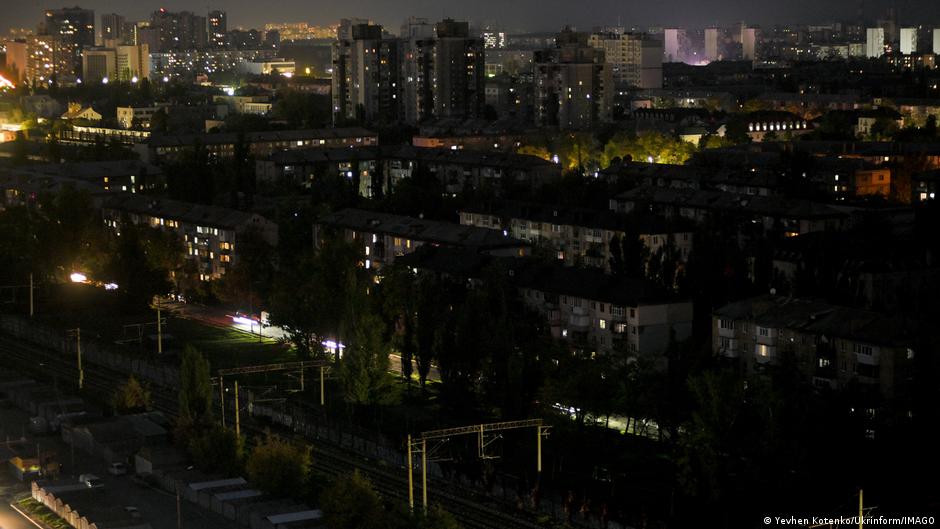
Deadly Russian strikes damaged civilian, commercial and energy assets as Ukraine imposed power restrictions affecting households and industrial activity.

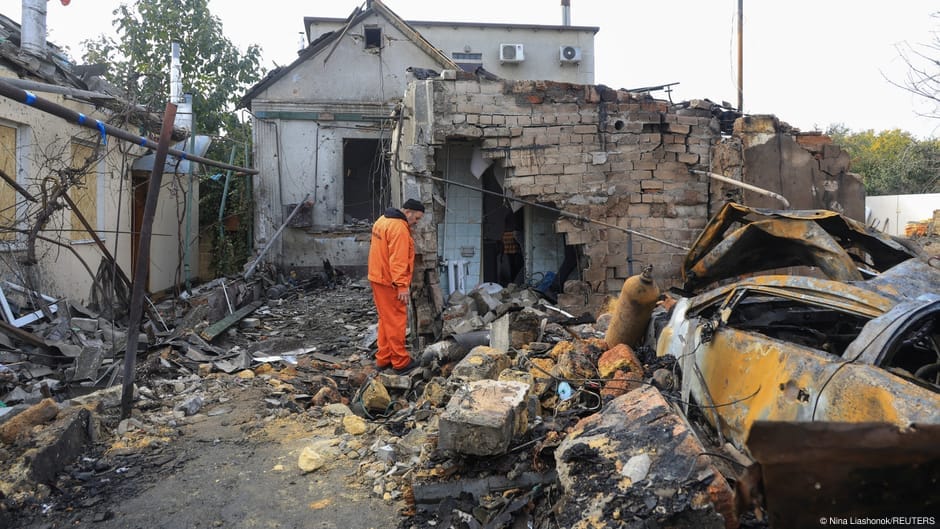
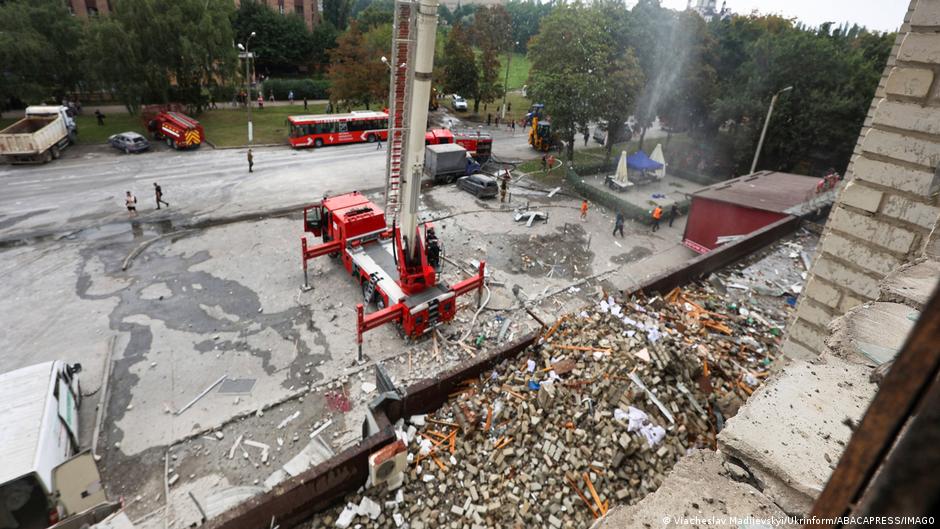
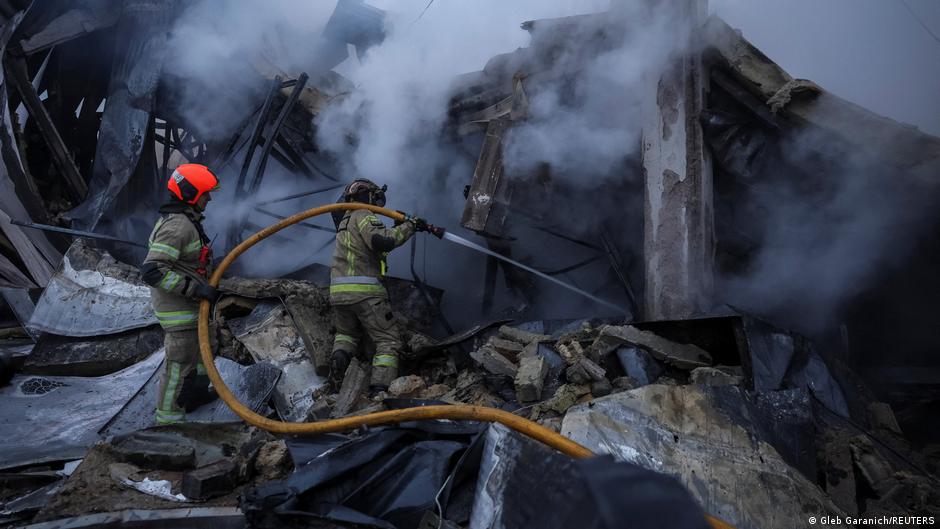
Deadly Russian strikes damaged homes, shops, businesses and energy infrastructure across Ukraine, renewing concerns over sovereign, corporate and reconstruction risks.

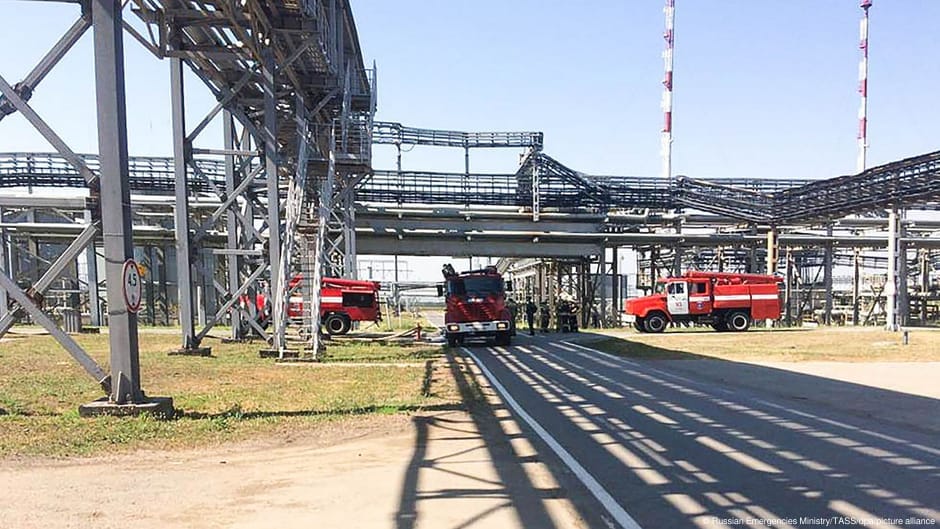
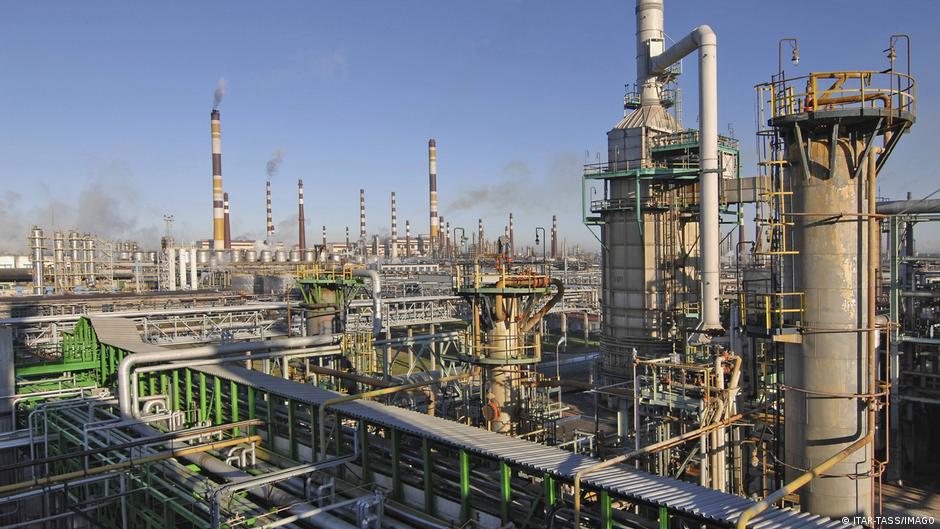
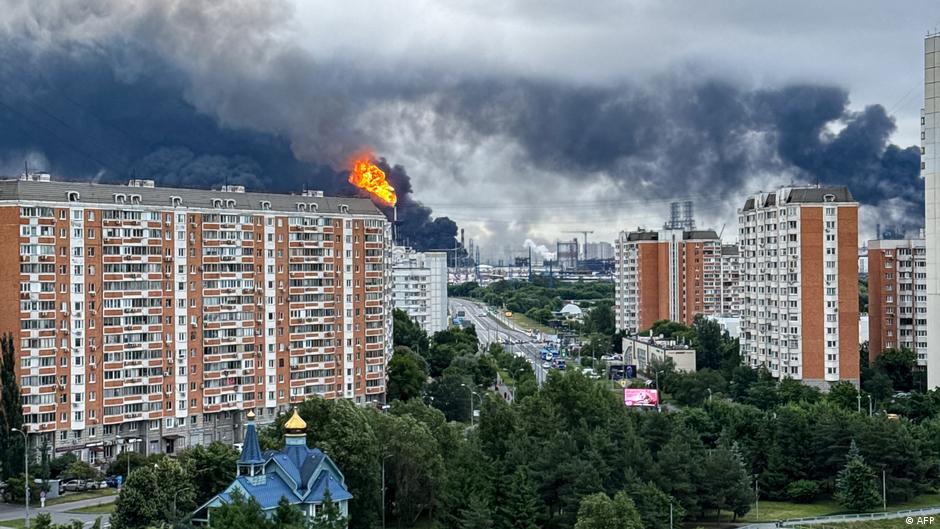
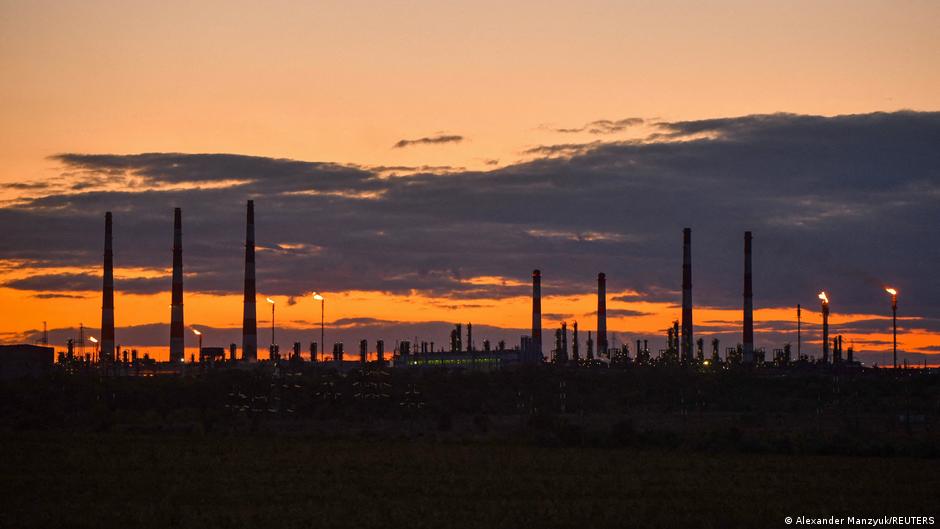
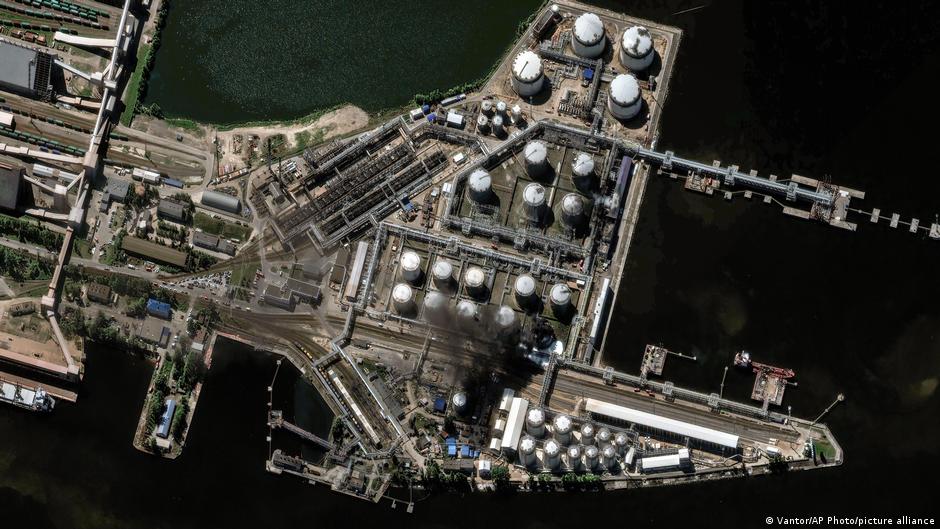
Reported fires near Russian refining and pipeline assets renew investor scrutiny of supply, logistics and operational risks, though disruption remains unconfirmed.

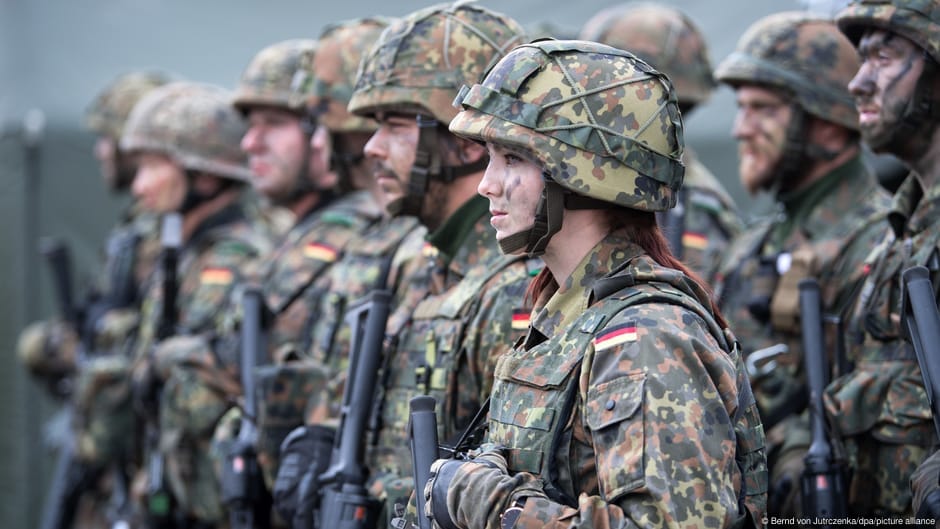
Germany will move tanks to Lithuania by rail rather than driving through Poland, limiting provocative imagery as markets monitor NATO-Russia tensions.

A probable drone strike on a Krasnodar security facility and an unconfirmed refinery report put regional infrastructure risks back in focus.

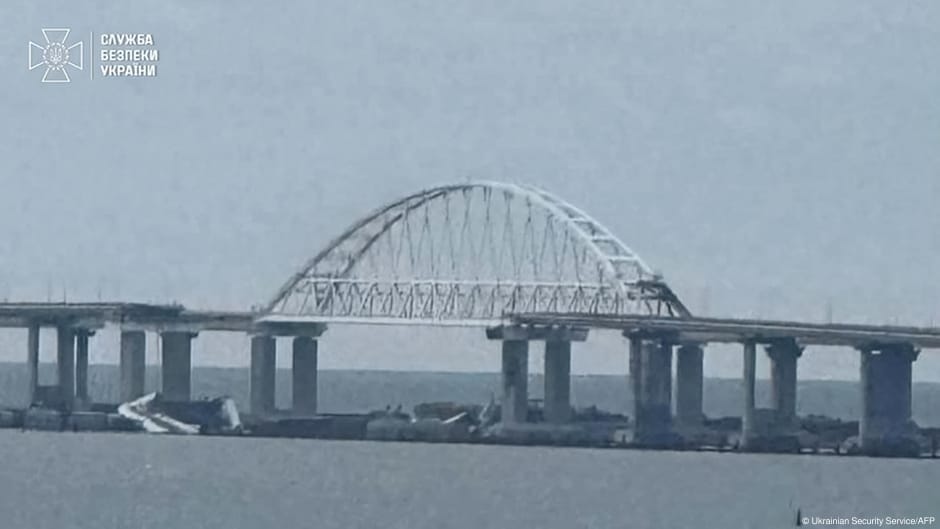
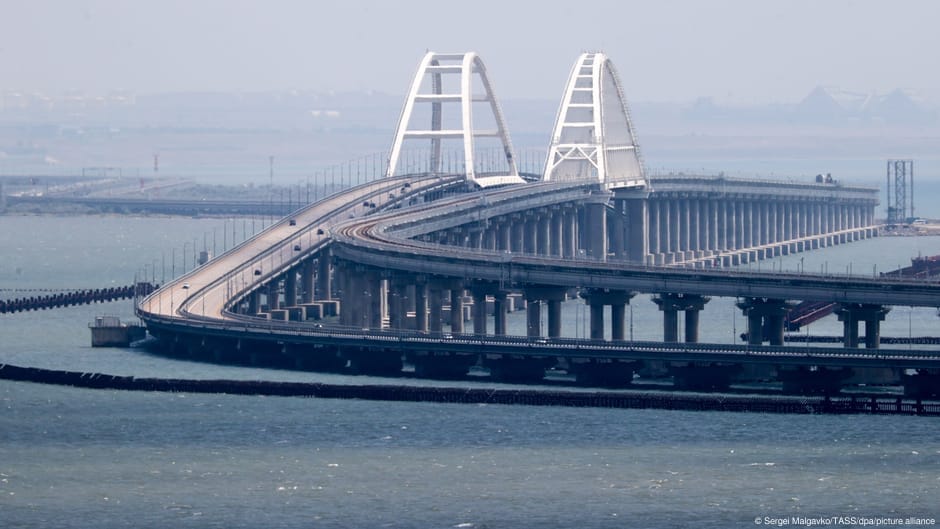
Zelensky warned the Crimea Bridge will not survive, while severe road and rail damage creates uncertain repair, logistics and fiscal risks.

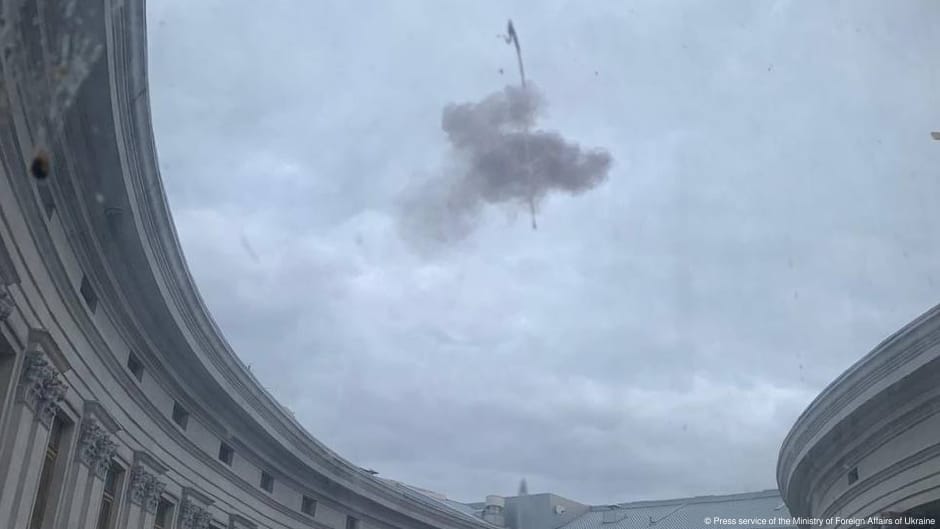
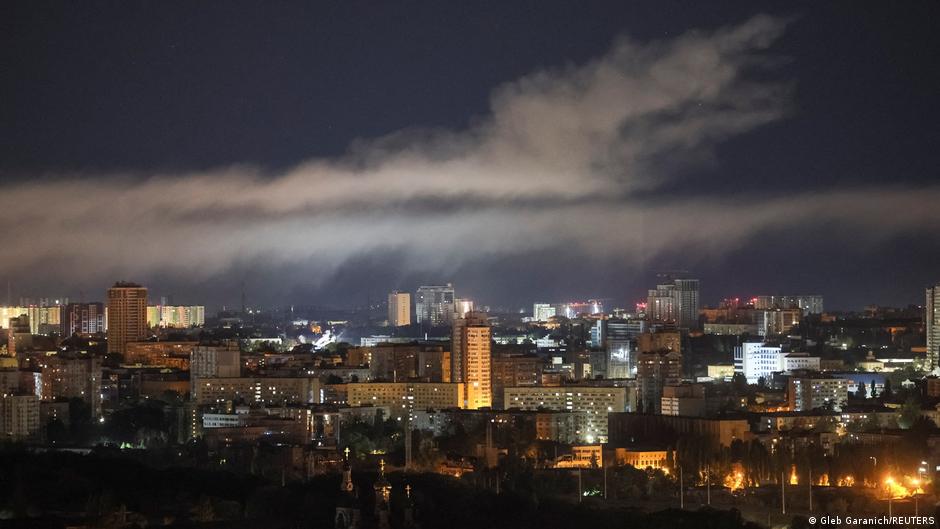
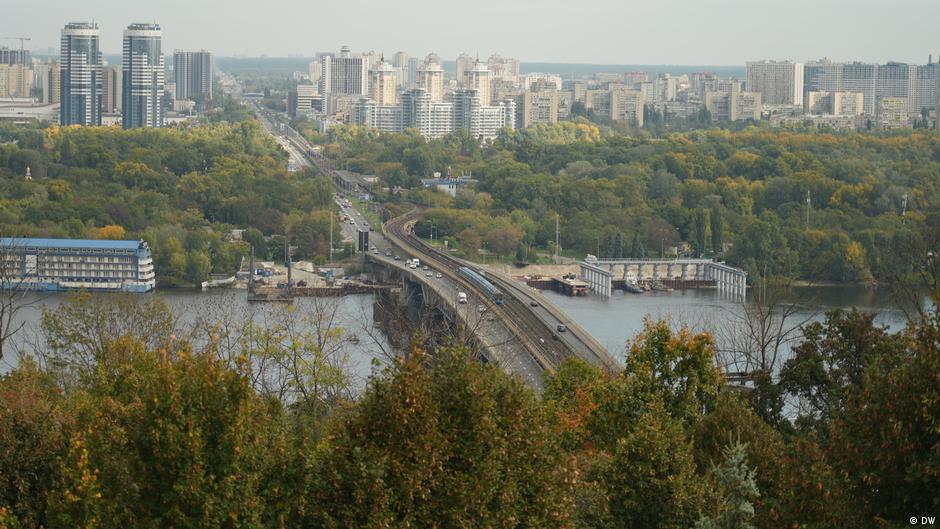
Ballistic missile strikes damaged Kyiv bridges and buildings, renewing investor scrutiny of infrastructure, energy security and Ukraine-related risk.

Slovenia has halted Russian applications for study and most work visas, adding mobility and staffing risks while preserving selected business and transport routes.

Reported Russia-linked payments by a Deutsche Bahn unit raise sanctions, governance and counterparty risks for European transport investors.

Attacks on bridges in Kyiv and the Kerch Strait renew scrutiny of infrastructure, logistics and geopolitical risks affecting Ukrainian and Russian assets.

Suspected drone activity at RAF Lakenheath caused no reported damage but adds to investor concerns over geopolitical risk and infrastructure security.

A four-hour FAA ground stop exposed outdated aviation systems and prompted a $50 billion funding request, raising new risks and opportunities for investors.

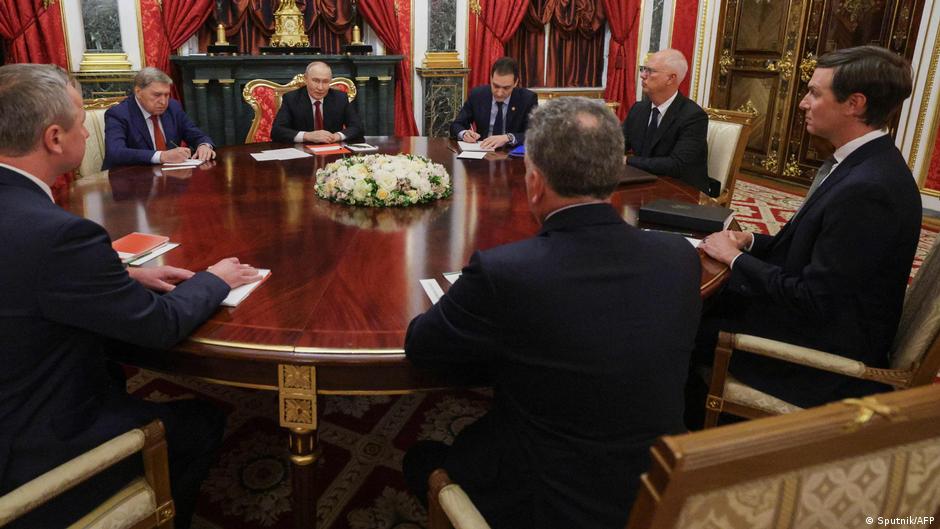
Kyiv and Moscow discussed exchanging up to 3,000 prisoners as talks expanded toward energy, Black Sea security and possible leader-level diplomacy.

A drone attack on Surgutneftegas’ Kirishi refinery puts a facility responsible for roughly 7% of Russian oil processing under renewed investor scrutiny.

Germany plans an extra €100 million for Ukraine’s critical infrastructure, highlighting winter energy risks and Europe’s continuing fiscal exposure.

German electric-car registrations rose about 80% in October, while Chinese manufacturers gained market share and domestic automakers continued to lose ground.

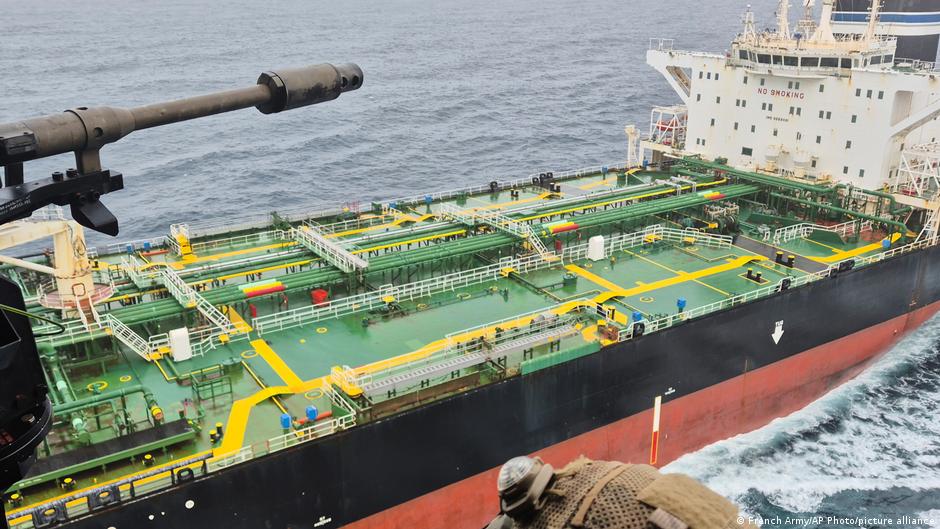
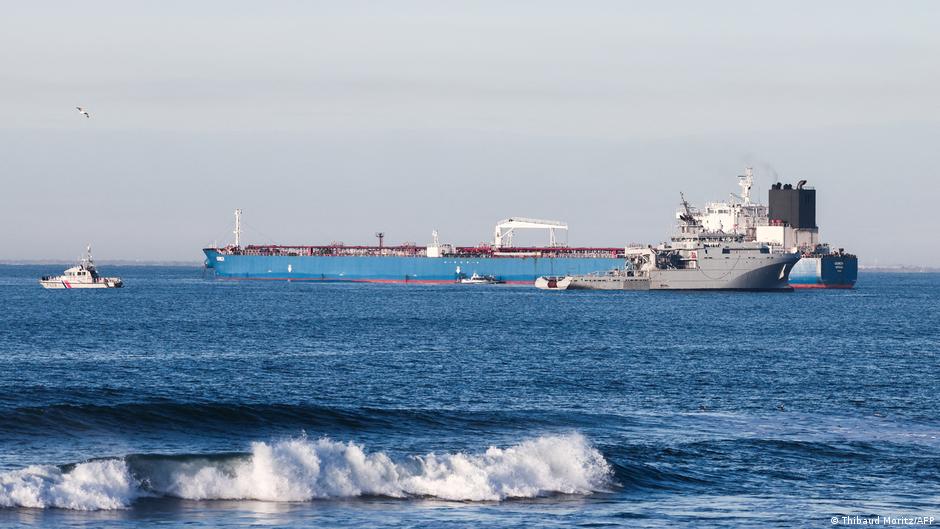
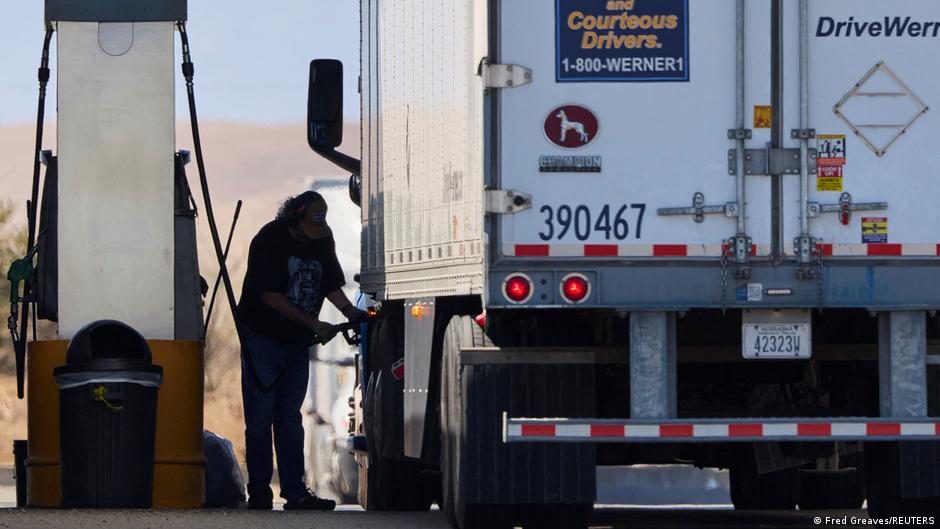
Two Russian-fuel tankers have changed course, threatening planned US diesel imports as sanctions risks and high fuel prices unsettle investors.

Oscar Puente resigned after a Toledo rail crash killed 69 people, sharpening investor focus on Spanish infrastructure spending, safety systems and political risk.

Russia and Ukraine will meet in Abu Dhabi on November 10-11 as investors assess the implications for European assets, sovereign debt and reconstruction.

False nuclear and radiation alerts in Ukraine and Russia highlight cyber vulnerabilities and the risk of headline-driven volatility for regional investors.

A US proposal to restart Russian gas transit through Ukraine could reshape European energy costs, sanctions risks and the outlook for LNG-linked investments.

Italy’s general strike and mass cost-of-living protests put fiscal priorities, social stability and potential risks to Italian assets under investor scrutiny.

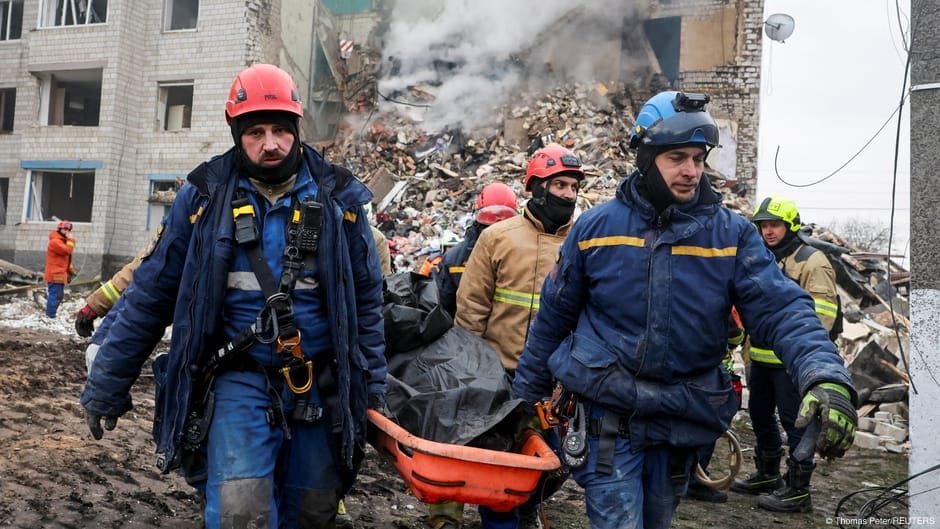
Russian strikes killed civilians and damaged transport, industrial and commercial assets across Ukraine, renewing infrastructure and reconstruction risks.

A reported Ukrainian pause in attacks on Russian refineries may ease near-term fuel supply risks, but its informal and reversible nature leaves investors exposed to renewed volatility.

Washington is considering sanctions relief for Russia’s RDIF as Moscow seeks a role for the fund in planned diesel shipments to US and global markets.

A Russian drone strike injured four people and damaged residential and industrial property in Kharkiv, reinforcing the security risks surrounding Ukrainian assets.

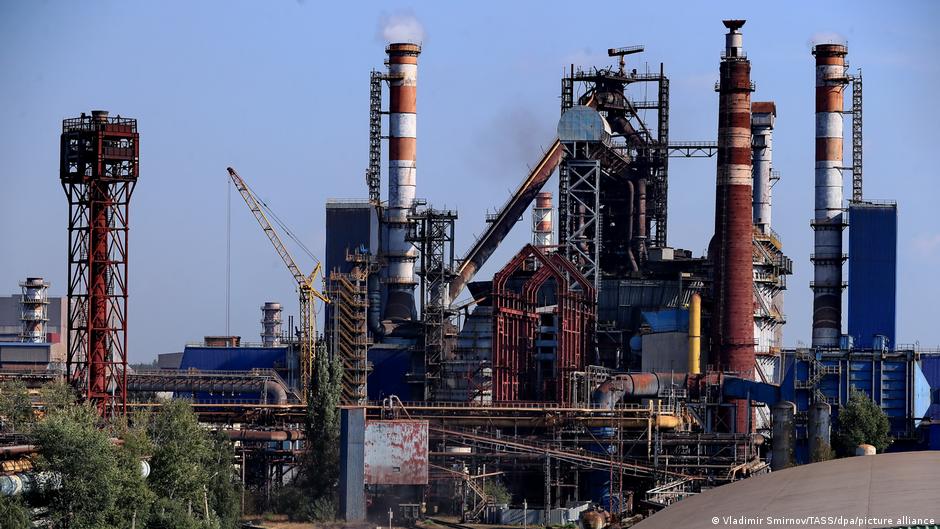
Reported attacks near Russian steel, chemical and military sites renew scrutiny of operational and credit risks across industrial assets.

Missile strikes on Kyiv and Kharkiv killed at least three people, injured 14 and renewed geopolitical concerns for investors exposed to the region.

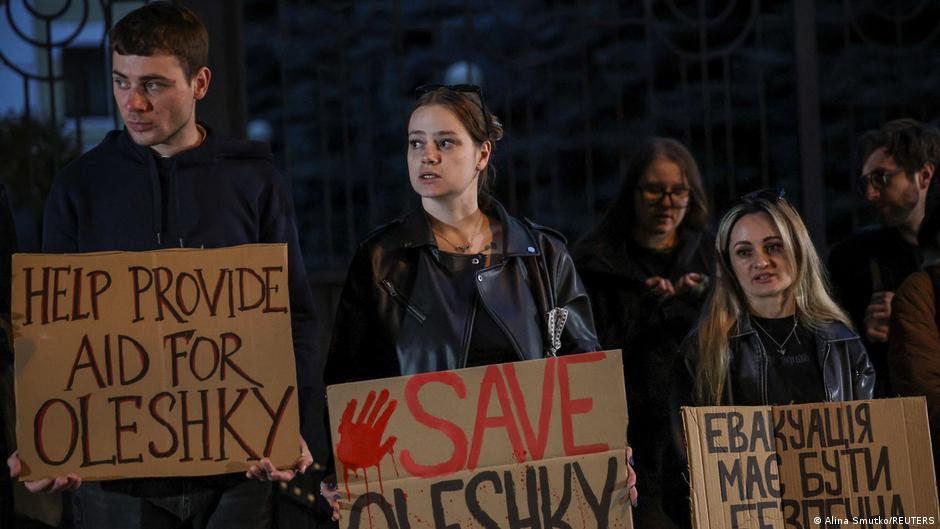
A temporary ceasefire around occupied Oleshky enables aid and evacuation plans, offering investors a limited signal of de-escalation amid high execution risks.

Lula won Brazil’s runoff with 51.8%, but Flavio Bolsonaro’s demand to annul the result adds uncertainty for equities, bonds and the currency.

Bulgaria’s presidential runoff will test investor confidence as low turnout, Ukraine policy and regional security risks move into focus.

Italy’s cost-of-living protests spread across major cities, drawing investor attention to consumer pressure, fiscal choices and political risk.

The sanctioned MYRA tanker issued a distress signal off Ireland, spotlighting risks tied to opaque Russian and Iranian oil-shipping networks.

A ballistic missile strike injured six people and damaged infrastructure in Kyiv, reinforcing security, credit and reconstruction risks for investors.

A Russian missile strike killed one woman, injured three people and damaged Kyiv infrastructure, adding to the geopolitical risks monitored by investors.

A deadly fire at Canada's Base Wainwright raises investor questions about defense oversight, possible federal liabilities and future safety spending.

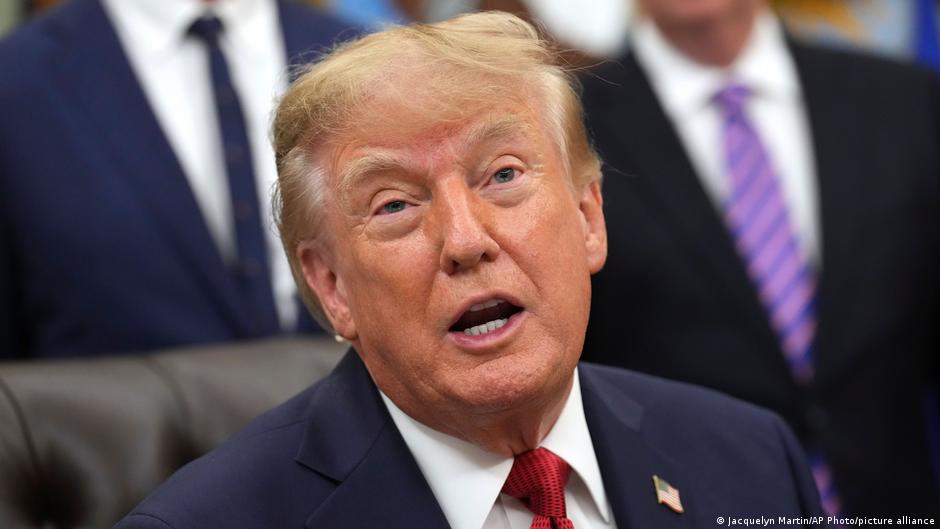
Trump postponed sweeping Russia tariffs, citing Ukraine negotiations, Iran and diesel supplies, while retaining the option to impose them later.

A reported US peace proposal to restore Russian pipeline gas to Europe could reshape energy costs, infrastructure values and investor risk calculations.

A drone attack hit an oil terminal and a VK data center near St Petersburg, disrupting power, internet access, airport operations and a major toll road.

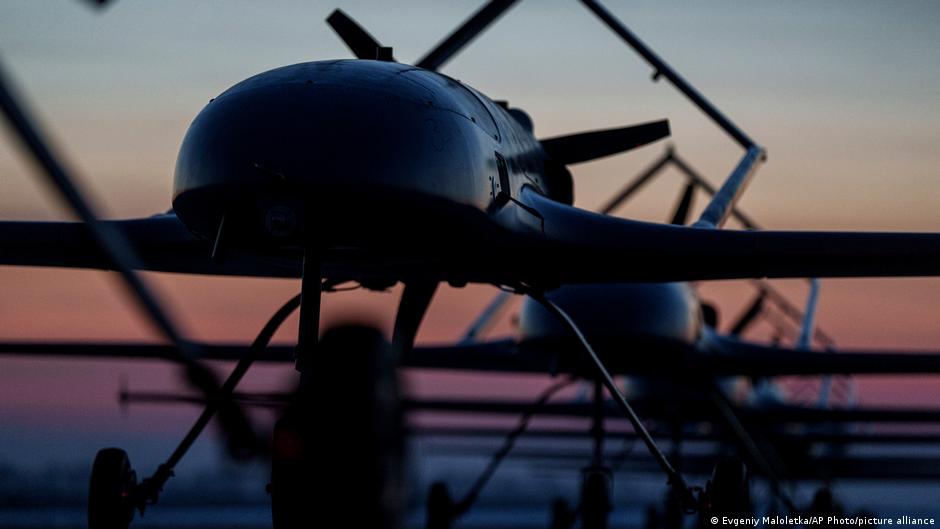
Five drone incursions into Moldova in one day add to geopolitical risks facing investors in Eastern European equities, bonds and currencies.

Power and water outages in Kyiv and Volyn renew investor concerns over Ukraine’s infrastructure resilience, fiscal pressures and sovereign-credit outlook.

A bipartisan Senate group warns Trump’s Russian diesel deal may offer little fuel-price relief while weakening sanctions pressure on Moscow.

Russian officials reported more than 100 drones destroyed near Moscow as airport restrictions disrupted flights and regional attacks caused casualties.

A U.S. strike disabled a cargo ship in the Gulf of Oman as a tanker was hit in Hormuz, adding pressure to energy prices and investor risk models.

A bipartisan House push to ban Russian oil purchases could complicate energy-market assumptions after Trump cited diesel supply talks with Putin.

Zelensky warned that a US license for Russian diesel exports could weaken sanctions pressure and extend the war as markets assess fuel supply risks.