Germany Plans Anti-Sabotage Shield as Russian Risk Moves Up Investor Agenda
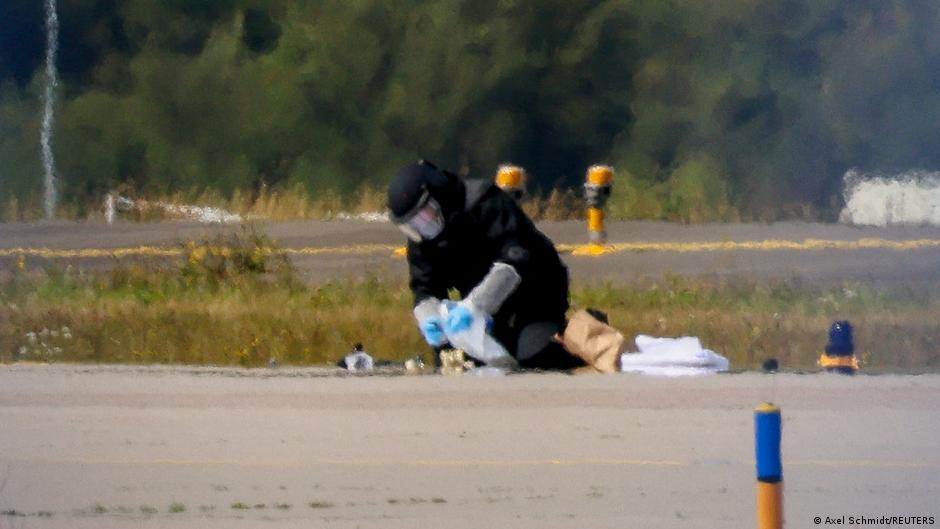
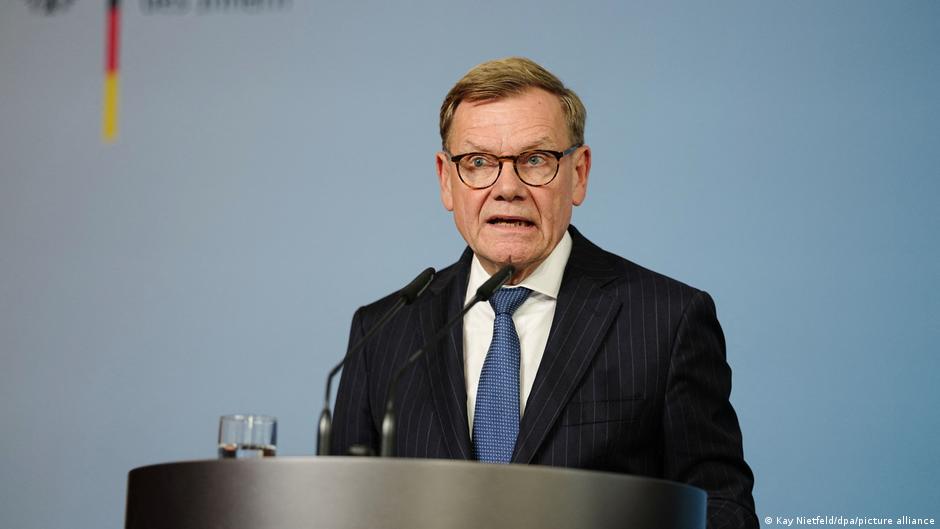
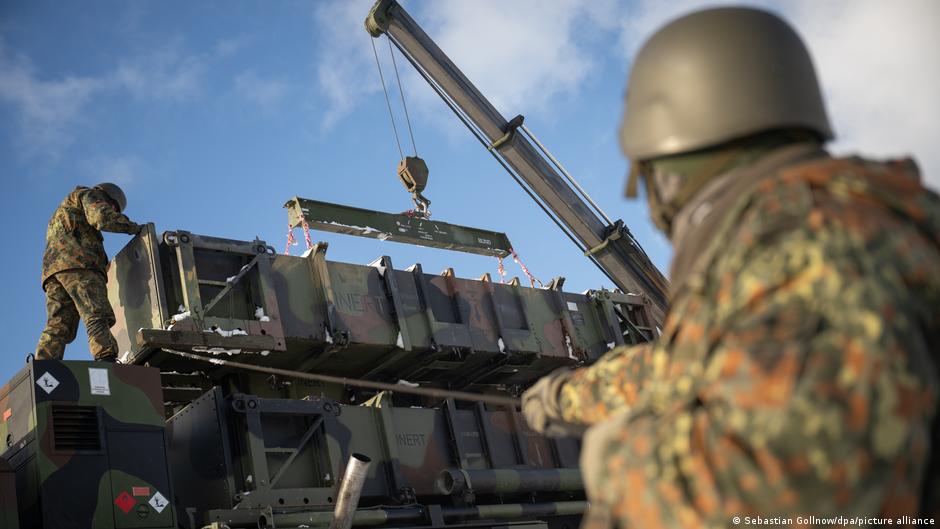
Germany plans new drone and cyber defenses after the Leipzig airport incident, raising investor focus on infrastructure, defense and security costs.

Germany plans new drone and cyber defenses after the Leipzig airport incident, raising investor focus on infrastructure, defense and security costs.

Latvia says a Leipzig sabotage suspect with a Latvian passport had lived in Russia, sharpening investor focus on sanctions, logistics and EU security risk.
Germany’s new moves against Russia sharpen geopolitical risk for European markets and keep sanctions-sensitive sectors in focus for investors.

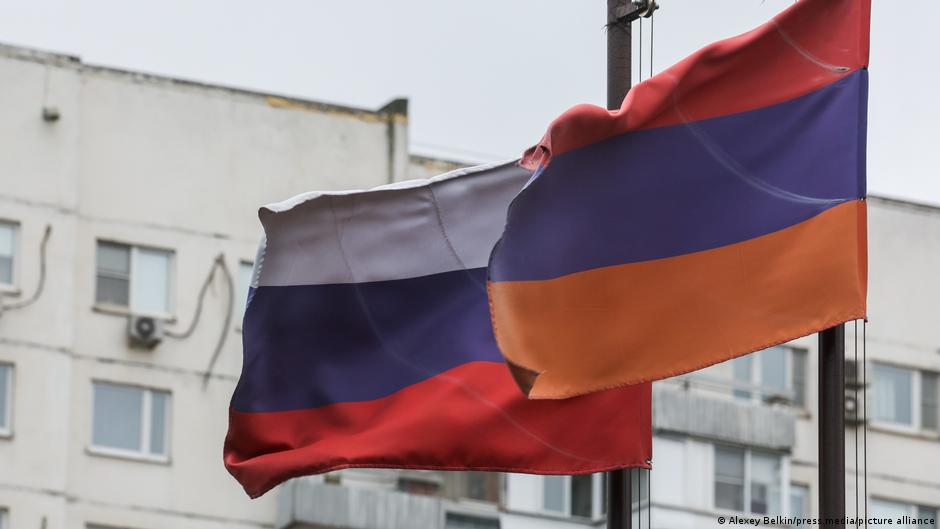
Putin said Armenia's EU accession move would effectively mean leaving the EAEU, adding political and trade uncertainty for investors watching the region.

Foreign investment into Germany rose 50% to 86 billion euros in 2025, with UK inflows surging and the US share dropping sharply.

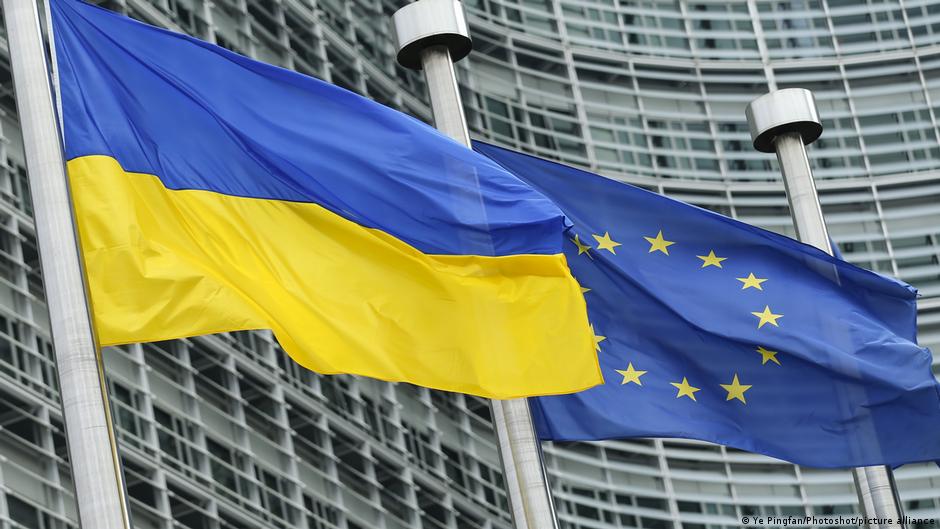
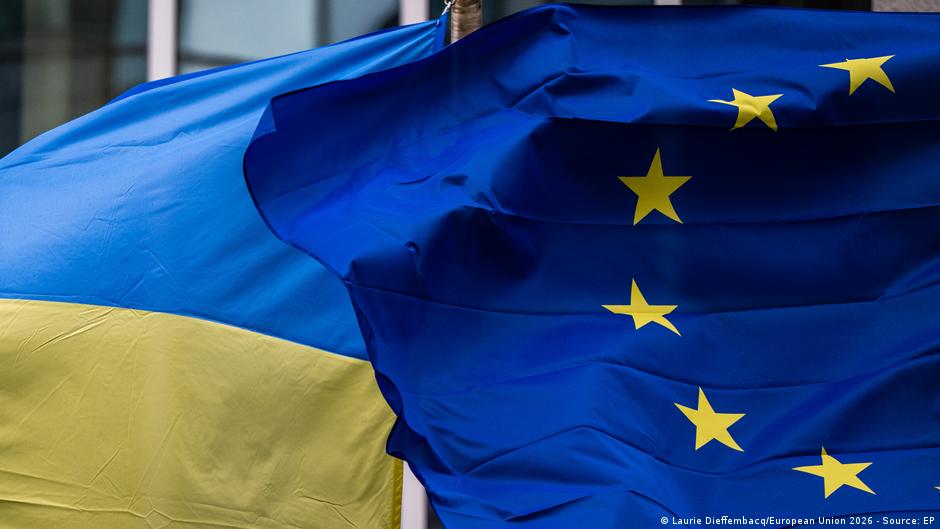
The EU pledges ongoing support for Ukraine and continued sanctions on Russia, affecting market dynamics and investor confidence amid geopolitical tensions.

Hundreds of Ukrainian soldiers have deserted training programs in Germany since 2022, prompting investor concerns over defense sector stability and market risks.

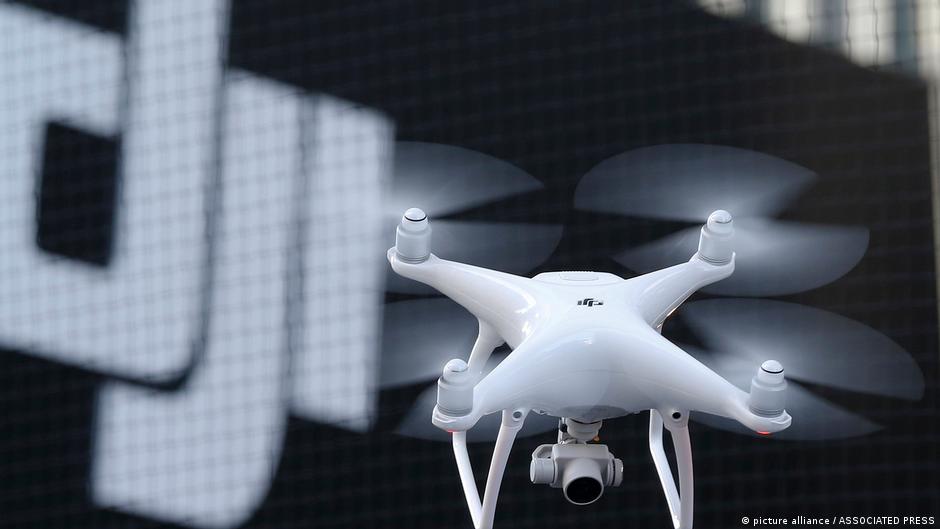
US tariffs up to 100% on drone imports introduce risks and opportunities for investors in defense and technology sectors amid supply chain realignments.

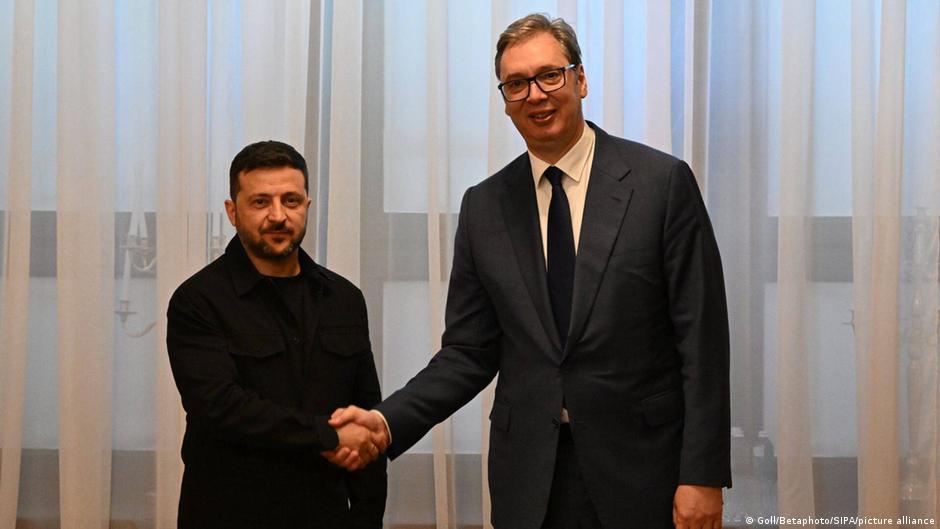
Zelensky’s first visit to Serbia since the war’s start prompts investor focus on Serbia’s Russian ties and potential shifts in economic and security alliances.

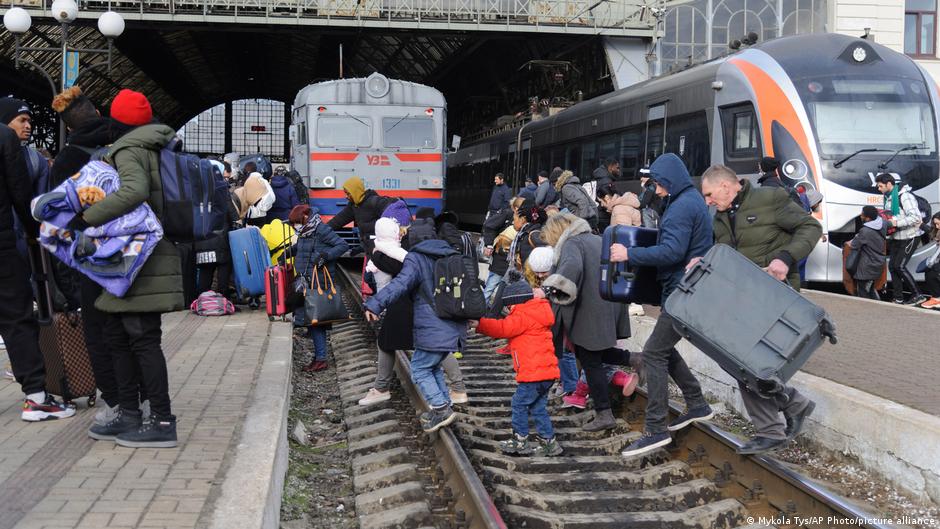
Over 8.4 million Ukrainians live abroad amid ongoing conflict, affecting demographic trends and investor confidence in Ukraine’s capital markets.

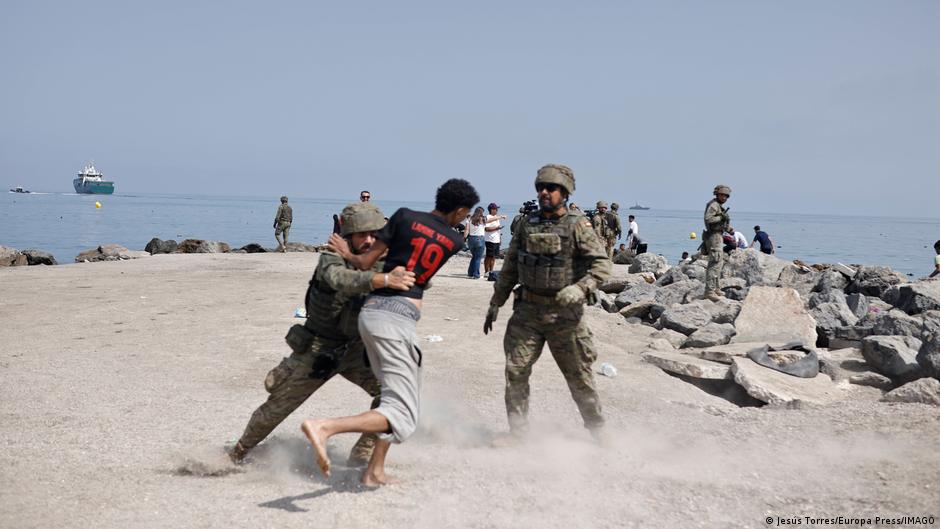
Spain's migrant surge into Ceuta raises political tensions and market concerns, impacting equities, bonds, and EU border policies affecting investor confidence.

Russian-linked disinformation targets German regional elections, raising political uncertainty and potential risks for investors in equities and bonds amid increased market volatility.

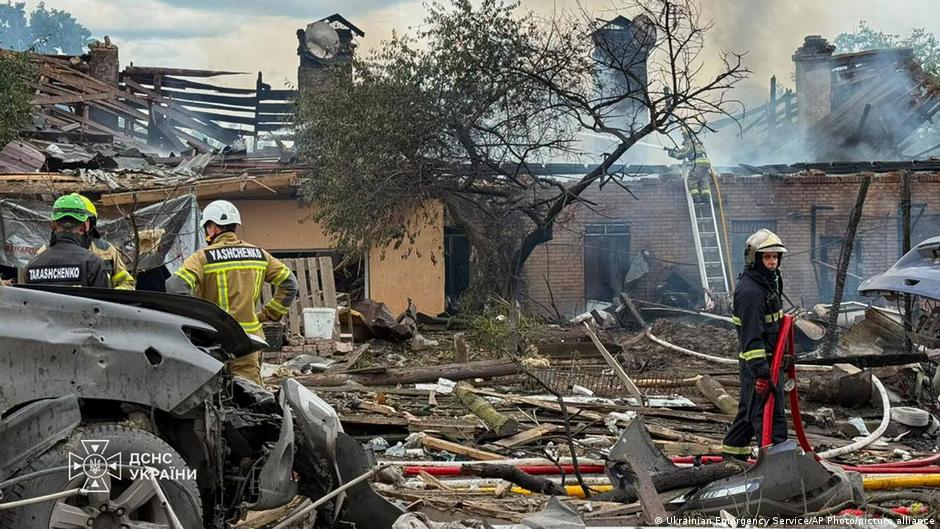
The EU summons Russia's envoy after missile strikes near Kyiv, signaling expanded sanctions that may affect defense sector equities and bond markets amid rising geopolitical risks.
Montenegro will require visas for Russian and Belarusian citizens from November 2026, affecting travel and investment flows amid the country's EU accession process.

Russia’s July oil and gas revenues may rise 60% year-on-year due to higher global prices, partially offsetting earlier declines and influencing market sentiment amid sanctions.

The IMF has approved a €604 million tranche for Ukraine under its EFF program, supporting economic stability amid war and reform delays, impacting capital markets and investor confidence.
Former Spanish PM Mariano Rajoy's controversial remarks about the French football team spark political backlash, raising concerns about potential impacts on European markets and investor confidence.

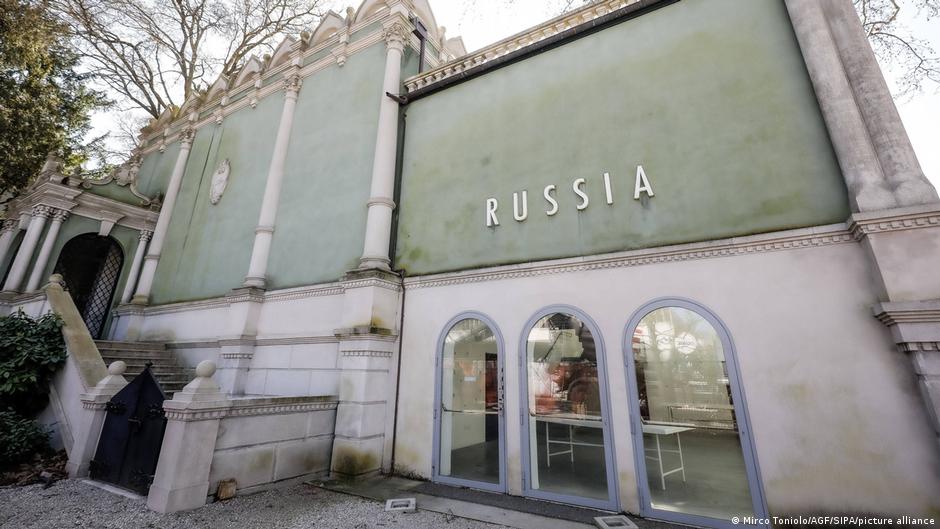
The EU recommends withholding €2 million funding from the Venice Biennale due to Russia's participation, highlighting political risks affecting cultural financing and market stability.

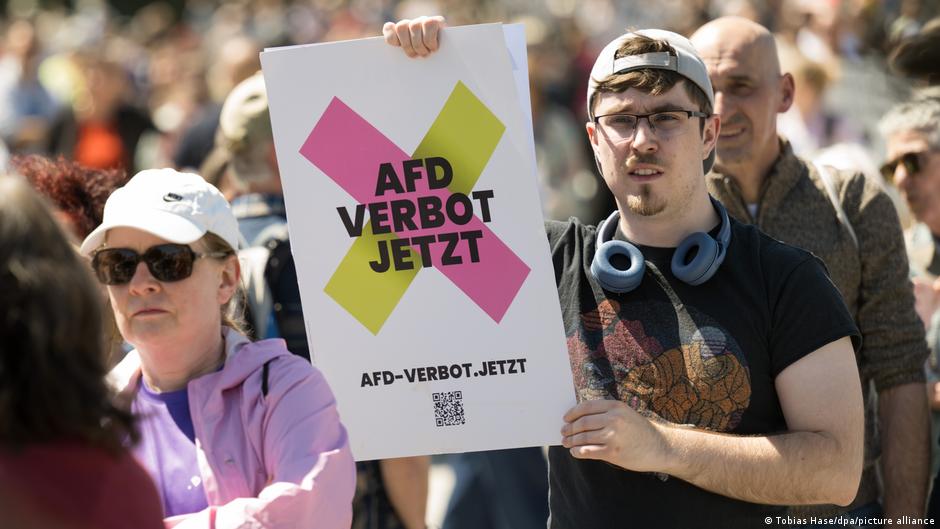
Far-right AfD leads German polls over CDU/CSU amid divided public opinion on banning the party, triggering investor caution and increased market volatility.

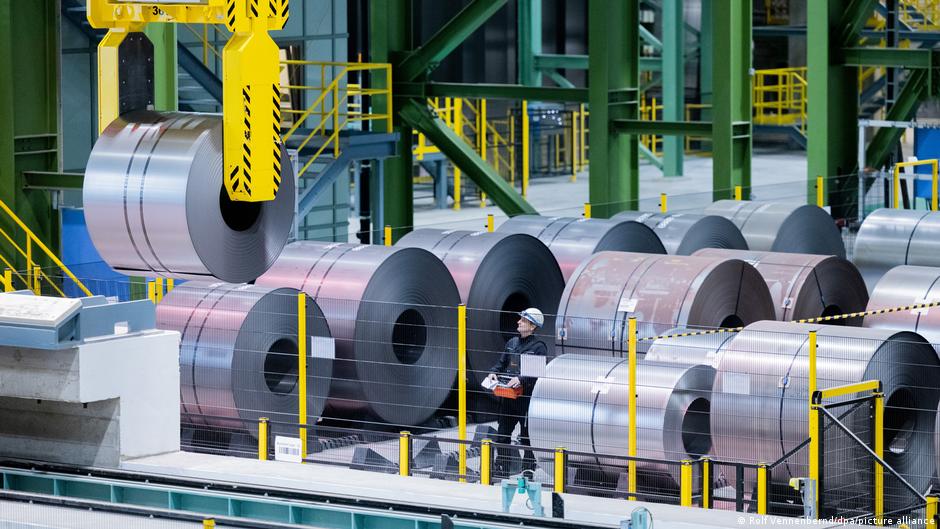
The EU cuts duty-free steel import quotas by 47% and doubles tariffs on excess imports, affecting steel equities and market dynamics.

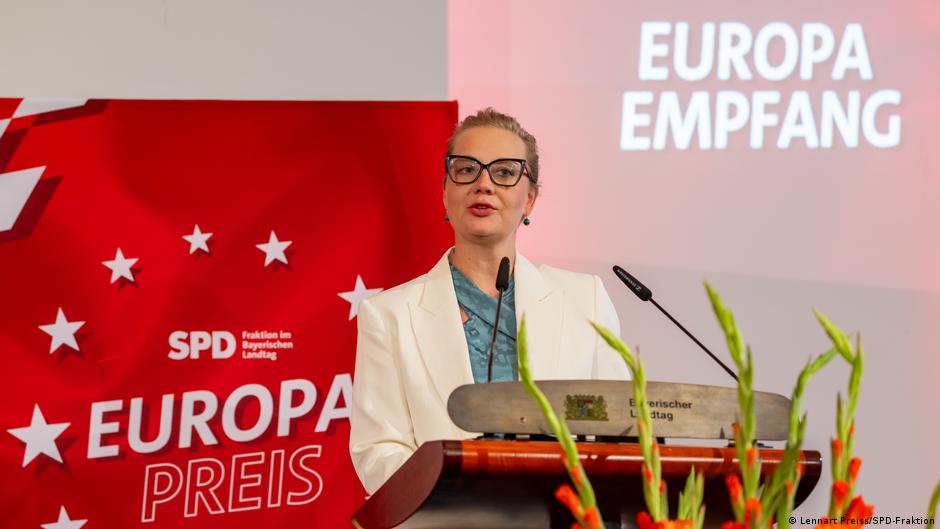
The Bavarian SPD awarded Yulia Navalnaya for her resistance to Russia’s authoritarian regime, highlighting ongoing geopolitical risks influencing European markets and investor strategies.

Polish opposition leader Jarosław Kaczyński urges blocking Ukraine’s EU accession talks, highlighting increased political tensions and potential impacts on regional markets and investors.

Italy and France express concerns over the EU's proposed entry ban on Russian combatants, fearing it could affect all Russian travelers and impact capital markets and investor confidence.

Belgium issued one-day visas to five Taliban representatives for an EU meeting on Afghan deportations, a move impacting European migration policy and investor sentiment.

Germany urges that future EU-Turkey gas agreements exclude Russian supplies, signaling shifts in energy markets and investor strategies amid Europe's transition away from Russian energy.

Italy’s Foreign Minister Antonio Tajani canceled his U.S. visit after Trump’s disparaging remarks about PM Meloni, raising concerns about diplomatic tensions and market impacts.

Bulgaria plans to veto the EU's latest sanctions on Russia, citing economic risks to its energy sector, notably Lukoil, raising concerns for investors in regional markets.

The EU has extended sanctions on Russia for one year, impacting equities, bonds, and energy markets as investors adjust to sustained geopolitical risks.

The EU's discreet contacts with the Kremlin may signal a shift in the Ukraine conflict, influencing risks and investor sentiment across European equities and bond markets.

The EU has initiated detailed negotiations with Ukraine and Moldova on accession, signaling progress that is likely to influence market confidence and investment prospects.

Hungary’s parliament passed a constitutional amendment limiting prime ministerial terms, barring Viktor Orban’s return and influencing market stability and investor confidence.

Poland, Lithuania, and France conduct joint military exercises near the Suwalki Corridor, reinforcing NATO’s strategic posture amid rising tensions with Russia and impacting market dynamics.

Kosovo’s Vetëvendosje party wins 43% in snap elections but must form a coalition, with implications for political stability and investor sentiment in capital markets.

Armenia’s parliamentary elections affirm Prime Minister Pashinyan’s leadership, signaling policy continuity amid geopolitical tensions impacting investor confidence and markets.

Finland confiscated €3.7M in Russian assets following Naftogaz arbitration claims, signaling increased enforcement risks for investors in Russian-related securities.

Rheinmetall signs a €5.7 billion contract with Romania, financed by the EU's SAFE fund, marking a major boost for European defense markets and investor opportunities.

EU plans to restrict Microsoft and Google from government cloud tenders in strategic sectors, potentially impacting their market dominance and investor outlook.

Putin threatens higher tariffs on Armenia amid its EU rapprochement, raising concerns about trade disruptions and market risks in Armenian equities and bonds.

The EU postpones naming a negotiator with Russia, focusing instead on new sanctions targeting financial and defense sectors amid ongoing Ukraine conflict.

Russia warns Armenia it may halt duty-free gas and oil supplies amid Armenia’s EU rapprochement, raising risks for Armenian market stability and investor confidence.

European leaders and Ukraine's president convened to discuss restarting peace talks, a move that may influence capital markets by affecting regional risk and investor confidence.

Hungary reinstates a ban on Ukrainian agricultural imports, affecting regional trade and agricultural markets, while reversing its exit from the International Criminal Court.

The EU-Mexico trade agreement removes tariffs and trade barriers, potentially boosting exports and investment flows, impacting equities and bonds in both regions.

Western condemnation of Israel's treatment of detained activists has sparked diplomatic tensions, raising concerns about market volatility and investor risk in the region.

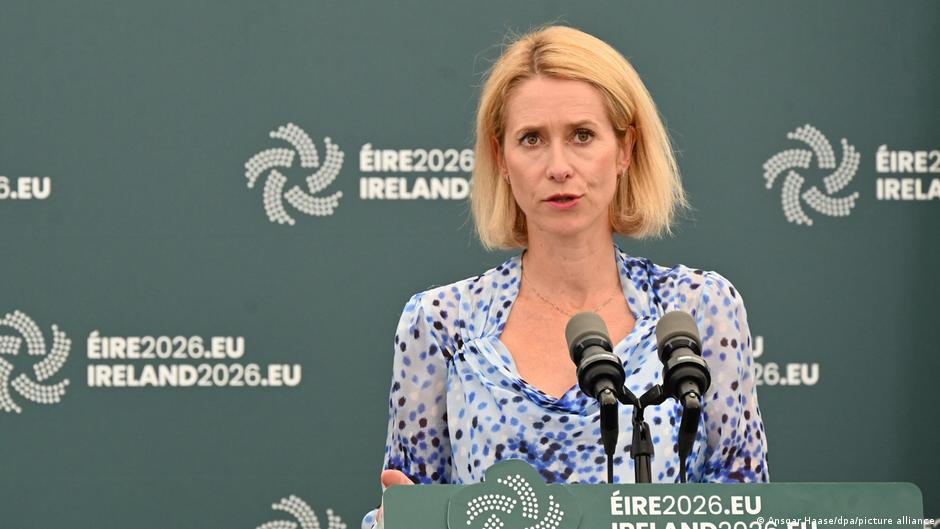
EU foreign policy chief Kaja Kallas warns that Russia, China, and the US are employing divide-and-conquer strategies to weaken the European Union, raising concerns for market stability.

Germany considers President Steinmeier to represent the EU in peace talks with Russia, while markets remain cautious amid uncertainty over Russia’s true intentions.

Poland’s former justice minister fled Hungary for the US amid corruption probes, heightening political risk concerns for Central European markets and investors.

Putin's preference for former German Chancellor Schroeder as EU negotiator in Ukraine conflict may influence European markets amid ongoing geopolitical tensions.

Poland signs a €44 billion EU loan agreement under the SAFE defense program, impacting equity and bond markets as the country accelerates military modernization and expands sovereign borrowing.

EU leaders prepare for possible talks with Russia, a development causing market volatility and influencing investor risk assessments amid ongoing geopolitical tensions.