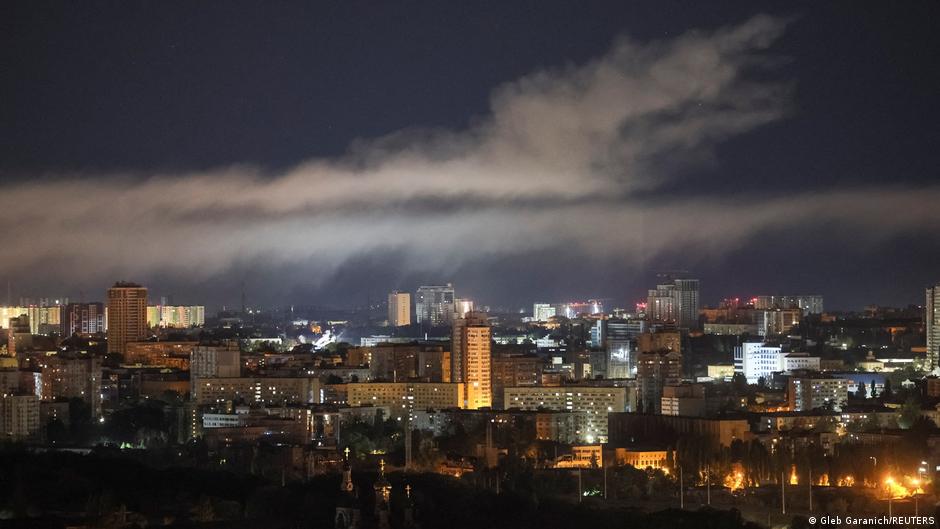
Kyiv Missile Strike Deepens Infrastructure Risks for Ukraine Investors
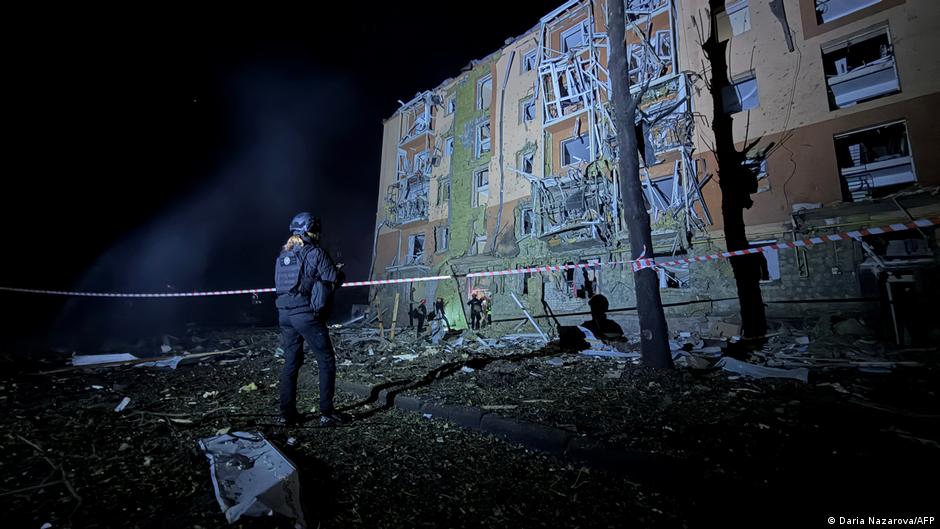
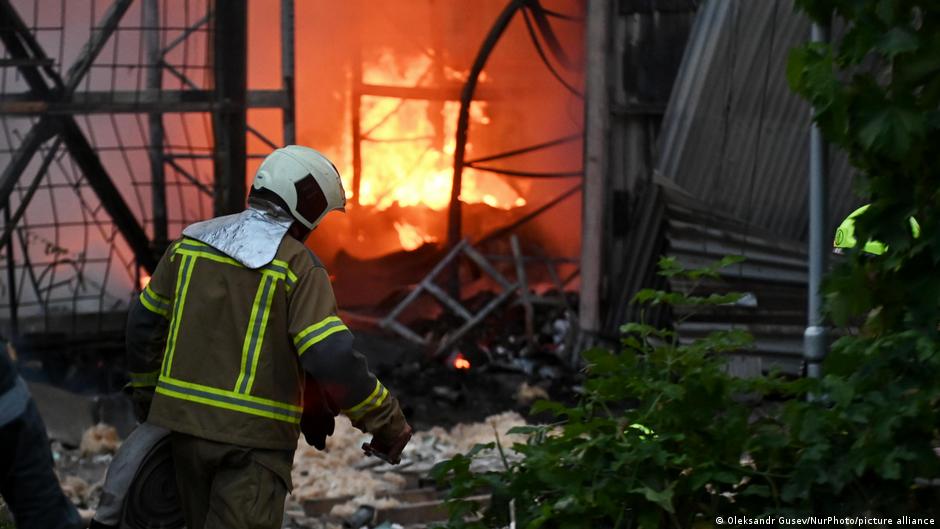
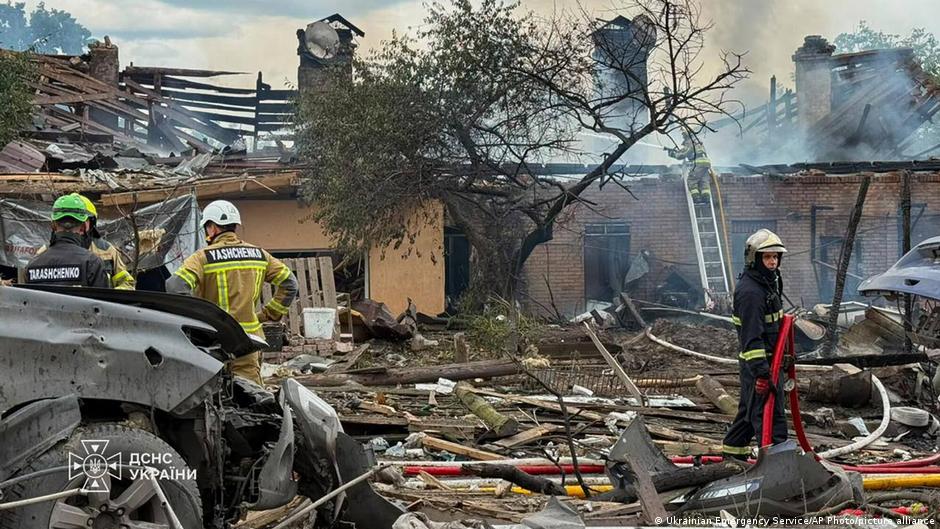
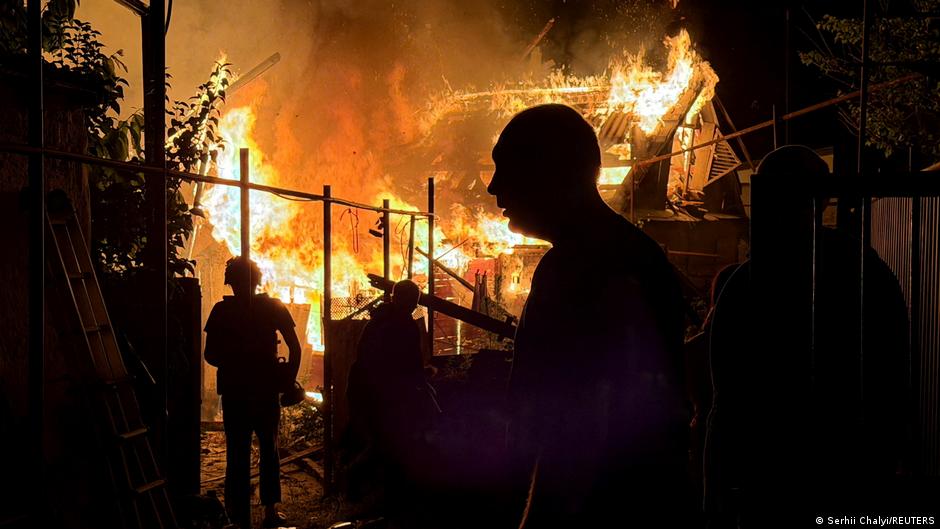
A ballistic missile strike injured six people and damaged infrastructure in Kyiv, reinforcing security, credit and reconstruction risks for investors.
A ballistic missile strike injured six people and damaged infrastructure in Kyiv, reinforcing security, credit and reconstruction risks for investors.

Russian strikes killed two people, disrupted electricity supplies and halted work at a German-owned automotive wiring plant in Ukraine.

Power and water outages in Kyiv and Volyn renew investor concerns over Ukraine’s infrastructure resilience, fiscal pressures and sovereign-credit outlook.

Reported U.S. pressure on Kyiv over refinery strikes adds uncertainty for oil, defense stocks and European bond markets.

Ukraine will meet Trump envoys over a new war-ending plan as investors watch sanctions risk, defense exposure and geopolitical pressure.

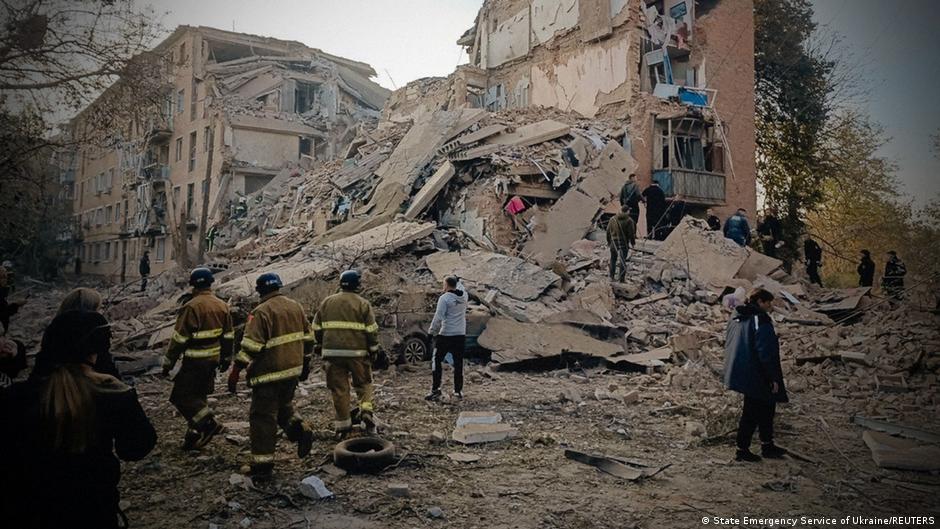
A Russian missile and drone attack killed 28 people in Ukraine, raising investor focus on sanctions, energy risk and European market sentiment.

A reported fire at a Ryazan plant housing a Yandex data center highlights cloud resilience, sanctions exposure and infrastructure risk for investors.

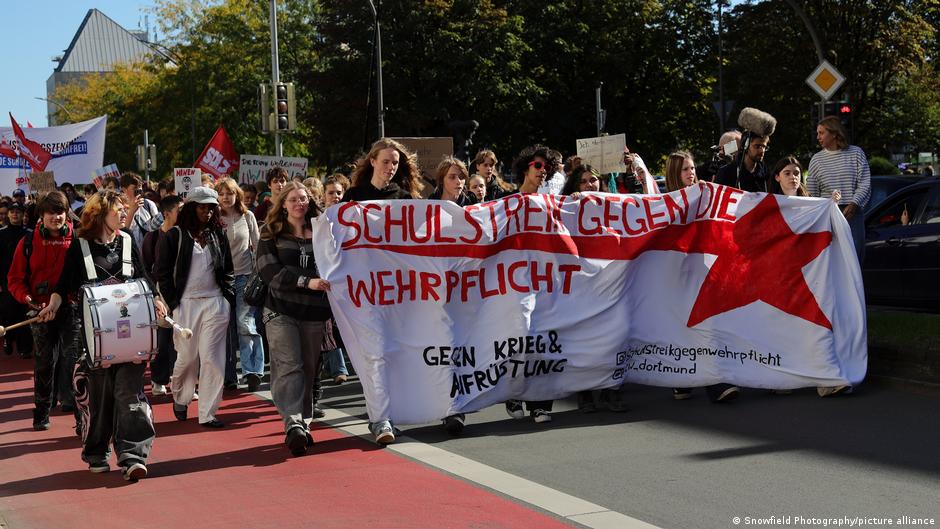
Germany’s surge in military-service refusal filings adds a new labor and political risk marker for investors tracking defense spending.

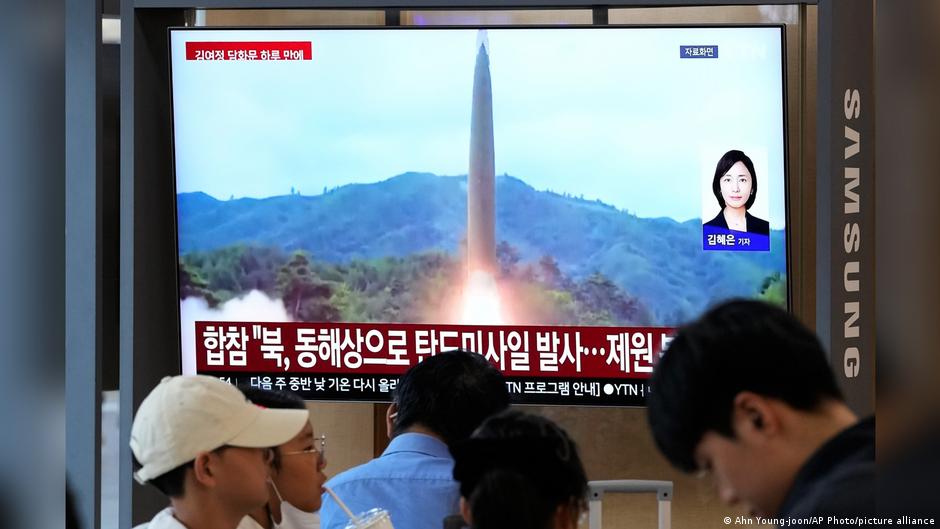
North Korea’s missile launch adds geopolitical risk for investors watching South Korean equities, bonds and regional currencies.

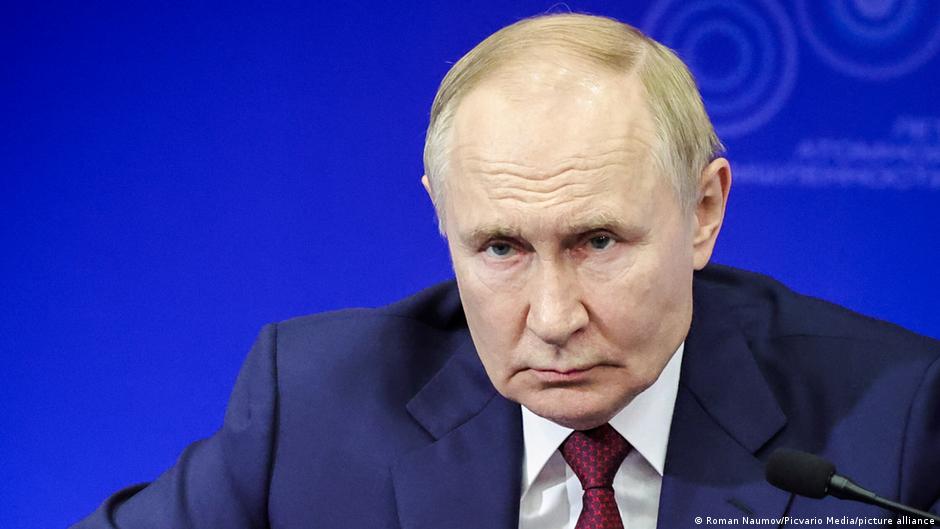
Putin’s Valdai speech renewed nuclear warnings and war claims, keeping geopolitical risk in focus for investors in European equities, bonds and defense assets.

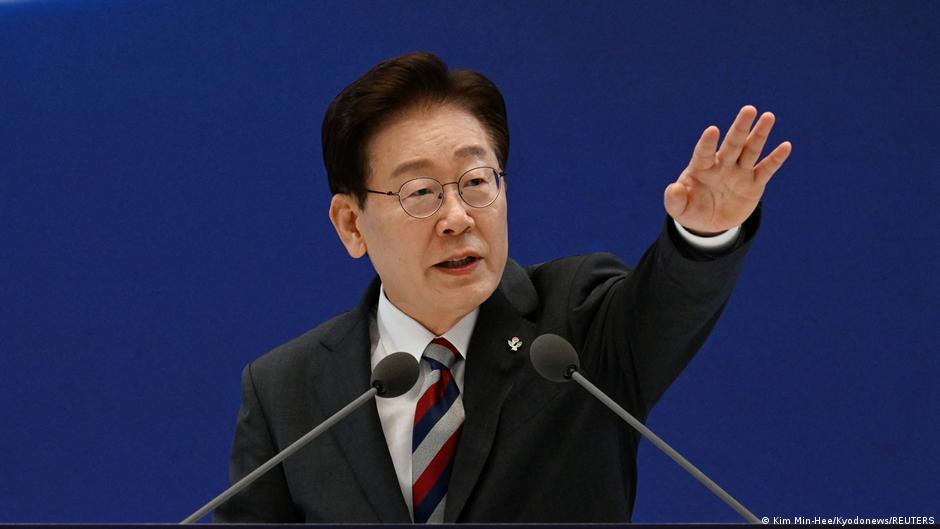
Seoul’s warning to Kyiv adds a new geopolitical risk factor for investors watching Korean assets, defense stocks and Ukraine-war exposure.

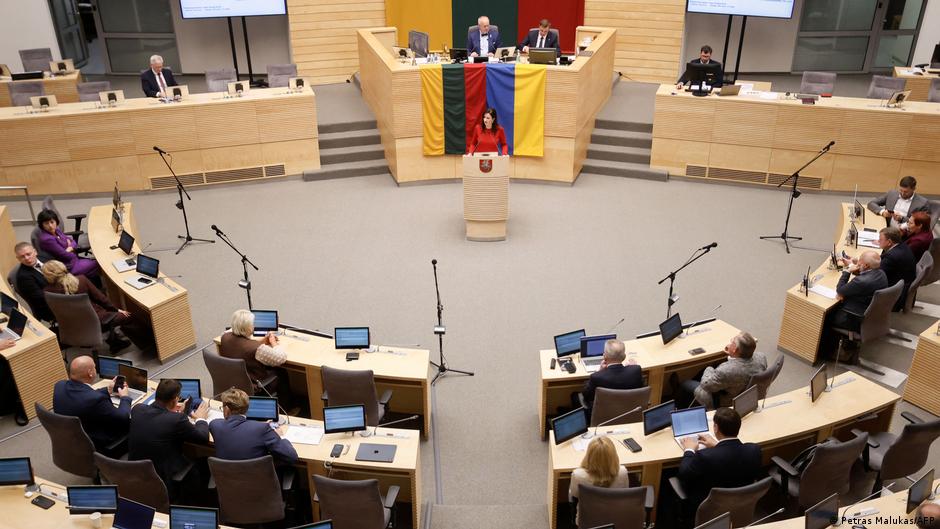
Lithuania’s proposed property curbs near strategic sites add to Baltic security measures that investors are weighing across real estate, banks and debt.

German and Austrian raids over alleged Russia-bound vehicle exports underscore sanctions and compliance risks for auto-linked investors.

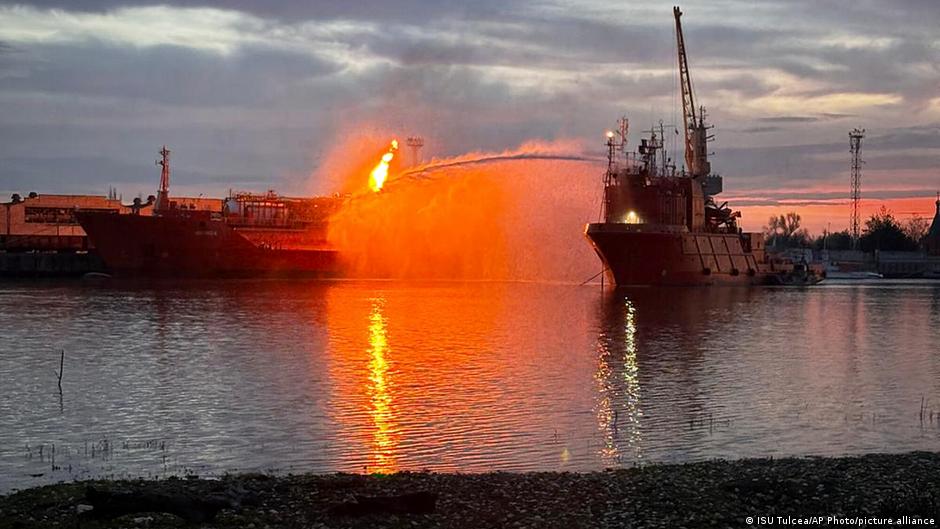
Russian drone strikes hit Kyiv fuel stations, warehouses and Odesa port infrastructure, raising fresh concerns for investors watching regional risk.

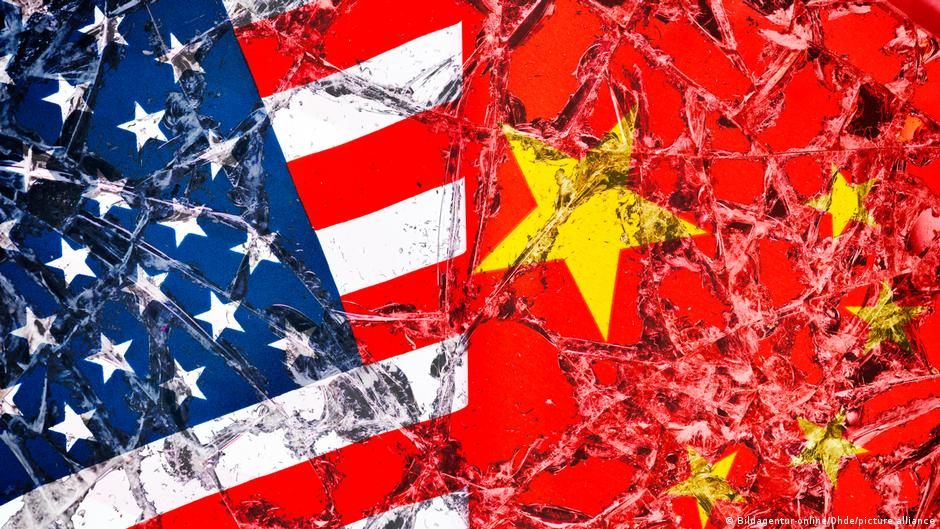
China’s warning after a U.S. orbital weapons disclosure puts defense, satellite and sovereign risk themes back in focus for investors.

Volkswagen approved a sweeping 2030 restructuring plan with 50,000 job cuts, heavy investment and a drive to lift profit and capital efficiency.

ICAO urged stronger conflict-zone safeguards after Ukraine warned that Russia’s airspace is becoming unsafe, sharpening aviation risk for investors.

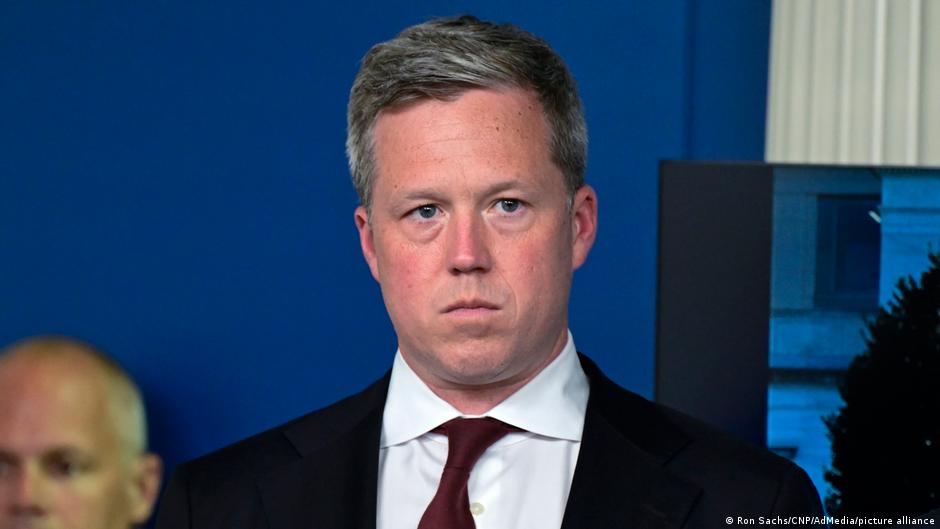
Daniel Driscoll’s resignation after a clash with Pete Hegseth adds uncertainty for defense investors watching Pentagon leadership and procurement policy.

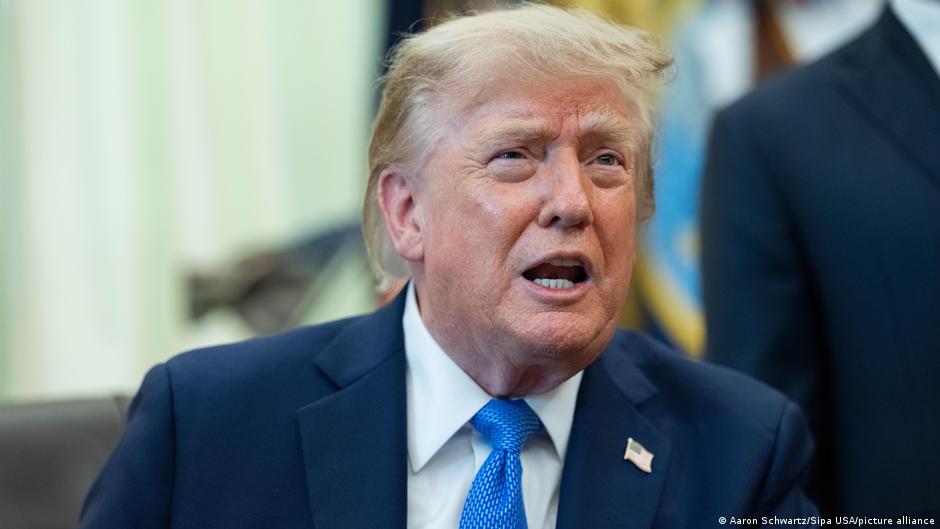
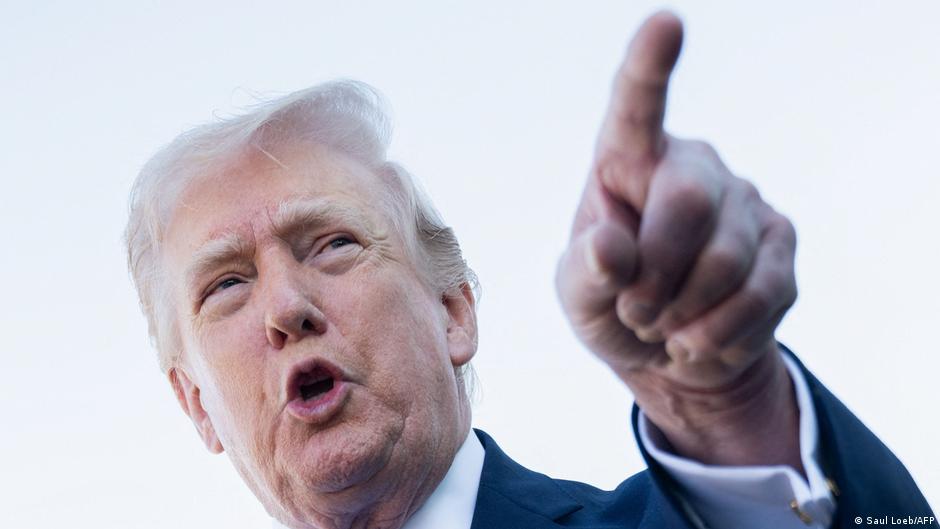
Trump alleges Biden depleted US missile stockpiles through Ukraine aid, sparking investor concerns over defense sector equities and military spending bonds.

NATO's potential deployment of tactical nuclear weapons in Finland, Poland, and Lithuania signals heightened geopolitical risk, impacting European equities, bonds, and investor sentiment.

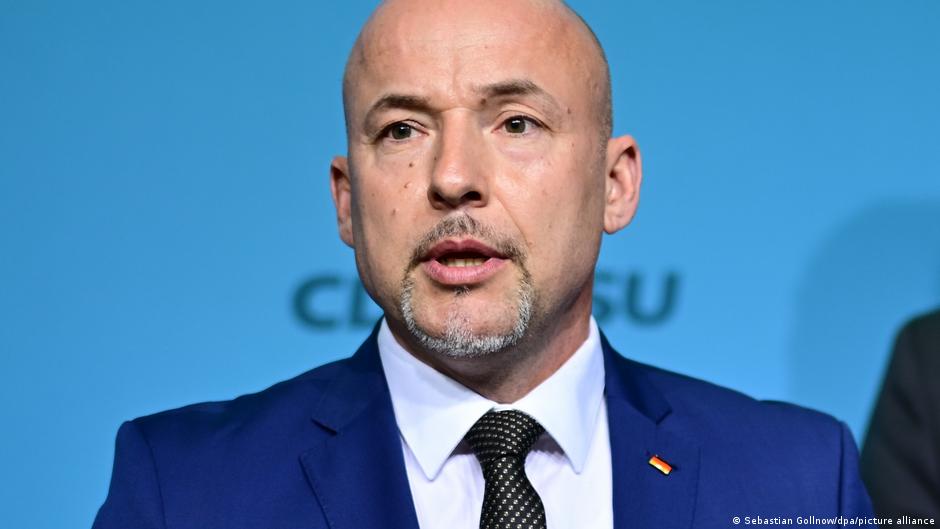
German CSU leader urges Ukraine to share advanced drone technologies with Germany, highlighting potential impacts on defense equities and military production markets.

The EU summons Russia's envoy after missile strikes near Kyiv, signaling expanded sanctions that may affect defense sector equities and bond markets amid rising geopolitical risks.

US military deaths in the Iran conflict have increased to 17, prompting heightened market volatility and impacting energy, defense equities, and bond markets amid rising geopolitical risks.

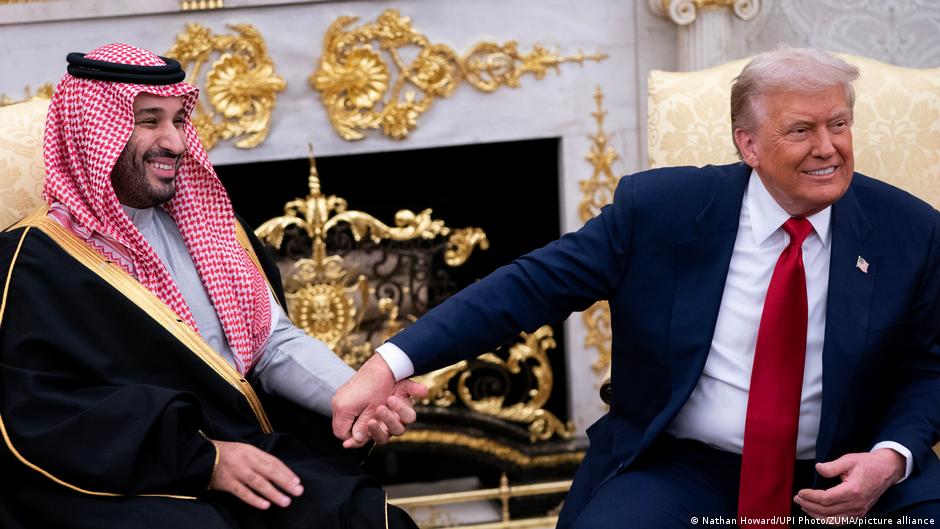
US plans to permit Saudi uranium enrichment without strict safeguards raise geopolitical risks, impacting equities and bonds in Middle Eastern markets.

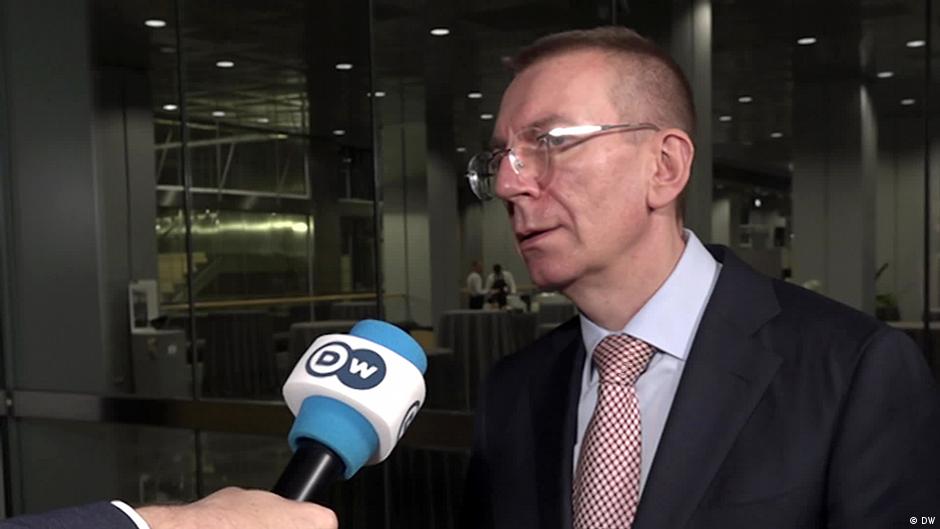
Latvian President warns NATO to prepare for Russia escalation, highlighting defense spending gaps and potential impacts on defense equities and investor strategies.

Finland has lifted its ban on nuclear weapons transit, aligning more closely with NATO and impacting regional security and market risk assessments for investors.

Russian missile strikes on Zaporizhzhia and Kharkiv cause civilian injuries and infrastructure damage, escalating risks for Ukrainian capital markets and investors.

The US has lifted its blockade of the Strait of Hormuz, reopening vital oil transit routes and initiating negotiations with Iran, impacting global energy markets and investor confidence.

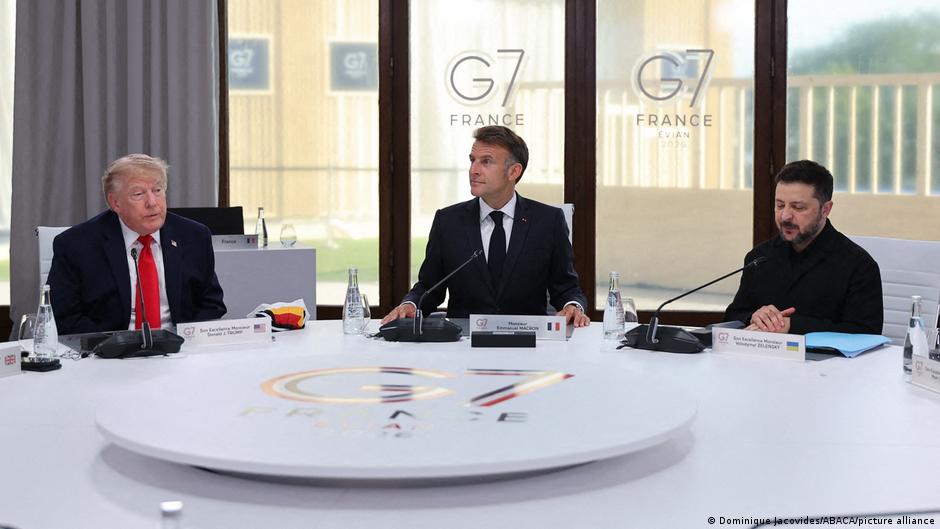
G7 leaders commit to new sanctions on Russian oil and gas sectors and increase military aid to Ukraine, impacting energy and defense markets worldwide.

European leaders welcome the US-Iran peace deal, emphasizing regional stability, nuclear non-proliferation, and potential easing of market risks, particularly in energy sectors.

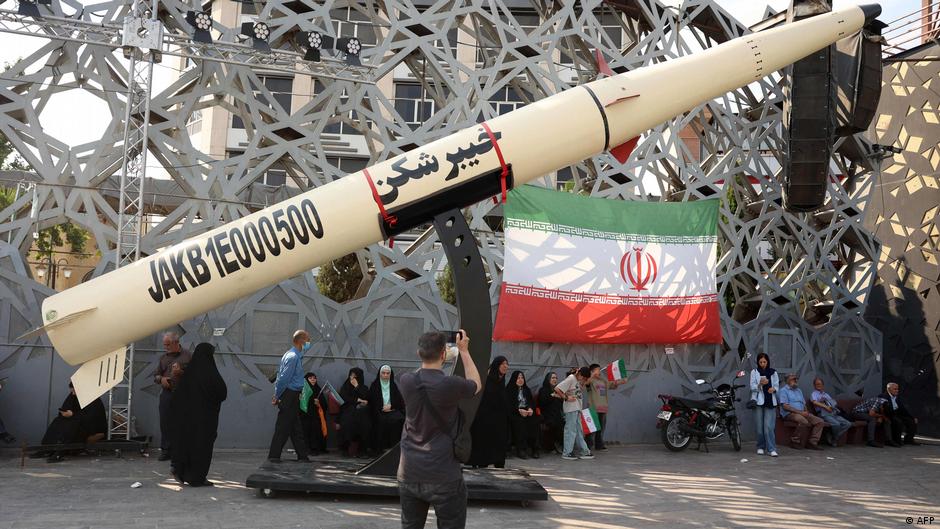
Iran has replenished about 75% of its missile arsenal, likely aided by new Russian missile deliveries, fueling geopolitical risks that affect defense equities and energy markets.

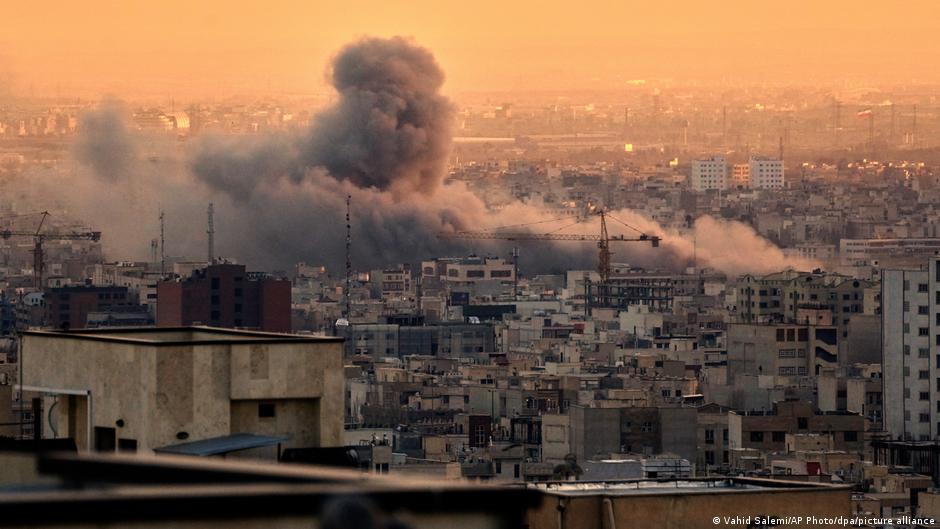
Israeli and Iranian military exchanges intensify amid US-led peace talks, causing volatility across equities and bonds as investors assess geopolitical risks.

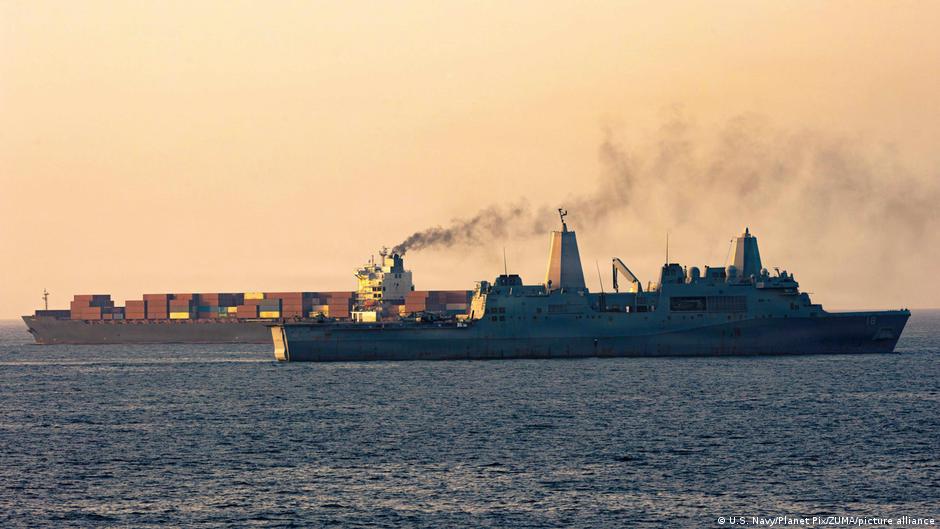
US forces disabled a Gambian-flagged vessel headed to Iran amid Strait of Hormuz blockade, raising regional tensions and impacting energy markets and investor sentiment.

President Trump demands Iran respect U.S. 'red lines' on nuclear weapons, affecting market sentiment and investor strategies amid ongoing diplomatic talks.

Russia's military cooperation agreement with the Taliban raises geopolitical risks, potentially impacting Russian defense equities, sovereign bonds, and investor confidence amid sanctions.

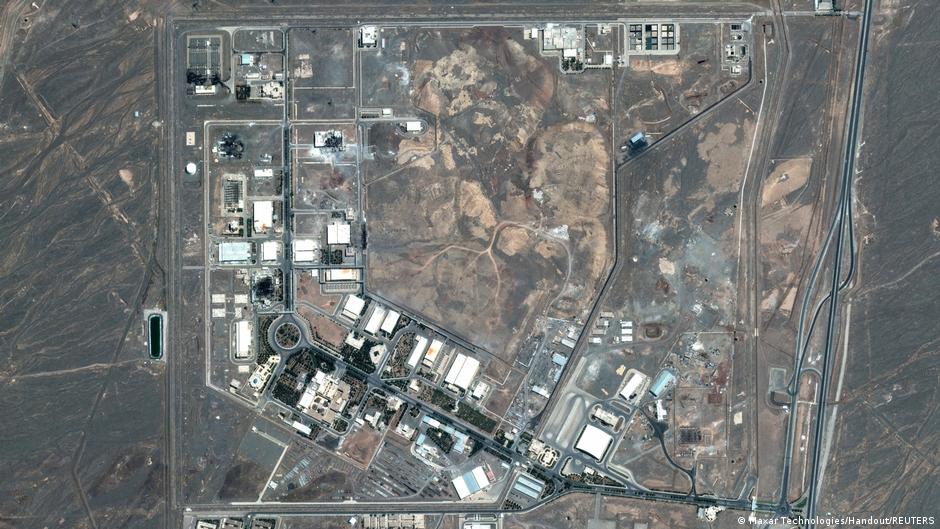
Trump states Iran's enriched uranium will be destroyed either in the US or under IAEA oversight, increasing geopolitical tensions with potential impacts on global capital markets.

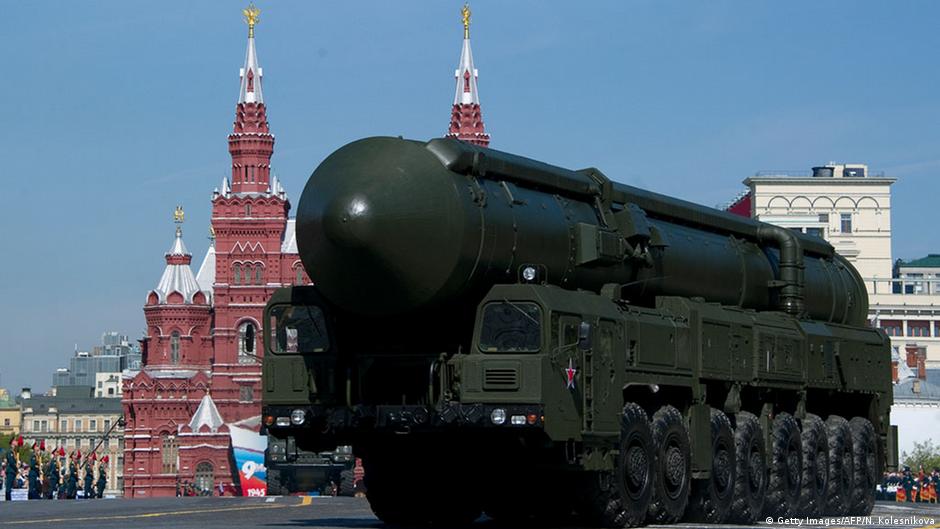
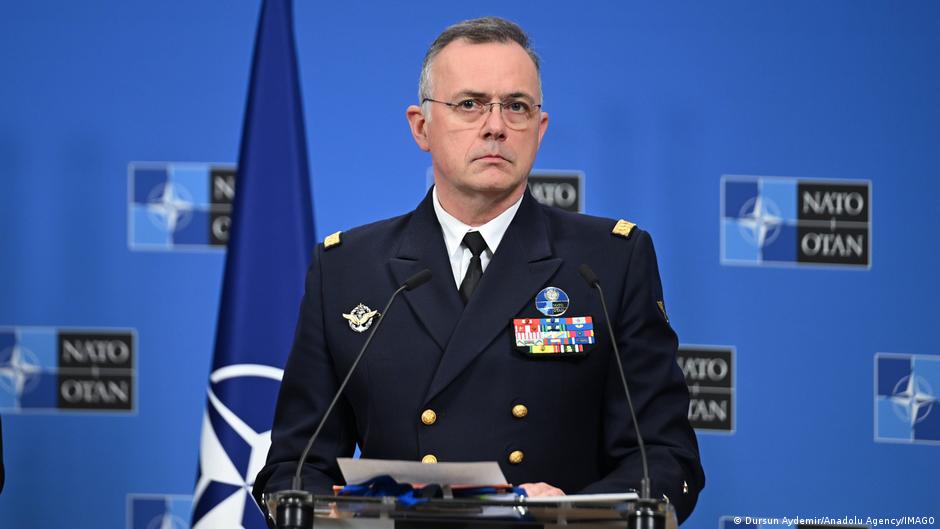
NATO detects possible Russian nuclear-capable seabed missiles, raising geopolitical risks that could impact defense equities and global capital markets.

NATO confirms ongoing delivery of US air defense missiles to Ukraine, providing stability to defense markets amid geopolitical tensions impacting equities and bonds.

US President Trump delays planned Iran strike after Gulf leaders intervene, triggering cautious market reactions amid ongoing high-stakes negotiations.

Russian missile and drone attacks damaged Ukrainian energy and port infrastructure, raising investor concerns about supply chain risks and regional market stability.

China's renewed interest in U.S. oil and soybeans after talks with Trump may shift commodity markets and impact investor strategies amid evolving trade and geopolitical dynamics.

Ukraine has imposed sanctions on 32 Russian companies and 34 individuals linked to the defense industry, extending existing measures and signaling increased capital market risks.

US-Iran talks nearing resolution boost investor confidence, positively impacting equities and bonds amid hopes for eased geopolitical tensions.

Germany accelerates its own long-range missile development to counter Russian threats after the US declines to deploy Tomahawk missiles, impacting defense sector markets.

US delays arms shipments to European allies amid Iran conflict strain defense supply chains, impacting equities and bonds in the defense sector.

Germany continued arms exports to Israel during the recent Middle East conflict, impacting defense equities and investor sentiment amid partial embargo periods.

The Trump administration wants GM, Ford and other manufacturers to help produce weapons, echoing WWII-era industrial mobilization.