US-Iran Tensions Escalate as Trump Threatens Oman Amid Strait of Hormuz Negotiations
Trump threatens Oman with bombing over obstructing US-Iran talks on Strait of Hormuz, escalating geopolitical risks that impact oil markets and investor sentiment.

Trump threatens Oman with bombing over obstructing US-Iran talks on Strait of Hormuz, escalating geopolitical risks that impact oil markets and investor sentiment.

President Trump’s move to declare the Strait of Hormuz US territory signals indefinite military deployment, escalating geopolitical risks and impacting global oil markets and investments.

US tariffs up to 100% on drone imports introduce risks and opportunities for investors in defense and technology sectors amid supply chain realignments.
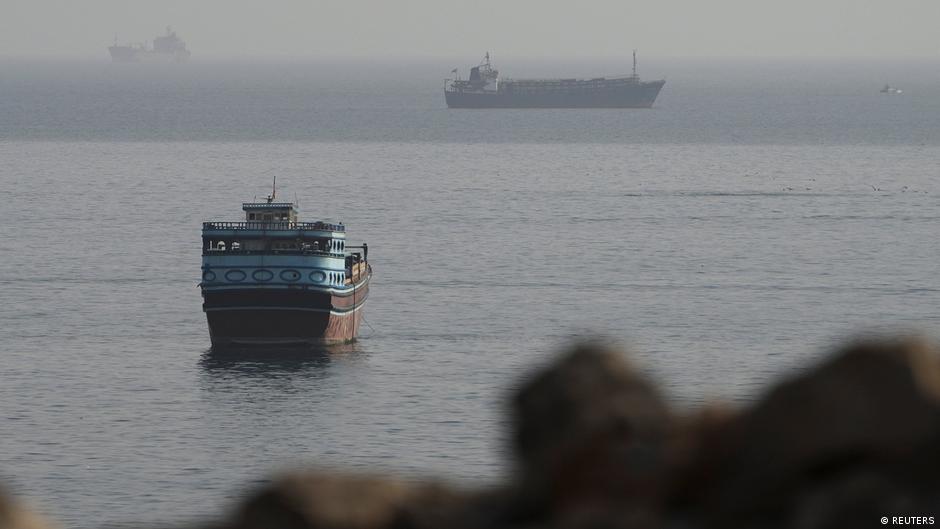
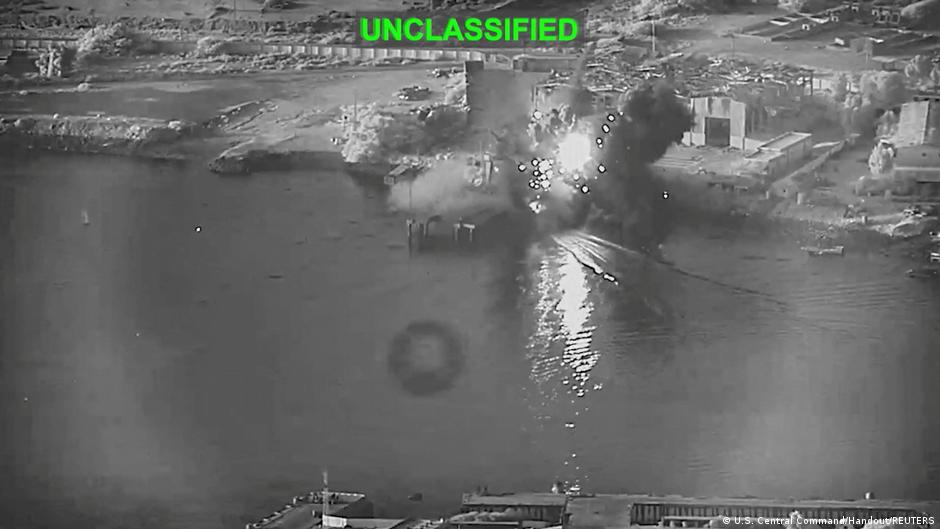
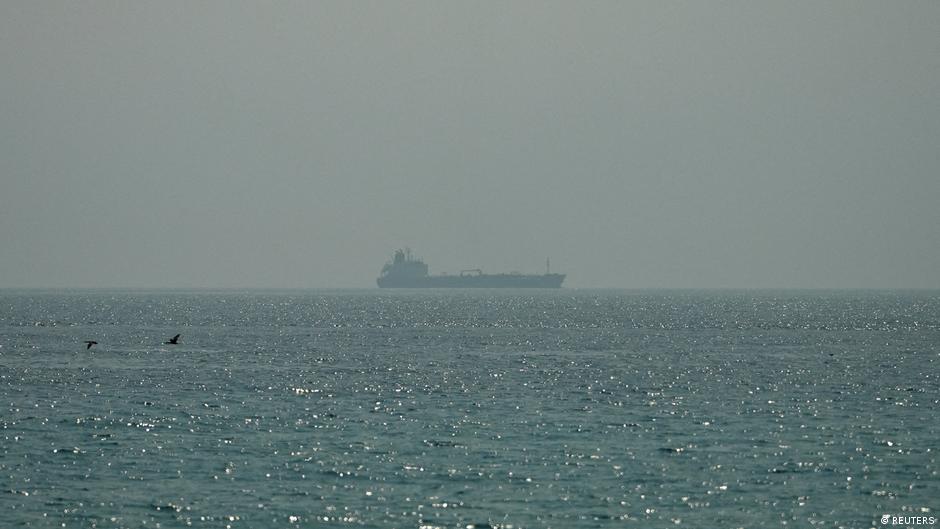
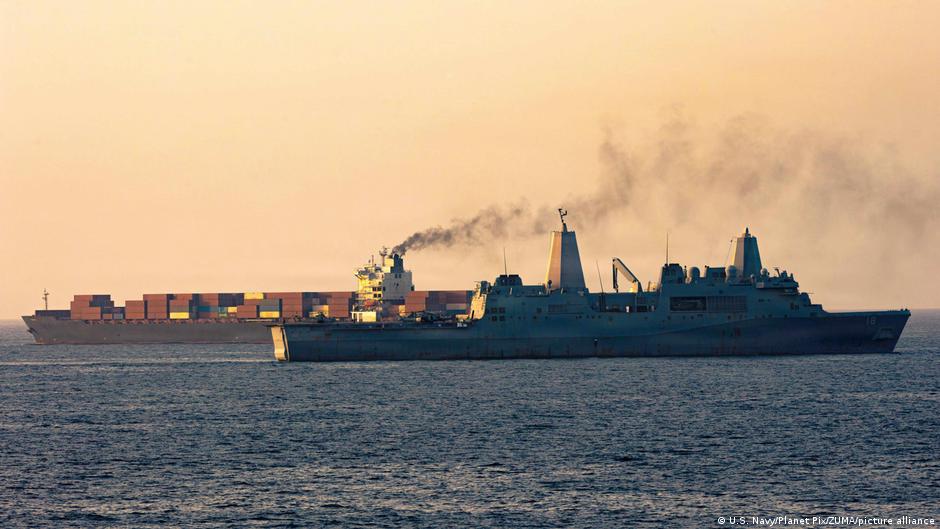
US military disabled a cargo ship attempting to breach Iran blockade in Strait of Hormuz, escalating maritime tensions and injecting volatility into energy markets and global shipping.

Trump alleges Biden depleted US missile stockpiles through Ukraine aid, sparking investor concerns over defense sector equities and military spending bonds.

President Trump announces renewed US-Iran talks starting August 3 after delaying military strikes, impacting equity, bond, and commodity markets amid geopolitical uncertainties.

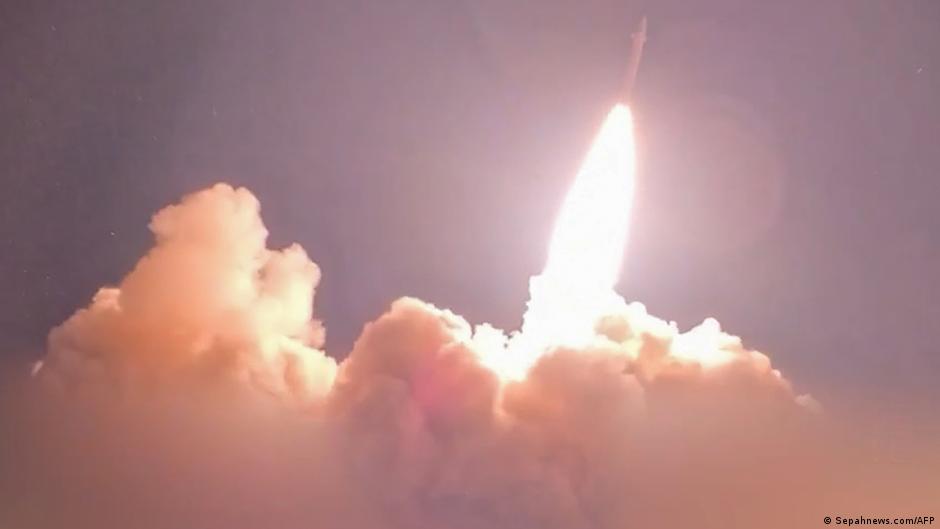
US forces intercepted ballistic missiles from Iran, heightening geopolitical risks that influence energy markets, equities, and bonds amid regional tension.

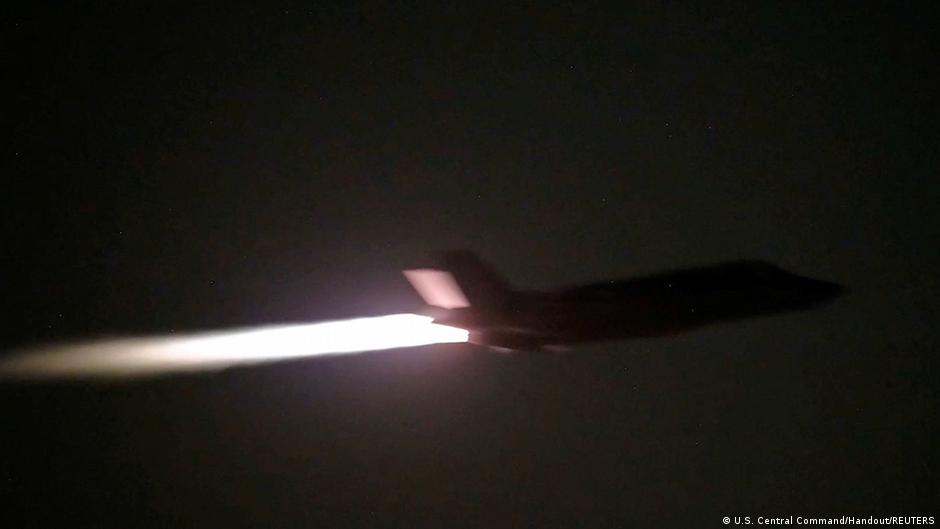
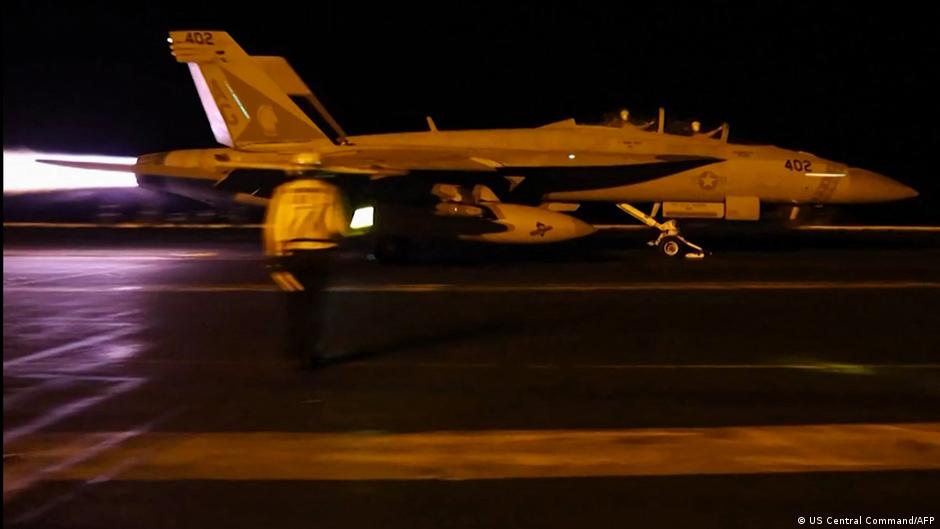
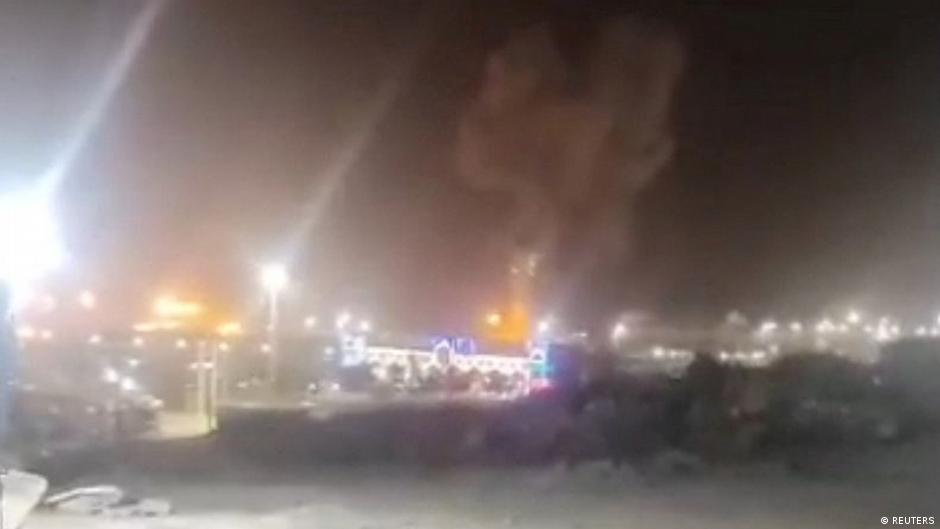
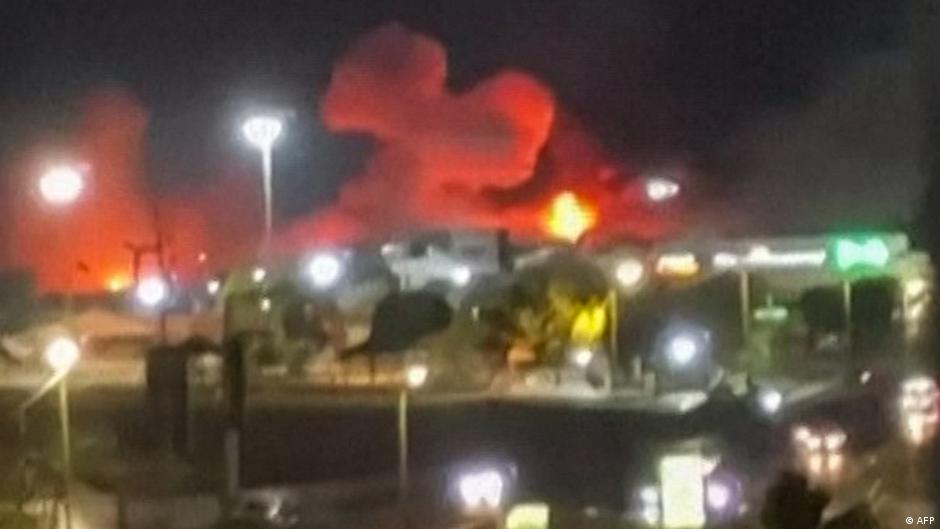
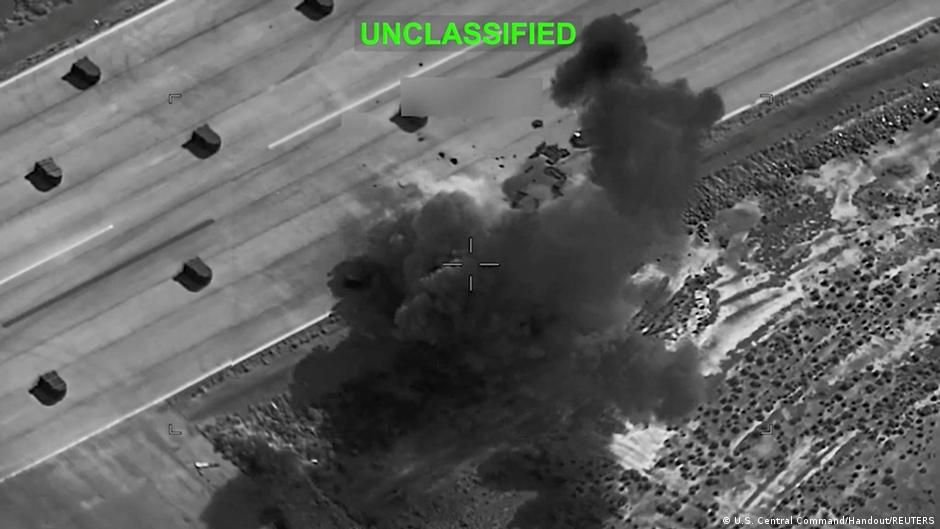
US forces conducted airstrikes on Iran for the 11th night amid escalating regional conflict, affecting energy supply routes and increasing market uncertainty for investors.

US military strikes against Iran enter tenth day, heightening risks for energy markets and global investors amid escalating Middle East tensions.

US military deaths in the Iran conflict have increased to 17, prompting heightened market volatility and impacting energy, defense equities, and bond markets amid rising geopolitical risks.

US and Iran military clashes near the Strait of Hormuz are disrupting oil shipping and increasing market uncertainty, affecting energy prices and investor risk sentiment worldwide.

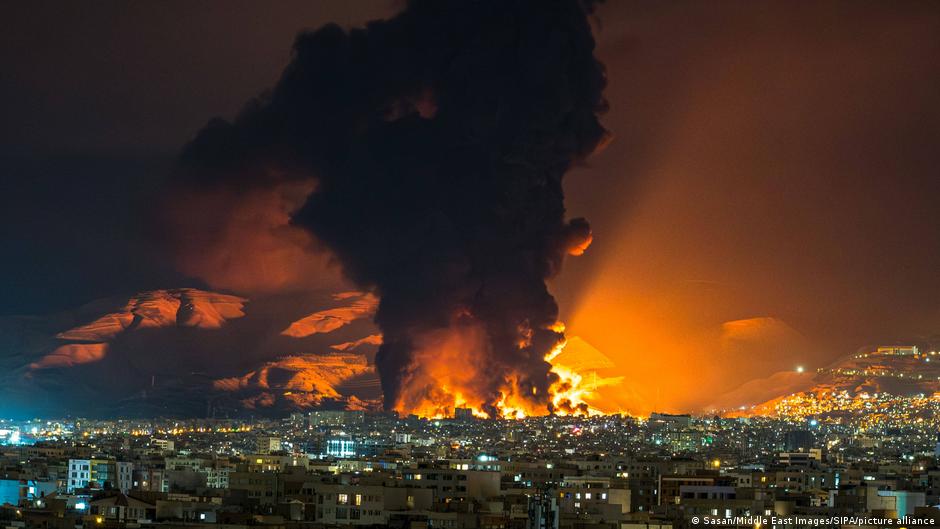
US strikes on Iranian infrastructure escalate geopolitical risks, causing volatility in regional equities and bonds, with implications for global investors.

US airstrikes on Iranian targets and Tehran’s retaliatory attacks escalate Middle East tensions, driving volatility in oil markets, equities, and bonds.

Germany defends the International Criminal Court amid US threats of sanctions, raising geopolitical risks that could impact equities and bonds in global capital markets.

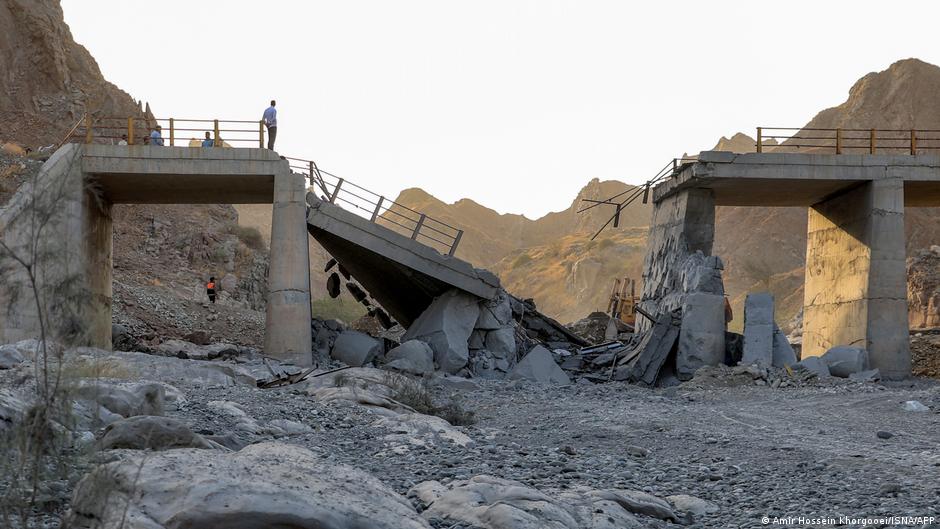
US strikes on Iran near the Strait of Hormuz escalate tensions, impacting oil shipping routes and increasing risks for energy markets and investors globally.

US military strikes against Iran following attacks on commercial vessels have led to the closure of the Strait of Hormuz, impacting global oil supply and increasing market volatility.

US military strikes on Iran escalate tensions, impacting oil supply routes and causing volatility in energy markets and investor sentiment.

US military strikes on Iran after attacks on tankers escalate Middle East tensions, triggering volatility in energy markets and impacting investor risk sentiment globally.

The US and Iran agree on a temporary ceasefire until June 30 talks on Strait of Hormuz navigation, easing oil price volatility and reducing geopolitical risks for investors.

US military strikes on Iranian sites after drone attacks on oil tankers near Strait of Hormuz raise geopolitical risks, impacting energy markets and investor sentiment.

US and Iran exchanged military strikes after an Iranian drone attacked a merchant vessel in the Strait of Hormuz, causing oil prices to rise and increasing market volatility.

The US has lifted its blockade of the Strait of Hormuz, reopening vital oil transit routes and initiating negotiations with Iran, impacting global energy markets and investor confidence.

The US will reduce its NATO fighter jets and naval assets in Europe, affecting defense supply chains and prompting shifts in European military spending that investors should watch closely.

Renewed US-Iran hostilities and Iran’s closure of the Strait of Hormuz have triggered market volatility and raised concerns over oil supply disruptions.

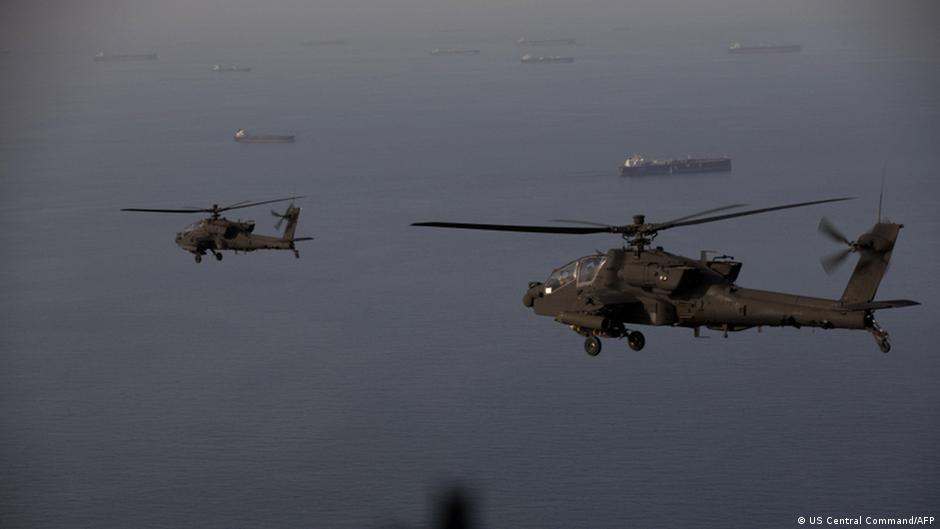
US military strikes on Iranian targets following the downing of an Apache helicopter have intensified regional tensions, impacting energy prices and investor sentiment.

US forces down Iranian drones threatening the Strait of Hormuz, escalating regional risks that impact global energy markets and investor sentiment.

The US Treasury expanded sanctions on Cuban President Diaz-Canel and Castro family members, heightening geopolitical risks and impacting investor sentiment in related markets.

The US House passes a resolution restricting President Trump's military actions against Iran without Congress approval, reflecting political shifts that could impact markets sensitive to Middle East tensions.

US forces disabled a Gambian-flagged vessel headed to Iran amid Strait of Hormuz blockade, raising regional tensions and impacting energy markets and investor sentiment.

US defensive strikes on Iranian missile sites and vessels raise geopolitical risks, impacting energy and defense stocks, bond markets, and investor sentiment amid a fragile ceasefire.

The US reversal to deploy 5,000 additional troops to Poland alters previous Pentagon plans, influencing defense markets and investor outlooks on transatlantic military commitments.

NATO confirms ongoing delivery of US air defense missiles to Ukraine, providing stability to defense markets amid geopolitical tensions impacting equities and bonds.

The US Senate advanced a resolution limiting presidential war powers against Iran, influencing market stability amid ongoing geopolitical tensions.

US intelligence reports reveal Iran retains 70% of its missile arsenal, contradicting official claims and raising concerns over defense supply chains and geopolitical risks.

US plans to relocate 5,000 troops from Germany to Poland may affect European equities, bonds, and investor sentiment amid shifting geopolitical dynamics.

US State Department approves $374M JDAM-ER kit sale to Ukraine, boosting defense equities amid operational challenges and ongoing geopolitical tensions.

Germany accelerates its own long-range missile development to counter Russian threats after the US declines to deploy Tomahawk missiles, impacting defense sector markets.

The US plans to withdraw 5,000 troops from Germany within a year, affecting defense equities and bonds as investors weigh geopolitical and budgetary impacts.

President Trump rejects NATO's offer to secure the Strait of Hormuz, calling the alliance ineffective, while Europe plans a multinational mission, raising energy market uncertainties.