US-Iran Conflict Enters Tenth Day: Implications for Global Capital Markets
US military strikes against Iran enter tenth day, heightening risks for energy markets and global investors amid escalating Middle East tensions.

US military strikes against Iran enter tenth day, heightening risks for energy markets and global investors amid escalating Middle East tensions.

The US has imposed 50% tariffs on $20 billion of Canadian goods, escalating trade tensions and impacting equities and bonds across sectors including automotive and agriculture.

US military deaths in the Iran conflict have increased to 17, prompting heightened market volatility and impacting energy, defense equities, and bond markets amid rising geopolitical risks.
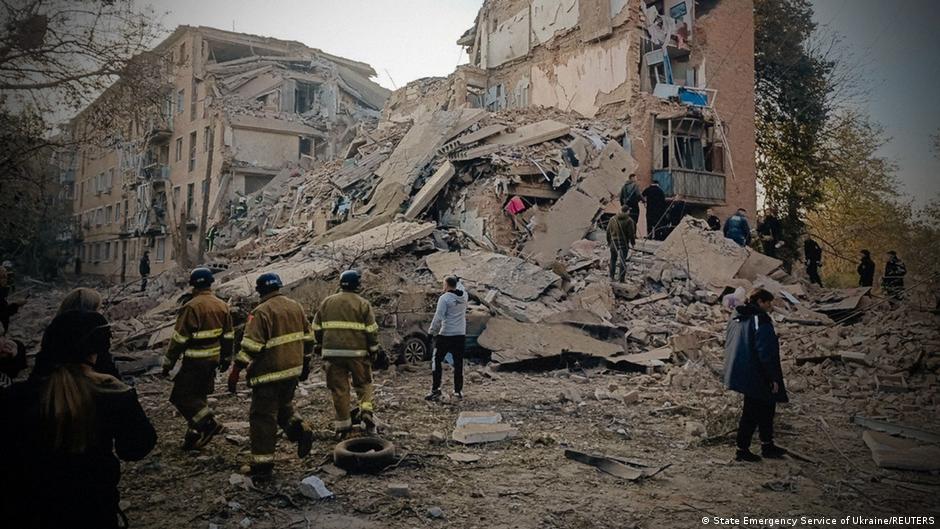
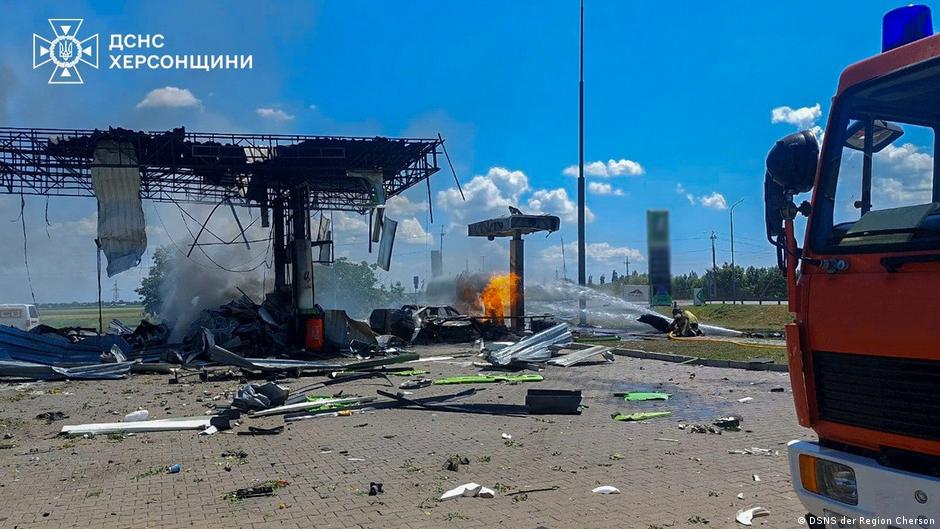
Russian airstrikes on Zaporizhzhia and Sumy caused civilian casualties and damaged infrastructure, rattling Ukrainian markets and heightening investor concerns.

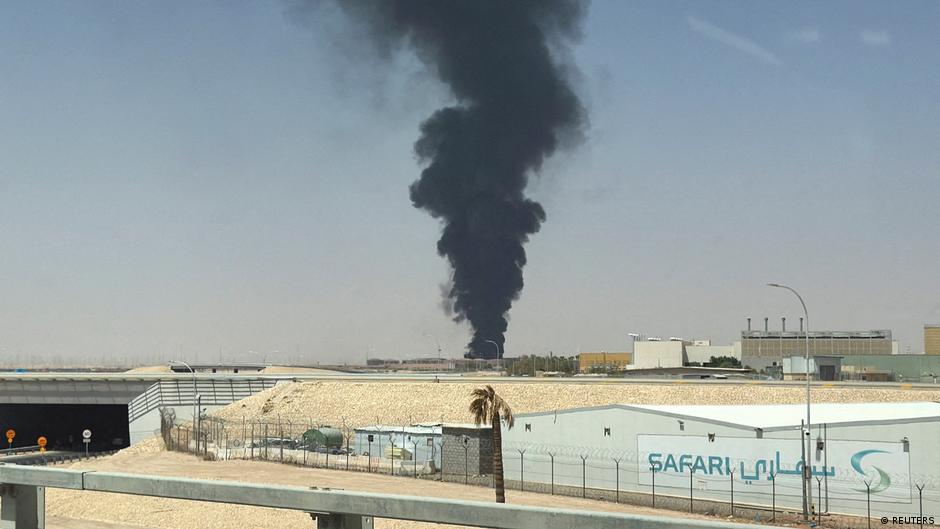
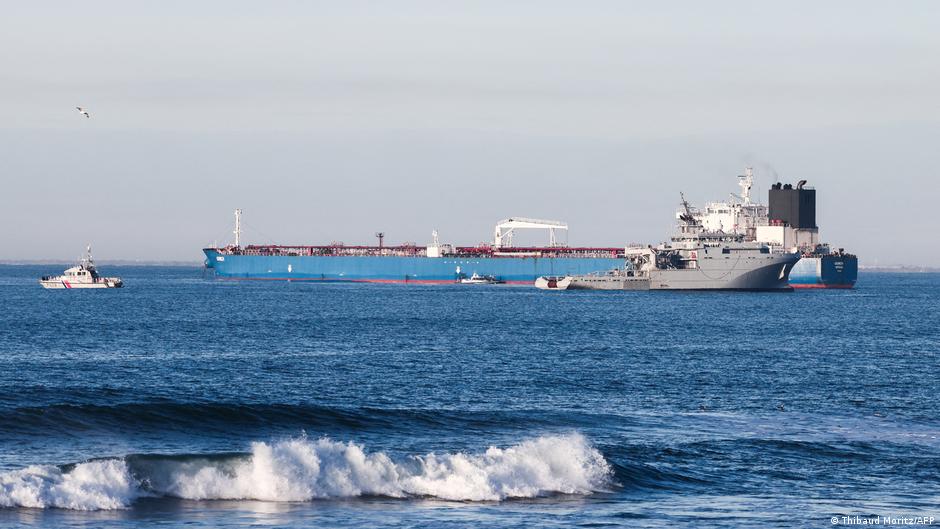
US and Iran military clashes near the Strait of Hormuz are disrupting oil shipping and increasing market uncertainty, affecting energy prices and investor risk sentiment worldwide.

US plans to permit Saudi uranium enrichment without strict safeguards raise geopolitical risks, impacting equities and bonds in Middle Eastern markets.

Ukrainian drone attacks on major Russian logistics centers, including Wildberries warehouses, have caused casualties and fires, increasing volatility in Russian equities and bonds.

US strikes on Iranian infrastructure escalate geopolitical risks, causing volatility in regional equities and bonds, with implications for global investors.

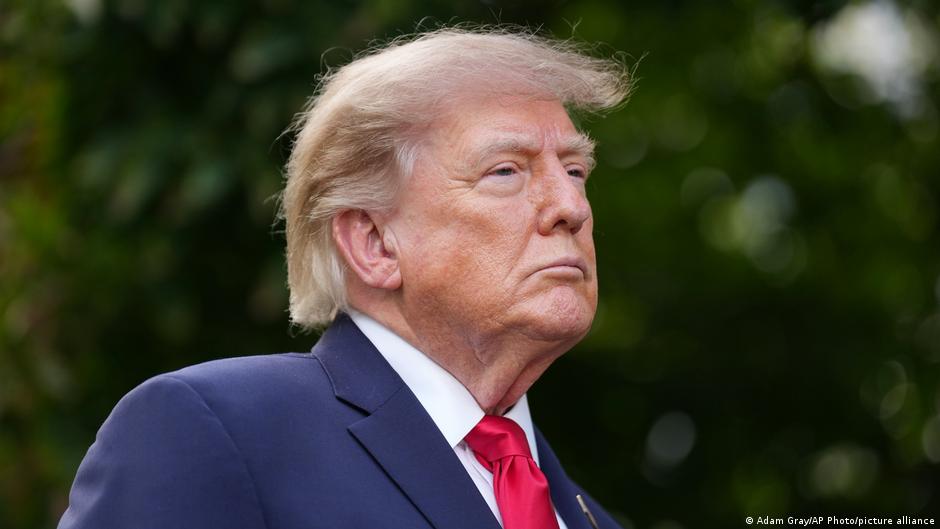
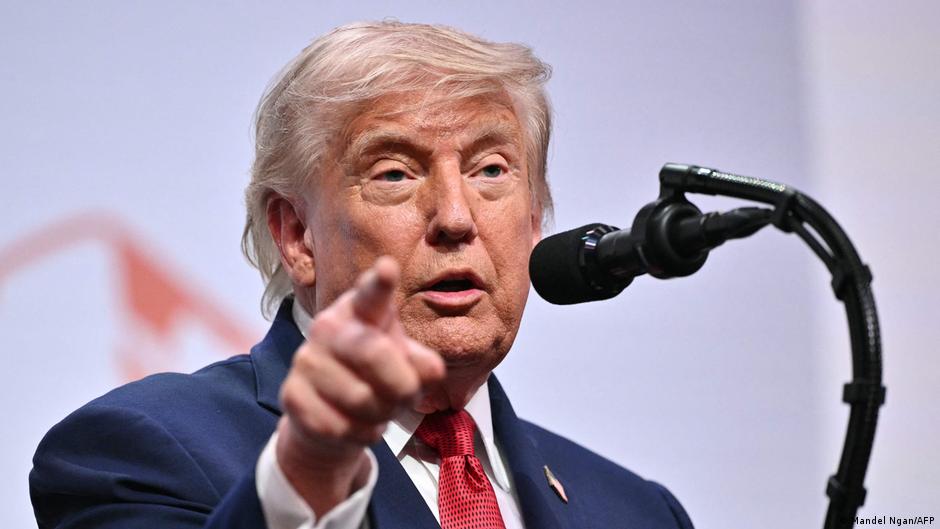
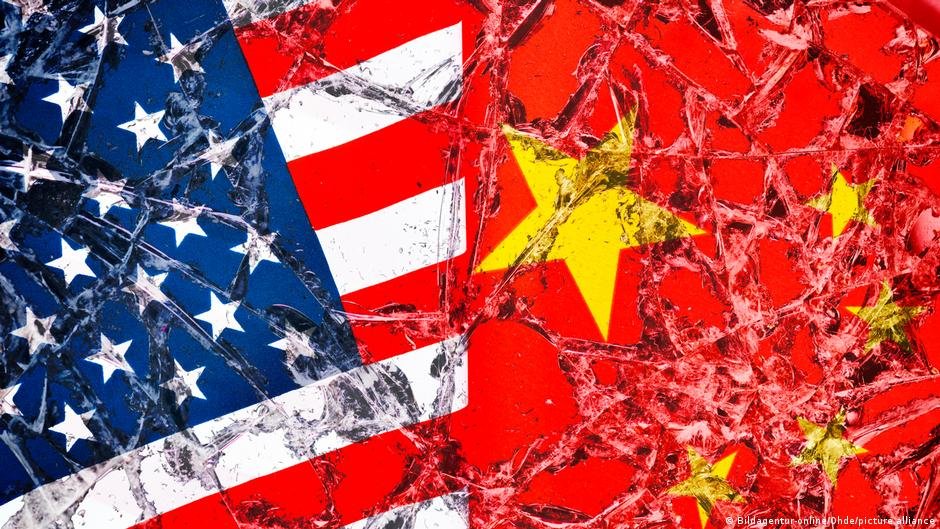
Trump accuses China of accessing data on 220 million US voters and interfering in the 2020 election, raising concerns about election security and political risk in markets.

CIA Director reveals that AI-powered drones have reduced Russian soldiers' battlefield survival in Ukraine to 20-30 minutes, significantly impacting military losses and market risk.

US airstrikes on Iranian targets and Tehran’s retaliatory attacks escalate Middle East tensions, driving volatility in oil markets, equities, and bonds.

The US is advancing plans to revive an Iraq-Syria oil pipeline to bypass the Strait of Hormuz, aiming to reduce Iran’s influence and alter energy market dynamics.

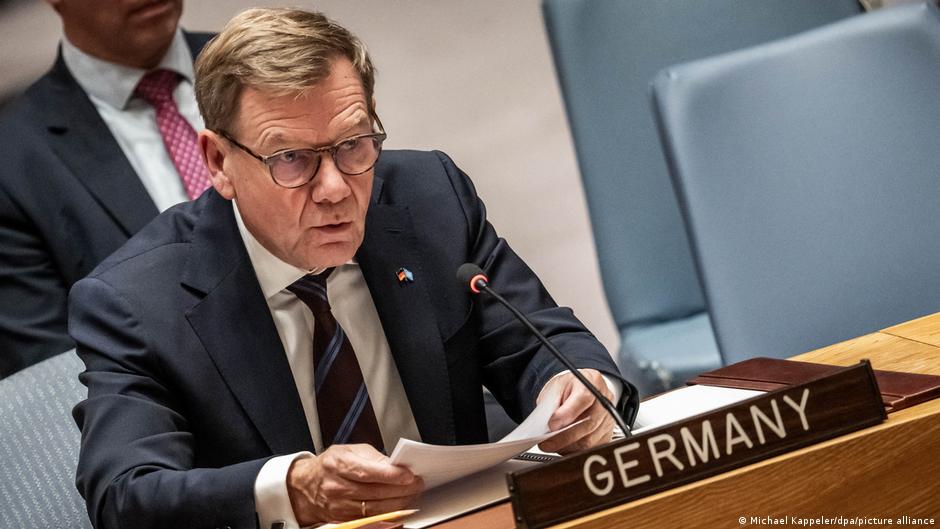
Germany defends the International Criminal Court amid US threats of sanctions, raising geopolitical risks that could impact equities and bonds in global capital markets.

Germany's surge in military service refusals amid conscription reforms and security tensions is influencing investor sentiment and may affect defense spending and capital markets.

Darline Graham Norton fills her late brother Lindsey Graham's Senate seat, preserving Republican control in the Senate amid political uncertainty impacting investor confidence.

German President Steinmeier calls for Europe to uphold international order amid geopolitical tensions and highlights domestic reforms critical for economic growth and market confidence.

US strikes on Iran near the Strait of Hormuz escalate tensions, impacting oil shipping routes and increasing risks for energy markets and investors globally.
Former Spanish PM Mariano Rajoy's controversial remarks about the French football team spark political backlash, raising concerns about potential impacts on European markets and investor confidence.

Drone strikes in Kharkiv caused civilian injuries and property damage amid wider missile attacks across Ukraine, raising geopolitical risks impacting capital markets and investors.

June 2026 saw the highest civilian casualties in Ukraine since the conflict began, raising investor concerns over regional stability and impacting equity and bond markets.

Trump's pledge to delist Syria as a terror sponsor may unlock new investment opportunities, impacting equities, bonds, and investor risk assessments in Middle Eastern markets.

Russian missile attacks on Kyiv and Kharkiv raise investor concerns as damage and security risks threaten Ukrainian market stability amid ongoing conflict.

Canada’s €100 billion contract with German builder TKMS for advanced submarines boosts European defense equities and signals strong transatlantic market cooperation.

Russian strikes across Ukrainian regions escalate, causing casualties and infrastructure damage that unsettle markets and increase investor risk concerns.

Russian missile and drone strikes on Kyiv and surrounding regions cause casualties and infrastructure damage, raising investor concerns amid rising geopolitical tensions.

Far-right AfD leads German polls over CDU/CSU amid divided public opinion on banning the party, triggering investor caution and increased market volatility.

Severe thunderstorms forced cancellation of Washington's 250th Independence Day events, impacting market sentiment amid political and weather-related uncertainties.

A new German study finds 40% of workers doubt they can work until retirement age due to high job strain, raising concerns over labor market risks for investors.

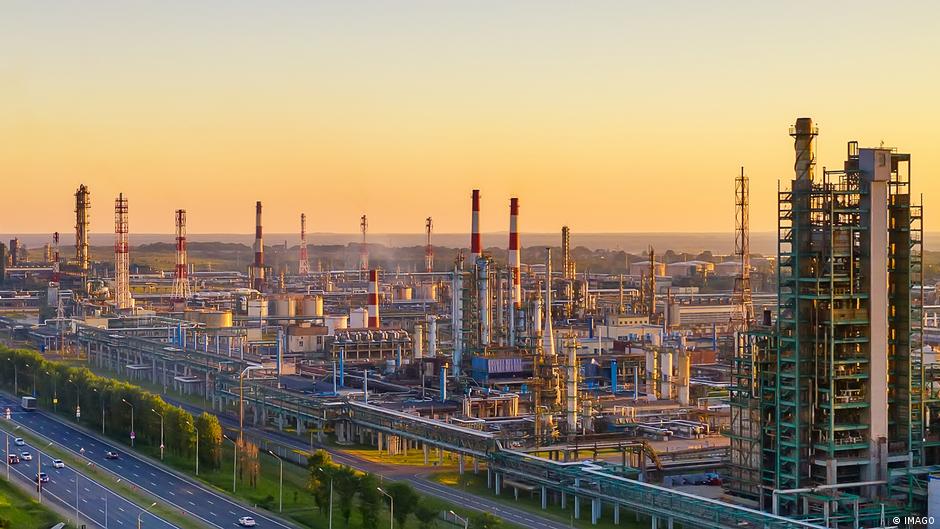
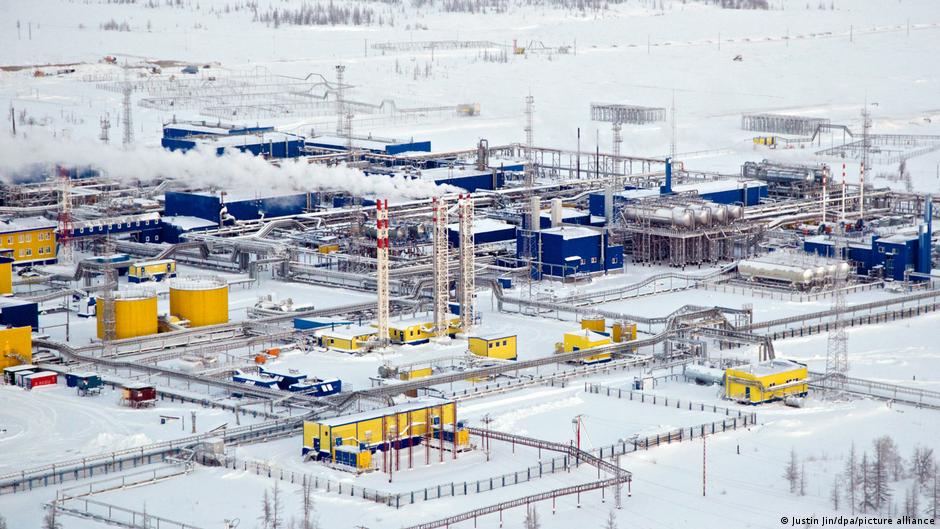
Russia permits Euro-3 fuel circulation until 2026 to mitigate refinery disruptions, impacting energy markets with lower fuel quality and constrained supply.

Recent Russian missile and drone attacks on Kyiv have escalated regional tensions, causing fatalities and infrastructure damage, leading to increased market volatility and investor caution.

The US has again extended a temporary license allowing Serbian oil company NIS, partly owned by Gazprom, to operate under sanctions, prolonging uncertainty for investors.

The EU cuts duty-free steel import quotas by 47% and doubles tariffs on excess imports, affecting steel equities and market dynamics.

Ukraine’s new national honors provoke tensions with Poland, impacting investor confidence and capital markets amid EU accession uncertainties.

Polish opposition leader Jarosław Kaczyński urges blocking Ukraine’s EU accession talks, highlighting increased political tensions and potential impacts on regional markets and investors.

Renewed ballistic missile attacks on Kiev have heightened geopolitical risks, prompting volatility in Ukrainian equities and bonds as investors reassess market stability.

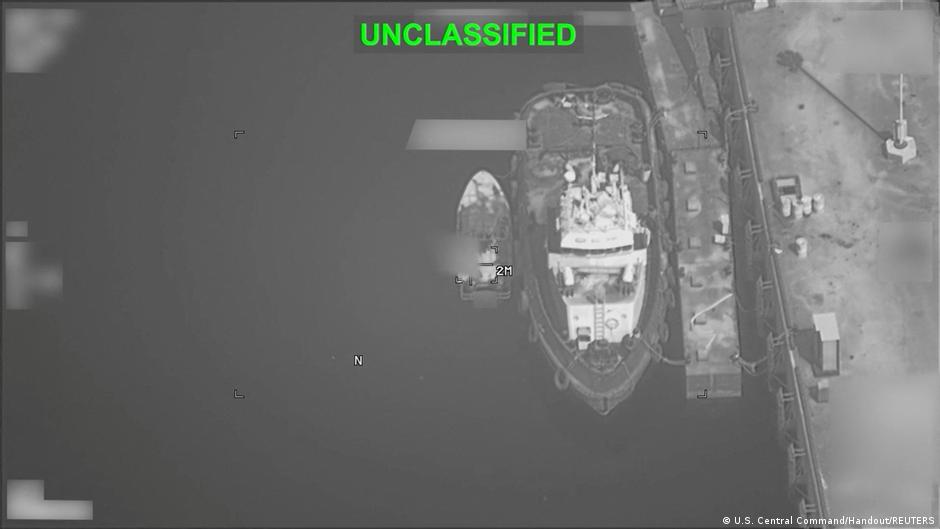
US and Iran exchanged military strikes after an Iranian drone attacked a merchant vessel in the Strait of Hormuz, causing oil prices to rise and increasing market volatility.

Russia closes Romanian consulate in Saint Petersburg in retaliation for Romania shutting Russian consulate after a drone incident, raising geopolitical risks affecting regional markets.

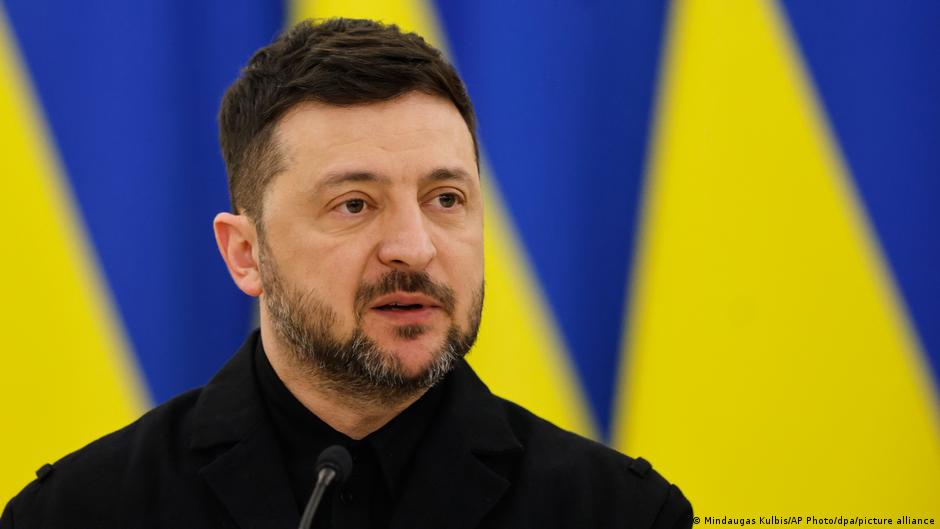
Former President Trump praises Zelensky's leadership amid the Ukraine conflict, influencing market sentiment as investors weigh geopolitical risks and sanctions impacts.

The US Senate's vote to end military actions against Iran raises geopolitical uncertainties impacting equities, bonds, and investor risk appetite.

Russian missile strikes on Zaporizhzhia and Kharkiv cause civilian injuries and infrastructure damage, escalating risks for Ukrainian capital markets and investors.

US and Iran agree on a communication channel for the Strait of Hormuz, easing geopolitical risks and potentially stabilizing energy markets and investor sentiment.

President Trump threatens a transit fee for ships passing the Strait of Hormuz if the US-Iran deal fails, raising oil market and investor uncertainty amid regional tensions.

Germany urges that future EU-Turkey gas agreements exclude Russian supplies, signaling shifts in energy markets and investor strategies amid Europe's transition away from Russian energy.

US envoy Whitcraft’s arrival in Switzerland for nuclear talks with Iran introduces fresh geopolitical risks that could impact equities, bonds, and investor sentiment.

The EU's discreet contacts with the Kremlin may signal a shift in the Ukraine conflict, influencing risks and investor sentiment across European equities and bond markets.

Russian missile attacks on Kyiv followed the G7's promise to boost Ukraine aid, escalating geopolitical tensions and causing volatility in equity and bond markets.

Pakistan announces immediate reopening of the Strait of Hormuz following a US-Iran peace memorandum, potentially easing geopolitical risks impacting energy markets and investors.

G7 leaders commit to new sanctions on Russian oil and gas sectors and increase military aid to Ukraine, impacting energy and defense markets worldwide.

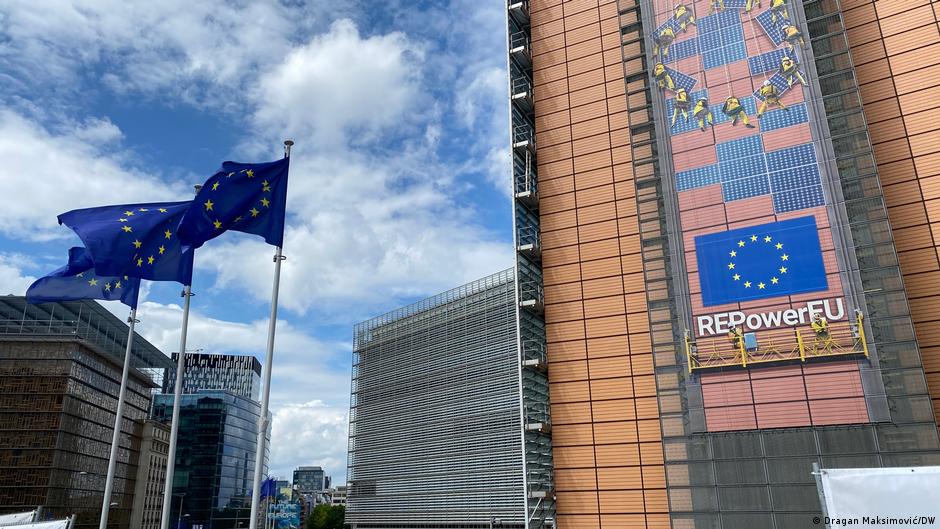
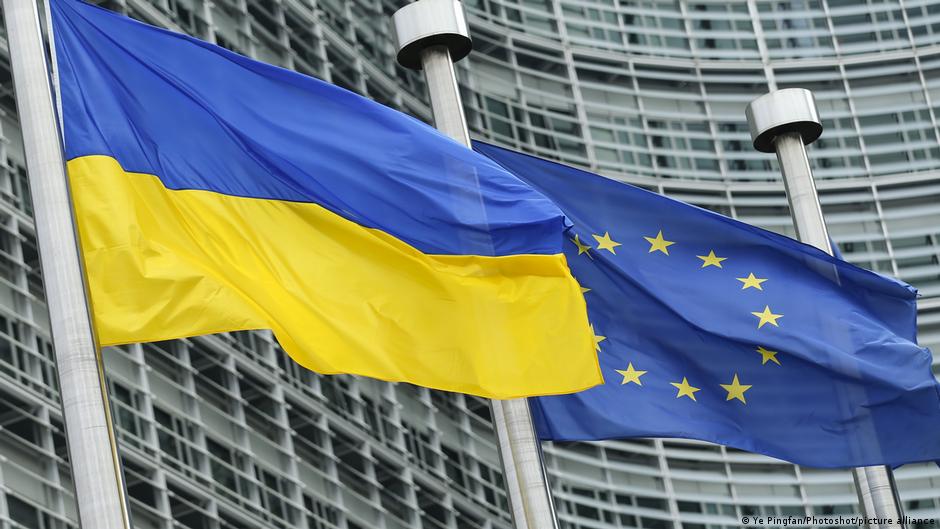
The EU has initiated detailed negotiations with Ukraine and Moldova on accession, signaling progress that is likely to influence market confidence and investment prospects.

Hungary’s parliament passed a constitutional amendment limiting prime ministerial terms, barring Viktor Orban’s return and influencing market stability and investor confidence.