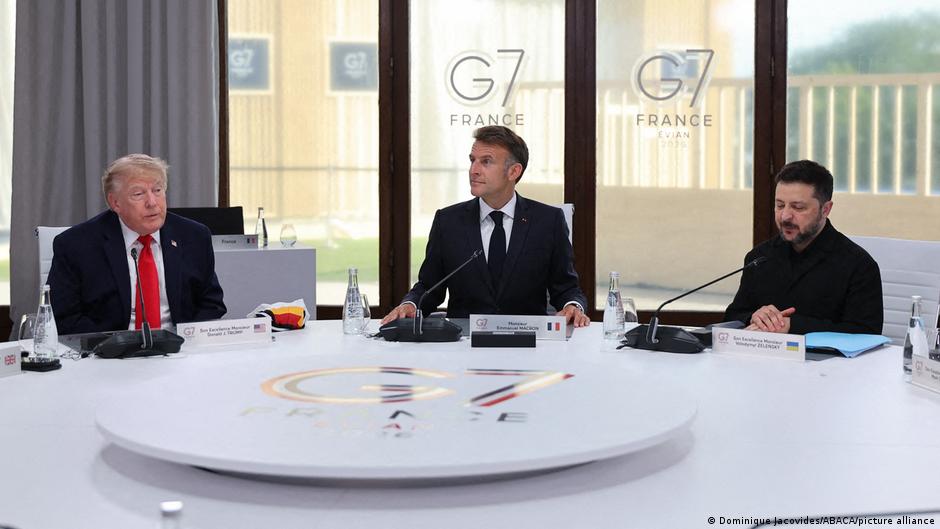
G7 Nations Announce New Sanctions on Russian Energy and Increased Military Aid to Ukraine
G7 leaders commit to new sanctions on Russian oil and gas sectors and increase military aid to Ukraine, impacting energy and defense markets worldwide.

G7 leaders commit to new sanctions on Russian oil and gas sectors and increase military aid to Ukraine, impacting energy and defense markets worldwide.

European leaders welcome the US-Iran peace deal, emphasizing regional stability, nuclear non-proliferation, and potential easing of market risks, particularly in energy sectors.
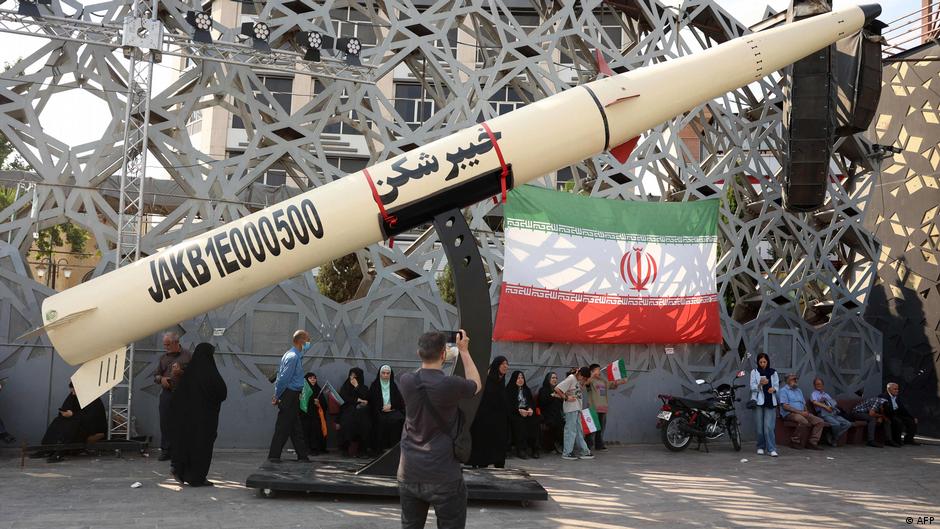
Iran has replenished about 75% of its missile arsenal, likely aided by new Russian missile deliveries, fueling geopolitical risks that affect defense equities and energy markets.
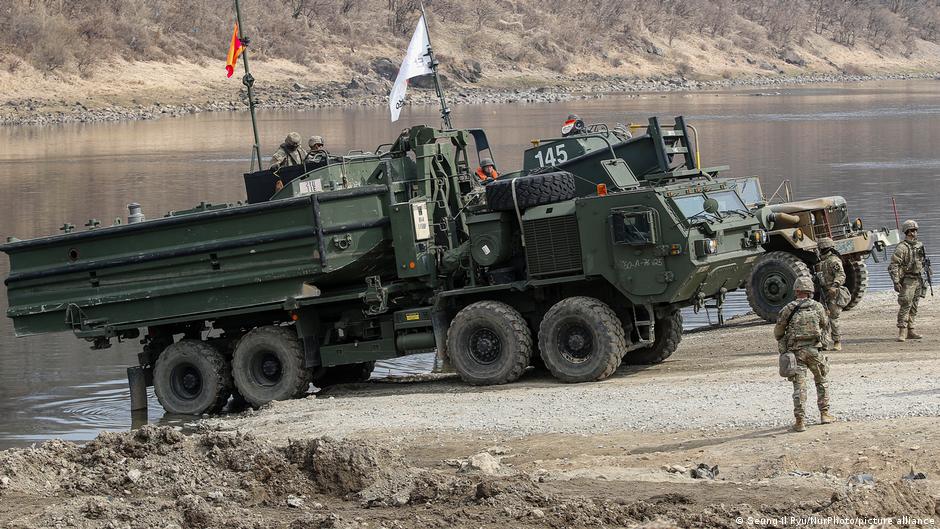
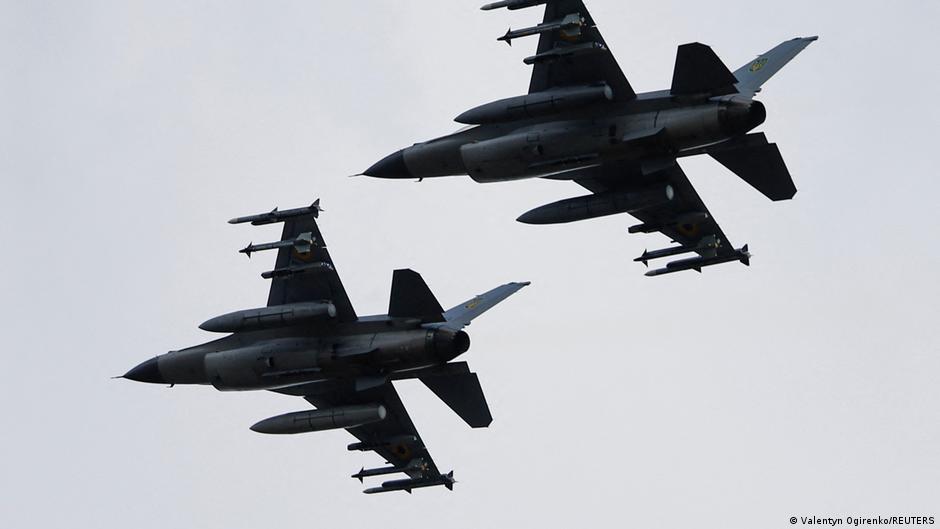
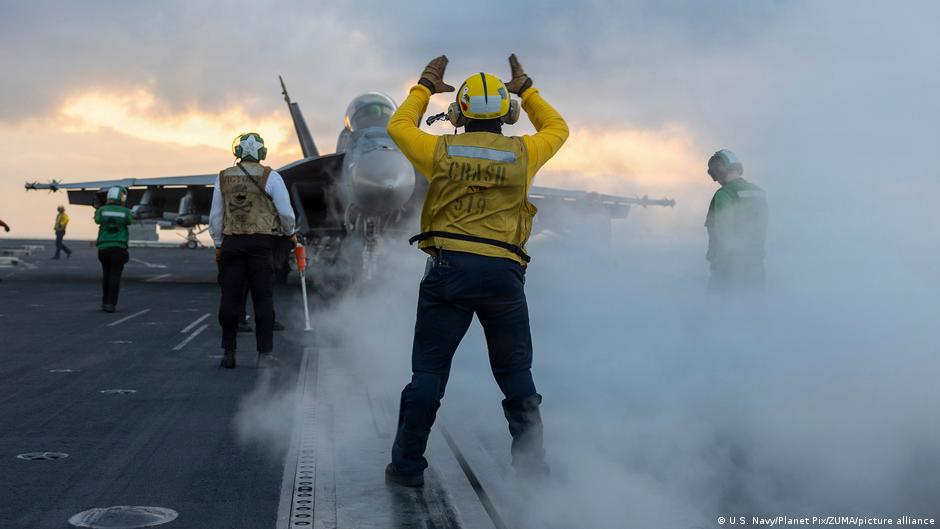
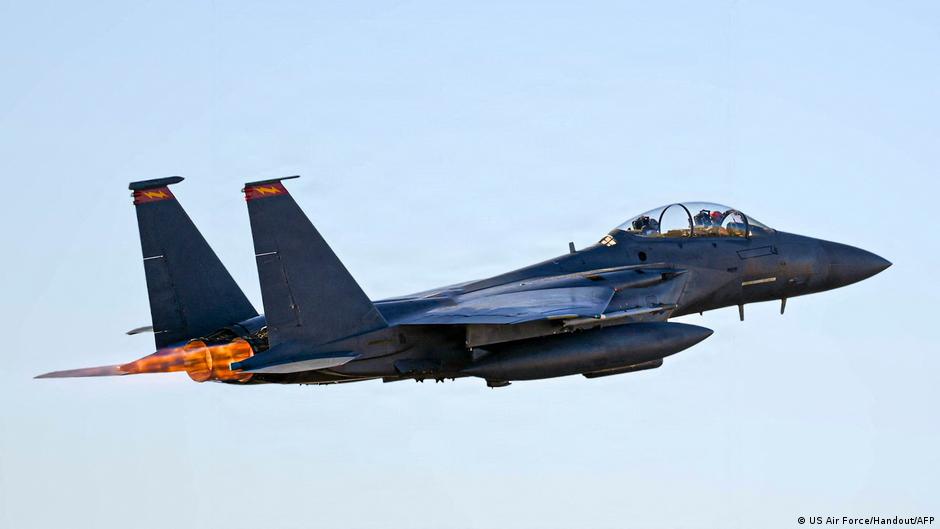
The US will reduce its NATO fighter jets and naval assets in Europe, affecting defense supply chains and prompting shifts in European military spending that investors should watch closely.

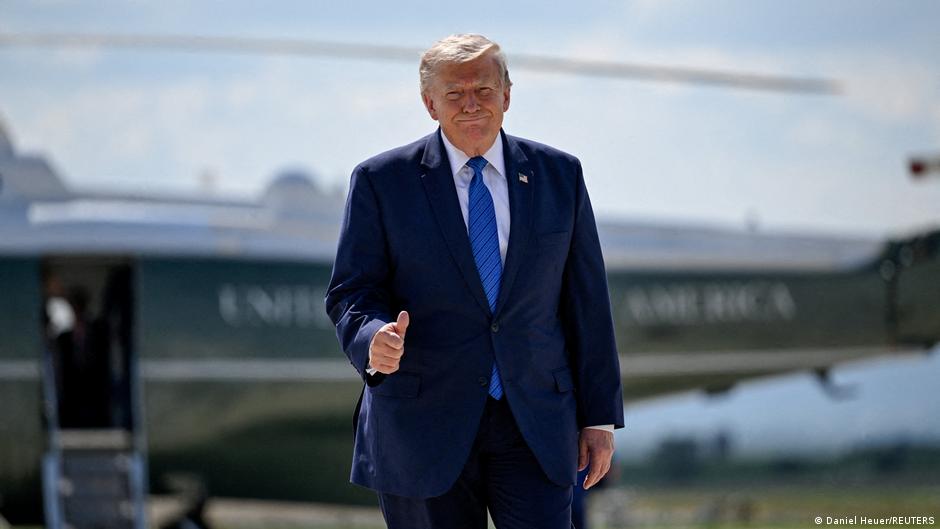
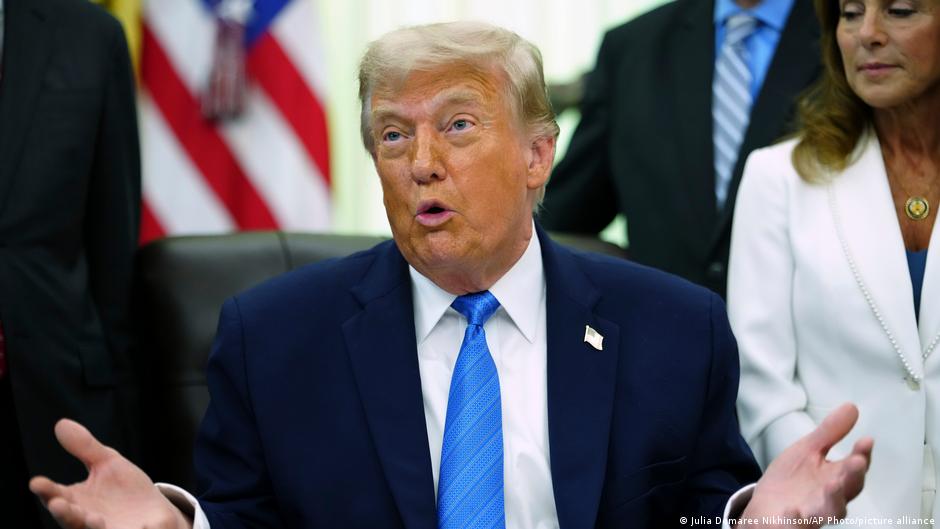
US President Trump cancels planned strikes on Iran amid diplomatic progress, easing geopolitical risks and stabilizing oil and equity markets.

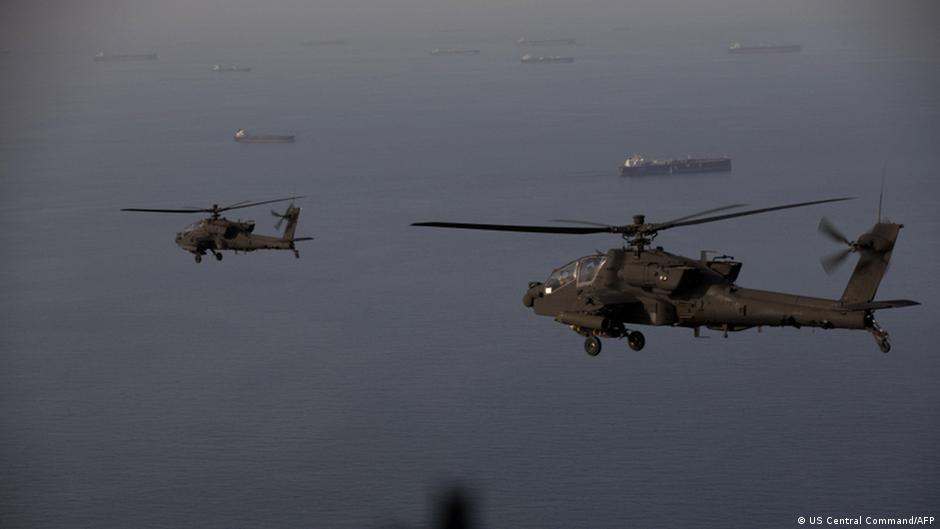
US military strikes on Iranian targets following the downing of an Apache helicopter have intensified regional tensions, impacting energy prices and investor sentiment.

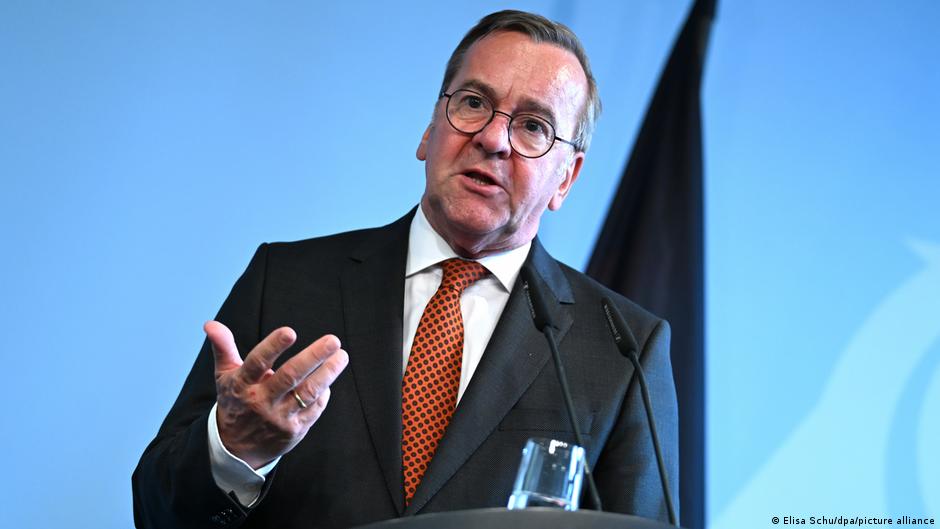
Germany commits an additional €300 million to Czech-led ammunition supplies for Ukraine, supporting 50,000 rounds amid reduced funding from other countries.

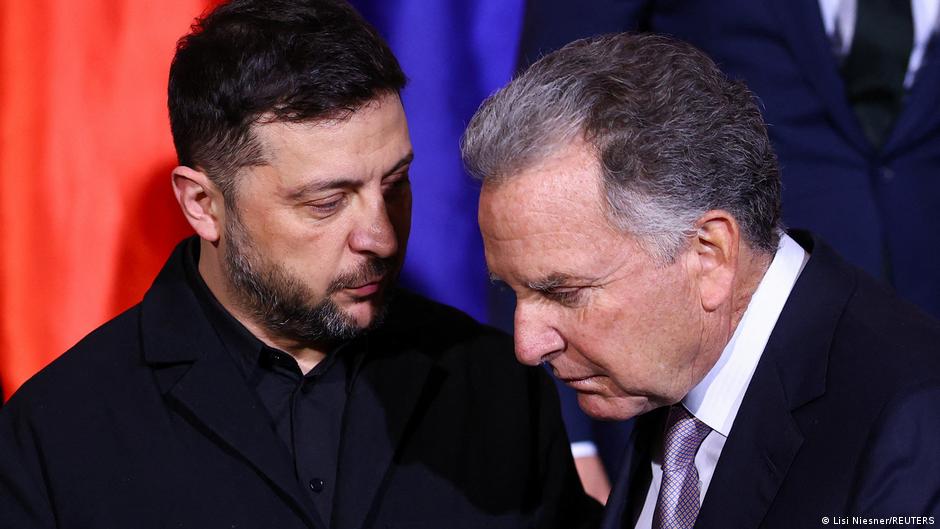
President Zelensky’s positive talks with Trump envoys signal potential diplomatic progress, influencing market sentiment amid ongoing Ukraine conflict and investor risk assessments.

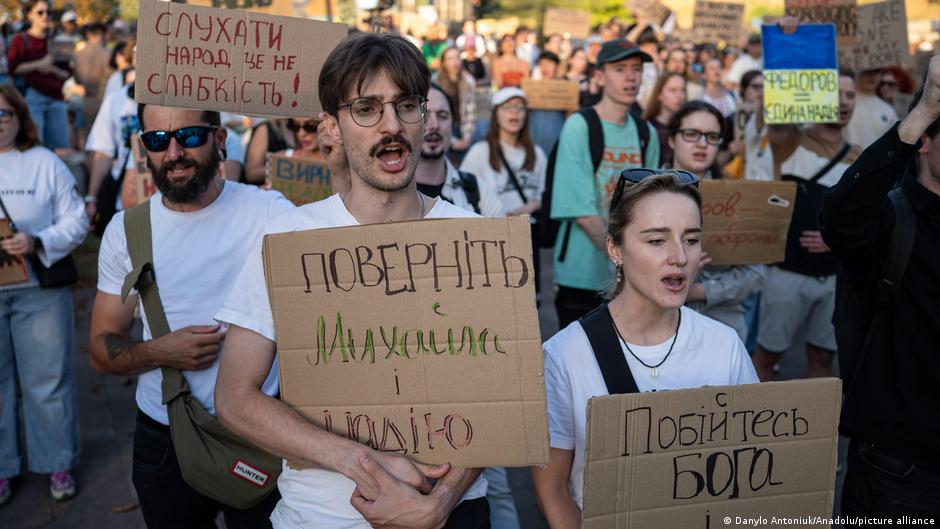
Ukraine urges UN to ban Russian military from peacekeeping missions amid sexual crime allegations, intensifying geopolitical tensions affecting investor confidence and market risks.

Rosneft advisor predicts Russia may face decades-long conflict, urging economic restructuring that could impact equities and bonds amid heightened security risks.

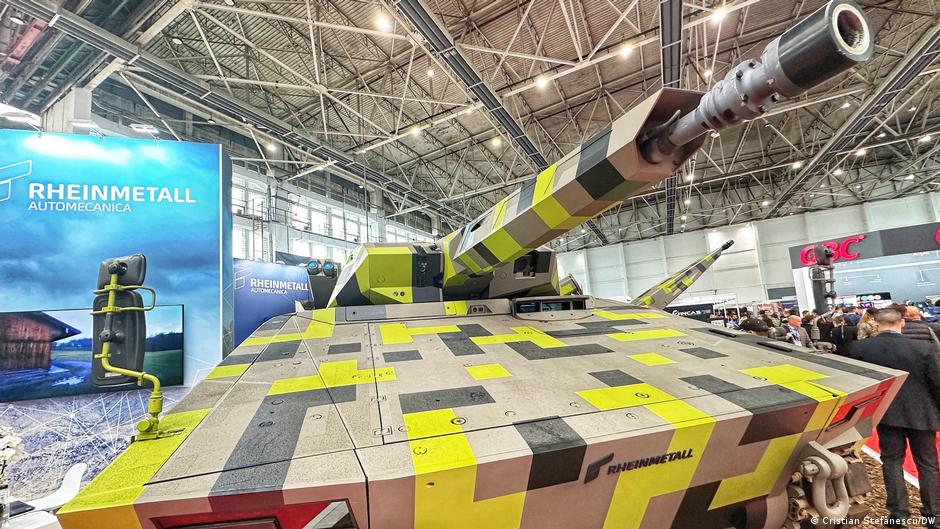
Rheinmetall signs a €5.7 billion contract with Romania, financed by the EU's SAFE fund, marking a major boost for European defense markets and investor opportunities.

A Russian drone crash in Romania during attacks on Ukraine heightens regional security concerns, impacting Eastern European equities and bond markets.

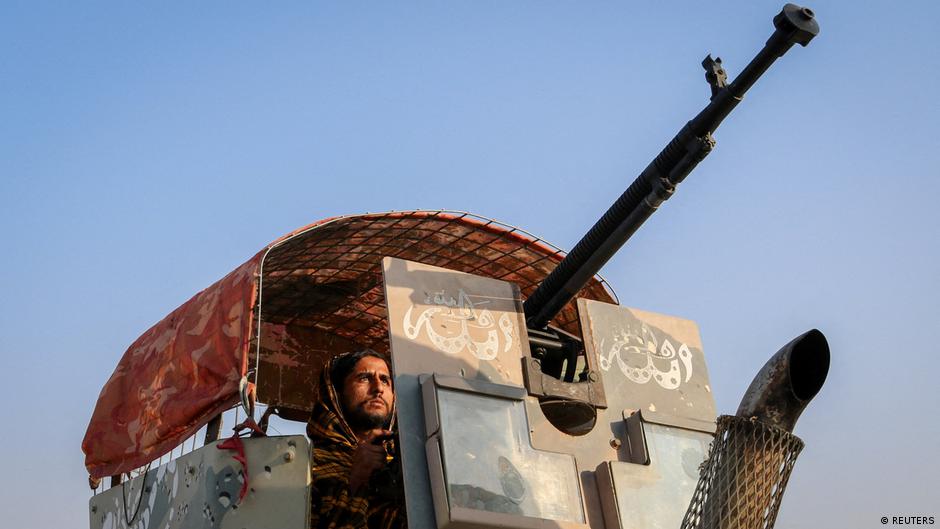
Russia's military cooperation agreement with the Taliban raises geopolitical risks, potentially impacting Russian defense equities, sovereign bonds, and investor confidence amid sanctions.

The EU postpones naming a negotiator with Russia, focusing instead on new sanctions targeting financial and defense sectors amid ongoing Ukraine conflict.

US defensive strikes on Iranian missile sites and vessels raise geopolitical risks, impacting energy and defense stocks, bond markets, and investor sentiment amid a fragile ceasefire.

NATO detects possible Russian nuclear-capable seabed missiles, raising geopolitical risks that could impact defense equities and global capital markets.

The US reversal to deploy 5,000 additional troops to Poland alters previous Pentagon plans, influencing defense markets and investor outlooks on transatlantic military commitments.

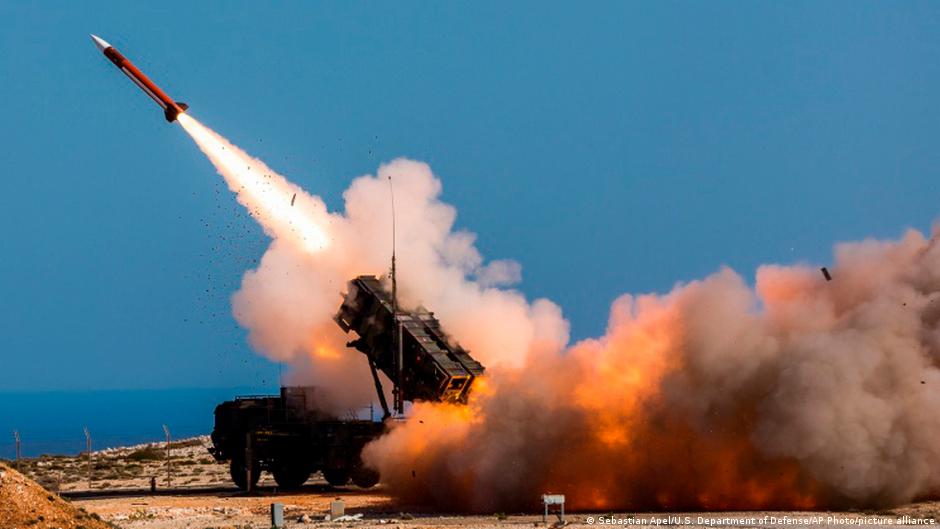
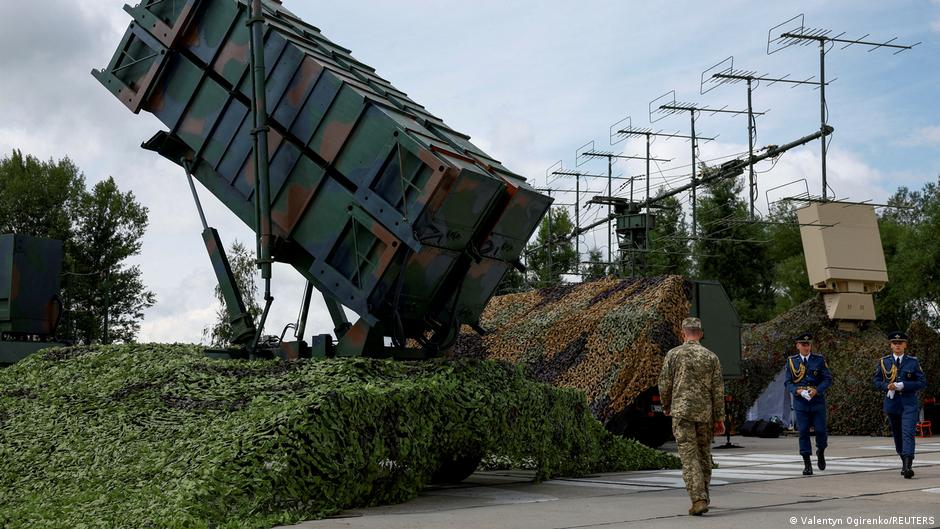
NATO confirms ongoing delivery of US air defense missiles to Ukraine, providing stability to defense markets amid geopolitical tensions impacting equities and bonds.

The US Senate advanced a resolution limiting presidential war powers against Iran, influencing market stability amid ongoing geopolitical tensions.

US President Trump delays planned Iran strike after Gulf leaders intervene, triggering cautious market reactions amid ongoing high-stakes negotiations.

UK plans to boost defense spending by £18 billion amid political unrest, affecting government bonds and defense sector equities.

Latvia’s ruling coalition collapses after Defense Minister resigns over drone incident, heightening political risk and uncertainty ahead of upcoming elections.

Ukraine has imposed sanctions on 32 Russian companies and 34 individuals linked to the defense industry, extending existing measures and signaling increased capital market risks.

US intelligence reports reveal Iran retains 70% of its missile arsenal, contradicting official claims and raising concerns over defense supply chains and geopolitical risks.

Poland signs a €44 billion EU loan agreement under the SAFE defense program, impacting equity and bond markets as the country accelerates military modernization and expands sovereign borrowing.

US plans to relocate 5,000 troops from Germany to Poland may affect European equities, bonds, and investor sentiment amid shifting geopolitical dynamics.

US State Department approves $374M JDAM-ER kit sale to Ukraine, boosting defense equities amid operational challenges and ongoing geopolitical tensions.

Germany accelerates its own long-range missile development to counter Russian threats after the US declines to deploy Tomahawk missiles, impacting defense sector markets.

Iran's missile and drone attacks on the UAE have escalated regional tensions, triggering volatility in energy markets and raising investor concerns over Gulf geopolitical risks.

The UK plans to join the EU’s €90 billion credit program for Ukraine, expanding defense industry opportunities and impacting capital markets amid ongoing sanctions on Russia.

The US plans to reduce its military footprint in Germany by more than 5,000 troops, affecting defense stocks and European bond markets amid rising geopolitical tensions.

The US plans to withdraw 5,000 troops from Germany within a year, affecting defense equities and bonds as investors weigh geopolitical and budgetary impacts.

US delays arms shipments to European allies amid Iran conflict strain defense supply chains, impacting equities and bonds in the defense sector.

Moscow’s 2026 Victory Day parade will exclude military vehicles for the first time in years, reflecting security concerns and impacting defense sector investor sentiment.

Key U.S. diplomatic departures in Ukraine reflect heightened geopolitical risks, affecting market sentiment in equities, bonds, and investor risk assessments amid ongoing Russian tensions.

US President Trump halts US envoy travel to Pakistan for Iran talks, citing US strength and travel inefficiencies, impacting market stability and energy prices.

NATO intercepted Russian bombers over the Baltic Sea, heightening geopolitical risks that influenced European equities and bond yields amid rising market volatility.

Russia's intimidation tactics targeting German defense firms involved in Ukraine arms supplies heighten hybrid threat risks, affecting market stability and investor confidence.

President Trump rejects NATO's offer to secure the Strait of Hormuz, calling the alliance ineffective, while Europe plans a multinational mission, raising energy market uncertainties.

Germany's Koblenz Bundeswehr Military Museum has restricted access for Uzbek and other Central Asian nationals, citing security regulations affecting cultural tourism and market perceptions.

Germany continued arms exports to Israel during the recent Middle East conflict, impacting defense equities and investor sentiment amid partial embargo periods.