US-Iran Conflict Enters Tenth Day: Implications for Global Capital Markets
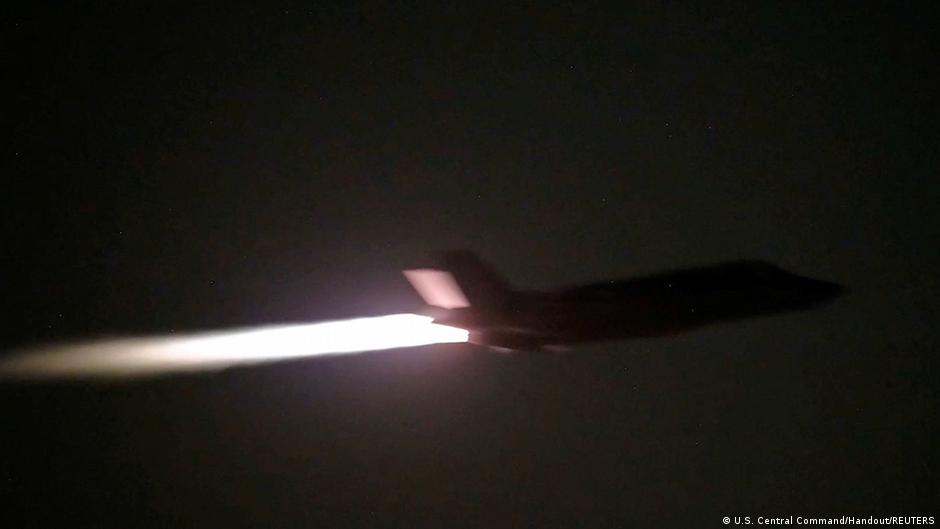
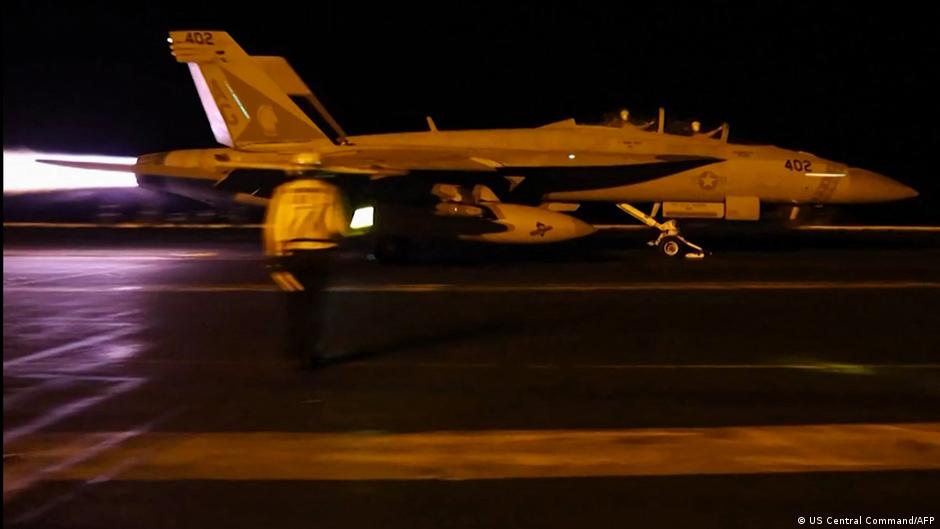
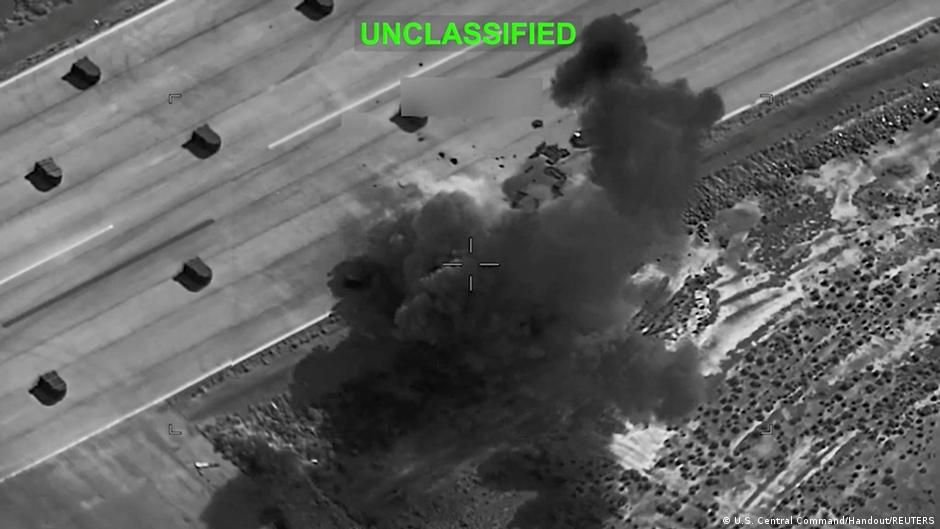
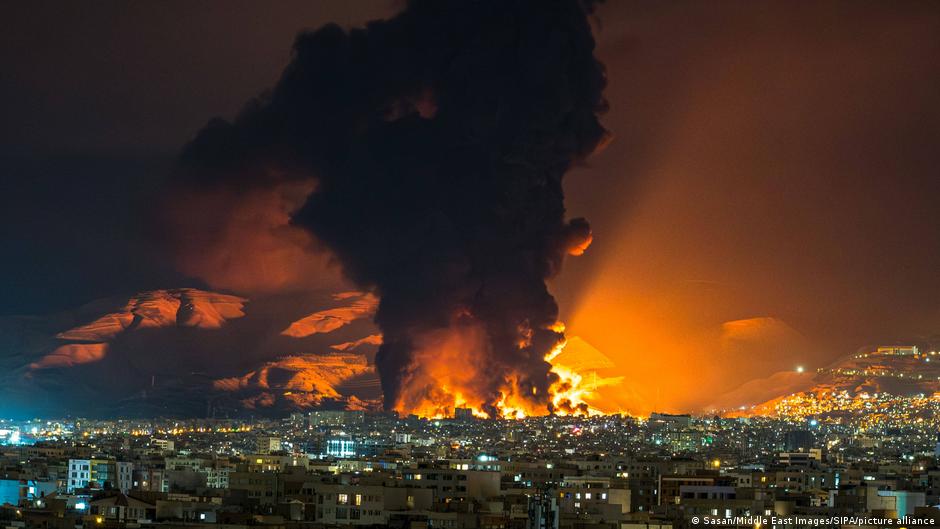
US military strikes against Iran enter tenth day, heightening risks for energy markets and global investors amid escalating Middle East tensions.

US military strikes against Iran enter tenth day, heightening risks for energy markets and global investors amid escalating Middle East tensions.

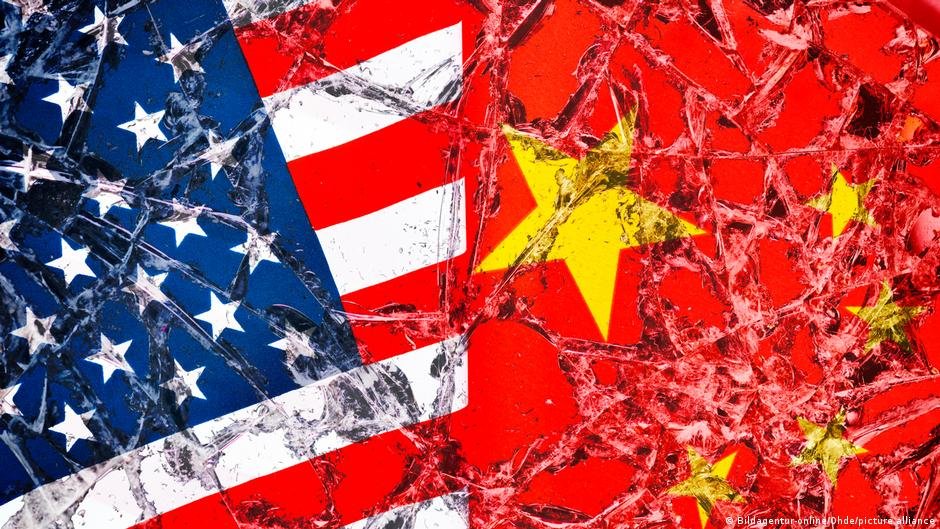
The US has imposed 50% tariffs on $20 billion of Canadian goods, escalating trade tensions and impacting equities and bonds across sectors including automotive and agriculture.

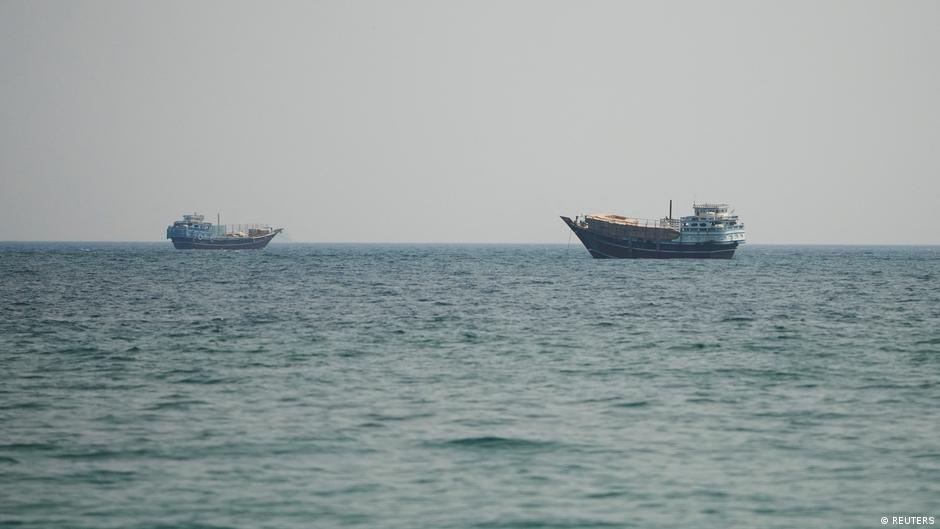
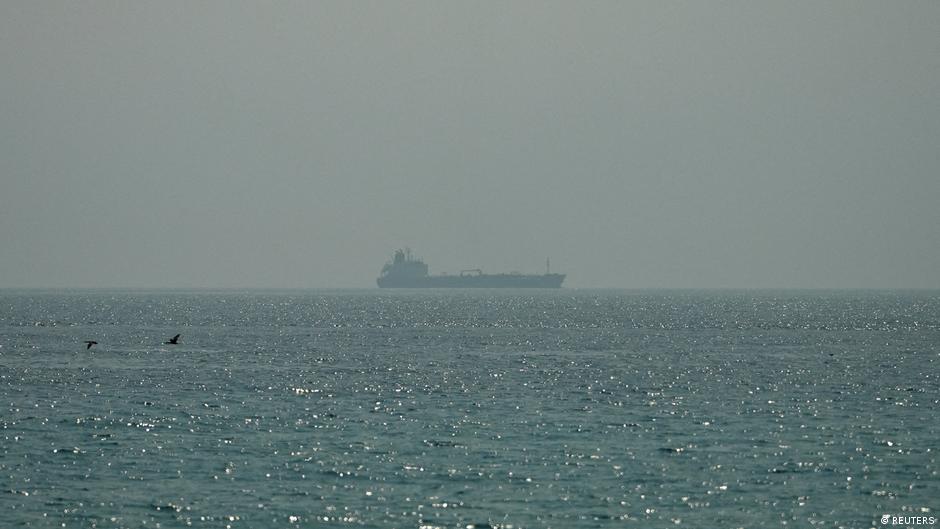
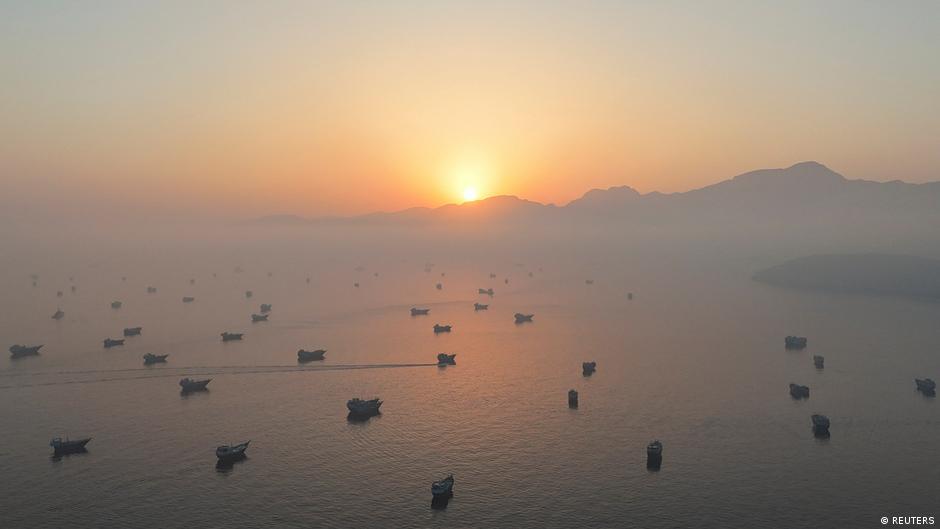
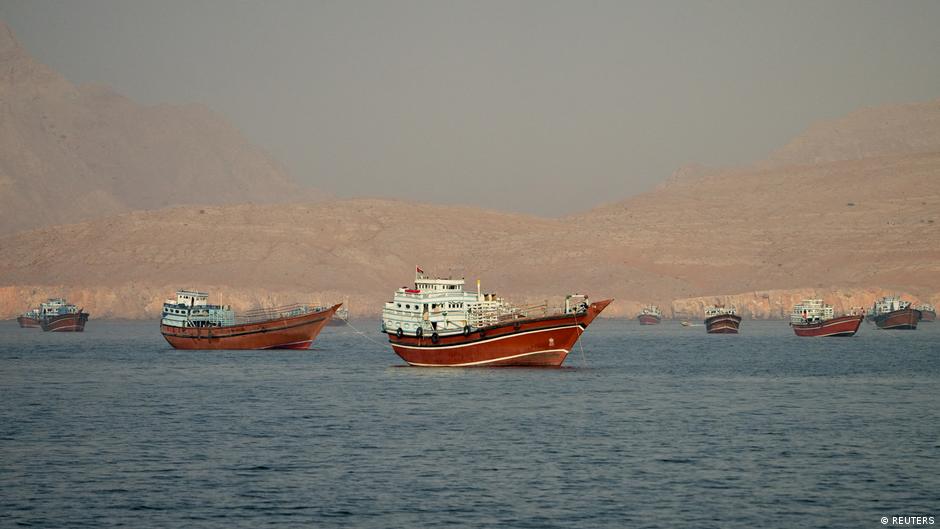
US and Iran military clashes near the Strait of Hormuz are disrupting oil shipping and increasing market uncertainty, affecting energy prices and investor risk sentiment worldwide.

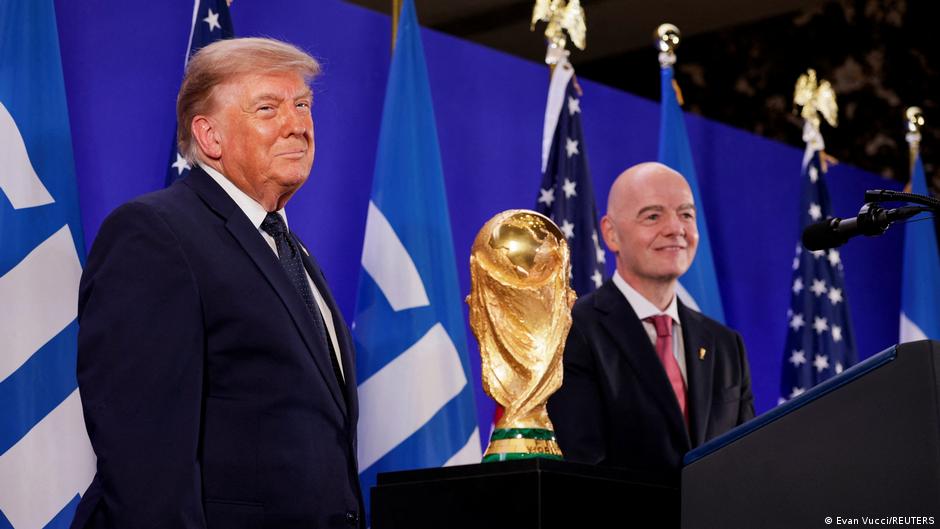
President Trump urges the US to host the next World Cup without Canada and Mexico, proposing China as co-host, signaling significant market implications for sports infrastructure and media sectors.

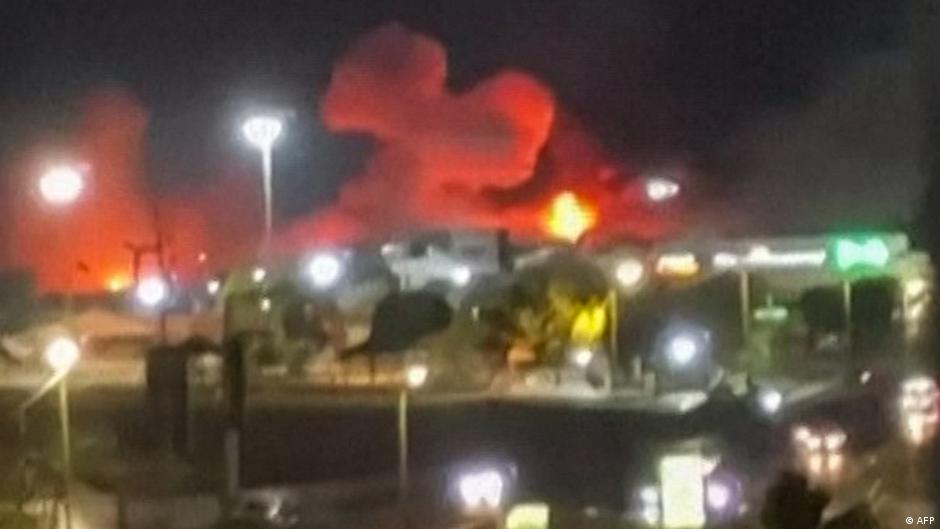
US airstrikes on Iranian targets and Tehran’s retaliatory attacks escalate Middle East tensions, driving volatility in oil markets, equities, and bonds.
The US is advancing plans to revive an Iraq-Syria oil pipeline to bypass the Strait of Hormuz, aiming to reduce Iran’s influence and alter energy market dynamics.
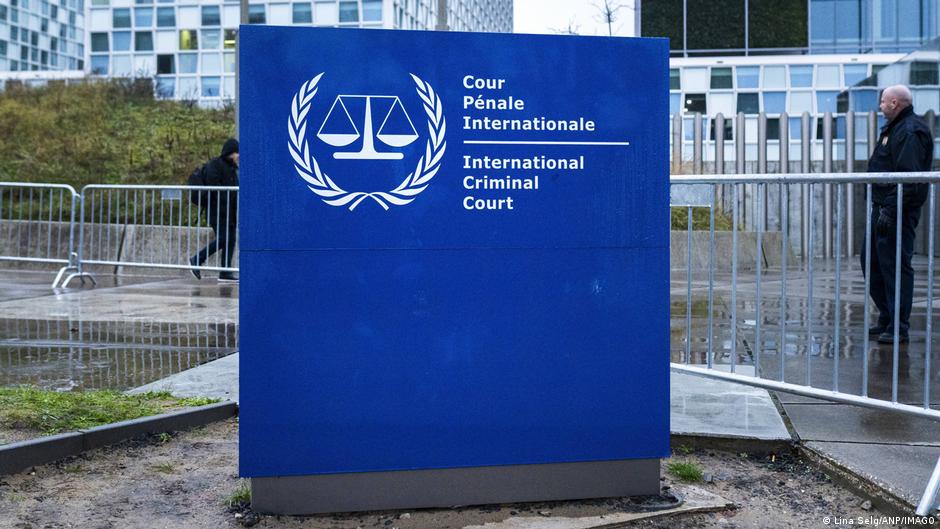
Germany defends the International Criminal Court amid US threats of sanctions, raising geopolitical risks that could impact equities and bonds in global capital markets.

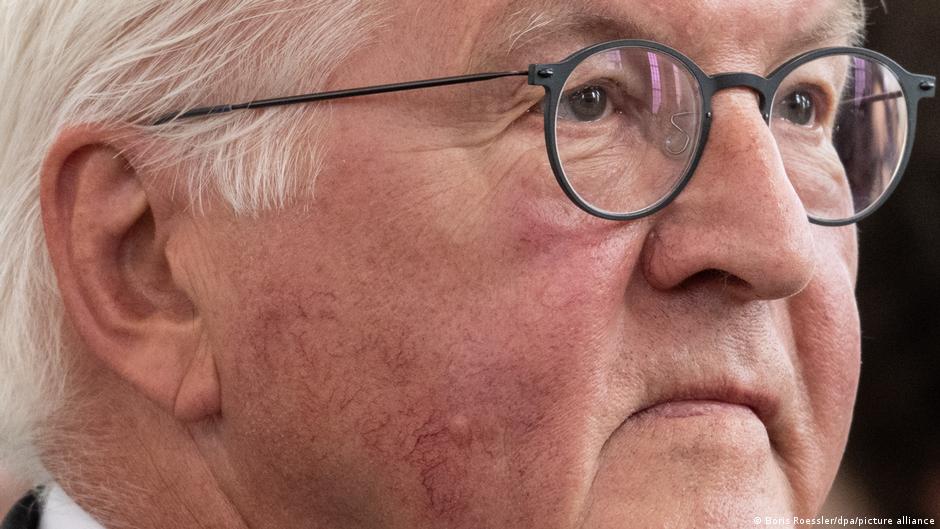
German President Steinmeier calls for Europe to uphold international order amid geopolitical tensions and highlights domestic reforms critical for economic growth and market confidence.

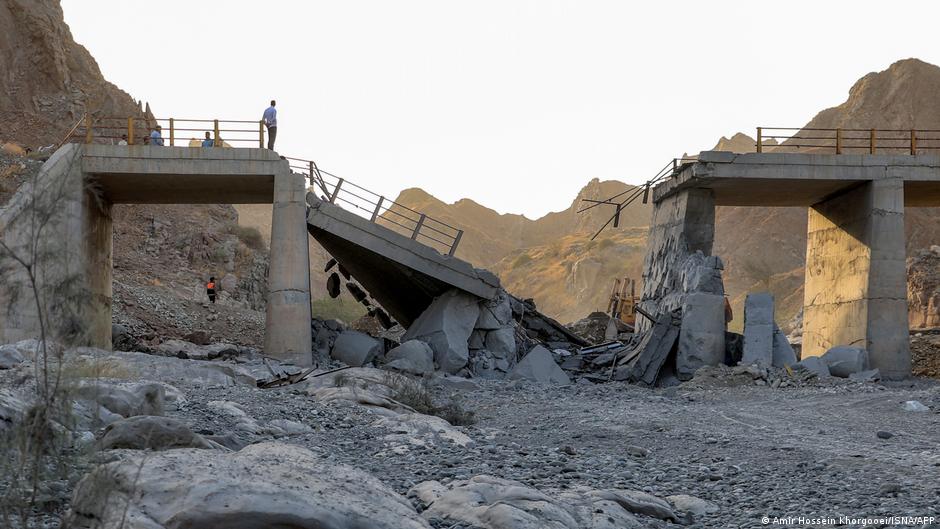
US strikes on Iran near the Strait of Hormuz escalate tensions, impacting oil shipping routes and increasing risks for energy markets and investors globally.

US military strikes against Iran following attacks on commercial vessels have led to the closure of the Strait of Hormuz, impacting global oil supply and increasing market volatility.

US military strikes on Iran escalate tensions, impacting oil supply routes and causing volatility in energy markets and investor sentiment.

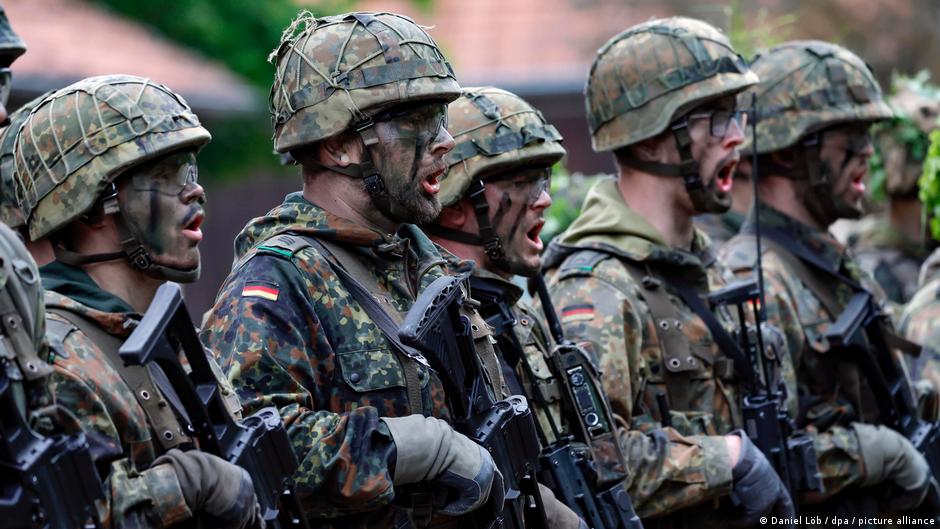
Germany’s 25.5% surge in defense spending to €124.7 billion in 2026 signals increased bond issuance and market shifts, impacting investors across NATO’s capital markets landscape.

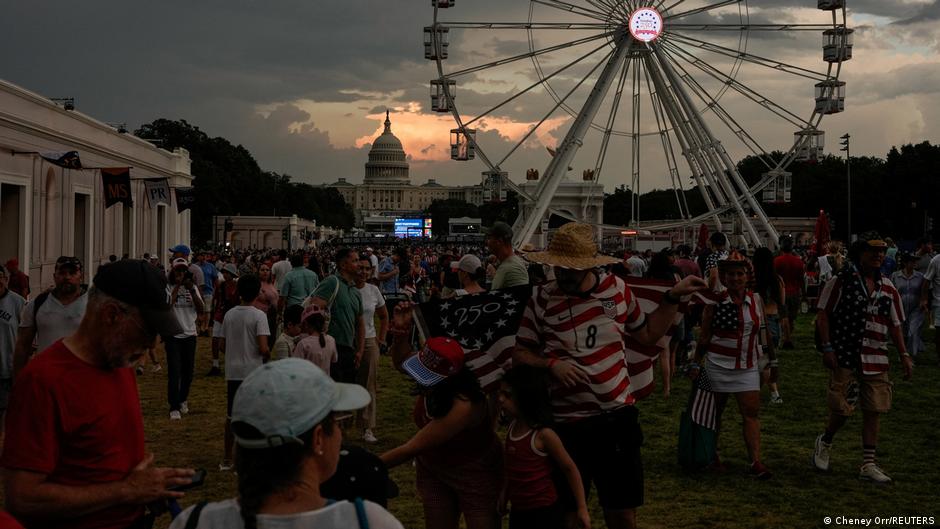
Severe thunderstorms forced cancellation of Washington's 250th Independence Day events, impacting market sentiment amid political and weather-related uncertainties.

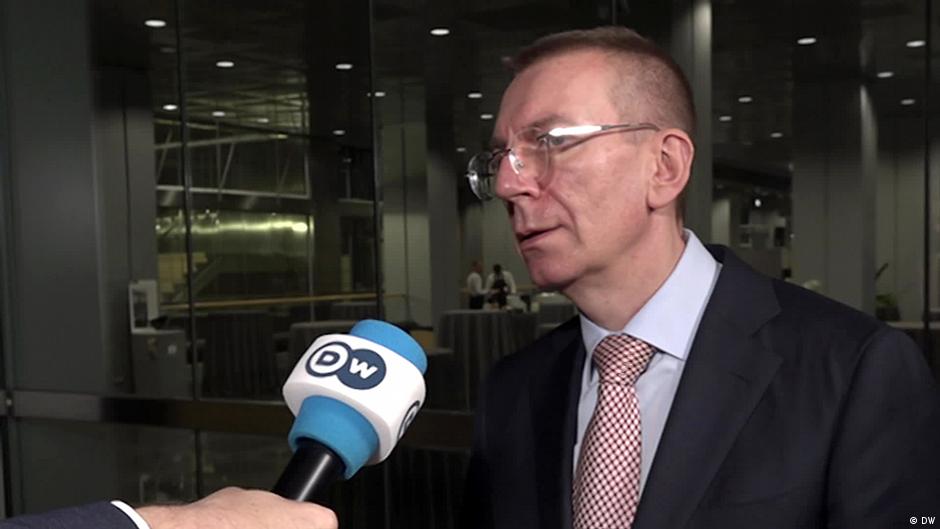
Latvian President warns NATO to prepare for Russia escalation, highlighting defense spending gaps and potential impacts on defense equities and investor strategies.

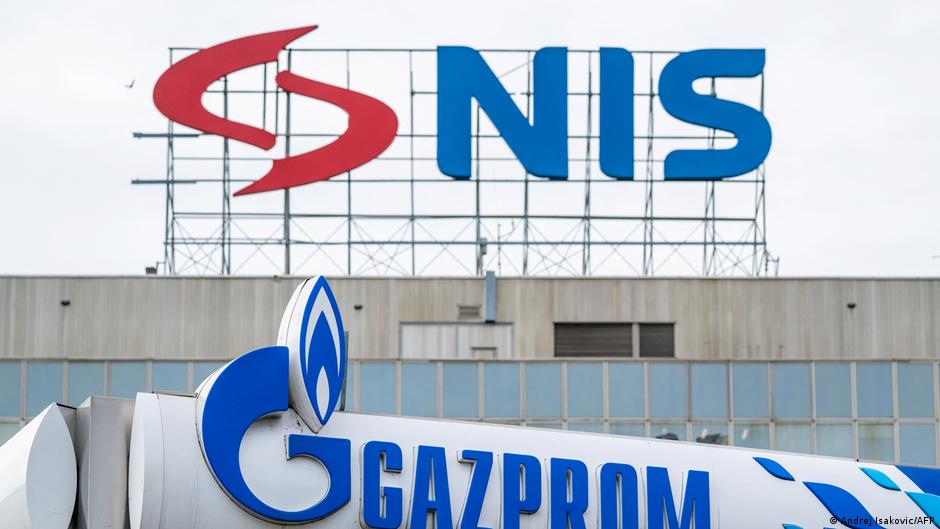
The US has again extended a temporary license allowing Serbian oil company NIS, partly owned by Gazprom, to operate under sanctions, prolonging uncertainty for investors.

The US and Iran agree on a temporary ceasefire until June 30 talks on Strait of Hormuz navigation, easing oil price volatility and reducing geopolitical risks for investors.

The US Senate's vote to end military actions against Iran raises geopolitical uncertainties impacting equities, bonds, and investor risk appetite.

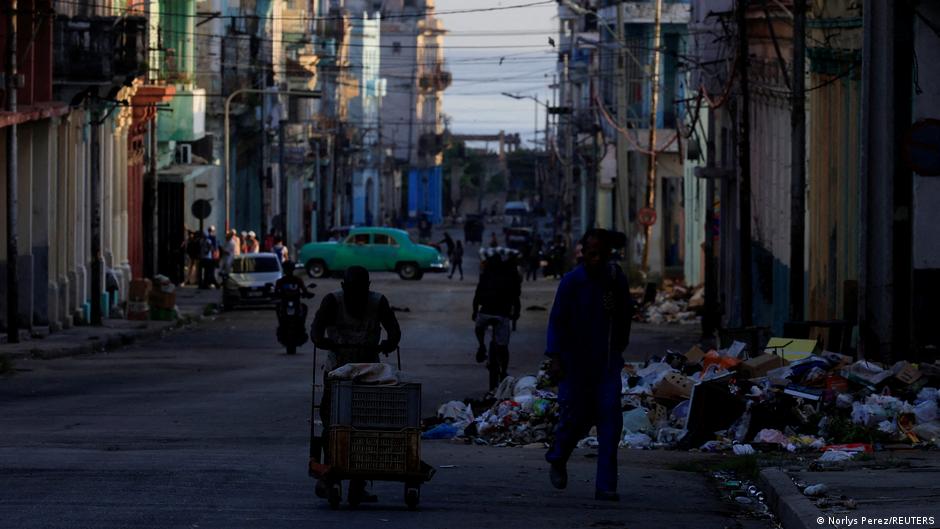
The US imposed new sanctions on five major Cuban state companies controlling 40% of GDP, intensifying economic and political tensions with implications for investors.

US and Iran agree on a communication channel for the Strait of Hormuz, easing geopolitical risks and potentially stabilizing energy markets and investor sentiment.

President Trump threatens a transit fee for ships passing the Strait of Hormuz if the US-Iran deal fails, raising oil market and investor uncertainty amid regional tensions.

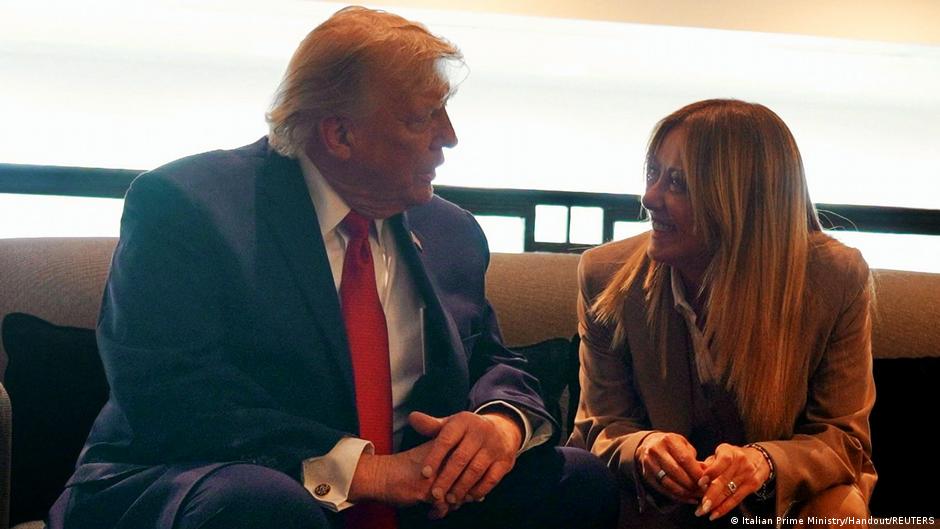
Italy’s Foreign Minister Antonio Tajani canceled his U.S. visit after Trump’s disparaging remarks about PM Meloni, raising concerns about diplomatic tensions and market impacts.

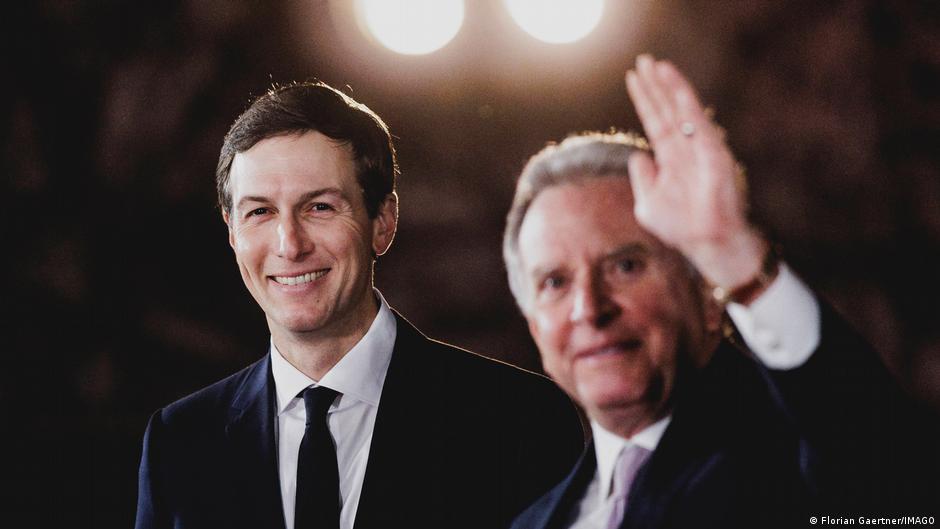
US envoy Whitcraft’s arrival in Switzerland for nuclear talks with Iran introduces fresh geopolitical risks that could impact equities, bonds, and investor sentiment.

The US has lifted its blockade of the Strait of Hormuz, reopening vital oil transit routes and initiating negotiations with Iran, impacting global energy markets and investor confidence.

Pakistan announces immediate reopening of the Strait of Hormuz following a US-Iran peace memorandum, potentially easing geopolitical risks impacting energy markets and investors.

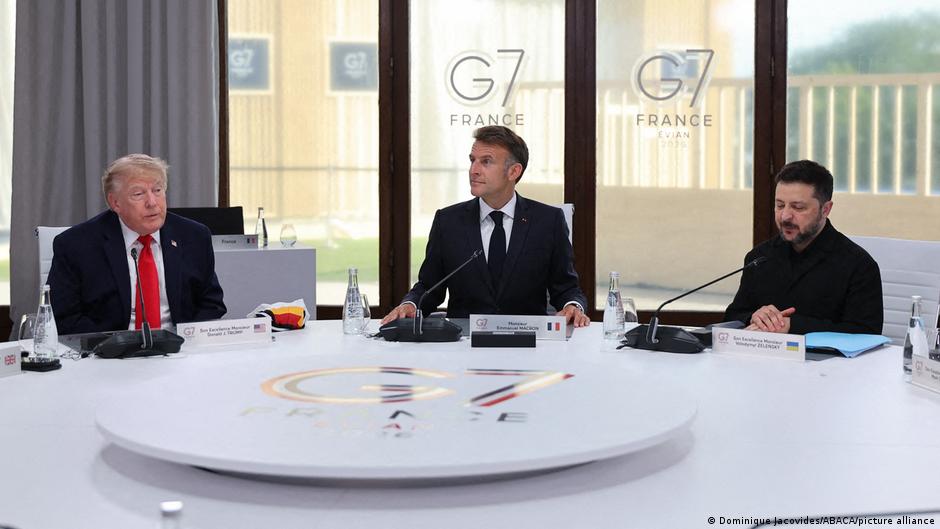
G7 leaders commit to new sanctions on Russian oil and gas sectors and increase military aid to Ukraine, impacting energy and defense markets worldwide.

Bolivia and the US sign a landmark anti-narcotics pact after 18 years, potentially improving regional stability and investor confidence in Bolivian markets.

Brazil’s Supreme Court sentenced Eduardo Bolsonaro to prison, escalating political volatility ahead of 2026 elections and impacting market sentiment and investor risk perceptions.

European leaders welcome the US-Iran peace deal, emphasizing regional stability, nuclear non-proliferation, and potential easing of market risks, particularly in energy sectors.

Iran has replenished about 75% of its missile arsenal, likely aided by new Russian missile deliveries, fueling geopolitical risks that affect defense equities and energy markets.

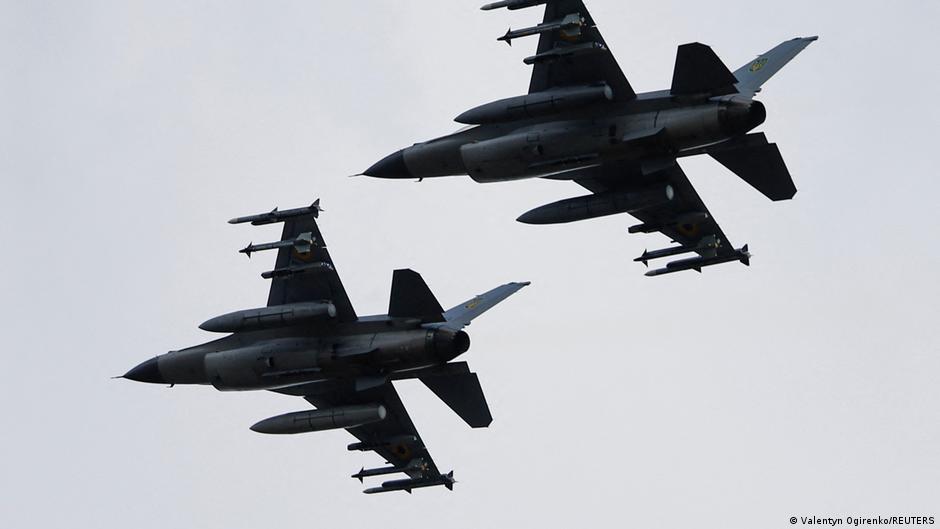
The US will reduce its NATO fighter jets and naval assets in Europe, affecting defense supply chains and prompting shifts in European military spending that investors should watch closely.

The US sanctions on Cuba’s state oil company CUPET increase risks for energy sector investors amid rising geopolitical tensions and supply challenges.

Renewed US-Iran hostilities and Iran’s closure of the Strait of Hormuz have triggered market volatility and raised concerns over oil supply disruptions.

Twenty-two countries condemn Iran for attacks on their territories, raising geopolitical tensions and triggering cautious capital market responses.

US military strikes on Iranian targets following the downing of an Apache helicopter have intensified regional tensions, impacting energy prices and investor sentiment.

A US court invalidated Trump-era $100,000 H-1B visa fee, lowering costs for companies hiring skilled foreign workers and easing investor concerns in tech sectors.

Israeli and Iranian military exchanges intensify amid US-led peace talks, causing volatility across equities and bonds as investors assess geopolitical risks.

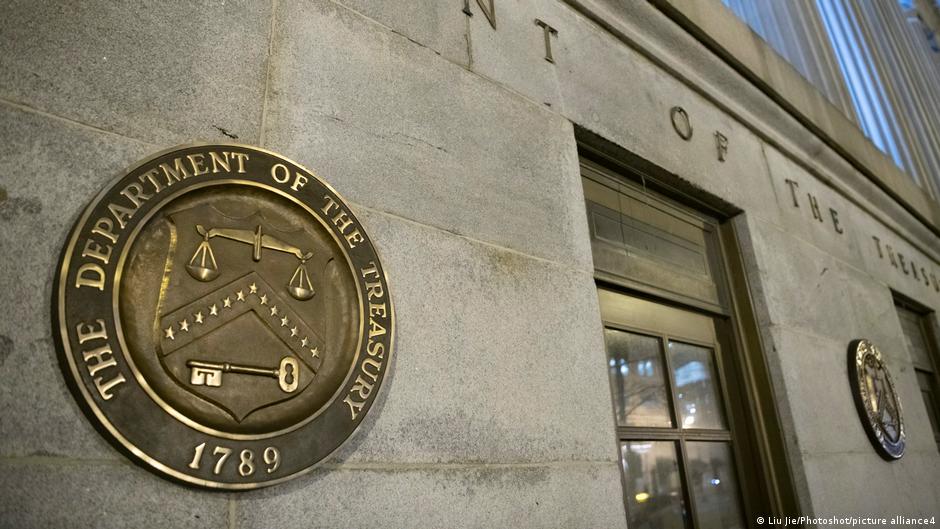
The US Treasury expanded sanctions on Cuban President Diaz-Canel and Castro family members, heightening geopolitical risks and impacting investor sentiment in related markets.

The US-brokered ceasefire between Israel and Lebanon prompts cautious optimism in equities and bond markets amid ongoing geopolitical risks in the Middle East.

Rheinmetall signs a €5.7 billion contract with Romania, financed by the EU's SAFE fund, marking a major boost for European defense markets and investor opportunities.

The UN nears bankruptcy due to delayed payments from the US and China, triggering operational cuts and investor concerns about global market stability.

The US has quietly aided around 70 commercial ships through the Iran-blocked Strait of Hormuz, signaling ongoing regional tensions that affect energy and shipping markets.

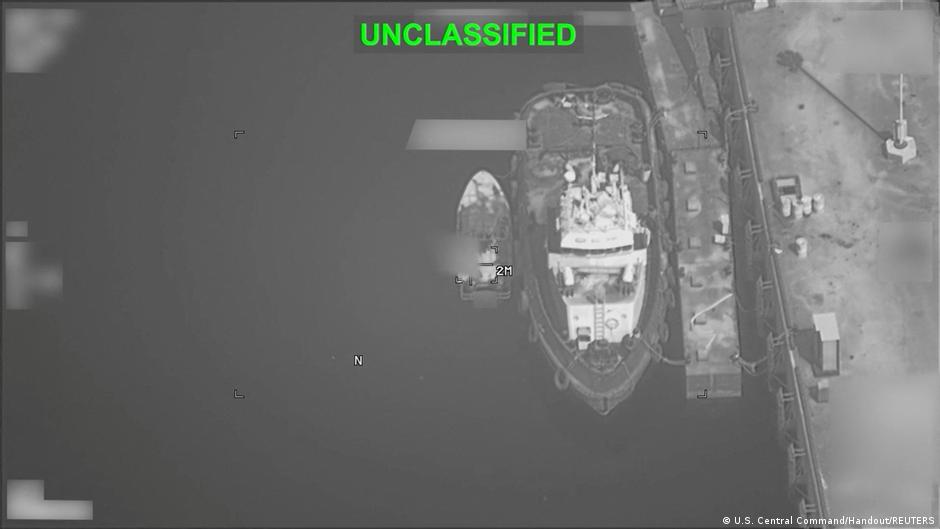
US forces disabled a Gambian-flagged vessel headed to Iran amid Strait of Hormuz blockade, raising regional tensions and impacting energy markets and investor sentiment.

President Trump demands Iran respect U.S. 'red lines' on nuclear weapons, affecting market sentiment and investor strategies amid ongoing diplomatic talks.

US defensive strikes on Iranian missile sites and vessels raise geopolitical risks, impacting energy and defense stocks, bond markets, and investor sentiment amid a fragile ceasefire.

Trump states Iran's enriched uranium will be destroyed either in the US or under IAEA oversight, increasing geopolitical tensions with potential impacts on global capital markets.

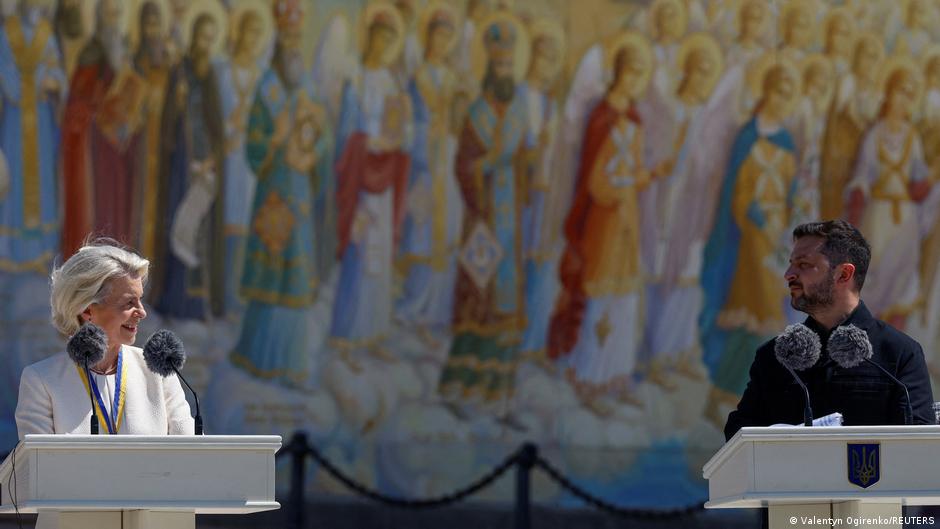
European leaders and Ukraine's president convened to discuss restarting peace talks, a move that may influence capital markets by affecting regional risk and investor confidence.

US charges Raul Castro over 1996 killing of pilots amid rising US-Cuba tensions, posing new geopolitical risks for investors in Latin America and emerging markets.

Western condemnation of Israel's treatment of detained activists has sparked diplomatic tensions, raising concerns about market volatility and investor risk in the region.

The US Senate advanced a resolution limiting presidential war powers against Iran, influencing market stability amid ongoing geopolitical tensions.

US President Trump delays planned Iran strike after Gulf leaders intervene, triggering cautious market reactions amid ongoing high-stakes negotiations.