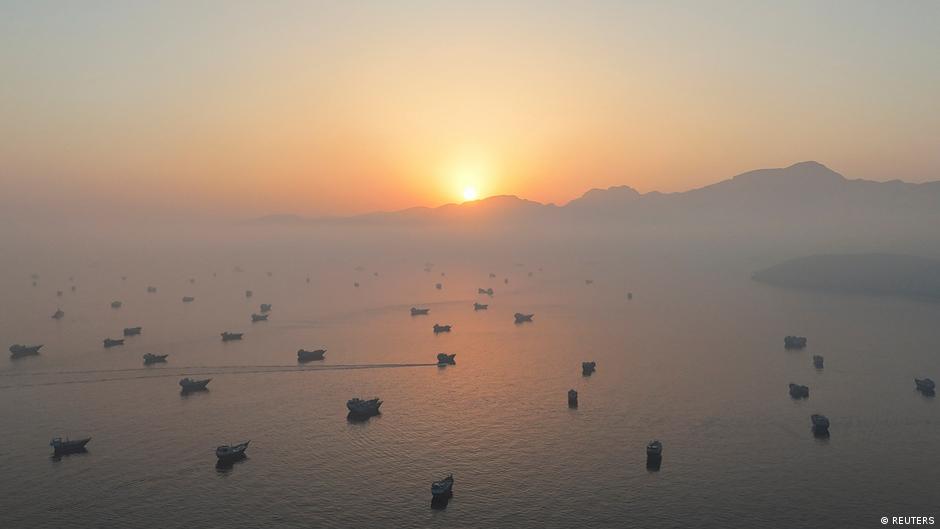
U.S. Disables Panama-Flagged Cargo Ship as Hormuz Risks Hit Markets
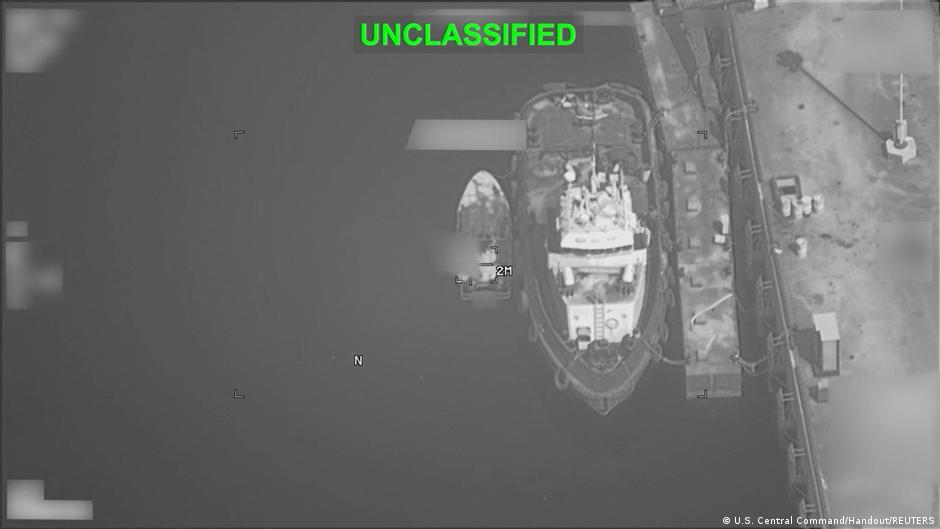
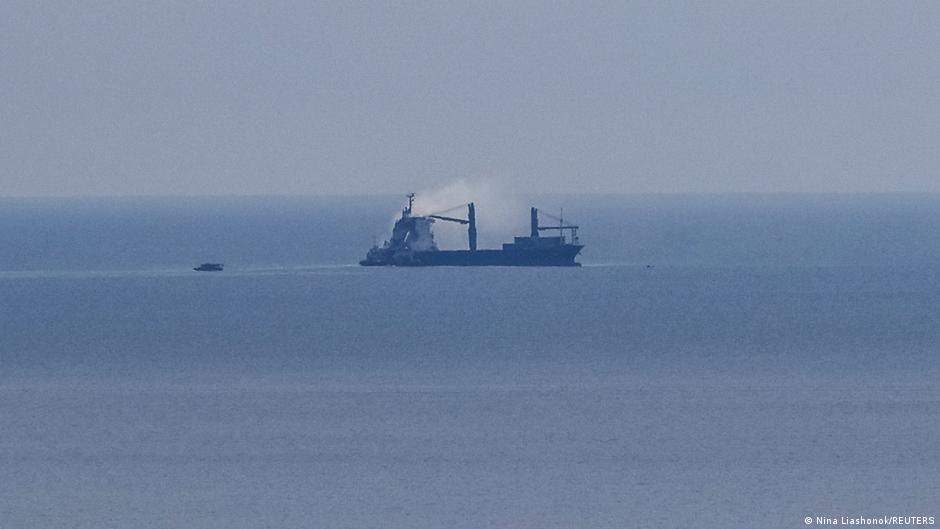
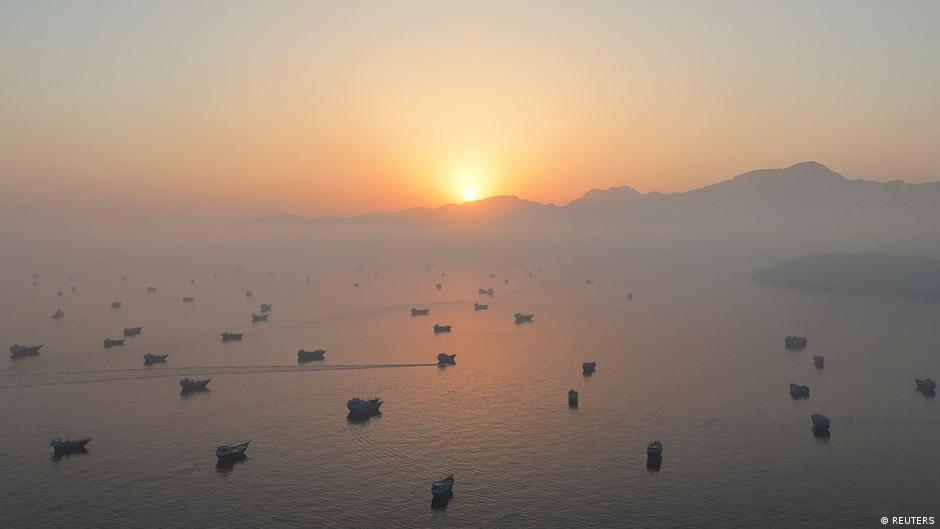
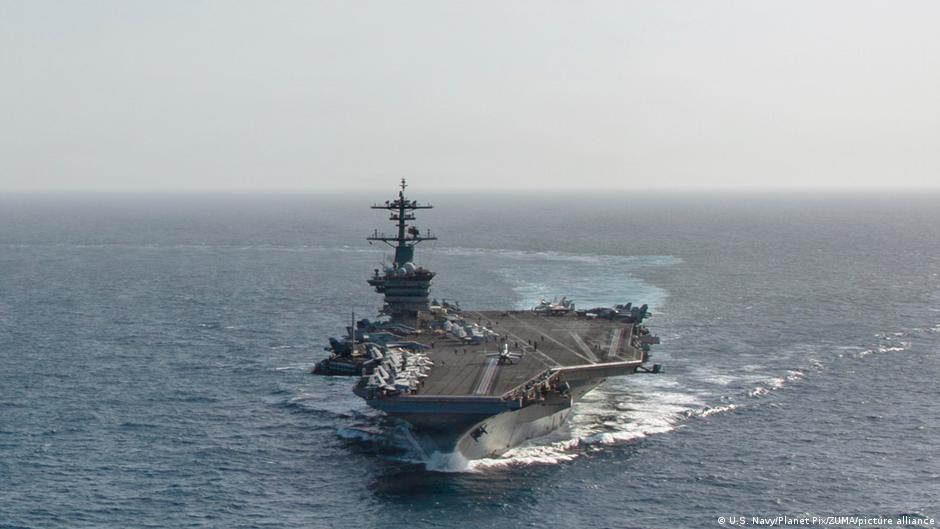
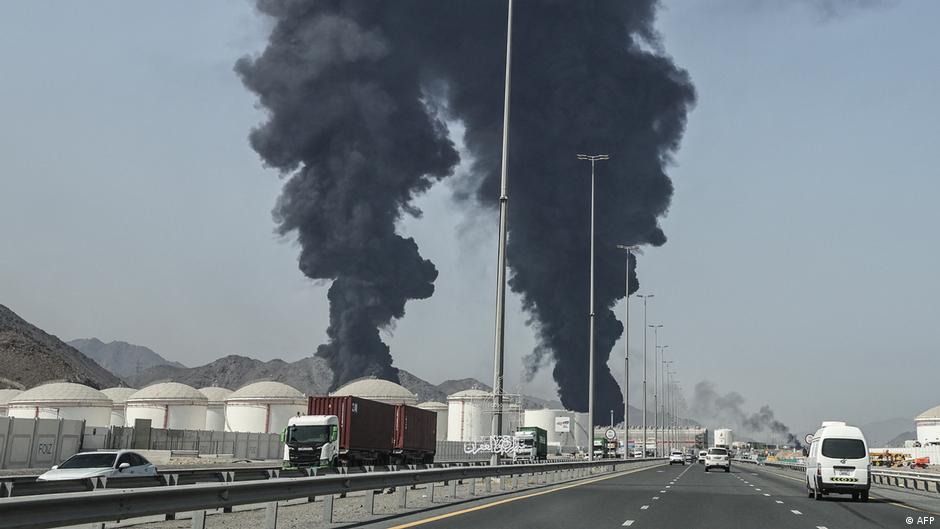
A U.S. strike disabled a cargo ship in the Gulf of Oman as a tanker was hit in Hormuz, adding pressure to energy prices and investor risk models.
A U.S. strike disabled a cargo ship in the Gulf of Oman as a tanker was hit in Hormuz, adding pressure to energy prices and investor risk models.

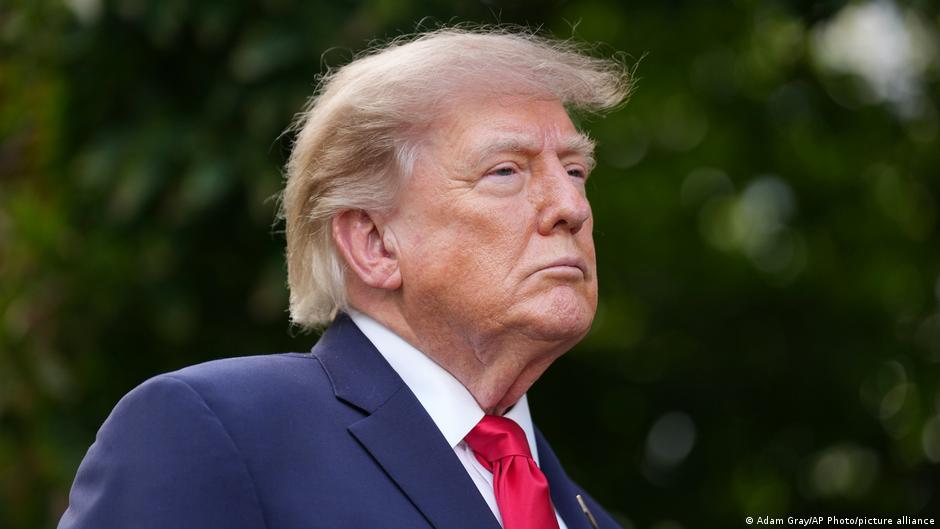
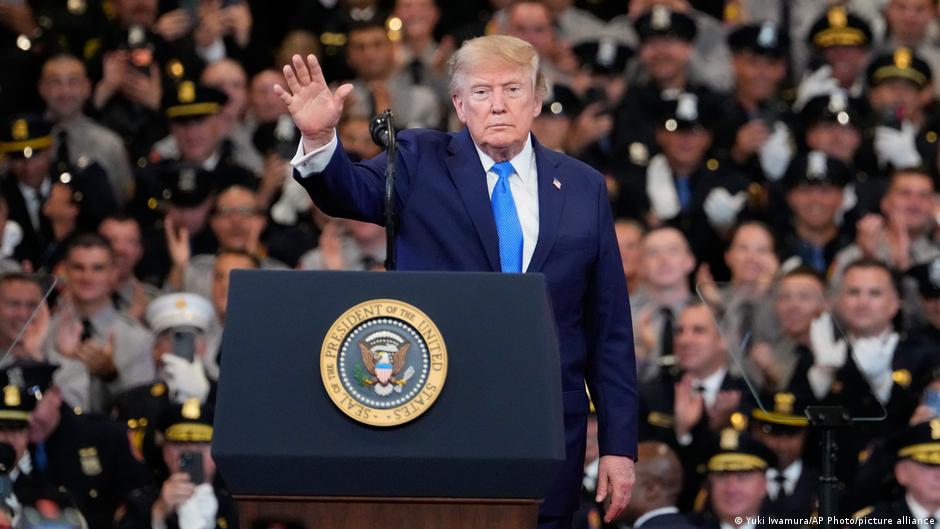
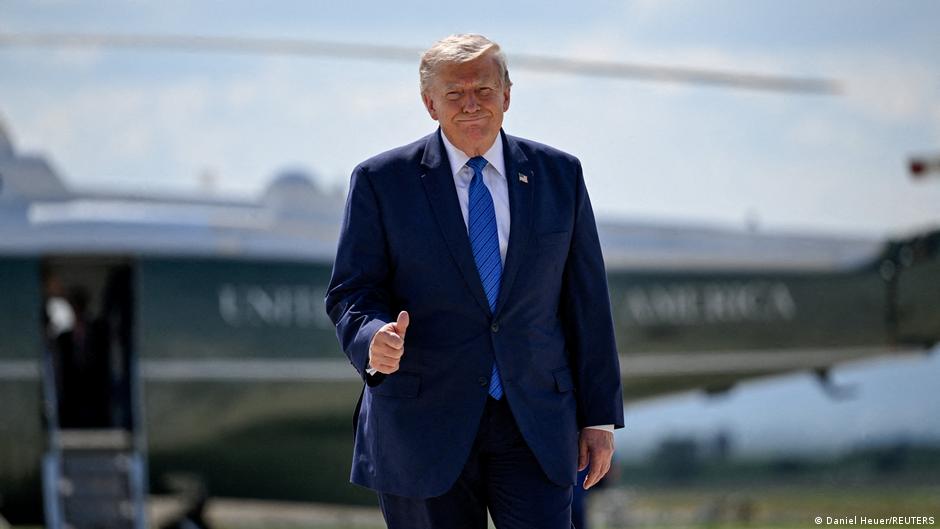
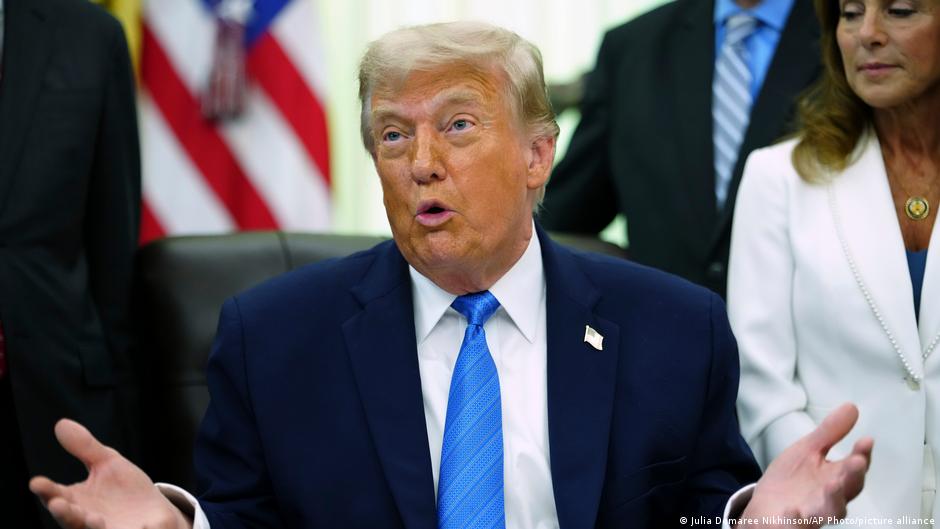
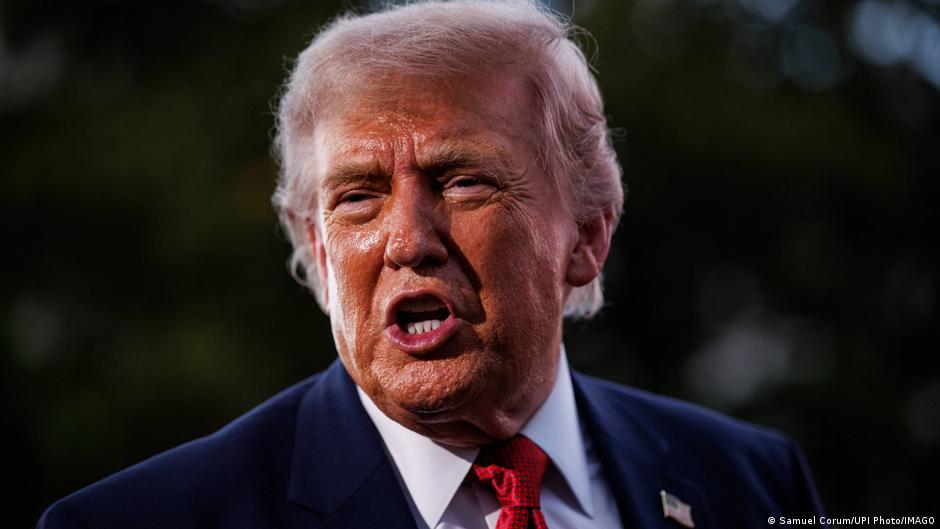
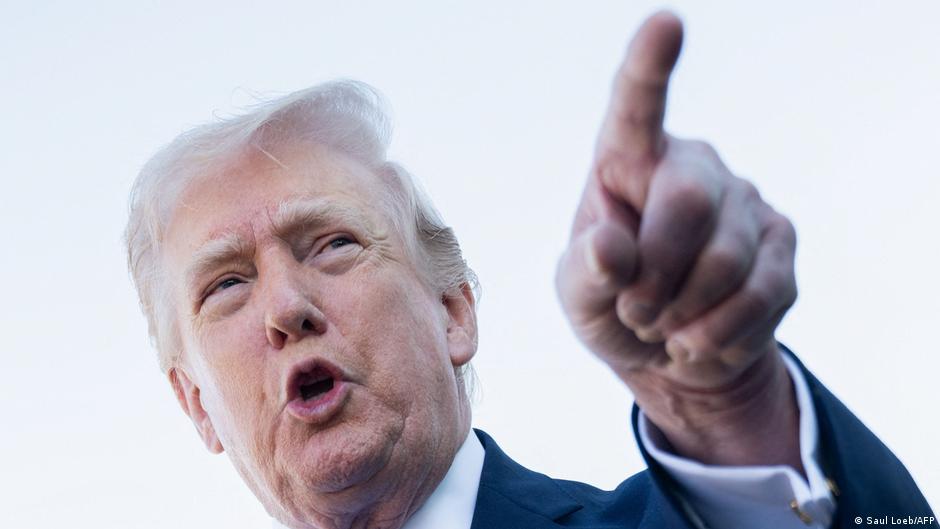
Trump expects new Iran talks, but disputes over Hormuz, sanctions and the nuclear program keep oil, equities and bonds exposed to headline risk.

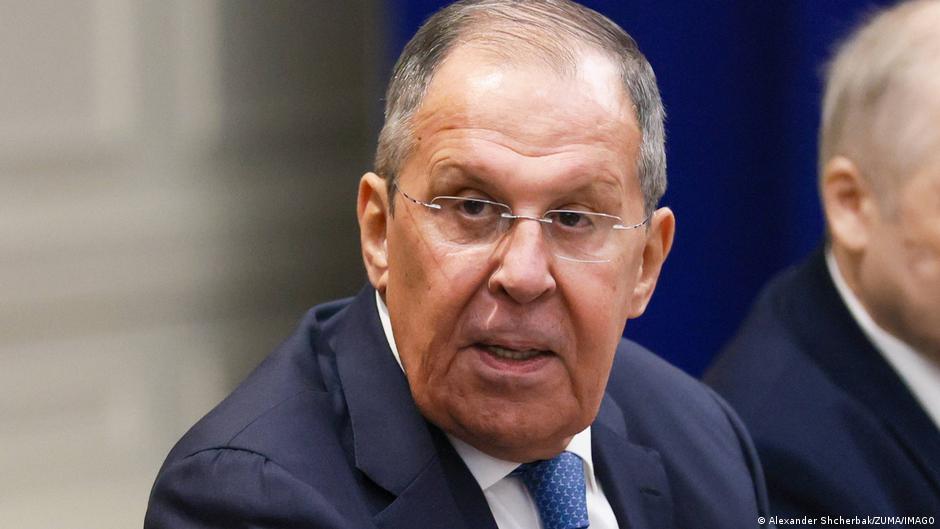
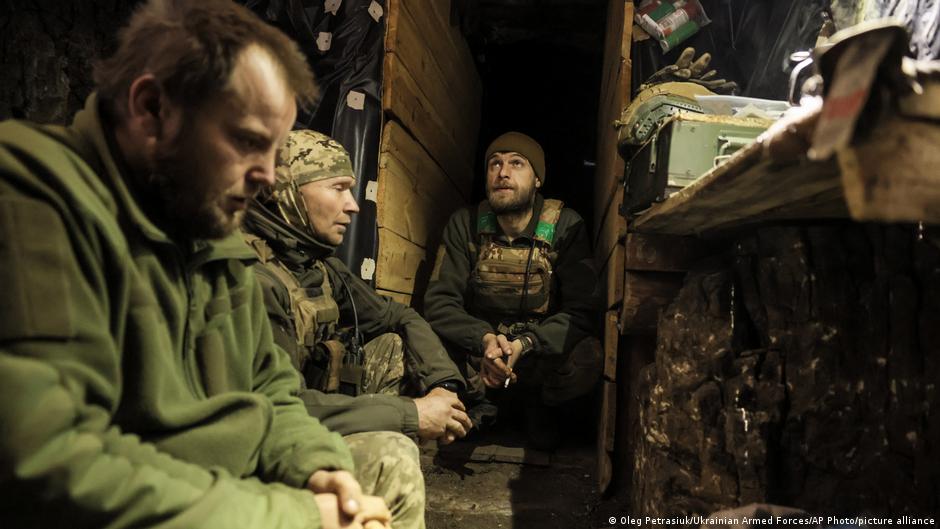
Lavrov said Russia will not pause military action for Ukraine talks, keeping war risk central for investors watching Europe, bonds and policy risk.

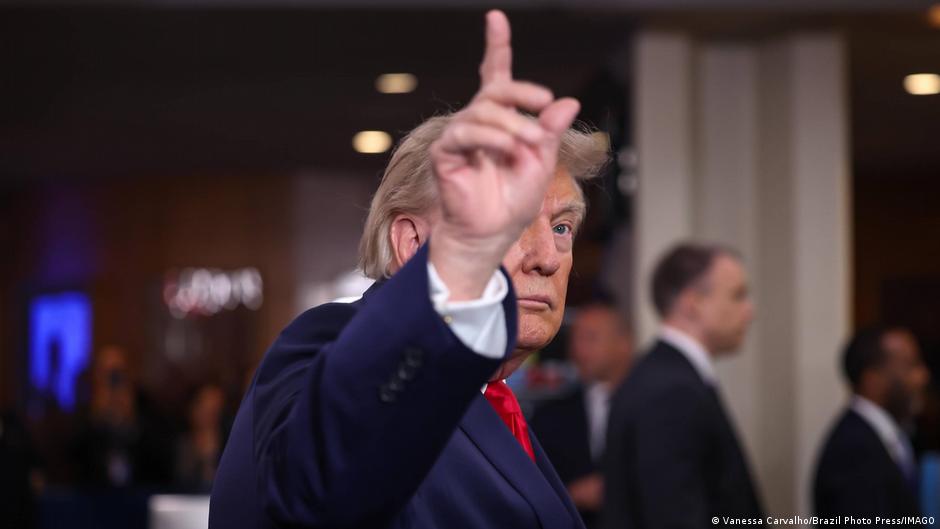
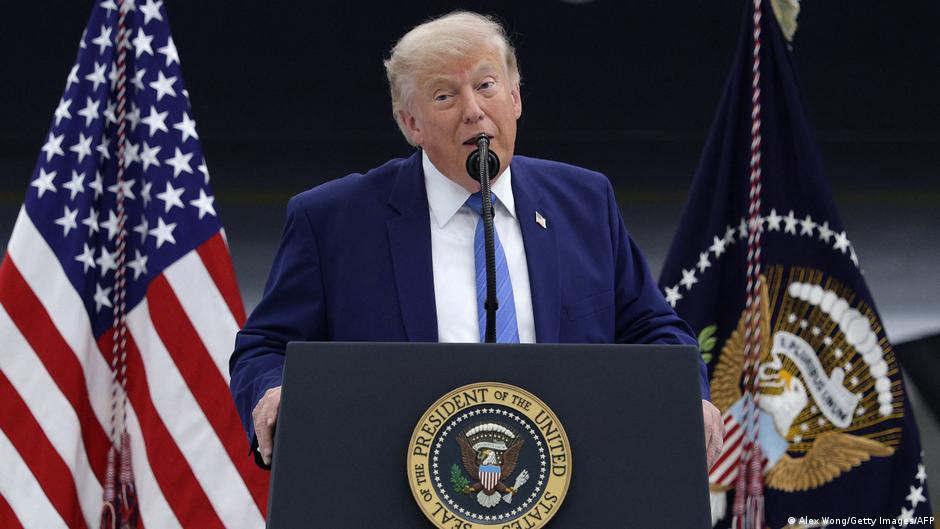
Trump said U.S.-Iran talks at the U.N. were very productive, giving markets a fresh signal on oil, shipping and geopolitical risk.

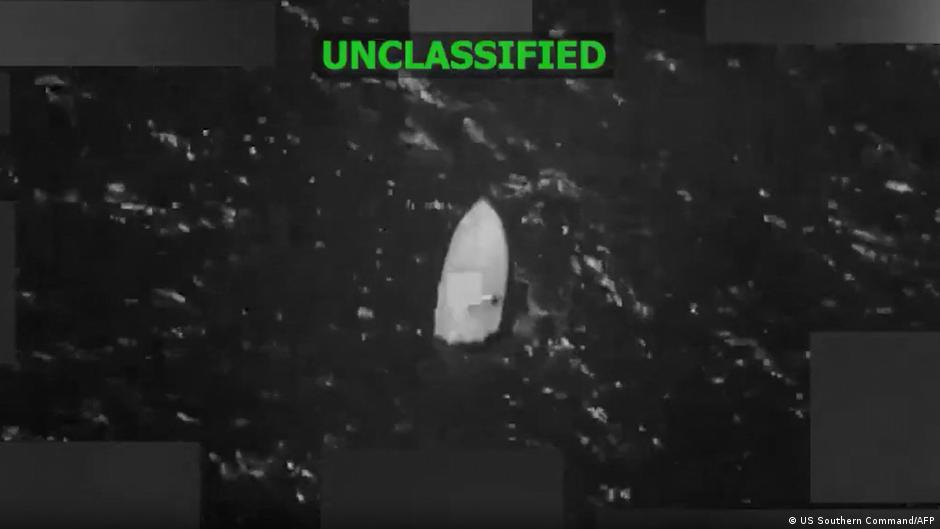
The U.S. said four people were killed in a Caribbean drug-boat strike, adding to a campaign watched by investors for policy and geopolitical risk.

Houthi forces captured Mocha, strengthening their position near Bab el-Mandeb and raising investor concerns over oil supply and market volatility.

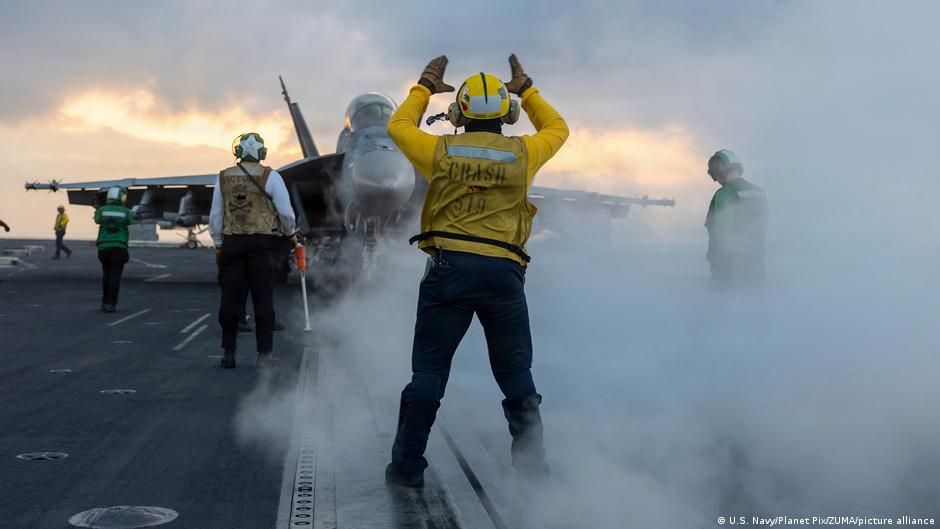
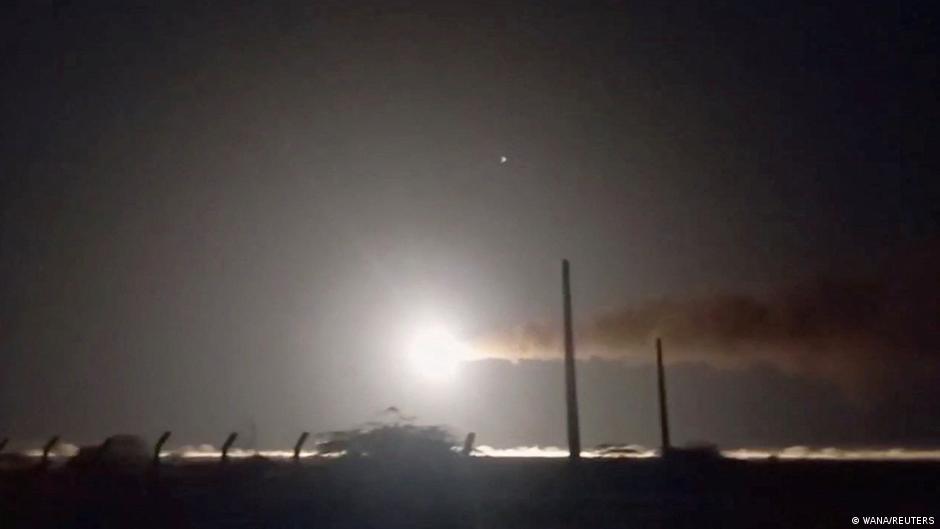
CENTCOM said it destroyed five Iranian oil tankers after missile attacks on a U.S. Navy ship, sharpening market focus on Hormuz risk.

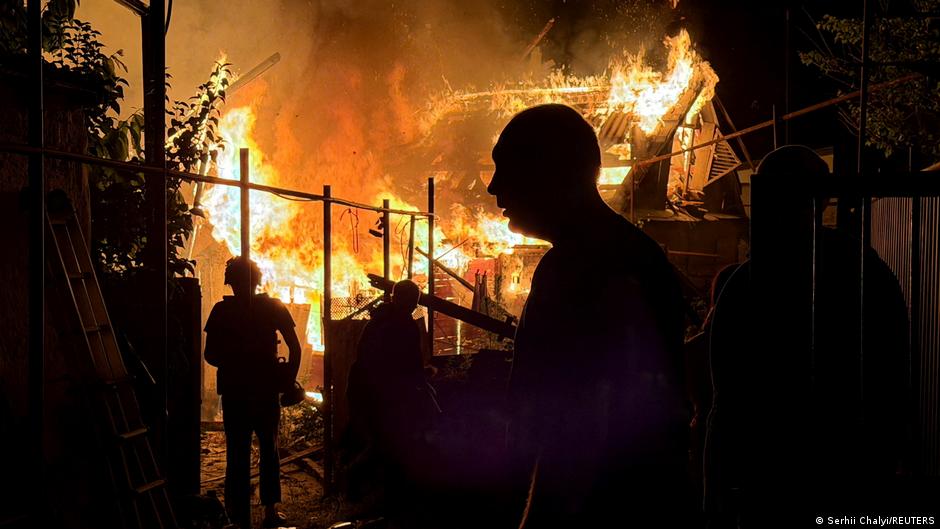
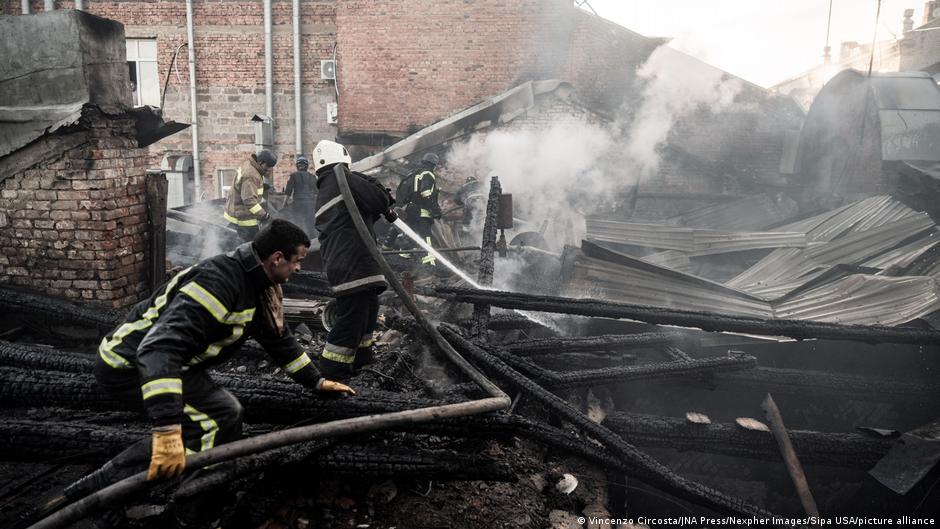
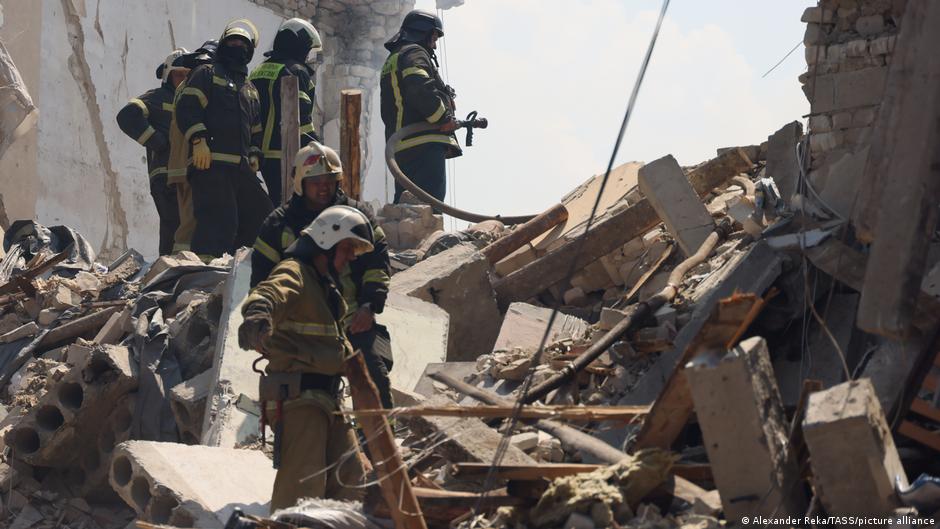
Russian drone strikes on Zaporizhzhia cause casualties and damage, raising investor concerns over regional stability and market volatility.

Trump threatens Oman with bombing over obstructing US-Iran talks on Strait of Hormuz, escalating geopolitical risks that impact oil markets and investor sentiment.

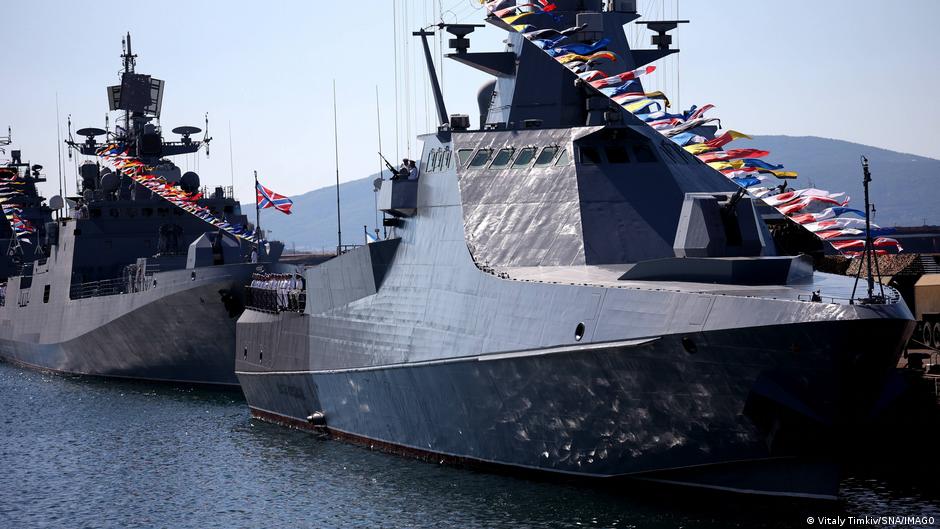
Ukraine's strike on Russian naval ships and infrastructure in Novorossiysk disrupts key grain exports and energy terminals, triggering volatility in Russian equities and bond markets.

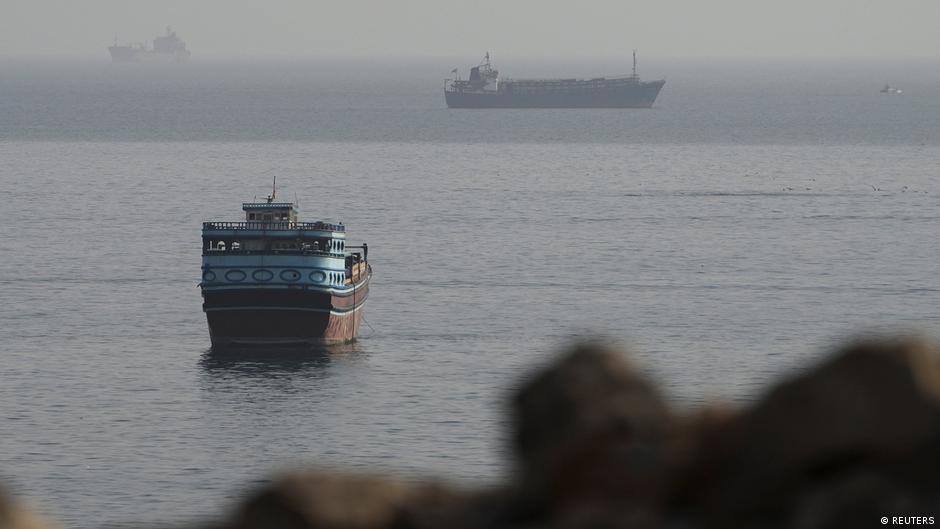
US military disabled a cargo ship attempting to breach Iran blockade in Strait of Hormuz, escalating maritime tensions and injecting volatility into energy markets and global shipping.

President Trump announces renewed US-Iran talks starting August 3 after delaying military strikes, impacting equity, bond, and commodity markets amid geopolitical uncertainties.

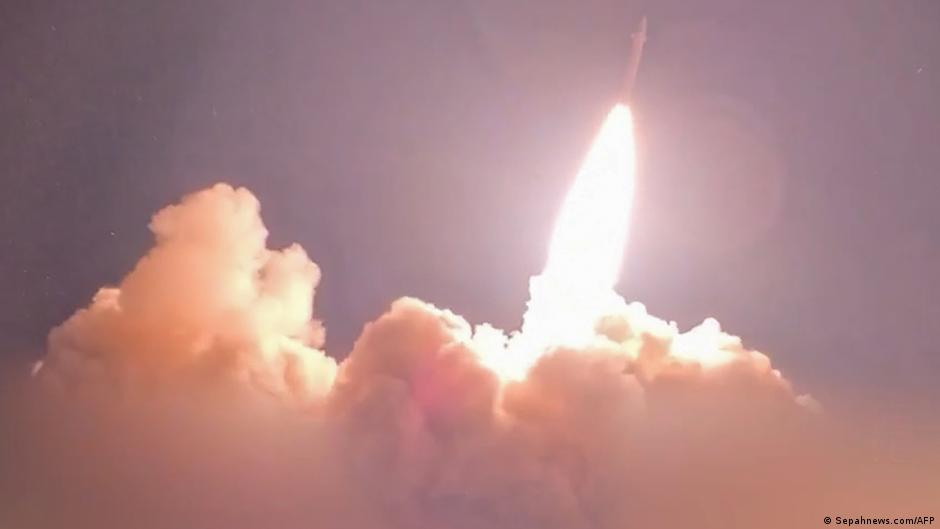
US forces intercepted ballistic missiles from Iran, heightening geopolitical risks that influence energy markets, equities, and bonds amid regional tension.

Russia’s attacks on Black Sea commercial vessels have heightened geopolitical risks, disrupting trade routes vital for global food security and prompting an emergency UN Security Council meeting.

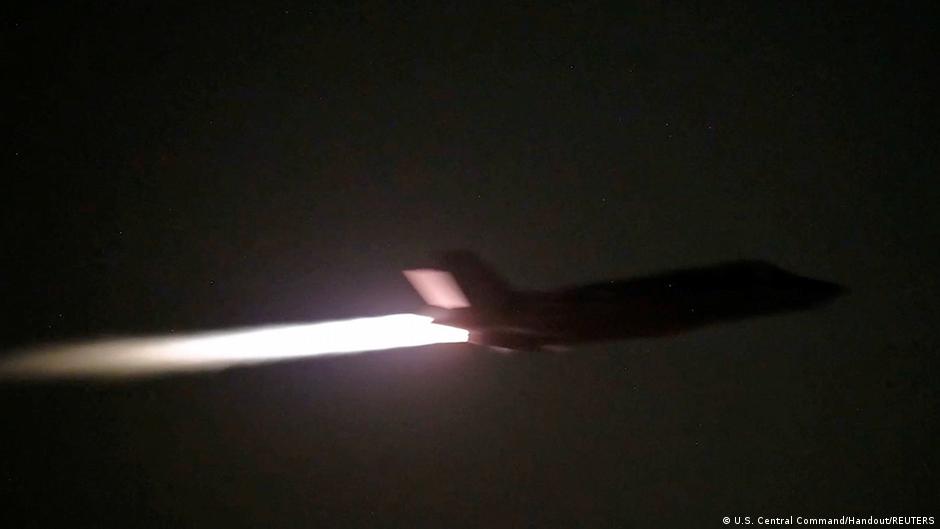
US forces conducted airstrikes on Iran for the 11th night amid escalating regional conflict, affecting energy supply routes and increasing market uncertainty for investors.

US and Iran military clashes near the Strait of Hormuz are disrupting oil shipping and increasing market uncertainty, affecting energy prices and investor risk sentiment worldwide.

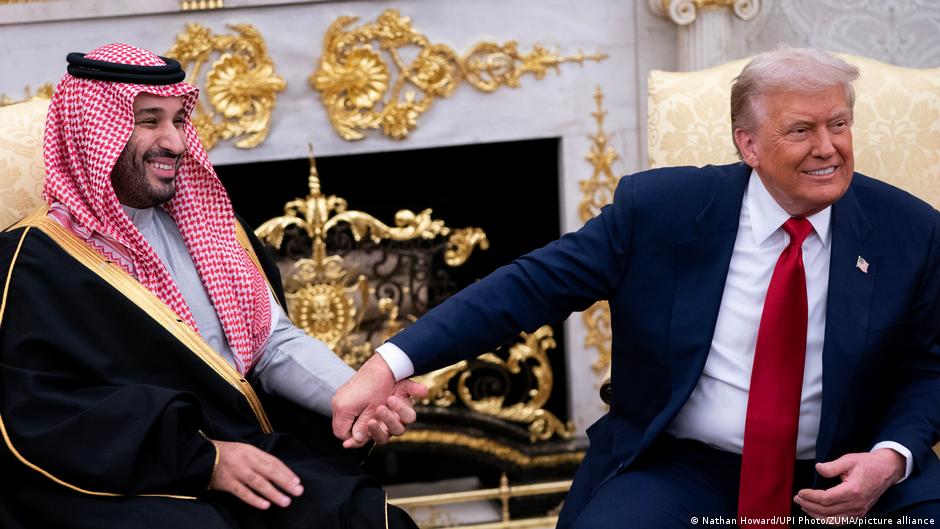
US plans to permit Saudi uranium enrichment without strict safeguards raise geopolitical risks, impacting equities and bonds in Middle Eastern markets.

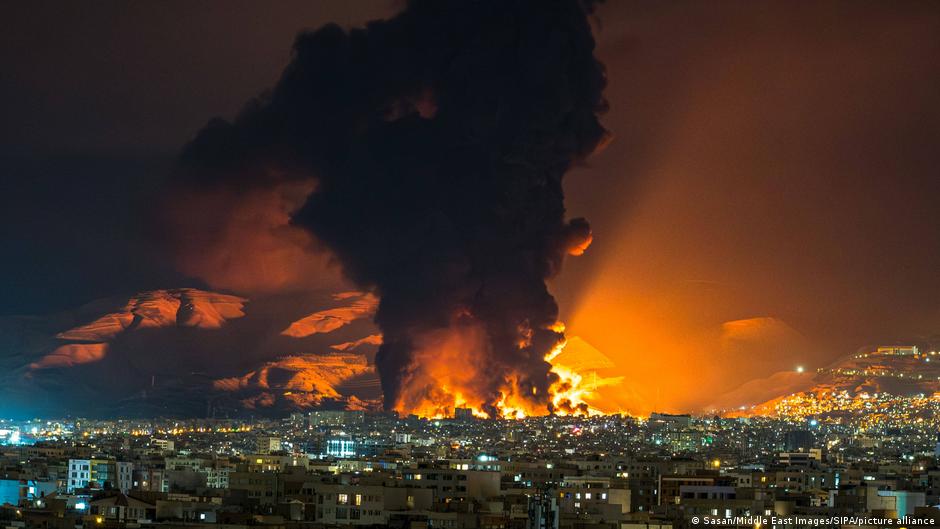
US airstrikes on Iranian targets and Tehran’s retaliatory attacks escalate Middle East tensions, driving volatility in oil markets, equities, and bonds.

Russian combined air and drone strikes on Izium have caused civilian damage and raised geopolitical risks, prompting increased market volatility and investor caution in Eastern Europe.

US strikes on Iran near the Strait of Hormuz escalate tensions, impacting oil shipping routes and increasing risks for energy markets and investors globally.

US military strikes on Iran escalate tensions, impacting oil supply routes and causing volatility in energy markets and investor sentiment.

Recent Russian missile and drone attacks on Kyiv have escalated regional tensions, causing fatalities and infrastructure damage, leading to increased market volatility and investor caution.

US and Iran exchanged military strikes after an Iranian drone attacked a merchant vessel in the Strait of Hormuz, causing oil prices to rise and increasing market volatility.

Finland has lifted its ban on nuclear weapons transit, aligning more closely with NATO and impacting regional security and market risk assessments for investors.

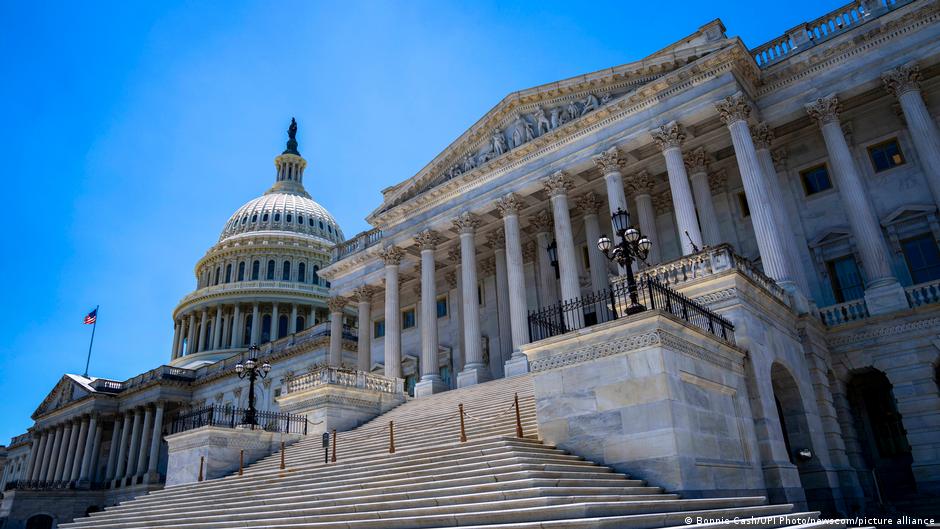
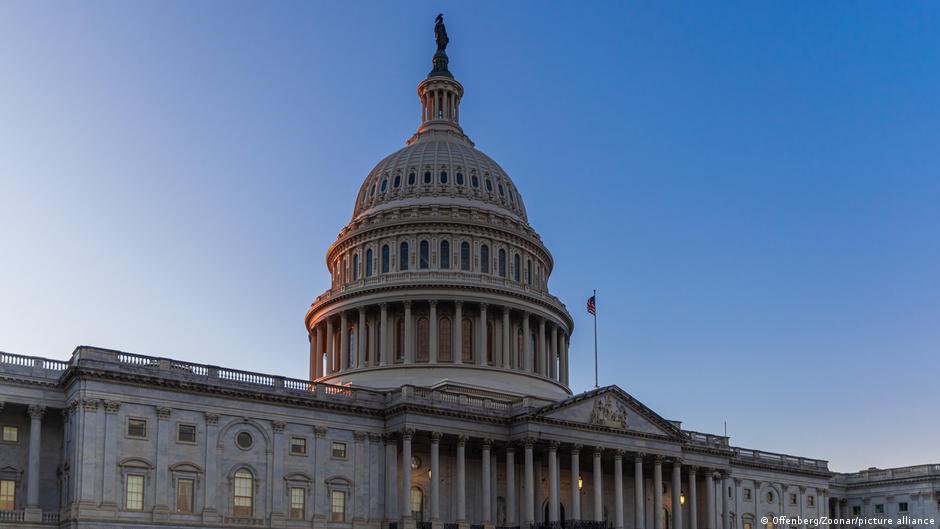
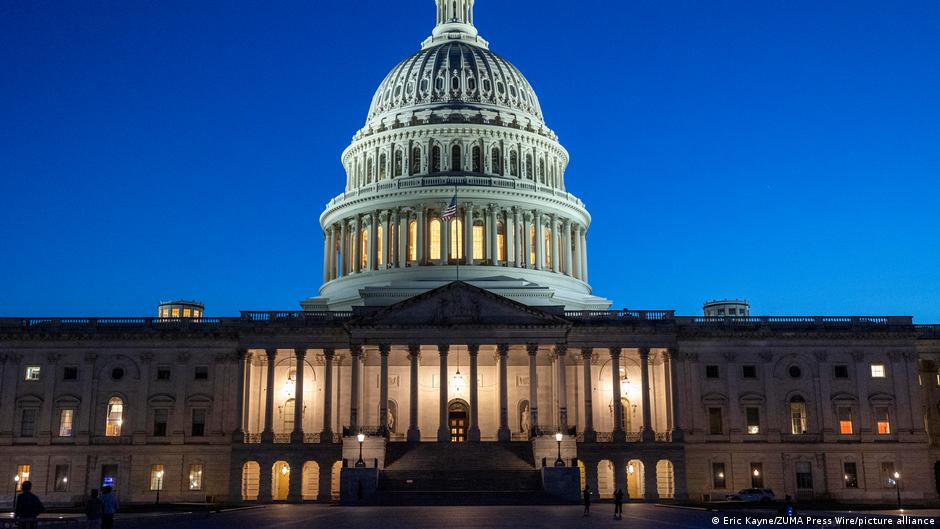
The US Senate's vote to end military actions against Iran raises geopolitical uncertainties impacting equities, bonds, and investor risk appetite.

Russian missile strikes on Zaporizhzhia and Kharkiv cause civilian injuries and infrastructure damage, escalating risks for Ukrainian capital markets and investors.

Colombian far-right candidate Abelardo de la Espriella wins presidency, prompting market reassessment on deregulation, security policies, and U.S. relations with implications for investors.

US and Iran agree on a communication channel for the Strait of Hormuz, easing geopolitical risks and potentially stabilizing energy markets and investor sentiment.

Russian missile and drone strikes in Ukraine's Kharkiv and Odessa regions increase market volatility, affecting equities and bonds amid rising geopolitical risks.

President Trump threatens a transit fee for ships passing the Strait of Hormuz if the US-Iran deal fails, raising oil market and investor uncertainty amid regional tensions.

The US has lifted its blockade of the Strait of Hormuz, reopening vital oil transit routes and initiating negotiations with Iran, impacting global energy markets and investor confidence.

US President Trump cancels planned strikes on Iran amid diplomatic progress, easing geopolitical risks and stabilizing oil and equity markets.

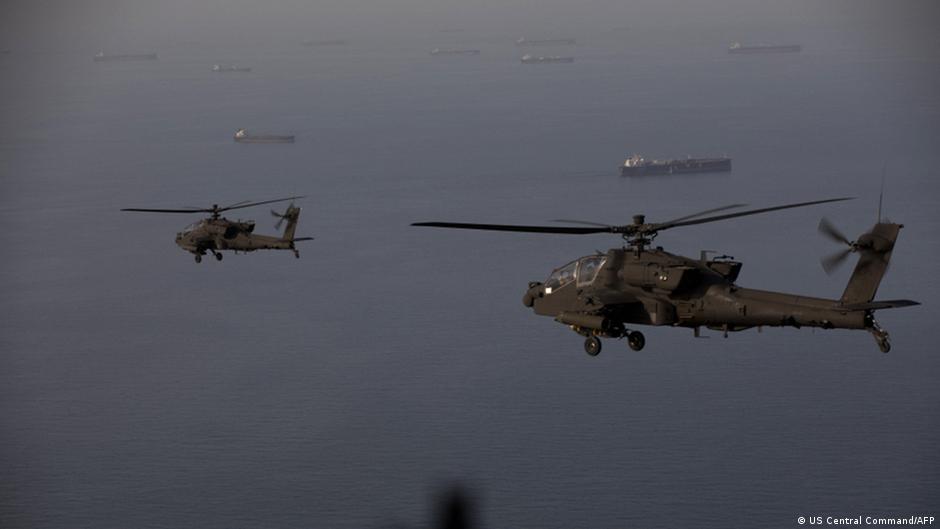
US military strikes on Iranian targets following the downing of an Apache helicopter have intensified regional tensions, impacting energy prices and investor sentiment.

Ukraine urges UN to ban Russian military from peacekeeping missions amid sexual crime allegations, intensifying geopolitical tensions affecting investor confidence and market risks.

Russian strikes in Zaporizhzhia caused power outages and fires, raising concerns over infrastructure stability and investor confidence in regional markets.

US forces down Iranian drones threatening the Strait of Hormuz, escalating regional risks that impact global energy markets and investor sentiment.

The US House passes a resolution restricting President Trump's military actions against Iran without Congress approval, reflecting political shifts that could impact markets sensitive to Middle East tensions.

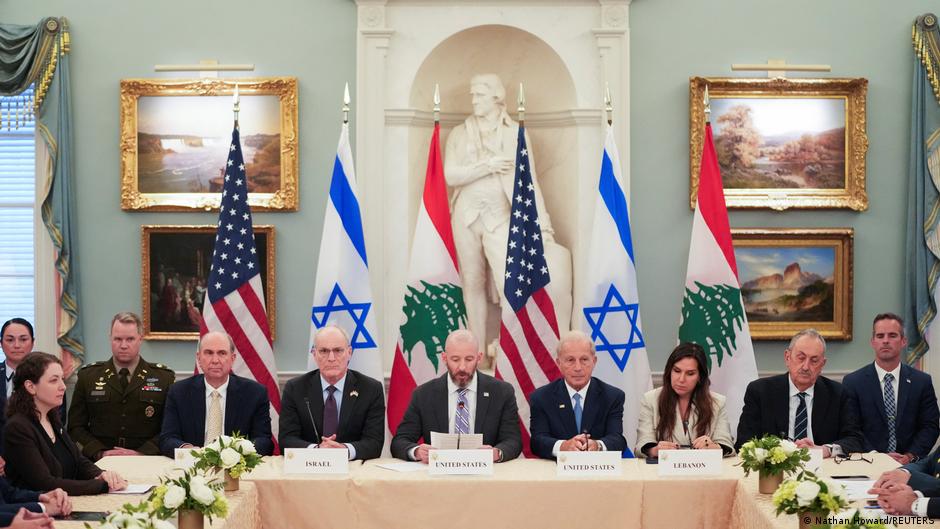
The US-brokered ceasefire between Israel and Lebanon prompts cautious optimism in equities and bond markets amid ongoing geopolitical risks in the Middle East.

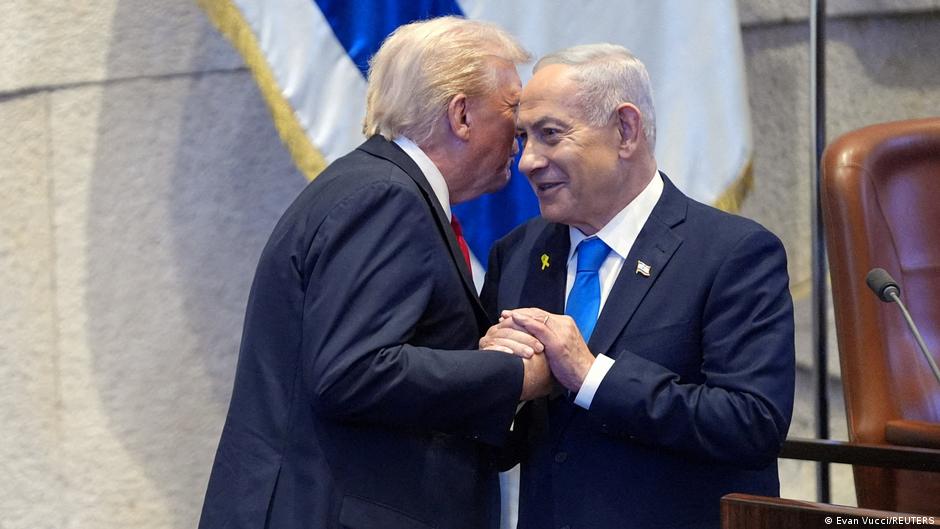
Tensions rise after Israeli strikes in Lebanon and US President Trump’s harsh criticism of Netanyahu, heightening geopolitical risks impacting equities and bonds.

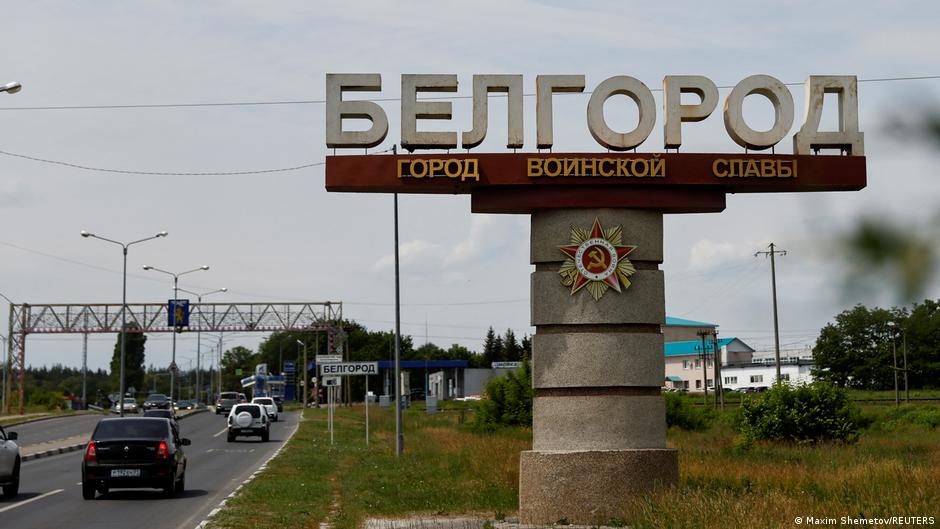
Belgorod restores mobile internet and street lighting after months of restrictions amid security concerns, highlighting evolving regional policies and risks for investors.

US defensive strikes on Iranian missile sites and vessels raise geopolitical risks, impacting energy and defense stocks, bond markets, and investor sentiment amid a fragile ceasefire.

The Starobelsk attack causing 21 civilian deaths has heightened geopolitical risks, affecting regional equities and bond markets with increased volatility and investor caution.

The US reversal to deploy 5,000 additional troops to Poland alters previous Pentagon plans, influencing defense markets and investor outlooks on transatlantic military commitments.

The US Senate advanced a resolution limiting presidential war powers against Iran, influencing market stability amid ongoing geopolitical tensions.

US President Trump delays planned Iran strike after Gulf leaders intervene, triggering cautious market reactions amid ongoing high-stakes negotiations.

US intelligence reports reveal Iran retains 70% of its missile arsenal, contradicting official claims and raising concerns over defense supply chains and geopolitical risks.

UAE’s undisclosed strikes on Iran raise regional tensions, impacting Gulf equities, bonds, and investor confidence amid ongoing conflict.

Ukraine's unilateral ceasefire faced immediate Russian attacks, triggering volatility in equity and bond markets amid ongoing conflict-related uncertainties.

The U.S. Senate rejected a resolution to limit presidential war powers on Iran, intensifying geopolitical risks and market uncertainty for investors.