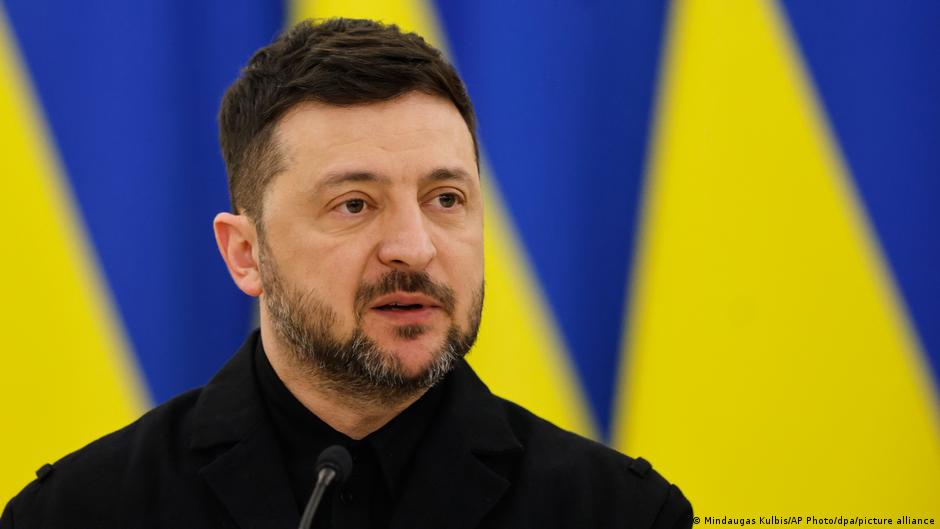
Zelensky Says North Korea Plans to Send 10,000 More Troops to Russia
Zelensky says North Korea plans to send about 10,000 more troops to Russia, raising geopolitical risk for equities, bonds and investors.

Zelensky says North Korea plans to send about 10,000 more troops to Russia, raising geopolitical risk for equities, bonds and investors.

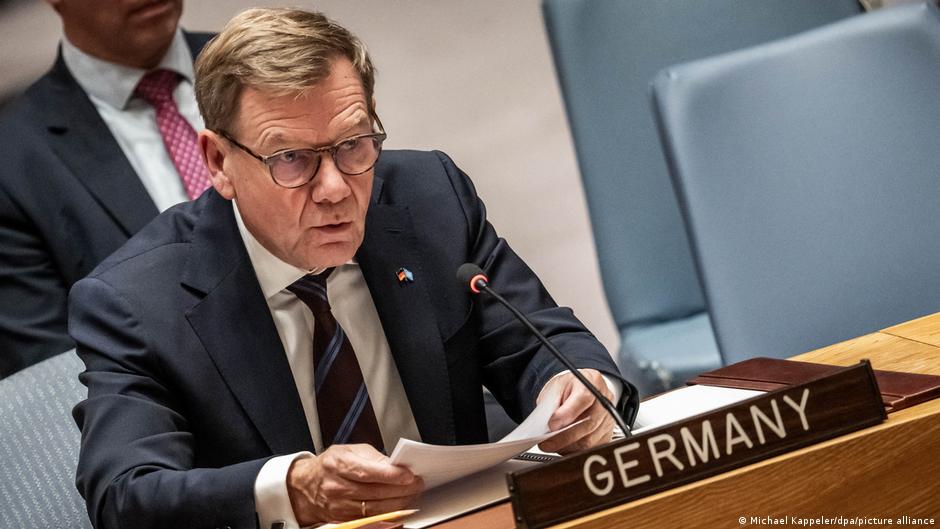
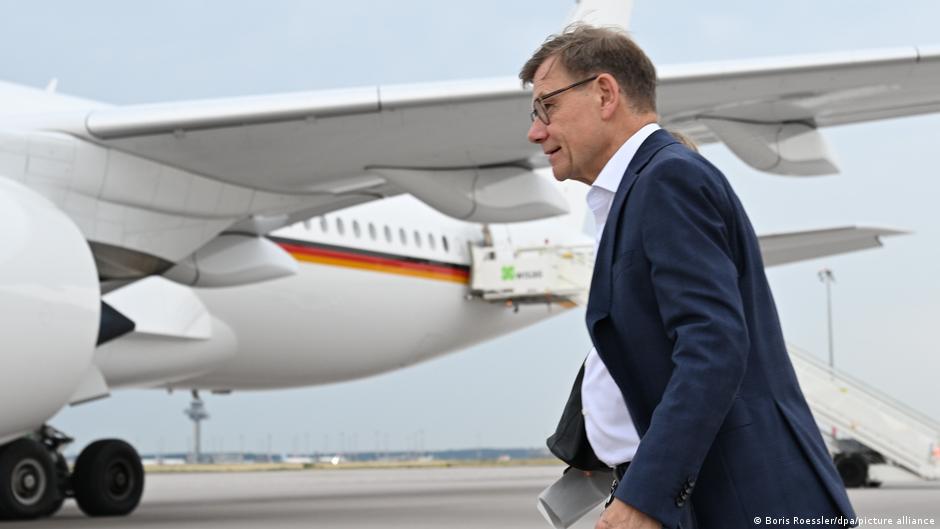
Germany says Putin’s possible G20 appearance would test Moscow’s readiness for Ukraine talks, with investors watching ceasefire signals.

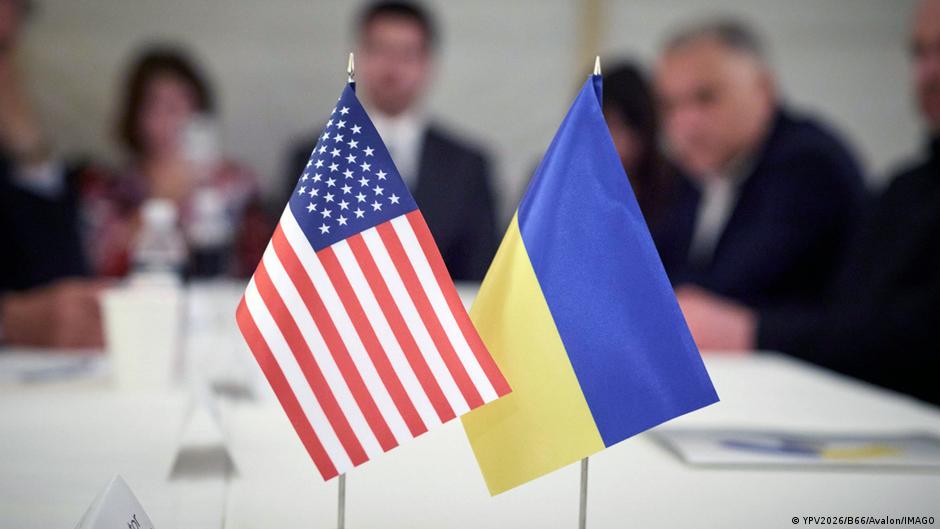
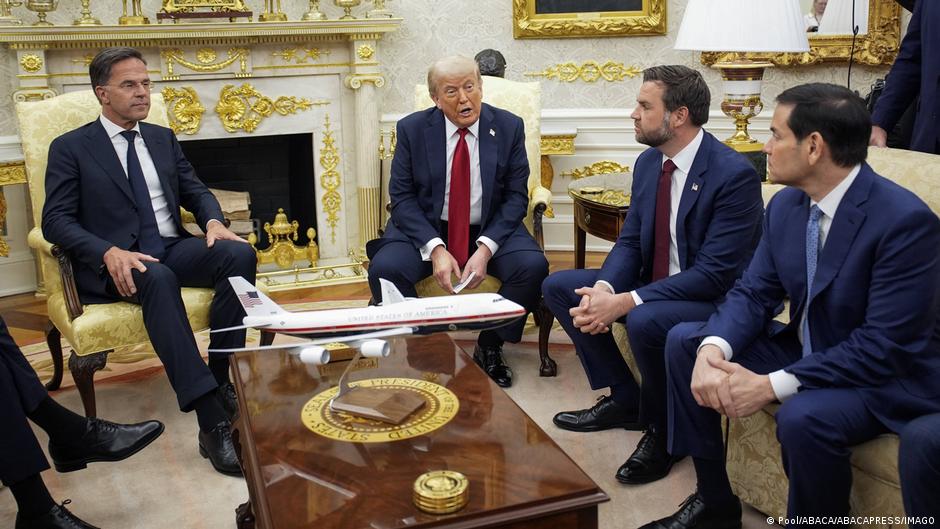
Kyiv denied a report that Trump urged Zelenskyy to meet Putin in Moscow as investors monitor diplomacy, diesel prices and energy risks.
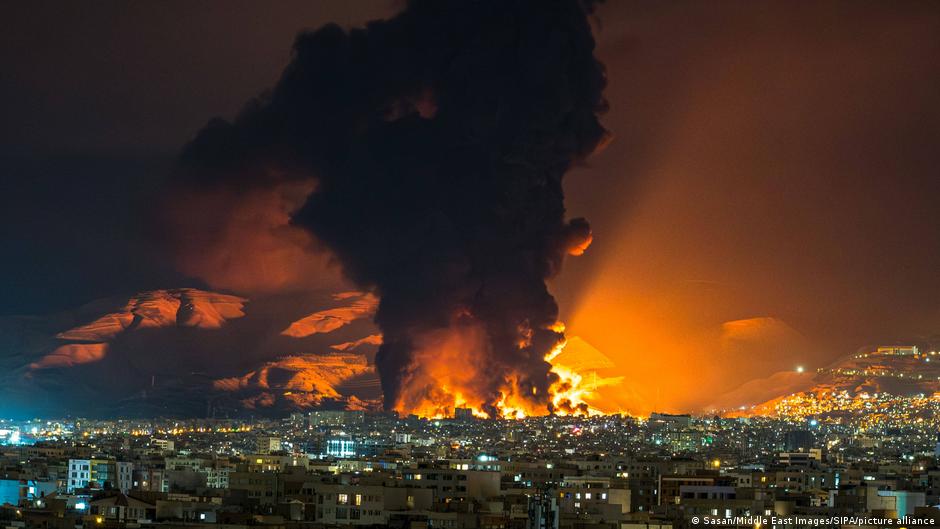
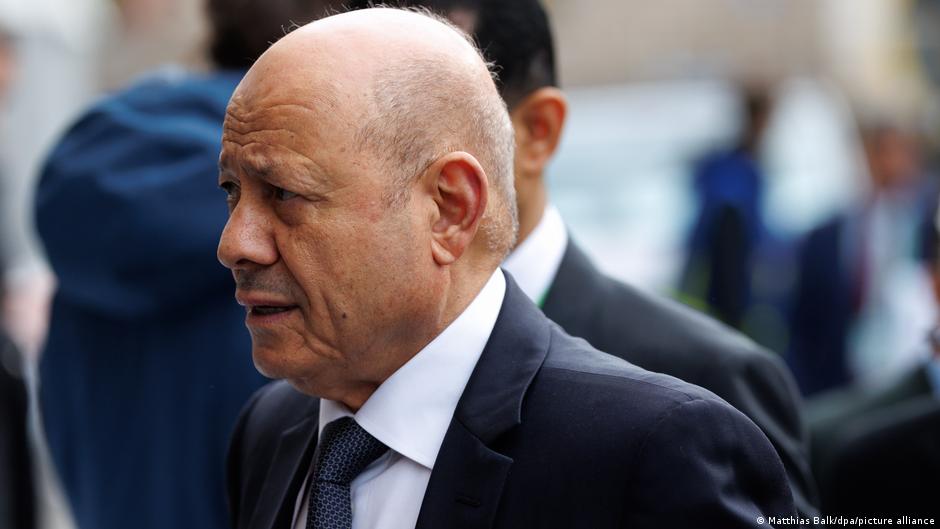
Yemen’s mobilization call adds to investor concerns over Red Sea shipping, Gulf oil exports, energy prices and regional market risk.

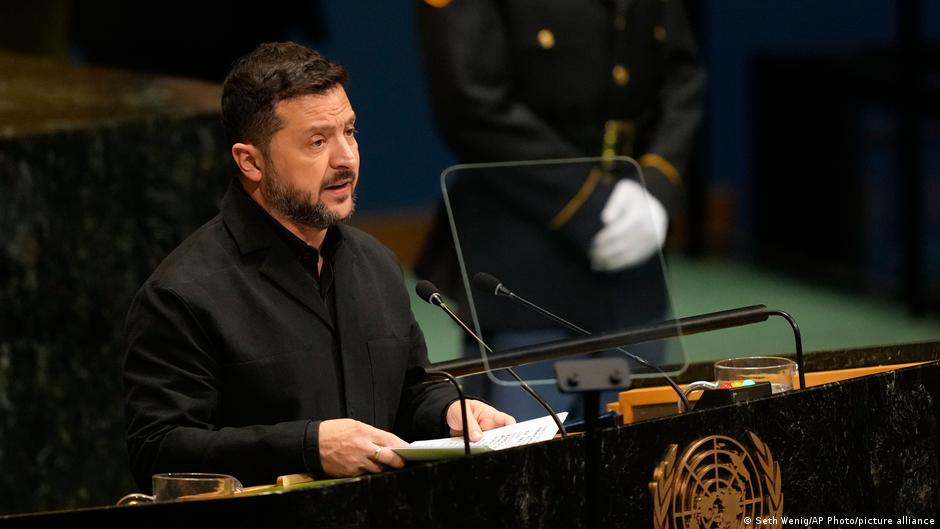
Zelenskyy’s UN remarks put Russia’s oil revenues, energy infrastructure and war financing back at the center of investor risk assessments.

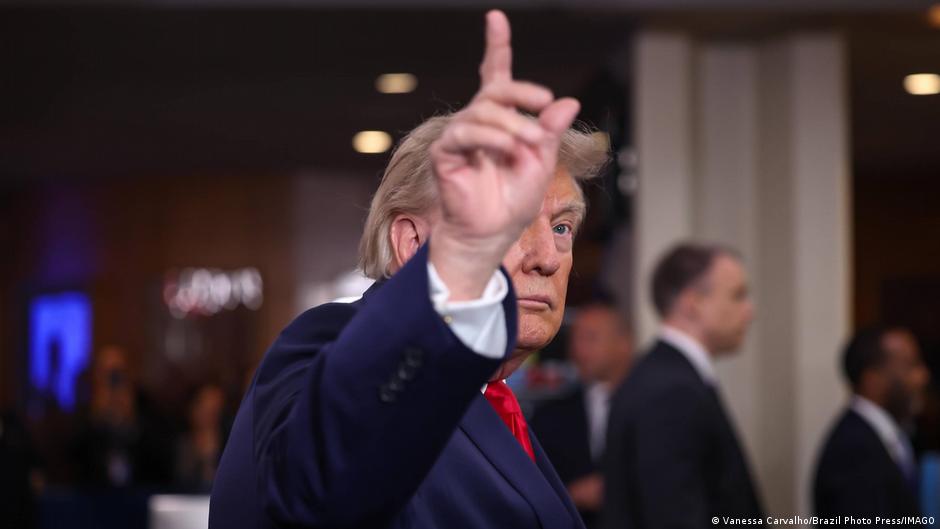
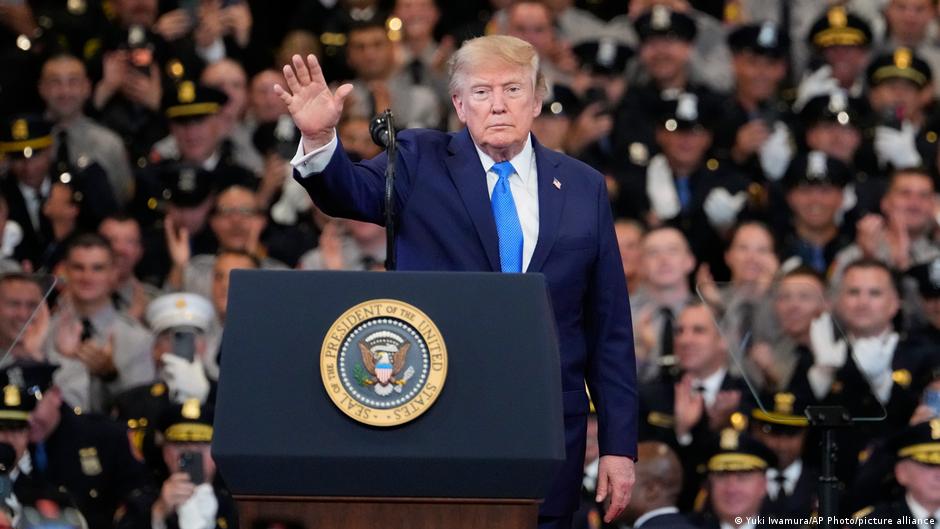
Trump said U.S.-Iran talks at the U.N. were very productive, giving markets a fresh signal on oil, shipping and geopolitical risk.

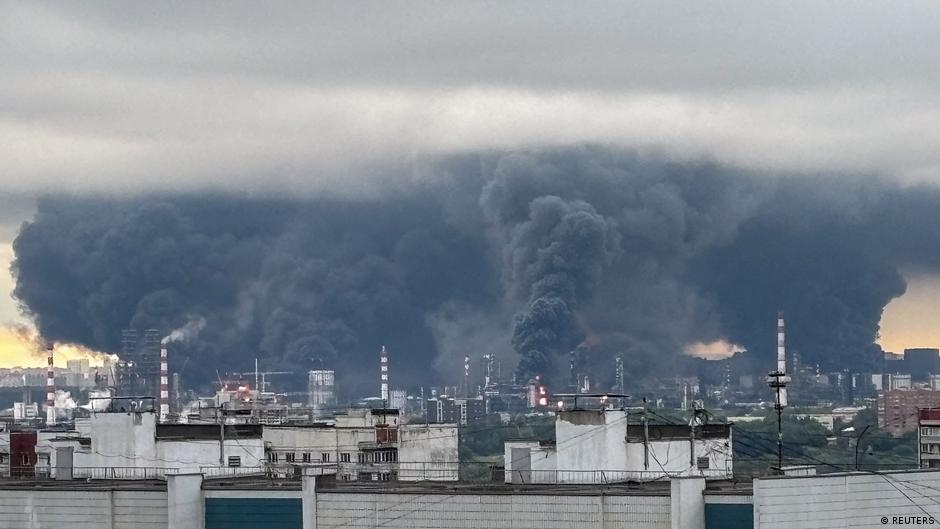
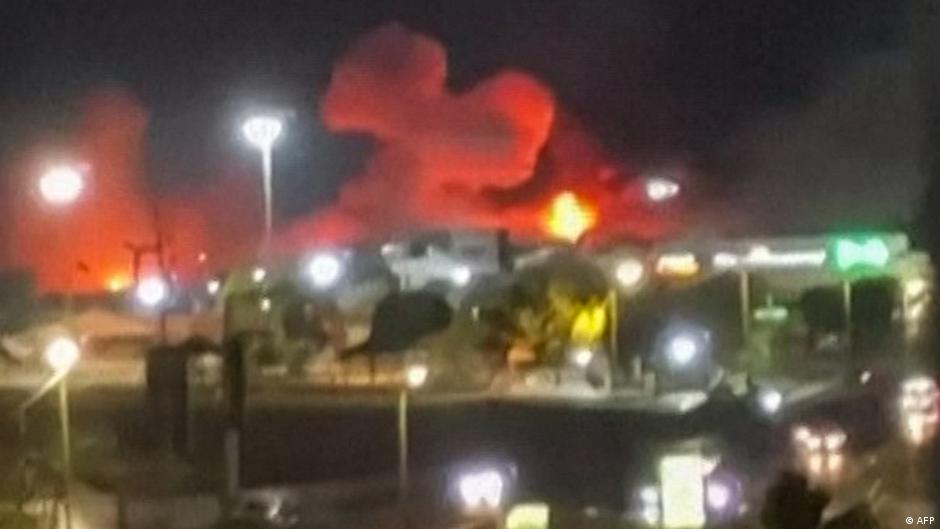
A major drone attack around Moscow killed two people, officials said, while fires and airport suspensions renewed investor focus on infrastructure risk.

Trump signed the Graham sanctions law, giving the White House new tariff powers over Russian energy buyers and raising market uncertainty.

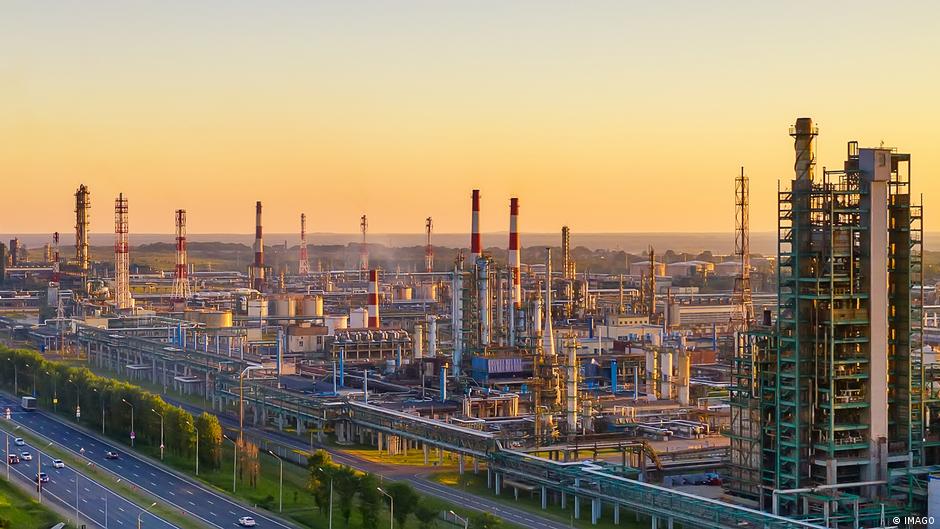
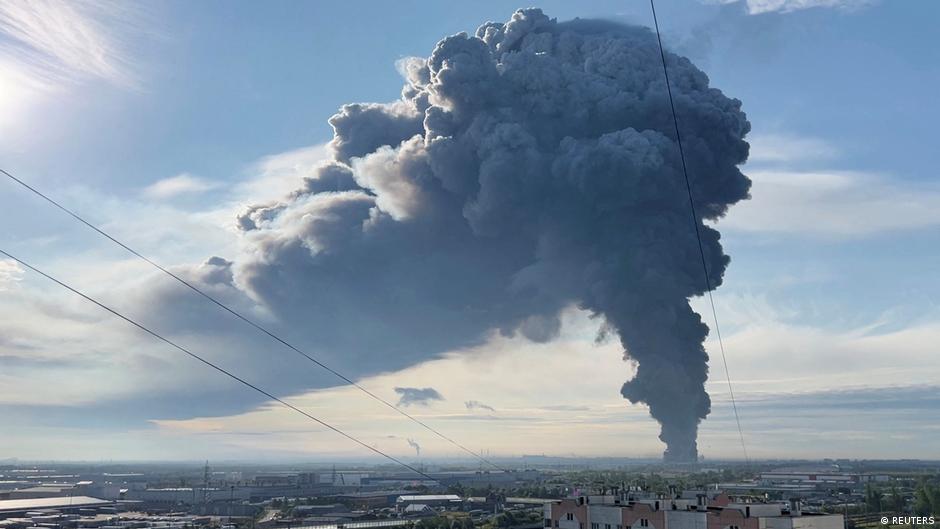
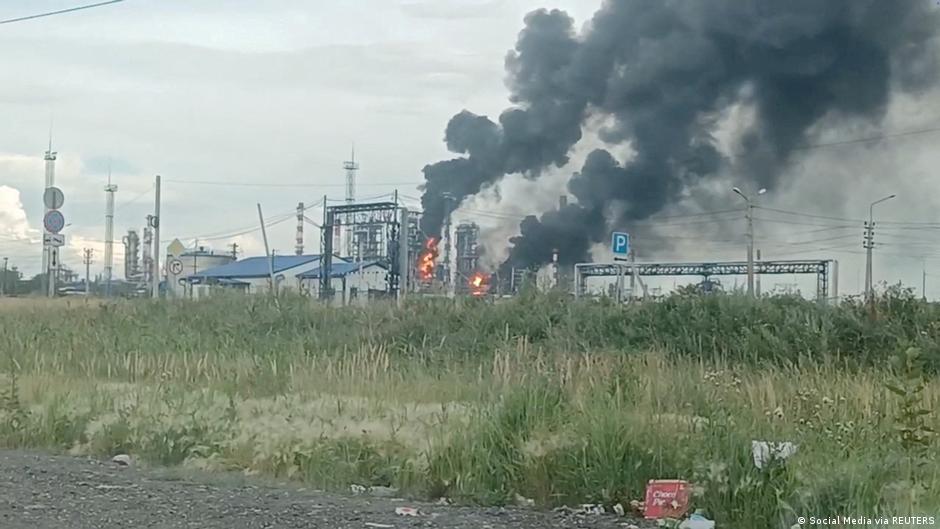
Drone damage has halted YANOS refinery processing and fuel shipments, adding pressure to Russian fuel supply and investor risk assessments.

The House advanced a sanctions bill that could allow 100% tariffs on major buyers of Russian energy, adding tariff and inflation risk for investors.

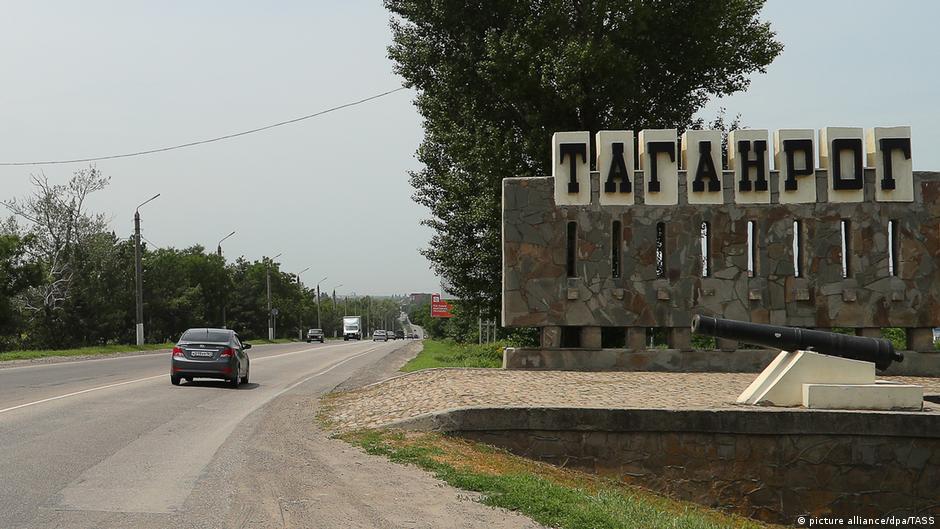
Strikes on the Syzran refinery and Taganrog facilities highlight continuing infrastructure risks for investors tracking Russian energy and industry.

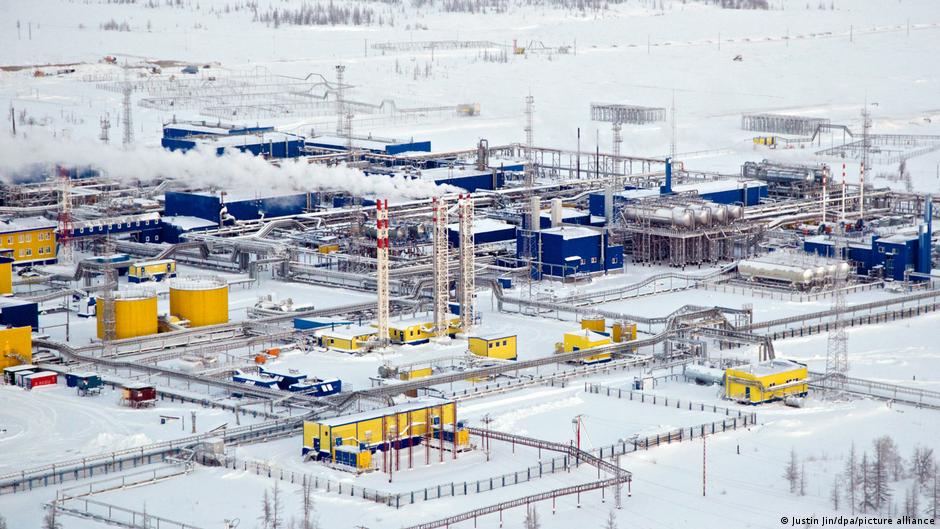
A reported Ukrainian drone strike in Russia’s Yamal gas region adds a new infrastructure risk point for energy and capital markets.

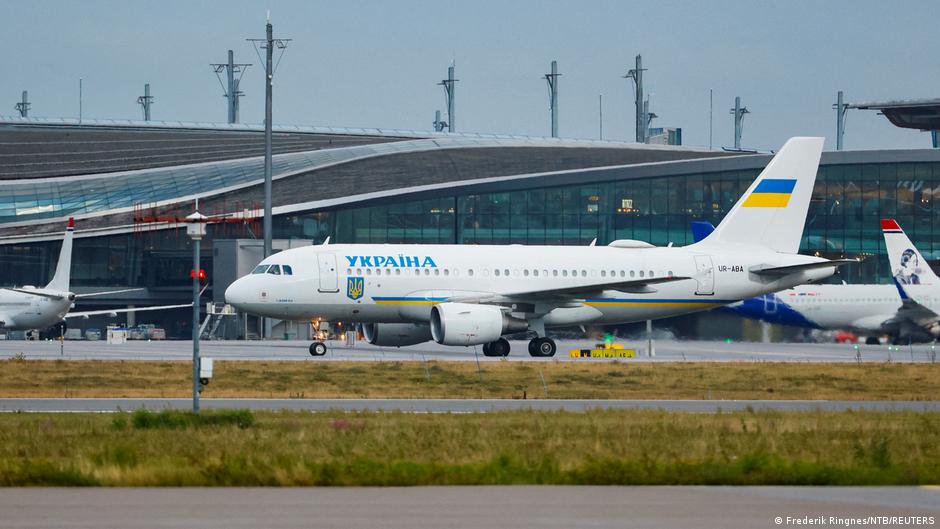
A reported drone threat delayed Zelenskyy’s flight from Moldova to Oslo, adding to market concerns over regional security and war spillover risk.

Trump threatens Oman with bombing over obstructing US-Iran talks on Strait of Hormuz, escalating geopolitical risks that impact oil markets and investor sentiment.

Qatar denies holding Iranian pilots amid Middle East conflict, a claim adding to regional tensions that continue to influence capital markets and investor confidence.

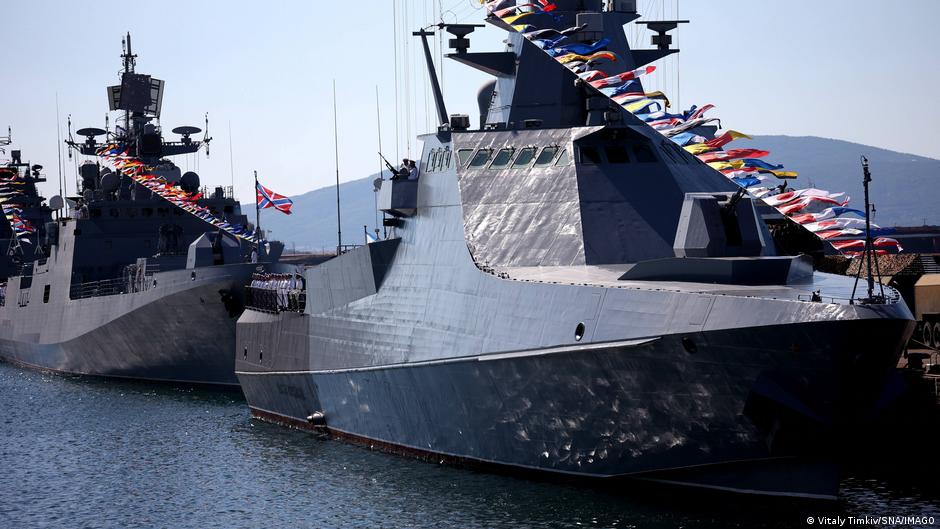
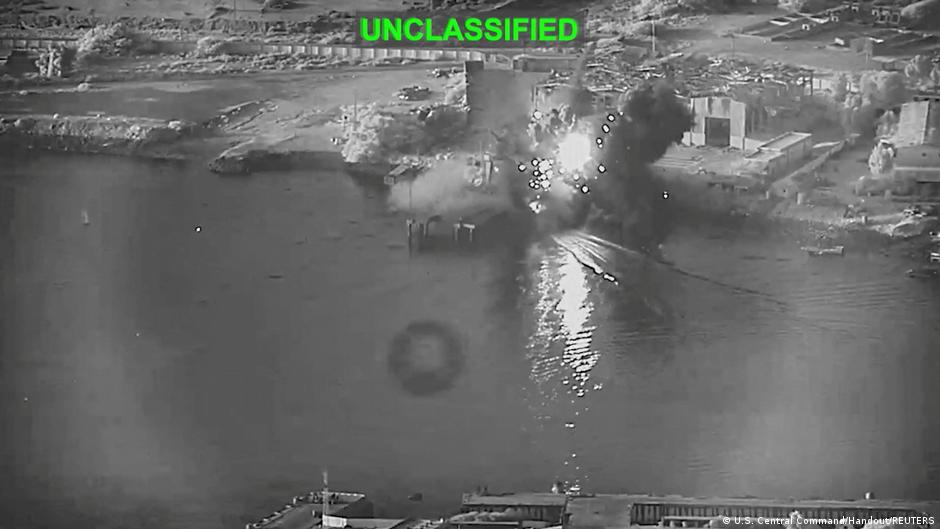
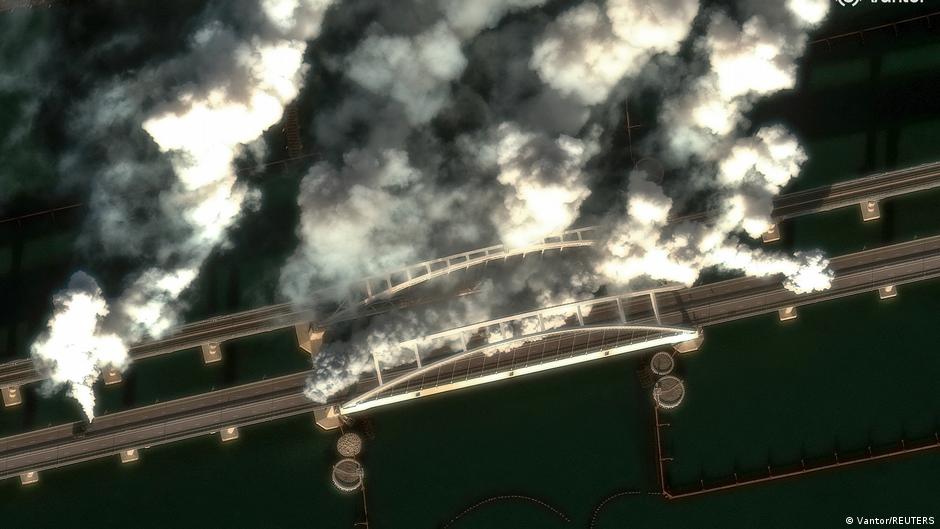
Ukraine's strike on Russian naval ships and infrastructure in Novorossiysk disrupts key grain exports and energy terminals, triggering volatility in Russian equities and bond markets.

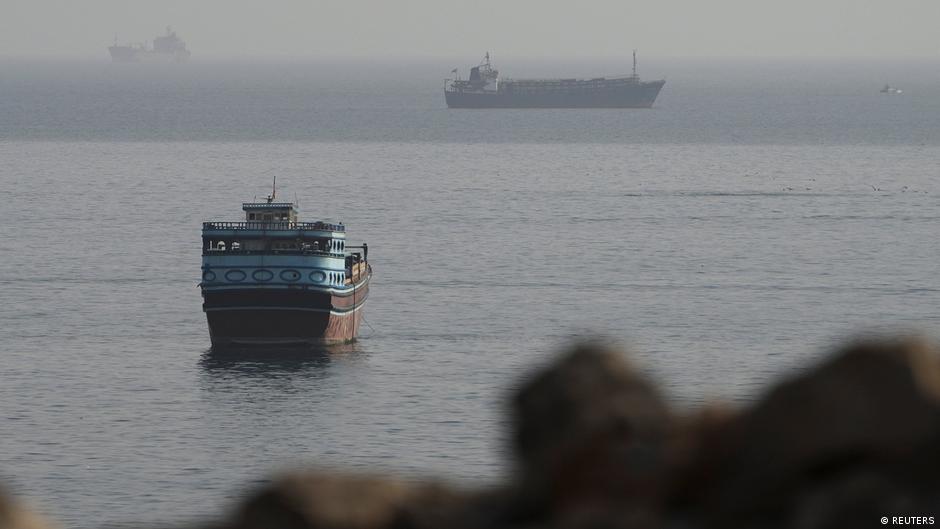
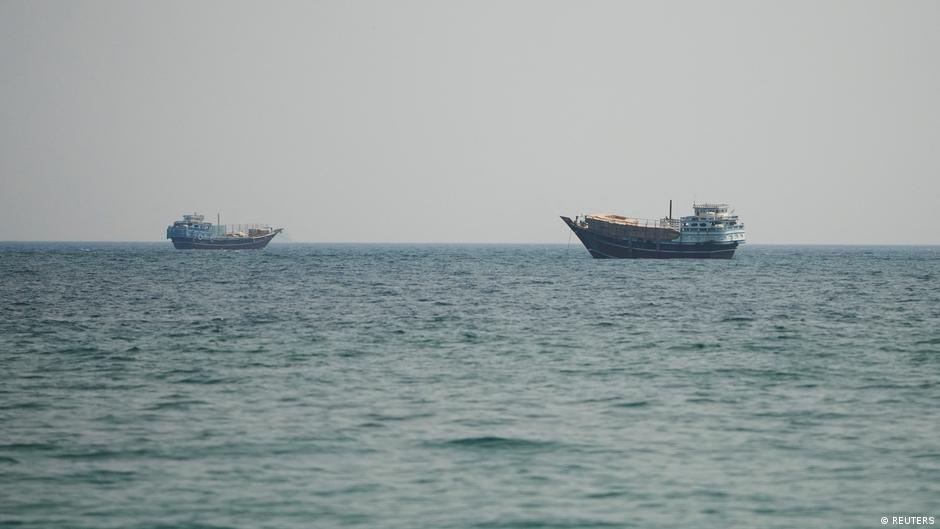
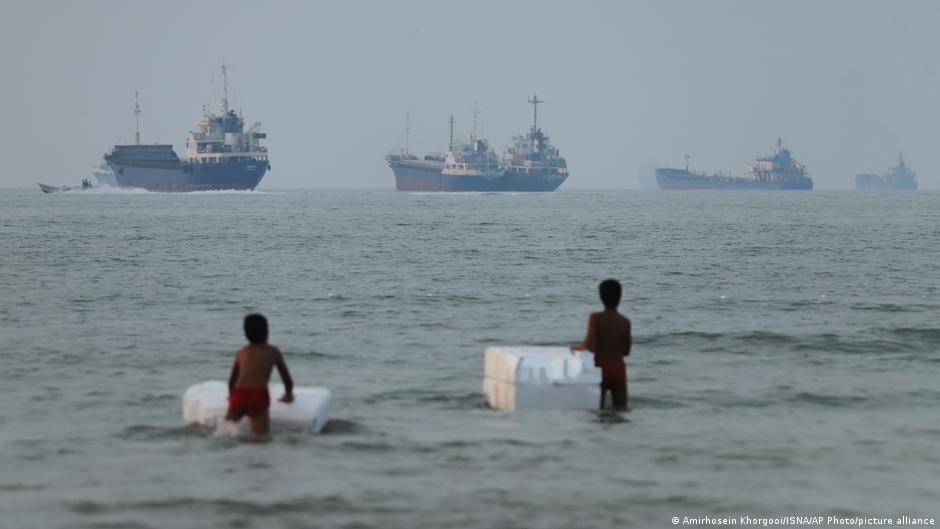
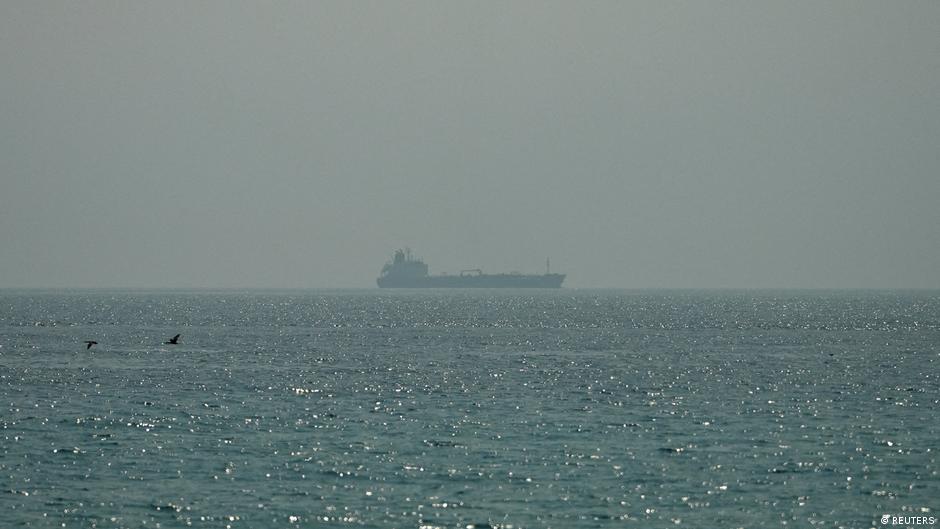
US military disabled a cargo ship attempting to breach Iran blockade in Strait of Hormuz, escalating maritime tensions and injecting volatility into energy markets and global shipping.

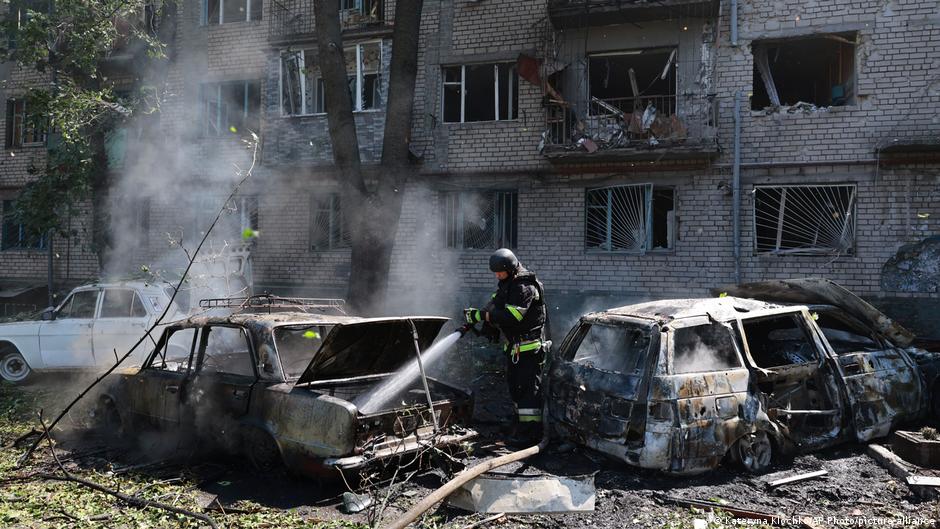
Russian missile and air strikes on Zaporizhzhia caused casualties and infrastructure damage, raising concerns among investors about regional stability and market volatility.

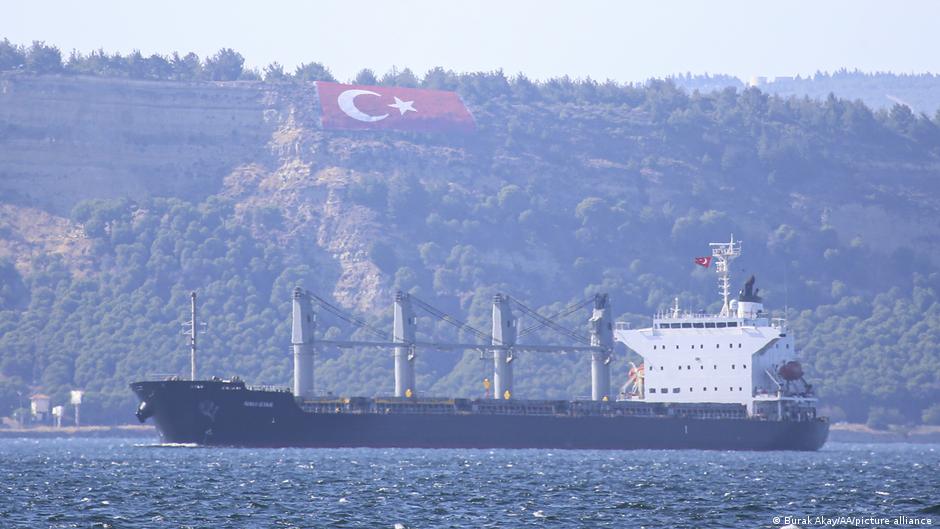
Turkey has reopened its straits to commercial shipping, easing recent restrictions that impacted Black Sea trade routes amid regional security threats.

Ukraine’s 40-day operation struck over 100 Russian strategic sites, focusing on military and energy infrastructure, with implications for global energy markets and defense sectors.

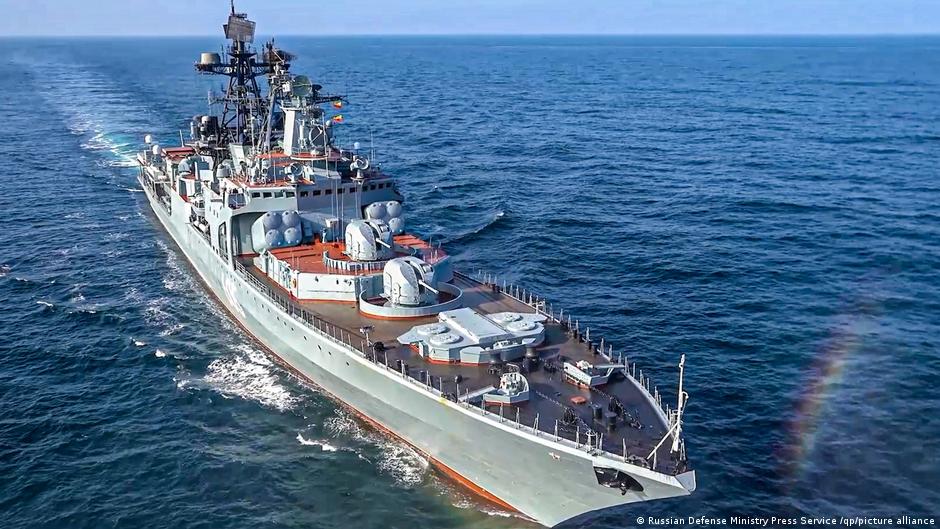
The deployment of Russia's anti-submarine ship Admiral Levchenko in the Baltic Sea near Germany signals increased maritime security efforts affecting European energy shipping routes and investor risk assessments.

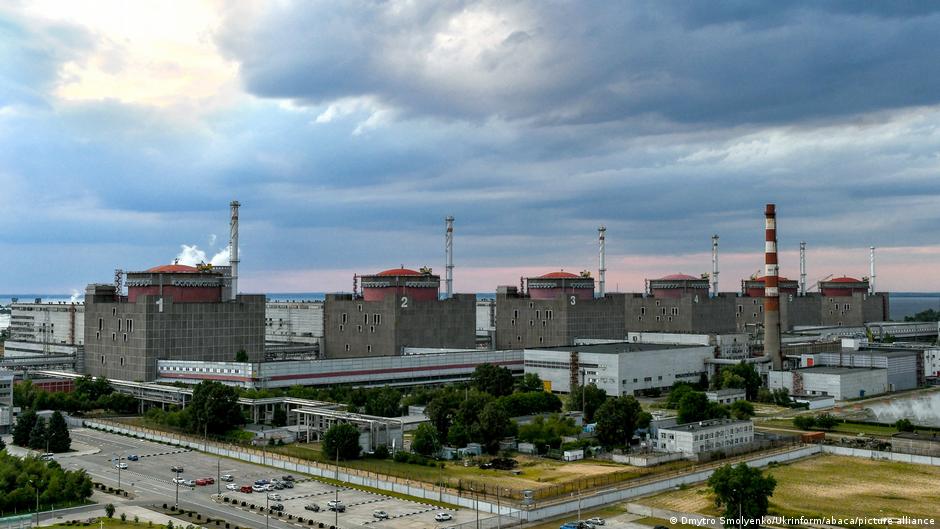
Zaporizhzhia Nuclear Power Plant has lost external power for the 23rd time since the conflict began, raising concerns about energy supply stability and investor risk amid ongoing military tensions.

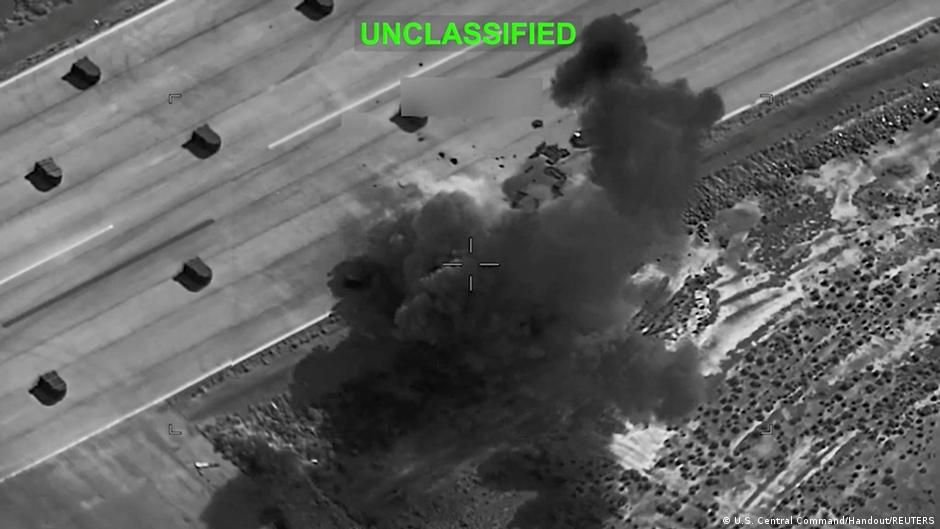
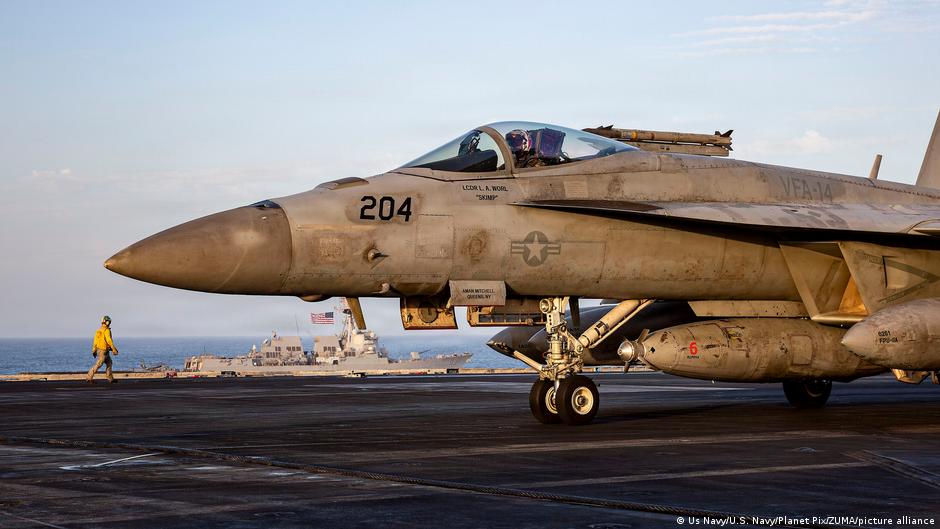
US forces intercepted ballistic missiles from Iran, heightening geopolitical risks that influence energy markets, equities, and bonds amid regional tension.

The US Senate advances legislation imposing steep tariffs on Russia, signaling increased geopolitical risks that could affect energy markets and investor portfolios.

Russia’s July oil and gas revenues may rise 60% year-on-year due to higher global prices, partially offsetting earlier declines and influencing market sentiment amid sanctions.

Iran’s IRGC mined an oil tanker in the Strait of Hormuz, raising regional tensions and impacting energy markets and shipping risks for investors.

Russia’s parliament amended fuel market regulations to stabilize prices by expanding compensation schemes and adjusting import rules, impacting energy sector investments.

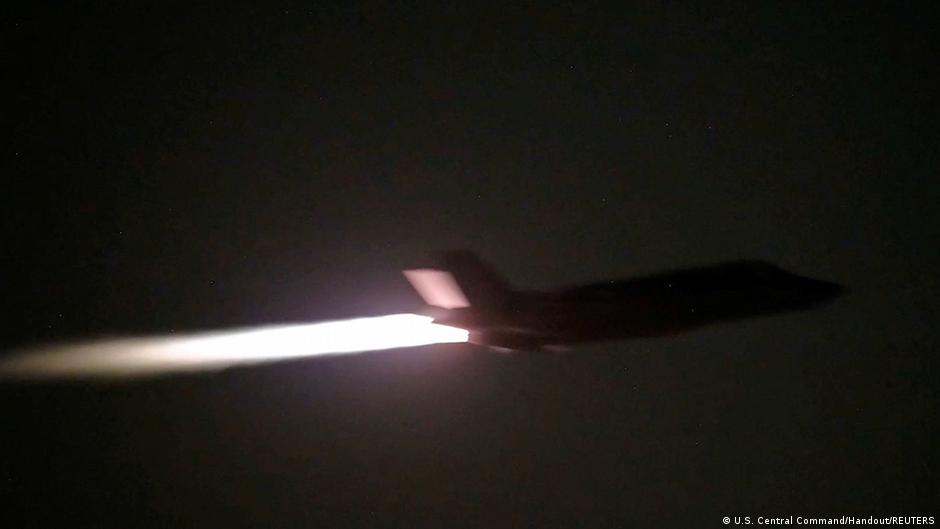
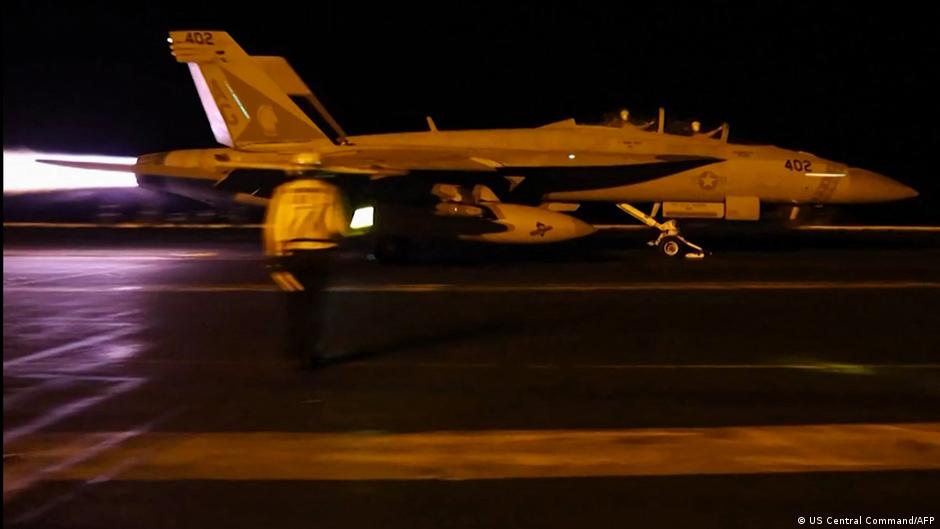
US forces conducted airstrikes on Iran for the 11th night amid escalating regional conflict, affecting energy supply routes and increasing market uncertainty for investors.

US military strikes against Iran enter tenth day, heightening risks for energy markets and global investors amid escalating Middle East tensions.

US military deaths in the Iran conflict have increased to 17, prompting heightened market volatility and impacting energy, defense equities, and bond markets amid rising geopolitical risks.

US and Iran military clashes near the Strait of Hormuz are disrupting oil shipping and increasing market uncertainty, affecting energy prices and investor risk sentiment worldwide.

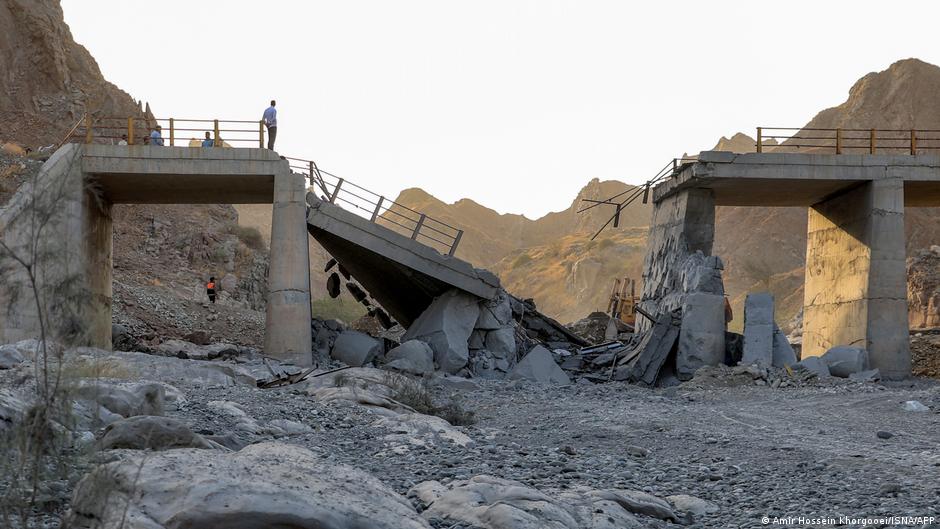
US strikes on Iranian infrastructure escalate geopolitical risks, causing volatility in regional equities and bonds, with implications for global investors.

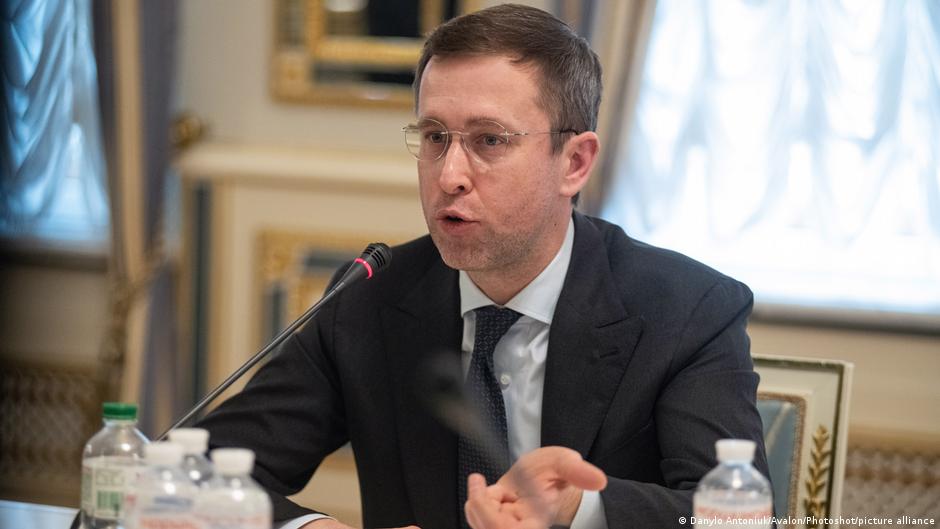
Ukraine’s parliament is set to approve Sergei Koretsky as prime minister, marking a government reshuffle with potential impacts on energy policy and market stability.

US airstrikes on Iranian targets and Tehran’s retaliatory attacks escalate Middle East tensions, driving volatility in oil markets, equities, and bonds.

The US is advancing plans to revive an Iraq-Syria oil pipeline to bypass the Strait of Hormuz, aiming to reduce Iran’s influence and alter energy market dynamics.

Russian combined air and drone strikes on Izium have caused civilian damage and raised geopolitical risks, prompting increased market volatility and investor caution in Eastern Europe.

US strikes on Iran near the Strait of Hormuz escalate tensions, impacting oil shipping routes and increasing risks for energy markets and investors globally.

US military strikes against Iran following attacks on commercial vessels have led to the closure of the Strait of Hormuz, impacting global oil supply and increasing market volatility.

Ukrainian drone strikes have forced the Saratov refinery to halt operations, cutting refining capacity and exacerbating fuel shortages in Russia's energy market.

US military strikes on Iran escalate tensions, impacting oil supply routes and causing volatility in energy markets and investor sentiment.

US military strikes on Iran after attacks on tankers escalate Middle East tensions, triggering volatility in energy markets and impacting investor risk sentiment globally.

Cuba’s nationwide blackout amid US sanctions and fuel shortages intensifies economic instability, affecting regional market dynamics and investor risk assessments.

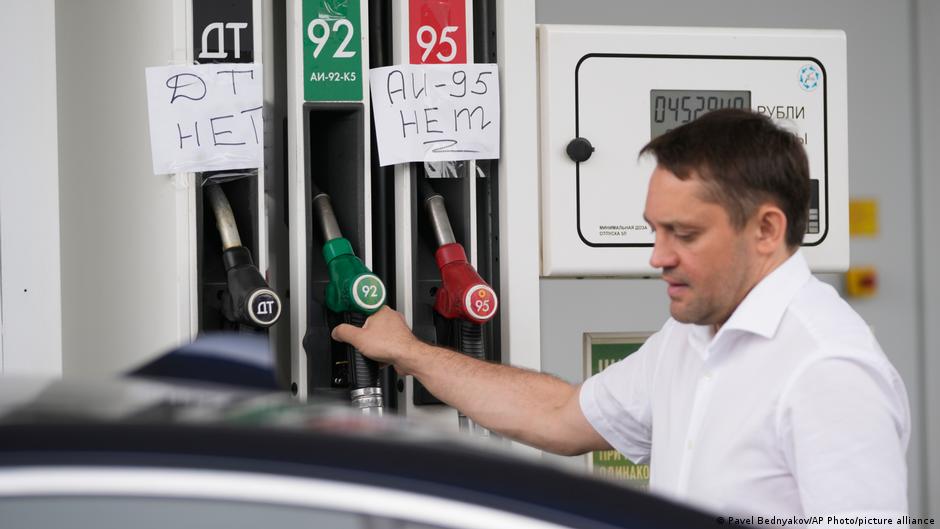
Russia permits Euro-3 fuel circulation until 2026 to mitigate refinery disruptions, impacting energy markets with lower fuel quality and constrained supply.

German and U.S. foreign ministers meet amid global economic challenges, reinforcing transatlantic ties and signaling potential shifts in NATO funding and geopolitical risk management.

The US and Iran agree on a temporary ceasefire until June 30 talks on Strait of Hormuz navigation, easing oil price volatility and reducing geopolitical risks for investors.

US military strikes on Iranian sites after drone attacks on oil tankers near Strait of Hormuz raise geopolitical risks, impacting energy markets and investor sentiment.

Germany's grant of asylum to Russian activist Ilya Shkolny reflects growing geopolitical risks from Russia's war, impacting European market sentiment and investor risk assessment.

Italy and France express concerns over the EU's proposed entry ban on Russian combatants, fearing it could affect all Russian travelers and impact capital markets and investor confidence.

Former President Trump praises Zelensky's leadership amid the Ukraine conflict, influencing market sentiment as investors weigh geopolitical risks and sanctions impacts.

Drone attacks on a Russian oil depot and Crimean power plants trigger fires and outages, raising concerns for regional energy supply and investor risk in energy markets.