US Military Strikes Iran Amid Rising Tensions Impacting Capital Markets
US military strikes on Iran escalate tensions, impacting oil supply routes and causing volatility in energy markets and investor sentiment.
US military strikes on Iran escalate tensions, impacting oil supply routes and causing volatility in energy markets and investor sentiment.
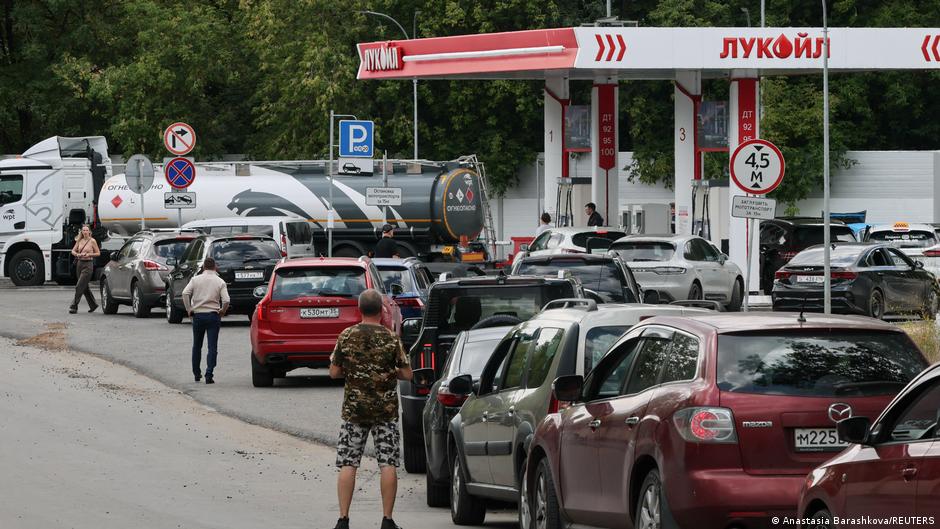
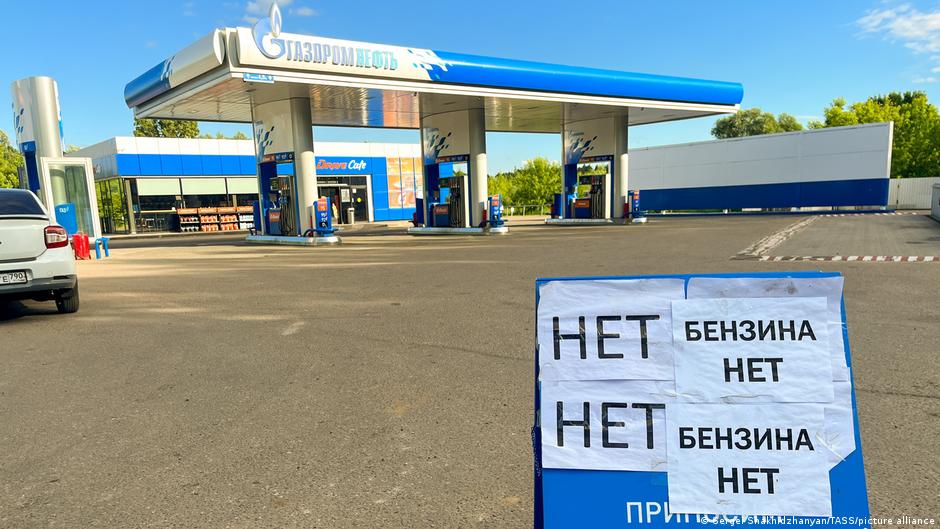
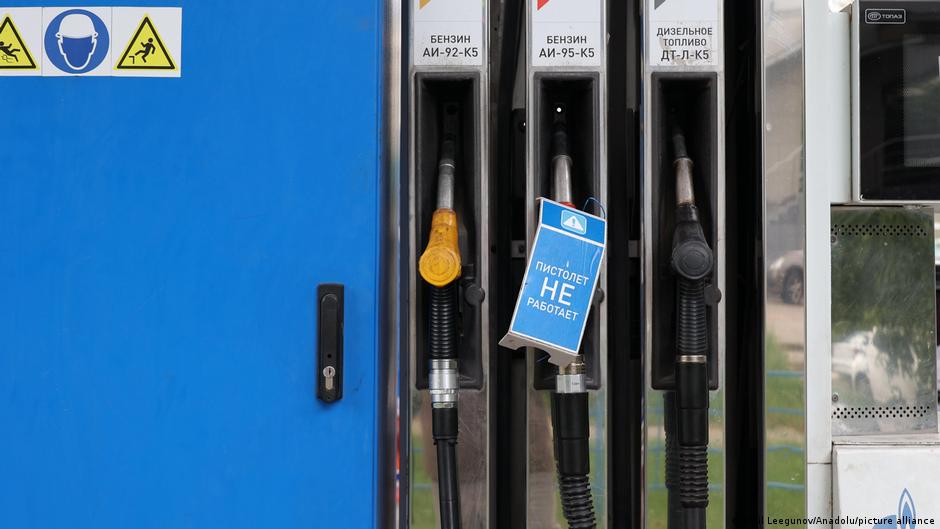
Gasoline prices in Crimea have surged nearly 80% in a week amid Russia's export restrictions and supply shortages, signaling increased market volatility for energy investors.

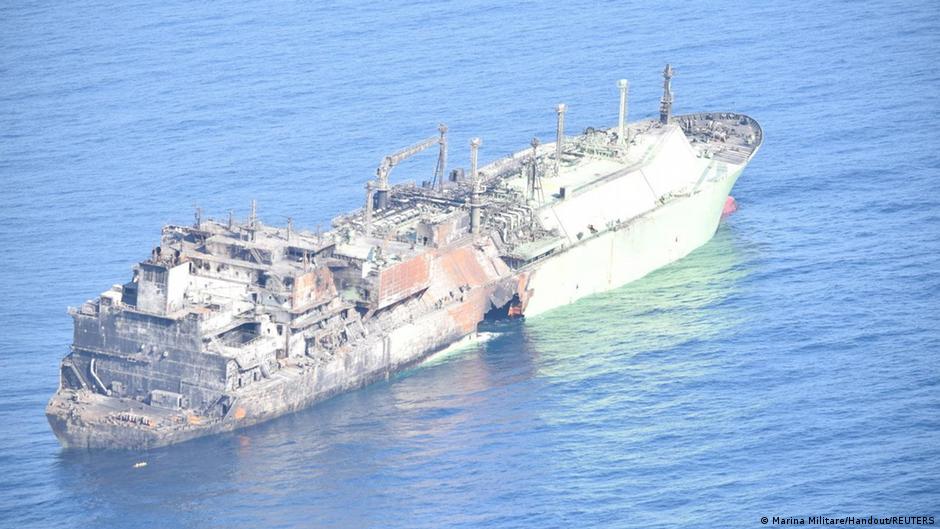
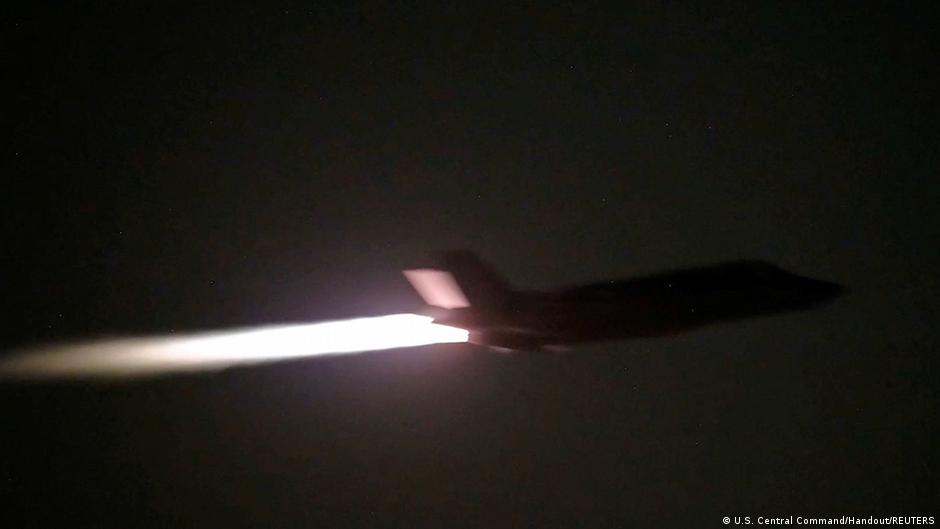
US military strikes on Iran after attacks on tankers escalate Middle East tensions, triggering volatility in energy markets and impacting investor risk sentiment globally.

Cuba’s nationwide blackout amid US sanctions and fuel shortages intensifies economic instability, affecting regional market dynamics and investor risk assessments.

Russian strikes across multiple Ukrainian regions cause civilian casualties and infrastructure damage, posing risks to investor confidence and regional market stability.

Russia permits Euro-3 fuel circulation until 2026 to mitigate refinery disruptions, impacting energy markets with lower fuel quality and constrained supply.

Russian drone and missile strikes on Ukraine fell significantly in June, raising cautious optimism but sustained uncertainty for investors amid ongoing conflict dynamics.

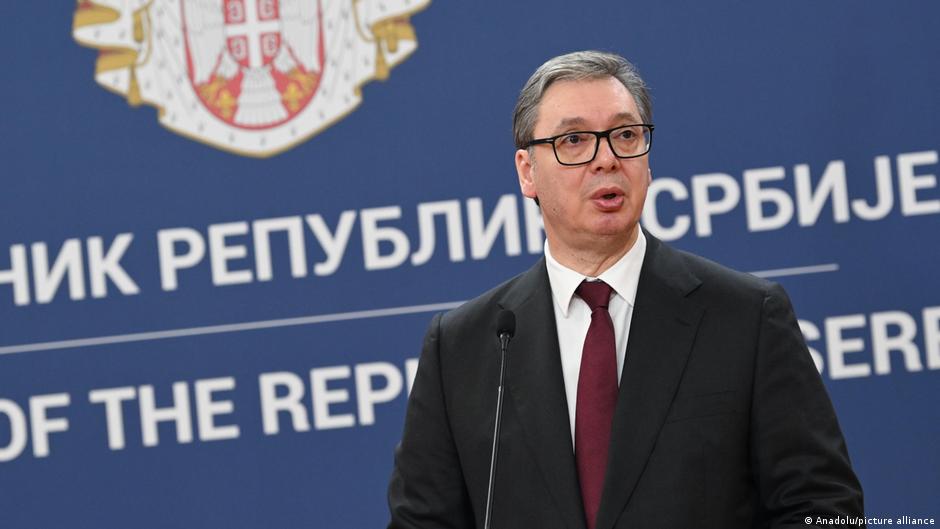
The US has again extended a temporary license allowing Serbian oil company NIS, partly owned by Gazprom, to operate under sanctions, prolonging uncertainty for investors.

The Bavarian SPD awarded Yulia Navalnaya for her resistance to Russia’s authoritarian regime, highlighting ongoing geopolitical risks influencing European markets and investor strategies.

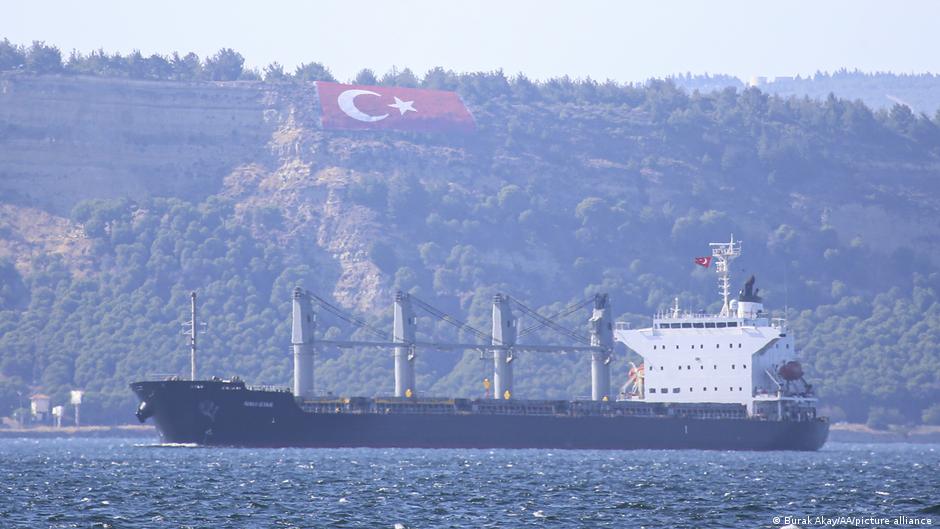
The US and Iran agree on a temporary ceasefire until June 30 talks on Strait of Hormuz navigation, easing oil price volatility and reducing geopolitical risks for investors.

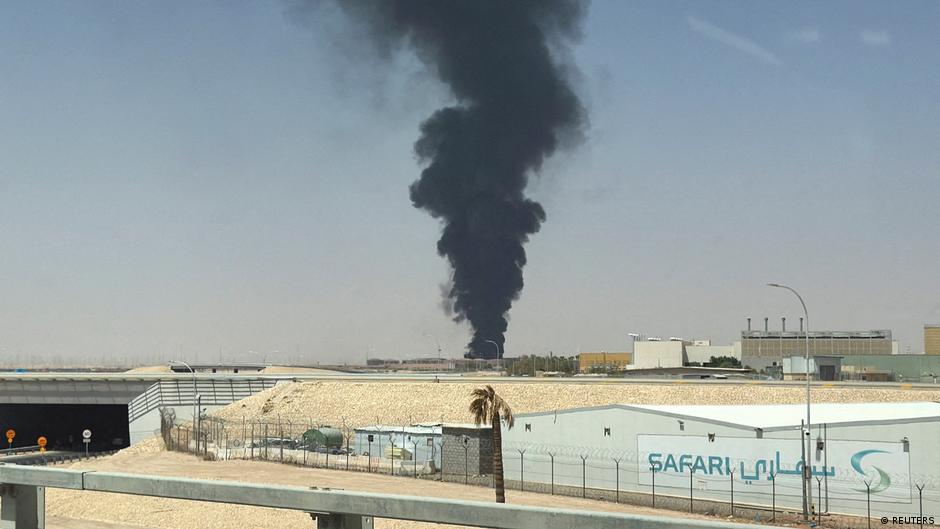
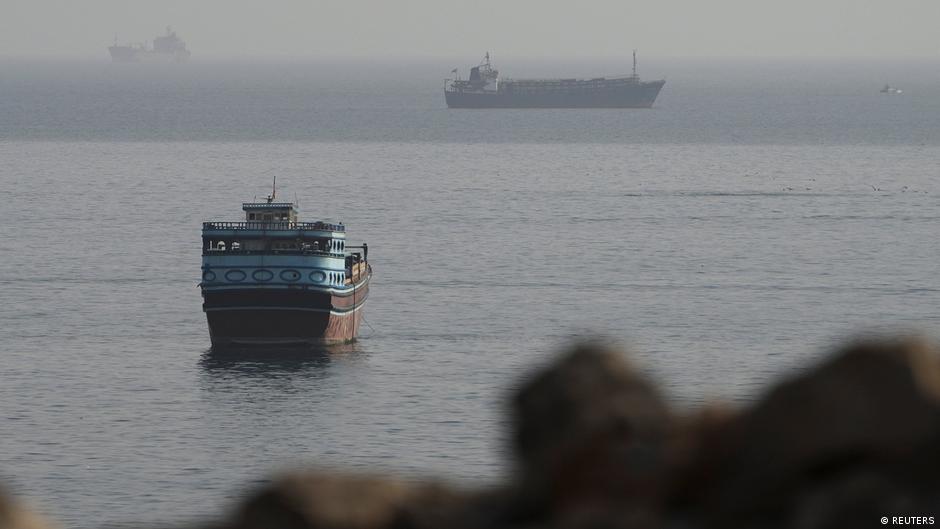
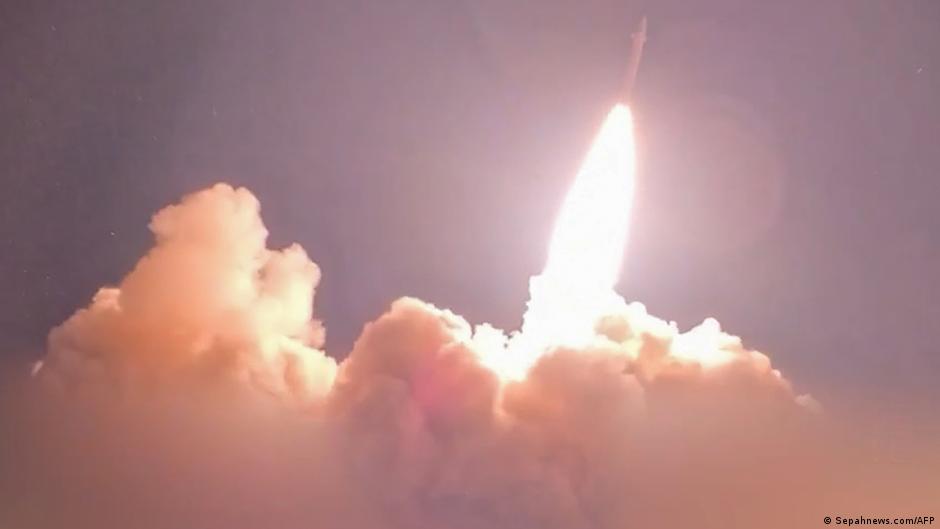
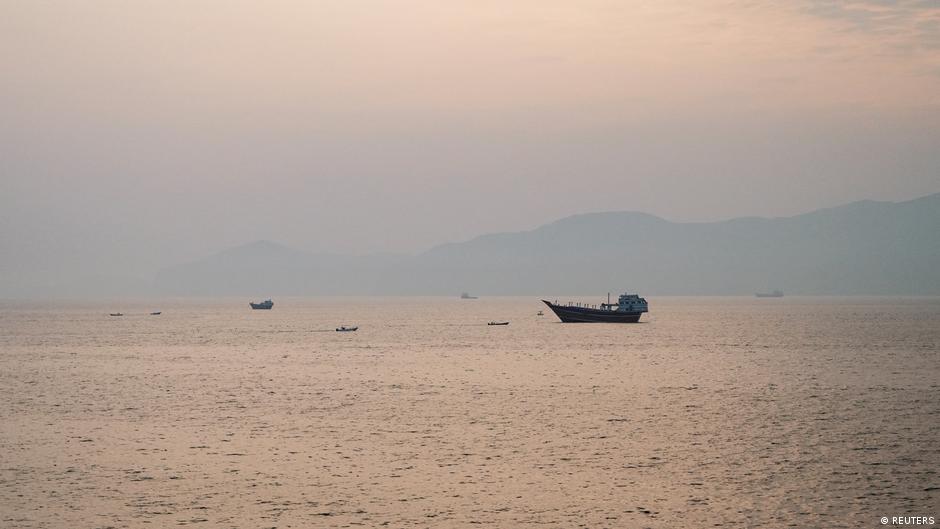
US military strikes on Iranian sites after drone attacks on oil tankers near Strait of Hormuz raise geopolitical risks, impacting energy markets and investor sentiment.

Russia's aviation fuel imports from Belarus surged nearly fourfold in May 2026 amid domestic production declines and refinery shutdowns, impacting fuel markets and investors.

US and Iran exchanged military strikes after an Iranian drone attacked a merchant vessel in the Strait of Hormuz, causing oil prices to rise and increasing market volatility.

Finland has lifted its ban on nuclear weapons transit, aligning more closely with NATO and impacting regional security and market risk assessments for investors.

Russia closes Romanian consulate in Saint Petersburg in retaliation for Romania shutting Russian consulate after a drone incident, raising geopolitical risks affecting regional markets.

Italy and France express concerns over the EU's proposed entry ban on Russian combatants, fearing it could affect all Russian travelers and impact capital markets and investor confidence.

PACE criticizes Georgia’s democratic decline, urging reforms amid political tensions that raise concerns for investors about market stability and risk premiums.

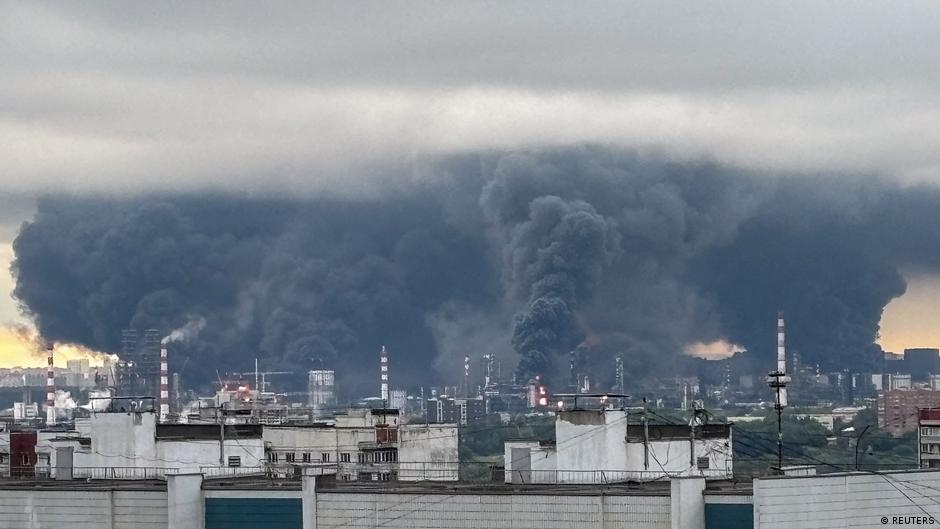
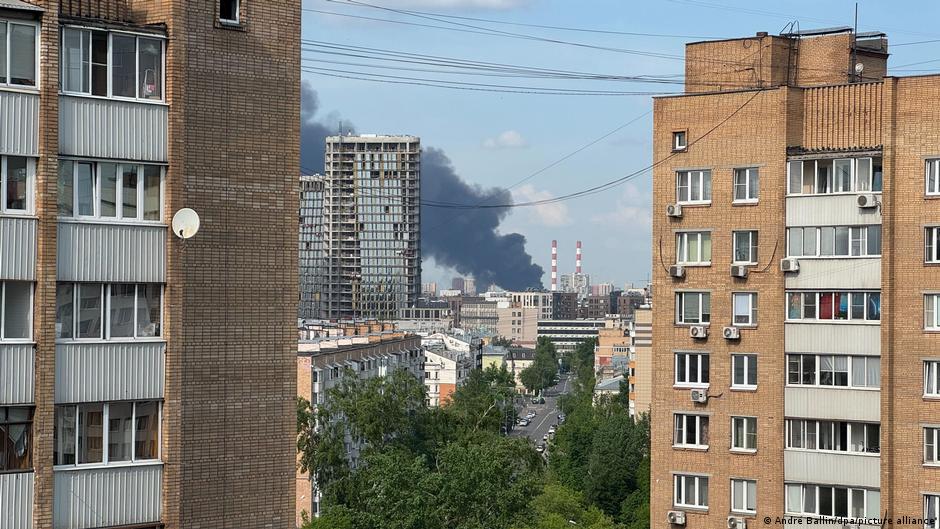
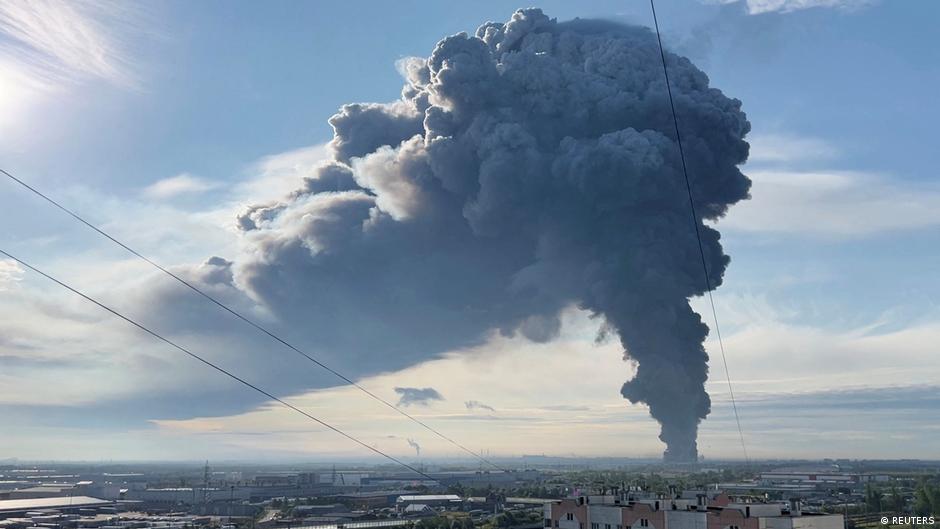
Drone attacks on a Russian oil depot and Crimean power plants trigger fires and outages, raising concerns for regional energy supply and investor risk in energy markets.

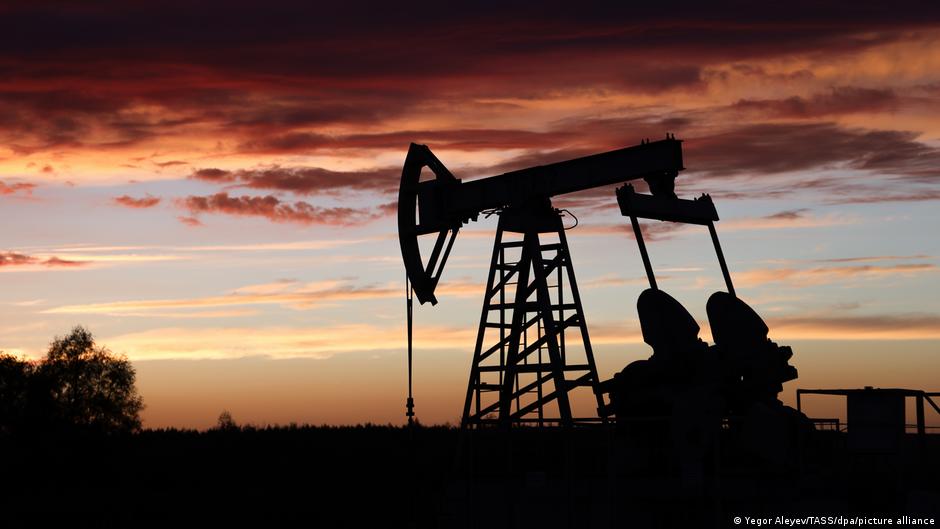
Russia’s maritime oil exports hit a 2026 peak despite falling prices amid US-Iran diplomacy, posing complex challenges for energy investors and capital markets.

The US imposed new sanctions on five major Cuban state companies controlling 40% of GDP, intensifying economic and political tensions with implications for investors.

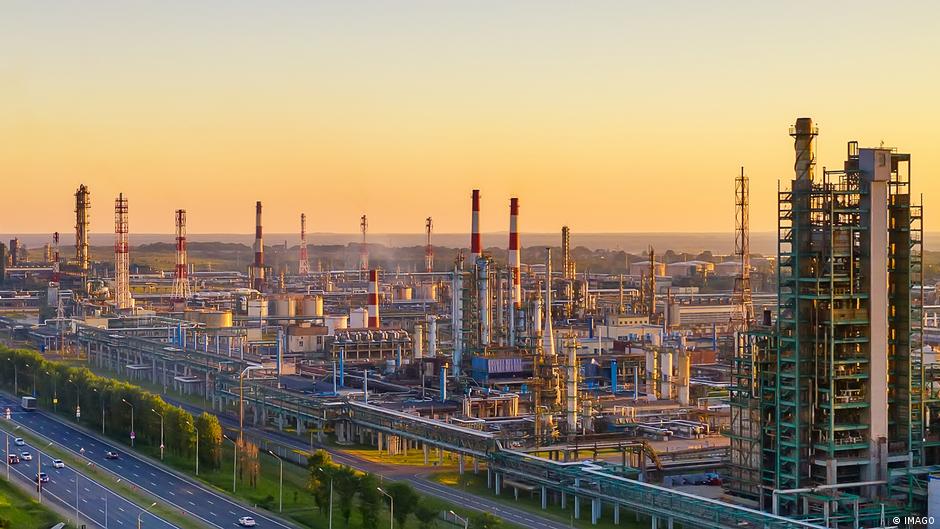
Russian authorities impose fuel sales limits in over 50 regions amid production cuts from drone attacks, affecting oil market dynamics and investor confidence.

US and Iran agree on a communication channel for the Strait of Hormuz, easing geopolitical risks and potentially stabilizing energy markets and investor sentiment.

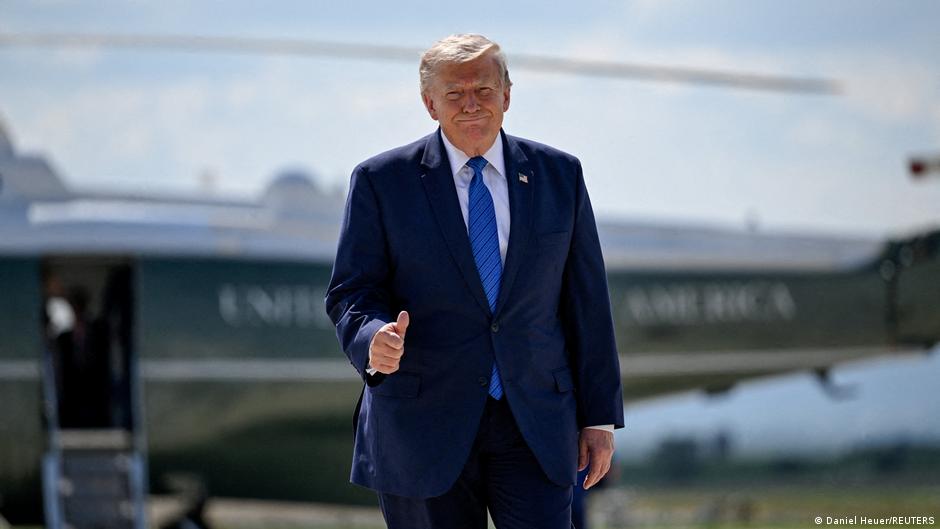
President Trump threatens a transit fee for ships passing the Strait of Hormuz if the US-Iran deal fails, raising oil market and investor uncertainty amid regional tensions.

Germany urges that future EU-Turkey gas agreements exclude Russian supplies, signaling shifts in energy markets and investor strategies amid Europe's transition away from Russian energy.

Drone attacks on Crimean ports and infrastructure triggered fires and disrupted transportation, raising concerns for investors in regional energy and transport assets.

Bulgaria plans to veto the EU's latest sanctions on Russia, citing economic risks to its energy sector, notably Lukoil, raising concerns for investors in regional markets.

The US has lifted its blockade of the Strait of Hormuz, reopening vital oil transit routes and initiating negotiations with Iran, impacting global energy markets and investor confidence.

Pakistan announces immediate reopening of the Strait of Hormuz following a US-Iran peace memorandum, potentially easing geopolitical risks impacting energy markets and investors.

G7 leaders commit to new sanctions on Russian oil and gas sectors and increase military aid to Ukraine, impacting energy and defense markets worldwide.

European leaders welcome the US-Iran peace deal, emphasizing regional stability, nuclear non-proliferation, and potential easing of market risks, particularly in energy sectors.

Iran has replenished about 75% of its missile arsenal, likely aided by new Russian missile deliveries, fueling geopolitical risks that affect defense equities and energy markets.

Recent drone attacks on Russian chemical and oil facilities raise concerns about operational risks and supply chain disruptions affecting market stability.

Reports of the UAE unfreezing billions in Iranian assets to halt attacks have sparked market speculation, though official denials fuel investor uncertainty amid diplomatic talks.

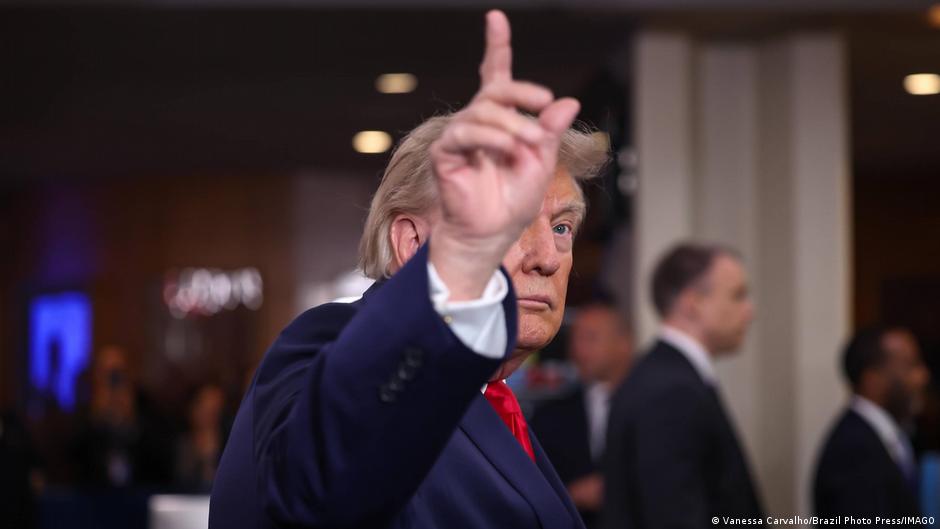
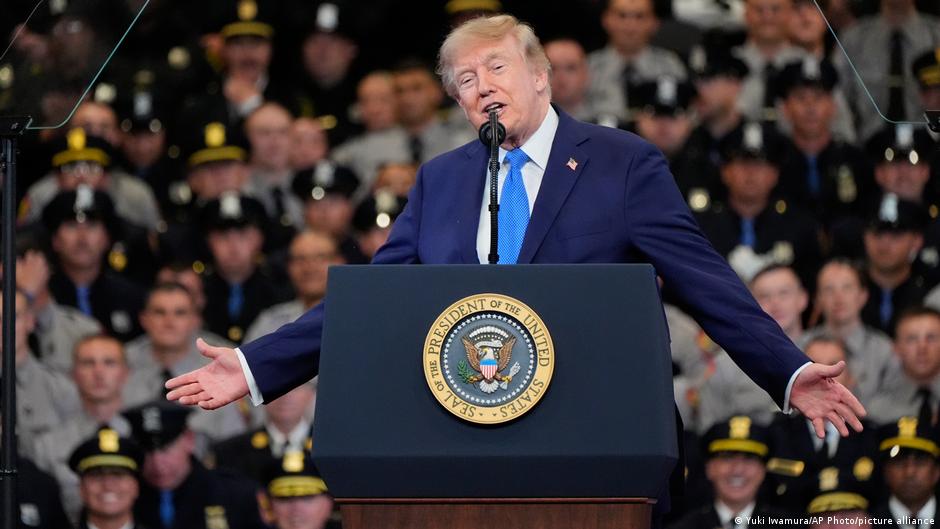
US President Trump cancels planned strikes on Iran amid diplomatic progress, easing geopolitical risks and stabilizing oil and equity markets.

The US sanctions on Cuba’s state oil company CUPET increase risks for energy sector investors amid rising geopolitical tensions and supply challenges.

Renewed US-Iran hostilities and Iran’s closure of the Strait of Hormuz have triggered market volatility and raised concerns over oil supply disruptions.

Twenty-two countries condemn Iran for attacks on their territories, raising geopolitical tensions and triggering cautious capital market responses.

US military strikes on Iranian targets following the downing of an Apache helicopter have intensified regional tensions, impacting energy prices and investor sentiment.

Israeli and Iranian military exchanges intensify amid US-led peace talks, causing volatility across equities and bonds as investors assess geopolitical risks.

US Treasury extends deadline to June 16 for MOL's negotiations to acquire Gazprom's stake in Serbian oil firm NIS amid sanctions and pipeline disruptions.

US forces down Iranian drones threatening the Strait of Hormuz, escalating regional risks that impact global energy markets and investor sentiment.

The US Treasury expanded sanctions on Cuban President Diaz-Canel and Castro family members, heightening geopolitical risks and impacting investor sentiment in related markets.

The US House passes a resolution restricting President Trump's military actions against Iran without Congress approval, reflecting political shifts that could impact markets sensitive to Middle East tensions.

Rosneft advisor predicts Russia may face decades-long conflict, urging economic restructuring that could impact equities and bonds amid heightened security risks.

Tensions rise after Israeli strikes in Lebanon and US President Trump’s harsh criticism of Netanyahu, heightening geopolitical risks impacting equities and bonds.

The US has quietly aided around 70 commercial ships through the Iran-blocked Strait of Hormuz, signaling ongoing regional tensions that affect energy and shipping markets.

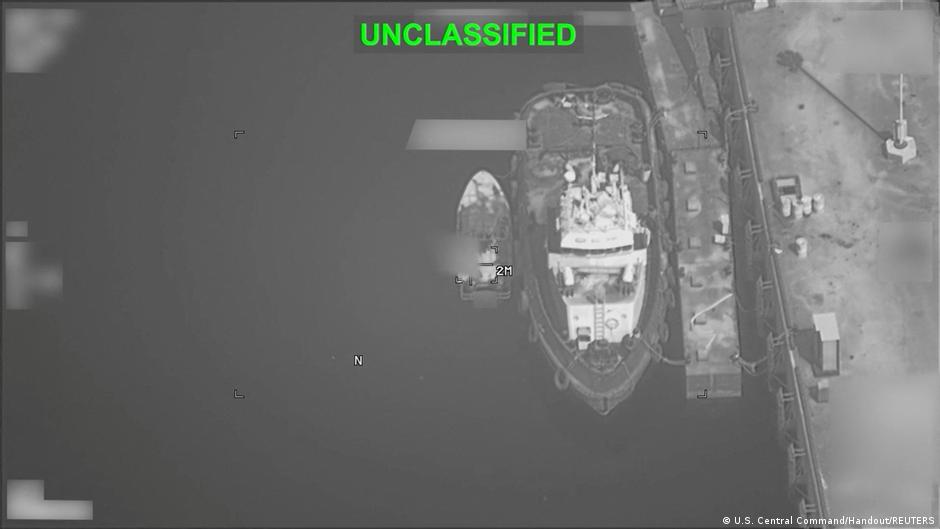
US forces disabled a Gambian-flagged vessel headed to Iran amid Strait of Hormuz blockade, raising regional tensions and impacting energy markets and investor sentiment.

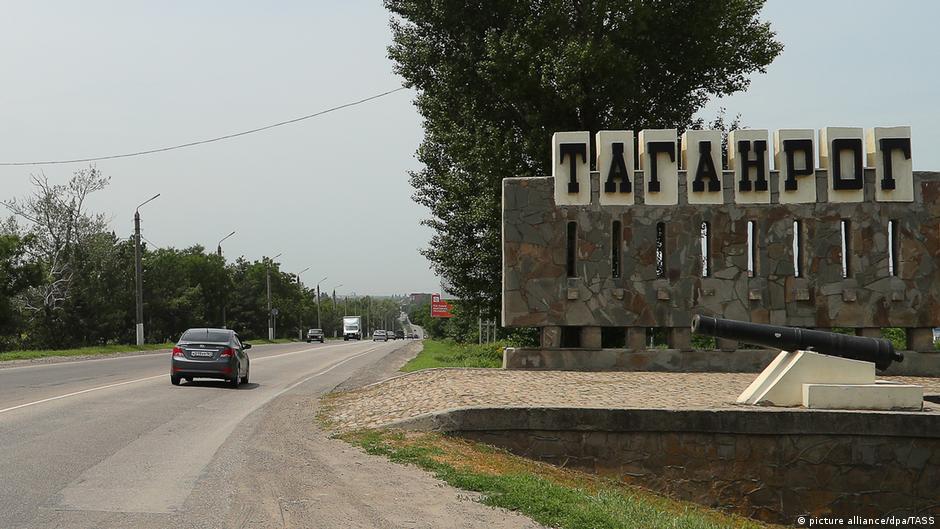
Drone strikes on oil facilities in Russia's Rostov and Saratov regions have caused fires, raising concerns about energy infrastructure stability and market volatility.

President Trump demands Iran respect U.S. 'red lines' on nuclear weapons, affecting market sentiment and investor strategies amid ongoing diplomatic talks.

Russia plans 1-2 month export limits on diesel and jet fuel amid drone attacks disrupting major refineries, impacting fuel supply and investor outlook in energy markets.